The Best Fluffy Pancakes recipe you will fall in love with. Full of tips and tricks to help you make the best pancakes.
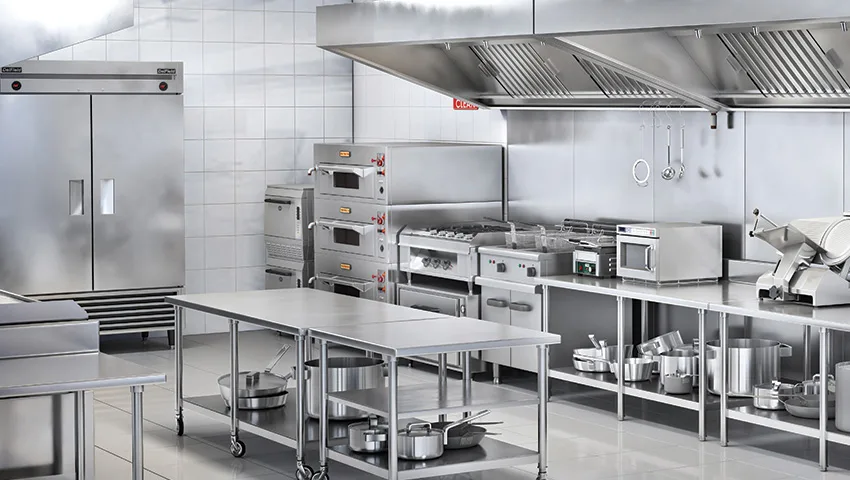
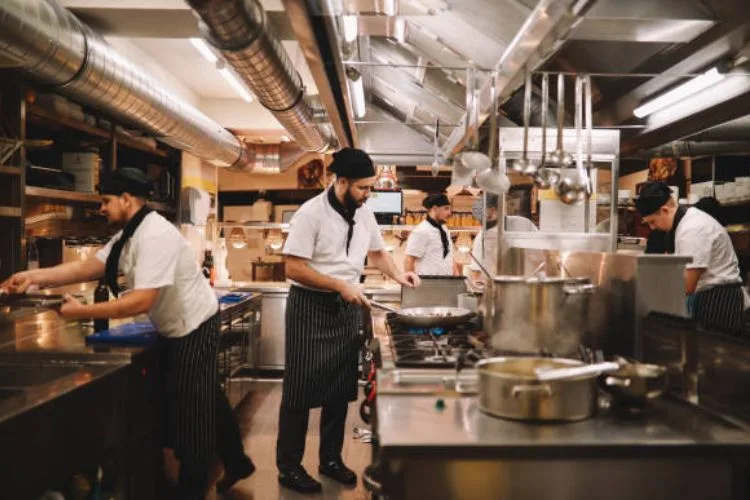
Let me tell you about the first time I walked into a restaurant kitchen that wasn’t mine. It was a small bistro in Nashville, one of those places with a chalkboard menu and a line out the door by 6 PM. The chef, a guy named Marco who looked like he hadn’t slept since 2019, was juggling three pans, a blender, and what appeared to be a minor existential crisis. “We’re drowning,” he muttered as he tossed a handful of herbs into a saucepan. “Not in orders, just in the prep.”
That stuck with me. Because here’s the thing: restaurants don’t fail because they can’t cook. They fail because they can’t keep up. The difference between a kitchen that hums and one that screams isn’t talent, it’s tools. And not just any tools. The right commercial kitchen tools don’t just make meal prep faster; they make it smarter. They turn chaos into rhythm, guesswork into precision, and exhaustion into something that almost resembles flow. But here’s where it gets tricky: most kitchens either underinvest in equipment or buy the wrong stuff entirely. So let’s talk about how to fix that.
By the end of this, you’ll know:
- Why your current prep process is probably wasting 20% of your time (and how to claw it back)
- The commercial tools that actually move the needle (and the ones that are just shiny distractions)
- How to balance cost, space, and efficiency without driving yourself insane
- Real-world examples of kitchens that transformed their workflow overnight
Sound good? Let’s dig in. Or, as Marco would say, “Let’s stop pretending we’re not one broken blender away from a meltdown.”
The Silent Killer of Restaurant Kitchens: Inefficient Prep
I’ve lost count of how many times I’ve heard some version of, “We don’t need fancy equipment, we’ve got knives and grit.” Cool. Knives and grit are great until you’re staring down 200 covers, a walk-in full of mise en place that’s already wilting, and a line cook who’s one misplaced onion away from quitting. Grit doesn’t julienne carrots at 3 AM. Grit doesn’t keep your sauces at the exact right consistency for hours. And grit? Grit doesn’t prevent cross-contamination when your prep cook is too tired to remember which cutting board is for raw chicken.
Here’s the hard truth: inefficient prep is the silent killer of restaurants. It’s not the bad Yelp review or the food critic who didn’t “get” your vision. It’s the fact that your team is spending 60% of their time prepping and 40% cooking, when it should be the other way around. That’s not a workflow, it’s a hostage situation. And the hostage? Your profit margins.
So why do so many kitchens cling to outdated methods? A few reasons:
- “We’ve always done it this way.” The most dangerous phrase in any kitchen. Change is scary, especially when you’re already stretched thin. But here’s the thing: if you’re not evolving, you’re eroding. The restaurants that thrive aren’t the ones with the most tradition, they’re the ones that adapt fastest.
- Fear of investment. Commercial kitchen tools aren’t cheap. A high-quality food processor can run you $1,500. A combi oven? Try $10,000. But let’s do the math. If that food processor saves your prep cook 2 hours a day, and your prep cook makes $18/hour, that’s $36 a day. $252 a week. $1,008 a month. The machine pays for itself in five months. And that’s before you factor in the reduced food waste, the consistency in your dishes, and the fact that your team isn’t quitting from exhaustion.
- Space constraints. “We don’t have room for more equipment.” I hear this a lot, especially in urban kitchens where every square foot is precious. But here’s the kicker: the right tools don’t just save time, they save space. A combi oven, for example, replaces a convection oven, a steamer, and a holding cabinet. That’s three pieces of equipment in one. Suddenly, you’ve got room you didn’t know you had.
- Overcomplicating the problem. Sometimes, the solution isn’t a $20,000 robot. It’s a $200 vegetable chopper or a set of color-coded cutting boards. The key is identifying the specific bottlenecks in your prep process and addressing them with surgical precision. Which brings me to my next point…
Step 1: Diagnose Your Prep Pain Points (Or: Why Your Kitchen is a Ticking Time Bomb)
Before you drop a dime on new equipment, you need to figure out where your prep process is breaking down. Every kitchen is different, but most inefficiencies fall into a few key categories. Grab a notebook (or, let’s be real, your phone’s notes app) and ask yourself these questions:
Where Are We Wasting Time?
Time is the currency of restaurant kitchens. Waste it, and you’re basically burning money. So where are you hemorrhaging minutes? Common culprits:
- Knife work. How much time is your team spending chopping, dicing, and mincing? If it’s more than 20% of their prep time, you’ve got a problem. A good food processor or mandoline can cut that time in half.
- Repetitive tasks. Peeling 50 pounds of potatoes. Deveining 10 pounds of shrimp. Shucking 100 oysters. These are the kinds of tasks that make prep cooks question their life choices. And they’re exactly the kind of tasks that commercial tools are designed to handle.
- Waiting for equipment. Is your team standing around waiting for the oven to preheat? For the fryer to come up to temp? For the walk-in to chill down? These are all signs that your equipment isn’t keeping up with your demand.
- Cleanup. How much time is your team spending scrubbing pots, degreasing grills, or sanitizing surfaces? If it’s more than 15% of their shift, you’re losing money. Commercial-grade dishwashers, self-cleaning ovens, and easy-to-clean surfaces can drastically reduce this time.
Where Are We Wasting Food?
Food waste isn’t just an environmental issue, it’s a financial one. The average restaurant wastes 4-10% of the food it purchases before it even reaches the plate. That’s like throwing a $20 bill in the trash every time you order a case of tomatoes. So where’s the waste happening in your prep process?
- Over-prepping. Are you chopping more onions than you need for the night? Prepping more mise en place than you’ll use? This is a common issue in kitchens that don’t have a good system for tracking inventory or predicting demand. A commercial vacuum sealer can help extend the life of prepped ingredients, but the real solution is better planning.
- Inconsistent cuts. If your carrots are all different sizes, the smaller ones will overcook while the larger ones are still crunchy. That means wasted food and unhappy customers. A vegetable dicer or mandoline can ensure uniform cuts every time.
- Spoilage. Are your herbs wilting before you can use them? Is your stock turning before you have a chance to reduce it? A blast chiller can rapidly cool hot foods, extending their shelf life and reducing waste.
- Trimmings. Are you throwing away carrot tops, onion skins, and herb stems? These can often be repurposed into stocks, sauces, or garnishes. A commercial immersion blender or food mill can help you make the most of every part of your ingredients.
Where Are We Compromising Quality?
Inconsistent quality is the death knell of any restaurant. If your dishes don’t taste the same from one night to the next, customers will notice. And they won’t come back. So where is your prep process letting you down?
- Inconsistent cooking. Are your proteins overcooked one night and undercooked the next? A combi oven or sous vide circulator can help you achieve perfect doneness every time.
- Flavor drift. Are your sauces tasting different from batch to batch? A commercial immersion blender or food processor can help you achieve the same texture and consistency every time.
- Presentation.</ Are your plates looking sloppy because your prep isn’t precise? A mandoline or vegetable peeler can help you achieve uniform, professional-looking cuts.
- Freshness. Are your ingredients losing their vibrancy before they hit the plate? A blast chiller can help preserve the color, texture, and flavor of your ingredients.
Where Are We Risking Safety?
Food safety isn’t just about avoiding lawsuits, it’s about protecting your customers and your reputation. And let’s be honest: when your team is rushing to keep up with prep, safety is often the first thing to go out the window. So where are the risks in your kitchen?
- Cross-contamination. Are you using the same cutting board for raw chicken and vegetables? A set of color-coded cutting boards can help prevent this.
- Temperature control. Are your hot foods staying hot and your cold foods staying cold? A commercial food warmer or blast chiller can help you maintain safe temperatures.
- Improper storage. Are your ingredients stored at the right temperature and humidity levels? A walk-in cooler with humidity control can help preserve the quality and safety of your ingredients.
- Handwashing.</</
- Are your team members washing their hands frequently and properly? A touchless handwashing station can make it easier for them to comply with food safety regulations.
The Commercial Kitchen Tools That Actually Move the Needle (And the Ones That Don’t)
Okay, so you’ve diagnosed your prep pain points. Now what? Time to invest in some equipment. But not all commercial kitchen tools are created equal. Some are game-changers. Others are just expensive paperweights. Let’s separate the wheat from the chaff.
Game-Changers: The Tools That Will Transform Your Prep Process
These are the tools that will save you time, reduce waste, improve quality, and make your team’s lives easier. If you’re serious about simplifying meal prep, these are the ones to prioritize.
1. Food Processors
A good commercial food processor is the workhorse of any efficient kitchen. It can chop, slice, shred, grind, and puree, all in a fraction of the time it would take to do by hand. Look for one with a powerful motor (at least 1 HP), a large capacity (at least 3 quarts), and multiple attachments for different tasks. Some models even come with a continuous feed chute, which allows you to process large quantities of ingredients without stopping to empty the bowl.
Pro tip: If you’re processing large quantities of vegetables, consider a vegetable dicer or mandoline for even faster prep. These tools can turn a 30-minute chopping session into a 5-minute breeze.
2. Combi Ovens
A combi oven is like the Swiss Army knife of commercial kitchen tools. It combines a convection oven, a steamer, and a holding cabinet into one compact unit. This means you can roast, steam, bake, and hold food, all in the same piece of equipment. Combi ovens are especially useful for kitchens that need to cook large quantities of food quickly and consistently. They’re also great for reducing shrinkage (the loss of moisture and weight that occurs during cooking), which means you’ll get more servings out of each batch of food.
Pro tip: If you’re tight on space, look for a countertop combi oven. These models are smaller and more affordable than their full-size counterparts, but they still pack a punch.
3. Sous Vide Circulators
Sous vide is a cooking method that involves vacuum-sealing food in a bag and cooking it in a water bath at a precise temperature. The result? Perfectly cooked proteins every time, with no risk of overcooking or drying out. A sous vide circulator is the tool that makes this possible. It heats and circulates the water in the bath, ensuring that the temperature stays consistent throughout the cooking process.
Sous vide is especially useful for kitchens that need to cook large quantities of proteins in advance. You can cook a batch of chicken breasts, steaks, or fish in the morning, then finish them off in a pan or on the grill just before service. This not only saves time but also ensures that your proteins are cooked to the exact same doneness every time.
Pro tip: If you’re new to sous vide, start with a countertop immersion circulator. These models are affordable, easy to use, and perfect for small to medium-sized kitchens.
4. Blast Chillers
A blast chiller is a game-changer for any kitchen that needs to cool large quantities of food quickly and safely. It works by blowing cold air over the food at high speeds, reducing its temperature from 160°F to 40°F in just 90 minutes. This not only extends the shelf life of your food but also reduces the risk of bacterial growth.
Blast chillers are especially useful for kitchens that prep large quantities of food in advance. You can cook a batch of soup, sauce, or stock, then chill it down quickly and store it in the walk-in until you’re ready to use it. This saves time, reduces waste, and ensures that your food stays fresh and safe.
Pro tip: If you’re tight on space, look for a countertop blast chiller. These models are smaller and more affordable than their full-size counterparts, but they still get the job done.
5. Vacuum Sealers
A commercial vacuum sealer is a must-have for any kitchen that wants to extend the shelf life of its ingredients and reduce waste. It works by removing the air from a bag or container, then sealing it tightly to prevent oxidation and bacterial growth. This means your food will stay fresher longer, and you’ll be able to prep larger quantities of ingredients in advance.
Vacuum sealers are especially useful for kitchens that prep large quantities of proteins, vegetables, or sauces. You can marinate a batch of chicken breasts, seal them in bags, and store them in the walk-in until you’re ready to cook them. This not only saves time but also ensures that your proteins are infused with flavor and ready to go when you need them.
Pro tip: Look for a vacuum sealer with a gas flush feature. This allows you to replace the air in the bag with an inert gas, like nitrogen, which can further extend the shelf life of your food.
Shiny Distractions: The Tools That Aren’t Worth the Hype
Not all commercial kitchen tools are created equal. Some are more trouble than they’re worth. Here are a few to approach with caution:
- Automated burger flippers. Yes, they exist. No, you don’t need one. Unless you’re running a fast-food joint with a menu that consists entirely of burgers, this is a solution in search of a problem.
- Robotic salad makers. These machines can assemble a salad in seconds. But let’s be real: if your customers are coming to you for a robot-made salad, they’re probably not your ideal customers. Plus, the maintenance and cleaning on these things is a nightmare.
- High-tech coffee machines. Unless you’re running a specialty coffee shop, a $20,000 espresso machine is overkill. Stick with a good-quality commercial drip coffee maker and call it a day.
- Automated plating systems. These machines can plate food with precision and speed. But they’re also expensive, finicky, and not exactly versatile. Unless you’re running a high-volume banquet operation, you’re better off training your team to plate by hand.
How to Choose the Right Tools for Your Kitchen (Without Going Broke)
Okay, so you’re sold on the idea of upgrading your kitchen tools. But how do you choose the right ones without breaking the bank? Here’s a step-by-step guide to making smart, cost-effective decisions.
Step 1: Prioritize Based on Your Pain Points
Remember that list of prep pain points you made earlier? Use it to prioritize your purchases. If knife work is your biggest time suck, start with a food processor or mandoline. If inconsistent cooking is your issue, look into a combi oven or sous vide circulator. The key is to address your most pressing problems first, then build from there.
Step 2: Consider Your Space
Space is a precious commodity in any kitchen. Before you buy a new piece of equipment, make sure you have room for it. Measure your available space, then compare it to the dimensions of the equipment you’re considering. Don’t forget to factor in clearance for doors, drawers, and ventilation.
If space is tight, look for multi-functional tools that can replace multiple pieces of equipment. A combi oven, for example, can replace a convection oven, a steamer, and a holding cabinet. A food processor can replace a chopper, a slicer, and a grinder. The more functions a tool can perform, the more space (and money) you’ll save.
Step 3: Think About Your Volume
Not all commercial kitchen tools are created equal. Some are designed for high-volume operations, while others are better suited for smaller kitchens. Before you buy, think about how much food you need to prep on a daily basis. If you’re running a small café, a countertop food processor might be all you need. If you’re running a large banquet operation, you’ll want a full-size model with a continuous feed chute.
Here’s a quick guide to help you choose:
- Low volume (under 100 covers per day): Countertop models, manual tools, and smaller appliances.
- Medium volume (100-300 covers per day): Full-size models, semi-automatic tools, and mid-range appliances.
- High volume (300+ covers per day): Heavy-duty models, fully automatic tools, and high-capacity appliances.
Step 4: Don’t Forget About Maintenance
Commercial kitchen tools aren’t a one-time purchase. They require regular maintenance to keep them running smoothly. Before you buy, consider the following:
- Cleaning. How easy is the equipment to clean? Does it have removable parts that can be washed in the dishwasher? Does it require special cleaning solutions or tools?
- Repairs. How easy is the equipment to repair? Does the manufacturer offer a warranty or service plan? Are replacement parts readily available?
- Durability. How long is the equipment expected to last? Is it made from high-quality materials that can withstand the rigors of a commercial kitchen?
Pro tip: Look for equipment with a NSF certification. This means it meets strict standards for food safety and sanitation, and it’s designed to be easy to clean and maintain.
Step 5: Buy Used (But Be Smart About It)
Commercial kitchen tools are expensive. But you don’t always have to buy new. Used equipment can be a great way to save money, if you know what to look for. Here are a few tips:
- Buy from a reputable dealer. Look for dealers that specialize in used restaurant equipment. They’ll often offer warranties, service plans, and financing options.
- Inspect the equipment carefully. Look for signs of wear and tear, like rust, dents, or cracks. Test the equipment to make sure it’s in good working order.
- Check the age. Older equipment may not be as energy-efficient as newer models. It may also be more prone to breakdowns.
- Ask about the history. How was the equipment used? Was it well-maintained? Was it used in a high-volume operation?
Pro tip: If you’re buying used, look for equipment that’s no more than 5 years old. This will give you a good balance between cost and performance.
Real-World Examples: Kitchens That Transformed Their Prep Process Overnight
Still not convinced? Let me tell you about a few kitchens that turned their prep process around with the right tools.
Case Study 1: The Bistro That Cut Prep Time in Half
Marco’s bistro (yes, the same one from the beginning of this article) was struggling with prep. His team was spending hours chopping vegetables, portioning proteins, and prepping sauces. By the time service rolled around, they were exhausted, and the food was suffering.
Then Marco invested in a commercial food processor and a sous vide circulator. The food processor cut his chopping time in half, and the sous vide circulator allowed him to cook proteins in advance, then finish them off just before service. The result? His team was able to spend more time on plating and presentation, and the food was more consistent than ever. Plus, they were able to add two new dishes to the menu, without hiring any additional staff.
Case Study 2: The Banquet Hall That Reduced Waste by 30%
A large banquet hall in Nashville was struggling with food waste. They were prepping large quantities of food in advance, but much of it was spoiling before it could be used. Then they invested in a blast chiller and a vacuum sealer. The blast chiller allowed them to cool hot foods quickly and safely, extending their shelf life. The vacuum sealer allowed them to portion and store ingredients in advance, reducing waste even further. The result? They reduced their food waste by 30%-and saved thousands of dollars in the process.
Case Study 3: The Café That Improved Food Safety
A small café in downtown Nashville was struggling with food safety. They were using the same cutting boards for raw chicken and vegetables, and their hot foods weren’t staying hot enough. Then they invested in a set of color-coded cutting boards and a commercial food warmer. The cutting boards helped prevent cross-contamination, and the food warmer kept their hot foods at a safe temperature. The result? They passed their health inspection with flying colors, and their customers noticed the difference.
The Hidden Costs of Not Upgrading Your Kitchen Tools
I get it. Upgrading your kitchen tools is a big investment. It’s scary. It’s risky. And it’s easy to convince yourself that you don’t need it. But here’s the thing: not upgrading has costs too. And they’re often hidden.
1. Labor Costs
Your team’s time is valuable. Every minute they spend on inefficient prep is a minute they’re not spending on cooking, plating, or serving customers. And those minutes add up. If your team is spending 2 extra hours a day on prep, that’s 14 extra hours a week. 56 extra hours a month. 672 extra hours a year. At $18/hour, that’s $12,096 a year, just in labor costs.
Pro tip: Use a time-tracking app to monitor how much time your team is spending on prep. You might be surprised by the results.
2. Food Waste
As we’ve already discussed, food waste is a major issue in restaurant kitchens. But it’s not just about the cost of the food itself. It’s also about the cost of storing, prepping, and disposing of that food. If you’re wasting 5% of your food, that’s 5% of your storage space, 5% of your prep time, and 5% of your disposal costs. And those costs add up quickly.
3. Customer Satisfaction
Inconsistent quality is the death knell of any restaurant. If your dishes don’t taste the same from one night to the next, customers will notice. And they won’t come back. Investing in the right tools can help you achieve consistency, which leads to happier customers, and more repeat business.
4. Employee Morale
Let’s be real: no one wants to spend their shift chopping onions or deveining shrimp. These tasks are tedious, repetitive, and soul-crushing. And they’re a major contributor to employee turnover. Investing in the right tools can make your team’s jobs easier and more enjoyable, which leads to higher morale, and lower turnover.
5. Opportunity Costs
Every minute your team spends on inefficient prep is a minute they’re not spending on innovation. On creating new dishes. On improving your menu. On growing your business. The right tools can free up your team’s time and energy, allowing them to focus on what really matters: making your restaurant the best it can be.
How to Implement New Tools Without Disrupting Your Workflow
Okay, so you’ve decided to upgrade your kitchen tools. Now what? How do you implement them without disrupting your workflow? Here’s a step-by-step guide.
Step 1: Start Small
Don’t try to overhaul your entire kitchen at once. Start with one or two tools that address your most pressing pain points. Once you’ve mastered those, you can add more.
Step 2: Train Your Team
New tools are only as good as the people using them. Make sure your team is trained on how to use the equipment safely and efficiently. This might mean bringing in a manufacturer’s rep for a demo, or sending a few team members to a training course. Either way, don’t skip this step. A poorly trained team is a recipe for disaster.
Step 3: Integrate Gradually
Don’t try to implement new tools during a busy service. Start by using them during prep, then gradually integrate them into your workflow. This will give your team time to get comfortable with the equipment, and it will minimize disruptions to your service.
Step 4: Monitor and Adjust
Once you’ve implemented new tools, keep an eye on how they’re affecting your workflow. Are they saving time? Reducing waste? Improving quality? If not, don’t be afraid to make adjustments. Maybe you need to tweak your processes. Maybe you need to invest in additional training. Or maybe the tool just isn’t the right fit for your kitchen.
Step 5: Celebrate the Wins
Finally, don’t forget to celebrate the wins. When a new tool saves your team time, reduces waste, or improves quality, make sure to acknowledge it. This will keep your team motivated and engaged, and it will make the investment feel worth it.
The Future of Meal Prep: Where Do We Go From Here?
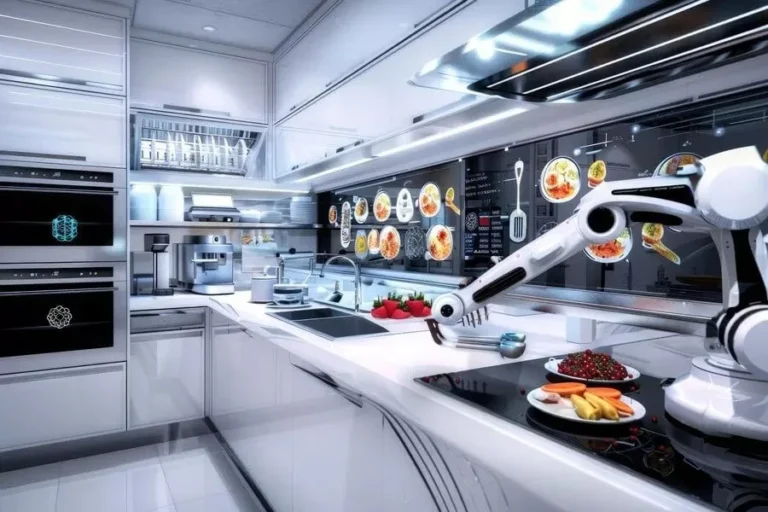
Commercial kitchen tools are evolving at a rapid pace. From smart ovens that can be controlled from your phone to robotic arms that can flip burgers, the future of meal prep is here. But where do we go from here? And how do we stay ahead of the curve?
1. Automation
Automation is the next frontier in commercial kitchen tools. From automated prep stations to robotic line cooks, the possibilities are endless. But automation isn’t just about replacing human labor. It’s about freeing up your team to focus on what they do best: creating amazing food.
Pro tip: Keep an eye on companies like Miso Robotics and Spyce. They’re leading the charge in kitchen automation, and their tools are becoming more affordable and accessible every day.
2. Sustainability
Sustainability is no longer a nice-to-have, it’s a must-have. Customers are increasingly demanding eco-friendly options, and restaurants are responding. From energy-efficient appliances to compostable packaging, the future of meal prep is green.
Pro tip: Look for equipment with an Energy Star certification. These tools are designed to be energy-efficient, which can save you money on your utility bills, and help you reduce your carbon footprint.
3. Data and Analytics
Data is the new oil. And in the restaurant industry, it’s no different. From inventory management systems to customer analytics platforms, data is transforming the way we do business. And it’s only going to become more important in the years to come.
Pro tip: Invest in a kitchen management system that can track your inventory, monitor your food waste, and analyze your sales data. This will give you the insights you need to make smarter, more informed decisions.
4. Customization
Customers are increasingly demanding personalized experiences. And that includes their food. From build-your-own-bowl stations to customizable meal kits, the future of meal prep is all about giving customers what they want, when they want it.
Pro tip: Look for tools that can help you offer more customization options. A combi oven, for example, can cook multiple dishes at once, allowing you to offer a wider variety of options without slowing down your service.
Final Thoughts: The Prep Revolution Starts Now
Let’s be honest: meal prep is the unsung hero of the restaurant industry. It’s not glamorous. It’s not exciting. But it’s the backbone of every great kitchen. And if you’re not investing in the right tools, you’re doing yourself, and your team, a disservice.
So where do you go from here? Start by diagnosing your prep pain points. Then, invest in the tools that will address those pain points most effectively. Train your team. Monitor your progress. And don’t be afraid to make adjustments along the way.
And remember: the goal isn’t to create a kitchen that’s completely automated or devoid of human touch. The goal is to create a kitchen that’s efficient, consistent, and sustainable. A kitchen that allows your team to focus on what they do best: creating amazing food.
So what are you waiting for? The prep revolution starts now. And it starts with you.
FAQ
Q: What’s the most cost-effective commercial kitchen tool for small restaurants?
A: For small restaurants, a commercial food processor is often the most cost-effective tool. It can handle a variety of tasks, chopping, slicing, shredding, grinding, and it’s relatively affordable (starting around $500). Plus, it can save your team hours of prep time, which translates to real cost savings. If you’re on a tight budget, start with a countertop model and upgrade as your needs grow.
Q: How do I know if a tool is worth the investment?
A: To determine if a tool is worth the investment, calculate its return on investment (ROI). Start by estimating how much time the tool will save your team each day. Then, multiply that by your team’s hourly wage to get the daily labor savings. Next, estimate how much the tool will reduce food waste, improve consistency, or increase sales. Finally, compare these savings to the cost of the tool. If the tool pays for itself within a year or two, it’s probably worth the investment.
Q: Are there any tools that can help with food safety during prep?
A: Absolutely. Several commercial kitchen tools can help improve food safety during prep. Color-coded cutting boards can prevent cross-contamination by designating specific boards for specific ingredients (e.g., red for raw meat, green for vegetables). A commercial food thermometer ensures that proteins are cooked to safe temperatures, while a blast chiller rapidly cools hot foods to prevent bacterial growth. Additionally, vacuum sealers can extend the shelf life of prepped ingredients by removing oxygen, which slows spoilage.
Q: What’s the biggest mistake restaurants make when upgrading their kitchen tools?
A: The biggest mistake is focusing on the tool instead of the problem. Too many restaurants buy equipment because it’s shiny or trendy, without considering whether it actually addresses their specific pain points. Before you invest in any tool, ask yourself: What problem am I trying to solve? How will this tool help? And is there a simpler, more cost-effective solution? Don’t buy a $10,000 combi oven if a $200 vegetable chopper will do the trick. Start small, test the waters, and scale up as needed.
@article{how-commercial-kitchen-tools-can-simplify-meal-prep-for-restaurants-and-why-youre-probably-overcomplicating-it,
    title   = {How Commercial Kitchen Tools Can Simplify Meal Prep for Restaurants (And Why You’re Probably Overcomplicating It)},
    author  = {Chef's icon},
    year    = {2026},
    journal = {Chef's Icon},
    url     = {https://chefsicon.com/how-commercial-kitchen-tools-can-simplify-meal-prep-for-restaurants/}
}