The Best Fluffy Pancakes recipe you will fall in love with. Full of tips and tricks to help you make the best pancakes.
Let me tell you about the time I nearly walked out of my own kitchen. It was a Tuesday, yes, a Tuesday-and I was trying to prep for a dinner party while also testing a new recipe for the blog. Luna, my rescue cat, was weaving between my legs (as she does), the phone was ringing, and I realized I’d run out of olive oil again because I’d stored it in three different places. By the time I finally got the chicken in the oven, I was sweating, my counter looked like a war zone, and I had no idea where I’d left my favorite knife. That’s when it hit me: my kitchen workflow wasn’t just inefficient, it was actively sabotaging me.
If you’ve ever found yourself retracing your steps, digging through drawers for a tool you know you just had, or burning dinner because you got distracted by a cluttered counter, you’re not alone. Inefficient kitchen workflows are the silent productivity killers of the culinary world. They waste time, energy, and ingredients, and they turn what should be a joyful process into a frustrating chore. The good news? They’re fixable. The bad news? You have to spot the problems first, and that’s trickier than it sounds. In this guide, I’ll walk you through how to diagnose your kitchen’s workflow issues, implement fixes that actually work, and, most importantly, keep those inefficiencies from creeping back in. Because let’s be real: no one has time to reorganize their kitchen every six months.
By the end of this, you’ll know how to:
- Identify the hidden bottlenecks in your kitchen that slow you down.
- Design a workflow that matches how you actually cook, not how you think you should cook.
- Implement small, high-impact changes that don’t require a full kitchen remodel.
- Avoid the common pitfalls that make workflow fixes temporary.
- Use technology and tools to streamline your process without overcomplicating it.
Sound good? Let’s dive in. And if you’re already feeling overwhelmed, don’t worry, I’ll start with the basics.
The Silent Signs Your Kitchen Workflow Is Failing You
1. You’re Always Retracing Your Steps (Literally)
I used to joke that my kitchen was a “triangle of doom.” Not the classic work triangle you read about in design blogs, the one where the sink, stove, and fridge are all within easy reach. No, mine was a triangle of chaos. I’d start at the fridge, grab ingredients, realize I needed a bowl, walk to the cabinet, remember I’d left the knife on the counter, go back to the counter, then realize I’d forgotten the olive oil in the pantry. By the time I was ready to cook, I’d walked the equivalent of a 5K in my tiny kitchen. If this sounds familiar, you’re not just being forgetful, you’re dealing with a poorly designed workflow.
Here’s the thing: movement in the kitchen should feel effortless, not like a game of Twister. If you’re constantly zigzagging or backtracking, it’s a sign that your kitchen’s layout isn’t aligned with how you actually use it. For example, if you’re right-handed but your knife block is on the left side of the stove, you’re adding unnecessary steps every time you chop. Or if your trash can is tucked away in a corner, you’re wasting time walking to it every time you peel a potato. These might seem like small things, but they add up-fast.
So how do you spot these inefficiencies? Try this: time yourself the next time you cook a meal. Not the whole meal, just the prep. How many times do you walk from the fridge to the counter? From the sink to the stove? From the pantry to the prep area? If you’re moving more than you’re cooking, it’s time to rethink your layout. And don’t just rely on your memory-write it down. You’ll be surprised how much clearer the problems become when you see them on paper.
2. You Have “Mystery Zones” Where Things Go to Disappear
We all have them: the drawer where spatulas go to die, the cabinet where Tupperware lids multiply like rabbits, the “junk” spot where random utensils and half-used spice jars collect dust. These are your mystery zones, and they’re a major red flag for inefficient workflows. Why? Because they force you to waste time searching for things you need, and they create mental clutter that makes cooking feel more stressful than it should.
I’ll admit it: I used to have a “miscellaneous” drawer in my kitchen that was basically a black hole. It held everything from extra batteries to a lone chopstick to a random assortment of screws (don’t ask). Every time I needed a measuring spoon or a bottle opener, I’d dig through this drawer, get distracted by something else, and end up wasting five minutes I didn’t have. It wasn’t until I finally audited my kitchen-yes, like a financial audit, but for spatulas, that I realized how much time I was wasting.
Here’s the hard truth: if you can’t find something in 10 seconds or less, your kitchen is working against you. Mystery zones aren’t just annoying, they’re a symptom of a deeper problem: you don’t have a system for where things belong. And without a system, you’re doomed to repeat the same frantic searches over and over again.
3. You’re Always “Making Do” With the Wrong Tools
Raise your hand if you’ve ever used a butter knife to level off a cup of flour. Or a cereal bowl as a mixing bowl because you couldn’t find the right one. Or, my personal favorite, your hands to mix a salad because you couldn’t locate the tongs. If your hand is up, you’re not alone. But here’s the thing: “making do” is a workflow killer. It slows you down, increases your frustration, and often leads to subpar results (ever tried to chop an onion with a dull knife? It’s not pretty).
I used to think I was being resourceful by using whatever was within reach. Turns out, I was just being lazy. Or, more accurately, I was prioritizing short-term convenience over long-term efficiency. Every time you use the wrong tool, you’re adding friction to your workflow. That friction might not seem like a big deal in the moment, but it adds up. Think about it: if you spend an extra 30 seconds every time you chop something because your knife is dull, and you chop something 10 times a day, that’s 5 minutes wasted. Over a week, that’s 35 minutes. Over a year? 30 hours. That’s a full workweek spent fighting with your tools.
So why do we do it? Partly because we’re human and we’re prone to taking the path of least resistance. But also because we haven’t taken the time to assess what tools we actually need and where they should live. If your most-used tools aren’t within arm’s reach, you’re going to default to whatever’s closest, even if it’s not the best option.
4. Your Prep Takes Longer Than the Cooking
This one hits close to home. I used to pride myself on my ability to “wing it” in the kitchen. No recipes, no prep, just intuition and chaos. Spoiler alert: it didn’t work. I’d start cooking, realize I hadn’t chopped the onions, rush to do that while the oil was heating, burn the onions because I wasn’t paying attention, and then spend the next 20 minutes trying to salvage the dish. Sound familiar?
Here’s the reality: prep is 80% of cooking. If your prep takes longer than the actual cooking, it’s a sign that your workflow is out of whack. This usually happens for one of two reasons: either you’re ot prepping in the right order, or you’re ot prepping in the right place. For example, if you’re chopping vegetables on the opposite side of the kitchen from where you’re cooking, you’re adding unnecessary steps. Or if you’re trying to prep while the stove is already going, you’re setting yourself up for stress (and potential burns).
I learned this the hard way when I tried to make a stir-fry without prepping anything first. By the time I’d chopped the veggies, the chicken was overcooked, the sauce was clumpy, and I’d used every bowl in the kitchen. Now? I prep everything before I even turn on the stove. It’s called mise en place-a fancy French term that basically means “everything in its place.” And it’s a game-changer.
5. You’re Constantly Cleaning Up Mid-Cook
If you’re like me, you’ve had moments where you’re in the middle of cooking and suddenly realize your counter is covered in dirty bowls, used utensils, and random ingredients. So you stop what you’re doing, clean up, and then try to remember where you left off. This is the kitchen equivalent of multitasking, and it’s just as ineffective. Every time you pause to clean, you’re breaking your flow, and that makes cooking take longer and feel more stressful.
I used to think that cleaning as I went was the mark of a good cook. Turns out, it’s actually a sign of a poorly designed workflow. If you’re constantly cleaning up mid-cook, it means one of two things: either you’re ot using your space efficiently, or you’re ot cleaning strategically. For example, if you’re washing every bowl as soon as you’re done with it, you’re wasting time and water. But if you’re letting dishes pile up until you can’t move, you’re creating a mess that will take even longer to clean later.
The solution? Batch your cleaning. Instead of washing every bowl immediately, wait until you have a few things to wash and do them all at once. Or, better yet, design your workflow so you don’t create a mess in the first place. For example, if you’re chopping veggies, use a cutting board with a built-in bin to catch scraps, so you don’t have to stop and sweep them into the trash. Small changes like this can make a big difference.
How to Fix Your Kitchen Workflow (Without a Full Remodel)
1. Map Your Kitchen’s “Hot Zones”
Before you can fix your workflow, you need to understand how you’re currently using your kitchen. That’s where mapping your hot zones comes in. Hot zones are the areas of your kitchen where you spend the most time. For most people, these are:
- The prep zone (where you chop, mix, and assemble ingredients).
- The cooking zone (the stove, oven, and surrounding counter space).
- The storage zone (the fridge, pantry, and cabinets where you keep ingredients and tools).
- The cleanup zone (the sink, dishwasher, and trash/recycling area).
The key is to arrange these zones so they flow logically. For example, your prep zone should be between your storage zone and your cooking zone. That way, you can grab ingredients from the fridge, prep them on the counter, and then move them directly to the stove. If your prep zone is on the opposite side of the kitchen from your cooking zone, you’re adding unnecessary steps.
Here’s how to do it: grab a piece of paper and sketch a rough layout of your kitchen. Mark where your hot zones are currently located. Then, draw arrows to show how you move between them when you’re cooking. If your arrows are crossing or zigzagging, it’s a sign that your layout isn’t optimized. The goal is to create a linear or circular flow where you move smoothly from one zone to the next without backtracking.
Is this the best approach? Let’s consider: maybe you don’t have the space to rearrange your kitchen. That’s fine, you can still optimize your workflow by adjusting how you use the space you have. For example, if your prep zone is far from your cooking zone, try moving your most-used tools and ingredients closer to where you need them. Or, if your cleanup zone is in a corner, try keeping a small trash bin near your prep area to minimize steps.
2. The “5-Second Rule” for Tool and Ingredient Placement
Here’s a rule I live by: if you can’t reach something in 5 seconds or less, it’s in the wrong place. This is the 5-second rule, and it’s a game-changer for kitchen workflows. The idea is simple: your most-used tools and ingredients should be within arm’s reach of where you use them. If they’re not, you’re wasting time and energy every time you need them.
Let’s start with tools. Take a look at your kitchen and ask yourself: where do I use this tool most often? For example, if you use a chef’s knife for most of your chopping, it should live near your prep zone. If you use a wooden spoon for stirring, it should live near your stove. If you use measuring cups for baking, they should live near your mixing bowls. Sounds obvious, right? But you’d be surprised how many people store their tools in the most convenient place for storage, not the most convenient place for use.
Now, let’s talk about ingredients. The same rule applies: store ingredients where you use them. For example, if you use olive oil every time you cook, it should live near your stove. If you use flour for baking, it should live near your mixing bowls. If you use spices for seasoning, they should live near your prep zone. I used to keep my spices in a cabinet on the opposite side of the kitchen from my stove. Every time I needed to grab one, I’d have to walk across the kitchen, dig through the cabinet, and then walk back. It was ridiculous. Now? My most-used spices live in a spice rack right next to my stove. It’s a small change, but it’s made a huge difference.
Here’s how to apply the 5-second rule to your kitchen:
- Identify your most-used tools and ingredients. These are the things you reach for every time you cook.
- Determine where you use them most often. For example, do you use your chef’s knife at the counter or near the stove?
- Move them to a spot that’s within 5 seconds of where you use them. If that means rearranging your cabinets or drawers, so be it.
- Test it out. Cook a meal using your new setup. If something feels awkward or out of reach, adjust as needed.
I’m torn between keeping things in their “traditional” spots (like spices in the cabinet) and moving them to where they’re actually used. But ultimately, I’ve found that functionality beats tradition. If moving your spices to the counter makes your workflow smoother, do it. You can always adjust later if it doesn’t work out.
3. The Power of “Zones” (And Why You Need Them)
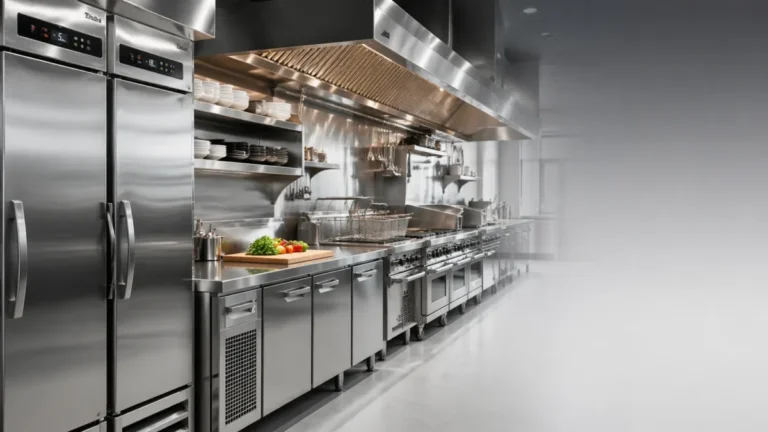
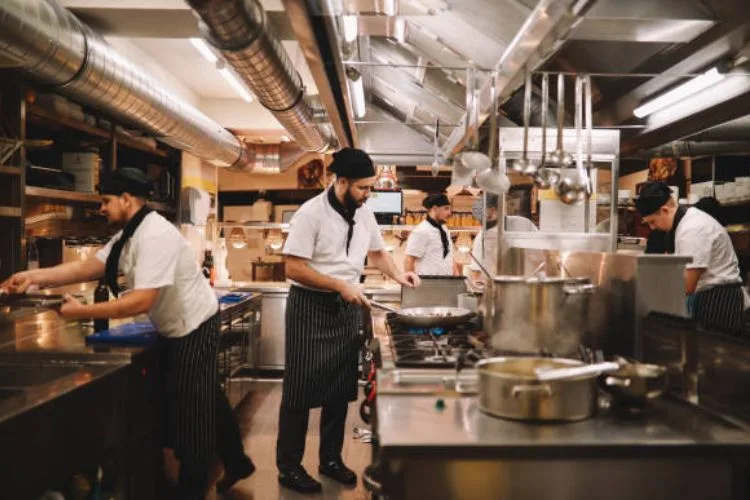
If you’ve ever worked in a restaurant kitchen, you know that zones are everything. Each station, prep, cooking, plating, cleanup, has its own designated area, and everything in that area is there for a reason. Home kitchens don’t need to be that rigid, but the principle still applies: designate zones for specific tasks, and keep the tools and ingredients for those tasks within those zones.
Here’s how to create zones in your kitchen:
- Prep Zone: This is where you chop, mix, and assemble ingredients. It should include:
- A cutting board (or two).
- Your most-used knives and utensils.
- Bowls for holding prepped ingredients.
- A trash bin or compost container for scraps.
- Measuring cups and spoons.
- Cooking Zone: This is where you actually cook. It should include:
- Your stove and oven.
- Pots, pans, and cooking utensils.
- Oils, spices, and other frequently used ingredients.
- A timer (or your phone).
- A spoon rest or small plate for used utensils.
- Storage Zone: This is where you keep ingredients and tools you don’t use every day. It should include:
- Your fridge and pantry.
- Less frequently used appliances (like a blender or food processor).
- Backup ingredients (like extra olive oil or flour).
- Cleanup Zone: This is where you wash dishes and dispose of trash. It should include:
- Your sink and dishwasher.
- Dish soap, sponges, and drying racks.
- Trash and recycling bins.
The key is to keep each zone focused on its specific task. For example, don’t store baking supplies in your cooking zone if you only bake once a month. And don’t keep random utensils in your prep zone if you never use them there. The more focused your zones are, the more efficient your workflow will be.
Maybe I should clarify: zones don’t have to be physical spaces. They can be mental zones, too. For example, if you don’t have a lot of counter space, you can create a “prep zone” on a cutting board that you move around as needed. The important thing is that you know where everything belongs and that you’re not constantly searching for things.
4. The “One In, One Out” Rule for Kitchen Clutter
Clutter is the enemy of efficiency. The more stuff you have in your kitchen, the harder it is to find what you need, and the more time you waste digging through drawers and cabinets. That’s where the “one in, one out” rule comes in. The idea is simple: for every new item you bring into your kitchen, you get rid of an old one. This keeps clutter from building up over time and ensures that your kitchen stays organized.
I’ll admit, I was skeptical of this rule at first. I thought, “But what if I need that old thing someday?” Turns out, I never did. Most of the stuff we hold onto “just in case” ends up collecting dust and taking up valuable space. The one in, one out rule forces you to be intentional about what you keep. If you’re not using something regularly, it’s probably not worth keeping.
Here’s how to apply the rule:
- Start with a purge. Go through your kitchen and get rid of anything you haven’t used in the past year. This includes:
- Duplicate tools (do you really need three wooden spoons?).
- Appliances you never use (that bread maker from 2012? Yeah, it’s time to go).
- Expired ingredients (check your spices, they lose potency over time).
- Broken or damaged items (that chipped mixing bowl? Toss it).
- Implement the rule. From now on, every time you buy something new for your kitchen, you have to get rid of something old. This could be:
- A tool you no longer use.
- An ingredient that’s expired or gone stale.
- A gadget that’s been replaced by something better.
- Stick to it. The key to making this rule work is consistency. If you let exceptions slide, the clutter will creep back in. So be ruthless, if you’re not using it, lose it.
I’m torn between wanting to keep sentimental items (like my grandmother’s rolling pin) and the need to declutter. But ultimately, I’ve found that sentimental items don’t have to take up valuable kitchen space. If you love something but don’t use it, find a way to display it outside the kitchen or store it somewhere else. Your workflow will thank you.
5. The “Mise en Place” Mindset (Even If You’re Not a Chef)
Earlier, I mentioned mise en place-the French term for “everything in its place.” It’s a concept that professional chefs live by, and for good reason: it eliminates chaos and ensures that you’re ready to cook before you even start. The idea is simple: before you turn on the stove, you gather and prep all your ingredients and tools. That way, you’re not scrambling mid-cook to chop an onion or find a measuring cup.
I used to think mise en place was overkill for home cooks. Why bother prepping everything ahead of time when you can just wing it? Turns out, winging it is a recipe for stress (and burnt food). When you’re trying to chop an onion while the oil is heating, you’re more likely to burn the oil or chop the onion unevenly. But when you’ve already chopped the onion and measured out all your ingredients, you can focus on cooking, and that makes the process faster, easier, and more enjoyable.
Here’s how to adopt a mise en place mindset in your kitchen:
- Read the recipe (if you’re using one). Before you start cooking, read through the recipe to understand what you’ll need and what steps are involved.
- Gather your ingredients. Pull out everything you’ll need, vegetables, spices, oils, etc. and place them near your prep zone.
- Prep your ingredients. Chop, measure, and organize everything before you start cooking. For example:
- Chop all your vegetables and store them in separate bowls.
- Measure out your spices and place them in small dishes.
- Preheat your oven or heat your pan.
- Organize your tools. Make sure all the tools you’ll need, knives, spoons, tongs, etc. are within reach.
- Start cooking. Now that everything is prepped and ready to go, you can focus on the actual cooking without any distractions.
I know what you’re thinking: “But that sounds like a lot of work!” And yeah, it does take a little extra time upfront. But trust me, it saves time in the long run. When you’re not constantly stopping to chop or measure, you can cook faster and with less stress. Plus, you’re less likely to burn something or forget an ingredient.
Maybe I should clarify: mise en place doesn’t have to be rigid. You don’t have to prep everything before you start cooking. For example, if you’re making a stir-fry, you might chop the vegetables first, then start cooking while you prep the sauce. The key is to have a plan and prep as much as you can ahead of time. That way, you’re not caught off guard mid-cook.
6. The “Two-Bowl Rule” for Minimizing Mess
Mess is the enemy of efficiency. The more cluttered your counter is, the harder it is to focus, and the more time you waste cleaning up. That’s where the two-bowl rule comes in. The idea is simple: use one bowl for prepped ingredients and one bowl for scraps. This keeps your counter clean and makes cleanup a breeze.
Here’s how it works:
- Grab two bowls. One should be large enough to hold your prepped ingredients, and the other should be small enough to hold scraps (like vegetable peels or eggshells).
- Use the large bowl for prepped ingredients. As you chop vegetables or measure spices, place them in the large bowl. This keeps them organized and easy to access.
- Use the small bowl for scraps. Instead of tossing scraps on the counter or in the trash, place them in the small bowl. This keeps your counter clean and makes it easy to dump the scraps in the trash or compost when you’re done.
- Clean as you go. Once you’re done prepping, dump the scraps and wash the bowls. Now your counter is clean, and you’re ready to start cooking.
I used to think this was overkill, why use a bowl for scraps when you can just toss them in the trash? But then I realized how much time I was wasting walking back and forth to the trash can. Plus, having a designated spot for scraps keeps your counter clean and makes it easier to focus on the task at hand. It’s a small change, but it makes a big difference.
Is this the best approach? Let’s consider: maybe you don’t have extra bowls to spare. That’s fine, you can use a cutting board with a built-in bin for scraps, or even a plate. The key is to have a designated spot for scraps so you’re not constantly walking to the trash can or cluttering up your counter.
7. The “First In, First Out” Rule for Ingredients
How many times have you reached for a spice or ingredient, only to find that it’s expired or gone stale? It’s frustrating, and it’s a sign that your ingredient storage system isn’t working. That’s where the “first in, first out” (FIFO) rule comes in. The idea is simple: use the oldest ingredients first to prevent waste and ensure that everything is fresh.
Here’s how to apply the FIFO rule to your kitchen:
- Organize your pantry and fridge. When you buy new ingredients, place them behind the older ones. That way, you’ll use the older ingredients first.
- Label everything. Use a marker or label maker to write the date on perishable items (like dairy or meat) when you buy them. This makes it easy to see what needs to be used first.
- Check expiration dates regularly. Set a reminder to go through your pantry and fridge every few months to check for expired items. Toss anything that’s past its prime.
- Use clear containers. Store ingredients in clear containers so you can see what’s inside and how much is left. This makes it easier to keep track of what you have and what you need to use up.
I’ll admit, I used to ignore expiration dates. I’d think, “It’s probably fine,” and use it anyway. But then I’d end up with a dish that tasted off or, worse, made someone sick. Now? I’m ruthless about checking dates. If something’s expired, it’s gone. No exceptions.
Maybe I should clarify: the FIFO rule isn’t just for perishable items. It applies to everything in your kitchen, from spices to canned goods. Spices lose potency over time, and canned goods can go bad. By using the oldest items first, you ensure that everything is fresh and ready to use when you need it.
8. The “No Empty Hands” Rule for Cleaning as You Go
Cleaning as you go is one of the best ways to keep your kitchen workflow efficient. But if you’re not strategic about it, it can actually slow you down. That’s where the “no empty hands” rule comes in. The idea is simple: every time you move from one zone to another, take something with you to clean or put away. This keeps your kitchen tidy without requiring extra effort.
Here’s how it works:
- If you’re moving from the prep zone to the cooking zone, take a dirty bowl or utensil with you and place it in the sink.
- If you’re moving from the cooking zone to the cleanup zone, take a used pot or pan with you and place it in the sink or dishwasher.
- If you’re moving from the storage zone to the prep zone, take an empty container or ingredient you’re done with and put it away.
The key is to always have something in your hands when you’re moving around the kitchen. This ensures that you’re constantly cleaning and putting things away, without having to make extra trips. It’s a small change, but it makes a big difference in keeping your kitchen tidy and your workflow efficient.
I’m torn between cleaning as I go and focusing on the cooking. But ultimately, I’ve found that the no empty hands rule is the best of both worlds. It allows you to clean without breaking your flow, and it keeps your kitchen tidy without requiring extra effort.
9. The “5-Minute Reset” for Maintaining Your Workflow
Even the most efficient kitchen workflows can fall apart if you don’t maintain them. That’s where the 5-minute reset comes in. The idea is simple: spend 5 minutes at the end of every cooking session to reset your kitchen. This ensures that your kitchen is ready for the next meal and that your workflow stays efficient.
Here’s how to do a 5-minute reset:
- Clear the counters. Put away any ingredients, tools, or appliances you’re not using. Wipe down the counters to remove any spills or crumbs.
- Load the dishwasher. Place any dirty dishes, utensils, or pots and pans in the dishwasher. If the dishwasher is full, run it and unload it so it’s ready for the next load.
- Take out the trash. If the trash or recycling is full, take it out. This prevents odors and keeps your kitchen clean.
- Put tools back in their zones. Make sure all your tools and ingredients are back in their designated zones. This ensures that your kitchen is ready for the next cooking session.
- Wipe down the stove and sink. Clean any spills or splatters on the stove, and wipe down the sink to remove any food particles or soap residue.
I used to skip this step. I’d finish cooking, eat dinner, and then leave the kitchen a mess. The next time I went to cook, I’d have to spend 10 or 15 minutes cleaning up before I could even start. Now? I spend 5 minutes resetting the kitchen after every meal, and it’s made a huge difference. My kitchen is always ready to go, and I’m not wasting time cleaning up before I can start cooking.
Is this the best approach? Let’s consider: maybe you don’t have 5 minutes to spare. That’s fine, even 2 or 3 minutes can make a difference. The key is to do something to reset your kitchen, even if it’s just putting away a few things or wiping down the counters. Every little bit helps.
10. The “Tech Check” for Modern Kitchen Workflows
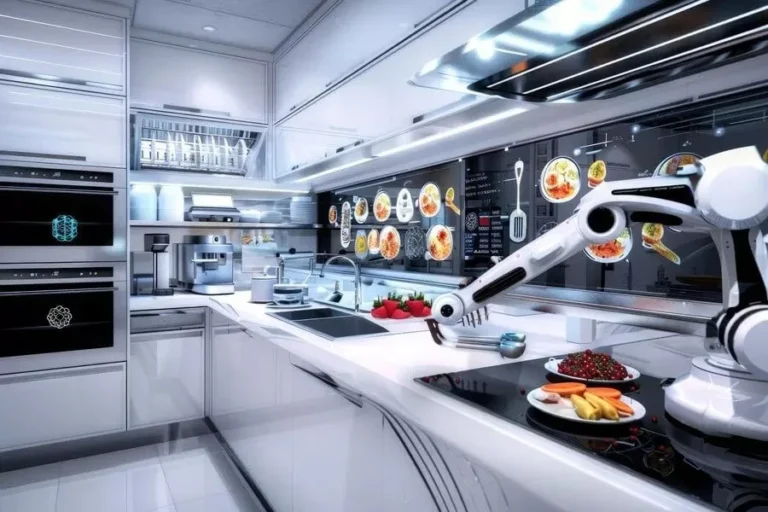
Technology can be a double-edged sword in the kitchen. On one hand, it can make your workflow more efficient, think of a smart oven that preheats itself or a sous vide machine that cooks your food to perfection. On the other hand, it can also add complexity and clutter if you’re not careful. That’s why it’s important to do a tech check every so often to ensure that your gadgets are helping, not hindering, your workflow.
Here’s how to do a tech check:
- Assess your gadgets. Take a look at all the technology in your kitchen, appliances, tools, apps, etc. Ask yourself:
- Do I use this regularly?
- Does it make my workflow more efficient?
- Is it easy to use, or does it add complexity?
- Keep what works. If a gadget is making your workflow more efficient and you use it regularly, keep it. For example:
- A food processor that saves you time chopping vegetables.
- A smart scale that helps you measure ingredients accurately.
- An app that helps you meal plan and grocery shop.
- Get rid of what doesn’t. If a gadget is collecting dust or adding complexity, it’s time to go. For example:
- A bread maker you never use.
- A fancy blender that’s too complicated to clean.
- An app that’s more trouble than it’s worth.
- Upgrade strategically. If there’s a gadget that could make your workflow more efficient, consider upgrading. But be strategic, don’t buy something just because it’s new or trendy. Ask yourself:
- Will this actually save me time or effort?
- Is it easy to use and clean?
- Do I have space for it?
I’ll admit, I’m a sucker for kitchen gadgets. I’ve bought more than my fair share of “must-have” tools, only to realize that I never use them. Now? I’m much more selective. Before I buy something new, I ask myself if it’s really going to make my workflow more efficient. If the answer is no, I don’t buy it. And if I do buy it, I make sure it has a designated spot in my kitchen so it doesn’t become clutter.
Maybe I should clarify: technology isn’t the answer to everything. Sometimes, the best tool is the simplest one. For example, a good chef’s knife will always be more efficient than a fancy electric chopper. The key is to use technology to enhance your workflow, not complicate it.
Putting It All Together: A Step-by-Step Plan for Fixing Your Kitchen Workflow
Alright, let’s recap. By now, you should have a good idea of what’s slowing down your kitchen workflow and how to fix it. But knowing is only half the battle, the other half is taking action. So, let’s put it all together with a step-by-step plan for fixing your kitchen workflow.
Step 1: Audit Your Kitchen
Before you can fix your workflow, you need to understand what’s not working. That’s where an audit comes in. Grab a notebook and spend 10-15 minutes observing how you use your kitchen. Ask yourself:
- Where do I spend the most time?
- What tasks feel the most frustrating or time-consuming?
- What tools or ingredients do I use most often?
- Where do I waste the most time?
Write down your observations. This will help you identify the biggest inefficiencies in your workflow.
Step 2: Map Your Hot Zones
Next, sketch a rough layout of your kitchen and mark your hot zones (prep, cooking, storage, cleanup). Draw arrows to show how you move between them. If your arrows are crossing or zigzagging, it’s a sign that your layout isn’t optimized.
Step 3: Apply the 5-Second Rule
Go through your kitchen and identify your most-used tools and ingredients. Then, move them to a spot that’s within 5 seconds of where you use them. If that means rearranging your cabinets or drawers, so be it.
Step 4: Create Zones
Designate zones for specific tasks (prep, cooking, storage, cleanup) and keep the tools and ingredients for those tasks within those zones. The more focused your zones are, the more efficient your workflow will be.
Step 5: Declutter with the “One In, One Out” Rule
Go through your kitchen and get rid of anything you haven’t used in the past year. Then, implement the one in, one out rule: for every new item you bring into your kitchen, you get rid of an old one. This keeps clutter from building up over time.
Step 6: Adopt a Mise en Place Mindset
Before you start cooking, gather and prep all your ingredients and tools. This ensures that you’re ready to cook before you even start, and it eliminates mid-cook scrambling.
Step 7: Implement the Two-Bowl Rule
Use one bowl for prepped ingredients and one bowl for scraps. This keeps your counter clean and makes cleanup a breeze.
Step 8: Apply the FIFO Rule to Ingredients
Organize your pantry and fridge so that the oldest ingredients are used first. Label perishable items with the date you bought them, and check expiration dates regularly.
Step 9: Clean as You Go with the “No Empty Hands” Rule
Every time you move from one zone to another, take something with you to clean or put away. This keeps your kitchen tidy without requiring extra effort.
Step 10: Do a 5-Minute Reset After Every Meal
Spend 5 minutes at the end of every cooking session to reset your kitchen. Clear the counters, load the dishwasher, take out the trash, and put tools back in their zones. This ensures that your kitchen is ready for the next meal.
Step 11: Do a Tech Check
Assess the technology in your kitchen and keep what works, get rid of what doesn’t, and upgrade strategically. Use technology to enhance your workflow, not complicate it.
Step 12: Test and Adjust
Once you’ve implemented these changes, test them out. Cook a meal using your new workflow and see how it feels. If something doesn’t work, adjust as needed. The goal is to create a workflow that feels effortless, not rigid or forced.
I know this seems like a lot, but trust me, it’s worth it. Even implementing just a few of these changes can make a big difference in your kitchen workflow. And the best part? You don’t have to do it all at once. Start with the changes that will have the biggest impact, and go from there. Your future self will thank you.
Final Thoughts: Why This Matters More Than You Think
At this point, you might be thinking: “Okay, Sammy, this all sounds great, but is it really that big of a deal?” And I get it, on the surface, inefficient kitchen workflows might seem like a minor annoyance. But here’s the thing: they’re not just wasting your time, they’re draining your energy and making cooking feel like a chore. And when cooking feels like a chore, you’re less likely to do it. You’re more likely to order takeout, eat processed food, or skip meals altogether. And that’s not good for your health, your wallet, or your enjoyment of food.
But when your kitchen workflow is efficient, cooking becomes easier, faster, and more enjoyable. You’re more likely to try new recipes, cook from scratch, and experiment with ingredients. You’re less likely to feel stressed or overwhelmed. And you’re more likely to see cooking as a creative outlet, not a burden. That’s a big deal.
So, here’s my challenge to you: pick one thing from this guide and implement it this week. Maybe it’s the 5-second rule. Maybe it’s the two-bowl rule. Maybe it’s doing a 5-minute reset after every meal. Whatever it is, start small and build from there. Because the truth is, you don’t need a perfect kitchen workflow, you just need one that works for you. And the only way to find that is to start.
And hey, if you mess up? That’s fine. I’ve messed up plenty of times. The key is to keep experimenting, keep adjusting, and keep moving forward. Because at the end of the day, the best kitchen workflow is the one that makes cooking feel effortless, and that’s different for everyone.
FAQ
Q: I don’t have a lot of counter space. How can I create zones in a small kitchen?
A: Zones don’t have to be physical spaces, they can be mental zones or portable zones. For example, you can create a prep zone on a cutting board that you move around as needed. Or you can use a rolling cart to store your most-used tools and ingredients, and move it to wherever you’re working. The key is to keep everything organized and within reach, even if it’s not in a fixed location.
Q: What if I share my kitchen with someone who has a different workflow?
A: This is a common challenge, especially in shared households. The key is to find a compromise that works for both of you. For example, you might designate certain drawers or cabinets for each person’s tools, or create a shared zone for frequently used items. You can also communicate openly about what’s working and what’s not, and adjust as needed. The goal is to create a workflow that works for everyone, not just one person.
Q: How often should I audit my kitchen workflow?
A: I recommend doing a quick audit every 3-6 months to make sure your workflow is still working for you. Life changes, and so do your cooking habits, what worked a year ago might not work now. For example, if you’ve started cooking more complex meals, you might need to adjust your prep zone. Or if you’ve added a new appliance to your kitchen, you might need to rearrange your storage zone. The key is to stay flexible and adjust as needed.
Q: What’s the biggest mistake people make when trying to fix their kitchen workflow?
A: The biggest mistake is trying to do too much at once. It’s easy to get overwhelmed and want to overhaul your entire kitchen in one weekend. But that’s a recipe for burnout. Instead, start small and focus on the changes that will have the biggest impact. For example, if you’re always searching for your chef’s knife, start by moving it to a more accessible spot. If you’re constantly retracing your steps, start by mapping your hot zones. Small changes add up, and they’re much easier to maintain than a complete overhaul.
@article{how-to-spot-and-fix-inefficient-kitchen-workflows-before-they-burn-you-out,
    title   = {How to Spot and Fix Inefficient Kitchen Workflows (Before They Burn You Out)},
    author  = {Chef's icon},
    year    = {2026},
    journal = {Chef's Icon},
    url     = {https://chefsicon.com/how-to-spot-and-fix-inefficient-kitchen-workflows/}
}