The Best Fluffy Pancakes recipe you will fall in love with. Full of tips and tricks to help you make the best pancakes.

When Your Kitchen’s Running on Fumes: The Hidden Mistakes That Drain Efficiency (And How to Stop Them)
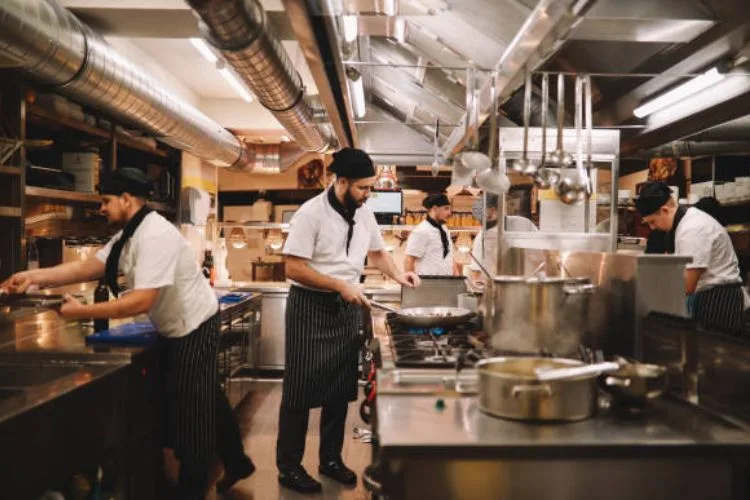
Let me tell you about the time I walked into a restaurant kitchen that was *technically* functional, but felt like it was running on pure chaos. The chef was barking orders, the line cooks were bumping into each other, and the dishwasher was practically drowning in a sea of dirty pans. The food? Surprisingly good. The workflow? A disaster. The owner later admitted their monthly utility bills were through the roof, staff turnover was high, and dinner service was always a last-minute scramble. Sound familiar?
Here’s the thing: most commercial kitchen inefficiencies aren’t obvious. They don’t announce themselves with a broken fryer or a health code violation. They’re the slow leaks, the misplaced equipment, the poor training habits, the layout quirks that force your team to take three extra steps every time they plate a dish. Over time, those leaks add up to wasted time, wasted money, and wasted energy. And in an industry where margins are already razor-thin, that’s a recipe for disaster.
I’ve spent the last few years talking to chefs, kitchen managers, and equipment specialists, and I’ve noticed a pattern: the most efficient kitchens aren’t the ones with the fanciest gadgets or the biggest budgets. They’re the ones that *eliminate friction*. They’re designed so that every movement, every tool, every system has a purpose. So today, I’m breaking down the 10 most common commercial kitchen mistakes that are quietly hurting your efficiency, and, more importantly, how to fix them. Some of these might seem small, but trust me: they’re costing you more than you think.
Let’s start with the big one.
The Silent Efficiency Killers: 10 Mistakes You’re Probably Making (And How to Fix Them)
1. The Layout That Forces Your Staff to Play Human Pinball
I get it, space is expensive, and you’re trying to cram as much functionality into your kitchen as possible. But if your layout forces your team to zigzag across the kitchen just to grab a cutting board or a sauté pan, you’re not just wasting time; you’re wasting energy. Every extra step adds up. Multiply that by the number of dishes your team plates in a night, and suddenly, you’re looking at hours of lost productivity every week.
Take the classic work triangle concept, refrigeration, cooking, and prep areas should form a triangle to minimize movement. But here’s the kicker: most kitchens ignore the fourth point, the plating and expediting station. If your expo area is tucked away in a corner, your servers are going to be doing a lot of backtracking. And if your prep station is on the opposite side of the kitchen from your walk-in, your cooks are going to be making a lot of unnecessary trips.
How to fix it:
- Map your workflow. Literally draw out where your team moves during a typical service. You’ll quickly spot the bottlenecks.
- Prioritize proximity. Keep frequently used items (like spices, oils, and utensils) within arm’s reach of the stations that use them most.
- Consider a U-shaped or parallel layout. These designs minimize cross-traffic and keep everything within a few steps.
- Don’t forget the expo station. It should be central, visible, and easily accessible to both the kitchen and the front of house.
Is this the best approach? Let’s consider, maybe you don’t have the budget for a full kitchen redesign. That’s fine. Start small. Rearrange your most-used equipment first. Swap the location of your prep station and your dry storage if it means your cooks spend less time walking. Every little bit helps.
2. The Equipment Graveyard (And Why It’s Haunting Your Efficiency)
You know that old, clunky mixer in the corner? The one that’s been there since the Bush administration? The one that no one uses because it sounds like it’s about to take off into space? Yeah, that’s part of the problem. Outdated or unused equipment doesn’t just take up space, it creates clutter, which slows down your team. And if it’s still plugged in, it’s probably sipping electricity like a vampire at a blood bank.
But here’s the thing: it’s not just about the old stuff. It’s also about the *wrong* stuff. That fancy combi oven you bought because it looked cool in the catalog? If your team doesn’t know how to use it properly, it’s just an expensive paperweight. And that extra deep fryer you added “just in case”? If it’s rarely used, it’s just taking up valuable real estate.
How to fix it:
- Audit your equipment. Make a list of everything in your kitchen. Then, ask your team: What do we *actually* use? What’s just gathering dust? Be ruthless.
- Invest in multi-functional tools. A combi oven that can steam, bake, and roast? Worth it. A blender that only makes smoothies? Maybe not.
- Train your team. If you’ve got a piece of equipment that’s underutilized, it might not be the tool’s fault, it might be that your team doesn’t know how to use it efficiently.
- Unplug and remove. If it’s not being used, get it out of the way. And if it’s still plugged in, unplug it. Those phantom energy drains add up.
I’m torn between two schools of thought here. On one hand, you don’t want to get rid of equipment that *might* be useful someday. On the other hand, if it’s not being used now, it’s probably not worth the space. Maybe the solution is to store rarely used items off-site or in a designated “overflow” area. That way, they’re not in the way, but they’re still available if needed.
3. The Walk-In That’s More Like a Walk-*Out* (Of Your Profits)
Your walk-in cooler is one of the most important pieces of equipment in your kitchen. It’s also one of the biggest energy hogs. And if it’s not organized properly, it’s costing you time, money, and sanity.
Here’s the thing: most walk-ins are organized based on convenience, not efficiency. That means the stuff that’s used most often is buried in the back, while the rarely used items are front and center. And if your walk-in is packed to the gills, your team is wasting time digging through stacks of containers just to find what they need. Plus, a crowded walk-in doesn’t circulate air properly, which means your compressor has to work harder, and your energy bills go up.
How to fix it:
- First in, first out (FIFO). This is Kitchen 101, but you’d be surprised how many places ignore it. Label everything with dates, and organize your walk-in so that the oldest items are in the front. This reduces waste and saves time.
- Zone your walk-in. Create designated areas for different categories: proteins, produce, dairy, etc. This makes it easier for your team to find what they need quickly.
- Use clear, stackable containers. If your team can see what’s inside without opening the container, they’ll waste less time searching.
- Keep it at the right temperature. Every degree below the recommended temperature (usually around 38°F) increases your energy costs by about 2%. Use a thermometer to monitor the temperature regularly.
- Don’t overfill it. Air needs to circulate to keep everything at a consistent temperature. If your walk-in is packed, your compressor has to work harder, which means higher energy bills and a shorter lifespan for your equipment.
Maybe I should clarify: FIFO isn’t just about reducing waste. It’s also about saving time. If your team knows exactly where to find the oldest batch of chicken, they’re not wasting time digging through containers. And if they’re not wasting time, they’re not wasting money.
4. The Prep Station That’s a Hot Mess (Literally)
Prep stations are the heart of your kitchen. They’re where the magic happens, where raw ingredients become something delicious. But if your prep station is disorganized, it’s not just slowing down your team; it’s increasing the risk of cross-contamination and foodborne illness. And that’s a mistake no kitchen can afford.
Here’s the problem: most prep stations are set up based on habit, not efficiency. That means knives are scattered across the counter, cutting boards are stacked haphazardly, and ingredients are stored wherever there’s space. And if your prep station is cluttered, your team is wasting time searching for tools, which means they’re not focusing on the task at hand.
How to fix it:
- Designate zones. Create specific areas for different tasks: chopping, mixing, portioning, etc. This keeps everything organized and reduces cross-contamination.
- Use color-coded cutting boards. This is a simple but effective way to prevent cross-contamination. Green for produce, red for raw meat, blue for seafood, etc.
- Keep tools within reach. Your team shouldn’t have to walk across the kitchen to grab a knife or a measuring cup. Use wall-mounted magnetic strips for knives, and keep frequently used tools in easy-to-reach containers.
- Store ingredients properly. Use clear, labeled containers for dry goods, and keep perishable items in the walk-in until they’re needed. This reduces waste and keeps your prep station clutter-free.
- Clean as you go. This is a big one. If your team is constantly cleaning up after themselves, they’re not wasting time at the end of the shift scrubbing down the station. Plus, a clean prep station is a safe prep station.
I’m not sure if this is the best approach, but I’ve seen some kitchens take it a step further by assigning a “prep captain” for each shift. This person is responsible for keeping the prep station organized and ensuring that everything is stocked and ready to go. It’s an extra layer of accountability, but it might be worth it if your prep station is a constant source of frustration.
5. The Ventilation System That’s Suffocating Your Efficiency
Your ventilation system is like the lungs of your kitchen. If it’s not working properly, your entire operation suffers. Poor ventilation leads to excessive heat, smoke, and grease buildup, which makes your kitchen uncomfortable for your team and increases the risk of fire. Plus, if your ventilation system is inefficient, it’s costing you money in energy bills and maintenance costs.
Here’s the thing: most kitchens treat their ventilation system as an afterthought. They install it, turn it on, and forget about it, until something goes wrong. But if your ventilation system isn’t properly maintained, it’s not just a safety hazard; it’s an efficiency killer.
How to fix it:
- Clean your filters regularly. Grease buildup in your filters reduces airflow, which means your system has to work harder. Clean them at least once a month (more often if you’re frying a lot).
- Check your ductwork. If your ducts are clogged or damaged, your ventilation system isn’t working efficiently. Have them inspected and cleaned by a professional at least once a year.
- Balance your airflow. If your ventilation system is pulling too much air out of the kitchen, it’s wasting energy. If it’s not pulling enough, it’s not doing its job. Work with a professional to balance your system.
- Consider demand-controlled ventilation. This technology adjusts the airflow based on the cooking load, which can save you money on energy bills.
- Don’t forget the make-up air. If your ventilation system is pulling air out of the kitchen, you need to replace it with fresh air. Make sure your make-up air system is working properly.
Is this the best approach? Let’s consider, maybe you don’t have the budget for a full ventilation system overhaul. That’s fine. Start with the basics: clean your filters, check your ductwork, and make sure your system is balanced. Those small steps can make a big difference.
6. The Training Program That’s Setting Your Team Up for Failure
You can have the best equipment, the most efficient layout, and the most organized walk-in in the world, but if your team doesn’t know how to use it properly, you’re still going to struggle with efficiency. Poor training leads to mistakes, wasted time, and frustrated employees. And if your team is constantly making mistakes, they’re not just wasting ingredients; they’re wasting your money.
Here’s the problem: most kitchen training programs are reactive, not proactive. They focus on putting out fires (literally and figuratively) instead of preventing them. And if your training program is disorganized, your team is going to be disorganized too.
How to fix it:
- Create a training manual. This doesn’t have to be a fancy, professionally designed document. It can be as simple as a Google Doc with step-by-step instructions for each station. The key is to have a standardized process that everyone follows.
- Use the buddy system. Pair new hires with experienced team members who can show them the ropes. This not only helps with training but also fosters a sense of camaraderie.
- Train for efficiency, not just speed. It’s not just about how fast your team can plate a dish; it’s about how *efficiently* they can do it. Teach them to work smarter, not harder.
- Cross-train your team. If your line cooks can also work the prep station, and your prep cooks can also work the line, you’ve got a more flexible (and efficient) team.
- Hold regular training sessions. Training shouldn’t be a one-and-done thing. Schedule regular sessions to refresh your team’s skills and introduce new techniques.
I’m torn between two approaches here. On one hand, you want to give your team the freedom to develop their own workflows. On the other hand, you need consistency to ensure efficiency. Maybe the solution is to standardize the process but encourage creativity within those boundaries. For example, you might have a specific way of plating a dish, but you can still give your team the freedom to add their own flair.
7. The Inventory System That’s a Black Hole (For Your Money)
Inventory management is one of the most overlooked aspects of kitchen efficiency. If you don’t know what you have, you’re either over-ordering (which wastes money) or under-ordering (which leads to last-minute scrambles). And if your inventory system is disorganized, your team is wasting time searching for ingredients, which means they’re not focusing on cooking.
Here’s the thing: most kitchens treat inventory as an afterthought. They do a quick count at the end of the month, order what they think they need, and hope for the best. But if your inventory system is reactive, not proactive, you’re always going to be playing catch-up.
How to fix it:
- Use an inventory management system. This doesn’t have to be a fancy software program. It can be as simple as a spreadsheet. The key is to track what you have, what you use, and what you need.
- Do regular inventory counts. Don’t wait until the end of the month. Do a quick count at the end of each week to stay on top of your stock.
- Set par levels. This is the minimum amount of each ingredient you need to have on hand. When you dip below the par level, it’s time to reorder.
- Rotate your stock. Use the FIFO method (first in, first out) to ensure that older items are used before newer ones. This reduces waste and saves money.
- Train your team to track waste. If your team knows how much food is being wasted, they’re more likely to be mindful of portion sizes and storage techniques.
Maybe I should clarify: an inventory management system isn’t just about tracking what you have. It’s also about predicting what you’ll need. If you know that you use 10 pounds of chicken every Friday, you can order accordingly. And if you know that your sales spike on weekends, you can stock up on ingredients ahead of time. It’s all about planning ahead.
8. The Scheduling Nightmare That’s Burning Out Your Team
Scheduling is one of the most frustrating aspects of running a kitchen. If you’re overstaffed, you’re wasting money on labor costs. If you’re understaffed, your team is overworked, and your service suffers. And if your schedule is disorganized, your team is constantly scrambling to cover shifts, which leads to burnout and high turnover.
Here’s the problem: most kitchens treat scheduling as a last-minute task. They wait until the last possible moment to post the schedule, which means their team is constantly stressed about when they’re working. And if your schedule is reactive, not proactive, you’re always going to be playing catch-up.
How to fix it:
- Use scheduling software. This doesn’t have to be expensive. There are plenty of affordable (or even free) options that can help you create a schedule in minutes.
- Post the schedule in advance. Your team should know their schedule at least two weeks in advance. This gives them time to plan their lives around their work.
- Be mindful of overtime. Overtime is expensive, and it leads to burnout. Try to keep it to a minimum by spreading out shifts evenly.
- Cross-train your team. If your team can cover multiple stations, you’ve got more flexibility when it comes to scheduling.
- Communicate with your team. If someone needs time off, try to accommodate them. A happy team is a productive team.
I’m not sure if this is the best approach, but I’ve seen some kitchens take it a step further by involving their team in the scheduling process. For example, they might let their team swap shifts among themselves (with approval, of course). This gives your team more control over their schedules, which can lead to higher morale and lower turnover.
9. The Cleaning Routine That’s a Ticking Time Bomb
Cleaning is one of the most important (and most overlooked) aspects of kitchen efficiency. If your kitchen isn’t clean, it’s not just a health code violation waiting to happen; it’s also a productivity killer. A dirty kitchen slows down your team, increases the risk of cross-contamination, and makes it harder to find what you need.
Here’s the thing: most kitchens treat cleaning as an afterthought. They do a quick wipe-down at the end of the night and call it a day. But if your cleaning routine is reactive, not proactive, you’re always going to be playing catch-up.
How to fix it:
- Create a cleaning schedule. This doesn’t have to be complicated. It can be as simple as a checklist that outlines what needs to be cleaned and when.
- Clean as you go. This is a big one. If your team is constantly cleaning up after themselves, they’re not wasting time at the end of the shift scrubbing down the kitchen.
- Assign cleaning tasks. Don’t leave it up to chance. Assign specific tasks to specific team members to ensure that everything gets done.
- Use the right tools. A good degreaser, a sturdy scrub brush, and a high-quality mop can make a world of difference.
- Don’t forget the little things. Grease traps, vents, and refrigeration coils need to be cleaned regularly to keep your kitchen running efficiently.
Maybe the solution is to make cleaning a team effort. For example, you might have a “clean as you go” policy where everyone is responsible for keeping their station tidy. And at the end of the night, you might have a quick team meeting to assign cleaning tasks. This not only ensures that everything gets done but also fosters a sense of accountability.
10. The Energy Waste That’s Draining Your Budget
Energy costs are one of the biggest expenses in a commercial kitchen. And if you’re not mindful of your energy usage, you’re wasting money every single day. From inefficient equipment to poor habits, there are a lot of ways that energy waste can sneak into your kitchen.
Here’s the thing: most kitchens don’t think about energy efficiency until it’s too late. They wait until their utility bills are through the roof before they take action. But if you’re proactive about energy efficiency, you can save money and reduce your environmental impact.
How to fix it:
- Upgrade to energy-efficient equipment. This is a big upfront cost, but it pays off in the long run. Look for equipment with the ENERGY STAR label, which means it meets strict energy efficiency guidelines.
- Use timers and sensors. If your equipment is running when it doesn’t need to be, you’re wasting energy. Use timers and sensors to ensure that everything is only running when it’s in use.
- Optimize your refrigeration. Refrigeration is one of the biggest energy hogs in your kitchen. Make sure your walk-ins and reach-ins are properly maintained and set to the correct temperature.
- Train your team to be energy-conscious. Simple habits, like turning off equipment when it’s not in use and keeping refrigerator doors closed, can make a big difference.
- Conduct an energy audit. This is a great way to identify areas where you’re wasting energy. A professional energy auditor can help you find ways to save money and reduce your environmental impact.
I’m torn between two approaches here. On one hand, upgrading to energy-efficient equipment is a big investment. On the other hand, it’s an investment that pays off over time. Maybe the solution is to start small. For example, you might start by replacing your most inefficient equipment first. Or you might focus on training your team to be more energy-conscious. Every little bit helps.
Putting It All Together: Your Efficiency Action Plan
So, where do you start? With 10 different mistakes and 10 different fixes, it’s easy to feel overwhelmed. But here’s the thing: you don’t have to fix everything at once. In fact, trying to overhaul your entire kitchen in one go is a recipe for burnout (for you and your team). Instead, start with the low-hanging fruit, the fixes that will give you the biggest bang for your buck.
Here’s a simple action plan to get you started:
- Week 1: Audit your kitchen. Walk through your kitchen and make a list of everything that’s not working. Ask your team for their input, they’re the ones in the trenches every day, so they’ll have valuable insights.
- Week 2: Tackle the quick wins. Start with the fixes that are easy and inexpensive. For example, you might reorganize your walk-in, create a cleaning schedule, or train your team on a new technique.
- Week 3: Address the big-ticket items. Once you’ve tackled the quick wins, move on to the bigger projects. This might include rearranging your layout, upgrading your equipment, or investing in new technology.
- Week 4: Monitor and adjust. Efficiency isn’t a one-and-done thing. It’s an ongoing process. Keep an eye on your kitchen, and make adjustments as needed. And don’t forget to celebrate your wins, even the small ones!
Is this the best approach? Maybe not. But it’s a start. The key is to take action. Don’t wait until your kitchen is on the verge of collapse. Start small, and build from there. Because the truth is, efficiency isn’t about perfection, it’s about progress. And if you’re making progress, you’re heading in the right direction.
So, what’s the first step you’re going to take? Are you going to reorganize your walk-in? Train your team on a new technique? Or maybe you’re going to tackle that ventilation system that’s been driving you crazy. Whatever it is, don’t wait. Your kitchen (and your bottom line) will thank you.
FAQ: Your Burning Questions About Commercial Kitchen Efficiency
Q: How much can I really save by improving my kitchen’s efficiency?
A: It depends on how inefficient your kitchen is to begin with, but the savings can be significant. For example, reorganizing your walk-in can reduce energy costs by up to 20%, while upgrading to energy-efficient equipment can save you thousands of dollars a year. And don’t forget the savings from reduced waste and improved productivity. Over time, those small changes add up to big savings.
Q: I don’t have the budget for a full kitchen redesign. What can I do with limited resources?
A: Start small. You don’t need a full redesign to make a difference. For example, you might rearrange your most-used equipment to minimize movement, or you might train your team on a new technique to improve efficiency. Even something as simple as reorganizing your walk-in or creating a cleaning schedule can make a big difference. The key is to focus on the quick wins-the fixes that are easy and inexpensive but have a big impact.
Q: How do I get my team on board with efficiency changes?
A: Communication is key. Explain why you’re making the changes, and how they’ll benefit the team. For example, if you’re reorganizing the walk-in, explain how it will save them time and reduce waste. And don’t forget to involve them in the process. Ask for their input, and listen to their concerns. If your team feels like they’re part of the solution, they’re more likely to buy in.
Q: What’s the biggest mistake kitchens make when trying to improve efficiency?
A: The biggest mistake is trying to do too much at once. Efficiency is an ongoing process, not a one-time project. If you try to overhaul your entire kitchen in one go, you’re setting yourself up for burnout. Instead, start small, and build from there. Focus on the quick wins first, and then move on to the bigger projects. And don’t forget to celebrate your wins, even the small ones!
@article{10-commercial-kitchen-mistakes-that-are-quietly-killing-your-efficiency-and-how-to-fix-them-before-its-too-late,
    title   = {10 Commercial Kitchen Mistakes That Are Quietly Killing Your Efficiency (And How to Fix Them Before It’s Too Late)},
    author  = {Chef's icon},
    year    = {2026},
    journal = {Chef's Icon},
    url     = {https://chefsicon.com/commercial-kitchen-mistakes-that-hurt-efficiency-and-how-to-fix-them/}
}