The Best Fluffy Pancakes recipe you will fall in love with. Full of tips and tricks to help you make the best pancakes.
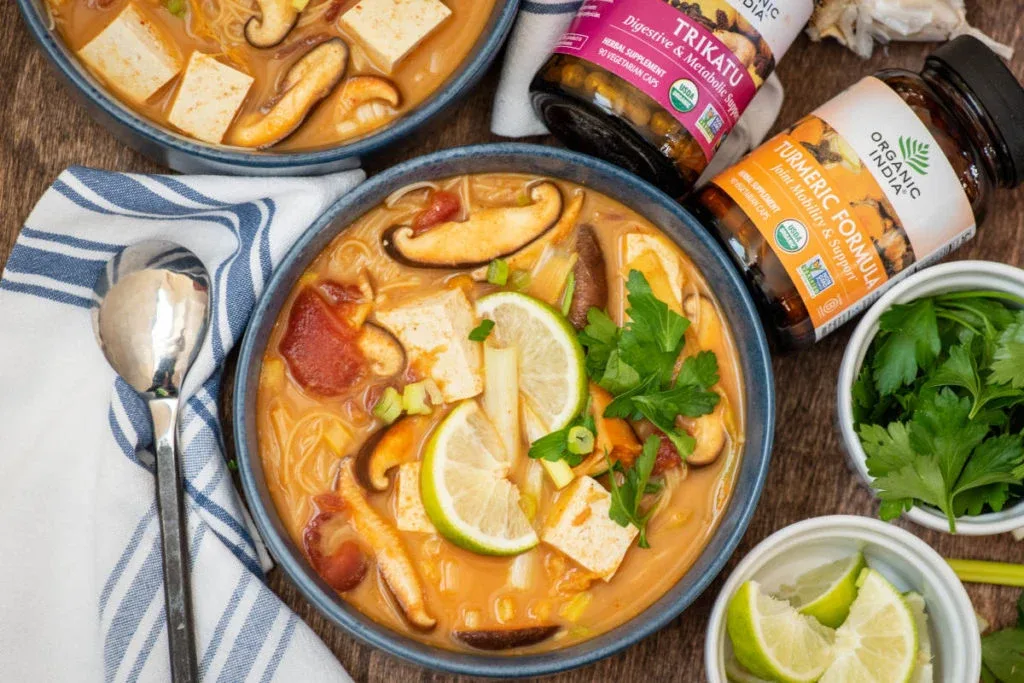
Why Plant-Based Tom Yum Broth is the Next Big Thing in Commercial Kitchens
I’ll be honest, I didn’t see this coming. A few years ago, if you’d told me that a spicy, tangy Thai soup base would become a staple in commercial kitchens across the U.S., I might’ve raised an eyebrow. But here we are in 2026, and plant-based Tom Yum broth is having a moment. Not just in Thai restaurants, but in gastropubs, corporate cafeterias, even high-end vegan pop-ups. And honestly? It makes sense. The flavors are bold, the versatility is insane, and, let’s be real, customers are craving something that feels both familiar and exciting.
I remember the first time I tasted a well-made plant-based Tom Yum. It was at a tiny spot in Nashville’s Gulch neighborhood, a place that had maybe 10 tables but a line out the door. The chef, a former line cook from Bangkok, had swapped out the traditional shrimp paste and fish sauce for fermented tofu and mushroom soy. The result? A broth that was just as complex, just as aromatic, and, dare I say, even more layered than the original. That’s when it clicked: this wasn’t just a substitute. It was an evolution.
So, if you’re running a commercial kitchen and you’re not already playing around with plant-based Tom Yum broth, you’re missing out. But where do you start? How do you scale it for high-volume service? And, most importantly, how do you make it taste like it was simmered for hours by a Thai grandmother, not whipped up in a 60-quart stockpot? That’s what this guide is for. We’ll cover everything from sourcing ingredients to tweaking recipes for different dietary needs, and yes, even how to store and reheat it without losing that signature punch. By the end, you’ll be ready to add this to your menu, or at least have a really strong opinion about why you shouldn’t.
Fair warning: this isn’t a one-size-fits-all recipe. Tom Yum is as much about intuition as it is about technique. You’ll need to taste, adjust, taste again. But that’s the fun part, right? Let’s dive in.
The Anatomy of a Great Plant-Based Tom Yum Broth
What Makes Tom Yum… Tom Yum?
Before we go swapping out ingredients, let’s break down what gives Tom Yum its identity. At its core, Tom Yum is a hot-and-sour soup built on a few non-negotiables: lemongrass, galangal, kaffir lime leaves, chili, and a souring agent (usually lime juice). The traditional version leans on shrimp paste and fish sauce for umami depth, but plant-based versions? They’ve got to get creative. And honestly, that’s where things get interesting.
Here’s the thing: Tom Yum isn’t just about heat or sourness. It’s about balance. Too much lime, and it’s like drinking a margarita with no tequila. Too much chili, and you’re sweating before the first sip. The magic happens when the bright, citrusy notes of lemongrass and lime play off the earthy warmth of galangal and the funk of fermented ingredients. In a plant-based version, you’re not just replacing fish sauce, you’re reimagining how to achieve that same harmony without animal products.
So, what are the key players in a plant-based Tom Yum? Let’s start with the aromatics-these are your flavor foundation:
- Lemongrass: The backbone. You want fresh stalks, bruised to release their oils. Dried lemongrass just won’t cut it here, it’s like using garlic powder instead of fresh cloves.
- Galangal: Often confused with ginger, but trust me, it’s not the same. Galangal has a sharper, almost piney bite. If you can’t find it, ginger is a distant second, but it’s not ideal.
- Kaffir lime leaves: These are non-negotiable. They add a floral, citrusy note that’s impossible to replicate. If your supplier doesn’t carry them, find a new supplier.
- Thai chilies: For heat. Bird’s eye chilies are traditional, but you can adjust based on your crowd. Just remember: you can always add more heat, but you can’t take it away.
Then there’s the umami puzzle. In traditional Tom Yum, fish sauce and shrimp paste do the heavy lifting. For plant-based versions, you’ve got options:
- Mushroom soy sauce: Less salty than regular soy, with a deeper, earthier flavor. Brands like Pearl River Bridge or Wan Ja Shan make great ones.
- Fermented tofu: Sounds weird, I know. But when blended into the broth, it adds a funky, savory depth that’s shockingly close to shrimp paste.
- Seaweed: Kombu or nori can add a briny note that mimics the oceanic flavor of fish sauce. Just don’t overdo it, you’re not making miso soup.
- Miso paste: White or red miso can add complexity, but it’s a fine line. Too much, and your Tom Yum starts tasting like ramen.
And finally, the souring agents. Lime juice is the obvious choice, but in a commercial kitchen, you’ve got to think about consistency. Bottled lime juice can vary wildly in acidity, so you might need to adjust on the fly. Some chefs swear by a mix of lime and tamarind for a more rounded sourness. Others add a splash of rice vinegar for brightness. Is this sacrilege? Maybe. Does it work? Absolutely.
Scaling Up: The Commercial Kitchen Challenge
Here’s where things get tricky. Making a pot of Tom Yum for 10 people is one thing. Making 50 gallons for a dinner service? That’s a whole different beast. The biggest hurdle? Flavor degradation. Aromatics like lemongrass and galangal lose their punch over time, especially when simmered for hours. And if you’re not careful, your broth can end up tasting muddy or one-dimensional.
So, how do you scale without sacrificing quality? A few hard-earned lessons:
- Prep your aromatics in bulk, but don’t overcook them. Lemongrass, galangal, and kaffir lime leaves should be bruised and steeped, not boiled into oblivion. Think of them like tea leaves, you want to extract their essence, not turn them into mush. I’ve found that steeping them in hot water (not boiling) for 20-30 minutes gives the best results. Strain them out before they start to turn bitter.
- Layer your umami. Don’t dump all your fermented tofu or mushroom soy in at once. Start with a base of sautéed shallots and garlic, then add your umami ingredients in stages. This builds depth, not just saltiness.
- Acid last. Lime juice and other souring agents should be added at the very end. If you add them too early, they’ll cook off, leaving you with a flat, lifeless broth.
- Strain, strain, strain. Nothing ruins a bowl of soup faster than floating bits of lemongrass or chili seeds. Invest in a fine-mesh chinois or a cheesecloth-lined strainer. Your customers (and your dishwasher) will thank you.
Oh, and one more thing: salt. In a commercial kitchen, it’s easy to over-salt your broth, especially when you’re tasting and adjusting in large batches. Remember, you can always add more salt, but you can’t take it out. I’ve learned the hard way to under-salt slightly, then adjust to taste when plating. It’s saved me more than once.
Plant-Based Tom Yum Broth Recipes: Three Ways to Win
1. The Classic (But Make It Vegan)
This is your baseline. The recipe that proves plant-based Tom Yum can hold its own against the original. It’s bright, it’s bold, and it’s got that signature balance of heat, sour, and umami. The key here is fermented tofu-it’s the secret weapon that replaces shrimp paste without tasting like a compromise.
Here’s how to make it:
- Ingredients (for 5 gallons):
- 10 stalks lemongrass, bruised and cut into 3-inch pieces
- 1 lb galangal, sliced (peeled if you’re feeling fancy)
- 20 kaffir lime leaves, torn
- 1 cup Thai bird’s eye chilies, lightly crushed (adjust for heat)
- 1 lb shallots, sliced
- 1 head garlic, cloves smashed
- 1 cup fermented tofu, blended with 2 cups water
- 1 cup mushroom soy sauce
- 1/2 cup seaweed (kombu or nori), soaked and chopped
- 1 gallon vegetable stock (low-sodium, please)
- 1 cup lime juice (fresh, if possible)
- 1/4 cup palm sugar or brown sugar
- Salt to taste
- Method:
- In a large stockpot, sauté the shallots and garlic in a bit of neutral oil until soft and fragrant. Don’t rush this, you want them to caramelize slightly.
- Add the lemongrass, galangal, kaffir lime leaves, and chilies. Sauté for another 5 minutes, just until everything starts to smell incredible.
- Pour in the vegetable stock and bring to a simmer. Let it steep for 20-30 minutes, no boiling! You’re making tea, not stock.
- Strain out the aromatics. You should be left with a fragrant, golden liquid. If it’s not fragrant, you didn’t steep long enough. Start over.
- Add the blended fermented tofu, mushroom soy sauce, and seaweed. Simmer for another 10 minutes, then taste. This is where you’ll start to build your umami base.
- Stir in the lime juice and sugar. Taste again. Is it balanced? If not, adjust with more lime (for sour), sugar (for sweet), or salt (for… well, salt).
- Strain one final time to remove any lingering bits. Your broth should be clear, aromatic, and ready to use.
This broth is incredibly versatile. Use it as a base for soups, of course, but don’t stop there. Reduce it down to a glaze for grilled vegetables, or use it as a poaching liquid for tofu or mushrooms. I’ve even seen chefs use it to braise jackfruit for a vegan “pulled pork” sandwich. The possibilities are endless.
2. The Umami Bomb (For When You Need to Impress)
Let’s say you’re catering a high-end event, or maybe you’re trying to win over a crowd of skeptics. This is the recipe for you. It’s richer, deeper, and, dare I say, more complex than the classic version. The secret? Dried shiitake mushrooms and smoked tofu. Together, they add a meaty, almost bacon-like depth that’ll make even the most die-hard carnivores pause.
Here’s the breakdown:
- Ingredients (for 5 gallons):
- Everything from the classic recipe, plus:
- 2 cups dried shiitake mushrooms
- 1 lb smoked tofu, diced
- 1/2 cup white miso paste
- 1/4 cup nutritional yeast (for that cheesy, savory note)
- 1 tbsp liquid smoke (use sparingly, it’s potent!)
- Method:
- Start by rehydrating the dried shiitake mushrooms in hot water for 20 minutes. Save the soaking liquid, it’s liquid gold.
- Follow the same steps as the classic recipe for sautéing the aromatics and steeping them in the vegetable stock.
- After straining, add the rehydrated shiitake mushrooms (chopped), smoked tofu, and the shiitake soaking liquid. Simmer for 15 minutes.
- Stir in the miso paste, nutritional yeast, and liquid smoke. Taste. This is where things get interesting. The miso and nutritional yeast will add a funky, almost cheesy depth, while the liquid smoke gives it that elusive “meaty” quality. But be careful, too much, and it’ll taste like a campfire.
- Finish with lime juice and sugar, then strain. This broth is bold. Use it in dishes where you want the Tom Yum flavor to shine, like a vegan Tom Yum fried rice or a spicy noodle bowl.
I’ll admit, I was skeptical about the liquid smoke at first. But when used sparingly, it adds a complexity that’s hard to achieve with plant-based ingredients alone. Is it traditional? No. Does it work? Absolutely. Sometimes, breaking the rules is the only way to move forward.
3. The Quick-and-Dirty (For When You’re in a Rush)
Let’s be real, commercial kitchens aren’t always about perfection. Sometimes, you need a decent Tom Yum broth, and you need it fast. Maybe your lunch rush is about to hit, or maybe your prep cook called in sick. Whatever the reason, this recipe is your lifeline. It’s not going to win any awards, but it’ll get the job done.
The key here is pre-made pastes and shortcuts. Yes, I said it. Shortcuts. In a perfect world, we’d all have time to steep lemongrass and blend fermented tofu. But this isn’t a perfect world, and sometimes, you’ve got to improvise.
- Ingredients (for 5 gallons):
- 1 cup store-bought Tom Yum paste (look for brands like Maesri or Thai Kitchen, just check the label for fish sauce)
- 1 gallon vegetable stock
- 1/2 cup mushroom soy sauce
- 1/4 cup lime juice
- 1/4 cup brown sugar or palm sugar
- 1 tbsp galangal powder (if you can’t find fresh)
- 1 tbsp lemongrass paste (available at Asian markets)
- 1 tsp kaffir lime leaf powder (yes, it’s a thing)
- 1/2 cup blended silken tofu (for creaminess and body)
- Method:
- In a large stockpot, whisk together the Tom Yum paste and vegetable stock. Bring to a simmer.
- Add the mushroom soy sauce, galangal powder, lemongrass paste, and kaffir lime leaf powder. Stir well and simmer for 10 minutes.
- Taste. This is where you’ll need to adjust. Is it too salty? Add more stock. Too bland? Add more paste or soy sauce. Too sweet? A splash of lime juice will balance it out.
- Stir in the blended silken tofu. This adds body and a slight creaminess, which helps mask any “shortcut” flavors.
- Strain and use immediately. This broth won’t have the same depth as the others, but it’ll be good enough-and sometimes, that’s all you need.
I know, I know. Using pre-made pastes feels like cheating. But here’s the thing: no one cares how you made it if it tastes good. And if this gets you through a busy service without sacrificing quality, then it’s not cheating, it’s smart.
Tweaking Your Broth for Different Diets
Gluten-Free? No Problem.
One of the biggest challenges with plant-based Tom Yum is the soy sauce. Most soy sauces contain wheat, which means they’re not gluten-free. But don’t panic, there are alternatives. Tamari is a great gluten-free soy sauce substitute, and brands like San-J make a gluten-free version that’s widely available. Just double-check the label, because not all tamari is gluten-free.
Another option? Coconut aminos. It’s less salty than soy sauce, with a slightly sweeter, more rounded flavor. It won’t give you the same depth as soy, but it’s a solid backup. If you go this route, you might need to add a bit more salt or umami (like nutritional yeast) to compensate.
And what about the fermented tofu? Some brands contain wheat as a binder. If you’re catering to gluten-free customers, look for a brand that’s certified gluten-free, or swap it out for blended chickpeas or white miso (just make sure the miso is gluten-free).
Nut Allergies? Watch Your Umami Sources.
This one caught me off guard the first time. Some fermented tofu and miso pastes contain traces of nuts, especially if they’re processed in facilities that also handle peanuts or tree nuts. If nut allergies are a concern, you’ll need to read labels carefully. Brands like Miso Master and South River Miso are usually safe bets, but always double-check.
Another sneaky culprit? Store-bought vegetable stock. Some brands add nut-based ingredients (like almond butter) for richness. Stick to brands that are certified nut-free, or make your own stock in-house. It’s easier than you think, just simmer onions, carrots, celery, and mushrooms with a bit of salt and pepper for a few hours. Strain and you’re good to go.
Low-Sodium? You’ve Got Options.
Tom Yum is inherently salty, thanks to the soy sauce and fermented ingredients. But if you’re catering to customers on a low-sodium diet, you can still make it work. Here’s how:
- Use low-sodium soy sauce or tamari. Brands like Kikkoman make a low-sodium version that’s widely available. Just remember, it’s still salty, you’ll just need less of it.
- Boost umami with non-salty ingredients. Nutritional yeast, dried mushrooms, and even a splash of tomato paste can add depth without adding sodium.
- Rely on acid and heat for flavor. If you can’t use as much salt, lean into the lime juice and chilies. A really sour, really spicy broth can be just as satisfying.
- Offer a “build-your-own” option. Let customers add their own salt and lime juice at the table. That way, they’re in control.
I’ll be honest, low-sodium Tom Yum is a challenge. But it’s not impossible. And if it means more customers can enjoy your food, it’s worth the effort.
Storing and Reheating: Keeping Your Broth Fresh
The Golden Rule: Cool It Fast
Here’s the thing about Tom Yum broth: it doesn’t like to sit. The longer it sits at room temperature, the more the flavors degrade. And if you’re not careful, you can end up with a broth that’s sour, bitter, or just plain flat. So, if you’re making a big batch, you’ve got to cool it down quickly.
Here’s how I do it:
- Divide and conquer. Don’t try to cool 5 gallons of broth in one container. Divide it into smaller batches (like 1-gallon containers) to speed up the process.
- Ice bath. Place your containers in a sink or large tub filled with ice water. Stir the broth occasionally to help it cool evenly. This should get it down to 40°F (4°C) within an hour.
- Blast chiller. If you’ve got one, use it. A blast chiller can cool your broth in minutes, which is a game-changer for food safety and flavor retention.
Once your broth is cooled, store it in airtight containers in the fridge. It’ll keep for 3-4 days, but the flavors will start to fade after the first day. If you need to store it longer, freeze it. Tom Yum broth freezes surprisingly well, just leave a little headspace in your containers to account for expansion.
Reheating Without Ruining It
Reheating Tom Yum broth is where a lot of kitchens go wrong. Heat it too fast, and the aromatics will turn bitter. Heat it too slow, and you’ll lose that bright, fresh flavor. Here’s how to do it right:
- Gentle heat. Reheat your broth over low to medium heat. You want a slow simmer, not a rolling boil. If you’re using a steam table, keep it at 165°F (74°C) or lower.
- Strain again. If your broth has been sitting for a while, it might have developed some sediment. Strain it one more time before reheating to keep it clear.
- Taste and adjust. Reheated broth almost always needs a little boost. Add a splash of lime juice, a pinch of sugar, or a bit more salt to bring it back to life.
- Avoid the microwave. I know, it’s tempting. But microwaving Tom Yum broth is a one-way ticket to Flavor Town’s less appealing cousin, Blandville. If you must use a microwave, do it in short bursts and stir frequently.
One more tip: don’t reheat more than you need. Tom Yum broth is best when it’s fresh, so try to portion it out in amounts you’ll use within a few hours. If you’ve got leftover reheated broth, don’t reheat it again. Use it in a sauce, a marinade, or even a braising liquid, just don’t serve it as soup.
Menu Ideas: Beyond the Bowl
Tom Yum Isn’t Just for Soup
When most people think of Tom Yum, they think of soup. And sure, a bowl of Tom Yum soup is a thing of beauty. But if you’re only using your broth for soup, you’re missing out. Here are a few ways to get creative with it:
- Tom Yum Fried Rice: Use your broth as the cooking liquid for fried rice. The grains will soak up all that spicy, tangy goodness, and the result is a dish that’s way more interesting than your average takeout.
- Tom Yum Noodles: Toss cooked rice noodles or egg noodles with a reduced Tom Yum broth, then top with crispy tofu, bean sprouts, and fresh herbs. It’s like a cross between pad Thai and Tom Yum soup, trust me, it works.
- Tom Yum Glaze: Reduce your broth down to a thick, syrupy consistency, then brush it onto grilled vegetables, tofu, or even tempeh. It’s a quick way to add a ton of flavor with minimal effort.
- Tom Yum Risotto: Swap out the white wine in your risotto recipe for a splash of Tom Yum broth. The result is creamy, tangy, and just a little bit spicy, perfect for a vegan main course.
- Tom Yum Bloody Mary: Okay, hear me out. A spicy, tangy Tom Yum broth makes an incredible base for a brunch cocktail. Mix it with vodka, a splash of tomato juice, and a celery salt rim. It’s unexpected, but it works.
I’ll admit, some of these ideas sound a little out there. But that’s the beauty of Tom Yum, it’s versatile. Don’t be afraid to experiment. The worst that can happen is you’ll have to tweak the recipe. The best? You’ll create something your customers can’t stop talking about.
Pairing Tom Yum with Other Dishes
If you’re adding Tom Yum to your menu, think about how it fits into the bigger picture. What else are you serving? How can you create a cohesive dining experience? Here are a few pairing ideas to get you started:
- With Thai Green Curry: The creamy, coconutty richness of green curry is the perfect foil for Tom Yum’s bright acidity. Serve them side by side, or even combine them into a single dish for a “Tom Kha Yum” hybrid.
- With Satay Skewers: The smoky, peanutty flavors of satay pair beautifully with Tom Yum’s heat and sourness. Offer a dipping sauce made from blended Tom Yum broth and peanut butter for a fusion twist.
- With Spring Rolls: A crispy spring roll is the perfect contrast to a bowl of hot Tom Yum soup. The textures play off each other, and the flavors complement each other perfectly.
- With Jasmine Rice: Sometimes, simplicity is best. A bowl of steamed jasmine rice alongside a bowl of Tom Yum soup is all you need. The rice soaks up the broth, and the clean, floral notes of the rice balance out the soup’s intensity.
And don’t forget about drinks. A crisp lager or a sparkling water with lime can help cut through the heat of Tom Yum, while a Riesling or Gewürztraminer can complement its tangy, spicy flavors. If you’re serving alcohol, consider offering a “Tom Yum pairing” suggestion on your menu.
Troubleshooting: Common Mistakes and How to Fix Them
“My Broth Tastes Bitter. What Gave?”
Bitterness is the enemy of good Tom Yum. It usually comes from one of two places: overcooked aromatics or too much lime juice. Here’s how to fix it:
- If it’s the aromatics: You probably simmered them for too long. Next time, steep them in hot water instead of boiling them. If your broth is already bitter, try adding a pinch of sugar or a splash of coconut milk to balance it out.
- If it’s the lime juice: Lime juice can turn bitter if it’s cooked for too long. Always add it at the very end, and taste as you go. If your broth is already bitter, a little sugar or a splash of stock can help mellow it out.
And here’s a pro tip: kaffir lime leaves can also turn bitter if they’re overcooked. Tear them instead of chopping, and remove them after steeping. This releases their flavor without making the broth bitter.
“My Broth is Too Salty. Help!”
This is a common one, especially in commercial kitchens where you’re working with large batches. The culprit? Usually soy sauce or fermented ingredients. Here’s how to fix it:
- Dilute it. Add more stock or water to thin out the saltiness. Just remember, this will also dilute the flavor, so you’ll need to adjust with more aromatics or umami ingredients.
- Balance it out. A splash of lime juice or a pinch of sugar can help mask the saltiness. You can also add a starchy ingredient like potatoes or rice to soak up some of the salt. Just remove them before serving.
- Start over. If your broth is *really* salty, sometimes the best option is to cut your losses and start fresh. Use the salty broth as a base for a sauce or marinade instead.
To avoid this in the future, under-salt your broth and adjust to taste when plating. It’s easier to add salt than to take it away.
“My Broth is Bland. Where’s the Flavor?”
Bland Tom Yum is a tragedy. It usually means you’re missing one (or more) of the key flavor components: heat, sour, salt, or umami. Here’s how to fix it:
- Add more acid. A splash of lime juice or rice vinegar can brighten up a bland broth. Taste as you go, you don’t want to overdo it.
- Boost the umami. A spoonful of mushroom soy sauce, miso paste, or nutritional yeast can add depth. You can also add a bit of tomato paste for richness.
- Turn up the heat. If your broth is missing spice, add more chilies or a dash of chili flakes. Just remember, you can always add more heat, but you can’t take it away.
- Check your aromatics. If your lemongrass, galangal, or kaffir lime leaves are old or dried out, they won’t add much flavor. Always use fresh, high-quality ingredients.
And here’s a trick I learned from a Thai chef: char your aromatics. Before steeping your lemongrass and galangal, char them lightly over an open flame or in a dry pan. This brings out their natural sweetness and adds a smoky depth to the broth.
Final Thoughts: Why Plant-Based Tom Yum Belongs in Your Kitchen
Look, I’m not going to pretend that plant-based Tom Yum is the easiest thing to make. It takes time, it takes patience, and it takes a willingness to experiment. But here’s the thing: it’s worth it. In a world where customers are craving bold flavors and plant-based options, Tom Yum is a no-brainer. It’s familiar enough to appeal to a wide audience, but unique enough to stand out on a menu.
And let’s not forget the versatility. This isn’t a one-trick pony. You can use it in soups, sauces, glazes, even cocktails. It’s a flavor powerhouse that can elevate just about any dish. Plus, it’s a great way to use up ingredients you might already have in your kitchen, lemongrass, chilies, lime juice, and soy sauce are all pantry staples in most commercial kitchens.
So, what’s the next step? If you’re already making Tom Yum, maybe it’s time to experiment with a plant-based version. If you’re not, maybe it’s time to give it a shot. Start small, make a batch for your staff meal, or offer it as a special. See how your customers react. I think you’ll be surprised.
And if you’re still on the fence? Ask yourself this: What’s the worst that could happen? You’ll end up with a pot of broth that’s not quite right. But even that isn’t a total loss, you can use it as a base for a sauce, a marinade, or a braising liquid. The only real failure is not trying at all.
So go ahead. Grab some lemongrass, fire up the stove, and see what happens. Your customers (and your taste buds) will thank you.
FAQ
Q: Can I use regular soy sauce instead of mushroom soy sauce in plant-based Tom Yum?
A: You can, but it’s not ideal. Regular soy sauce is saltier and less complex than mushroom soy sauce, so you’ll need to adjust your recipe accordingly. If you do use regular soy sauce, consider adding a bit of nutritional yeast or dried mushrooms to boost the umami. And remember, a little goes a long way, you can always add more, but you can’t take it out.
Q: How do I store leftover Tom Yum broth, and how long will it keep?
A: Store your broth in airtight containers in the fridge for up to 4 days, or in the freezer for up to 3 months. To keep the flavors fresh, cool the broth quickly after cooking (use an ice bath or a blast chiller), and reheat it gently over low to medium heat. Avoid microwaving if possible, it can make the broth taste flat or bitter.
Q: My Tom Yum broth tastes flat. What am I doing wrong?
A: Flat broth usually means you’re missing one of the key flavor components: heat, sour, salt, or umami. Start by adding a splash of lime juice or rice vinegar to brighten it up. If that doesn’t help, try boosting the umami with mushroom soy sauce, miso paste, or nutritional yeast. You can also add more chilies for heat or a pinch of sugar to balance the flavors. And make sure you’re using fresh, high-quality aromatics, old or dried-out lemongrass and galangal won’t add much flavor.
Q: Can I make plant-based Tom Yum broth in advance for a large event?
A: Absolutely! In fact, making your broth in advance is a great way to save time during service. Just remember to cool it quickly (using an ice bath or blast chiller) and store it properly (in airtight containers in the fridge or freezer). When you’re ready to serve, reheat the broth gently over low to medium heat, and taste it before serving, you may need to adjust the seasoning with a splash of lime juice, a pinch of sugar, or a bit more salt. And if you’re serving a large crowd, consider portioning the broth into smaller batches to make reheating easier.
@article{the-ultimate-guide-to-plant-based-tom-yum-broth-recipes-for-commercial-kitchens,
    title   = {The Ultimate Guide to Plant-Based Tom Yum Broth Recipes for Commercial Kitchens},
    author  = {Chef's icon},
    year    = {2026},
    journal = {Chef's Icon},
    url     = {https://chefsicon.com/plant-based-tom-yum-broth-recipes-commercial-kitchens/}
}