The Best Fluffy Pancakes recipe you will fall in love with. Full of tips and tricks to help you make the best pancakes.
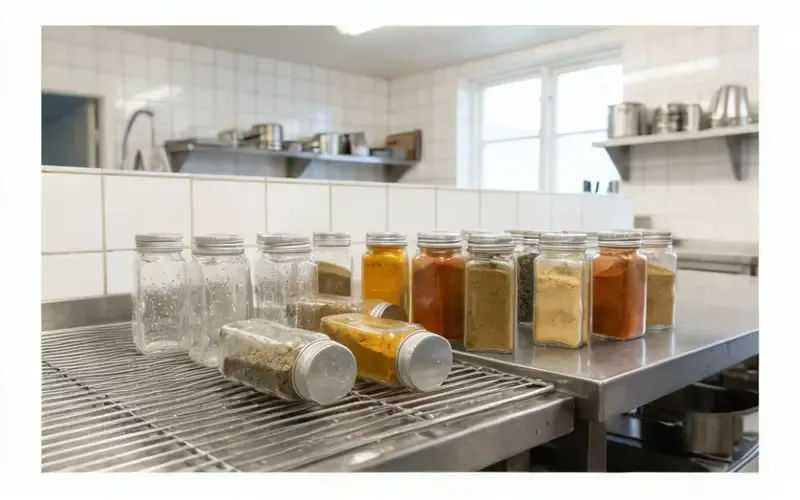
When the Heat’s Too Much: How to Reduce Spice After Cooking Without Ruining Your Dish
Let me set the scene. It’s a Tuesday night, because that’s when culinary disasters usually strike, right? and I’m standing in my Nashville kitchen, staring at a pot of what was supposed to be a rich, aromatic curry. Instead, it’s a molten lava pit of regret. Luna, my rescue cat, is perched on the counter (yes, I know, bad owner) watching me with that judgmental look only cats can master. I’d just dumped in what I thought was a teaspoon of cayenne. Turns out, it was a tablespoon. Maybe two. The kind of mistake that makes you question every life decision that led you to this moment.
We’ve all been there. That moment when you take a bite and your eyes water, your nose runs, and you’re pretty sure your taste buds just filed for divorce. The dish is over-spiced, and now you’re left wondering: Can I fix this? Is it too late? Should I just order takeout and pretend this never happened? The good news is, you don’t have to scrap your meal. There are ways to reduce spice after cooking-some obvious, some surprising, and a few that might just save your dinner (and your dignity). In this guide, I’ll walk you through the science, the techniques, and the little hacks that can turn a fiery disaster into a balanced, flavorful dish. And yes, I’ll tell you which methods I’ve tested myself, because if there’s one thing I’ve learned, it’s that not all fixes are created equal.
By the end of this, you’ll know:
- Why spice levels can spiral out of control, and how to prevent it in the first place
- The best ingredients to neutralize heat without killing your dish’s soul
- How to use dilution techniques that actually work (and which ones to avoid)
- The role of fat, acid, and sweetness in balancing spice
- When to call it quits and start over (because sometimes, you just have to)
So grab a glass of milk (or wine, no judgment), and let’s dive in.
The Science of Spice: Why Your Dish Is on Fire (Literally)
How Capsaicin Hijacks Your Taste Buds
Before we talk fixes, let’s talk about the culprit: capsaicin. That’s the compound in chili peppers that makes them hot. It’s not just a flavor, it’s a chemical reaction. Capsaicin binds to the TRPV1 receptors in your mouth and skin, which are the same receptors that respond to actual heat and physical pain. That’s why eating something too spicy doesn’t just taste hot; it feels like your mouth is on fire. Your brain isn’t playing tricks on you, it’s literally reacting as if you’ve been burned.
Here’s the thing about capsaicin: it’s fat-soluble, not water-soluble. That’s why chugging water when your mouth is on fire doesn’t help. Water just spreads the capsaicin around, making things worse. (More on this later, because there’s a right way and a very wrong way to handle the aftermath.)
But capsaicin isn’t the only player in the spice game. Other compounds, like piperine in black pepper or allyl isothiocyanate in mustard and wasabi, contribute to the heat in different ways. The fixes we’ll talk about work differently depending on the type of spice you’re dealing with, but capsaicin is usually the main offender in over-spiced dishes.
Why Spice Levels Can Spiral Out of Control
So how does a dish go from “perfectly spiced” to “why does my tongue hate me”? A few reasons:
- Inconsistent spice potency: Not all chili peppers are created equal. A jalapeño from one batch might be mild, while another could be fiery. Even within the same pepper, the heat isn’t evenly distributed, those white membranes and seeds? They’re the spiciest parts. If you’re not careful, you might end up with a concentrated pocket of heat that throws off your entire dish.
- Layering spices incorrectly: Adding spices at different stages of cooking can amplify their effects. For example, blooming spices in oil at the beginning of cooking releases their flavors and heat more intensely than adding them at the end. If you’re not mindful of timing, you can end up with a dish that’s exponentially spicier than you intended.
- Reduction: When you simmer a dish for a long time, the liquid evaporates, concentrating the flavors, and the heat. What started as a mildly spicy sauce can turn into a molten disaster if you’re not careful.
- Human error: Let’s be real. We’ve all been there. You’re distracted, you misread the recipe, or you just get heavy-handed with the spice jar. Maybe you meant to add a pinch of cayenne and instead dumped in a palmful. (Ask me how I know.)
Is this the part where I tell you to just “taste as you go”? Yeah, yeah, I know. It’s the golden rule of cooking, but let’s be honest, it’s not always practical. Sometimes you’re multitasking, or the dish isn’t safe to taste yet, or you’re just too excited to get everything in the pot. So while tasting is ideal, it’s not always foolproof. That’s why knowing how to reduce spice after cooking is such a valuable skill.
The Emergency Fixes: How to Reduce Spice After Cooking (Without Starting Over)
Alright, let’s say you’ve already committed the crime. The dish is done, the heat is overwhelming, and you’re staring at a pot of regret. What now? Here are the most effective ways to tame the heat without sacrificing flavor.
1. Dilution: The Art of Adding More (Without Ruining Everything)
Dilution is the simplest way to reduce spice levels, but it’s also the easiest to mess up. The idea is straightforward: add more of the non-spicy components to spread out the heat. But here’s the catch, you can’t just dump in water or broth and call it a day. That’ll dilute the flavor along with the spice, leaving you with a bland, watery mess. Instead, you need to add ingredients that will enhance the dish while diluting the heat.
Here’s how to do it right:
- For soups, stews, and curries: Add more of the base liquid, broth, coconut milk, tomato sauce, or water, but do it gradually. Taste as you go. If the dish is already thick, you might need to add a combination of liquid and other ingredients to maintain the right consistency. For example, if you’re fixing a curry, add coconut milk and a little more tomato paste to keep the texture rich.
- For sauces: Thin them out with a bit of water, broth, or even wine, but then balance it with something flavorful. If you’re working with a tomato-based sauce, add a splash of cream or a pat of butter to round out the flavors. For cream-based sauces, a little more cream or a splash of stock can help.
- For chili or bean dishes: Add more beans, tomatoes, or vegetables. These ingredients will soak up some of the spice while adding bulk and texture. Just make sure to adjust the seasoning afterward, you might need to add a little more salt or acid to keep the flavors balanced.
I’ll be honest: dilution is a bit of a balancing act. Add too much liquid, and you’ll end up with a dish that’s weak in flavor. Add too little, and the heat will still be overwhelming. The key is to add gradually and taste as you go. And if you’re not sure, err on the side of caution, you can always add more, but you can’t take it out.
2. Fat Is Your Friend: How Dairy and Oils Can Save the Day
Remember how I mentioned that capsaicin is fat-soluble? That’s your secret weapon. Fat binds to capsaicin and helps wash it away, reducing the perceived heat. This is why dairy products like milk, yogurt, and cream are so effective at cooling down spicy food. They’re not just masking the heat, they’re physically removing it from your taste buds.
Here’s how to use fat to reduce spice after cooking:
- Dairy:
- Milk or cream: Stir in a splash of whole milk, heavy cream, or half-and-half. This works especially well in creamy dishes like curries, soups, or sauces. Start with a small amount, about ¼ cup, and adjust to taste. If you’re using cream, be mindful that it can thicken the dish, so you might need to add a little water or broth to balance the consistency.
- Yogurt or sour cream: These are great for adding a tangy contrast to spicy dishes. Stir in a spoonful of plain yogurt or sour cream at the end of cooking. This works particularly well in Indian, Middle Eastern, or Mexican dishes. Just be careful not to boil the dish after adding yogurt, or it might curdle.
- Butter: A pat of butter can work wonders in sauces or soups. It adds richness and helps coat your mouth, reducing the burn. This is a trick I’ve used in everything from pasta sauces to chili. Just melt it in at the end and stir well.
- Oils and fats:
- Olive oil or coconut oil: Drizzle a little oil into the dish and stir well. This works best in dishes where the oil can blend in smoothly, like stir-fries or curries. The oil will bind to the capsaicin and help distribute it more evenly, reducing the intensity.
- Nut butters: Peanut butter, tahini, or almond butter can add richness and help tone down the heat. This is a great trick for African or Asian dishes, like satay sauces or peanut stews. Start with a teaspoon and adjust to taste.
I’m torn between recommending dairy or oil as the best fix. Dairy is more effective at neutralizing heat, but it’s not always the right fit for the dish. For example, adding yogurt to a tomato-based pasta sauce might not work as well as a splash of cream. On the other hand, oil is more versatile but doesn’t have the same cooling effect. Ultimately, it depends on the dish and your personal preference. Maybe I should clarify: if the dish can handle dairy, go for it. If not, oil is a solid backup.
3. Sweetness: The Counterbalance You Didn’t See Coming
Sweetness is one of those underrated tools in the spice-reduction toolkit. It doesn’t neutralize heat the way fat does, but it balances it out, making the dish taste less aggressively spicy. Think of it like adding a little sugar to a too-salty dish, it doesn’t remove the salt, but it makes the dish more palatable.
Here’s how to use sweetness to reduce spice after cooking:
- Sugar or honey: A teaspoon of sugar or honey can work wonders in sauces, soups, or curries. Start small, you don’t want the dish to taste sweet, just balanced. Honey has the added benefit of adding depth to the flavor, while sugar is more neutral.
- Fruit: Adding a little fruit can introduce natural sweetness and acidity, which can help balance the heat. For example, a spoonful of mango puree can work wonders in a spicy curry, while diced apples or pears can add sweetness to a chili. Just make sure the fruit complements the dish, you don’t want to end up with a clashing flavor profile.
- Sweet vegetables: Carrots, sweet potatoes, or butternut squash can add natural sweetness to a dish. If you’re working with a soup or stew, adding a diced sweet vegetable can help balance the heat while adding texture. Just cook it down until it’s soft and integrates into the dish.
Is this the best approach for every dish? Not necessarily. Sweetness works best in dishes where it’s already a component, like barbecue sauce, curries, or chili. If you’re working with something like a spicy marinade or a dry rub, sweetness might not be the right fix. But in the right context, it can be a game-changer.
4. Acid: The Bright Side of Spice
Acid is another powerful tool for balancing spice. It doesn’t reduce the heat, but it distracts your taste buds and adds brightness to the dish, making the spice less overwhelming. Think of it like adding lemon juice to a rich, heavy dish, it cuts through the richness and makes everything taste fresher.
Here’s how to use acid to reduce spice after cooking:
- Citrus juice: A squeeze of lemon, lime, or orange juice can brighten up a spicy dish and make the heat more manageable. This works especially well in Mexican, Thai, or Indian dishes. Start with a teaspoon and adjust to taste, you don’t want the dish to taste sour, just balanced.
- Vinegar: A splash of vinegar, apple cider, white, or rice vinegar, can add acidity and depth to a dish. This is a great trick for barbecue sauces, chili, or soups. Just be mindful of the type of vinegar you use, some are more assertive than others. For example, balsamic vinegar has a strong flavor that might not work in every dish.
- Tomatoes: If you’re working with a tomato-based dish, adding a little more tomato sauce or diced tomatoes can introduce acidity and help balance the heat. This works well in chili, pasta sauces, or curries.
- Pickled vegetables: Adding a spoonful of pickled onions, jalapeños, or other pickled veggies can introduce acidity and crunch to a dish. This is a great trick for tacos, sandwiches, or grain bowls.
I’m a big fan of using acid to balance spice, but it’s not a one-size-fits-all solution. Too much acid can make a dish taste sour or unbalanced, so it’s important to add it gradually and taste as you go. And while acid won’t neutralize the heat, it can make the dish more enjoyable by adding contrast.
5. Starch: The Unsung Hero of Spice Reduction
Starch is one of those quiet heroes in the kitchen. It doesn’t get as much attention as fat or acid, but it can be incredibly effective at absorbing excess spice and toning down the heat. The idea is simple: starches like rice, potatoes, or bread soak up some of the capsaicin, reducing the overall spiciness of the dish.
Here’s how to use starch to reduce spice after cooking:
- Rice or grains: If you’re working with a soup, stew, or curry, adding a handful of cooked rice, quinoa, or couscous can help absorb some of the heat. This works especially well in dishes where the starch can blend in seamlessly, like a Thai curry or a Mexican pozole. Just stir it in and let it simmer for a few minutes to absorb the flavors.
- Potatoes: Diced potatoes are a great way to absorb excess spice in soups or stews. Add them to the pot and let them cook until tender. The potatoes will soak up some of the heat, and you can either leave them in the dish or remove them before serving. (I usually leave them in, why waste a perfectly good potato?)
- Bread or tortillas: If you’re working with a sauce or dip, serving it with bread, tortillas, or chips can help balance the heat. The starch in the bread absorbs some of the spice, making each bite less intense. This is why spicy dips are often served with pita or naan, it’s not just for dipping, it’s for damage control.
- Pasta: If you’ve over-spiced a pasta sauce, adding more cooked pasta to the dish can help dilute the heat. Just make sure to adjust the seasoning afterward, you might need to add a little more salt or acid to keep the flavors balanced.
Starch is one of those fixes that’s easy to overlook, but it’s incredibly effective. The only downside? It can make the dish thicker or starchier, so you might need to adjust the consistency with a little liquid. But if you’re in a pinch, it’s a great way to save a dish without adding any new flavors.
When All Else Fails: How to Salvage (or Scrap) a Dish
Let’s be real, sometimes, no amount of dilution, fat, or acid can save a dish. Maybe you added too much ghost pepper, or the dish is so spicy that even a gallon of cream won’t fix it. In those cases, you have a few options:
1. Repurpose the Dish
If the dish is edible but just too spicy, consider repurposing it into something else. For example:
- Over-spiced chili: Turn it into a filling for tacos, burritos, or enchiladas. The tortillas and toppings (like cheese, sour cream, or avocado) will help balance the heat.
- Over-spiced curry: Use it as a base for a soup by adding more broth and vegetables. You can also turn it into a filling for samosas or empanadas, where the pastry will help dilute the heat.
- Over-spiced sauce: Use it as a marinade or glaze for meats or vegetables. The cooking process will mellow out the heat, and the sauce will be more manageable when used in smaller quantities.
Repurposing is a great way to salvage a dish without wasting food. It’s also a good reminder that sometimes, the best fix is to change the context of the dish rather than trying to fix it in its original form.
2. Start Over (Yes, Really)
I know, I know. Starting over is the last thing you want to do when you’ve already put in the time and effort. But sometimes, it’s the best option. If the dish is inedible or the spice level is so high that no fix will work, it’s better to cut your losses and start fresh. Here’s how to make it less painful:
- Use the over-spiced dish as a base: If the dish has a strong flavor profile (like a curry or chili), you can use it as a base for a new dish. For example, if you’ve over-spiced a tomato sauce, you can use it as a starting point for a new batch by diluting it with more tomatoes, broth, or cream.
- Freeze it for later: If you’re not sure what to do with the dish, freeze it. You might find a use for it later, or you can repurpose it when you’re feeling more creative.
- Learn from the mistake: Take note of what went wrong and how you can prevent it next time. Maybe you need to measure your spices more carefully, or maybe you need to taste as you go. Either way, every mistake is a learning opportunity.
I’ll admit, starting over is never fun. But it’s better than serving a dish that’s inedible or, worse, making yourself sick. And who knows? The second attempt might turn out even better than the first.
3. Serve It Strategically
If the dish is edible but still too spicy, you can serve it in a way that minimizes the heat. For example:
- Pair it with cooling sides: Serve the spicy dish with cooling sides like yogurt, raita, or a cucumber salad. These can help balance the heat and make the dish more enjoyable.
- Use it as a condiment: If the dish is a sauce or dip, serve it in small quantities as a condiment rather than a main component. For example, a spicy salsa can be served in small bowls alongside tacos, where it’s used sparingly.
- Dilute it at the table: Serve the dish with a side of broth, cream, or another liquid that guests can use to dilute the heat to their liking. This is a great option for soups or stews, where guests can adjust the spice level themselves.
Serving a spicy dish strategically is all about giving your guests control. If they can adjust the heat to their liking, they’re more likely to enjoy the dish, even if it’s a little too spicy for your tastes.
Prevention Is the Best Cure: How to Avoid Over-Spicing in the First Place
Alright, let’s talk prevention. Because let’s be honest, while it’s great to know how to reduce spice after cooking, it’s even better to avoid the problem altogether. Here are a few tips to help you keep your spice levels in check:
1. Measure Your Spices
This might seem obvious, but it’s worth repeating: measure your spices. Eyeballing it is a recipe for disaster, especially when you’re working with potent spices like cayenne, chili powder, or ghost pepper. Use measuring spoons and level off your measurements to ensure accuracy. And if you’re working with whole spices, grind them just before using for the freshest flavor (and the most predictable heat).
I’ll admit, I’m guilty of eyeballing spices more often than I’d like to admit. But after one too many over-spiced disasters, I’ve learned my lesson. Now, I keep a set of measuring spoons within arm’s reach whenever I’m cooking. It’s a small change, but it makes a big difference.
2. Taste as You Go
I know, I know. I already said this is the golden rule of cooking, and it’s easier said than done. But it’s worth repeating: taste as you go. Add spices gradually, and taste the dish at each stage. If you’re working with a dish that can’t be tasted safely (like raw meat or uncooked eggs), taste a small portion of the sauce or marinade separately.
If you’re not sure how much spice to add, start with less than you think you need. You can always add more, but you can’t take it out. And remember, the heat will often intensify as the dish cooks, so what tastes mildly spicy at the beginning might be overwhelming by the end.
3. Understand Your Spices
Not all spices are created equal. Some are mild, while others are deceptively hot. For example, smoked paprika might add a rich, smoky flavor with minimal heat, while cayenne or habanero powder can turn a dish into a five-alarm fire with just a pinch. Take the time to understand the spices you’re working with and how they’ll affect your dish.
Here’s a quick guide to the heat levels of common spices:
- Mild: Paprika, cumin, coriander, turmeric, black pepper
- Medium: Chili powder, chipotle powder, ancho powder, red pepper flakes
- Hot: Cayenne, habanero powder, ghost pepper powder, Thai chili powder
If you’re unsure about a spice, start with a small amount and work your way up. And if you’re working with a new spice, do a little research beforehand to understand its heat level and flavor profile.
4. Use the Right Tools
Having the right tools can make a big difference in your ability to control spice levels. Here are a few things I always keep in my kitchen:
- Microplane or spice grinder: Freshly grinding whole spices gives you more control over the heat and flavor. It also ensures that the spices are evenly distributed throughout the dish.
- Small bowls or ramekins: Pre-measure your spices into small bowls before adding them to the dish. This helps you keep track of how much you’ve added and makes it easier to adjust as you go.
- Tasting spoons: Keep a set of small spoons near your stove for tasting. This makes it easy to taste the dish at each stage without contaminating your cooking utensils.
- Notebook or recipe app: Keep track of your spice measurements and adjustments in a notebook or recipe app. This helps you replicate successful dishes and avoid repeating mistakes.
I’m a big believer in the idea that the right tools make all the difference. They don’t have to be expensive or fancy, just functional. And if they help you avoid an over-spiced disaster, they’re worth every penny.
5. Know Your Audience
Finally, it’s important to know your audience. If you’re cooking for a group of people who love spicy food, you can afford to be a little more liberal with the heat. But if you’re cooking for kids, picky eaters, or anyone with a low spice tolerance, it’s best to err on the side of caution.
If you’re not sure about your audience’s spice preferences, ask! A simple “How spicy do you like your food?” can go a long way. And if you’re cooking for a group with mixed preferences, consider serving the spice on the side. That way, everyone can adjust the heat to their liking.
I’ve learned this lesson the hard way. A few years ago, I made a batch of chili for a potluck and assumed everyone would love the heat. Turns out, I was the only one who could handle it. Now, I always ask about spice preferences before cooking for a group. It’s a small step, but it makes a big difference.
The Final Bite: Putting It All Together
So, what’s the takeaway? Over-spicing a dish doesn’t have to be a disaster. With the right techniques, you can reduce spice after cooking and salvage your meal, whether that means diluting the heat, balancing it with fat, acid, or sweetness, or repurposing the dish into something new. And if all else fails, there’s no shame in starting over. The key is to stay calm, experiment, and remember that even the best chefs make mistakes.
Here’s my challenge to you: Next time you find yourself with an over-spiced dish, don’t panic. Pick one of the techniques we’ve talked about, whether it’s adding a splash of cream, a squeeze of lime, or a handful of rice, and give it a try. You might be surprised at how well it works. And if it doesn’t? Well, at least you’ll have a good story to tell. (And maybe a takeout menu on speed dial.)
I’ll leave you with this thought: Cooking is as much about problem-solving as it is about following recipes. The best chefs aren’t the ones who never make mistakes, they’re the ones who know how to fix them. So embrace the chaos, learn from your mistakes, and remember that every over-spiced dish is just an opportunity to get creative.
FAQ: Your Burning Questions About Reducing Spice After Cooking
Q: Does adding water really help reduce spice, or does it just make the dish watery?
A: Adding water alone won’t help much because capsaicin is fat-soluble, not water-soluble. Water just spreads the capsaicin around, making the heat feel more intense. However, if you add water along with other ingredients, like broth, cream, or vegetables, it can help dilute the heat without ruining the dish. The key is to balance the water with flavorful components so the dish doesn’t taste watered down.
Q: Can I use alcohol to reduce spice in a dish?
A: Alcohol can help dissolve capsaicin, but it’s not the most effective fix. A splash of wine or beer can add depth to a dish and help distribute the heat more evenly, but it won’t neutralize the spice the way fat or dairy can. If you’re going to use alcohol, choose something that complements the dish, like red wine in a tomato sauce or beer in a chili. Just be mindful that alcohol can intensify the heat if you’re not careful, so use it sparingly.
Q: What’s the best way to reduce spice in a dry rub or marinade?
A: Dry rubs and marinades are trickier because you can’t easily dilute them once they’re applied. If you’ve over-spiced a dry rub, your best bet is to mix it with more of the base ingredients (like salt, sugar, or other spices) to spread out the heat. For marinades, you can dilute them with more of the liquid component, like oil, vinegar, or citrus juice, and then reapply. If the rub or marinade is already on the meat, you can try scraping off some of the excess or serving the dish with cooling sides, like yogurt or avocado.
Q: Is there a way to reduce spice in a dish without changing the flavor too much?
A: The best way to reduce spice without drastically changing the flavor is to use fat or starch. Fat binds to capsaicin and helps neutralize the heat, while starch absorbs some of the spice without adding new flavors. For example, adding a pat of butter or a handful of cooked rice can help tone down the heat without altering the dish’s flavor profile too much. Just be mindful of the texture, you might need to adjust the consistency with a little liquid if the dish becomes too thick.
@article{how-to-reduce-spice-after-cooking-the-ultimate-guide-to-taming-the-heat-without-losing-flavor,
    title   = {How to Reduce Spice After Cooking: The Ultimate Guide to Taming the Heat Without Losing Flavor},
    author  = {Chef's icon},
    year    = {2026},
    journal = {Chef's Icon},
    url     = {https://chefsicon.com/reduce-spice-after-cooking/}
}