The Best Fluffy Pancakes recipe you will fall in love with. Full of tips and tricks to help you make the best pancakes.
Let me tell you something, I didn’t always believe in the magic of sourdough. There was a time when I thought it was just another trend, a fleeting obsession for foodies who had too much time on their hands. That was before I spent a week in a tiny bakery in Portland, watching a baker pull a loaf from the oven that smelled like warm butter and childhood memories. The crust crackled like autumn leaves underfoot, and the crumb? Open, airy, with those signature irregular holes that make sourdough so damn irresistible. That’s when I realized: sourdough isn’t just bread. It’s a science, an art, and, when done right, a profit driver for commercial kitchens.
But here’s the thing: you can’t just wing it. Sourdough demands respect, and respect means having the right tools. Not the half-hearted “I’ll make do with what I have” kind of tools, but the ones that turn a chaotic kitchen into a well-oiled sourdough machine. I’ve seen too many restaurants and bakeries struggle because they underestimated what it takes to scale sourdough from a weekend hobby to a daily operation. So, let’s talk about what you *actually* need. No fluff, no shortcuts, just the essentials, the nice-to-haves, and the “why the hell didn’t I think of that sooner?” tools that’ll save your sanity (and your bottom line).
By the end of this, you’ll know:
- Which core tools are non-negotiable for consistent, high-quality sourdough in a commercial setting.
- How to optimize your workflow so your team isn’t running around like headless chickens during peak hours.
- The hidden costs of cutting corners, and where it’s worth splurging.
- How to future-proof your sourdough setup for trends like hybrid grains, long fermentation, and even automation.
- And yes, the mistakes I’ve made (so you don’t have to).
Sound good? Let’s dive in.
The Non-Negotiables: Core Tools for Commercial Sourdough Success
1. The Heart of the Operation: Your Mixer
I’ll be honest, when I first started experimenting with sourdough at scale, I thought my trusty stand mixer from home would cut it. Spoiler: it didn’t. Commercial sourdough isn’t just about scaling up the ingredients; it’s about controlling the dough development in a way that home mixers simply aren’t built for. You need a mixer that can handle high hydration doughs (we’re talking 75-85% hydration here) without overheating or overworking the gluten. And let’s not forget the sheer volume, most commercial kitchens are mixing 50-100 pounds of dough at a time, sometimes more.
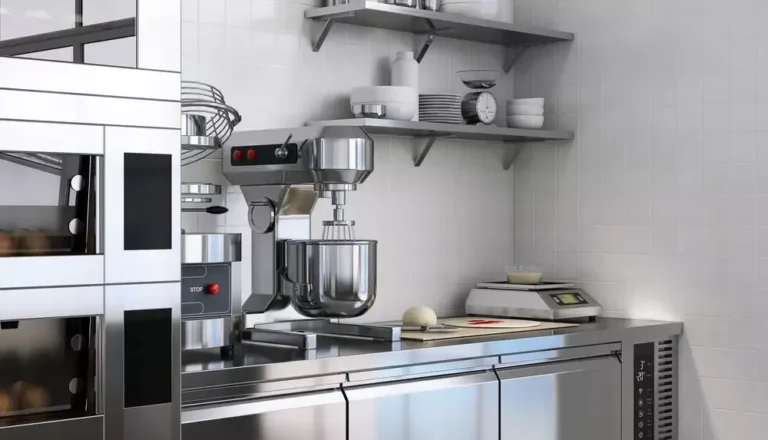
So, what should you look for? A spiral mixer is the gold standard for sourdough. Unlike planetary mixers, which can overwork the dough and generate too much heat, spiral mixers mimic the hand-mixing process, gently incorporating ingredients while preserving the dough’s structure. Brands like Hobart, VMI, and Diosna are industry favorites, but don’t sleep on newer players like Bakery Equipment & Service Co. (BESCO), which offers customizable options for smaller kitchens. If you’re on a budget, a fork mixer (like those from Sottoriva) can be a solid middle ground, though they’re not as gentle as spirals.
Is this the best approach? Let’s consider the alternatives. Some kitchens swear by autolyse (letting the flour and water sit before mixing) to reduce mixing time, but in a commercial setting, time is money. A spiral mixer lets you skip or shorten the autolyse step without sacrificing quality. That said, if you’re doing long, cold fermentations, you might get away with a planetary mixer, just keep an eye on the dough temperature. Overheating is the enemy of good sourdough.
Pro tip: Invest in a dough temperature probe. Even the best mixer can’t compensate for dough that’s too warm (or too cold). Aim for a final dough temperature of 75-78°F (24-26°C)-any higher, and you’re risking over-fermentation; any lower, and your yeast will be sluggish.
2. The Unsung Hero: Proofing Cabinets
Proofing is where the magic happens, or where it all goes wrong. I’ve seen too many kitchens try to proof sourdough in a warm corner of the kitchen, only to end up with loaves that are either underproofed (dense, gummy crumb) or overproofed (flat, lifeless discs). Consistency is key, and that means controlling temperature and humidity like a pro.
Enter the proofing cabinet. These aren’t your average reach-in fridges or warming drawers. We’re talking about climate-controlled environments designed specifically for dough. Brands like Rondo, Adamatic, and MIWE dominate the market, but newer models from Baxter and Winston are worth a look if you need something more compact. Here’s what to consider:
- Temperature control: Look for a cabinet that can hold 75-85°F (24-29°C) with minimal fluctuation. Some models even let you program different stages (e.g., bulk fermentation vs. final proof).
- Humidity control: Sourdough thrives in 75-85% humidity. Too dry, and your dough will form a skin; too wet, and it’ll stick to everything. Some cabinets come with built-in humidifiers, while others require manual misting.
- Capacity: Think about your peak production. If you’re baking 50 loaves a day, a single-deck cabinet might suffice. Scaling up? Consider a multi-deck or roll-in model.
- Energy efficiency: Proofing cabinets run 24/7, so look for models with insulated walls and energy-saving modes. Your utility bill will thank you.
I’m torn between recommending a dedicated proofing cabinet and a retarder-proofer combo. The latter gives you more flexibility, you can retard dough overnight (slow fermentation at cooler temps) and then proof it the next day. But if you’re tight on space, a standalone proofing cabinet might be the way to go. Maybe I should clarify: if you’re doing same-day bakes, a proofing cabinet is all you need. If you’re experimenting with longer fermentation times (think 12-24 hours), a retarder-proofer is a game-changer.
Oh, and one more thing: dough trays. Don’t skimp on these. You want food-grade plastic or stainless steel trays that are stackable, easy to clean, and sized to fit your proofing cabinet. I’ve seen kitchens use flimsy aluminum trays that warp under the weight of wet dough, nightmare fuel.
3. The Backbone: Bannetons and Dough Dividers
Let’s talk about shaping. Shaping sourdough is equal parts science and art, and if you’re doing it by hand at scale, you’re either a saint or a glutton for punishment. In a commercial kitchen, efficiency is everything, and that’s where tools like bannetons and dough dividers come in.
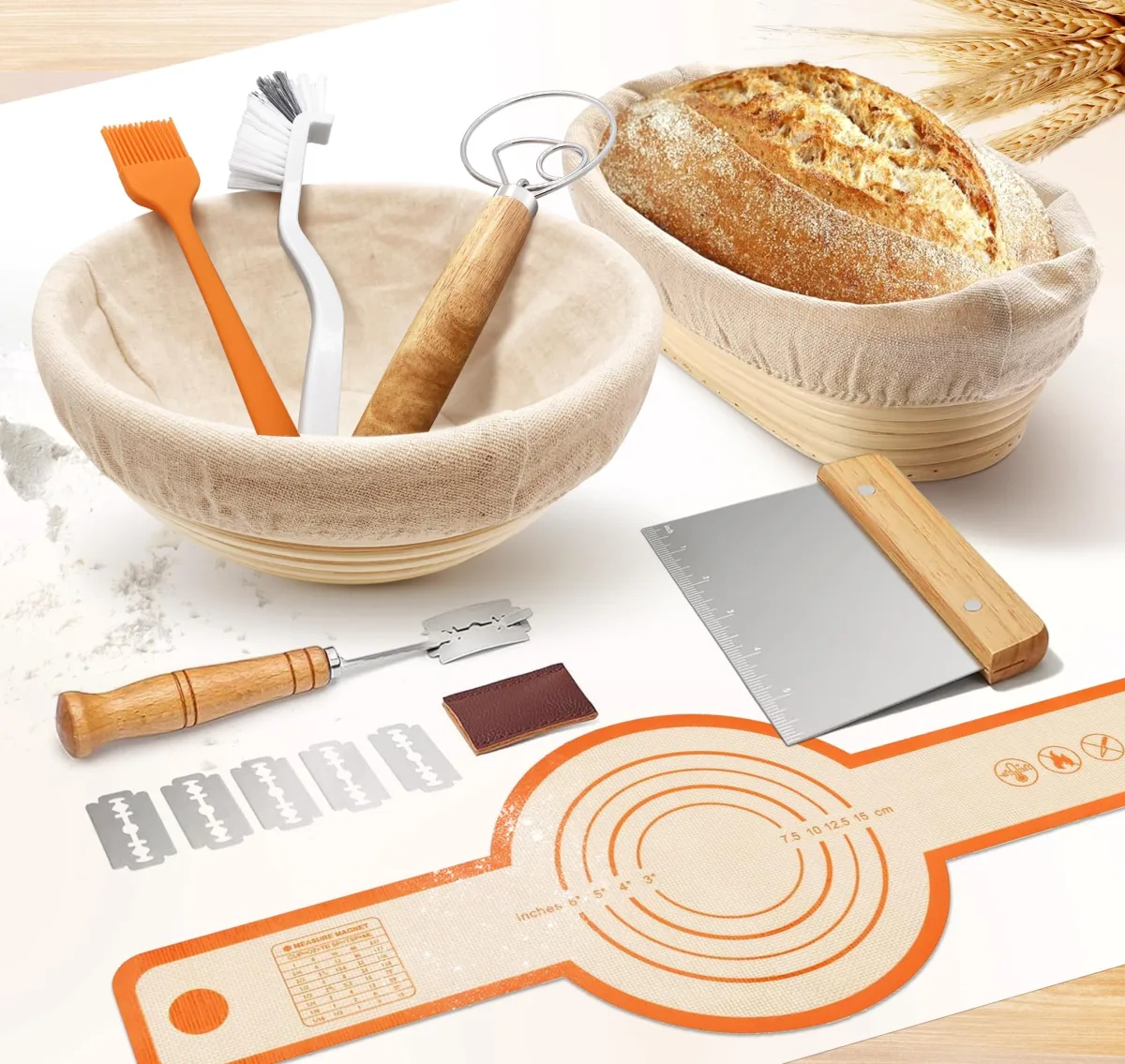
First, the bannetons (or proofing baskets). These aren’t just for looks, they support the dough’s structure during the final proof, helping it hold its shape and develop that signature ear when baked. For commercial use, you’ll want rattan or cane bannetons (they’re durable and breathable) in standard sizes (8-10 inches for boules, 12-14 inches for batards). Brands like Brotform and San Francisco Baking Institute (SFBI) are reliable, but don’t overlook bulk options from restaurant supply stores if you’re outfitting a large team.
But here’s the thing: hand-shaping 100 loaves a day is a recipe for carpal tunnel. That’s where dough dividers and rounders come in. These machines portion and pre-shape dough with precision, saving time and reducing waste. Brands like Rondo, Kaak, and WP Bakery Group make dividers that can handle high-hydration sourdough doughs (though you’ll need to adjust settings for stickier doughs). If you’re not ready to invest in a divider, at least get a dough sheeter-it’ll help with lamination (for croissants or sourdough pastries) and can even be used to pre-shape dough for hand-finishing.
Is this overkill? Maybe for a tiny bakery. But if you’re serious about scaling sourdough, these tools will pay for themselves in labor savings. Plus, they reduce variability, no more guessing if each loaf is the same weight or shape.
4. The Game-Changer: Steam Injection Ovens
You can have the best dough in the world, but if you bake it in a subpar oven, it’s all for nothing. Sourdough needs steam-lots of it, to develop that glossy, crackly crust and open crumb. In a home kitchen, you might toss a tray of ice cubes into the oven or spray the walls with water. In a commercial kitchen? That’s not gonna cut it.
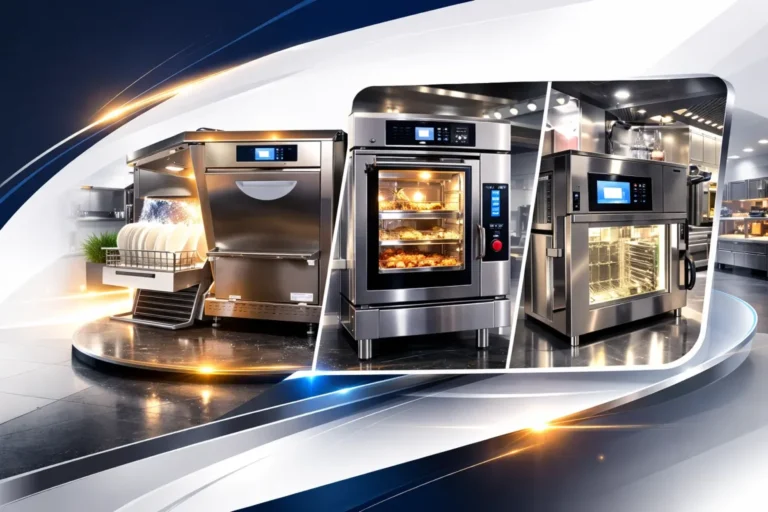
Enter the steam injection oven. These ovens inject steam directly into the baking chamber, creating the perfect environment for sourdough. Brands like Blodgett, Rational, and Moffat are industry standards, but newer players like MIWE and Wiesheu are making waves with energy-efficient models. Here’s what to look for:
- Steam control: You want precise control over how much steam is injected and when. Some ovens let you program steam cycles (e.g., initial burst for oven spring, then reduced steam for crust development).
- Deck vs. convection: Deck ovens (like those from Bongard or Moretti) are traditional for artisanal bread, but they’re not as versatile as convection ovens (like Rational’s SelfCookingCenter). If you’re baking other items (pastries, roasts, etc.), a convection oven with steam injection might be the better investment.
- Capacity: Think about your peak production. A double-deck oven can bake more loaves at once, but it takes up more space. If you’re tight on room, a rotating rack oven (like those from Wiesheu) can be a space-saving alternative.
- Energy efficiency: Steam ovens are energy hogs. Look for models with insulated doors, efficient burners, and programmable settings to reduce waste.
I’ll be honest, I was skeptical about steam injection ovens at first. Do you *really* need one? Can’t you just use a combi oven or even a home-style oven with a steam function? Here’s the thing: consistency matters. In a commercial kitchen, you’re not just baking one or two loaves at a time. You’re baking dozens, sometimes hundreds. A steam injection oven ensures that every loaf gets the same treatment, from the first batch of the day to the last. Plus, it frees up your team to focus on other tasks instead of babysitting the oven.
Pro tip: Invest in a laser thermometer. Oven temperature can fluctuate, and even a few degrees can make a difference in your bake. Check the temp regularly, especially during peak hours.
The Nice-to-Haves: Tools That Elevate Your Sourdough Game
5. The Secret Weapon: Dough Scrapers and Bench Knives
You might be thinking, “A scraper? Really?” But hear me out-dough scrapers are the unsung heroes of sourdough baking. In a commercial kitchen, where time is money and dough is sticky, a good scraper can mean the difference between a smooth workflow and a chaotic mess.
There are two types you need:
- Bench scrapers: These are your dough-dividing, counter-cleaning, shape-transferring workhorses. Look for stainless steel blades with ergonomic handles (brands like Ateco and Dexter-Russell are solid choices). A good bench scraper should feel balanced in your hand and be sharp enough to cut through dough but not so sharp it’ll slice your fingers.
- Bowl scrapers: These flexible, plastic scrapers are for getting every last bit of dough out of your mixing bowl. They’re also great for folding dough during bulk fermentation. Brands like Winco and Vollrath make affordable, durable options.
I’ve seen kitchens try to use spatulas or butter knives as substitutes. Don’t. Just don’t. A bench scraper is designed for dough, and it’ll save you time, reduce waste, and keep your counters cleaner. Trust me on this one.
6. The Precision Tool: Digital Scales
If you’re still measuring your flour by volume (cups, anyone?), stop. Sourdough is a science, and science demands precision. In a commercial kitchen, where you’re scaling recipes up to 50-100x the original size, even a small miscalculation can throw off your entire bake.
Enter the digital scale. You need at least two:
- A high-capacity scale (up to 50-100 pounds) for measuring flour, water, and bulk dough. Brands like Adam Equipment and Ohaus make reliable, commercial-grade scales that can handle the weight.
- A precision scale (up to 5-10 pounds) for measuring salt, yeast, and starter. Look for one with 0.1-gram accuracy (brands like Escali and My Weigh are great for this).
Pro tip: Tare your scale between ingredients. This might seem obvious, but in a busy kitchen, it’s easy to forget. And for the love of all things holy, calibrate your scales regularly. A scale that’s off by even a few grams can ruin your hydration ratio.
I’ll admit, I resisted digital scales for a long time. “I’ve been baking for years, I can eyeball it!” But when I started scaling up, I realized how much variability there was in my measurements. Now? I wouldn’t bake without one.
7. The Time-Saver: Dough Dockers and Lame Blades
Scoring sourdough isn’t just about aesthetics, it’s functional. A good score allows the dough to expand properly during baking, preventing blowouts and ensuring an even rise. In a commercial kitchen, where you’re scoring dozens of loaves at a time, you need tools that are fast, precise, and consistent.
First, the lame (pronounced “lahm”). This is the razor blade on a handle that you use to score dough. For commercial use, you want a lame that’s comfortable to hold, easy to change blades, and durable. Brands like Utopia Kitchen and Ateco make affordable options, but if you’re scoring a lot of dough, consider a double-sided lame (like those from Mure & Peyrot) for faster blade changes.
But what if you’re not confident in your scoring skills? Enter the dough docker. This tool pricks small holes in the dough, allowing steam to escape and preventing large blowouts. It’s not as pretty as a hand-scored loaf, but it’s fast, consistent, and foolproof. Brands like Winco and Vollrath make sturdy dockers that can handle high-volume use.
Is this cheating? Maybe. But in a commercial kitchen, speed and consistency matter more than artistry. If you’re selling sourdough to customers who care more about taste than Instagram-worthy scores, a docker might be the way to go.
8. The Wildcard: Fermentation Containers
Bulk fermentation is where sourdough develops its flavor, and the container you use can make a big difference. In a commercial kitchen, you need something that’s durable, easy to clean, and sized for your production.
Here are your options:
- Food-grade plastic containers: These are affordable, lightweight, and come in a variety of sizes. Brands like Cambro and Rubbermaid are industry standards. Look for containers with gradation marks (so you can track dough expansion) and airtight lids (to prevent a skin from forming).
- Stainless steel containers: These are more durable and easier to clean, but they’re also heavier and more expensive. Brands like Winco and Vollrath make sturdy options, but they’re not as common in bakeries as plastic.
- Wooden troughs: These are traditional and great for long, cold fermentations, but they’re hard to clean and can harbor bacteria if not maintained properly. If you go this route, make sure they’re food-safe and sealed with a non-toxic finish.
I’m torn between plastic and stainless steel. Plastic is cheaper and easier to handle, but stainless steel lasts longer and is more hygienic. If you’re just starting out, plastic is probably the way to go. But if you’re investing in a long-term setup, stainless steel might be worth the splurge.
Pro tip: Label your containers. In a busy kitchen, it’s easy to lose track of which dough is which. Use wet-erase markers or labels to note the dough type, hydration, and start time.
The Future-Proofing: Tools for Scaling and Innovation
9. The Automation Question: Dough Sheeters and Dividers
Let’s talk about automation. In 2026, the line between artisanal and automated is blurrier than ever. Some purists will tell you that hand-shaping is the only way to make great sourdough. But in a commercial kitchen, where time is money and labor is expensive, automation isn’t just a luxury, it’s a necessity.
Enter the dough sheeter and divider. These machines roll out and portion dough with precision, saving time and reducing waste. Brands like Rondo, Kaak, and WP Bakery Group dominate the market, but newer players like Bakery Equipment & Service Co. (BESCO) are making waves with compact, affordable models. Here’s what to consider:
- Capacity: How much dough can it handle per hour? If you’re producing 100+ loaves a day, you’ll need a machine that can keep up.
- Adjustability: Can it handle different dough types (e.g., high-hydration sourdough vs. lower-hydration sandwich bread)?
- Ease of cleaning: Dough is sticky, and machines can be a pain to clean. Look for models with removable parts and smooth surfaces.
- Footprint: These machines take up space. Measure your kitchen before you buy.
I’ll be honest, I was skeptical about automation at first. Wouldn’t it compromise the quality of the sourdough? But after seeing it in action, I realized that automation doesn’t have to mean sacrificing artistry. A good sheeter and divider can pre-shape dough, leaving the final shaping to your team. It’s the best of both worlds: efficiency and craftsmanship.
That said, automation isn’t for everyone. If you’re a small bakery with a tight budget, it might not be worth the investment. But if you’re scaling up, it’s a game-changer.
10. The Trendsetter: Hybrid Grains and Specialty Flours
Sourdough isn’t just about white flour anymore. In 2026, hybrid grains, ancient grains, and specialty flours are taking center stage. From einkorn and spelt to sprouted grains and heritage wheats, bakers are experimenting with flavors and textures like never before. But working with these flours requires different tools and techniques.
First, the flour itself. Not all flours are created equal, and protein content, ash content, and grind size can all affect your dough. Brands like King Arthur, Central Milling, and Anson Mills offer high-quality specialty flours that are perfect for sourdough. But here’s the catch: these flours can be expensive, and they often require different hydration levels than all-purpose flour.
So, what tools do you need to work with them?
- A grain mill: If you’re serious about freshly milled flour, you’ll need a commercial-grade grain mill. Brands like Mockmill, Komo, and Nutrimill make models that can handle high-volume production. Just be aware that freshly milled flour behaves differently than store-bought, so you’ll need to adjust your recipes.
- A sifter: Specialty flours can be coarse or inconsistent, so a commercial sifter (like those from Prater or Great Western) can help ensure even distribution.
- A hydration calculator: Different flours absorb water at different rates. A hydration calculator (like the one from The Perfect Loaf) can help you adjust your recipes on the fly.
I’m still experimenting with hybrid grains myself. Some, like spelt and einkorn, have lower gluten strength, which means they require gentler handling and shorter fermentation times. Others, like rye, can be sticky and hard to work with but add incredible depth of flavor. It’s a learning curve, but it’s worth it.
Pro tip: Start small. Don’t overhaul your entire menu overnight. Try one new flour at a time, and keep detailed notes on hydration, fermentation time, and bake results.
Putting It All Together: A Workflow That Works
Now that we’ve covered the tools, let’s talk about how to use them. A commercial sourdough operation isn’t just about having the right equipment, it’s about optimizing your workflow so your team can work efficiently and consistently. Here’s a sample workflow for a medium-sized bakery producing 100 loaves a day:
- Night before: Mix your starter (if you’re using one) and let it ferment overnight. Weigh out your flour and water for the next day’s dough.
- Morning: Mix your dough in a spiral mixer, then transfer it to a fermentation container for bulk fermentation. Use a dough temperature probe to check the temp, and adjust as needed.
- Bulk fermentation: Let the dough ferment for 3-4 hours, performing stretch and folds every 30 minutes. Use a bowl scraper to handle the dough, and keep it in a proofing cabinet to maintain temperature and humidity.
- Dividing and pre-shaping: Use a dough divider to portion the dough, then pre-shape it with a dough sheeter. Transfer the pre-shaped dough to dough trays and let it rest.
- Final shaping: Shape the dough by hand (or with a rounder) and place it in bannetons. Cover and let it proof in a proofing cabinet for 1-2 hours.
- Scoring and baking: Score the dough with a lame, then bake it in a steam injection oven. Use a laser thermometer to check the oven temp, and rotate the loaves halfway through baking for even color.
- Cooling and storage: Let the loaves cool on wire racks before storing them in bread bags or bins. Use a label maker to note the bake date and type.
This is just a starting point. Every kitchen is different, and you’ll need to adjust based on your volume, team size, and menu. But the key is consistency. Once you find a workflow that works, stick to it.
Final Thoughts: The Sourdough Mindset
Here’s the thing about sourdough: it’s not just a product, it’s a process. And in a commercial kitchen, where efficiency and consistency are everything, that process can feel overwhelming. But if you invest in the right tools and respect the craft, sourdough can be one of the most rewarding (and profitable) items on your menu.
So, where do you go from here? Start by auditing your current setup. What tools do you already have? What’s missing? What’s holding you back? Then, prioritize. You don’t need to buy everything at once. Start with the non-negotiables (mixer, proofing cabinet, steam oven), then add the nice-to-haves as you scale.
And remember: sourdough is forgiving. It’s okay to make mistakes. It’s okay to experiment. It’s okay to not have all the answers. What matters is that you keep learning, keep baking, and keep pushing the boundaries of what’s possible.
Now, go forth and bake. Your customers (and your bottom line) will thank you.
FAQ
Q: Do I really need a spiral mixer for sourdough, or can I use a planetary mixer?
A: You *can* use a planetary mixer, but it’s not ideal. Spiral mixers are gentler on the dough, which is crucial for high-hydration sourdough. If you’re on a budget, a planetary mixer with a dough hook can work, but you’ll need to monitor the dough temperature closely to avoid overworking it. For large-scale production, a spiral mixer is worth the investment.
Q: How do I control humidity in my proofing cabinet if it doesn’t have a built-in humidifier?
A: If your proofing cabinet doesn’t have a humidifier, you can manually control humidity by placing a tray of water inside the cabinet or misting the dough with a spray bottle before proofing. Some bakers also use damp towels draped over the dough trays. Just be sure to monitor the humidity levels regularly, too much moisture can make the dough sticky, while too little can cause a skin to form.
Q: What’s the best way to store sourdough starter in a commercial kitchen?
A: Storing starter in a commercial kitchen requires a bit more care than at home. Keep your starter in a food-grade plastic or glass container with a loose-fitting lid (to allow gas to escape). Store it in the refrigerator if you’re not using it daily, and feed it at least once a week to keep it active. If you’re using it daily, keep it at room temperature and feed it every 12-24 hours. Label the container with the date and time of the last feed to avoid confusion.
Q: How do I scale up my sourdough recipe without losing quality?
A: Scaling up sourdough requires attention to detail. Start by increasing your ingredients proportionally, but be mindful of dough temperature and fermentation time. Larger batches of dough can ferment faster due to the heat generated during mixing, so you may need to shorten your bulk fermentation time or reduce the amount of starter you use. Use a dough temperature probe to monitor the dough’s temperature, and adjust your proofing times as needed. Finally, test small batches before scaling up to ensure consistency.
@article{the-ultimate-guide-to-sourdough-baking-tools-every-commercial-kitchen-needs-in-2026,
    title   = {The Ultimate Guide to Sourdough Baking Tools Every Commercial Kitchen Needs in 2026},
    author  = {Chef's icon},
    year    = {2026},
    journal = {Chef's Icon},
    url     = {https://chefsicon.com/sourdough-baking-tools-commercial-kitchens-need/}
}