The Best Fluffy Pancakes recipe you will fall in love with. Full of tips and tricks to help you make the best pancakes.

Balancing Flavor Profiles in a Commercial Kitchen: Why It Feels Like Juggling Chainsaws (And How to Stop Dropping Them)
Let me set the scene: It’s a Friday night service at The Spice Route, the restaurant I helped launch here in Nashville three years back. The kitchen’s humming like a well-oiled machine, until it isn’t. The special of the night, a Thai-inspired braised short rib, is coming back to the pass with notes like “needs more depth” and “where’s the heat?” My sous chef, Maria, is staring at me like I’ve personally betrayed her. And honestly? She’s not wrong.
Balancing flavor profiles in a commercial kitchen isn’t just about following recipes. It’s about improvising under pressure, trusting your palate when your brain’s fried, and knowing when to break the rules, without tanking the dish. I’ve burned more than a few bridges (and taste buds) learning this the hard way. So, if you’re tired of dishes that taste “fine” but lack that *magic*, or if you’ve ever sent out a plate only to watch it come back with a server’s apologetic shrug, this is for you.
By the end of this, you’ll know:
- How to diagnose flavor imbalances before they hit the dining room
- The five core flavor profiles and how to layer them without overcomplicating things
- Why your equipment choices might be sabotaging your flavors (and what to do about it)
- Practical tips for scaling flavors from test kitchen to 200 covers
- When to trust your gut vs. when to rely on data (yes, spreadsheets can save your bacon)
Fair warning: I’m not here to preach the gospel of “perfect balance.” Some of the best dishes I’ve ever eaten were gloriously unbalanced, think of a Sichuan mapo tofu so spicy it makes your nose run, or a Neapolitan pizza so simple it shouldn’t work but does. The goal isn’t perfection; it’s intentionality. So let’s dive in, warts and all.
The Flavor Balancing Act: It’s Not Just About the Five Tastes
1. The Myth of the “Perfect” Balance (And Why It’s Holding You Back)
We’ve all heard it: “A great dish balances sweet, sour, salty, bitter, and umami.” Sounds simple, right? Except it’s not. Not even close. The problem with this framework is that it treats flavors like ingredients in a smoothie, just blend them together and hope for the best. But flavors don’t work like that. They interact. They compete. They transform.
Take salt, for example. We’re taught that salt enhances flavor, but that’s only half the story. Salt doesn’t just make things taste “more”; it changes the perception of other flavors. A pinch of salt in a caramel sauce doesn’t just make it saltier, it makes the sweetness taste richer and more complex. But add too much? Suddenly, it’s a salt lick with a sugar problem. The line between “enhanced” and “ruined” is thinner than a chef’s patience on a Saturday night.
And then there’s the issue of cultural context. What’s “balanced” in a Japanese kaiseki meal (subtle, delicate, layered) would taste bland in a Sichuan hot pot (bold, fiery, aggressive). So who gets to decide what’s “perfect”? The answer: your customers. And they’re not always right, but they’re always the ones paying the bills.
So how do you reconcile this? Start by asking yourself: What’s the emotional experience I want this dish to deliver? Is it comfort? Excitement? Nostalgia? Once you know that, the flavors start to fall into place. A creamy mac and cheese isn’t just about balancing cheddar and salt; it’s about evoking the feeling of being wrapped in a blanket on a rainy day. A spicy tuna roll isn’t just about heat and acid; it’s about the thrill of the first bite, the contrast of cool fish and fiery sauce. Flavor is emotion in edible form.
Is this the best approach? Let’s consider: If you’re cooking for a Michelin-starred restaurant, precision matters. But if you’re running a neighborhood diner, maybe “perfect” isn’t the goal, maybe it’s consistency, or generosity, or speed. Maybe the “perfect” balance is the one that keeps people coming back, even if it’s not technically flawless.
2. The Five Core Flavors (And Why You’re Probably Overthinking Them)
Okay, let’s talk about the five basic tastes: sweet, sour, salty, bitter, and umami. I know, I know, I just spent a whole section saying they’re not the be-all and end-all. But they’re still the foundation. The trick is learning how to orchestrate them, not just check them off a list.
Sweetness isn’t just about sugar. It’s in caramelized onions, roasted carrots, even a well-seared steak. Sweetness rounds out harsh flavors and adds depth. But it’s also the easiest to overdo. Ever had a sauce that tasted like dessert? Yeah, that’s what happens when sweetness runs the show. The fix? Acid or salt. A splash of vinegar or a pinch of flaky salt can bring sweetness back into line.
Sourness is the wildcard. It brightens, cuts through richness, and wakes up the palate. Think lemon juice in a hollandaise, pickles on a burger, or tamarind in a Thai curry. But sourness can also be polarizing. Too much, and your dish tastes like a science experiment. The key is subtlety. A little goes a long way, and the type of acid matters. Rice vinegar is gentle; balsamic is bold. Know the difference.
Saltiness is the great amplifier. It doesn’t just make things salty, it makes them more of what they already are. But here’s the thing: salt is not just salt. Kosher salt, sea salt, table salt, flaky salt, they all behave differently. And then there’s umami bombs like soy sauce, fish sauce, and miso, which add saltiness *and* depth. If you’re just reaching for the Morton’s, you’re missing out.
Bitterness is the most misunderstood. We’re conditioned to think bitterness is bad, but it’s actually essential. It adds complexity and contrast. Think of the bitterness of dark chocolate in a mole, or the slight bite of arugula in a salad. The problem? Bitterness can be overpowering. The solution? Balance it with sweetness or fat. A drizzle of honey on a bitter green, or a creamy cheese to offset the sharpness of radicchio.
Umami is the secret weapon. It’s the savory depth in mushrooms, aged cheeses, tomatoes, and fermented foods. Umami is what makes a dish feel satisfying, not just tasty. But it’s also sneaky. Too much umami can make a dish taste muddy or overly rich. The fix? Acid or brightness. A squeeze of lemon or a sprinkle of herbs can lift umami-heavy dishes.
So how do you put this into practice? Start by tasting as you go. Not just at the end, but at every stage. And don’t just taste-analyze. Ask yourself: What’s missing? What’s overpowering? What’s the dish trying to be? If it’s a rich, hearty stew, maybe it needs more umami and salt. If it’s a light summer salad, maybe it needs brightness and acid.
I’m torn between telling you to trust your instincts and telling you to rely on data. Ultimately, I think it’s both. Your palate is your best tool, but it’s not infallible. That’s where tasting notes and spreadsheets come in. More on that later.
3. The Equipment Factor: Why Your Tools Might Be Sabotaging Your Flavors
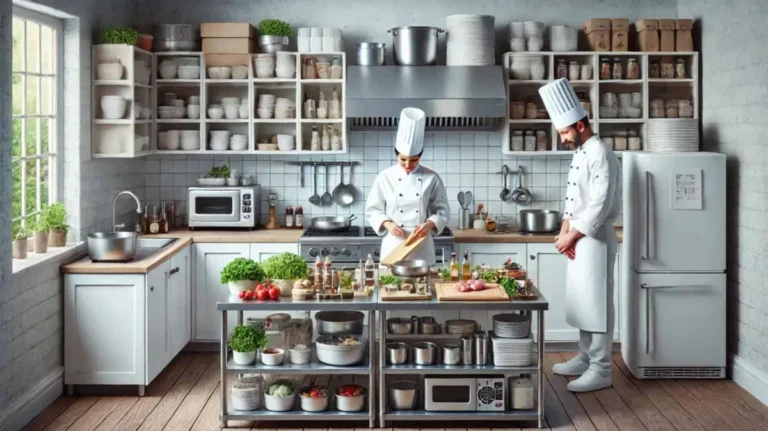
Here’s something no one tells you: Your equipment affects flavor. Not just how you cook, but what you cook. A gas range behaves differently than an induction burner. A convection oven isn’t the same as a deck oven. And don’t even get me started on commercial refrigeration.
Let’s start with heat sources. Gas is immediate and responsive, which is great for searing and sautéing. But it’s also less precise. Induction, on the other hand, is hyper-controlled, but it doesn’t have the same charring power. If you’re making a dish that relies on a deep, caramelized crust (like a steak or a paella), gas might be your best friend. But if you’re simmering a delicate sauce, induction could save you from burning it.
Then there’s oven type. Convection ovens circulate air, which means they cook faster and more evenly. That’s great for roasting vegetables or baking cookies, but it can also dry things out. Deck ovens, with their radiant heat, are better for bread and pizza because they create a crisp crust and chewy interior. But they’re slower and less consistent. If you’re running a pizzeria, a deck oven isn’t just nice to have, it’s essential.
And let’s not forget refrigeration. Temperature control isn’t just about food safety; it’s about flavor preservation. Ever noticed how a tomato tastes different after it’s been in the fridge for a day? That’s because cold temperatures dull flavors. The same goes for herbs, spices, and even meats. If your walk-in isn’t properly calibrated, you could be losing flavor before the food even hits the pan.
So what’s the solution? First, know your equipment. Understand its strengths and limitations. Second, adapt your techniques. If you’re working with an induction burner, you might need to adjust your searing times. If you’re using a convection oven, you might need to lower the temperature or shorten the cook time. And if your refrigeration isn’t up to par? Maybe it’s time to invest in something better.
This is where suppliers like Chef’s Deal come in handy. They don’t just sell equipment, they offer free kitchen design services to help you choose the right tools for your space and menu. Because let’s be real: If your equipment is working against you, no amount of flavor balancing will save your dish.
Maybe I should clarify: This isn’t about buying the most expensive gear. It’s about matching the right tools to your needs. A food truck doesn’t need a $20,000 combi oven, but a high-volume restaurant might. A small café can get by with a countertop induction burner, but a steakhouse needs a high-BTU gas range. The key is intentionality.
4. The Scaling Problem: How to Keep Flavors Consistent When Cooking for 200
Here’s the dirty little secret of commercial kitchens: What works for 10 servings doesn’t always work for 200. Flavors behave differently at scale. A sauce that tastes perfect in a small batch can taste watery or overly concentrated when you make 10 gallons of it. And don’t even get me started on seasoning.
Let’s talk about salt. In a small batch, you can taste as you go, adjusting seasoning incrementally. But in a large batch? You can’t just dump in a handful of salt and hope for the best. Too little, and the dish tastes bland. Too much, and you’ve ruined it. The solution? Dilution testing. Take a small sample of your large batch, dilute it with water (or broth, or whatever liquid is in the dish), and taste it. If it tastes right at a 1:1 ratio, your large batch is probably on point. If it tastes weak, you need more seasoning. If it tastes too strong, you’ve overdone it.
Then there’s the issue of heat distribution. In a small pot, heat spreads evenly. In a large stockpot or tilt skillet, it doesn’t. That means some parts of your sauce might reduce too much, while others stay watery. The fix? Stir frequently and use the right equipment. A commercial tilt skillet or steam kettle can help distribute heat more evenly, but you still need to stay on top of it.
And let’s not forget acid. Acidic ingredients like lemon juice or vinegar can taste bright and balanced in a small batch, but in a large one, they can become overpowering. The solution? Add acid at the end. Instead of dumping all your lemon juice in at once, reserve some and add it gradually, tasting as you go.
But here’s the thing: Scaling isn’t just about technique. It’s about planning. You need to think about how flavors will develop over time. A sauce that tastes great fresh out of the pot might taste different after it’s been sitting in a steam table for an hour. A dish that’s perfect at 6 PM might be bland by 9 PM. The solution? Build in flexibility. Maybe that means holding back on some seasoning and adding it to order, or maybe it means designing dishes that can be finished à la minute.
I’m torn between telling you to standardize everything and telling you to embrace variability. On one hand, consistency is key in a commercial kitchen. On the other, some of the best dishes come from improvisation. Ultimately, I think it’s about finding a balance. Standardize what you can, but leave room for creativity. Use recipes as guidelines, not gospel. And always, always taste as you go.
Beyond the Basics: Advanced Flavor Balancing Techniques
5. The Art of Layering: How to Build Flavor Like a Pro
Layering flavors isn’t just about throwing a bunch of ingredients into a pot and hoping for the best. It’s about strategic timing. When you add an ingredient matters just as much as what you add. Think of it like building a house: You don’t put up the walls before the foundation, and you don’t paint before the drywall is up.
Let’s break it down:
- Foundational flavors: These are the base notes, the aromatics, the mirepoix, the spices that form the backbone of your dish. They’re usually added early in the cooking process, so they have time to meld and develop. Think onions, garlic, ginger, celery, carrots, bay leaves, and whole spices like cinnamon or star anise.
- Mid-layer flavors: These are the ingredients that add depth and complexity. They’re usually added midway through cooking, so they have time to infuse but don’t overpower the base. Think tomato paste, wine, stock, soy sauce, or miso.
- Finishing flavors: These are the ingredients that add brightness, freshness, or contrast. They’re added at the end, so they don’t cook out or lose their punch. Think herbs, citrus zest, vinegar, or a drizzle of high-quality olive oil.
Here’s an example: Let’s say you’re making a beef bourguignon. Your foundational flavors might be onions, carrots, celery, garlic, and a bouquet garni. You’d sweat these in fat at the beginning, so they release their flavors and form the base of your dish. Your mid-layer flavors might be red wine, beef stock, and tomato paste. You’d add these after the aromatics, so they can deglaze the pan and infuse the liquid. Your finishing flavors might be a splash of brandy, a handful of parsley, or a squeeze of lemon juice, added at the very end to brighten the dish.
The key to layering is patience. You can’t rush it. Each layer needs time to develop and meld with the others. But here’s the thing: Layering isn’t just about savory dishes. It works for desserts too. Think of a tiramisu. The foundational flavors are the coffee and mascarpone. The mid-layer is the cocoa powder and sugar. The finishing flavors are the whipped cream and chocolate shavings. Each layer builds on the last, creating a dish that’s greater than the sum of its parts.
Is this the best approach? Let’s consider: Layering takes time, and in a commercial kitchen, time is money. But here’s the thing: Skipping steps to save time often costs you more in the long run. A dish that’s rushed will taste rushed. And in a world where customers have endless options, rushed is the last thing you want to be.
6. The Power of Contrast: Why Opposites Attract in Flavor Profiles
Contrast is the secret weapon of great chefs. It’s what makes a dish exciting, not just tasty. Think of the crunch of a perfectly fried chicken skin against the tender meat beneath. Or the cool creaminess of a panna cotta paired with the tartness of a berry compote. Contrast is what keeps the palate engaged, bite after bite.
But contrast isn’t just about texture. It’s about flavor. Sweet and salty, rich and acidic, spicy and cooling, these pairings create tension, and tension is what makes a dish memorable. Here are a few classic contrast pairings to play with:
- Sweet and salty: Think caramel and sea salt, chocolate-covered pretzels, or honey-glazed bacon. The sweetness amplifies the saltiness, and vice versa.
- Rich and acidic: Think creamy carbonara with a squeeze of lemon, or a fatty steak with a bright chimichurri. The acid cuts through the richness, cleansing the palate.
- Spicy and cooling: Think a fiery curry with a side of raita, or a spicy tuna roll with cool avocado. The cooling element soothes the heat, making the dish more approachable.
- Crunchy and creamy: Think a crispy fried egg on a silky risotto, or a crunchy topping on a creamy mac and cheese. The contrast in textures makes each bite more interesting.
- Hot and cold: Think a warm chocolate chip cookie with a scoop of vanilla ice cream, or a hot bowl of ramen with a cold beer. The temperature contrast adds another layer of complexity.
But here’s the thing: Contrast isn’t just about pairing opposites. It’s about balancing them. Too much sweetness can make a dish cloying. Too much acidity can make it harsh. Too much heat can overwhelm. The key is proportion. A little goes a long way, and the best contrasts are subtle, not jarring.
So how do you incorporate contrast into your dishes? Start by thinking about the emotional experience you want to create. Do you want your dish to be comforting? Exciting? Nostalgic? Once you know that, you can start playing with contrast to enhance that experience. For example, if you’re making a comforting mac and cheese, you might add a crunchy breadcrumb topping to contrast with the creamy sauce. If you’re making a spicy Thai curry, you might serve it with a cooling cucumber salad.
I’m torn between telling you to experiment freely and telling you to stick to the rules. Ultimately, I think it’s about intentionality. Don’t add contrast just for the sake of it. Add it because it serves the dish. Because at the end of the day, that’s what great cooking is all about: serving the dish, not the chef.
7. The Psychology of Flavor: Why Perception Matters More Than Reality
Here’s something that blew my mind when I first learned it: Flavor is as much about perception as it is about reality. What we taste isn’t just a function of the ingredients; it’s a function of our expectations, our memories, and even our environment.
Take color, for example. Studies have shown that people perceive food to be sweeter when it’s brightly colored, and less flavorful when it’s dull. That’s why a bright red strawberry tastes sweeter than a pale one, even if they have the same sugar content. It’s also why food companies add artificial colors to their products, to trick our brains into thinking they taste better.
Then there’s presentation. A dish that’s plated beautifully tastes better than the same dish slopped onto a plate. Why? Because our brains associate care and attention with quality. If a chef took the time to plate a dish thoughtfully, our brains assume they took the time to cook it thoughtfully too.
And let’s not forget memory. Our favorite foods aren’t just about taste; they’re about ostalgia. A dish that reminds us of our childhood, or a special occasion, or a beloved family member will always taste better than a dish that doesn’t. That’s why comfort food is so comforting, it’s not just the flavors; it’s the feelings those flavors evoke.
So how do you use this to your advantage in a commercial kitchen? Here are a few tips:
- Play with color: Use bright, vibrant ingredients to make your dishes look (and taste) more appealing. Think red peppers, green herbs, yellow squash, or purple cabbage.
- Plate with purpose: Don’t just throw food on a plate. Think about the visual flow, the egative space, and the contrast. A well-plated dish is a feast for the eyes as well as the palate.
- Tell a story: Give your dishes names and descriptions that evoke emotion. Instead of “Grilled Chicken Salad,” call it “Grandma’s Summer Garden Salad.” Instead of “Beef Stew,” call it “Midnight in Paris Stew.” The more you can engage the imagination, the better the dish will taste.
- Create a mood: The environment matters. Dim lighting, soft music, and warm colors can make food taste better. Bright lighting and loud noise can make it taste worse. Think about the atmosphere you’re creating, not just the food.
But here’s the thing: Psychology can only take you so far. At the end of the day, the food still has to taste good. You can’t rely on tricks to make up for poor quality or bad technique. The best dishes are the ones that deliver on both fronts: They taste amazing, and they make you feel amazing too.
Maybe I should clarify: This isn’t about manipulation. It’s about enhancement. It’s about using every tool at your disposal to create the best possible experience for your customers. Because that’s what great cooking is all about: creating experiences, not just meals.
8. The Role of Umami: Why It’s the Secret Weapon of Commercial Kitchens
Umami is the fifth taste, and it’s the one that ties everything together. It’s the savory depth in mushrooms, the richness in aged cheeses, the meatiness in a well-made stock. Umami is what makes a dish feel satisfying, not just tasty. And in a commercial kitchen, it’s your secret weapon.
But here’s the thing: Umami isn’t just one thing. It’s a family of compounds, including glutamate, inosinate, and guanylate. These compounds are found in a variety of ingredients, from tomatoes and Parmesan cheese to soy sauce and miso to anchovies and dried mushrooms. And they all behave differently.
Glutamate, for example, is the most common umami compound. It’s found in ingredients like tomatoes, cheese, and mushrooms. It’s mild and lingering, adding depth without overpowering. Inosinate, on the other hand, is found in ingredients like meat and fish. It’s stronger and more immediate, adding a meaty richness. Guanylate is found in ingredients like dried shiitake mushrooms. It’s intense and long-lasting, adding a deep, earthy flavor.
So how do you use umami in your cooking? Here are a few tips:
- Layer umami-rich ingredients: Don’t rely on just one source of umami. Combine multiple umami-rich ingredients to create a deeper, more complex flavor. For example, a mushroom risotto might include dried porcini mushrooms, fresh cremini mushrooms, Parmesan cheese, and a splash of soy sauce.
- Use umami to enhance other flavors: Umami doesn’t just add depth; it amplifies other flavors. A dash of fish sauce in a vinaigrette can make the acidity taste brighter. A sprinkle of nutritional yeast on popcorn can make the saltiness taste more pronounced.
- Balance umami with acid or brightness: Too much umami can make a dish taste muddy or overly rich. The fix? Acid or brightness. A squeeze of lemon, a splash of vinegar, or a handful of fresh herbs can lift umami-heavy dishes.
- Experiment with umami bombs: Some ingredients are packed with umami. Think anchovies, fish sauce, soy sauce, miso, Parmesan cheese, and tomato paste. A little goes a long way, so use them sparingly.
But here’s the thing: Umami isn’t just for savory dishes. It works in desserts too. Think of a dark chocolate ganache with a pinch of sea salt, or a caramel sauce with a splash of soy sauce. Umami can add depth and complexity to sweet dishes, making them more interesting and satisfying.
I’m torn between telling you to go all-in on umami and telling you to use it sparingly. Ultimately, I think it’s about intentionality. Don’t add umami just because you can. Add it because it serves the dish. Because at the end of the day, that’s what great cooking is all about: serving the dish, not the ingredient.
Putting It All Together: Practical Tips for Balancing Flavors in a Commercial Kitchen
9. The Tasting Ritual: How to Train Your Palate (And Your Team’s)
Tasting isn’t just something you do at the end of cooking. It’s something you do throughout the process. And it’s not just about whether a dish tastes good; it’s about diagnosing what’s working and what’s not.
Here’s how to make tasting a ritual, not an afterthought:
- Taste early and often: Don’t wait until the end to taste your dish. Taste at every stage, from the raw ingredients to the finished product. This way, you can catch imbalances before they become problems.
- Use a clean spoon: It sounds obvious, but it’s easy to forget. If you’re tasting multiple dishes, use a clean spoon for each one. Otherwise, you’re just tasting the last thing you ate.
- Taste with intention: Don’t just shovel food into your mouth. Think about what you’re tasting. Ask yourself: What’s missing? What’s overpowering? What’s the dish trying to be?
- Taste with others: Your palate isn’t infallible. Taste with your team, and ask for their input. They might notice things you don’t.
- Keep a tasting journal: Write down your observations. What worked? What didn’t? What would you do differently next time? Over time, you’ll start to see patterns, and your palate will become more refined.
But here’s the thing: Tasting isn’t just about you. It’s about your team. If you’re running a commercial kitchen, you need to train your staff to taste critically. Here’s how:
- Hold regular tasting sessions: Set aside time each week for your team to taste and discuss dishes. This could be during prep, or it could be a dedicated tasting session.
- Create a tasting vocabulary: Teach your team to describe flavors in a consistent way. Instead of “it’s good” or “it’s bad,” encourage them to use specific terms like “bright,” “muddy,” “harsh,” or “rounded.”
- Use reference dishes: Have your team taste reference dishes, dishes that exemplify the flavors you’re trying to achieve. This gives them a benchmark to compare against.
- Encourage curiosity: The best chefs are the ones who are always learning. Encourage your team to taste new ingredients, new dishes, and new cuisines. The more they taste, the more refined their palates will become.
I’m torn between telling you to trust your palate and telling you to rely on data. Ultimately, I think it’s both. Your palate is your best tool, but it’s not infallible. That’s where tasting notes and spreadsheets come in. More on that in the next section.
10. The Data-Driven Kitchen: How to Use Spreadsheets to Balance Flavors
I know, I know, spreadsheets sound about as exciting as watching paint dry. But hear me out: Data can save your bacon. Literally. When you’re cooking for hundreds of people, you can’t rely on memory alone. You need a system. And that system is data.
Here’s how to use spreadsheets to balance flavors:
- Track your recipes: Create a spreadsheet for each of your dishes. Include the ingredients, the quantities, and the steps. This way, you can see at a glance what’s in each dish, and you can make adjustments as needed.
- Record your tastings: Every time you taste a dish, record your observations. What worked? What didn’t? What would you do differently next time? Over time, you’ll start to see patterns, and you’ll be able to make more informed decisions.
- Analyze customer feedback: Keep track of customer comments. What dishes are getting rave reviews? What dishes are coming back to the kitchen? What are customers saying about the flavors? Use this data to refine your recipes.
- Monitor food costs: Balancing flavors isn’t just about taste; it’s about profitability. Use your spreadsheet to track food costs, and make sure your dishes are both delicious and cost-effective.
- Plan for seasonality: Ingredients change with the seasons. Use your spreadsheet to plan for these changes, and adjust your recipes accordingly.
But here’s the thing: Data isn’t a replacement for intuition. It’s a tool. Use it to inform your decisions, but don’t let it dictate them. At the end of the day, cooking is an art, not a science. And the best chefs are the ones who know how to balance both.
So how do you get started? Here’s a simple template to get you going:
| Dish | Ingredients | Quantities | Steps | Tasting Notes | Customer Feedback | Food Cost |
|---|---|---|---|---|---|---|
| Beef Bourguignon | Beef, red wine, onions, carrots, celery, garlic, bouquet garni, tomato paste, beef stock, brandy, parsley | 2 lbs beef, 1 bottle red wine, 2 onions, 2 carrots, 2 celery stalks, 4 garlic cloves, 1 bouquet garni, 2 tbsp tomato paste, 4 cups beef stock, 1/4 cup brandy, 1/4 cup parsley | Sear beef, sweat aromatics, deglaze with wine, add stock and tomato paste, simmer, finish with brandy and parsley | Needs more depth, add a splash of soy sauce. Too salty, reduce beef stock by 1/2 cup. | Customers love the richness but say it’s too salty. | $12.50 per serving |
Is this the best approach? Let’s consider: Spreadsheets might seem tedious, but they’re invaluable in a commercial kitchen. They help you standardize your recipes, track changes, and make data-driven decisions. And in a world where consistency is key, that’s a game-changer.
The Bottom Line: Balancing Flavors Is a Journey, Not a Destination
Here’s the truth: Balancing flavors is hard. It’s part science, part art, and part gut instinct. And no matter how much you know, there will always be days when it feels like you’re flying blind. But that’s okay. Because the best chefs aren’t the ones who never make mistakes; they’re the ones who learn from them.
So where do you go from here? Start small. Pick one dish, and taste it critically. Ask yourself: What’s missing? What’s overpowering? What’s the dish trying to be? Then, make one change. Just one. And see what happens. Maybe it’s a pinch more salt. Maybe it’s a splash of acid. Maybe it’s a different herb. Whatever it is, pay attention to the result.
And don’t be afraid to break the rules. Some of the best dishes I’ve ever eaten were gloriously unbalanced. A Sichuan mapo tofu so spicy it made my nose run. A Neapolitan pizza so simple it shouldn’t have worked, but did. The key isn’t perfection; it’s intentionality. Know the rules, then know when to break them.
Finally, remember that flavor is emotion in edible form. It’s not just about taste; it’s about feeling. So don’t just cook for the palate. Cook for the heart. Because at the end of the day, that’s what great food is all about: creating experiences, not just meals.
So go ahead. Taste. Experiment. Fail. Learn. And most importantly, keep cooking.
FAQ: Balancing Flavor Profiles in a Commercial Kitchen
Q: How do I balance flavors in a dish that’s already too salty?
A: Salty dishes are tricky, but not hopeless. The key is to dilute or contrast. If the dish is a sauce or soup, you can dilute it with water, broth, or a neutral liquid like coconut milk. If that’s not an option, try adding a starchy ingredient like potatoes, rice, or pasta to absorb some of the salt. Another approach is to contrast the saltiness with sweetness or acidity. A pinch of sugar, a splash of vinegar, or a squeeze of lemon can help balance the salt. Finally, if all else fails, you can serve the dish with something neutral, like plain rice or bread, to offset the saltiness.
Q: What’s the best way to train my palate for flavor balancing?
A: Training your palate is like training a muscle, it takes time and practice. Start by tasting everything. Not just your own dishes, but other people’s too. Go to restaurants, try new cuisines, and pay attention to the flavors. Ask yourself: What’s working? What’s not? What would I do differently? Another great exercise is to taste ingredients individually. Try a raw onion, a slice of lemon, a pinch of salt. Pay attention to how each one tastes, and how they interact with each other. Finally, keep a tasting journal. Write down your observations, and over time, you’ll start to see patterns. The more you taste, the more refined your palate will become.
Q: How do I balance flavors in a dish with multiple components (e.g., a plate with protein, starch, and veg)?
A: Balancing flavors in a multi-component dish is all about harmony. Each component should complement the others, not compete with them. Start by thinking about the emotional experience you want to create. Is it comfort? Excitement? Nostalgia? Once you know that, you can start to balance the flavors accordingly. For example, if you’re serving a rich, fatty protein like duck confit, you might pair it with a bright, acidic salad and a creamy, starchy side like mashed potatoes. The acid cuts through the richness, while the starch adds a comforting element. The key is to think about the plate as a whole, not just the individual components.
Q: What’s the biggest mistake chefs make when balancing flavors in a commercial kitchen?
A: The biggest mistake? Rushing. In a commercial kitchen, it’s easy to get caught up in the chaos and forget to taste. But tasting is on-negotiable. Another common mistake is overcomplicating things. It’s tempting to add more and more ingredients in an attempt to create depth, but sometimes, less is more. Finally, many chefs forget to consider the customer’s palate. What tastes balanced to you might not taste balanced to someone else. That’s why it’s important to taste with others and pay attention to feedback. The best chefs are the ones who are always learning, always adapting, and always striving to improve.
@article{balancing-flavor-profiles-in-a-commercial-kitchen-tips-that-actually-work-and-when-they-dont,
    title   = {Balancing Flavor Profiles in a Commercial Kitchen: Tips That Actually Work (And When They Don’t)},
    author  = {Chef's icon},
    year    = {2026},
    journal = {Chef's Icon},
    url     = {https://chefsicon.com/balancing-flavor-profiles-commercial-kitchen-tips/}
}