The Best Fluffy Pancakes recipe you will fall in love with. Full of tips and tricks to help you make the best pancakes.
You know that feeling when you’re standing in your kitchen, arms elbow-deep in dishwater, the timer’s blaring, and the garlic’s burning on the stove? Yeah, me too. It’s the kind of moment where you wonder if maybe, just maybe, your kitchen is working against you. I’ve been there, hunched over a counter that’s too high, fumbling for a utensil in a drawer that’s packed tighter than a Nashville honky-tonk on a Saturday night. And let me tell you, it doesn’t have to be this way.
I moved to Nashville a few years back, trading the Bay Area’s tech hustle for the city’s laid-back vibe and, let’s be honest, its killer food scene. But even here, where the pace is supposed to be slower, the kitchen can still feel like a pressure cooker. That’s when I started thinking: What if our kitchens were designed not just for efficiency, but for reduced stress? What if they could be a sanctuary instead of a battleground? It’s not just about aesthetics or the latest gadgets, though those help. It’s about creating a space that works with you, not against you. A kitchen that doesn’t just look good but feels good.
In this guide, I’m diving deep into how to design kitchens for reduced stress. We’ll talk about everything from layout and lighting to the psychology of color and the tiny details that make a big difference. Whether you’re renovating a home kitchen, outfitting a commercial space, or just looking to tweak your current setup, this is for you. By the end, you’ll have a roadmap to turn your kitchen into a place where cooking, and living, feels a little lighter. Let’s get started.
The Psychology of Kitchen Stress: Why Your Space Might Be Working Against You
Before we jump into the nitty-gritty of design, let’s talk about why kitchens can feel so stressful in the first place. It’s not just the obvious stuff, like a sink full of dishes or a fridge that’s on its last leg. No, it’s deeper than that. Kitchens are the heart of the home, but they’re also where we juggle a million tiny tasks, prepping, cooking, cleaning, socializing, sometimes even working. And when the space isn’t set up to handle all that, stress creeps in like a slow simmer.
I remember the first time I really noticed this. It was in my old apartment in San Francisco, where the kitchen was basically a glorified hallway. The counter space was nonexistent, the fridge was wedged between the stove and the sink (hello, awkward triangle), and the lighting was so harsh it felt like I was prepping food under a spotlight. Every time I cooked, I’d end up with a pile of ingredients on the tiny patch of counter I had, and by the time I was done, I’d be exhausted, not from the cooking, but from the fighting the space. It was like the kitchen was designed to make me feel incompetent.
Turns out, there’s actual science behind this. Studies on environmental psychology show that our surroundings have a huge impact on our mental state. Clutter, poor lighting, and inefficient layouts can trigger the body’s stress response, making us feel anxious and overwhelmed. And in a kitchen, where we’re already dealing with heat, sharp objects, and the pressure of getting a meal on the table, that stress is amplified. So, if your kitchen feels like it’s adding to the chaos, it’s not just in your head, it’s literally in the design.
But here’s the good news: Small changes can make a big difference. You don’t need a full renovation to start feeling the benefits of a stress-reducing kitchen. Sometimes, it’s as simple as rearranging a few things or adding a little more light. Other times, it’s about rethinking the way you use the space entirely. Let’s break it down.
The Golden Triangle: Why Your Kitchen’s Layout Might Be Sabotaging You
If you’ve ever read anything about kitchen design, you’ve probably heard of the work triangle. It’s the idea that the three main work areas, the sink, the stove, and the refrigerator, should form a triangle, with each side between 4 and 9 feet long. The goal? To minimize the steps you take while cooking, making the whole process more efficient. Sounds simple, right? But here’s the thing: The work triangle isn’t just about efficiency. It’s also about reducing cognitive load.
Think about it. When you’re cooking, your brain is already juggling a million things: Did I add enough salt? Is the chicken cooked through? Why is the timer beeping again? The last thing you need is to be running back and forth across the kitchen like a pinball. A well-designed work triangle keeps everything within easy reach, so you can focus on the cooking instead of the logistics. But here’s where a lot of kitchens go wrong: They either ignore the triangle entirely or cram too much into the space, making it feel claustrophobic.
I’m torn between two schools of thought here. On one hand, the work triangle is a tried-and-true principle that’s been around since the 1940s. It’s stood the test of time for a reason. But on the other hand, modern kitchens are doing a lot more than just cooking. We’re entertaining, working, and even exercising in them now. So, is the work triangle still relevant, or is it time to rethink it? Maybe it’s not about scrapping the idea entirely but adapting it to fit how we live today. For example, if you’re someone who likes to cook with a partner, a work zone approach, where tasks are grouped by function, might work better than a strict triangle.
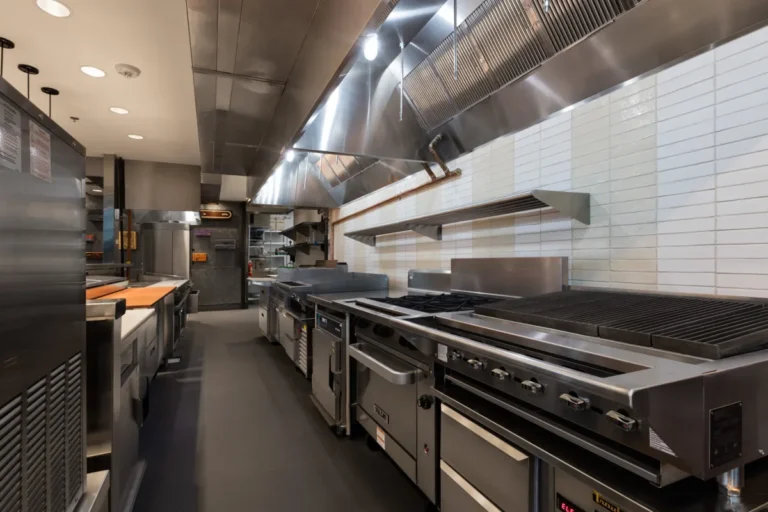
Let’s consider a few scenarios. If you’re a solo cook, a tight work triangle might be perfect. But if you’ve got kids or roommates who are always in the way, a more open layout could be the answer. And if you’re running a commercial kitchen? Forget the triangle, you’re probably dealing with a linear workflow, where efficiency is everything. The key is to think about how you use your kitchen and design around that.
Lighting: The Unsung Hero of a Stress-Free Kitchen
Lighting is one of those things that’s easy to overlook until it’s not working. And when it’s not working, it’s reallyot working. I learned this the hard way when I moved into a house with a kitchen that had a single, harsh overhead light. It was like cooking in a cave, except the cave had fluorescent lighting that made everything look like it was from a 1980s hospital. Not exactly the vibe I was going for.
Good lighting isn’t just about being able to see what you’re doing, though that’s obviously important. It’s also about mood and atmosphere. The right lighting can make a kitchen feel warm and inviting, while the wrong lighting can make it feel sterile and stressful. And here’s the thing: Most kitchens get lighting wrong. They either go too bright, too dim, or, worst of all, rely on a single light source that casts shadows everywhere.
So, what’s the solution? Layered lighting. You want a mix of ambient lighting (the general illumination that fills the room), task lighting (focused light for specific jobs, like chopping or reading a recipe), and accent lighting (the fun stuff, like under-cabinet LEDs or pendant lights over the island). Together, these layers create a space that’s functional and pleasant to be in. And don’t forget about natural light. If you’ve got windows, let them shine. Natural light has been shown to boost mood and reduce stress, so if you can, design your kitchen to take advantage of it.
But here’s where it gets tricky. Not all lighting is created equal. The color temperature of your bulbs, measured in Kelvin, can have a huge impact on how your kitchen feels. Bulbs in the 2700K to 3000K range give off a warm, cozy light that’s great for relaxing, while bulbs in the 3500K to 4100K range are cooler and better for task lighting. And if you’re using smart bulbs, you can even adjust the color temperature throughout the day to match your needs. Morning coffee? Warm light. Midnight snack? Dim and cozy. It’s all about control.
Ergonomics: Because Your Back Shouldn’t Hurt After Making Toast
Let’s talk about ergonomics. It’s one of those words that sounds boring until you realize it’s the difference between a kitchen that feels like a dream and one that feels like a nightmare. Ergonomics is all about designing a space that works with your body, not against it. And in a kitchen, where you’re bending, reaching, and lifting all the time, it’s crucial.
I’ll never forget the first time I cooked in a kitchen with ergonomic design. It was at a friend’s house in Nashville, and everything, from the counter height to the placement of the cabinets, just felt right. I wasn’t stretching to reach the spices, I wasn’t hunched over to chop vegetables, and I wasn’t constantly shifting my weight to avoid back pain. It was like the kitchen was giving me a hug. And the best part? I didn’t even notice it until after I left. That’s the sign of good design: It’s invisible until it’s not there.
So, what makes a kitchen ergonomic? Let’s start with counter height. The standard counter height is 36 inches, but that’s not one-size-fits-all. If you’re taller or shorter than average, you might need to adjust. A good rule of thumb is that your counter should be about elbow height when you’re standing. That way, you’re not bending or reaching too much. And if you’re designing a kitchen for multiple people, consider varying the counter heights. A lower counter for chopping, a higher one for standing tasks, it’s all about flexibility.
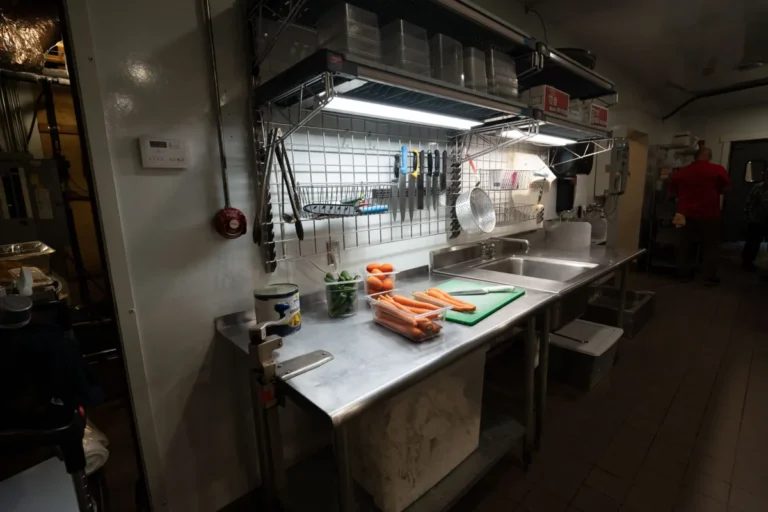
Then there’s storage. How many times have you reached for a pot or pan, only to find it buried behind a stack of Tupperware? Or worse, had to climb onto the counter to grab something from the top shelf? Poor storage is a major source of kitchen stress. The solution? Smart storage solutions that keep everything within easy reach. Think pull-out shelves, deep drawers instead of lower cabinets, and wall-mounted racks for pots and pans. And don’t forget about the little things, like drawer dividers for utensils and pull-out spice racks. The less you have to dig, the less stressed you’ll be.
The Power of Zones: Why Your Kitchen Should Work Like a Restaurant
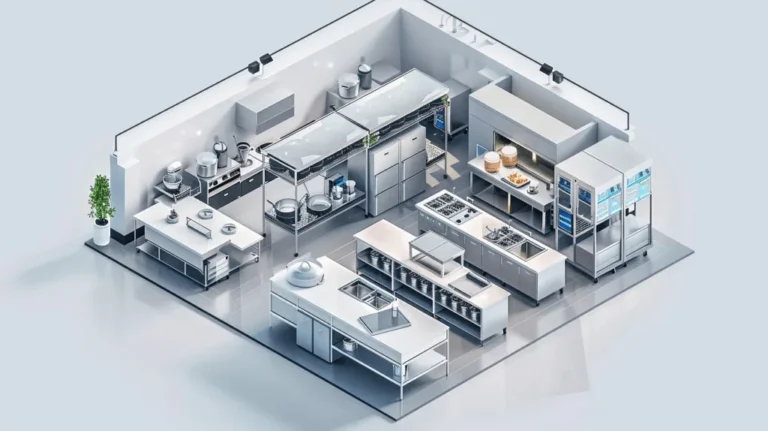
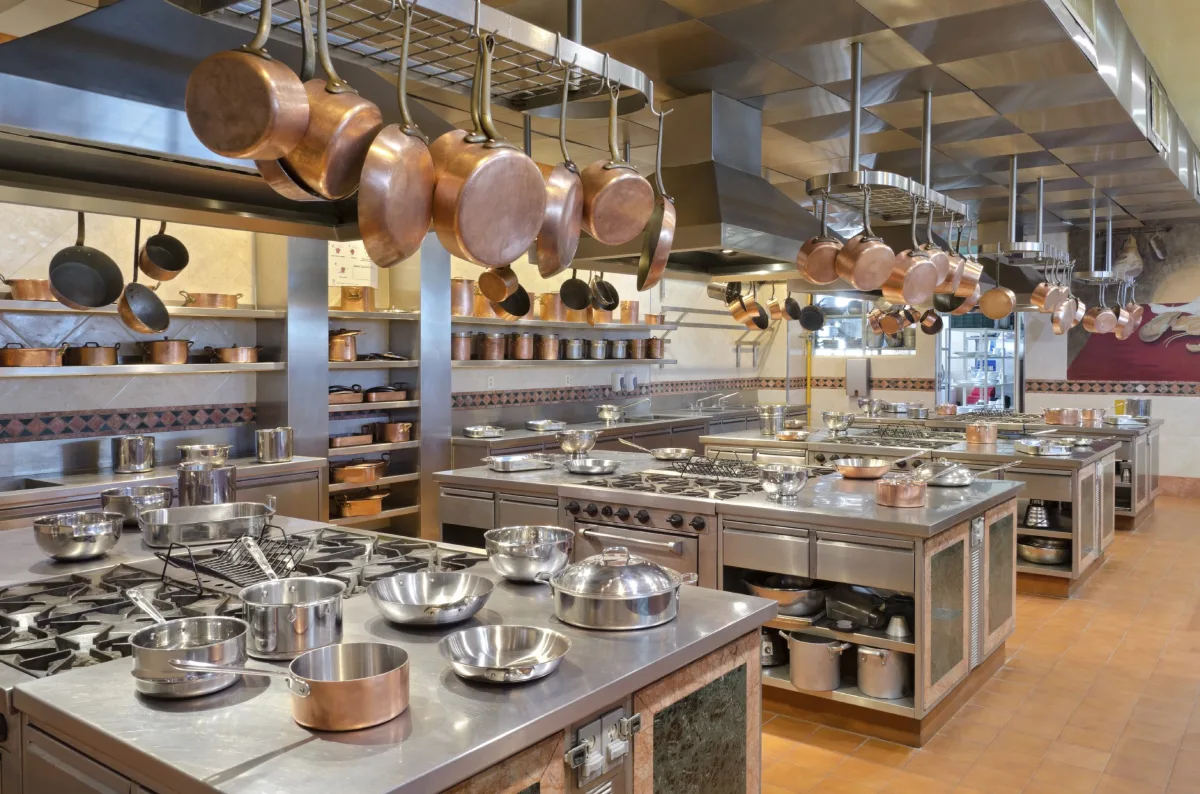
Ever noticed how restaurants seem to run like well-oiled machines? That’s because they’re designed with work zones in mind. Each area has a specific purpose, and everything is within arm’s reach. Home kitchens, on the other hand, often feel like a free-for-all. The coffee maker is next to the sink, the trash can is in the corner, and the spices are in a cabinet on the other side of the room. It’s no wonder we feel frazzled.
I’m a big believer in the zone approach. It’s not just for commercial kitchens, it works in homes, too. The idea is simple: Group similar tasks together and keep the tools you need for each task close by. For example, your prep zone might include a cutting board, knives, and mixing bowls, all within easy reach of the sink. Your cooking zone would have the stove, pots and pans, and cooking utensils. And your cleaning zone would include the dishwasher, trash can, and recycling bin. The goal is to minimize the back-and-forth, so you can focus on the task at hand.
But here’s where it gets interesting. Zones aren’t just about efficiency, they’re also about mental clarity. When everything has a place, your brain doesn’t have to work as hard to find what you need. It’s like having a mental map of your kitchen, where every tool and ingredient has a home. And when you’re not constantly searching for things, you’re less stressed. It’s that simple.
Of course, not every kitchen has the space for multiple zones. If you’re working with a small kitchen, you might need to get creative. Maybe your prep zone doubles as your cooking zone, or your cleaning zone is tucked into a corner. The key is to think about how you use your kitchen and design around that. And if you’re not sure where to start, try this: Spend a week paying attention to how you move in your kitchen. Where do you spend the most time? What tasks feel the most frustrating? Those are the areas to focus on.
Color and Materials: How Your Kitchen’s Aesthetic Affects Your Mood
Let’s talk about color. It’s one of those things that seems superficial until you realize how much it affects your mood. I learned this the hard way when I painted my first kitchen a bright, cheerful yellow. It looked great in the store, but in practice? It was like living inside a highlighter. Every time I walked in, I felt like I was being yelled at. Not exactly the vibe I was going for.
Color psychology is a real thing, and it’s especially important in a kitchen. The colors you choose can make the space feel calm, energized, or even claustrophobic. So, how do you pick the right ones? It depends on what you’re going for. If you want a calming kitchen, stick to soft, neutral tones like whites, grays, and beiges. These colors create a sense of openness and tranquility, which is perfect for a space where you want to relax. On the other hand, if you want a kitchen that feels energizing, consider warmer tones like reds, oranges, and yellows. Just be careful, too much of these colors can feel overwhelming, especially in a small space.
But color isn’t just about the walls. It’s also about the materials you choose. Wood, for example, has a warm, natural feel that can make a kitchen feel cozy and inviting. Stone, on the other hand, is more sleek and modern, but it can also feel cold if you’re not careful. And then there’s metal, stainless steel is a staple in commercial kitchens for a reason, but it can feel sterile if it’s not balanced with other materials. The key is to mix and match, creating a space that feels balanced and harmonious.
Here’s where I get a little philosophical. A kitchen isn’t just a place to cook, it’s a place to live. And the materials you choose should reflect that. Do you want a kitchen that feels like a cozy cabin? Go for wood and warm tones. Do you want a kitchen that feels like a sleek, modern loft? Try stone and metal. The important thing is that the space feels authentic to you. Because when a kitchen feels like it’s truly yours, it’s easier to relax and enjoy it.
Clutter: The Silent Stressor in Your Kitchen
Clutter is the enemy of a stress-free kitchen. And yet, it’s everywhere. Countertops covered in appliances, drawers stuffed with gadgets you never use, cabinets overflowing with mismatched containers. It’s like a game of Tetris, except you’re the one losing. And the worst part? Clutter doesn’t just make your kitchen look messy, it makes it feel messy, too.
I’ll admit it: I used to be a clutter hoarder. My counters were always covered in toasters, blenders, and air fryers, and my drawers were a graveyard of single-use gadgets. It wasn’t until I moved into a smaller space that I realized how much clutter was stressing me out. Every time I walked into the kitchen, I’d feel a pang of anxiety. Where was I going to prep? Where was I going to put this? It was like the clutter was taking up mental space, too.
So, how do you declutter a kitchen? It’s not as hard as you might think. Start by asking yourself a few questions: Do I use this? Do I love this? Does this bring me joy? If the answer is no, it’s time to let it go. And don’t just stop at the obvious stuff. Look at your cabinets, your drawers, even your fridge. Are there things in there that you never use? Be ruthless. The less stuff you have, the easier it is to keep your kitchen clean and organized.
But here’s the thing: Decluttering isn’t a one-time thing. It’s an ongoing process. You have to stay on top of it, or the clutter will creep back in. That’s why it’s important to have a system in place. Maybe it’s a weekly 10-minute tidy-up, or maybe it’s a rule like “one in, one out.” Whatever works for you. The goal is to create a kitchen that feels open and airy, not cramped and chaotic.
Technology: How Smart Kitchens Can Reduce Stress (If You Use Them Right)
Let’s talk about technology. Smart kitchens are all the rage these days, and for good reason. They promise to make our lives easier, our cooking more precise, and our kitchens more efficient. But here’s the thing: Technology can also add stress if it’s not used thoughtfully. I learned this the hard way when I installed a smart fridge that was supposed to make my life easier. Instead, it just made me feel like I was living in a sci-fi movie I didn’t sign up for.
The key to using technology in a stress-reducing kitchen is to keep it simple. You don’t need a fridge that tells you when you’re out of milk (though, let’s be honest, that’s kind of cool). What you need are tools that actually make your life easier. Think smart ovens that preheat while you’re on your way home, or voice-controlled lights that let you adjust the brightness without lifting a finger. These are the kinds of things that can make a real difference in your daily routine.
But here’s where it gets tricky. Not all smart kitchen tech is created equal. Some of it is more gimmick than game-changer. So, how do you know what’s worth it? Ask yourself this: Does this tool solve a real problem for me? If the answer is yes, it’s probably a good investment. If the answer is no, it’s just going to add to the clutter. And remember, technology should work for you, not the other way around. If a tool is more hassle than help, it’s not worth it.
One of my favorite smart kitchen tools is a smart speaker. It’s not flashy, but it’s incredibly useful. I use mine to set timers, play music, and even look up recipes while my hands are full. And because it’s voice-controlled, I don’t have to stop what I’m doing to use it. It’s a small thing, but it makes a big difference. Because when you’re not constantly stopping to fiddle with your phone or a cookbook, you’re less stressed.
The Importance of Ventilation: Because No One Wants to Smell Like Last Night’s Dinner
Ventilation is one of those things that’s easy to overlook until it’s not working. And when it’s not working, it’s reallyot working. I’m talking about smoke-filled kitchens, lingering odors, and that sticky feeling you get when the air is thick with grease. Not exactly the recipe for a stress-free cooking experience.
Good ventilation isn’t just about keeping your kitchen smelling fresh, it’s also about air quality. Cooking releases all kinds of particles into the air, from smoke and grease to carbon monoxide and volatile organic compounds (VOCs). And if your kitchen isn’t properly ventilated, those particles can build up, making the air feel heavy and uncomfortable. Not to mention, poor ventilation can make your kitchen feel hotter and more humid, which is the last thing you want when you’re already sweating over a hot stove.
So, what’s the solution? A good range hood. It’s the unsung hero of the kitchen, quietly sucking up smoke, grease, and odors so you don’t have to. But not all range hoods are created equal. You want one that’s powerful enough to handle your cooking style, but not so powerful that it sounds like a jet engine. And if you’re cooking with gas, you’ll need a hood that can handle the extra heat and fumes.
But here’s where it gets interesting. Ventilation isn’t just about the hood. It’s also about the layout of your kitchen. If your stove is tucked into a corner or under a cabinet, the hood might not be as effective. And if your kitchen is open to the rest of the house, you’ll need to think about how the air flows through the space. The goal is to create a kitchen where the air feels fresh and clean, not stagnant and stuffy.
Personal Touches: Why Your Kitchen Should Feel Like You
At the end of the day, a kitchen isn’t just a place to cook, it’s a place to live. And the best kitchens are the ones that feel like they were designed with you in mind. That means adding personal touches that make the space feel uniquely yours. Maybe it’s a collection of vintage cookbooks on the shelf, or a chalkboard wall where you jot down grocery lists and meal ideas. Maybe it’s a gallery wall of family photos, or a plant that you’ve managed to keep alive for more than a week. Whatever it is, it should make you happy.
I’ll never forget the first time I walked into a kitchen that felt truly personal. It was at a friend’s house in Nashville, and everything, from the hand-painted tiles to the mismatched chairs, told a story. It wasn’t perfect, but it was theirs. And that’s what made it special. It wasn’t just a kitchen; it was a reflection of who they were. And that’s the kind of kitchen I want to create for myself.
So, how do you add personal touches to your kitchen? Start by thinking about what makes you happy. Do you love cooking with fresh herbs? Add a windowsill garden. Do you love hosting dinner parties? Create a space where guests can gather while you cook. Do you love vintage aesthetics? Hunt for unique pieces at flea markets and thrift stores. The goal is to create a kitchen that feels like home, not just a place to cook.
And don’t be afraid to get creative. Your kitchen doesn’t have to look like it came out of a magazine. In fact, it’s better if it doesn’t. Because when your kitchen reflects your personality, it’s easier to relax and enjoy it. And isn’t that what a stress-free kitchen is all about?
Putting It All Together: Your Stress-Free Kitchen Checklist
Alright, let’s recap. Designing a kitchen for reduced stress isn’t about one big change, it’s about a lot of little ones. It’s about creating a space that works with you, not against you. A space that feels good to be in, not just good to look at. And the best part? You don’t have to do it all at once. Start with the things that stress you out the most, and go from there.
Here’s a quick checklist to get you started:
- Layout: Does your kitchen follow the work triangle, or at least have a logical flow? If not, what’s one change you can make to improve it?
- Lighting: Do you have layered lighting, or are you relying on a single harsh light source? Could you add task lighting or dimmers to make the space more flexible?
- Ergonomics: Are your counters and cabinets at a comfortable height? Do you have to stretch or bend to reach things? What’s one adjustment you could make to improve comfort?
- Zones: Are your tasks grouped logically, or are you constantly running back and forth? Could you create a prep zone, cooking zone, and cleaning zone to make things easier?
- Color and Materials: Do the colors and materials in your kitchen make you feel calm or energized? If not, what’s one small change you could make?
- Clutter: Is your kitchen cluttered with things you don’t use or love? What’s one thing you could declutter today?
- Technology: Are there any smart tools that could make your life easier? Or are there tools that are more hassle than help?
- Ventilation: Does your kitchen have good airflow, or does it feel stuffy and smoky? Could you add or upgrade a range hood?
- Personal Touches: Does your kitchen feel like you? What’s one personal touch you could add to make it feel more like home?
Remember, the goal isn’t perfection, it’s progress. Every small change you make is a step toward a kitchen that feels less like a battleground and more like a sanctuary. And who knows? Maybe one day, you’ll walk into your kitchen and feel nothing but calm. At least, that’s the dream.
FAQ
Q: I don’t have the budget for a full kitchen renovation. What are some low-cost changes I can make to reduce stress in my kitchen?
A: You’d be surprised how much of a difference small changes can make! Start with decluttering, clear off your counters, organize your cabinets, and get rid of anything you don’t use. Then, focus on lighting. Adding under-cabinet LEDs or a dimmer switch can completely change the feel of your kitchen. Finally, think about ergonomics. Rearrange your tools so the things you use most are within easy reach, and consider adding a small step stool if you’re constantly stretching for items. These changes won’t cost much, but they’ll make a big difference in how your kitchen feels.
Q: How can I design a stress-free kitchen if I’m renting and can’t make permanent changes?
A: Renting can be tricky, but there are still plenty of ways to create a stress-free kitchen. Start by maximizing your storage. Use freestanding shelves, hanging racks, or even a pegboard to keep things organized and within reach. Then, focus on lighting. A good floor lamp or battery-powered under-cabinet lights can make a big difference. And don’t forget about the little things, like adding a rug to make the space feel cozier or using removable hooks to hang utensils. The key is to work with what you’ve got and make the space feel like yours, even if it’s temporary.
Q: What are some common kitchen design mistakes that increase stress?
A: There are a few big ones. First, ignoring the work triangle. If your sink, stove, and fridge are too far apart or too close together, it’ll make cooking a chore. Second, poor lighting. Relying on a single harsh light source can make your kitchen feel unwelcoming and stressful. Third, clutter. Too many appliances on the counter or too much stuff in the cabinets can make your kitchen feel chaotic. Finally, bad ventilation. If your kitchen feels stuffy or smoky, it’ll make cooking a lot less enjoyable. Avoid these mistakes, and you’ll be well on your way to a stress-free kitchen.
Q: How can I make my kitchen more stress-free if I have kids or roommates who are always in the way?
A: Kitchens are social spaces, and that’s a good thing! But it can also be stressful if you’re constantly bumping into each other. The key is to create clear zones. Designate a prep area, a cooking area, and a cleaning area, and try to keep them separate. If you’ve got kids, consider adding a small table or counter where they can do homework or snack while you cook. And if you’re really tight on space, think about adding a kitchen island or a rolling cart that can be moved out of the way when it’s not in use. The goal is to create a kitchen that works for everyone, not just you.
@article{designing-kitchens-for-reduced-stress-a-chefs-guide-to-calm-in-the-culinary-chaos,
    title   = {Designing Kitchens for Reduced Stress: A Chef’s Guide to Calm in the Culinary Chaos},
    author  = {Chef's icon},
    year    = {2026},
    journal = {Chef's Icon},
    url     = {https://chefsicon.com/designing-kitchens-for-reduced-stress/}
}