The Best Fluffy Pancakes recipe you will fall in love with. Full of tips and tricks to help you make the best pancakes.
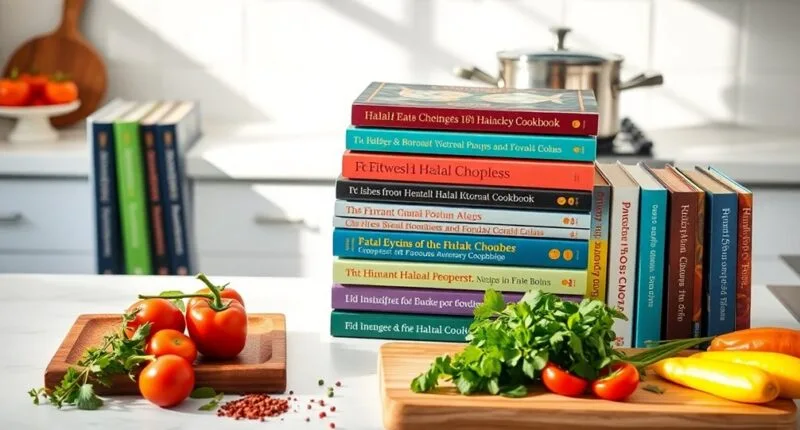
Let me tell you something, I’ve spent more nights than I’d like to admit hunched over a splattered cookbook in my home kitchen, Luna the cat judging me from her perch on the counter (yes, she’s up there, don’t tell the vet). It’s 2 AM, the dishwasher’s humming its final cycle, and I’m flipping through pages of Thomas Keller’s *The French Laundry Cookbook*, trying to reverse-engineer a sauce that’s eluding me. Again. There’s something almost sacred about the way a well-worn cookbook can bridge the gap between the chaos of a commercial kitchen and the quiet precision of a home cook’s countertop. But here’s the thing: not all cookbooks are created equal, especially when you’re talking about the high-stakes, high-volume world of restaurant cooking.
I remember my first real gig in a restaurant kitchen, somewhere in the Bay Area, a tiny bistro with a menu that changed daily and a chef who carried a dog-eared copy of *Larousse Gastronomique* like it was his bible. He’d bark orders, then pause to flip through its pages, muttering about mother sauces or the proper way to truss a chicken. At the time, I thought it was just for show. Now? I get it. There’s a difference between a cookbook that’s pretty on a shelf and one that’s actually useful when the tickets are piling up, the fryer’s on the fritz, and your line cook just called out. That’s what this list is about: the books that don’t just teach you how to cook, they teach you how to cook in a restaurant.
So, why trust me on this? Well, I’ve been in the trenches, both as a cook and as someone who’s spent years writing about the intersection of food, culture, and the nitty-gritty of kitchen life. I’ve seen what works and what doesn’t. I’ve watched chefs build menus from scratch, only to realize halfway through service that they’re missing a critical technique or ingredient ratio. And I’ve seen how the right cookbook can save a shift, inspire a dish, or even shape the trajectory of a career. That’s the kind of power we’re talking about here. These aren’t just books; they’re tools. And like any good tool, the best ones feel like an extension of your own hands.
By the end of this, you’ll have a curated list of essential commercial kitchen cookbooks that cover everything from foundational techniques to modern twists on classic dishes. We’ll dive into why each book matters, how to use them in a real-world setting, and even how to avoid the common pitfalls of relying too heavily on written recipes when the heat is on. Whether you’re a seasoned chef looking to refresh your library or a newbie trying to figure out where to start, this is for you. Let’s get into it.
The Foundations: Cookbooks That Teach You How to Think Like a Chef
Before we get into the flashy stuff, the molecular gastronomy, the Instagram-worthy plating, the trendy ingredients, we need to talk about the books that lay the groundwork. These are the cookbooks that don’t just give you recipes; they teach you how to problem-solve, how to adapt, and how to think like a chef when the kitchen is falling apart around you. And honestly? These are the books I reach for when I’m feeling stuck, when a dish isn’t coming together, or when I need a reminder of why I fell in love with cooking in the first place.
1. *The Professional Chef* by The Culinary Institute of America (CIA)
If there’s one book that belongs in every commercial kitchen, it’s this one. *The Professional Chef* isn’t just a cookbook; it’s a textbook, a reference guide, and a crash course in everything from knife skills to menu planning. The CIA has been shaping the culinary world for decades, and this book is essentially their curriculum distilled into one massive, comprehensive volume. I’ll be honest, it’s not the kind of book you read cover to cover in one sitting. It’s dense, it’s technical, and it’s not exactly what you’d call a “page-turner.” But that’s not the point. The point is that when you need to know the exact ratio for a béchamel sauce or the proper way to break down a whole fish, this is the book you grab.
What I love about *The Professional Chef* is how it balances theory and practice. It doesn’t just tell you what to do; it tells you why you’re doing it. For example, it doesn’t just give you a recipe for stock-it explains the science behind collagen breakdown, the importance of blanching bones, and how to troubleshoot a stock that’s not reducing properly. This kind of knowledge is invaluable in a commercial kitchen, where consistency and efficiency are everything. And let’s be real: how many times have you seen a line cook wing it with a recipe because they didn’t fully understand the underlying principles? Too many. This book helps prevent that.
Now, I’ll admit, the sheer size of *The Professional Chef* can be intimidating. It’s not the kind of book you toss in your bag for a quick read on the subway. But that’s also what makes it so valuable. It’s a living document for your kitchen. I’ve seen chefs keep a copy on their station, flipping to the relevant section during prep, or using it to train new hires. And here’s a pro tip: if you’re just starting out, don’t try to memorize everything. Focus on the sections that are most relevant to your current role, and let the rest serve as a reference. Over time, you’ll find yourself returning to it less and less, not because you’ve outgrown it, but because the knowledge has become second nature.
Is this the kind of book that’s going to inspire you to create the next viral food trend? Probably not. But is it the kind of book that will make you a better, more knowledgeable chef? Absolutely. And in a commercial kitchen, that’s what matters most.
2. *Larousse Gastronomique* by Prosper Montagné
If *The Professional Chef* is the textbook of the culinary world, then *Larousse Gastronomique* is the encyclopedia. This thing is massive, like, “if-you-drop-it-on-your-foot-you-might-need-a-doctor” massive. But don’t let its size fool you. *Larousse* isn’t just a collection of recipes; it’s a historical document, a cultural artifact, and a treasure trove of culinary knowledge that spans centuries. Originally published in 1938, it’s been updated over the years to include modern techniques and ingredients, but at its core, it’s still the same book that chefs have turned to for generations.
What makes *Larousse* so essential for commercial kitchens? For starters, it’s the ultimate reference guide for classic techniques and dishes. Need to know how to properly prepare consommé? It’s in there. Want to understand the difference between a soufflé and a mousse? It’s in there. Curious about the history of foie gras or the proper way to carve a roast? You guessed it, it’s in there. This book is like having a culinary historian on call, ready to answer any question you might have about the foundations of French cuisine (and by extension, much of Western cooking).
But here’s the thing about *Larousse*: it’s not just about the past. It’s also an invaluable tool for understanding how modern cuisine has evolved. For example, if you’re working with a chef who’s pushing the boundaries of deconstruction or fusion cuisine, having a deep understanding of the classic techniques that underpin those dishes can make all the difference. It’s like knowing the rules of grammar before you start writing poetry. You can break the rules, but you need to know what they are first.
Now, I’ll be the first to admit that *Larousse* isn’t the most user-friendly book out there. The writing can be dense, the recipes are often more like guidelines than step-by-step instructions, and the sheer volume of information can be overwhelming. But that’s also what makes it so special. It’s not a cookbook you use to follow a recipe; it’s a cookbook you use to learn. I’ve seen chefs keep a copy in their office, flipping through it during menu planning sessions or using it to settle debates about the proper way to prepare a dish. And let’s be honest, there’s something deeply satisfying about being the person in the kitchen who can confidently say, “Actually, according to *Larousse*, it’s done this way.”
Is *Larousse* the kind of book you’re going to reach for every day? Probably not. But is it the kind of book that will make you a more knowledgeable, well-rounded chef? Without a doubt. And in a commercial kitchen, that kind of depth is invaluable.
The Modern Classics: Cookbooks That Bridge the Gap Between Tradition and Innovation
Okay, so we’ve covered the foundational books, the ones that teach you how to think like a chef and understand the history of cuisine. But what about the cookbooks that take those foundations and push them into the modern era? These are the books that don’t just teach you how to cook; they teach you how to innovate, how to adapt, and how to create dishes that feel fresh and exciting without losing sight of the techniques that got us here in the first place. These are the books that I see in the kitchens of the most forward-thinking chefs, the ones who are constantly experimenting and pushing the boundaries of what’s possible in a commercial setting.
3. *The French Laundry Cookbook* by Thomas Keller
Let’s get one thing straight: *The French Laundry Cookbook* is not just a cookbook. It’s a masterclass in precision, technique, and the kind of obsessive attention to detail that separates good chefs from great ones. Thomas Keller is one of the most respected chefs in the world, and this book is essentially his playbook for running one of the most acclaimed restaurants in the United States. But here’s the thing, it’s not just for fine-dining chefs. The lessons in this book are applicable to any commercial kitchen, whether you’re running a high-end tasting menu spot or a busy neighborhood bistro.
What I love about *The French Laundry Cookbook* is how it breaks down complex dishes into manageable steps. Keller doesn’t just give you a recipe; he gives you a process. For example, his recipe for oysters and pearls (a dish that’s become iconic in its own right) isn’t just a list of ingredients and instructions. It’s a detailed walkthrough of how to prepare the tapioca, how to shuck the oysters, how to plate the dish, and even how to troubleshoot if something goes wrong. This kind of detail is invaluable in a commercial kitchen, where consistency is key. If you can follow Keller’s instructions to the letter, you can replicate his dishes with the same level of precision that he does in his restaurant.
But here’s where things get interesting. *The French Laundry Cookbook* isn’t just about following recipes; it’s about understanding the philosophy behind them. Keller’s approach to cooking is rooted in a deep respect for ingredients, technique, and the dining experience. He doesn’t just want you to cook his dishes; he wants you to understand why he cooks them the way he does. For example, he spends pages explaining the importance of seasoning and how to develop a palate that can detect even the subtlest flavors. This kind of insight is what separates chefs who can follow a recipe from chefs who can create their own.
Now, I’ll be the first to admit that some of the recipes in this book are intimidating. We’re talking about dishes that require multiple days of prep, specialized equipment, and a level of precision that can feel overwhelming. But that’s also what makes this book so valuable. It pushes you to think differently about cooking, to pay attention to the details, and to strive for a level of excellence that you might not have thought possible. And let’s be real, even if you never make one of Keller’s dishes in your own kitchen, the techniques and principles you’ll learn from this book will make you a better chef.
Is this the kind of book you’re going to reach for when you’re in the weeds during a Saturday night rush? Probably not. But is it the kind of book that will inspire you to think differently about food and elevate your cooking to the next level? Absolutely. And in a commercial kitchen, that kind of inspiration is worth its weight in gold.
4. *Eleven Madison Park: The Cookbook* by Daniel Humm and Will Guidara
If *The French Laundry Cookbook* is the masterclass in precision, then *Eleven Madison Park: The Cookbook* is the masterclass in creativity. Daniel Humm and Will Guidara’s restaurant is one of the most celebrated in the world, and this book is a deep dive into the philosophy, techniques, and dishes that have made it so iconic. But here’s the thing, it’s not just a cookbook. It’s a story, a behind-the-scenes look at what it takes to run a restaurant at the highest level, and a testament to the power of collaboration and innovation in the kitchen.
What I love about this book is how it balances technical precision with artistic freedom. Humm and Guidara don’t just give you recipes; they give you a glimpse into their creative process. For example, their dish honey lavender duck isn’t just a recipe, it’s a journey. They walk you through the inspiration behind the dish, the techniques they used to develop it, and even the challenges they faced along the way. This kind of insight is invaluable for chefs who want to push the boundaries of their own creativity. It’s not just about following a recipe; it’s about understanding how to develop a recipe from scratch.
But here’s where things get really interesting. *Eleven Madison Park* isn’t just about the food; it’s about the experience. Guidara, the restaurant’s former co-owner, is a master of hospitality, and this book is filled with lessons on how to create a dining experience that’s as memorable as the food itself. For example, they spend pages discussing the importance of storytelling in plating, the role of theater in fine dining, and how to create dishes that engage all five senses. This kind of thinking is what separates good restaurants from great ones, and it’s a lesson that’s applicable to any commercial kitchen, whether you’re running a tasting menu spot or a casual café.
Now, I’ll be the first to admit that some of the techniques in this book are advanced. We’re talking about dishes that require specialized equipment, multiple days of prep, and a level of precision that can feel overwhelming. But that’s also what makes this book so exciting. It pushes you to think differently about food, to experiment with new techniques, and to strive for a level of creativity that you might not have thought possible. And let’s be real, even if you never make one of Humm’s dishes in your own kitchen, the principles you’ll learn from this book will make you a more innovative, more thoughtful chef.
Is this the kind of book you’re going to reach for when you’re trying to figure out how to plate a simple salad? Probably not. But is it the kind of book that will inspire you to think differently about food and elevate your cooking to the next level? Without a doubt. And in a commercial kitchen, that kind of inspiration is priceless.
The Practical Guides: Cookbooks That Actually Work in a Commercial Kitchen
Alright, let’s take a step back from the high-end, Michelin-starred world for a second. Because let’s be real, not every commercial kitchen is serving tasting menus with foie gras and truffle-infused everything. Most of us are working in places where the tickets are piling up, the fryer is on the fritz, and the last thing you have time for is a recipe that requires three days of prep and a sous-vide machine. That’s where these next books come in. These are the practical guides, the cookbooks that are actually designed to be used in a real-world commercial kitchen. They’re not about fancy techniques or Instagram-worthy plating; they’re about efficiency, consistency, and getting the job done.
5. *The Flavor Bible* by Karen Page and Andrew Dornenburg
If there’s one book that I wish I’d had when I was first starting out in kitchens, it’s *The Flavor Bible*. This isn’t a cookbook in the traditional sense, it doesn’t give you recipes or step-by-step instructions. Instead, it’s a guide to flavor pairings, a tool that helps you understand which ingredients work well together and why. And let me tell you, this is the kind of knowledge that can save your bacon (literally and figuratively) when you’re in the weeds and need to improvise a dish on the fly.
Here’s how it works: *The Flavor Bible* is organized by ingredient, and for each one, it lists other ingredients that pair well with it. For example, if you look up chicken, you’ll see that it pairs well with everything from lemon and thyme to ginger and soy sauce. But it doesn’t stop there. The book also includes insights from professional chefs, notes on intensity (e.g., how much of an ingredient to use), and even suggestions for complementary textures and cooking methods. This kind of information is invaluable in a commercial kitchen, where you’re often working with limited ingredients and need to make quick decisions about how to combine them.
What I love about *The Flavor Bible* is how it encourages creativity within constraints. It’s not about following a recipe; it’s about understanding the principles of flavor and using them to create your own dishes. For example, if you’re working with a protein that you’ve never cooked before, you can look it up in the book and get instant ideas for how to season it, what sauces to pair it with, and even what sides will complement it. This is the kind of knowledge that separates chefs who can follow a recipe from chefs who can create their own.
Now, I’ll be the first to admit that *The Flavor Bible* isn’t the kind of book you’re going to read cover to cover. It’s more of a reference guide, something you keep on your station and flip through when you’re stuck or need inspiration. But that’s also what makes it so valuable. It’s the kind of book that grows with you, that you’ll return to again and again as your palate and your skills develop. And let’s be real, how many times have you been in the middle of service, staring at a pile of ingredients, and thought, “What the hell am I supposed to do with this?” *The Flavor Bible* is the answer.
Is this the kind of book that’s going to teach you how to truss a chicken or make a perfect hollandaise? No. But is it the kind of book that will make you a more confident, more creative chef? Absolutely. And in a commercial kitchen, that’s what matters most.
6. *Ratio: The Simple Codes Behind the Craft of Everyday Cooking* by Michael Ruhlman
If *The Flavor Bible* is the guide to flavor pairings, then *Ratio* by Michael Ruhlman is the guide to the building blocks of cooking. This book is all about understanding the fundamental ratios that underpin so many of the dishes we cook every day. And let me tell you, this is the kind of knowledge that can revolutionize the way you think about cooking in a commercial kitchen.
Here’s the basic idea: most recipes are built on a few key ratios. For example, the ratio for vinaigrette is 3 parts oil to 1 part vinegar. The ratio for pâte à choux (the dough used for éclairs and profiteroles) is 2 parts liquid to 1 part fat to 1 part flour to 2 parts eggs. Once you understand these ratios, you don’t need a recipe, you can make these dishes from scratch, adjust them to your needs, and even create your own variations. This is the kind of knowledge that separates chefs who are slaves to recipes from chefs who can improvise and adapt on the fly.
What I love about *Ratio* is how it demystifies cooking. It takes the guesswork out of so many dishes and gives you a framework for understanding how they work. For example, if you know the ratio for pancake batter (2 parts liquid to 2 parts flour to 1 part egg to 1 part fat), you can make pancakes with any liquid (milk, buttermilk, water) and any fat (butter, oil, lard) and still get a great result. This kind of flexibility is invaluable in a commercial kitchen, where you’re often working with limited ingredients and need to make quick decisions about how to use them.
But here’s where things get really interesting. *Ratio* isn’t just about memorizing a few key ratios. It’s about understanding the science behind them. Ruhlman explains why these ratios work, what happens when you adjust them, and how to troubleshoot if something goes wrong. For example, he doesn’t just tell you the ratio for mayonnaise (20 parts oil to 1 part egg yolk); he explains the role of the egg yolk as an emulsifier and what happens if you add the oil too quickly. This kind of knowledge is what separates good chefs from great ones.
Now, I’ll be the first to admit that *Ratio* isn’t the kind of book you’re going to reach for when you’re in the middle of a Saturday night rush. It’s more of a learning tool, something you study when you have a quiet moment and want to deepen your understanding of cooking. But that’s also what makes it so valuable. It’s the kind of book that will change the way you think about food, that will give you the confidence to experiment and innovate, and that will make you a more knowledgeable, more capable chef.
Is this the kind of book that’s going to give you a step-by-step recipe for a five-course tasting menu? No. But is it the kind of book that will make you a better, more versatile chef? Without a doubt. And in a commercial kitchen, that’s what matters most.
The Wildcards: Cookbooks That Push the Boundaries of What’s Possible
Okay, so we’ve covered the foundational books, the modern classics, and the practical guides. But what about the cookbooks that don’t fit neatly into any of those categories? The ones that are a little weird, a little out there, but that can also teach you something truly unique about cooking? These are the wildcards, the books that push the boundaries of what’s possible in a commercial kitchen. They’re not for everyone, but if you’re the kind of chef who’s always looking for the next big thing, these are the books you need to check out.
7. *Modernist Cuisine: The Art and Science of Cooking* by Nathan Myhrvold
Let’s start with the big one: *Modernist Cuisine*. This isn’t just a cookbook; it’s a six-volume, 2,400-page behemoth that dives deep into the science of cooking. And when I say “deep,” I mean it. We’re talking about chapters on the physics of heat transfer, the chemistry of emulsions, and even the biology of fermentation. This is the kind of book that makes you feel like you’re getting a PhD in cooking just by flipping through its pages.
What I love about *Modernist Cuisine* is how it challenges everything you thought you knew about cooking. For example, it doesn’t just tell you how to make a stock; it explains the science behind why stocks work, how to optimize the extraction of flavors, and even how to use a centrifuge to clarify them. It doesn’t just tell you how to cook a steak; it explains the role of Maillard reactions and collagen breakdown in creating the perfect sear. This kind of knowledge is invaluable in a commercial kitchen, where understanding the why behind a technique can help you troubleshoot problems and innovate new dishes.
But here’s the thing about *Modernist Cuisine*: it’s not for the faint of heart. This is a book for chefs who are obsessed with the science of cooking, who geek out over things like sous-vide and spherification, and who aren’t afraid to invest in some serious equipment (we’re talking rotary evaporators, liquid nitrogen, and ultra-high-pressure processors). If that sounds like you, then this book is a goldmine. If not, well, it might be a little overwhelming.
Now, I’ll be the first to admit that some of the techniques in *Modernist Cuisine* are impractical for most commercial kitchens. For example, the book includes a recipe for pressure-cooked caramelized carrot soup that requires a 30-quart pressure cooker and a centrifuge. Unless you’re running a high-end research kitchen, you’re probably not going to make that dish anytime soon. But that’s not the point. The point is that this book will change the way you think about cooking. It will give you a deeper understanding of the science behind the techniques you use every day, and it will inspire you to experiment with new methods and ingredients.
Is this the kind of book you’re going to reach for when you’re trying to figure out how to make a simple vinaigrette? Probably not. But is it the kind of book that will make you a more knowledgeable, more innovative chef? Absolutely. And in a commercial kitchen, that kind of knowledge is priceless.
8. *The Food Lab: Better Home Cooking Through Science* by J. Kenji López-Alt
If *Modernist Cuisine* is the PhD of cooking, then *The Food Lab* by J. Kenji López-Alt is the master’s degree. This book is all about using science to improve the way we cook, but it’s a lot more accessible (and a lot more fun) than its six-volume cousin. López-Alt is a former MIT grad who turned his love of science and food into a career as a food writer, and this book is the culmination of years of experimentation and testing. It’s like having a mad scientist in your kitchen, helping you figure out the best way to cook everything from burgers to ramen.
What I love about *The Food Lab* is how it takes complex scientific concepts and makes them approachable. For example, López-Alt doesn’t just tell you how to make the perfect fried chicken; he explains the science behind why certain techniques work better than others. He tests different brining methods, frying temperatures, and coating techniques to figure out what produces the crispiest, juiciest chicken. And he does it all with a sense of humor and a willingness to admit when he’s wrong. This kind of transparency is invaluable in a commercial kitchen, where understanding the why behind a technique can help you adapt it to your own needs.
But here’s where things get really interesting. *The Food Lab* isn’t just about improving classic dishes; it’s also about innovatingew ones. For example, López-Alt includes a recipe for ultra-smooth mac and cheese that uses a blender to create a silky-smooth sauce without any lumps. He also includes a recipe for pressure-cooker risotto that cuts the cooking time in half without sacrificing texture or flavor. These are the kinds of techniques that can save you time and effort in a commercial kitchen, where efficiency is key.
Now, I’ll be the first to admit that some of the recipes in *The Food Lab* are a little unconventional. For example, López-Alt includes a recipe for foolproof pie dough that uses vodka to create a flakier crust. It sounds weird, but it works. And that’s the beauty of this book, it challenges you to think differently about cooking, to question the conventional wisdom, and to experiment with new techniques and ingredients.
Is this the kind of book that’s going to teach you how to make a perfect hollandaise or béchamel? Probably not. But is it the kind of book that will make you a more confident, more innovative chef? Without a doubt. And in a commercial kitchen, that’s what matters most.
The Niche Picks: Cookbooks for Specialized Commercial Kitchens
Alright, let’s talk about the cookbooks that don’t get as much love as the big names but are absolute game-changers for chefs working in specialized commercial kitchens. Whether you’re running a pizzeria, a bakery, a vegan restaurant, or a food truck, there’s a cookbook out there that’s tailored to your specific needs. These are the books that understand the unique challenges of your kitchen and offer solutions that are practical, efficient, and delicious. Let’s dive in.
9. *The Elements of Pizza: Unlocking the Secrets to World-Class Pies at Home* by Ken Forkish
First up, let’s talk about pizza. Because let’s be real, pizza is one of the most popular foods in the world, and if you’re running a pizzeria or even just offering pizza on your menu, you need to know how to make it right. And that’s where *The Elements of Pizza* by Ken Forkish comes in. This book is a deep dive into the art and science of pizza-making, and it’s packed with insights that are invaluable for any chef working in a commercial pizza kitchen.
What I love about *The Elements of Pizza* is how it breaks down the fundamentals of pizza-making into manageable parts. Forkish doesn’t just give you a recipe for dough; he explains the science behind fermentation, the role of hydration, and how to troubleshoot common dough problems. He doesn’t just tell you how to make a sauce; he explains how to balance acidity, sweetness, and umami to create a sauce that complements your toppings. And he doesn’t just give you a recipe for a pizza; he walks you through the process of topping distribution, oven temperature, and baking time to ensure that every pie comes out perfect.
But here’s where things get really interesting. *The Elements of Pizza* isn’t just about Neapolitan-style pizza. Forkish covers a wide range of pizza styles, from New York-style to Sicilian to Detroit-style. This kind of versatility is invaluable in a commercial kitchen, where you might be asked to make multiple styles of pizza in a single shift. And let’s be real, how many times have you seen a chef struggle to adapt a recipe for one style of pizza to another? Too many. This book helps prevent that.
Now, I’ll be the first to admit that some of the techniques in *The Elements of Pizza* are advanced. For example, Forkish includes a recipe for 24-hour cold fermentation that produces a dough with incredible flavor and texture. If you’re running a busy pizzeria, you might not have the time or the space to let your dough ferment for that long. But that’s not the point. The point is that this book will give you a deeper understanding of the science behind pizza-making, and it will inspire you to experiment with new techniques and ingredients.
Is this the kind of book that’s going to teach you how to make a perfect margherita pizza in 10 minutes? Probably not. But is it the kind of book that will make you a better, more knowledgeable pizza chef? Absolutely. And in a commercial kitchen, that’s what matters most.
10. *Veganomicon: The Ultimate Vegan Cookbook* by Isa Chandra Moskowitz and Terry Hope Romero
Last but not least, let’s talk about vegan cooking. Because let’s be real, veganism isn’t a trend anymore. It’s a movement, and if you’re running a commercial kitchen, you need to know how to cook for vegan customers. And that’s where *Veganomicon* comes in. This book is a comprehensive guide to vegan cooking, and it’s packed with recipes and techniques that are invaluable for any chef working in a vegan or vegan-friendly kitchen.
What I love about *Veganomicon* is how it takes vegan cooking seriously. This isn’t a book full of sad, flavorless salads or bland tofu dishes. It’s a book full of bold, flavorful, and satisfying recipes that just happen to be vegan. For example, it includes recipes for mac and cheese made with cashews, chickpea cutlets that actually taste like chicken, and chocolate peanut butter pie that’s so rich and decadent, you won’t believe it’s vegan. This kind of creativity is invaluable in a commercial kitchen, where you need to be able to create dishes that appeal to a wide range of customers.
But here’s where things get really interesting. *Veganomicon* isn’t just about recipes; it’s also about technique. Moskowitz and Romero explain how to use ingredients like utritional yeast, agar-agar, and aquafaba to create vegan versions of classic dishes. They also include tips on how to adapt non-vegan recipes to make them vegan-friendly, which is a skill that every chef should have in their toolkit. For example, they explain how to use flaxseeds as an egg substitute in baking, how to make vegan mayonnaise with silken tofu, and how to create vegan cheese that actually melts.
Now, I’ll be the first to admit that some of the recipes in *Veganomicon* are a little unconventional. For example, the book includes a recipe for vegan sushi that uses avocado, cucumber, and marinated tofu as fillings. It sounds weird, but it works. And that’s the beauty of this book, it challenges you to think differently about vegan cooking, to experiment with new ingredients and techniques, and to create dishes that are as delicious as they are innovative.
Is this the kind of book that’s going to teach you how to make a perfect vegan lasagna in 10 minutes? Probably not. But is it the kind of book that will make you a better, more versatile chef? Without a doubt. And in a commercial kitchen, that’s what matters most.
Putting It All Together: How to Use These Cookbooks in Your Commercial Kitchen
Alright, so we’ve covered a lot of ground here. We’ve talked about the foundational books, the modern classics, the practical guides, the wildcards, and the niche picks. But how do you actually use these cookbooks in a real-world commercial kitchen? Because let’s be real, having a shelf full of cookbooks is one thing. Knowing how to apply their lessons to your daily work is another. So let’s talk about how to make the most of these books, how to integrate them into your workflow, and how to use them to become a better, more knowledgeable chef.
First things first: don’t try to read these books cover to cover. That’s a recipe for burnout. Instead, think of them as reference guides, tools that you can turn to when you need inspiration, guidance, or a refresher on a specific technique. For example, if you’re working on a new menu and want to include a sous-vide dish, you might flip through *Modernist Cuisine* to learn more about the technique. If you’re trying to figure out how to make a vegan cheese sauce, you might turn to *Veganomicon* for ideas. The key is to use these books as resources, not as rulebooks.
Second, don’t be afraid to adapt the recipes. One of the biggest mistakes I see chefs make is trying to follow a recipe exactly as it’s written, even when it doesn’t make sense for their kitchen. For example, if a recipe calls for an ingredient that’s not available in your area, don’t be afraid to substitute something else. If a recipe requires a piece of equipment that you don’t have, figure out a workaround. The best chefs are the ones who can adapt and improvise, and these cookbooks should be used as a starting point, not as a strict set of instructions.
Third, use these books to train your staff. One of the best ways to get the most out of your cookbooks is to use them as teaching tools. For example, if you’re training a new line cook, you might have them read a chapter from *The Professional Chef* on knife skills, then practice those skills in the kitchen. If you’re working on a new menu, you might have your team flip through *The Flavor Bible* to come up with flavor pairings for a new dish. The more you can involve your staff in the learning process, the more they’ll get out of these books, and the better your kitchen will run.
Finally, don’t be afraid to experiment. The best chefs are the ones who are always pushing the boundaries, trying new things, and taking risks. These cookbooks are full of ideas and techniques that can inspire you to create your own dishes, to innovate, and to take your cooking to the next level. For example, you might take a technique from *Modernist Cuisine* and apply it to a classic dish from *The French Laundry Cookbook*. Or you might use the flavor pairings from *The Flavor Bible* to create a new vegan dish inspired by *Veganomicon*. The possibilities are endless, and the more you experiment, the more you’ll learn.
So there you have it, my guide to the essential commercial kitchen cookbooks for restaurant chefs. These are the books that have shaped my own cooking, that I’ve seen in the kitchens of the best chefs I know, and that I believe can make a real difference in your career. But remember, these books are just tools. The real magic happens when you take their lessons and apply them to your own work, when you use them to inspire your own creativity, and when you let them push you to become a better chef.
Now, I’m not going to lie, this list isn’t perfect. There are probably a few books I’ve missed, a few techniques I’ve overlooked, and a few perspectives I haven’t considered. But that’s the beauty of cooking. It’s a lifelong learning process, and the more you cook, the more you realize how much there is still to learn. So don’t be afraid to seek out new books, to experiment with new techniques, and to push the boundaries of what’s possible in your kitchen. Because at the end of the day, that’s what being a chef is all about.
Final Thoughts: Why These Cookbooks Matter More Than Ever in 2026
As I sit here in my Nashville home, Luna curled up on the couch beside me (she’s forgiven me for the earlier counter incident), I can’t help but think about how much the culinary world has changed since I first started cooking. We’re living in an era where AI-generated recipes are a thing, where 3D-printed food is making its way into high-end restaurants, and where sustainability and ethical sourcing are no longer optional, they’re expected. And yet, despite all these advancements, there’s something timeless about a good cookbook. There’s something about flipping through its pages, feeling the weight of its spine, and seeing the stains and notes from chefs who’ve come before you that just can’t be replicated by a digital algorithm.
That’s why these cookbooks matter more than ever in 2026. In a world where everything is moving faster and faster, where trends come and go in the blink of an eye, these books are a reminder of the fundamentals. They’re a reminder that no matter how much technology changes, the principles of good cooking-technique, flavor, precision-remain the same. They’re a reminder that the best chefs aren’t the ones who follow the latest trends; they’re the ones who understand the why behind the food they’re cooking.
So here’s my challenge to you: pick one of these cookbooks, crack it open, and commit to learning something new. Maybe it’s a technique you’ve always wanted to master, like sous-vide or fermentation. Maybe it’s a dish you’ve always wanted to perfect, like pizza dough or vegan cheese. Maybe it’s just a new way of thinking about flavor, like the pairings in *The Flavor Bible* or the ratios in *Ratio*. Whatever it is, take the time to dive in, to experiment, and to make it your own. Because at the end of the day, that’s what cooking is all about, taking the knowledge of those who’ve come before you and using it to create something new, something unique, something that’s unmistakably yours.
And who knows? Maybe one day, years from now, a young chef will pick up your well-worn copy of *The Professional Chef* or *The French Laundry Cookbook*, flip through its pages, and feel the same sense of inspiration and possibility that you do today. That’s the power of a good cookbook. It’s not just a tool; it’s a legacy. And in a commercial kitchen, that’s something worth holding onto.
FAQ
Q: I’m a new chef just starting out in a commercial kitchen. Which of these cookbooks should I prioritize first?
A: If you’re just starting out, I’d recommend beginning with *The Professional Chef* by the Culinary Institute of America. It’s the most comprehensive guide to foundational techniques and will give you a solid grounding in everything from knife skills to sauce-making. Once you’ve got the basics down, you can start exploring the other books on this list to deepen your knowledge and expand your skills.
Q: I work in a small, fast-paced kitchen with limited resources. Are there any cookbooks on this list that won’t be practical for my situation?
A: Great question! While all of the cookbooks on this list have valuable insights, some, like *Modernist Cuisine*-require specialized equipment and ingredients that might not be practical for a small kitchen. For a fast-paced, resource-limited environment, I’d recommend focusing on *The Flavor Bible* and *Ratio*. These books are all about improvisation, efficiency, and making the most of what you have on hand. They’re designed to help you think on your feet and adapt to whatever situation you find yourself in.
Q: How do I know when it’s time to move beyond these cookbooks and start developing my own recipes?
A: That’s a tough one, and honestly, there’s no one-size-fits-all answer. The best chefs I know are always learning, always experimenting, and always pushing the boundaries of what’s possible. A good rule of thumb is to start developing your own recipes when you feel confident in your foundational skills and when you’ve got a deep understanding of flavor, technique, and the principles of cooking. At that point, these cookbooks can serve as a reference rather than a crutch. But even then, don’t be afraid to flip through them from time to time, you’d be surprised how much you can still learn, even after years in the kitchen.
Q: Are there any cookbooks on this list that are particularly well-suited for training new staff in a commercial kitchen?
A: Absolutely! *The Professional Chef* is a fantastic resource for training new staff, as it covers all the foundational techniques in a clear, structured way. *Ratio* is also great for teaching the building blocks of cooking, as it helps new chefs understand the principles behind recipes rather than just memorizing steps. And *The Flavor Bible* is a great tool for encouraging creativity and helping new staff develop their palates. If you’re training a team, I’d recommend using a combination of these books to give them a well-rounded education in both technique and flavor.
@article{commercial-kitchen-cookbooks-the-essential-titles-every-restaurant-chef-should-own-in-2026,
    title   = {Commercial Kitchen Cookbooks: The Essential Titles Every Restaurant Chef Should Own in 2026},
    author  = {Chef's icon},
    year    = {2026},
    journal = {Chef's Icon},
    url     = {https://chefsicon.com/commercial-kitchen-cookbooks-essential-titles-for-restaurant-chefs/}
}