The Best Fluffy Pancakes recipe you will fall in love with. Full of tips and tricks to help you make the best pancakes.
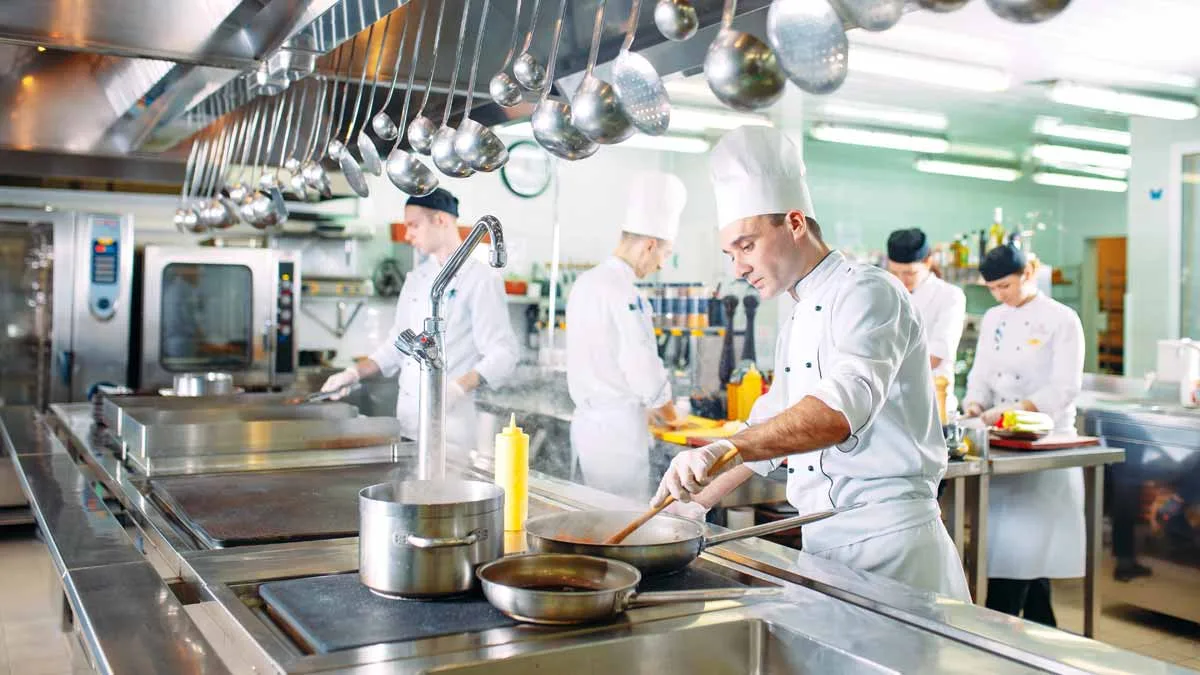
Let me tell you about the time I nearly lost my cool in a kitchen that shall remain nameless. It was a Tuesday, yes, Tuesdays are apparently cursed in the restaurant world, and we were slammed. The line cook, a talented but green kid named Marco, was searing scallops for a high-stakes dinner service. The first batch? Perfect. Golden crust, tender center, that elusive caramelized edge that makes people sigh. The second batch? Overcooked. Not just a little, but enough to make a grown chef want to cry into their mise en place.
When I asked him what went wrong, he shrugged and said, “I dunno, I thought I did it the same way.” That’s when it hit me: he was cooking by the clock, not by his senses. He was watching the timer like it was his lifeline, not the color of the crust, the sound of the sizzle, or the way the scallops released from the pan when they were ready. That’s the problem with relying solely on recipes and timers, you miss the sensory cues that turn good food into great food, and great food into consistent great food. And consistency? That’s the holy grail of any kitchen, whether you’re running a Michelin-starred temple of gastronomy or a neighborhood diner where the regulars know your name.
So how do you train your staff to cook by feel, by smell, by sound, by everything except the clock? How do you get them to trust their instincts when every fiber of their being is screaming to follow the recipe to the letter? And most importantly, how do you do it without turning your kitchen into a boot camp where the only thing people learn is how to fear the executive chef’s glare? That’s what we’re diving into today. This isn’t just about teaching people to cook; it’s about rewiring how they think about cooking. And yeah, it’s gonna take some work. But if you stick with me, I promise you’ll walk away with a roadmap to turn your team into a squad of sensory-savvy cooks who can nail a dish every single time, even when the oven’s acting up or the humidity’s through the roof.
By the end of this, you’ll know:
- Why sensory training is the secret weapon for consistency in high-volume kitchens (and why most kitchens get it wrong).
- How to break down dishes into observable sensory cues so your team isn’t just guessing.
- The step-by-step drills I’ve used to train cooks to trust their instincts (spoiler: it involves a lot of blindfolded tasting).
- How to create a feedback loop that turns mistakes into teachable moments instead of shame spirals.
- And yeah, how to keep the whole thing from feeling like a chore, because if your team isn’t engaged, they’re not learning.
Sound good? Let’s get into it. And hey, if you’re already rolling your eyes thinking, “This is just another fluffy training article,” stick with me. I’ve been in the trenches, and I’ve seen what works, and what doesn’t. This isn’t theory. It’s the stuff I wish someone had told me when I was first trying to wrangle a team of cooks who thought “medium-rare” was a suggestion, not a standard.
Why Sensory Training Matters More Than You Think
The Problem with Recipes Alone
Recipes are great. They’re the roadmap, the starting point, the thing that keeps you from serving a plate of chaos to a paying customer. But here’s the thing: recipes are static. They don’t account for the fact that your oven runs hotter on Tuesdays (seriously, why is that a thing?), or that the humidity in your kitchen turns your dough into a sad, sticky mess, or that the batch of tomatoes you got this week is sweeter than the last. Recipes don’t tell you when the oil is hot enough for frying, or when the steak has reached the perfect internal temperature without cutting into it like a serial killer. They don’t tell you when the onions are caramelized to that perfect jammy consistency, or when the custard is thick enough to coat the back of a spoon without scrambling.
That’s where sensory cooking techniques come in. Sensory cooking is about using your eyes, ears, nose, hands, and yes, your taste buds to make real-time adjustments. It’s about developing a sensory vocabulary so precise that you can describe the exact moment a dish is done without ever looking at a timer. And when your entire team speaks that language? That’s when you start hitting consistency like a metronome. No more guessing. No more crossing your fingers and hoping for the best. Just reliable, repeatable results, night after night.
But here’s the catch: most cooks don’t come into the kitchen with this skill set. They’ve been trained to follow recipes like robots, not to think critically about what’s happening in the pan. And honestly, can you blame them? Culinary school, if they even went, is often more about memorizing techniques than developing intuition. And on-the-job training? Well, let’s just say that if your idea of training is throwing someone into the deep end and hoping they swim, you’re not alone. But that’s a recipe for inconsistency, burnout, and a lot of wasted product.
So how do you bridge the gap? How do you take a team that’s used to cooking by the book and teach them to cook by feel? It starts with understanding that sensory training isn’t just about the senses. It’s about pattern recognition, muscle memory, and confidence. It’s about teaching your team to see the invisible, like the way a sauce thickens just before it breaks, or the way a steak’s resistance changes as it cooks. And yeah, it’s about giving them the permission to trust themselves, even when the recipe says one thing and their gut says another.
The Science Behind Sensory Cooking
Before we dive into the how, let’s talk about the why. Why does sensory cooking work? Why should you care? Because science, that’s why. When we cook, we’re engaging in a complex dance of chemical reactions, physical transformations, and biological processes. And each of those processes leaves behind clues, clues that our senses are perfectly equipped to pick up on, if we know what to look for.
Take the Maillard reaction, for example. That’s the fancy term for the browning that happens when you sear a steak or toast bread. It’s not just about color; it’s about flavor. The Maillard reaction creates hundreds of new flavor compounds, and it happens at a very specific temperature range, around 280°F to 330°F (140°C to 165°C). But here’s the thing: you don’t need a thermometer to know when it’s happening. You can see it (the surface of the food turns golden brown), you can smell it (that rich, nutty aroma), and you can hear it (the sizzle changes pitch as the moisture evaporates). If your team knows what to listen for, they’ll know when to flip that steak without ever poking it with a thermometer.
Or consider caramelization, the process that turns onions from sharp and pungent to sweet and jammy. Caramelization happens when sugars break down under heat, and it starts at around 230°F (110°C). But again, you don’t need a thermometer. You can see the onions turn from translucent to golden, you can smell the sweetness intensify, and you can taste the difference between “cooked” and “caramelized.” If your team knows what to look for, they’ll never serve undercooked onions again.
And then there’s the sound of cooking, which is one of the most underrated sensory cues in the kitchen. The sizzle of oil in a pan isn’t just noise; it’s information. A high-pitched sizzle means the oil is hot and ready for frying. A lower, more subdued sizzle means the food is cooking through. And if the sizzle stops? That’s your cue that the pan’s too cool, or that the food has released too much moisture. If your team knows what to listen for, they’ll know when to adjust the heat, when to flip, and when to pull the food off the stove.
The point is, cooking isn’t just about following a set of instructions. It’s about observing, adapting, and responding to the cues that the food is giving you. And the more your team understands the science behind those cues, the more confident they’ll be in their ability to cook by feel. So before you start training, take the time to explain the why behind the what. It’ll make the whole process a lot smoother.
Breaking Down Dishes into Sensory Cues
The Anatomy of a Sensory Recipe
Alright, let’s get practical. How do you actually train your team to cook by feel? It starts with breaking down each dish into its sensory components. Think of it like creating a sensory recipe-a step-by-step guide that tells your team not just what to do, but what to look for, listen for, smell, feel, and taste at each stage of the cooking process.
Let’s take a classic dish like pan-seared chicken breast. A traditional recipe might say something like this:
- Season the chicken with salt and pepper.
- Heat 1 tablespoon of oil in a pan over medium-high heat.
- Add the chicken and cook for 6-7 minutes per side, until golden brown and cooked through.
- Let rest for 5 minutes before serving.
That’s fine, but it’s not exactly helpful if the chicken’s sticking to the pan, or if the heat’s too high, or if the chicken’s done before it’s browned. A sensory recipe, on the other hand, would look more like this:
- Seasoning: Sprinkle salt evenly over both sides of the chicken. You’re looking for a light, even coating, enough to enhance the flavor, but not so much that it tastes like the ocean.
- Heating the pan: Add the oil to the pan and heat over medium-high. You’ll know it’s ready when the oil shimmers and flows like water. If it’s smoking, it’s too hot. If it’s sitting still, it’s not hot enough.
- Adding the chicken: Place the chicken in the pan. You should hear a loud sizzle, if you don’t, the pan isn’t hot enough. Let the chicken cook undisturbed until the edges turn opaque and the bottom develops a golden-brown crust (about 5-6 minutes). You’ll know it’s ready to flip when the chicken releases easily from the pan. If it’s sticking, it’s not ready.
- Cooking the second side: Flip the chicken and cook until the second side is golden brown and the internal temperature reaches 165°F (74°C). You can check the temperature with a thermometer, but you can also press the chicken gently with your finger, it should feel firm but still yield slightly, like the base of your thumb when your hand is relaxed.
- Resting: Transfer the chicken to a cutting board and let it rest. You’ll know it’s ready to slice when the juices run clear when you cut into it. If they’re pink, it needs more time.
See the difference? The sensory recipe doesn’t just tell your team what to do; it tells them how to know when they’ve done it right. And that’s the key to consistency. If your team knows what to look for, they’ll know when to adjust the heat, when to flip, and when to pull the chicken off the stove, no timer required.
Now, I know what you’re thinking: “That’s great for chicken, but what about more complex dishes?” Fair point. Let’s take something a little trickier, like risotto. A traditional recipe might say:
- Sauté the onions until soft.
- Add the rice and toast for 2 minutes.
- Add the wine and cook until evaporated.
- Add the stock, one ladle at a time, stirring constantly until absorbed.
- Cook until the rice is al dente and the risotto is creamy.
Again, not super helpful if you’ve never made risotto before. A sensory recipe, on the other hand, would look like this:
- Sautéing the onions: Cook the onions in butter or oil over medium heat. You’re looking for them to turn translucent and soft, but not brown. They should smell sweet, not sharp or acrid. If they start to brown, lower the heat.
- Toasting the rice: Add the rice to the pan and stir until it’s coated in the fat. You’re looking for the grains to turn slightly translucent at the edges, like tiny pearls. They should smell nutty, not burnt. This should take about 2 minutes, if it’s taking longer, the heat’s too low.
- Deglazing with wine: Add the wine and stir until it’s mostly evaporated. You’ll know it’s ready when the pan is almost dry and the rice smells fragrant, not boozy. If the wine isn’t evaporating, the heat’s too low.
- Adding the stock: Add the stock one ladle at a time, stirring constantly. You’re looking for the risotto to bubble gently, not boil vigorously. The liquid should absorb slowly, and the risotto should thicken as you stir. If it’s absorbing too quickly, the heat’s too high. If it’s not absorbing at all, the heat’s too low.
- Testing for doneness: Taste the risotto. The rice should be tender but still have a slight bite in the center (al dente). The texture should be creamy, not soupy or gluey. If it’s too thick, add a little more stock. If it’s too thin, keep cooking.
Again, the sensory recipe gives your team actionable cues to look for at each stage of the process. It’s not just about following instructions; it’s about observing and responding to what’s happening in the pan. And that’s what makes the difference between risotto that’s creamy and al dente, and risotto that’s mushy or undercooked.
How to Create Your Own Sensory Recipes
So how do you create sensory recipes for your own dishes? It’s not as hard as you might think. Here’s a step-by-step process I’ve used with my teams:
- Cook the dish yourself. Start by cooking the dish exactly as you want it to turn out. Pay attention to every detail, what does it look like at each stage? What does it smell like? What does it sound like? What does it feel like? Take notes as you go.
- Break it down into stages. Divide the cooking process into distinct stages (e.g., sautéing, simmering, baking). For each stage, identify the key sensory cues-the things your team should be looking for, listening for, smelling, feeling, or tasting.
- Write it down. Create a sensory recipe that includes not just the steps, but the cues your team should be observing at each stage. Be as specific as possible. Instead of saying “cook until browned,” say “cook until the surface is golden brown and the edges are crisp.”
- Test it out. Have someone else on your team cook the dish using the sensory recipe. Watch them closely and see where they struggle. Are they missing a cue? Is something unclear? Adjust the recipe as needed.
- Refine and repeat. Keep testing and refining the recipe until it’s foolproof. The goal is to create a guide that anyone on your team can follow, regardless of their experience level.
Let me give you an example. A few years ago, I was working with a team that was struggling with homemade pasta. The dough was either too dry or too sticky, and the cooked pasta was either mushy or tough. So we broke the process down into sensory cues:
- Mixing the dough: The dough should come together into a shaggy mass. It should feel slightly tacky, but not sticky. If it’s too dry, add water a teaspoon at a time. If it’s too sticky, add flour a teaspoon at a time.
- Kneading the dough: Knead the dough until it’s smooth and elastic. You’ll know it’s ready when you can press your finger into it and it springs back slowly. If it springs back quickly, it needs more kneading. If it doesn’t spring back at all, it’s overworked.
- Resting the dough: Let the dough rest until it’s relaxed and pliable. You’ll know it’s ready when you can press your finger into it and it leaves a slight indentation.
- Rolling the dough: Roll the dough until it’s thin enough to see your hand through it. It should feel silky and smooth, not rough or sticky.
- Cooking the pasta: Cook the pasta in boiling water until it floats to the surface. It should be tender but still have a slight bite (al dente). If it’s mushy, it’s overcooked. If it’s tough, it’s undercooked.
We tested this sensory recipe with the team, and within a week, they were turning out perfect pasta every time. No more guessing, no more crossed fingers. Just consistent, reliable results.
Now, I know what you’re thinking: “This sounds like a lot of work.” And yeah, it is. But here’s the thing: the time you spend creating sensory recipes now will save you hours of frustration later. No more remaking dishes because they’re undercooked or overcooked. No more wasting product because someone misread the recipe. No more stressed-out cooks who feel like they’re failing every time they step into the kitchen. It’s an investment, and like all good investments, it pays off in spades.
The Step-by-Step Drills That Build Sensory Skills
Drill 1: Blindfolded Tasting
Alright, let’s get into the fun stuff. If you want to train your team to cook by feel, you’ve got to start by training their senses. And the best way to do that? Blindfolded tasting.
Here’s how it works: gather a bunch of ingredients that are similar but not identical. Think different types of apples, or cheeses, or herbs. Blindfold your team and have them taste each one, describing the differences in as much detail as possible. What do they taste? What do they smell? What’s the texture like? How would they describe the differences to someone who’s never tasted these ingredients before?
The goal here isn’t just to improve their palate, though that’s a nice side effect. It’s to teach them to articulate what they’re experiencing. Because if they can’t describe the difference between a Granny Smith and a Fuji apple, how are they supposed to know when the apples in their pie are cooked just right?
I’ll never forget the first time I did this drill with my team. We were working with different types of chocolate, and one of the cooks, a guy named Javier, was convinced he couldn’t taste the difference between dark and milk chocolate. But after a few rounds of blindfolded tasting, he started picking up on the subtle differences, the bitterness of the dark chocolate, the creaminess of the milk chocolate, the way the flavors lingered on his tongue. By the end of the session, he was describing the chocolates like a sommelier. And the best part? He started applying that same attention to detail to his cooking. Suddenly, he was tasting his sauces as he went, adjusting the seasoning, and catching mistakes before they became problems.
So how do you run a blindfolded tasting session? Here’s a step-by-step guide:
- Choose your ingredients. Pick a category of ingredients that are similar but not identical. Some ideas:
- Different types of apples (Granny Smith, Fuji, Honeycrisp, etc.)
- Different types of cheese (cheddar, gouda, brie, etc.)
- Different types of herbs (basil, mint, cilantro, etc.)
- Different types of chocolate (dark, milk, white, etc.)
- Different types of citrus (lemon, lime, orange, grapefruit, etc.)
- Set up the tasting. Cut the ingredients into small, similar-sized pieces. Blindfold your team and have them taste each one, one at a time. Encourage them to take their time and really focus on what they’re experiencing.
- Describe the differences. After tasting each ingredient, have your team describe what they experienced. What did it taste like? What did it smell like? What was the texture like? How would they describe the differences between this ingredient and the last one?
- Compare notes. After everyone has tasted all the ingredients, take off the blindfolds and compare notes. Did everyone pick up on the same differences? Were there any surprises?
- Apply the lessons. Talk about how these differences apply to cooking. For example, if you were tasting apples, talk about how the sweetness of a Fuji apple might affect the flavor of a pie, or how the tartness of a Granny Smith might balance out a rich caramel sauce.
This drill might feel a little silly at first, but trust me, it works. It forces your team to slow down and really pay attention to what they’re tasting, and that’s a skill that translates directly to cooking. The more they practice, the more they’ll start to notice the subtle differences in their dishes, and the better they’ll get at making real-time adjustments.
Drill 2: The Sound of Cooking
Next up: listening. Yes, you read that right. Cooking isn’t just about what you see or taste; it’s also about what you hear. And if your team isn’t paying attention to the sounds of cooking, they’re missing out on a whole world of sensory cues.
Think about it: the sizzle of oil in a pan isn’t just noise. It’s information. A high-pitched sizzle means the oil is hot and ready for frying. A lower, more subdued sizzle means the food is cooking through. And if the sizzle stops? That’s your cue that the pan’s too cool, or that the food has released too much moisture. If your team knows what to listen for, they’ll know when to adjust the heat, when to flip, and when to pull the food off the stove.
So how do you train your team to cook by ear? Here’s a drill I like to call The Sound of Cooking:
- Choose a dish. Pick a dish that makes a lot of noise when it cooks. Some good options:
- Pan-seared steak
- Deep-fried chicken
- Popcorn
- Stir-fried vegetables
- Bacon
- Blindfold your team. Have them stand near the stove with their eyes closed (or blindfolded) while you cook the dish. Ask them to focus on the sounds, what do they hear? How does the sound change as the dish cooks?
- Describe the sounds. After the dish is done, have your team describe what they heard. What did the sizzle sound like at the beginning? How did it change as the dish cooked? Were there any other sounds (popping, crackling, etc.)?
- Cook it again. Now have your team cook the dish themselves, this time with their eyes open. Encourage them to listen to the sounds as they cook and make adjustments based on what they hear.
- Compare notes. After everyone has cooked the dish, compare notes. Did everyone pick up on the same sounds? Did they make the same adjustments? What worked and what didn’t?
Let me give you an example. A few years ago, I was working with a team that was struggling with deep-fried chicken. The chicken was either undercooked or overcooked, and the oil was either too hot or too cool. So we ran The Sound of Cooking drill with fried chicken. Here’s what we learned:
- When the oil is hot enough: The chicken sizzles loudly and immediately when it hits the oil. The sound is high-pitched and consistent.
- When the oil is too cool: The chicken sinks to the bottom of the fryer and sizzles weakly. The sound is low-pitched and intermittent.
- When the chicken is cooking through: The sizzle becomes more subdued, and the oil bubbles gently around the chicken.
- When the chicken is done: The sizzle stops almost completely, and the chicken floats to the surface.
After the drill, the team started listening to the sounds of the fryer instead of just watching the clock. And guess what? The chicken came out perfect every time. No more guessing, no more crossed fingers. Just consistent, reliable results.
This drill works for just about any dish that makes noise when it cooks. The key is to get your team to focus on the sounds and make adjustments based on what they hear. It’s a simple concept, but it’s incredibly powerful. And the best part? It’s fun. Your team will feel like they’re in a cooking mystery, trying to decode the clues that the food is giving them.
Drill 3: The Touch Test
Alright, let’s talk about touch. No, not that kind of touch, get your mind out of the gutter. I’m talking about the way food feels when it’s cooking. Because here’s the thing: the way food feels isn’t just about texture; it’s about doneness.
Take a steak, for example. You can tell how done it is by pressing it gently with your finger. A rare steak feels soft and squishy, like the base of your thumb when your hand is relaxed. A medium-rare steak feels slightly firmer, like the base of your thumb when your hand is in a loose fist. A well-done steak feels firm, like the base of your thumb when your hand is clenched tight. If your team knows what to feel for, they’ll know when to flip the steak, when to pull it off the heat, and when to let it rest, no thermometer required.
So how do you train your team to cook by touch? Here’s a drill I like to call The Touch Test:
- Choose a protein. Pick a protein that changes texture as it cooks. Some good options:
- Steak
- Chicken breast
- Fish fillet
- Pork chop
- Scallops
- Cook the protein to different doneness levels. Cook one piece to rare, one to medium-rare, one to medium, and so on. Let them cool slightly so they’re safe to touch.
- Have your team feel each piece. Ask them to press each piece gently with their finger and describe the difference in texture. What does rare feel like? What does well-done feel like?
- Cook it again. Now have your team cook the protein themselves, this time using the touch test to determine doneness. Encourage them to press the protein gently as it cooks and make adjustments based on what they feel.
- Compare notes. After everyone has cooked the protein, compare notes. Did everyone agree on the textures? Did they make the same adjustments? What worked and what didn’t?
Let me give you an example. A while back, I was working with a team that was struggling with grilled chicken breasts. The chicken was either dry and overcooked or pink and undercooked. So we ran The Touch Test drill with chicken. Here’s what we learned:
- Rare chicken: Feels very soft and squishy. The juices run pink when you cut into it.
- Medium-rare chicken: Feels slightly firmer, but still yields to pressure. The juices run slightly pink when you cut into it.
- Medium chicken: Feels firm but still yields slightly. The juices run clear when you cut into it.
- Well-done chicken: Feels very firm and doesn’t yield to pressure. The juices run clear, and the meat is dry.
After the drill, the team started using the touch test to determine doneness. And guess what? The chicken came out perfect every time. No more guessing, no more crossed fingers. Just consistent, reliable results.
This drill works for just about any protein that changes texture as it cooks. The key is to get your team to focus on the feel and make adjustments based on what they touch. It’s a simple concept, but it’s incredibly powerful. And the best part? It’s a skill they can use for the rest of their careers.
Creating a Feedback Loop That Turns Mistakes into Teachable Moments
The Problem with Traditional Feedback
Alright, let’s talk about feedback. Because here’s the thing: no matter how much training you do, mistakes are going to happen. And when they do, how you handle them makes all the difference. Do you turn them into teachable moments, or do you turn them into shame spirals?
I’ve seen both approaches, and let me tell you, the difference is night and day. In one kitchen I worked in, mistakes were met with yelling, eye rolls, and passive-aggressive sighs. The message was clear: if you screw up, you’re an idiot. Not exactly a recipe for growth, right? In another kitchen, mistakes were met with curiosity. “Huh, that’s interesting. What do you think went wrong?” The message was just as clear: if you screw up, you’ve got an opportunity to learn.
Which kitchen do you think had the more consistent food? The more confident team? The lower turnover rate? Yeah, it wasn’t the first one.
So how do you create a feedback loop that turns mistakes into teachable moments? It starts with reframing how you think about mistakes. Mistakes aren’t failures; they’re data points. They’re clues that something in your process isn’t working, and they’re an opportunity to make it better. If you treat them that way, your team will too.
Here’s the thing: traditional feedback is often judgmental and vague. “This steak is overcooked.” “This sauce is too salty.” “This pasta is mushy.” Okay, but why? What went wrong? What could have been done differently? And most importantly, how do we make sure it doesn’t happen again?
That’s where sensory feedback comes in. Instead of just telling your team what went wrong, teach them to observe and articulate the sensory cues that led to the mistake. That way, they’ll know what to look for next time, and they’ll be able to catch mistakes before they happen.
How to Give Sensory Feedback
So how do you give sensory feedback? It’s all about asking the right questions. Instead of saying, “This steak is overcooked,” try asking:
- What did the steak look like when you pulled it off the heat?
- What did it feel like when you pressed it?
- How did the sizzle change as it cooked?
- What did the juices look like when you cut into it?
See the difference? Instead of just telling your team what went wrong, you’re guiding them to figure it out for themselves. And that’s the key to real learning. When your team can articulate what went wrong, they’ll know what to do differently next time.
Let me give you an example. A few years ago, I was working with a cook who was consistently overcooking the salmon. Instead of just telling him it was overcooked, I asked him a series of questions:
- What did the salmon look like when you pulled it off the heat? “It was dark pink on the outside, but I thought that was just the caramelization.”
- What did it feel like when you pressed it? “It felt pretty firm, but I figured that meant it was done.”
- How did the sizzle change as it cooked? “It started sizzling really loud, but then it got quieter. I thought that meant it was cooking through.”
- What did the juices look like when you cut into it? “They were white, not pink. I thought that was good.”
After answering these questions, the cook realized that he’d been pulling the salmon off the heat after it was done, not when it was done. He’d been waiting for the sizzle to stop completely, but by then, the salmon was already overcooked. So we talked about what to look for next time:
- The salmon should be light pink on the outside, not dark pink.
- It should feel slightly firm but still yield to pressure.
- The sizzle should be loud at first, but then it should start to quiet down as the salmon cooks through. When the sizzle is about halfway between loud and quiet, it’s time to flip.
- The juices should run slightly pink when you cut into it. If they’re white, it’s overcooked.
After that conversation, the cook started paying closer attention to the sensory cues. And guess what? The salmon came out perfect every time. No more overcooking, no more crossed fingers. Just consistent, reliable results.
Here’s another example. A while back, I was working with a team that was struggling with risotto. The risotto was either too soupy or too thick, and the rice was either undercooked or mushy. So we started giving sensory feedback instead of just saying, “This risotto is wrong.” Here’s what that looked like:
- What did the risotto look like when you pulled it off the heat? “It was really soupy, like soup.”
- What did it feel like when you stirred it? “It was really loose, like it didn’t have any body.”
- What did the rice look like? “It was still a little hard in the center.”
- How did the risotto change as it cooked? “It started getting thicker, but then it stopped absorbing the stock.”
After answering these questions, the team realized that they’d been pulling the risotto off the heat too early, before the rice was fully cooked. So we talked about what to look for next time:
- The risotto should be creamy, not soupy. It should coat the back of a spoon, but still flow like lava.
- When you stir it, it should have some resistance, like thick porridge.
- The rice should be tender but still have a slight bite in the center (al dente). If it’s hard, it needs more time.
- The risotto should absorb the stock slowly and steadily. If it stops absorbing, the heat’s too low. If it’s absorbing too quickly, the heat’s too high.
After that conversation, the team started paying closer attention to the sensory cues. And guess what? The risotto came out perfect every time. No more guessing, no more crossed fingers. Just consistent, reliable results.
The key to sensory feedback is to ask questions instead of giving answers. When you ask questions, you’re forcing your team to observe, articulate, and learn. And that’s how you turn mistakes into teachable moments.
Keeping the Training Engaging (Because No One Wants to Be Bored)
Why Engagement Matters
Alright, let’s be real for a second. Training isn’t exactly the most exciting part of working in a kitchen. In fact, for most cooks, it’s about as appealing as a root canal. And I get it, when you’re in the weeds during dinner service, the last thing you want to do is sit through a lecture on sensory cooking techniques. But here’s the thing: if your training isn’t engaging, your team isn’t going to learn. And if they’re not learning, they’re not improving. And if they’re not improving? Well, you’re back to square one.
So how do you make sensory training engaging? It starts with reframing how you think about training. Training isn’t a chore; it’s an opportunity. It’s a chance for your team to level up, to build confidence, and to master their craft. And if you present it that way, your team will be a lot more receptive.
But let’s be honest: even the most enthusiastic cook isn’t going to be excited about a two-hour lecture on the Maillard reaction. So you’ve got to mix things up. You’ve got to make it fun, interactive, and relevant. And yeah, you’ve got to keep it short and sweet. Because no one’s got the attention span for a marathon training session.
Here’s the good news: sensory training is perfect for engagement. It’s hands-on, it’s interactive, and it’s all about doing, not just listening. So if you approach it the right way, your team will actually look forward to training. And that’s when the magic happens.
How to Make Sensory Training Fun
So how do you make sensory training fun? It’s all about gamification. Turn training into a game, and suddenly, it’s not a chore, it’s a challenge. And who doesn’t love a good challenge?
Here are a few ideas to get you started:
1. The Sensory Challenge
Divide your team into small groups and give each group a different ingredient or dish to work with. Their challenge? To identify as many sensory cues as possible. For example, if you give them a steak, they might come up with:
- Sight: The steak turns from red to brown as it cooks. The juices pool on the surface when it’s rare, but disappear when it’s well-done.
- Sound: The sizzle is loud at first, but quiets down as the steak cooks. The sound changes pitch when it’s time to flip.
- Smell: The steak smells raw at first, but develops a rich, meaty aroma as it cooks. If it starts to smell burnt, the heat’s too high.
- Touch: The steak feels soft and squishy when it’s rare, but firm when it’s well-done. The resistance changes as it cooks.
- Taste: The steak tastes raw when it’s rare, but develops a rich, savory flavor as it cooks. If it tastes dry, it’s overcooked.
The group that comes up with the most sensory cues wins. And yeah, there should be a prize, maybe a gift card to a local coffee shop, or a day off, or bragging rights. The key is to make it competitive and rewarding.
2. The Mystery Ingredient
This one’s a classic for a reason. Give your team a mystery ingredient-something they’ve never worked with before, like black garlic or sumac or miso. Their challenge? To cook a dish using that ingredient, relying solely on their senses to guide them. No recipes, no timers, just their eyes, ears, nose, hands, and taste buds.
The catch? They’ve got to describe every step of the process using sensory cues. For example, if they’re cooking with black garlic, they might say:
- “The black garlic smells sweet and funky, like a cross between balsamic vinegar and soy sauce.”
- “When I mash it, it turns into a sticky paste that clings to the spoon.”
- “When I add it to the pan, it sizzles quietly and turns the oil a deep amber color.”
- “The flavor is intense and complex, sweet, savory, and slightly smoky.”
The team that creates the most successful dish (as judged by you or a guest chef) wins. Again, there should be a prize. The key is to make it creative and challenging.
3. The Blindfolded Cook-Off
This one’s a little more advanced, but it’s a lot of fun. Divide your team into pairs and have them cook a dish blindfolded. One person is the cook, and the other is the guide. The guide’s job is to describe the sensory cues to the cook, who has to rely solely on their instructions to cook the dish.
For example, if they’re cooking pancakes, the guide might say:
- “The batter is thick and smooth, like heavy cream.”
- “When you pour it into the pan, it spreads out slowly and forms a smooth circle.”
- “The edges start to bubble and turn golden brown. That’s when you flip.”
- “The pancake smells sweet and buttery. It should be light and fluffy, not dense or gummy.”
The pair that creates the most successful dish wins. The key is to make it collaborative and trust-based. It’s a great way to build teamwork and communication skills, too.
4. The Sensory Scavenger Hunt
This one’s a little more low-key, but it’s a great way to get your team thinking about sensory cues in their everyday work. Create a scavenger hunt list of sensory cues for your team to find during service. For example:
- Find something that sizzles when it hits the pan.
- Find something that turns golden brown when it cooks.
- Find something that smells sweet when it caramelizes.
- Find something that feels firm when it’s done.
- Find something that tastes salty when it’s seasoned just right.
The first person to find all the cues on the list wins. The key is to make it interactive and relevant to their daily work. It’s a great way to reinforce sensory training without feeling like a formal session.
Putting It All Together: A Step-by-Step Training Plan
Week 1: Introduction to Sensory Cooking
Alright, let’s put this all together. Here’s a step-by-step training plan to get your team up to speed on sensory cooking techniques. We’ll break it down into four weeks, with each week focusing on a different aspect of sensory training. And yeah, we’ll keep it engaging, interactive, and relevant to their daily work.
Week 1: Introduction to Sensory Cooking
The goal of Week 1 is to introduce your team to the concept of sensory cooking and get them thinking about the senses in a new way. Here’s what you’ll do:
- Start with a discussion. Gather your team and ask them: “How do you know when a dish is done?” Let them brainstorm for a few minutes, then introduce the concept of sensory cooking. Explain that cooking isn’t just about following a recipe, it’s about observing, adapting, and responding to the cues that the food is giving you.
- Run a blindfolded tasting session. Choose a few ingredients (like different types of apples or cheeses) and have your team taste them blindfolded. Ask them to describe the differences in as much detail as possible. Talk about how these differences apply to cooking.
- Introduce sensory recipes. Choose a simple dish (like pan-seared chicken breast) and break it down into sensory cues. Have your team cook the dish using the sensory recipe, focusing on the cues instead of the timer.
- End with a debrief. Gather your team and ask them: “What did you notice? What was different about cooking with sensory cues? What was challenging?” Encourage them to share their experiences and ask questions.
By the end of Week 1, your team should have a basic understanding of sensory cooking and be able to identify some key sensory cues for a simple dish.
Week 2: Developing Sensory Skills
Week 2: Developing Sensory Skills
The goal of Week 2 is to help your team develop their sensory skills and start applying them to more complex dishes. Here’s what you’ll do:
- Run The Sound of Cooking drill. Choose a dish that makes noise when it cooks (like fried chicken or popcorn) and have your team listen to the sounds as it cooks. Ask them to describe the differences in pitch, volume, and rhythm. Then have them cook the dish themselves, focusing on the sounds.
- Run The Touch Test drill. Choose a protein (like steak or chicken breast) and have your team feel it at different stages of doneness. Ask them to describe the differences in texture. Then have them cook the protein themselves, using the touch test to determine doneness.
- Introduce a more complex sensory recipe. Choose a dish with multiple components (like risotto or homemade pasta) and break it down into sensory cues. Have your team cook the dish using the sensory recipe, focusing on the cues at each stage of the process.
- End with a debrief. Gather your team and ask them: “What did you notice? How did the sensory cues help you cook the dish? What was challenging?” Encourage them to share their experiences and ask questions.
By the end of Week 2, your team should be more comfortable with sensory cooking and be able to apply it to more complex dishes.
Week 3: Applying Sensory Skills in the Kitchen
Week 3: Applying Sensory Skills in the Kitchen
The goal of Week 3 is to help your team apply their sensory skills to real-world cooking scenarios. Here’s what you’ll do:
- Run a sensory challenge. Divide your team into small groups and give each group a different ingredient or dish to work with. Their challenge is to identify as many sensory cues as possible. The group with the most cues wins.
- Run a mystery ingredient challenge. Give your team a mystery ingredient (like black garlic or sumac) and have them cook a dish using that ingredient, relying solely on their senses. The team with the most successful dish wins.
- Practice giving sensory feedback. Have your team cook a dish (like salmon or risotto) and then give each other sensory feedback. Encourage them to ask questions instead of giving answers, and to focus on the sensory cues that led to the outcome.
- End with a debrief. Gather your team and ask them: “What did you notice? How did the sensory cues help you cook the dish? What was challenging?” Encourage them to share their experiences and ask questions.
By the end of Week 3, your team should be able to apply their sensory skills to real-world cooking scenarios and give each other constructive feedback.
Week 4: Reinforcing and Refining Sensory Skills
Week 4: Reinforcing and Refining Sensory Skills
The goal of Week 4 is to reinforce and refine your team’s sensory skills, and to make sensory cooking a natural part of their daily work. Here’s what you’ll do:
- Run a blindfolded cook-off. Divide your team into pairs and have them cook a dish blindfolded, with one person guiding the other. The pair with the most successful dish wins.
- Run a sensory scavenger hunt. Create a scavenger hunt list of sensory cues for your team to find during service. The first person to find all the cues wins.
- Create a sensory recipe book. Have your team create a sensory recipe book for the dishes they cook most often. Encourage them to include as many sensory cues as possible, and to update the book as they learn new cues.
- End with a debrief and celebration. Gather your team and ask them: “What did you learn? How will you apply these skills in your daily work? What was the most valuable takeaway?” Then celebrate their progress with a team meal or outing.
By the end of Week 4, your team should be comfortable with sensory cooking and be able to apply it to their daily work. And yeah, they should be a lot more consistent, too.
Conclusion: The Secret to Consistency Isn’t a Recipe, It’s a Mindset
Alright, let’s bring this home. If you’ve made it this far, you’ve got a ton of tools in your toolkit for training your team in sensory cooking techniques. You’ve got drills, you’ve got feedback strategies, you’ve got a step-by-step training plan. But here’s the thing: none of this matters if you don’t commit to it. Because sensory training isn’t a one-and-done deal. It’s not something you do for a week and then forget about. It’s a mindset, a way of thinking about cooking that has to be reinforced every single day.
So here’s my challenge to you: pick one thing from this article and implement it in your kitchen this week. Maybe it’s the blindfolded tasting drill. Maybe it’s the sensory recipe for pan-seared chicken. Maybe it’s the sensory feedback conversation with a cook who’s struggling. Whatever it is, start small, but start ow. Because the longer you wait, the longer you’re stuck with inconsistent food, frustrated cooks, and a whole lot of wasted product.
And hey, if you’re feeling overwhelmed, that’s okay. Training a team isn’t easy, and sensory training is a whole new ballgame. But remember: every expert was once a beginner. Every cook who now trusts their instincts once had to learn to rely on their senses. And every kitchen that now runs like a well-oiled machine once had to figure out how to get there.
So take a deep breath, trust the process, and get to work. Your team, and your customers, will thank you for it.
FAQ
Q: How long does it take to train staff in sensory cooking techniques?
A: It depends on the complexity of your menu and the experience level of your team, but most kitchens start seeing noticeable improvements in consistency within 4-6 weeks of focused training. That said, sensory training is an ongoing process, it’s not something you do once and forget about. The more you reinforce it, the more natural it becomes for your team.
Q: What if my staff is resistant to sensory training? They just want to follow recipes.
A: Resistance is normal, especially if your team is used to cooking by the book. The key is to frame sensory training as a tool, not a replacement for recipes. Explain that sensory cues are what help them adjust recipes to account for variables like oven temperature, humidity, and ingredient quality. And start small, pick one dish and focus on the sensory cues for that. Once your team sees how much easier it makes their job, they’ll be a lot more receptive.
Q: How do I know if my sensory training is working?
A: The easiest way to measure success is by tracking consistency. Are dishes coming out the same way every time? Are there fewer remakes or complaints? Are your cooks more confident in their ability to make real-time adjustments? You can also ask your team for feedback, do they feel like they’re cooking more intuitively? Do they trust their instincts more? The answers to these questions will tell you if your training is working.
Q: Can sensory cooking techniques be used in high-volume kitchens, or is this just for fine dining?
A: Sensory cooking techniques are especially valuable in high-volume kitchens, where consistency is key and there’s no time to second-guess. The difference is that in high-volume settings, you’ll focus more on quick, observable cues (like the color of a crust or the sound of a sizzle) rather than more nuanced techniques. The goal is the same: to cook by feel, not by the clock.
@article{how-to-train-staff-in-sensory-cooking-techniques-for-unshakable-consistency-without-losing-your-mind,
    title   = {How to Train Staff in Sensory Cooking Techniques for Unshakable Consistency (Without Losing Your Mind)},
    author  = {Chef's icon},
    year    = {2026},
    journal = {Chef's Icon},
    url     = {https://chefsicon.com/how-to-train-staff-in-sensory-cooking-techniques-for-consistency/}
}