The Best Fluffy Pancakes recipe you will fall in love with. Full of tips and tricks to help you make the best pancakes.
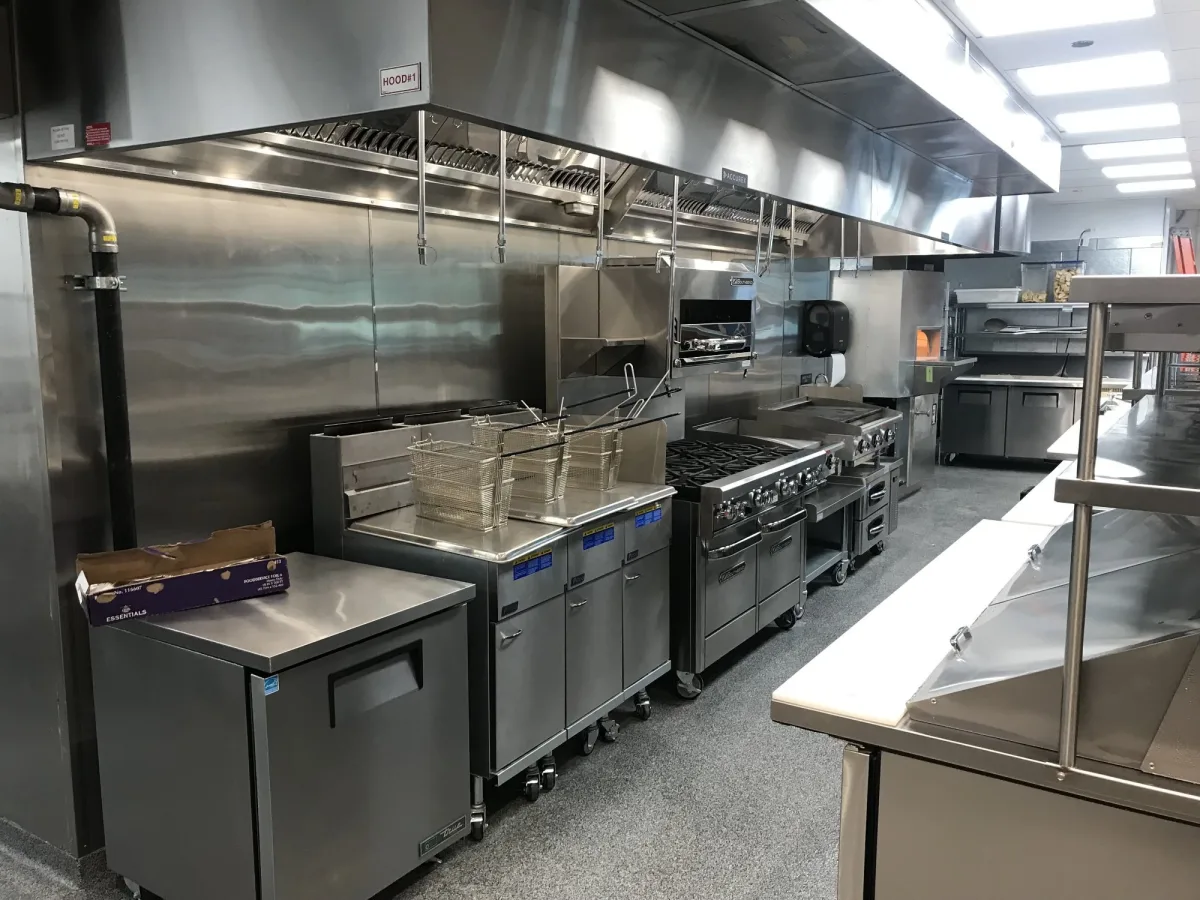
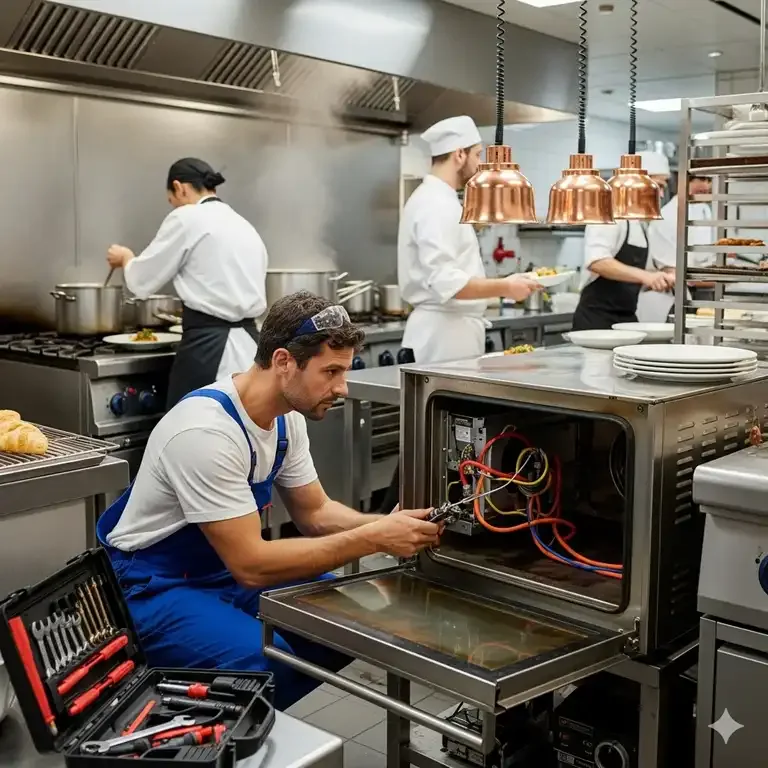
Let me tell you about the first time I walked into a restaurant kitchen that was running on fumes, literally. It was a small bistro in Nashville, not far from where I live now, and the owner, a friend of a friend, had called me in a panic. “Sammy,” he said, “the walk-in just died during dinner service, and now we’re throwing out hundreds of dollars in inventory. Can you help me figure out what else is about to break?”
That night, I learned two things: first, that most restaurant owners don’t realize how close they are to equipment failure until it’s too late, and second, that a proper restaurant equipment audit isn’t just about checking boxes, it’s about protecting your business, your team, and your sanity. I’ve since helped dozens of operators conduct these audits, and I’ve seen firsthand how a systematic approach can save thousands in emergency repairs, prevent health code violations, and even extend the life of your gear by years. If you’re reading this, you’re probably either staring at a spreadsheet full of equipment names you don’t recognize or wondering if that weird noise from the fryer is a sign of impending doom. Either way, you’re in the right place.
Here’s the thing: most guides on this topic treat equipment audits like a one-size-fits-all checklist. But anyone who’s worked in a kitchen knows that no two restaurants are the same. A food truck’s audit looks nothing like a hotel banquet kitchen’s, and a pizzeria’s priorities are worlds away from a sushi bar’s. That’s why I’m not just giving you a generic template, I’m walking you through the why behind each step, the pitfalls to avoid, and the little details that most people overlook. By the end of this, you’ll know how to conduct a restaurant equipment audit that’s tailored to your operation, whether you’re running a 24-hour diner or a pop-up dessert concept. And yes, I’ll even tell you what to do when you find that one piece of equipment that’s been held together by duct tape and hope since the Bush administration.
Why Bother with a Restaurant Equipment Audit?
Before we dive into the how, let’s talk about the why. I get it, audits sound about as exciting as watching paint dry. But here’s the reality: your equipment is the backbone of your operation. When it fails, everything else grinds to a halt. A well-executed audit does more than just identify problems; it helps you:
- Prevent costly breakdowns: A $200 repair today could save you $2,000 in emergency service calls next week.
- Extend equipment lifespan: Regular maintenance can add years to your gear’s life, delaying those painful capital expenditures.
- Improve energy efficiency: A clogged condenser or misaligned burner isn’t just a fire hazard, it’s also wasting money on your utility bills.
- Ensure food safety: Faulty refrigeration or improperly cleaned equipment can lead to health code violations, or worse, customer illness.
- Plan for the future: Knowing what’s on its last legs helps you budget for replacements before you’re scrambling for solutions.
I remember working with a BBQ joint in East Nashville that was convinced their smoker was on its way out. After a thorough audit, we realized the issue wasn’t the smoker at all, it was the ventilation system, which was causing uneven heat distribution. A $500 fix saved them from dropping $15,000 on a new smoker they didn’t need. Stories like that are why I’m such a stickler for these audits. They’re not just about avoiding disasters; they’re about making smarter, more informed decisions for your business.
The Step-by-Step Guide to Conducting Your Restaurant Equipment Audit
1. Gather Your Tools and Documents (Yes, This Matters)
You wouldn’t start a recipe without your mise en place, and you shouldn’t start an audit without your tools. Here’s what you’ll need:
- A comprehensive equipment list (more on how to create this later if you don’t have one)
- Manufacturer manuals (digital or physical, if you’ve lost them, most can be found online with a quick search)
- A flashlight (for peering into dark corners and under equipment)
- A otebook or digital audit template (I’ll share mine later, it’s saved me hours of headaches)
- A multimeter (for checking electrical components, if you’re not comfortable using one, this is where a professional comes in)
- A camera or smartphone (for documenting issues)
- Basic hand tools (screwdrivers, wrenches, etc. you’d be surprised how often you’ll need them)
- Safety gear (gloves, goggles, and non-slip shoes, no heroics here)
Pro tip: If you’re working with a team, assign roles ahead of time. One person can handle documentation, another can focus on physical inspections, and someone else can verify compliance with local health codes. I’ve seen audits derailed because everyone assumed someone else was taking notes. Don’t let that be you.
Now, about that equipment list, if you don’t have one, don’t panic. Start by walking through your kitchen and writing down every piece of equipment you see. Include the make, model, serial number, and purchase date if you have it. If you’re not sure about the model, take a photo of the nameplate (usually on the back or side of the unit) and look it up later. This list will be your roadmap for the entire audit, so take your time with it. Is this the most exciting part of the process? No. But is it the foundation of everything else? Absolutely.
2. Categorize Your Equipment (Because Not All Gear Is Created Equal)
Not all equipment is equally critical to your operation. A broken ice machine is inconvenient; a broken oven is a disaster. That’s why I recommend categorizing your equipment into three tiers:
- Tier 1: Mission-Critical – Equipment that, if it fails, would shut down your operation or severely impact service. Examples: ovens, refrigeration units, fryers, grills, POS systems.
- Tier 2: Important but Replaceable – Equipment that’s necessary but has workarounds or can be temporarily replaced. Examples: blenders, food processors, prep tables, smallwares.
- Tier 3: Non-Essential – Equipment that’s nice to have but not vital to daily operations. Examples: specialty gadgets, decorative items, backup units.
Why does this matter? Because when you’re prioritizing repairs or replacements, you’ll want to focus on Tier 1 first. I’ve seen restaurants waste time and money fixing a broken mixer (Tier 2) while ignoring a failing walk-in compressor (Tier 1). Don’t make that mistake.
Here’s a question I always ask operators: “If this piece of equipment broke right now, how would it affect your ability to serve customers?” If the answer is “We’d have to close,” it’s Tier 1. If the answer is “We’d have to adjust our menu slightly,” it’s Tier 2. If the answer is “We’d barely notice,” it’s Tier 3. Simple, but effective.
3. Conduct a Visual Inspection (The Devil’s in the Details)
This is where the real work begins. A visual inspection isn’t just about looking for obvious damage, it’s about spotting the small signs that something’s about to go wrong. Here’s what to look for, broken down by equipment type:
Refrigeration Units (Walk-ins, Reach-ins, Under-counter Fridges)
- Condenser coils: Are they clean and free of dust? Dirty coils force the unit to work harder, increasing energy costs and shortening its lifespan.
- Door seals (gaskets): Are they intact and sealing properly? A faulty seal lets cold air escape, which can lead to spoilage and higher energy bills. Test this by placing a dollar bill in the door, if it slides out easily, the seal needs replacing.
- Evaporator fans: Are they running smoothly? Listen for unusual noises, which could indicate a failing motor.
- Interior: Is there any frost buildup? This could signal a defrost system issue. Also, check for water pooling, which might indicate a drainage problem.
- Temperature: Use a thermometer to verify the unit is holding the correct temperature. Health codes typically require refrigeration to maintain 41°F (5°C) or below.
Cooking Equipment (Ovens, Ranges, Grills, Fryers)
- Burners and heating elements: Are they lighting properly and heating evenly? Uneven heat can lead to inconsistent cooking and wasted product.
- Gas lines: Check for leaks using a soap and water solution (apply to connections, if bubbles form, you’ve got a leak). Never use an open flame to test for gas leaks.
- Ventilation: Is the hood clean and free of grease buildup? A clogged hood is a fire hazard and can reduce efficiency.
- Thermostats and controls: Are they functioning correctly? Test them by setting the temperature and verifying it with an external thermometer.
- Exterior: Look for signs of wear, rust, or damage. Pay special attention to the feet and casters, if they’re wobbly, the unit might not be level, which can affect performance.
Smallwares and Prep Equipment (Mixers, Slicers, Food Processors)
- Blades and attachments: Are they sharp and free of nicks or cracks? Dull blades can overwork motors and create safety hazards.
- Safety guards: Are they in place and functioning? A missing guard is an OSHA violation waiting to happen.
- Motors: Listen for unusual noises, which could indicate worn bearings or other internal issues.
- Cords and plugs: Check for fraying, exposed wires, or loose connections. These are fire hazards and should be addressed immediately.
I can’t stress this enough: document everything. Take photos of any issues you find, no matter how minor they seem. A small crack in a fryer’s exterior might not seem like a big deal now, but it could be the first sign of a larger problem. Plus, having visual evidence makes it easier to explain issues to repair technicians or justify expenses to your accountant.
One thing I’ve learned the hard way: don’t rush this step. It’s easy to gloss over details when you’re tired or pressed for time, but that’s when mistakes happen. I once missed a tiny gas leak in a client’s range because I was in a hurry. Thankfully, they caught it during their own inspection, but it was a wake-up call. Now, I set aside dedicated time for visual inspections, no distractions, no shortcuts.
4. Test Equipment Functionality (Because Looks Can Be Deceiving)
A piece of equipment might look fine on the outside but be on the verge of failure. That’s why testing functionality is a critical part of the audit. Here’s how to do it:
Refrigeration Testing
- Turn the unit off for 5-10 minutes, then back on. Does it restart smoothly, or does it struggle? A slow restart could indicate a failing compressor.
- Monitor the temperature over 24 hours. Does it hold steady, or does it fluctuate? Fluctuations can signal a thermostat issue or refrigerant leak.
- Check the defrost cycle. Does it activate and deactivate as expected? If not, you might have a faulty defrost timer or heater.
Cooking Equipment Testing
- For gas equipment, light all burners and observe the flames. They should be blue with minimal yellow. Yellow flames indicate incomplete combustion, which can produce carbon monoxide.
- For electric equipment, test all heating elements. Do they heat up quickly and evenly? Slow or uneven heating can signal a failing element or electrical issue.
- For ovens, set the temperature and verify it with an external thermometer. If it’s off by more than 25°F, the thermostat or heating element might need replacing.
- For fryers, heat the oil to the recommended temperature and monitor it. Does it hold steady, or does it drop significantly when food is added? A large temperature drop could indicate a failing heating element or thermostat.
Smallwares Testing
- Run each piece of equipment through a full cycle. Does it operate smoothly, or does it vibrate excessively? Excessive vibration can damage internal components over time.
- Listen for unusual noises. Grinding, squeaking, or rattling can indicate worn bearings, belts, or other internal issues.
- Check for overheating. After running for a few minutes, does the motor or housing feel excessively hot? Overheating can shorten the lifespan of the equipment.
Here’s a pro tip: if you’re not sure how to test a specific piece of equipment, consult the manufacturer’s manual. Most manuals include troubleshooting guides that can help you identify issues. If you’ve lost the manual, a quick online search for the make and model should turn up a digital copy.
I’ll be honest, this part of the audit can be tedious. Testing every piece of equipment takes time, and it’s easy to get impatient. But trust me, it’s worth it. I once worked with a restaurant that skipped functionality testing because they were “too busy.” A week later, their oven thermostat failed during a dinner rush, ruining an entire batch of entrees. Don’t let that be you.
5. Check for Compliance (Because Health Inspectors Don’t Mess Around)
Health and safety compliance isn’t just about avoiding fines, it’s about protecting your customers and your business. During your audit, verify that your equipment meets local health code requirements. Here’s what to look for:
- NSF certification: Most commercial kitchen equipment should be NSF-certified, which means it meets strict standards for cleanliness and safety. Check for the NSF mark on the equipment or in the manual.
- Temperature requirements: Refrigeration units must maintain 41°F (5°C) or below, and hot holding equipment must keep food at 135°F (57°C) or above. Use a thermometer to verify compliance.
- Grease traps: If your kitchen has a grease trap, it should be cleaned and maintained according to local regulations. Check for signs of overflow or buildup.
- Ventilation: Hoods and exhaust systems must be clean and free of grease buildup. Most health codes require professional cleaning every 3-6 months, depending on usage.
- Backflow prevention: If your kitchen has a backflow prevention device (common in water systems), it should be tested annually by a certified professional.
- Fire suppression systems: If your kitchen has a fire suppression system (required in most commercial kitchens), it should be inspected and serviced every 6 months by a licensed professional.
I know what you’re thinking: “Sammy, this sounds like a lot of work.” And you’re right, it is. But here’s the thing: health inspectors don’t care about your excuses. They care about compliance. And if you’re not compliant, you’re risking fines, temporary closures, or even permanent shutdowns. I’ve seen restaurants lose thousands of dollars because they overlooked a simple compliance issue. Don’t let that happen to you.
One more thing: if you’re not sure about a specific requirement, contact your local health department. They’re usually happy to provide guidance, and it’s better to ask questions now than to face penalties later. I’ve found that building a good relationship with your health inspector can make your life a lot easier. They’re not the enemy, they’re there to help you keep your customers safe.
6. Assess Energy Efficiency (Because Your Utility Bills Are Probably Too High)
Energy efficiency isn’t just about saving the planet, it’s about saving money. Commercial kitchens are energy hogs, and inefficient equipment can drive up your utility bills faster than you’d think. During your audit, look for opportunities to improve efficiency. Here’s how:
- Refrigeration:
- Check the door seals. A faulty seal can increase energy consumption by up to 10%.
- Clean the condenser coils. Dirty coils can reduce efficiency by 30% or more.
- Verify the unit is level. An unlevel unit can cause the compressor to work harder, increasing energy use.
- Cooking Equipment:
- Check for gas leaks. Even a small leak can waste hundreds of dollars in gas over time.
- Inspect the burners. Clogged burners can reduce efficiency and increase cooking times.
- Verify the hood is clean and functioning properly. A clogged hood forces the ventilation system to work harder, increasing energy use.
- Lighting:
- Replace incandescent bulbs with LEDs. LEDs use up to 80% less energy and last much longer.
- Install motion sensors in storage areas and restrooms. This ensures lights are only on when needed.
- Water Heaters:
- Check the temperature setting. Most water heaters are set too high, wasting energy. Aim for 120°F (49°C) for handwashing and 140°F (60°C) for dishwashing.
- Insulate the water heater and pipes. This can reduce heat loss by up to 45%.
Here’s a question I always ask: “Is this equipment running longer than it needs to?” For example, do you leave your fryers on all day, even during slow periods? Turning them off when not in use can save hundreds of dollars a year. The same goes for ovens, grills, and even refrigeration units. Every minute of unnecessary runtime adds up.
I’ll admit, I used to think energy efficiency was just for “green” restaurants. But then I ran the numbers for a client and realized they were wasting over $3,000 a year on inefficient equipment. That’s $3,000 that could have gone toward marketing, staff raises, or new menu development. Now, I’m a convert. Energy efficiency isn’t just good for the environment, it’s good for business.
7. Evaluate Maintenance Records (Because History Repeats Itself)
If you’re not keeping maintenance records, you’re flying blind. During your audit, review your maintenance logs (if you have them) to identify patterns or recurring issues. Here’s what to look for:
- Frequency of repairs: Is the same piece of equipment breaking down repeatedly? If so, it might be time to replace it.
- Cost of repairs: Are you spending more on repairs than the equipment is worth? If so, it’s time to cut your losses.
- Preventive maintenance: Are you following the manufacturer’s recommended maintenance schedule? If not, you’re likely shortening the lifespan of your equipment.
- Warranty coverage: Are repairs being done under warranty? If so, make sure you’re documenting them properly to avoid voiding the warranty.
If you don’t have maintenance records, start keeping them now. Create a simple spreadsheet or use a maintenance tracking app to log every repair, no matter how small. Include the date, the issue, the cost, and the technician’s name. Over time, this data will help you make smarter decisions about repairs and replacements.
I know what you’re thinking: “Sammy, I don’t have time to keep records.” I get it, running a restaurant is a 24/7 job, and paperwork is the last thing you want to deal with. But trust me, a few minutes of record-keeping now can save you hours of headaches later. I’ve seen restaurants waste thousands of dollars on unnecessary repairs because they didn’t realize the same issue had been fixed three times in the past year. Don’t let that be you.
One more thing: if you’re working with a repair technician, ask them to provide a written report after each service call. This should include what was done, what parts were replaced, and any recommendations for future maintenance. Keep these reports with your maintenance records, they’re invaluable when it comes time to make repair or replacement decisions.
8. Prioritize Repairs and Replacements (Because You Can’t Fix Everything at Once)
By now, you’ve probably identified a laundry list of issues. Some are minor, some are major, and some are downright terrifying. The next step is to prioritize them. Here’s how I do it:
- Safety first: Any issue that poses a safety hazard (gas leaks, electrical issues, fire hazards) should be addressed immediately. No exceptions.
- Health code violations: If an issue could result in a health code violation, it should be fixed as soon as possible. Again, no exceptions.
- Mission-critical equipment: If a Tier 1 piece of equipment is failing, prioritize it over less critical items. For example, a broken oven should be fixed before a broken blender.
- Cost-benefit analysis: For less critical issues, weigh the cost of the repair against the cost of replacement. If a repair costs more than 50% of the equipment’s value, it’s usually better to replace it.
- Energy efficiency: If an issue is driving up your utility bills, address it sooner rather than later. The savings will often offset the cost of the repair.
Here’s a framework I use to make these decisions:
| Issue | Severity | Cost to Repair | Cost to Replace | Action |
|---|---|---|---|---|
| Gas leak in range | High | $200 | $3,000 | Repair immediately |
| Failing walk-in compressor | High | $1,500 | $8,000 | Repair now, budget for replacement |
| Broken mixer | Medium | $300 | $1,200 | Repair if budget allows, otherwise replace |
| Dirty condenser coils | Low | $50 (DIY) | N/A | Clean as part of regular maintenance |
I’ll be honest, this is the hardest part of the audit. It’s easy to feel overwhelmed by the sheer number of issues, and it’s tempting to put off repairs until “things slow down.” But here’s the thing: things never slow down in this industry. If you wait for a slow period to fix your equipment, you’ll be waiting forever. That’s why prioritization is so important. Focus on the most critical issues first, and tackle the rest as time and budget allow.
One more tip: if you’re not sure whether to repair or replace a piece of equipment, consult a professional. A good repair technician can give you an honest assessment of the equipment’s condition and help you make the best decision for your business. I’ve seen too many operators waste money on repairs for equipment that was beyond saving. Don’t let that be you.
9. Create an Action Plan (Because Knowledge Without Action Is Useless)
You’ve done the hard part, now it’s time to turn your findings into a plan. Here’s how to create an actionable restaurant equipment maintenance plan:
- List all issues: Start by listing every issue you identified during the audit. Include the equipment name, the issue, the severity, and the recommended action (repair, replace, or monitor).
- Prioritize: Use the framework from the previous section to prioritize the issues. Focus on safety, health code compliance, and mission-critical equipment first.
- Assign responsibilities: Who will be responsible for each task? Will you handle it in-house, or will you hire a professional? Make sure everyone knows their role.
- Set deadlines: When will each task be completed? Be realistic, some repairs might take weeks or even months to schedule, especially if parts need to be ordered.
- Budget: How much will each repair or replacement cost? Make sure you have the funds available, or start planning how you’ll finance the work.
- Schedule preventive maintenance: Based on your audit findings, create a preventive maintenance schedule. This should include regular tasks like cleaning condenser coils, checking door seals, and inspecting gas lines.
Here’s a sample action plan:
| Issue | Action | Responsible Party | Deadline | Cost |
|---|---|---|---|---|
| Gas leak in range | Repair | Licensed gas technician | Within 48 hours | $200 |
| Failing walk-in compressor | Repair | HVAC technician | Within 1 week | $1,500 |
| Dirty condenser coils | Clean | In-house staff | Within 1 week | $0 (DIY) |
| Broken mixer | Replace | Owner | Within 2 weeks | $1,200 |
Pro tip: Use a project management tool like Trello, Asana, or even a simple spreadsheet to track your action plan. This makes it easy to update progress, assign tasks, and set reminders. I’ve found that restaurants that use these tools are far more likely to follow through on their plans than those that rely on memory or sticky notes.
One more thing: don’t forget to communicate your plan to your team. Everyone should know what’s being fixed, when, and how it might affect their work. For example, if the walk-in is going to be out of commission for a day, your prep team needs to know so they can adjust their schedules. Transparency is key, no one likes surprises, especially in a kitchen.
10. Schedule Regular Audits (Because This Isn’t a One-Time Thing)
Here’s the thing about equipment audits: they’re not a one-and-done deal. Your kitchen is a living, breathing ecosystem, and things change constantly. That’s why I recommend scheduling regular audits, at least once a year, but preferably every 6 months. Here’s how to make it a habit:
- Set a schedule: Pick a time of year when business is slow (if such a thing exists in your world). For many restaurants, this is January or February, after the holiday rush.
- Assign a point person: Someone on your team should be responsible for coordinating the audit. This could be you, your kitchen manager, or even a trusted staff member.
- Use a template: Create a standard audit template that you can reuse each time. This saves time and ensures consistency.
- Review and adjust: After each audit, review what worked and what didn’t. Were there issues you missed? Did you spend too much time on certain tasks? Use this feedback to improve your process.
I know what you’re thinking: “Sammy, I barely have time to do this once, let alone twice a year.” I get it, time is a precious commodity in this industry. But here’s the thing: regular audits save time in the long run. The more often you do them, the faster and easier they become. And the more familiar you are with your equipment, the quicker you’ll spot issues before they become disasters.
Think of it like this: would you rather spend a few hours every 6 months on an audit, or a few days (or weeks) dealing with the fallout of a major equipment failure? The choice is yours.
One more tip: if you’re really strapped for time, consider hiring a professional to conduct the audit for you. Many restaurant equipment suppliers and repair companies offer audit services, and they can often spot issues that you might miss. It’s an investment, but it can save you money in the long run.
Final Thoughts: The Audit Is Just the Beginning
Let me leave you with this: a restaurant equipment audit isn’t just about fixing what’s broken, it’s about taking control of your kitchen’s future. It’s about making informed decisions, avoiding costly surprises, and ensuring that your equipment is working as hard as you are. When I first started doing these audits, I treated them like a chore. But over time, I’ve come to see them as an opportunity, a chance to step back, assess, and improve.
I’ll be honest: the first time you do this, it’s going to feel overwhelming. You’ll find issues you didn’t know existed, and you’ll realize just how much work needs to be done. But here’s the good news: every audit after that will be easier. You’ll get faster, more efficient, and more confident. And most importantly, you’ll sleep better knowing that your equipment is in good shape.
So here’s my challenge to you: set aside a few hours this week to start your audit. Don’t worry about doing it perfectly, just start. Walk through your kitchen, make a list of your equipment, and check for the most obvious issues. Then, build from there. Before you know it, you’ll have a comprehensive audit under your belt, and you’ll wonder how you ever operated without one.
And hey, if you get stuck or feel overwhelmed, reach out. I’ve been there, and I’m happy to help. After all, we’re all in this together, trying to run better, smarter, more efficient kitchens. Now go forth and audit. Your future self will thank you.
FAQ: Your Restaurant Equipment Audit Questions Answered
Q: How long does a restaurant equipment audit take?
A: It depends on the size of your kitchen and the complexity of your equipment. For a small restaurant, it might take 4-6 hours. For a large commercial kitchen, it could take a full day or more. The key is to break it down into manageable chunks, don’t try to do it all at once. I’ve found that spreading the audit over a few days (or even weeks) makes it less overwhelming and more thorough.
Q: Do I need to hire a professional to conduct the audit?
A: Not necessarily. Many aspects of the audit can be done in-house, especially if you have a basic understanding of your equipment. However, for more technical tasks (like checking gas lines or electrical components), it’s best to hire a professional. If you’re not comfortable with something, don’t risk it, call in an expert. I’ve seen too many operators get hurt or cause further damage by trying to DIY something they weren’t qualified to handle.
Q: How often should I conduct a restaurant equipment audit?
A: I recommend conducting a full audit at least once a year, but ideally every 6 months. In addition, you should perform smaller, focused audits (like checking refrigeration temperatures or cleaning condenser coils) on a monthly or quarterly basis. Regular audits help you catch issues early and keep your equipment running smoothly. Think of it like going to the dentist, you don’t wait until you have a cavity to get a checkup. The same goes for your equipment.
Q: What’s the most common issue you find during audits?
A: Hands down, the most common issue is dirty condenser coils in refrigeration units. It’s such a simple thing to fix, but so many operators overlook it. Dirty coils force the unit to work harder, increasing energy costs and shortening its lifespan. The fix? A simple cleaning with a coil brush or vacuum. It takes 10 minutes and can save you hundreds of dollars a year. I can’t tell you how many times I’ve seen restaurants spend thousands on new equipment when all they needed was a good cleaning.
@article{how-to-conduct-a-restaurant-equipment-audit-a-step-by-step-guide-for-operators-who-want-to-save-money-and-avoid-downtime,
    title   = {How to Conduct a Restaurant Equipment Audit: A Step-by-Step Guide for Operators Who Want to Save Money and Avoid Downtime},
    author  = {Chef's icon},
    year    = {2026},
    journal = {Chef's Icon},
    url     = {https://chefsicon.com/how-to-conduct-restaurant-equipment-audit-step-by-step/}
}