The Best Fluffy Pancakes recipe you will fall in love with. Full of tips and tricks to help you make the best pancakes.
The Hidden Ingredient: How Mental Health Impacts Restaurant Staff Productivity
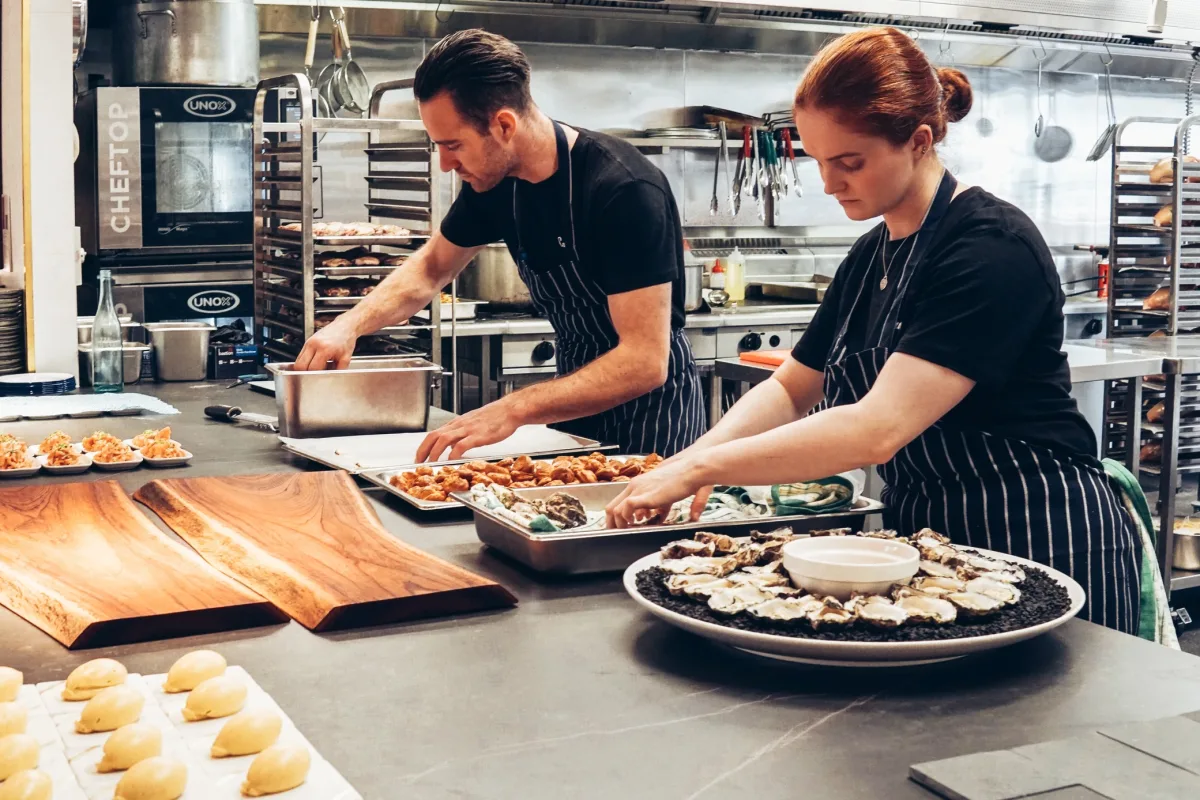
Let me tell you about the night I almost walked out of my own kitchen. It was a Friday service at a high-volume Nashville hotspot where I was consulting, and the dining room was packed with tourists and locals alike. The expediter called out orders faster than the line could plate them, tickets were piling up like dirty dishes, and the sous chef, normally unflappable, snapped at a prep cook for misplacing the mise en place. I watched as one of our best servers, usually the picture of professionalism, rolled her eyes so hard I thought they might stick that way. The energy in that kitchen wasn’t just tense; it was toxic, and the food? Well, let’s just say the normally impeccable risotto came out mushy, and the steaks were overcooked. That night, the restaurant lost more than just a few unhappy customers, it lost a piece of its soul.
But here’s the thing: this wasn’t an isolated incident. It’s happening in kitchens, bars, and dining rooms across the country, every single night. The restaurant industry is notorious for its high-pressure environment, long hours, and razor-thin margins, but what’s often overlooked is how deeply mental health impacts restaurant staff productivity. And I’m not just talking about the occasional bad day or a rough shift. I’m talking about the chronic stress, anxiety, and burnout that eat away at your team’s performance, creativity, and even their physical health. If you’re a restaurant owner, manager, or even a line cook reading this, ask yourself: How much is poor mental health costing your business? And more importantly, what can you actually do about it?
In this article, we’re going to dive deep into the intersection of mental health and productivity in the restaurant world. We’ll explore the psychological toll of kitchen culture, the hidden costs of ignoring mental health, and the practical, actionable steps you can take to create a healthier, more productive work environment. This isn’t just about feel-good fluff, it’s about protecting your bottom line, retaining your best talent, and, frankly, treating your team like human beings instead of cogs in a machine. So, let’s get into it. But first, I have to admit something: I’m not a therapist, and I don’t have all the answers. What I do have is years of experience in this industry, a lot of conversations with people who’ve been broken by it, and a growing sense that we can’t keep doing things the way we’ve always done them. Is this the best approach? Let’s consider it a starting point.
The Kitchen as a Pressure Cooker: Why Restaurant Work Is So Damn Hard on Mental Health
The Brutal Reality of Restaurant Hours and Work-Life Imbalance
Let’s start with the obvious: restaurant work is exhausting. I don’t just mean physically, though anyone who’s spent 12 hours on their feet in a hot kitchen knows that pain, but mentally and emotionally. The hours are brutal. Split shifts, late nights, early mornings, and working weekends and holidays when everyone else is off? That’s not just a schedule; it’s a lifestyle that grinds people down. And it’s not just the hours themselves; it’s the lack of consistency. One week you’re closing until 2 AM, the next you’re opening at 6 AM. Your body never gets into a rhythm, and your personal life? Well, good luck planning anything when your days off are Tuesday and Wednesday, and your friends are all at work.
I remember talking to a line cook in San Francisco who told me he hadn’t seen his girlfriend in three days because their schedules never aligned. She worked a 9-to-5, and he was on the night shift. They’d pass each other like ships in the night, leaving notes on the fridge. That’s not a relationship; that’s a logistical nightmare. And it’s not just romantic relationships that suffer. Friendships, family time, even basic self-care, all of it takes a backseat to the demands of the job. How can you prioritize your mental health when your job demands that you prioritize everything else first?
But here’s the thing: it’s not just about the hours. It’s about what those hours do to your brain. Studies have shown that irregular sleep patterns and chronic sleep deprivation, both common in the restaurant industry, can lead to increased anxiety, depression, and even cognitive impairment. Your brain needs consistency to function at its best, and when you’re constantly shifting between day and night shifts, it’s like you’re in a perpetual state of jet lag. Now, imagine trying to plate a dish with that kind of mental fog. It’s no wonder mistakes happen.
The Culture of Silence: Why No One Talks About Mental Health in Kitchens
If you’ve ever worked in a restaurant, you know the unspoken rule: suck it up. The kitchen is a place of toughness, resilience, and, let’s be honest, a fair amount of machismo. There’s this idea that if you can’t handle the heat, you should get out of the kitchen. But what if the heat isn’t just the physical temperature, what if it’s the emotional and psychological pressure that comes with the job? What if the real test isn’t whether you can chop onions fast enough, but whether you can keep your sanity while doing it?
I’ve seen chefs break down in walk-in coolers, servers cry in the bathroom, and bartenders numb themselves with whatever they can get their hands on just to make it through another shift. And yet, no one talks about it. Why? Because there’s this culture of silence around mental health in the restaurant industry. Admitting you’re struggling feels like admitting you’re weak, and in an environment where weakness can get you fired, no one wants to take that risk. So, people bottle it up, put on a brave face, and keep pushing until they can’t anymore.
But here’s the problem: suppressing emotions doesn’t make them go away. It just makes them fester. And when those emotions finally bubble up, whether it’s in the form of a meltdown, a mistake, or just plain exhaustion, they’re often worse than if they’d been addressed in the first place. I’ve seen talented chefs walk out mid-service because they couldn’t take it anymore. I’ve seen servers snap at customers because they were running on fumes. And I’ve seen managers burn out because they were too afraid to ask for help. This culture of silence isn’t just bad for mental health; it’s bad for business.
So, how do we break the cycle? How do we create an environment where people feel safe talking about their struggles without fear of judgment or repercussions? It’s not going to happen overnight, but it starts with ormalizing the conversation. It starts with leaders, chefs, managers, owners, being vulnerable enough to say, “Hey, I’m struggling too.” Because if the people at the top can admit they’re not okay, maybe the people at the bottom will feel like they can too.
The Financial and Emotional Cost of Turnover
Let’s talk about turnover. The restaurant industry has one of the highest turnover rates of any sector, with some estimates putting it as high as 75% annually. That means that, on average, three out of every four people who work in your restaurant won’t be there a year from now. And while some of that is just the nature of the beast, people move on, life happens, much of it is due to burnout, stress, and poor mental health.
Now, I know what you’re thinking: “Turnover is just part of the industry. People come and go.” And yeah, to some extent, that’s true. But here’s the thing: turnover is expensive. Really expensive. Think about it: every time someone quits, you have to advertise the position, interview candidates, train the new hire, and deal with the productivity dip while they get up to speed. Some estimates suggest that replacing a single employee can cost anywhere from 16% to 213% of their annual salary, depending on the role. For a line cook making $30,000 a year, that’s anywhere from $4,800 to $63,900. And that’s just for one person. Multiply that by the number of people who leave your restaurant in a year, and you’re looking at a massive financial drain.
But the cost isn’t just financial. It’s emotional too. High turnover creates a culture of instability. When people are constantly coming and going, it’s hard to build camaraderie, trust, or a sense of teamwork. And when your team doesn’t feel connected, they’re less likely to go the extra mile for each other, or for your customers. I’ve seen restaurants where the staff is so transient that no one even bothers learning each other’s names. How can you expect people to work together effectively when they don’t even know who they’re working with?
And let’s not forget the customer experience. Customers notice when your staff is unhappy or disengaged. They notice when servers are slow, when food comes out wrong, or when the energy in the room feels off. And in an industry where word-of-mouth and online reviews can make or break you, that’s a risk you can’t afford to take. So, if you’re not addressing mental health in your restaurant, you’re not just hurting your team, you’re hurting your business.
The Ripple Effect: How Mental Health Impacts Every Aspect of Restaurant Operations
From the Line to the Dining Room: How Stress Spreads Like Wildfire
Have you ever noticed how one person’s bad mood can ruin an entire shift? It’s like a virus. One person snaps at another, tensions rise, and before you know it, the whole team is on edge. In a restaurant, where teamwork is everything, that kind of negativity can be disastrous. A server who’s stressed out might rush through orders, leading to mistakes. A line cook who’s overwhelmed might cut corners, leading to inconsistent food. And a manager who’s burned out might fail to notice when something’s going wrong, until it’s too late.
I’ve seen it happen more times than I can count. A chef de partie is having a rough day, so they take it out on the commis. The commis, now flustered, messes up the mise en place. The expediter, frustrated, starts yelling. The servers, hearing the commotion, get anxious and start rushing their tables. And the customers? They feel it. They might not know what’s going on, but they can sense the tension. And that’s the thing about stress: it’s contagious. It spreads from person to person, from the kitchen to the dining room, and ultimately, to your customers.
But here’s the flip side: positivity is contagious too. I’ve worked in kitchens where the energy was electric, not because everything was perfect, but because the team had each other’s backs. When one person was struggling, someone else stepped in to help. When mistakes happened, they were met with encouragement, not criticism. And when the shift was over, people stuck around to decompress together. Those were the kitchens where the food was good, the service was smooth, and the customers left happy. Coincidence? I don’t think so.
So, how do you create that kind of environment? It starts with awareness. Pay attention to the energy in your kitchen. If you notice someone’s having a rough day, check in with them. If tensions are high, take a step back and reset. And most importantly, lead by example. If you’re stressed out and snapping at people, your team will follow suit. But if you’re calm, supportive, and solution-oriented, they’ll mirror that too.
The Cost of Mistakes: When Mental Fatigue Leads to Errors
Let’s talk about mistakes. In the restaurant industry, mistakes are inevitable. No matter how skilled your team is, no matter how well-oiled your kitchen is, things will go wrong. But here’s the thing: ot all mistakes are created equal. Some are minor, a forgotten side dish, a misplaced fork, and some are major, a foodborne illness, a fire, a customer having an allergic reaction. And while you can’t eliminate mistakes entirely, you can reduce their frequency and severity by addressing the root cause: mental fatigue.
When your team is stressed, anxious, or burned out, their cognitive function takes a hit. Their focus narrows, their reaction time slows, and their decision-making becomes impaired. It’s like they’re operating on autopilot, going through the motions without really thinking about what they’re doing. And in a high-pressure environment like a restaurant, that’s a recipe for disaster. A line cook who’s mentally exhausted might forget to label a gluten-free dish, leading to a customer getting sick. A server who’s overwhelmed might mix up orders, leading to food waste and unhappy customers. A bartender who’s running on fumes might overpour drinks, cutting into your profits.
I’ve seen it happen in my own kitchen. One night, during a particularly busy service, one of our line cooks forgot to check the temperature of a batch of chicken. Normally, that’s a cardinal sin-one that could have serious consequences. Luckily, the expediter caught it before it went out, but it was a wake-up call. That cook wasn’t careless; he was exhausted. He’d been working doubles for a week, and his mental reserves were depleted. And he’s not alone. Studies have shown that fatigue impairs performance as much as alcohol. Would you let your team work drunk? Of course not. So why are we letting them work exhausted?
But here’s the thing: mistakes aren’t just a productivity issue, they’re a safety issue. In the restaurant industry, where food safety is paramount, mental fatigue can have serious consequences. A tired cook might forget to wash their hands. A stressed-out server might ignore a customer’s allergy. A burned-out manager might overlook a health code violation. And the cost of those mistakes? It’s not just a bad Yelp review. It’s lawsuits, fines, and even the loss of your business.
So, what’s the solution? It starts with recognizing the signs of mental fatigue. If your team is making more mistakes than usual, if they’re slower to react, or if they seem disengaged, it might not be because they’re lazy or incompetent. It might be because they’re mentally drained. And the fix isn’t to crack the whip and demand better performance. It’s to give them the support they need to recharge.
The Domino Effect: How One Person’s Burnout Affects the Whole Team
Burnout isn’t just an individual problem, it’s a team problem. When one person burns out, it doesn’t just affect their performance; it affects everyone around them. Think of it like a domino effect. One person’s burnout leads to increased workload for everyone else, which leads to more stress, more mistakes, and more burnout. It’s a vicious cycle, and once it starts, it’s hard to stop.
I’ve seen it happen in restaurants I’ve worked in. A chef burns out and quits, leaving the rest of the team to pick up the slack. The line cooks, already stretched thin, start making mistakes. The servers, overwhelmed by the chaos in the kitchen, start falling behind. The manager, trying to hold everything together, starts micromanaging, which only adds to the stress. And before you know it, the whole team is on the verge of collapse. It’s like a house of cards-pull one piece out, and the whole thing comes tumbling down.
But here’s the thing: burnout doesn’t happen overnight. It’s a slow burn, a gradual erosion of energy, motivation, and passion. And it’s often invisible until it’s too late. That’s why it’s so important to pay attention to the warning signs. Is someone on your team withdrawing from social interactions? Are they more irritable than usual? Are they making more mistakes or taking longer to complete tasks? These are all red flags that burnout might be on the horizon.
So, what can you do to prevent it? First, check in with your team regularly. Ask them how they’re doing, not just about work, but about life. Show them that you care about them as people, not just as employees. Second, encourage work-life balance. Make sure your team is taking their days off, and don’t expect them to be available 24/7. Third, provide resources for mental health support. Whether it’s access to therapy, mindfulness training, or just a quiet space to decompress, give your team the tools they need to take care of their mental health. And finally, lead by example. If you’re burned out, your team will be too. Take care of yourself, and they’ll follow suit.
Breaking the Cycle: Practical Steps to Improve Mental Health in Your Restaurant
Fostering Open Communication: Creating a Safe Space for Honest Conversations
Let’s be real: talking about mental health in a restaurant is hard. It’s an industry built on toughness, resilience, and, let’s face it, a fair amount of ego. But if you want to create a healthier, more productive work environment, you have to break the silence. You have to create a space where people feel safe talking about their struggles without fear of judgment or repercussions. And that starts with open communication.
But how do you do that? How do you get a team of chefs, servers, and line cooks, many of whom have been conditioned to “suck it up”-to open up about their mental health? It’s not easy, but it’s not impossible either. It starts with ormalizing the conversation. Talk about mental health openly and honestly, not just when something goes wrong, but as part of your regular routine. Make it clear that it’s okay to not be okay, and that asking for help is a sign of strength, not weakness.
One thing I’ve found helpful is regular check-ins. Not just the perfunctory “How’s it going?” at the start of a shift, but real, meaningful conversations. Ask your team how they’re really doing. Listen to their answers. And if someone seems like they’re struggling, don’t just brush it off. Follow up. Ask if they need support. And most importantly, don’t judge. Mental health is a sensitive topic, and if people feel like they’re going to be criticized or punished for being honest, they’ll shut down.
Another thing you can do is create anonymous feedback channels. Not everyone is comfortable talking about their mental health face-to-face, and that’s okay. Give your team a way to share their thoughts and concerns anonymously, whether it’s through a suggestion box, an online form, or a third-party survey. And when you get feedback, act on it. If multiple people are saying they’re feeling burned out, don’t just ignore it. Take it seriously, and look for ways to address the issue.
But here’s the thing: open communication isn’t just about talking, it’s about listening. And listening isn’t just about hearing the words; it’s about understanding the emotions behind them. If someone on your team says they’re feeling overwhelmed, don’t just tell them to “toughen up.” Ask them what they need. Maybe they need a break. Maybe they need more support. Maybe they need to talk to someone. Whatever it is, meet them where they are. Because if you want your team to be open with you, you have to be open with them too.
Implementing Mental Health Resources: From Therapy to Mindfulness
Okay, so you’ve started the conversation. You’ve created a safe space for your team to talk about their mental health. Now what? Well, now it’s time to give them the tools they need to take care of it. Because talking about mental health is important, but it’s not enough. You have to back it up with action.
One of the best things you can do is provide access to mental health resources. And I’m not just talking about a pamphlet in the break room. I’m talking about real, tangible support. Things like:
- Employee Assistance Programs (EAPs): These are confidential counseling services that employees can access for free or at a reduced cost. They can help with everything from stress and anxiety to relationship issues and financial problems. And the best part? They’re completely confidential, so your team doesn’t have to worry about their boss finding out.
- Therapy stipends: If your budget allows, consider offering a stipend for therapy sessions. Even a small amount, say, $50 a month, can make a big difference. It shows your team that you value their mental health, and it gives them the financial support they need to get help.
- Mindfulness and meditation training: Mindfulness isn’t just a buzzword, it’s a proven tool for reducing stress and improving mental health. Consider bringing in a mindfulness coach for a workshop, or offering subscriptions to apps like Headspace or Calm. Even just a few minutes of meditation a day can make a big difference in how your team handles stress.
- Peer support groups: Sometimes, the best support comes from people who understand what you’re going through. Consider setting up a peer support group where your team can talk about their experiences, share coping strategies, and support each other. It’s a great way to build camaraderie and reduce feelings of isolation.
- Mental health days: Everyone needs a break sometimes, and that includes mental health days. Encourage your team to take time off when they need it, and make it clear that it’s okay to do so. A day or two away from work can make a huge difference in someone’s mental state.
But here’s the thing: resources are only helpful if people use them. And in an industry where people are often too busy or too proud to ask for help, that can be a challenge. So, how do you encourage your team to take advantage of these resources? It starts with ormalizing their use. Talk about them openly. Share your own experiences with therapy or mindfulness. And most importantly, lead by example. If your team sees you prioritizing your mental health, they’ll be more likely to do the same.
I remember when I first started offering therapy stipends at one of the restaurants I consulted for. At first, no one took me up on it. People were skeptical. They didn’t want to admit they needed help, or they didn’t think it would make a difference. But then, one of our line cooks, someone who’d been struggling with anxiety for years, decided to give it a try. A few weeks later, he came to me and said, “I didn’t realize how much I needed this.” That was all it took. Suddenly, other people started signing up. And within a few months, the energy in the kitchen had completely changed. People were happier, more focused, and more productive. It was like a weight had been lifted.
Rethinking Scheduling: How Better Shift Management Can Reduce Stress
Let’s talk about scheduling. Because if there’s one thing that drives restaurant workers crazy, it’s inconsistent, unpredictable, and downright brutal schedules. Split shifts, clopens (closing one night and opening the next), and last-minute changes are all too common in this industry. And while they might seem like a necessary evil, they’re actually a major contributor to stress, burnout, and poor mental health.
Think about it: how can you plan your life when your schedule changes every week? How can you make time for your family, your friends, or even just yourself when you’re constantly at the mercy of your manager’s whims? How can you prioritize your mental health when you’re working 60-hour weeks with no end in sight? The answer is simple: you can’t. And that’s a problem, not just for your team, but for your business.
So, what’s the solution? It starts with rethinking how you schedule your team. Here are a few things to consider:
- Consistency is key: Whenever possible, give your team consistent schedules. If someone is a closer, let them close every night. If someone is an opener, let them open every morning. Consistency makes it easier for your team to plan their lives, and it reduces the stress of constantly adjusting to new routines.
- Avoid clopens: Closing one night and opening the next is a recipe for burnout. It doesn’t give your team enough time to rest, and it makes it nearly impossible for them to maintain a healthy work-life balance. If you have to schedule clopens, try to limit them to once a week, and give your team plenty of notice.
- Give advance notice: Nothing is more stressful than not knowing when you’re working. Give your team their schedules at least two weeks in advance, and avoid last-minute changes whenever possible. If you have to make a change, give your team as much notice as you can, and be willing to work with them to find a solution.
- Respect days off: Everyone needs a break, and that includes your team. Respect their days off, and don’t expect them to be available 24/7. If someone is on vacation, let them actually be on vacation. Don’t call them in for a shift, and don’t expect them to check their email or respond to texts. They need that time to recharge, and your business will be better for it.
- Use scheduling software: There are plenty of tools out there, like 7shifts, Homebase, or When I Work-that can help you create fair, consistent schedules. These tools can also help you track overtime, manage time-off requests, and communicate with your team. And the best part? They make scheduling a lot easier for you too.
But here’s the thing: scheduling isn’t just about logistics, it’s about respect. When you give your team consistent, predictable schedules, you’re showing them that you value their time and their well-being. And when you respect their days off, you’re showing them that you care about their lives outside of work. That kind of respect goes a long way in building a happy, healthy, and productive team.
I’ve seen the difference that better scheduling can make. At one restaurant I worked with, we switched from a chaotic, last-minute scheduling system to a more structured approach. We gave our team consistent schedules, avoided clopens, and used scheduling software to streamline the process. The result? Less stress, less burnout, and a happier team. And the best part? Our productivity actually improved. People were more focused, more engaged, and more willing to go the extra mile. It was a win-win for everyone.
Building a Supportive Culture: Leadership’s Role in Mental Health
Let’s talk about leadership. Because if you want to create a healthier, more productive work environment, it starts at the top. As a leader, whether you’re a chef, a manager, or an owner, you set the tone for your entire team. Your attitude, your behavior, and your priorities shape the culture of your restaurant. And if you want that culture to be supportive, inclusive, and mentally healthy, you have to lead by example.
But what does that look like in practice? It starts with empathy. You have to understand that your team is made up of human beings, not machines. They have lives outside of work. They have struggles, fears, and insecurities. And they need to know that you see them, that you care about them, and that you’re there to support them. That means checking in with them regularly, listening to their concerns, and taking action when something’s wrong.
It also means being vulnerable. I know, I know, vulnerability isn’t exactly a trait that’s celebrated in the restaurant industry. But if you want your team to open up about their mental health, you have to be willing to do the same. Share your own struggles. Talk about the times you’ve felt overwhelmed, anxious, or burned out. Show them that it’s okay to not be okay, and that asking for help is a sign of strength, not weakness. When you lead with vulnerability, you give your team permission to do the same.
But empathy and vulnerability aren’t enough. You also have to walk the walk. That means prioritizing mental health in your policies, your procedures, and your day-to-day operations. It means offering mental health resources, encouraging work-life balance, and creating a safe space for open communication. And it means holding yourself and your team accountable for creating a supportive, inclusive culture.
I’ve seen what happens when leaders prioritize mental health. At one restaurant I consulted for, the chef was notorious for his temper and his unrealistic expectations. The kitchen was a pressure cooker, and the turnover rate was through the roof. But then, something changed. The chef started going to therapy. He started talking openly about his struggles with anxiety and depression. And he started leading with empathy. He checked in with his team regularly. He encouraged them to take breaks. He even started offering mental health days. And the result? The kitchen became a healthier, happier, and more productive place. People stuck around. Mistakes decreased. And the food? It got better too.
But here’s the thing: culture change doesn’t happen overnight. It takes time, effort, and a lot of patience. And it’s not always easy. There will be setbacks. There will be resistance. And there will be times when you feel like you’re not making a difference. But if you stay the course, if you keep prioritizing mental health, and if you keep leading with empathy and vulnerability, you will see results. And those results will be worth it.
The Bottom Line: Why Investing in Mental Health Is Good for Business
Let’s get real for a second: running a restaurant is hard. The margins are thin, the competition is fierce, and the pressure is relentless. And in an environment like that, it’s easy to see mental health as a luxury-something nice to have, but not essential. But here’s the thing: mental health isn’t a luxury, it’s a necessity. And if you want your restaurant to succeed, you have to prioritize it.
Because here’s the bottom line: investing in mental health is good for business. It’s not just about making your team happier (though that’s important too). It’s about protecting your bottom line. It’s about reducing turnover, improving productivity, and creating a better customer experience. And it’s about building a sustainable, successful business that people actually want to work for.
Think about it: when your team is mentally healthy, they’re more focused, more engaged, and more productive. They make fewer mistakes. They work better together. And they’re more likely to go the extra mile for your customers. That means better food, better service, and happier customers. And happy customers? They come back. They tip well. And they tell their friends. That’s the kind of word-of-mouth marketing you can’t buy.
But it’s not just about the short-term gains. It’s about the long-term sustainability of your business. High turnover is expensive. Mistakes are costly. And a toxic work environment? That’s a recipe for disaster. But when you invest in mental health, you’re investing in your team. You’re investing in their loyalty, their productivity, and their well-being. And that’s an investment that pays off-not just in dollars and cents, but in the kind of culture that attracts and retains the best talent.
So, where do you start? It’s not as complicated as you might think. Start small. Check in with your team. Listen to their concerns. Offer support. And most importantly, lead by example. Show them that mental health matters, and that you’re committed to creating a healthier, happier work environment. Because at the end of the day, that’s what it’s all about: creating a place where people want to work, where they feel valued, and where they can thrive-both personally and professionally.
Is this the best approach? I don’t know. But I do know this: the restaurant industry is changing. The old ways of doing things, long hours, toxic cultures, and a “suck it up” mentality, aren’t sustainable. And if you want your business to survive, let alone thrive, you have to change with it. You have to prioritize mental health. Because at the end of the day, your team is your most valuable asset. And if you want them to take care of your business, you have to take care of them.
FAQ
Q: How can I tell if my restaurant staff is struggling with mental health issues?
A: Look for signs like increased irritability, withdrawal from social interactions, frequent mistakes, tardiness, or a noticeable drop in productivity. You might also notice changes in their appearance, like fatigue or weight fluctuations. The key is to pay attention to behavioral changes and create a safe space for them to talk about what they’re going through. If you’re unsure, a simple check-in, like “Hey, I’ve noticed you’ve seemed a little off lately. Everything okay?”-can go a long way.
Q: What are some low-cost ways to support my team’s mental health?
A: You don’t need a big budget to make a difference. Start with open communication: encourage your team to talk about their struggles and listen without judgment. Offer flexible scheduling when possible, and respect their days off. You can also create a quiet space in the restaurant where staff can take a few minutes to decompress. Other low-cost ideas include organizing team-building activities, providing access to free mental health resources (like apps or online support groups), and simply leading by example-showing your team that it’s okay to prioritize self-care.
Q: How do I address mental health without overstepping boundaries?
A: It’s a delicate balance, but the key is to focus on support, not diagnosis. You’re not a therapist, and you shouldn’t try to be. Instead, approach the conversation with empathy and curiosity. For example, instead of saying, “You seem depressed,” try, “I’ve noticed you’ve been quieter than usual. Is there anything you’d like to talk about?” Offer resources, like an EAP or therapy stipend, but don’t pressure anyone to use them. And most importantly, respect their privacy. If someone opens up to you, keep their confidence unless you’re concerned for their safety.
Q: What if my staff doesn’t want to talk about mental health?
A: Not everyone is comfortable talking about their mental health, and that’s okay. The goal isn’t to force anyone to open up; it’s to create an environment where they feel safe doing so if they choose. Start by normalizing the conversation, talk about mental health openly, share your own experiences, and make it clear that it’s okay to not be okay. You can also offer anonymous feedback channels, like a suggestion box or an online form, where staff can share their thoughts without fear of judgment. And remember: actions speak louder than words. If you want your team to prioritize their mental health, show them that you do too.
@article{the-hidden-ingredient-how-mental-health-impacts-restaurant-staff-productivity-and-what-you-can-do-about-it,
    title   = {The Hidden Ingredient: How Mental Health Impacts Restaurant Staff Productivity (And What You Can Do About It)},
    author  = {Chef's icon},
    year    = {2026},
    journal = {Chef's Icon},
    url     = {https://chefsicon.com/how-mental-health-impacts-restaurant-staff-productivity/}
}