The Best Fluffy Pancakes recipe you will fall in love with. Full of tips and tricks to help you make the best pancakes.
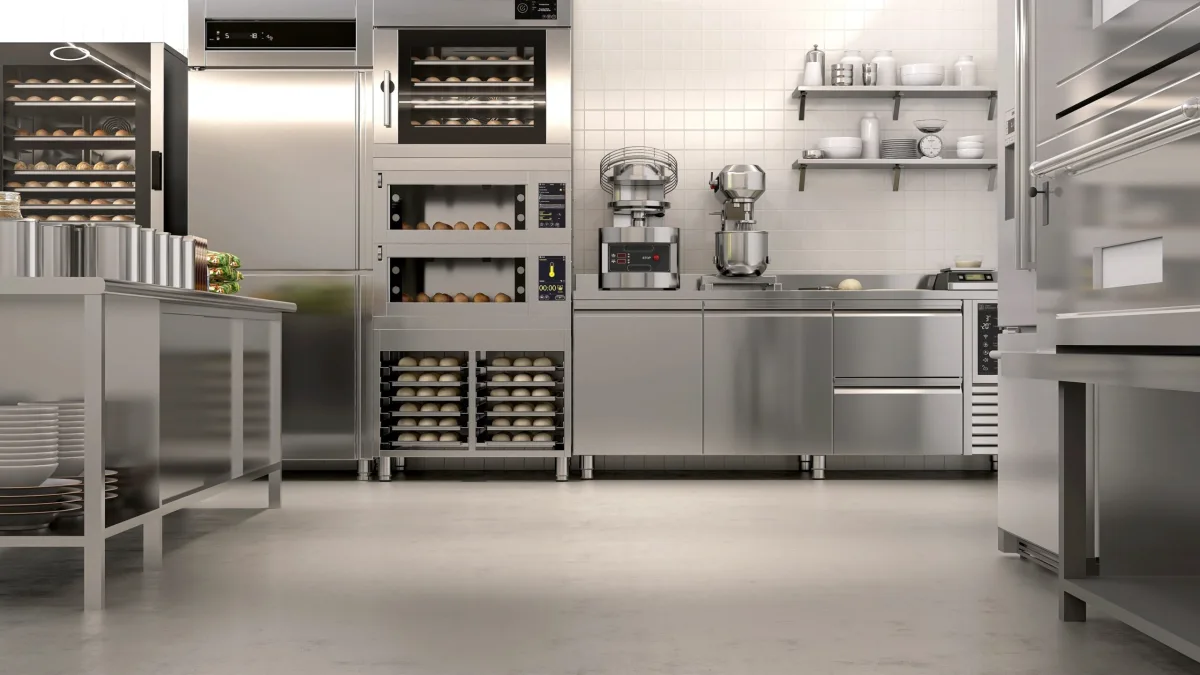
How Commercial Kitchens Can Prevent Salmonella Outbreaks: Because No One Wants a Side of Food Poisoning
Let me tell you about the time I nearly ruined a friend’s wedding. Not with a drunken speech or a terrible DJ set, no, I almost took down half the guest list with a poorly handled batch of chicken salad. It was 2018, and I was helping a buddy cater his sister’s rehearsal dinner. Everything was going smoothly until I realized, mid-service, that the chicken I’d prepped the night before hadn’t been cooled properly. My stomach dropped. I knew the risks, but in the chaos of last-minute adjustments, I’d cut corners. Thankfully, we caught it in time (and swapped in a backup batch), but that night haunts me. It’s why I’m writing this now, because preventing Salmonella outbreaks in commercial kitchens isn’t just about following rules. It’s about understanding the stakes, the science, and the small, often-overlooked habits that can make or break your reputation.
If you’re running a commercial kitchen, you already know that foodborne illnesses like Salmonella are the silent assassins of the industry. One slip-up, and suddenly you’re dealing with sick customers, health inspections, lawsuits, and a PR nightmare that can tank your business. But here’s the thing: preventing Salmonella isn’t rocket science. It’s about systems, consistency, and a little bit of paranoia. In this guide, I’ll walk you through the practical, no-BS steps to keep your kitchen safe, from the moment ingredients arrive to the second food leaves your hands. We’ll cover everything: temperature control, cross-contamination, employee training, equipment maintenance, and even how to handle those inevitable moments when things go sideways. Because let’s be real, no kitchen is perfect, but the best ones know how to recover before disaster strikes.
So, why should you trust me? I’ve spent the last decade working in and around commercial kitchens, first as a line cook, then as a consultant for restaurants and catering companies, and now as someone who writes about food safety for a living. I’ve seen what works (and what doesn’t), and I’ve talked to chefs, health inspectors, and microbiologists to get the full picture. This isn’t just theory; it’s the stuff that keeps kitchens running smoothly when the dinner rush hits. By the end of this, you’ll have a clear, actionable plan to prevent Salmonella outbreaks in your kitchen, without driving yourself (or your staff) crazy. Let’s dive in.
The Cold Hard Truth About Salmonella in Commercial Kitchens
What Is Salmonella, and Why Should You Care?
Salmonella is a type of bacteria that causes one of the most common foodborne illnesses in the U.S. We’re talking about roughly 1.35 million infections, 26,500 hospitalizations, and 420 deaths every year, according to the CDC. And here’s the kicker: the vast majority of those cases originate in commercial kitchens, restaurants, and food service operations. It’s not just a health risk, it’s a business risk. A single outbreak can cost a restaurant hundreds of thousands of dollars in legal fees, lost revenue, and reputational damage. Some never recover.
But what exactly is Salmonella? It’s a sneaky little bug that thrives in raw poultry, eggs, meat, and even some produce. It can survive on surfaces, in water, and in food that hasn’t been cooked or stored properly. The symptoms, fever, diarrhea, vomiting, and abdominal cramps, usually kick in 6 hours to 6 days after exposure and can last for days. For most people, it’s miserable but not life-threatening. For kids, the elderly, and folks with weakened immune systems, it can be deadly. And here’s the part that should keep every kitchen manager up at night: Salmonella can spread even if the food looks, smells, and tastes fine. That’s right, your perfectly seared chicken breast could be a ticking time bomb.
So, how does it get into your kitchen? The usual suspects: contaminated ingredients, poor personal hygiene, cross-contamination, and improper cooking or storage temperatures. But here’s where it gets tricky. Salmonella isn’t just about the obvious mistakes, like leaving raw chicken on the counter for hours. It’s about the small, cumulative errors that add up over time, the unwashed hands, the knife used for raw meat that’s then used for veggies, the fridge that’s set to 45°F instead of 40°F. These are the things that don’t seem like a big deal in the moment but can snowball into a full-blown outbreak.
I remember talking to a chef in Nashville who’d been through a Salmonella scare. His restaurant had been serving a popular chicken dish for years without issue, until one day, a batch of undercooked thighs slipped through. Within 48 hours, they had a dozen sick customers and a health inspector at the door. The worst part? It wasn’t even his fault, it was a new line cook who’d misread the thermometer. But that’s the thing about food safety: it’s not about blame. It’s about systems. And if your systems aren’t airtight, you’re playing Russian roulette with your customers’ health.
The Real Cost of a Salmonella Outbreak (Spoiler: It’s Not Just Fines)
When I ask kitchen managers about the risks of a Salmonella outbreak, most of them immediately think of health code violations and fines. And yeah, those are bad. Fines can range from a few hundred dollars to tens of thousands, depending on the severity of the violation. But here’s what they’re not thinking about: the hidden costs that can cripple a business long after the health inspector leaves.
First, there’s the reputational damage. In the age of Yelp and Google Reviews, news of a foodborne illness spreads faster than a grease fire. One bad review can deter dozens of potential customers, and if the outbreak makes local news, you’re looking at a PR nightmare. I’ve seen restaurants with 4.5-star ratings drop to 2 stars overnight after a Salmonella scare. And let’s be real, most people won’t give you a second chance. They’ll just take their business down the street.
Then there’s the legal fallout. If someone gets sick from your food, they can sue. And if the outbreak is severe enough, you could be looking at a class-action lawsuit. Legal fees alone can bankrupt a small restaurant, even if you win. And if you lose? You’re on the hook for medical bills, lost wages, and pain and suffering. I know a catering company in California that had to shut down after a single Salmonella lawsuit. They thought they were covered by insurance, but the policy had a loophole for “negligence.” Turns out, their insurance didn’t cover the one thing they needed it to.
And let’s not forget the operational costs. If your kitchen gets shut down for a health inspection, you’re losing money every minute you’re not serving food. Even if you reopen quickly, you’ll have to deal with the cost of deep cleaning, replacing contaminated ingredients, and retraining staff. And if the outbreak is bad enough, you might have to temporarily close your doors, which means lost revenue, wasted inventory, and employees who might not stick around for the reopening.
But here’s the kicker: the emotional toll is often the worst part. I’ve talked to chefs who’ve been through outbreaks, and they all say the same thing: it’s devastating. You pour your heart and soul into your kitchen, and then one mistake can make you feel like you’ve failed your customers, your staff, and yourself. The guilt, the stress, the sleepless nights, it’s not something you can put a price tag on. And that’s why preventing Salmonella isn’t just about following rules. It’s about protecting your livelihood, your reputation, and your peace of mind.
The 10 Commandments of Salmonella Prevention in Commercial Kitchens
1. Master the Art of Temperature Control (Because Guessing Is for Amateurs)
If there’s one thing that’ll save your kitchen from a Salmonella disaster, it’s temperature control. This isn’t just about cooking food to the right temp, it’s about understanding the entire “danger zone,” the range between 40°F and 140°F where bacteria like Salmonella thrive. The rule is simple: keep hot foods hot (above 140°F) and cold foods cold (below 40°F). But as anyone who’s worked in a busy kitchen knows, simple rules are often the hardest to follow when the dinner rush hits.
First, let’s talk about cooking temperatures. The FDA’s Food Code lays out the minimum internal temperatures for different foods, and you need to memorize these like your life depends on it (because, well, your customers’ lives might). Poultry? 165°F. Ground meats? 160°F. Whole cuts of beef, pork, or lamb? 145°F. Fish? 145°F. And don’t even get me started on eggs, if you’re serving them runny, you’d better be using pasteurized ones. But here’s the thing: hitting these temps isn’t enough. You’ve got to hold them for the right amount of time. For example, chicken needs to stay at 165°F for at least 15 seconds to kill off any lurking Salmonella. That’s why instant-read thermometers are your best friend. No more “poking the chicken to see if it’s done.” No more “eyeballing it.” If you’re not using a thermometer, you’re playing with fire.
But temperature control doesn’t stop at cooking. You’ve also got to think about cooling. Let’s say you’ve just cooked a big batch of chicken for tomorrow’s special. If you leave it out to cool on the counter, you’re basically inviting Salmonella to throw a party. The FDA recommends cooling food from 140°F to 70°F within two hours, and then from 70°F to 40°F within another four hours. That’s a total of six hours max. But in a busy kitchen, six hours can fly by. So what’s the solution? Break large batches into smaller containers, use ice baths, or invest in a blast chiller. And for the love of all things holy, don’t put hot food in the fridge. It’ll raise the temperature of everything else in there, putting your entire inventory at risk.
And then there’s storage. Your fridge should be set to 40°F or below, and your freezer should be at 0°F or below. But here’s the catch: those temps aren’t set-it-and-forget-it. You’ve got to check them regularly, at least twice a day, and calibrate your thermometers to make sure they’re accurate. I’ve seen kitchens where the fridge was set to 40°F, but the thermometer was off by 5 degrees. That’s a recipe for disaster. And don’t even get me started on walk-in coolers. If the door is left open too long or the seals are broken, the temperature can creep up without you even realizing it. That’s why it’s a good idea to install an alarm system that alerts you if the temp goes out of range. It’s a small investment that can save you a world of hurt.
Finally, let’s talk about reheating. If you’re reheating food that’s been in the fridge, you’ve got to bring it back up to 165°F within two hours. And no, the microwave isn’t always your friend here. Microwaves heat unevenly, which means you could end up with hot spots and cold spots. If you’re reheating in bulk, use a stove or oven and stir the food regularly to ensure even heating. And for God’s sake, don’t reheat food more than once. Every time you cool and reheat food, you’re giving bacteria another chance to multiply. It’s like rolling out the red carpet for Salmonella.
2. Cross-Contamination: The Silent Killer in Your Kitchen
If temperature control is the first line of defense against Salmonella, then preventing cross-contamination is the second. And let me tell you, this is where a lot of kitchens drop the ball. Cross-contamination happens when harmful bacteria from one food (usually raw meat, poultry, or eggs) spread to another food, either directly or indirectly. And it’s not just about raw chicken touching a salad. It’s about the cutting board that wasn’t washed, the knife that wasn’t sanitized, the hands that weren’t washed, and the towel that was used to wipe up raw meat juices and then used to dry a plate. It’s the little things that add up to a big problem.
First, let’s talk about color-coded cutting boards. If you’re not using them, you’re making a huge mistake. The idea is simple: assign a color to each type of food (e.g., red for raw meat, green for produce, yellow for poultry, blue for fish) and use the corresponding cutting board. This way, you’re not using the same board for raw chicken and then slicing tomatoes for a salad. It’s a small change, but it can make a world of difference. And if you’re thinking, “But we don’t have the budget for multiple cutting boards,” let me stop you right there. You can’t afford ot to have them. A single Salmonella outbreak will cost you way more than a set of color-coded boards.
But cutting boards are just the beginning. You’ve also got to think about knives, utensils, and equipment. If you use a knife to cut raw chicken, you can’t just wipe it down and use it to chop lettuce. You’ve got to wash it with hot, soapy water and sanitize it. And the same goes for tongs, mixing bowls, and any other tool that comes into contact with raw food. I’ve seen kitchens where the same pair of tongs was used to handle raw chicken and then used to serve cooked food. That’s a one-way ticket to an outbreak. And don’t even get me started on blenders. If you’re making a smoothie with raw eggs, you’ve got to sanitize the blender immediately after use. Otherwise, you’re just blending up a batch of Salmonella.
Then there’s the issue of storage. Raw meat, poultry, and seafood should always be stored on the bottom shelf of the fridge, below ready-to-eat foods. Why? Because if the raw juices drip, they won’t contaminate anything else. And if you’re storing raw meat in a container, make sure it’s leak-proof. I’ve seen kitchens where raw chicken was stored in a flimsy plastic bag, and the juices leaked all over the produce below. That’s a disaster waiting to happen. And speaking of storage, never store raw meat and ready-to-eat foods in the same container. Even if they’re separated by a layer of plastic, it’s not worth the risk.
And let’s not forget about hands. Hands are the most common vector for cross-contamination. If a cook handles raw chicken and then touches a doorknob, a refrigerator handle, or a plate, they’ve just spread Salmonella to everything they touch. That’s why handwashing is non-negotiable. But here’s the thing: most people don’t wash their hands properly. You’ve got to use warm water and soap, scrub for at least 20 seconds (sing “Happy Birthday” twice if you need a timer), and dry your hands with a clean towel or air dryer. And you’ve got to do it every time you handle raw food, touch your face, or use the restroom. I’ve seen kitchens where the handwashing sink was right next to the prep station, but the cooks still didn’t use it because it was “too far away.” If that’s the case in your kitchen, you’ve got a cultural problem that needs to be addressed.
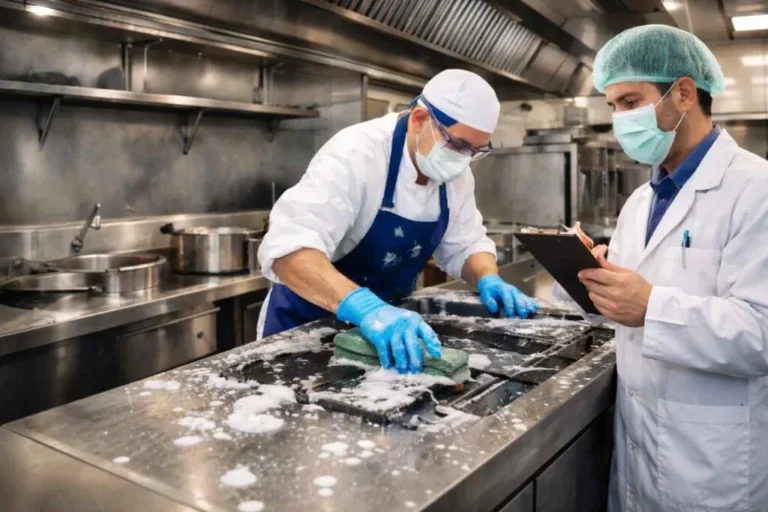
Finally, let’s talk about cleaning and sanitizing. It’s not enough to just wipe down surfaces with a damp cloth. You’ve got to use the right products and follow the right procedures. First, clean the surface with hot, soapy water to remove any food debris. Then, sanitize it with a solution of bleach and water (1 tablespoon of bleach per gallon of water) or a commercial sanitizer. And don’t forget about the little things, like can openers, ice machines, and refrigerator handles. These are the places where bacteria love to hide, and if you’re not cleaning them regularly, you’re just asking for trouble.
3. The Dirty Truth About Personal Hygiene in Commercial Kitchens
Let’s talk about the elephant in the room: personal hygiene. It’s not the most glamorous topic, but it’s one of the most important when it comes to preventing Salmonella outbreaks. And yet, it’s also one of the most overlooked. I’ve worked in kitchens where cooks showed up with dirty uniforms, didn’t wash their hands after using the restroom, and thought nothing of sneezing into their hands before handling food. And then they wonder why their customers keep getting sick. Newsflash: you are the biggest risk factor in your kitchen.
First, let’s talk about handwashing. I know I already mentioned it, but it’s worth repeating because it’s that important. Hands are the number one way that Salmonella spreads in a kitchen. And yet, study after study shows that food handlers don’t wash their hands nearly as often as they should. According to the FDA, you should wash your hands:
- Before starting work
- After using the restroom
- After handling raw meat, poultry, or seafood
- After touching your face, hair, or body
- After sneezing, coughing, or using a tissue
- After handling garbage or cleaning chemicals
- After touching any surface that may be contaminated (e.g., doorknobs, refrigerator handles)
That’s a lot of handwashing, and in a busy kitchen, it’s easy to skip steps. But here’s the thing: you can’t afford not to wash your hands. If you’re not washing your hands properly, you’re putting your customers at risk. And if you’re a manager, it’s your job to enforce this. That means putting up signs, providing the right supplies (soap, paper towels, hand sanitizer), and leading by example. If your staff sees you cutting corners, they’ll do the same.
But handwashing is just the beginning. Let’s talk about uniforms and personal items. If you’re working in a commercial kitchen, you should be wearing a clean uniform every day. That means no street clothes, no dirty aprons, and definitely no reusing yesterday’s uniform. And if you’re handling food, you should be wearing a hairnet or hat to keep hair out of the food. I know it’s not the most comfortable thing in the world, but neither is a Salmonella outbreak. And speaking of personal items, leave your phone, keys, and wallet in your locker. These items are covered in bacteria, and if you’re touching them and then handling food, you’re just asking for trouble.
Then there’s the issue of illness. If you’re sick, you shouldn’t be in the kitchen. Period. I don’t care if you’re the best line cook in the city or if you’re short-staffed. If you’ve got diarrhea, vomiting, a fever, or a sore throat with a fever, you’re a walking Salmonella factory. And if you’re a manager, you’ve got to create a culture where people feel comfortable calling in sick. That means offering paid sick leave, cross-training staff so that one person’s absence doesn’t cripple the kitchen, and setting a good example. If your employees see you coming in sick, they’ll think it’s okay to do the same. And trust me, no one wants to eat food prepared by someone who’s puking in the bathroom between orders.
Finally, let’s talk about jewelry and nails. If you’re handling food, you should not be wearing jewelry. That means no rings, no bracelets, no watches, and no earrings. Jewelry can harbor bacteria, and it can also fall into the food. And if you’ve got long nails, you should be wearing gloves. Long nails are a breeding ground for bacteria, and they can also tear gloves, which defeats the purpose. And speaking of gloves, they’re not a substitute for handwashing. If you’re wearing gloves and you touch raw chicken and then touch a salad, you’ve just contaminated the salad. Gloves are only effective if you change them every time you switch tasks.
4. The Supplier Problem: How Your Ingredients Could Be Sabotaging You
Here’s something that a lot of kitchen managers don’t want to hear: your suppliers might be the weak link in your Salmonella prevention plan. You can have the best temperature control, the most rigorous cleaning protocols, and the most well-trained staff in the world, but if your ingredients are contaminated when they arrive, you’re still at risk. And let’s be real, most commercial kitchens don’t have the time or resources to inspect every single ingredient that comes through the door. But that doesn’t mean you should just cross your fingers and hope for the best.
First, let’s talk about choosing suppliers. Not all suppliers are created equal. Some have rigorous food safety protocols, and some cut corners to save money. So how do you know which is which? Start by asking for their food safety certifications. Look for suppliers that are certified by organizations like the Global Food Safety Initiative (GFSI), which includes standards like SQF, BRC, and FSSC 22000. These certifications mean that the supplier has been audited by a third party and meets strict food safety standards. And don’t be afraid to ask for references. Talk to other kitchens that use the supplier and ask about their experiences. Have they had any issues with contamination? How does the supplier handle recalls?
But certifications aren’t enough. You’ve also got to inspect your deliveries. When a delivery arrives, check the temperature of refrigerated and frozen items immediately. If the temperature is off, reject the delivery. And don’t just take the supplier’s word for it, use your own thermometer. I’ve seen deliveries where the supplier’s thermometer said the food was at the right temp, but my thermometer said otherwise. And if you’re accepting a delivery of raw meat, poultry, or seafood, check for signs of spoilage. That means looking for discoloration, off smells, and slimy textures. If something doesn’t look right, don’t accept it. It’s not worth the risk.
Then there’s the issue of storage. Even if your ingredients arrive in good condition, they can still become contaminated if they’re not stored properly. That means keeping raw meat, poultry, and seafood separate from ready-to-eat foods, storing food at the right temperature, and rotating stock so that older items are used first. And don’t forget about pest control. Rodents and insects can contaminate food with Salmonella, so make sure your storage areas are clean, dry, and free of pests. That means sealing cracks, keeping food off the floor, and storing food in airtight containers.
And let’s not forget about recalls. Even the best suppliers can have issues, and when they do, they’ll issue a recall. But here’s the thing: if you’re not paying attention, you might not even know about the recall until it’s too late. That’s why it’s important to sign up for recall alerts from the FDA and USDA. You can also check the FDA’s Recall and Safety Alerts page regularly. And if you do get a recall notice, act fast. Remove the affected product from your inventory, and if you’ve already served it, notify your customers. It’s not fun, but it’s better than dealing with a Salmonella outbreak.
Finally, let’s talk about local sourcing. There’s a lot of buzz around farm-to-table and locally sourced ingredients, and for good reason. Local ingredients can be fresher, tastier, and better for the environment. But they’re not always safer. In fact, some studies have shown that locally sourced produce can be more likely to carry pathogens like Salmonella because it’s not subject to the same level of regulation as large-scale producers. That doesn’t mean you should avoid local ingredients, it just means you’ve got to be extra careful. Ask your local suppliers about their food safety practices, and don’t be afraid to visit their farms or facilities. If they’re not willing to show you how they operate, that’s a red flag.
5. Equipment Maintenance: The Overlooked Key to Salmonella Prevention
Let’s talk about your kitchen equipment. I’m not just talking about the big-ticket items like ovens and refrigerators, I’m talking about the little things, like cutting boards, knives, can openers, and ice machines. These are the tools of your trade, and if they’re not properly maintained, they can become breeding grounds for Salmonella. And yet, equipment maintenance is one of the most overlooked aspects of food safety. I’ve seen kitchens where the walk-in cooler was held together with duct tape, the slicer hadn’t been cleaned in weeks, and the ice machine was covered in mold. And then they wonder why their customers keep getting sick. Newsflash: your equipment is only as good as your maintenance plan.
First, let’s talk about refrigeration. Your fridge and freezer are the most important pieces of equipment in your kitchen when it comes to preventing Salmonella. If they’re not working properly, your food is at risk. That’s why it’s important to check the temperature of your refrigeration units at least twice a day. And don’t just rely on the built-in thermometer, use a separate, calibrated thermometer to double-check. If the temperature is off, you’ve got to act fast. That means checking the seals, cleaning the coils, and making sure the unit isn’t overloaded. And if the problem persists, you might need to call in a professional. A broken fridge isn’t just an inconvenience, it’s a food safety emergency.
But refrigeration is just the beginning. Let’s talk about cutting boards. If you’re using wooden cutting boards, you’re playing with fire. Wood is porous, which means it can absorb bacteria and never fully release it, no matter how much you scrub. That’s why the FDA recommends using plastic or composite cutting boards in commercial kitchens. They’re easier to clean, they don’t absorb bacteria, and they can be sanitized in the dishwasher. And if you’re using plastic boards, make sure to replace them when they get too scored or scratched. Those grooves are the perfect hiding place for Salmonella.
Then there’s the issue of knives and utensils. If you’re not cleaning and sanitizing your knives after every use, you’re just spreading bacteria around your kitchen. That means washing them with hot, soapy water, sanitizing them with a bleach solution, and storing them in a clean, dry place. And don’t forget about the little things, like can openers and peelers. These tools come into contact with food every day, and if they’re not cleaned properly, they can become a source of contamination. I’ve seen kitchens where the can opener was covered in dried food debris, and the peeler hadn’t been washed in days. That’s a disaster waiting to happen.
And let’s not forget about ice machines. Ice is food, and if your ice machine isn’t clean, your ice can become contaminated with Salmonella. That means cleaning and sanitizing the machine regularly, checking the water supply, and making sure the ice is stored in a clean, covered container. I’ve seen kitchens where the ice machine was covered in mold, and the ice was being used in drinks. That’s not just gross, it’s dangerous.
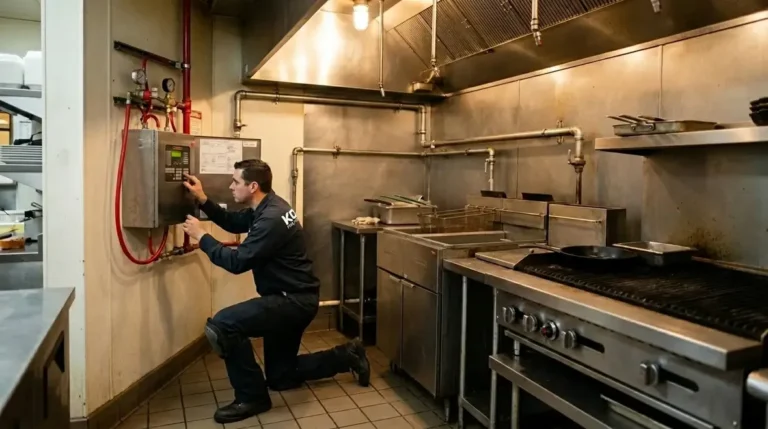
Finally, let’s talk about ventilation. If your kitchen doesn’t have proper ventilation, you’re creating the perfect environment for bacteria to thrive. That’s because poor ventilation can lead to high humidity, which can promote the growth of mold and bacteria. It can also lead to grease buildup, which can contaminate food and create a fire hazard. That’s why it’s important to clean your ventilation system regularly, check the filters, and make sure the system is working properly. And if you’re not sure how to do that, hire a professional. A clean ventilation system isn’t just good for food safety, it’s good for your bottom line.
6. Training Your Staff: Because Food Safety Isn’t Just the Manager’s Job
Here’s a hard truth: you can’t prevent Salmonella outbreaks on your own. No matter how much you know about food safety, if your staff isn’t on board, you’re fighting a losing battle. That’s why employee training is one of the most important investments you can make in your kitchen. And I’m not just talking about a one-time training session when someone is hired, I’m talking about ongoing education, reinforcement, and a culture of food safety that permeates every aspect of your operation.
First, let’s talk about onboarding. When you hire a new employee, food safety should be one of the first things they learn. That means covering the basics, like handwashing, temperature control, and cross-contamination, as well as your kitchen’s specific protocols. And don’t just hand them a manual and call it a day. Make the training interactive. Use videos, quizzes, and hands-on demonstrations. And make sure they understand why food safety is important. If they see it as just another set of rules, they’re more likely to cut corners. But if they understand the stakes, the sick customers, the lawsuits, the reputational damage, they’re more likely to take it seriously.
But onboarding is just the beginning. You’ve also got to provide ongoing training. That means regular refresher courses, team meetings to discuss food safety, and opportunities for employees to ask questions. And don’t forget about cross-training. If everyone on your staff knows how to do each other’s jobs, you’re less likely to have gaps in food safety when someone calls in sick. For example, if your prep cook is out, your line cook should know how to handle raw chicken safely. And if your dishwasher is out, your servers should know how to properly clean and sanitize dishes.
Then there’s the issue of reinforcement. Training is only effective if it’s reinforced on a daily basis. That means leading by example, correcting mistakes in the moment, and recognizing employees who follow food safety protocols. And don’t be afraid to get creative. Some kitchens use gamification to make food safety fun. For example, they might have a competition to see who can wash their hands the most times in a day, or they might reward employees who spot potential food safety hazards. The key is to make food safety a part of your kitchen’s culture, not just another chore.
And let’s not forget about communication. If you’re not communicating with your staff about food safety, you’re missing a huge opportunity. That means posting signs, sending out reminders, and holding regular meetings to discuss food safety issues. And don’t just talk at your staff, listen to them. They’re the ones on the front lines, and they might have insights that you haven’t considered. For example, they might notice that the handwashing sink is too far from the prep station, or that the walk-in cooler is too warm. If you’re not listening to their feedback, you’re missing out on valuable information.
Finally, let’s talk about accountability. If you’re not holding your staff accountable for food safety, you’re sending the message that it’s not important. That means setting clear expectations, providing the tools and resources they need to succeed, and following up when mistakes are made. And if someone consistently ignores food safety protocols, you’ve got to be willing to let them go. It’s not easy, but it’s necessary. One bad apple can spoil the whole bunch, and when it comes to Salmonella, the stakes are too high to take chances.
7. The Role of Cleaning and Sanitizing in Salmonella Prevention
If there’s one thing that separates the best commercial kitchens from the rest, it’s their cleaning and sanitizing protocols. And I’m not just talking about wiping down counters at the end of the night, I’m talking about a rigorous, systematic approach to keeping your kitchen clean. Because here’s the thing: Salmonella doesn’t take a day off. It’s always there, lurking in the corners, waiting for an opportunity to strike. And if you’re not cleaning and sanitizing properly, you’re giving it that opportunity.
First, let’s talk about the difference between cleaning and sanitizing. Cleaning is the process of removing food debris, grease, and dirt from surfaces. Sanitizing is the process of killing bacteria and other pathogens. Both are important, and you’ve got to do them in the right order. That means cleaning first, then sanitizing. If you try to sanitize a dirty surface, the sanitizer won’t be effective. And if you don’t sanitize at all, you’re leaving behind bacteria that can contaminate your food.
So, how do you clean and sanitize properly? Start with the right products. For cleaning, you’ll need hot water, soap, and a scrub brush or cloth. For sanitizing, you can use a bleach solution (1 tablespoon of bleach per gallon of water) or a commercial sanitizer. And don’t forget about the little things, like sponges and towels. These can harbor bacteria, so make sure to replace them regularly. And if you’re using a cloth to wipe down surfaces, make sure to wash it in hot water and bleach at the end of the day.
But cleaning and sanitizing isn’t just about the products, it’s about the process. That means following a cleaning schedule that covers every surface in your kitchen. And I’m not just talking about the obvious things, like counters and cutting boards, I’m talking about the things that often get overlooked, like refrigerator handles, can openers, and ice machines. These are the places where bacteria love to hide, and if you’re not cleaning them regularly, you’re just asking for trouble.
And let’s not forget about deep cleaning. Even if you’re cleaning and sanitizing daily, you’ve still got to do a deep clean on a regular basis. That means taking apart equipment, scrubbing hard-to-reach places, and sanitizing everything from top to bottom. And don’t forget about the floors. If your floors aren’t clean, you’re creating a breeding ground for bacteria. That means sweeping and mopping regularly, and using a degreaser to remove grease buildup. And if you’ve got a grease trap, make sure to clean it regularly. A clogged grease trap isn’t just a fire hazard, it’s a food safety hazard.
Finally, let’s talk about pest control. If you’ve got pests in your kitchen, you’ve got a food safety problem. That’s because pests can contaminate food with Salmonella and other pathogens. So, how do you keep pests out? Start by sealing cracks and holes in your walls, floors, and ceilings. Then, make sure to store food in airtight containers, keep your kitchen clean, and dispose of garbage regularly. And if you’ve got a pest problem, don’t try to handle it yourself. Call in a professional. A good pest control company will work with you to develop a plan that keeps your kitchen safe and pest-free.
8. How to Handle a Salmonella Scare (Because Even the Best Kitchens Have Bad Days)
Let’s be real: o kitchen is perfect. Even if you’ve got the best food safety protocols in the world, mistakes can still happen. Maybe a line cook misread the thermometer, or maybe a supplier sent you contaminated ingredients. Whatever the cause, if you suspect that your kitchen has been the source of a Salmonella outbreak, you’ve got to act fast. Because the longer you wait, the worse it gets. And trust me, you don’t want to be the kitchen that tried to cover up an outbreak. That’s a one-way ticket to a PR nightmare.
First, let’s talk about identifying the problem. If you get a report of a customer getting sick after eating at your restaurant, don’t panic. But don’t ignore it, either. Start by asking the customer what they ate, when they ate it, and when they started feeling sick. Then, check your records to see if other customers reported similar symptoms. If you’ve got multiple reports of illness after eating the same dish, you’ve got a problem. And if the symptoms match those of Salmonella (fever, diarrhea, vomiting, abdominal cramps), you’ve got a Salmonella problem.
Once you’ve identified the problem, it’s time to contain it. That means removing the affected food from your menu, isolating any ingredients that might be contaminated, and deep cleaning your kitchen. And don’t forget to check your inventory. If you’ve got the same ingredients in stock, you’ve got to assume they’re contaminated, too. That means throwing them out, even if it’s a financial hit. It’s better to lose a few hundred dollars in ingredients than to lose your entire business.
Then, it’s time to otify the authorities. If you suspect a Salmonella outbreak, you’ve got to report it to your local health department. They’ll investigate, and if they confirm an outbreak, they’ll work with you to contain it. And don’t try to hide anything. If you lie to the health department, you’ll only make things worse. They’ve seen it all before, and they’ll know if you’re not being honest. And if you’re not sure what to do, ask for help. The health department is there to protect the public, and they’ll work with you to resolve the issue.
Finally, it’s time to communicate with your customers. If you’ve had a Salmonella outbreak, you’ve got to be transparent. That means posting a notice on your website and social media, and if the outbreak is severe, you might need to issue a press release. And don’t try to sugarcoat it. Be honest about what happened, what you’re doing to fix it, and what steps you’re taking to prevent it from happening again. And if you’ve got customers who got sick, reach out to them. Apologize, offer to cover their medical bills, and do whatever you can to make it right. It’s not easy, but it’s the right thing to do.
And let’s not forget about preventing future outbreaks. Once the immediate crisis is over, it’s time to figure out what went wrong and how to fix it. That means reviewing your food safety protocols, retraining your staff, and making any necessary changes to your kitchen. And don’t be afraid to bring in a food safety consultant. They can help you identify weaknesses in your system and develop a plan to address them. Because at the end of the day, the best way to handle a Salmonella outbreak is to prevent it from happening in the first place.
9. The Future of Salmonella Prevention: Tech and Trends to Watch
If you’re running a commercial kitchen in 2026, you’ve got more tools at your disposal than ever before to prevent Salmonella outbreaks. And I’m not just talking about better thermometers and color-coded cutting boards, I’m talking about technology. From AI-powered food safety monitors to blockchain-based supply chain tracking, the future of food safety is here. And if you’re not taking advantage of these tools, you’re missing out.
First, let’s talk about smart thermometers. These aren’t your grandma’s meat thermometers. We’re talking about wireless, Bluetooth-enabled devices that can monitor the temperature of your food in real time and send alerts to your phone if something goes wrong. Some even come with built-in HACCP (Hazard Analysis and Critical Control Points) tracking, so you can log temperatures and other food safety data automatically. And if you’re worried about the cost, think about it this way: a smart thermometer might cost a few hundred dollars, but a Salmonella outbreak can cost you your business. It’s a no-brainer.
Then there’s AI-powered food safety monitoring. Companies like Ecolab and IBM are developing AI systems that can analyze data from your kitchen and predict food safety risks before they happen. For example, if your fridge is running a few degrees too warm, the system can alert you before the food becomes unsafe. Or if your staff isn’t washing their hands enough, the system can flag it for you. And the best part? These systems get smarter over time. The more data they collect, the better they get at predicting and preventing food safety issues.
And let’s not forget about blockchain. If you’re not familiar with blockchain, it’s a technology that allows you to track the movement of goods through a supply chain in real time. And when it comes to food safety, that’s a game-changer. With blockchain, you can track your ingredients from the farm to your kitchen, so you know exactly where they came from and how they were handled. And if there’s a recall, you can trace the affected ingredients back to their source in seconds. That means you can remove them from your inventory faster and reduce the risk of an outbreak.
But technology isn’t the only trend to watch. There’s also a growing movement toward sustainability and food safety. For example, some kitchens are using ozone sanitation to clean their equipment. Ozone is a powerful disinfectant that kills bacteria and viruses without the use of chemicals. And because it breaks down into oxygen, it’s safe for the environment. Other kitchens are using UV light to sanitize surfaces and equipment. UV light kills bacteria and viruses by damaging their DNA, and it’s a great option for hard-to-reach places.
And let’s not forget about employee training. With the rise of virtual reality (VR) and augmented reality (AR), some kitchens are using these technologies to train their staff on food safety protocols. For example, a VR headset can simulate a busy kitchen environment, so employees can practice handwashing, temperature control, and cross-contamination prevention in a realistic setting. And because VR is immersive, it’s more effective than traditional training methods. Employees are more likely to remember what they’ve learned, and they’re more likely to apply it in the real world.
Finally, let’s talk about regulation. The food safety landscape is changing, and if you’re not keeping up, you’re putting your kitchen at risk. For example, the FDA’s Food Safety Modernization Act (FSMA) is shifting the focus from responding to foodborne illnesses to preventing them. That means more inspections, more documentation, and more accountability. And if you’re not prepared, you could be facing fines, lawsuits, or even a shutdown. So, stay informed. Follow the FDA’s Food Code, attend industry conferences, and network with other kitchen managers. The more you know, the better prepared you’ll be.
10. Building a Culture of Food Safety (Because Rules Aren’t Enough)
Here’s the thing about preventing Salmonella outbreaks: you can have all the rules, protocols, and technology in the world, but if your kitchen doesn’t have a culture of food safety, it’s all for nothing. Rules are only effective if people follow them, and people only follow rules if they understand why they’re important. That’s why building a culture of food safety is the most important thing you can do to protect your customers and your business.
So, how do you build a culture of food safety? Start by leading by example. If your staff sees you cutting corners, they’ll think it’s okay to do the same. But if they see you washing your hands, checking temperatures, and following protocols, they’ll be more likely to do the same. And don’t be afraid to get your hands dirty. If you’re a manager, roll up your sleeves and work alongside your staff. Show them that food safety isn’t just a set of rules, it’s a way of life.
Then, make food safety a part of your kitchen’s identity. That means talking about it in team meetings, posting signs, and recognizing employees who follow protocols. And don’t be afraid to get creative. Some kitchens have food safety competitions, where employees compete to see who can wash their hands the most times in a day or who can spot the most potential hazards. Others have food safety champions, who are responsible for reminding their coworkers to follow protocols. The key is to make food safety fun and engaging, not just another chore.
And let’s not forget about communication. If you’re not communicating with your staff about food safety, you’re missing a huge opportunity. That means holding regular meetings to discuss food safety issues, sending out reminders, and encouraging employees to ask questions. And don’t just talk at your staff, listen to them. They’re the ones on the front lines, and they might have insights that you haven’t considered. For example, they might notice that the handwashing sink is too far from the prep station, or that the walk-in cooler is too warm. If you’re not listening to their feedback, you’re missing out on valuable information.
Finally, make food safety personal. Remind your staff that food safety isn’t just about following rules, it’s about protecting their customers, their coworkers, and their families. When someone gets sick from foodborne illness, it’s not just a statistic. It’s a real person with a real family, and it could be someone they know. That’s why it’s so important to take food safety seriously. Because at the end of the day, it’s not just about preventing Salmonella outbreaks, it’s about doing the right thing.
And here’s the thing: building a culture of food safety isn’t something you can do overnight. It takes time, effort, and a lot of patience. But if you’re consistent, if you lead by example, and if you make food safety a priority, you’ll create a kitchen where Salmonella doesn’t stand a chance. And that’s something to be proud of.
Putting It All Together: Your Salmonella Prevention Checklist
Alright, let’s take a step back. We’ve covered a lot of ground in this guide, from temperature control to employee training to the latest food safety tech. And if you’re feeling a little overwhelmed, that’s okay. Preventing Salmonella outbreaks isn’t about doing one thing perfectly, it’s about doing a lot of things consistently. So, to make it easier, I’ve put together a Salmonella prevention checklist that you can use in your kitchen. Think of it as your daily, weekly, and monthly roadmap to keeping your customers safe.
Daily:
- Check the temperature of your fridge and freezer (should be 40°F or below for the fridge, 0°F or below for the freezer).
- Check the temperature of hot-holding units (should be 140°F or above).
- Wash hands frequently, especially after handling raw meat, poultry, or seafood.
- Use separate cutting boards for raw meat and ready-to-eat foods.
- Clean and sanitize all surfaces, utensils, and equipment after each use.
- Store raw meat, poultry, and seafood on the bottom shelf of the fridge, below ready-to-eat foods.
- Cook food to the proper internal temperature (165°F for poultry, 160°F for ground meats, 145°F for whole cuts of meat and fish).
- Cool hot food quickly (from 140°F to 70°F within 2 hours, and from 70°F to 40°F within another 4 hours).
- Reheat food to 165°F within 2 hours.
- Check the temperature of deliveries to ensure they’re at the right temp.
Weekly:
- Deep clean your kitchen, including hard-to-reach places like refrigerator coils, ice machines, and ventilation systems.
- Check your inventory for expired or spoiled ingredients.
- Train your staff on food safety protocols (e.g., handwashing, temperature control, cross-contamination).
- Inspect your equipment for signs of wear and tear (e.g., cracked cutting boards, broken seals on refrigerators).
- Review your food safety logs to ensure all temperatures and cleaning protocols are being followed.
Monthly:
- Calibrate your thermometers to ensure they’re accurate.
- Review your food safety protocols with your staff and make any necessary updates.
- Check your pest control measures to ensure they’re effective.
- Review your supplier contracts to ensure they’re meeting your food safety standards.
- Hold a team meeting to discuss food safety issues and brainstorm solutions.
And there you have it, your roadmap to preventing Salmonella outbreaks in your commercial kitchen. It’s not rocket science, but it does require consistency, attention to detail, and a commitment to doing things the right way. And if you ever feel like cutting corners, just remember: no one wants a side of food poisoning with their meal. So, stay vigilant, stay informed, and keep your customers safe. Because at the end of the day, that’s what it’s all about.
I’ll leave you with this: the best kitchens aren’t the ones with the fanciest equipment or the most Michelin stars. They’re the ones that take food safety seriously, every single day. So, go out there and make your kitchen one of the best. Your customers will thank you.
FAQ: Your Salmonella Questions, Answered
Q: What’s the most common way Salmonella spreads in commercial kitchens?
A: The most common way Salmonella spreads in commercial kitchens is through cross-contamination. This happens when harmful bacteria from raw meat, poultry, or eggs spread to ready-to-eat foods, either directly (e.g., raw chicken touching a salad) or indirectly (e.g., a knife used for raw meat that’s then used to chop veggies). Other common culprits include poor handwashing, improper cooking temperatures, and contaminated ingredients. The key to preventing cross-contamination is to use separate cutting boards and utensils for raw and ready-to-eat foods, wash hands frequently, and store raw meat on the bottom shelf of the fridge to prevent drips.
Q: How can I tell if my kitchen is at risk for a Salmonella outbreak?
A: There are a few red flags that your kitchen might be at risk for a Salmonella outbreak. First, check your temperature logs. If you’re consistently seeing temps in the danger zone (40°F to 140°F), that’s a problem. Second, look at your cleaning protocols. If surfaces, utensils, and equipment aren’t being cleaned and sanitized regularly, you’re at risk. Third, observe your staff. Are they washing their hands properly? Are they using separate cutting boards for raw and ready-to-eat foods? If not, you’ve got a problem. Finally, check your suppliers. If you’re not inspecting deliveries or vetting your suppliers, you’re putting your kitchen at risk. The best way to assess your risk is to conduct a food safety audit or hire a consultant to evaluate your kitchen.
Q: What should I do if I suspect a Salmonella outbreak in my kitchen?
A: If you suspect a Salmonella outbreak in your kitchen, the first thing you should do is contain the problem. That means removing the affected food from your menu, isolating any ingredients that might be contaminated, and deep cleaning your kitchen. Next, otify the authorities. Report the suspected outbreak to your local health department, they’ll investigate and help you contain it. Then, communicate with your customers. Be transparent about what happened, what you’re doing to fix it, and what steps you’re taking to prevent it from happening again. Finally, review your food safety protocols to figure out what went wrong and how to prevent it in the future. And if you’re not sure what to do, don’t hesitate to call in a food safety consultant. They can help you navigate the situation and develop a plan to move forward.
Q: Are there any new technologies that can help prevent Salmonella outbreaks?
A: Yes! There are several new technologies that can help prevent Salmonella outbreaks in commercial kitchens. One of the most promising is AI-powered food safety monitoring, which uses sensors and data analytics to predict and prevent food safety risks. For example, AI systems can monitor fridge temperatures in real time and alert you if something goes wrong. Another exciting technology is blockchain, which allows you to track ingredients from the farm to your kitchen, so you know exactly where they came from and how they were handled. Other innovations include smart thermometers that log temperatures automatically, ozone sanitation systems that kill bacteria without chemicals, and UV light sanitizers for hard-to-reach places. And if you’re looking for a low-tech solution, color-coded cutting boards and automated handwashing stations can also make a big difference. The key is to stay informed and be open to new ideas, because the future of food safety is here.
@article{how-commercial-kitchens-can-prevent-salmonella-outbreaks-a-no-nonsense-guide-to-keeping-your-customers-safe,
    title   = {How Commercial Kitchens Can Prevent Salmonella Outbreaks: A No-Nonsense Guide to Keeping Your Customers Safe},
    author  = {Chef's icon},
    year    = {2026},
    journal = {Chef's Icon},
    url     = {https://chefsicon.com/how-commercial-kitchens-can-prevent-salmonella-outbreaks/}
}