The Best Fluffy Pancakes recipe you will fall in love with. Full of tips and tricks to help you make the best pancakes.

I’ll never forget the day my friend Marco, who runs a tiny but beloved sourdough bakery in East Nashville, called me in a panic. “Sammy,” he said, voice cracking, “I just turned away my biggest wholesale order yet because my mixer sounds like a lawnmower about to explode.” That was the moment I realized how many small bakery owners are walking a tightrope, balancing growth dreams with the harsh reality of aging equipment. You’re probably nodding right now because you’ve been there too. Maybe you’ve lost sleep wondering if that commercial dough sheeter you’ve nursed along for years will survive another holiday rush. Or perhaps you’ve stared at your proofing cabinet, praying it doesn’t choose today to give up the ghost.
Here’s the thing: upgrading your commercial bakery equipment doesn’t have to mean emptying your savings account or taking on crippling debt. In fact, done strategically, it can be the smartest investment you’ll ever make. But where do you even start? Should you prioritize that deck oven you’ve been eyeing, or is a spiral mixer more urgent? And how do you avoid getting talked into features you don’t actually need? I’ve spent the last few months talking to bakers, equipment specialists, and financial advisors to cut through the noise. What follows isn’t just another generic list, it’s a battle-tested roadmap for small business owners who need to upgrade without derailing their operations (or their sanity).
By the end of this guide, you’ll know:
- How to audit your current equipment to spot hidden inefficiencies
- The 5 most cost-effective upgrades that deliver immediate ROI
- Whether leasing or buying makes more sense for your situation
- How to negotiate with suppliers like a pro (even if you hate haggling)
- Little-known financing options that most bakers overlook
- How to phase upgrades so they don’t disrupt your workflow
Let’s be real, this stuff can feel overwhelming. One minute you’re a baker, the next you’re suddenly an equipment expert, financial analyst, and logistics coordinator. But here’s the good news: you don’t need to become an expert overnight. You just need to make a few smart, strategic moves that align with where your business is headed. So grab a coffee (or something stronger if it’s been one of those days), and let’s dive in.
The Equipment Audit: Your First Step to Smarter Upgrades
Why You Can’t Skip This Step
I get it. The word “audit” probably makes you want to run for the hills. But hear me out: most small bakery owners upgrade equipment based on emotion or panic, not data. That mixer breaks down? Let’s replace it with the shiniest model we can afford. Your oven can’t keep up with demand? Time to go all-in on a new one. But what if I told you that 80% of bakery equipment inefficiencies come from just 20% of your machines? That’s the Pareto Principle in action, and it’s your secret weapon for making upgrades that actually move the needle.
Last month, I shadowed a bakery consultant in Franklin who helped a small croissant shop save $18,000 by simply identifying which pieces of equipment were costing them the most in repairs, energy, and lost productivity. The owner had been ready to take out a loan for a brand-new retarder proofer, but after the audit, they realized their real bottleneck was an ancient divider-rounder that was wasting 15 hours of labor per week. A $3,500 upgrade later, they’re producing 30% more product with the same staff. That’s the power of starting with an audit.
How to Conduct Your Own Equipment Audit
You don’t need to hire a consultant to do this. Grab a notebook (or a spreadsheet if you’re fancy) and track these four things for each piece of equipment:
- Age and Condition: Note the make, model, and age. Is it still under warranty? How many repairs has it needed in the past year? Be brutally honest, if it’s older than your car and requires weekly TLC, it’s probably costing you more than you realize.
- Energy Consumption: Older equipment is often an energy hog. Check your utility bills and see if you can isolate which machines are driving up costs. A commercial convection oven from the 90s, for example, can use 30-50% more energy than a modern model. If you’re not sure, ask your utility company if they offer free energy audits for small businesses. Many do, and they’ll often provide rebates for upgrades.
- Downtime and Repairs: Track how often each machine breaks down and how long it takes to fix. Include the cost of repairs and the lost revenue from downtime. A $200 repair might not seem like much, but if it’s happening every month, you’re looking at $2,400 a year, plus the cost of lost production. At that point, upgrading starts to look like a no-brainer.
- Labor Efficiency: How much time does your staff spend babysitting each machine? If your dough mixer requires constant monitoring to prevent overmixing, or your depositor jams every 10 minutes, you’re paying for labor that could be spent on higher-value tasks. Time is money, and in a small bakery, it’s often the most expensive resource you have.
Once you’ve gathered this data, rank your equipment from worst to best. The bottom 20% are your upgrade priorities. I know it’s tempting to focus on the flashy stuff (looking at you, artisan bread oven), but trust me, fixing your biggest pain points first will give you the breathing room to grow sustainably.
Common Red Flags to Watch For
Some issues are obvious: strange noises, inconsistent results, or machines that require a PhD to operate. But others are sneakier. Here are a few less-obvious signs that it’s time to upgrade:
- Inconsistent Product Quality: If your pastries are hit-or-miss despite using the same recipe, your equipment might be the culprit. Temperature fluctuations in ovens, uneven mixing, or worn-out sheeter rollers can all lead to inconsistent results. Your customers might not know why they love some batches and tolerate others, but they’ll notice.
- Excessive Heat or Noise: A little noise is normal, but if your mixer sounds like a jet engine or your oven turns your kitchen into a sauna, it’s not just annoying, it’s a sign of inefficiency. Modern equipment is designed to be quieter and more energy-efficient, which means lower utility bills and a more comfortable workspace.
- Frequent Adjustments Needed: Do you spend more time tweaking settings than actually baking? If your proofing cabinet requires constant temperature adjustments or your depositoreeds recalibration every few hours, it’s time to consider an upgrade. The less time you spend fiddling with equipment, the more time you have for what really matters, creating amazing products.
- Safety Concerns: This one’s non-negotiable. If your equipment has frayed cords, exposed wires, or requires jury-rigged fixes to work, it’s a hazard. Not only is it a risk to your staff, but it could also lead to costly fines or even a shutdown if an inspector catches it. Safety upgrades should always be a top priority.
The 5 Most Cost-Effective Upgrades for Immediate ROI
1. The Mixer: Your Workhorse’s Workhorse
If there’s one piece of equipment that can make or break your bakery’s efficiency, it’s your mixer. A good commercial dough mixer doesn’t just save you time, it ensures consistency, reduces waste, and can even improve the quality of your products. But not all mixers are created equal, and upgrading isn’t as simple as buying the biggest one you can afford.
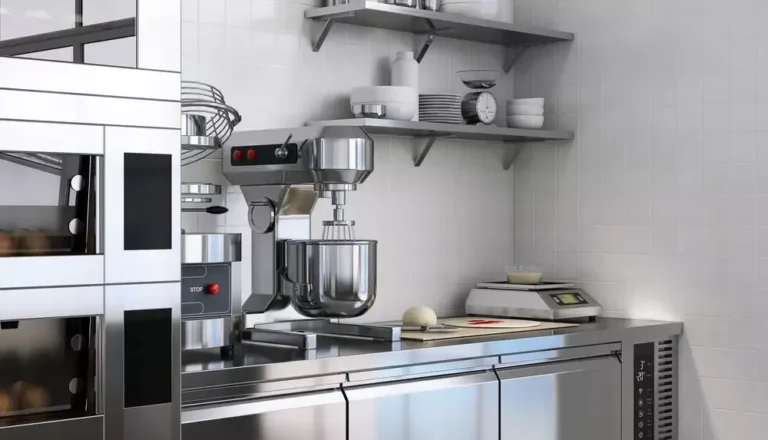
Let’s talk about the two main types of mixers: spiral mixers and planetary mixers. Spiral mixers are the gold standard for bread dough because their design mimics hand-kneading, which develops gluten more gently and evenly. They’re also more energy-efficient and can handle larger batches. Planetary mixers, on the other hand, are more versatile, they can mix dough, whip cream, and even chop vegetables if you have the right attachments. For bakeries that produce a variety of products, a planetary mixer might be the better choice.
But here’s where things get tricky. I’ve seen too many bakers upgrade to a mixer that’s way more powerful than they need, only to realize they’re paying for capacity they’ll never use. A 60-quart mixer might sound impressive, but if you’re only mixing 20 pounds of dough at a time, you’re wasting energy and money. On the flip side, if you’re constantly running multiple batches to keep up with demand, a larger mixer could save you hours of labor per week.
So how do you choose? Start by calculating your average batch size and how many batches you mix per day. If you’re mixing more than 5 batches a day, it’s probably time to upgrade to a larger capacity. Also, consider the types of dough you’re working with. High-hydration doughs (like ciabatta or focaccia) benefit from a spiral mixer, while enriched doughs (like brioche or challah) often do better in a planetary mixer. And don’t forget about attachments, if you’re spending a lot of time whipping cream or folding in inclusions, a mixer with a whisk attachment can save you hours.
One last thing: if you’re upgrading, consider a mixer with a variable speed control. This might seem like a small feature, but it can make a big difference in the quality of your products. Slow speeds are great for gently incorporating ingredients, while higher speeds can develop gluten more quickly. It’s a game-changer for bakeries that work with delicate doughs.
2. The Oven: Where the Magic (and Profit) Happens
Your oven is where the alchemy of baking happens, where flour, water, and yeast transform into something magical. But it’s also where a lot of your profit can disappear if you’re not careful. An inefficient oven doesn’t just waste energy; it can lead to inconsistent baking, longer cook times, and even product loss if things go wrong. Upgrading your oven might seem like a big investment, but it’s one of the most impactful upgrades you can make.
First, let’s talk about the two main types of commercial ovens: deck ovens and convection ovens. Deck ovens are the traditional choice for artisan bakers because they provide even, radiant heat that’s perfect for bread and pastries. They’re great for products that need a crisp crust or a specific texture, like baguettes or croissants. Convection ovens, on the other hand, use fans to circulate hot air, which means they cook faster and more evenly. They’re ideal for cookies, cakes, and other products that don’t require a specific crust.
But here’s the thing: not all deck ovens or convection ovens are created equal. If you’re upgrading, look for features that will save you time and energy. For example, steam injection is a must-have for bread bakers, it helps develop a crisp, golden crust and can reduce bake times. Some modern ovens also come with programmable controls, which let you save settings for different products. This might seem like a small feature, but it can save you a ton of time if you’re constantly adjusting temperatures and timers.
Energy efficiency is another big consideration. Older ovens can be massive energy hogs, costing you hundreds (or even thousands) of dollars a year in wasted electricity or gas. Look for ovens with insulated doors and high-efficiency burners-these features can reduce energy consumption by up to 30%. And don’t forget about size. If your oven is too big for your needs, you’re wasting energy heating empty space. On the other hand, if it’s too small, you’re wasting time running multiple batches. Measure your current production and choose an oven that fits your needs now, with a little room to grow.
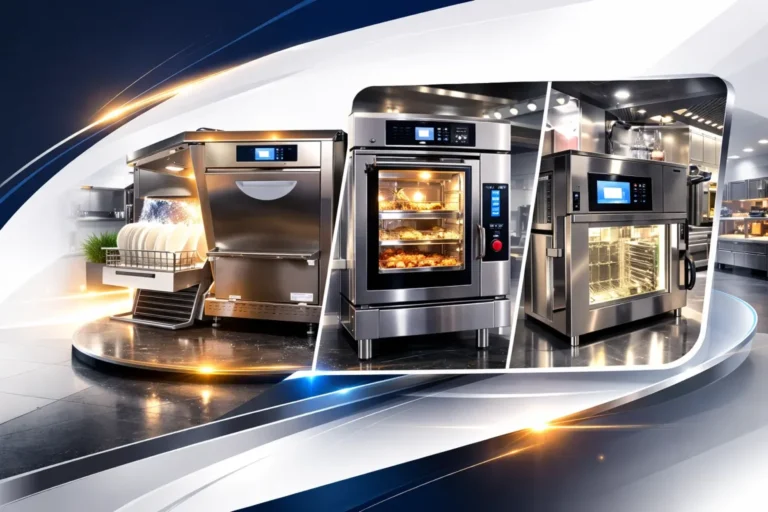
One last tip: if you’re upgrading, consider a combi oven. These versatile machines combine convection, steam, and even microwave cooking, which means you can use them for everything from baking bread to roasting vegetables. They’re more expensive upfront, but they can replace multiple pieces of equipment, saving you space and money in the long run. I’ve seen bakeries use combi ovens to expand their menu without adding more equipment, which is a huge win for small spaces.
3. The Proofer: The Unsung Hero of Consistency
Proofing might not be the most glamorous part of baking, but it’s one of the most important. A good proofing cabinet ensures that your dough rises evenly and consistently, which means fewer failed batches and happier customers. But not all proofers are created equal, and upgrading can make a bigger difference than you might think.
First, let’s talk about the two main types of proofers: retarder proofers and standard proofers. Retarder proofers are designed to slow down the fermentation process, which is great for bakeries that need to proof dough overnight or during off-hours. They’re also useful for controlling the temperature and humidity of the dough, which can improve the flavor and texture of your products. Standard proofers, on the other hand, are simpler and more affordable. They’re ideal for bakeries that need to proof dough quickly and don’t require the same level of control.
If you’re upgrading, look for a proofer with adjustable humidity and temperature controls. This might seem like a small feature, but it can make a big difference in the quality of your products. For example, croissants need a specific humidity level to rise properly, while sourdough might need a cooler temperature to develop its signature tang. A proofer with precise controls lets you fine-tune the environment for each type of dough, which means fewer failed batches and more consistent results.
Another feature to consider is capacity. If you’re constantly running out of space in your proofer, it’s time to upgrade. Look for a model that can handle your peak production needs, with a little extra room for growth. And don’t forget about energy efficiency, older proofers can be massive energy hogs, so upgrading to a more efficient model can save you money in the long run.
One last thing: if you’re tight on space, consider a stackable proofer. These compact models let you proof multiple batches at once without taking up a ton of floor space. They’re a great option for small bakeries that need to maximize their square footage.
4. The Sheeter: The Secret to Faster, More Consistent Laminated Dough
If you’re making croissants, danishes, or puff pastry, a dough sheeter is one of the best investments you can make. Hand-rolling laminated dough is time-consuming and labor-intensive, and it’s nearly impossible to achieve the same level of consistency as a machine. But not all sheeters are created equal, and upgrading can save you hours of labor per week.
First, let’s talk about the two main types of sheeters: manual sheeters and automatic sheeters. Manual sheeters are more affordable and give you more control over the thickness of the dough, but they require more labor to operate. Automatic sheeters, on the other hand, are faster and more consistent, but they’re also more expensive. For small bakeries, a manual sheeter might be the better choice, but if you’re producing large quantities of laminated dough, an automatic sheeter can save you a ton of time.
If you’re upgrading, look for a sheeter with adjustable rollers. This lets you fine-tune the thickness of the dough, which is important for products like croissants or puff pastry. Some sheeters also come with automatic folding attachments, which can save you even more time if you’re making products like danishes or turnovers.
Another feature to consider is ease of cleaning. Laminated dough is sticky and messy, so you’ll want a sheeter that’s easy to disassemble and clean. Look for models with removable rollers and smooth surfaces that won’t trap dough or flour. And don’t forget about safety, some sheeters come with emergency stop buttons or safety guards to protect your staff from accidents.
One last tip: if you’re tight on space, consider a tabletop sheeter. These compact models are perfect for small bakeries that don’t have room for a full-sized machine. They’re also more affordable, which makes them a great option for bakeries that are just starting out.
5. The Divider-Rounder: The Key to Faster, More Consistent Bread Production
If you’re producing bread in large quantities, a divider-rounder is a game-changer. These machines divide dough into equal portions and round them into balls, which saves you hours of labor and ensures consistency. But not all divider-rounders are created equal, and upgrading can make a big difference in your production process.
First, let’s talk about the two main types of divider-rounders: hydraulic divider-rounders and mechanical divider-rounders. Hydraulic models are more precise and consistent, but they’re also more expensive and require more maintenance. Mechanical models are more affordable and easier to maintain, but they’re not as precise. For small bakeries, a mechanical divider-rounder might be the better choice, but if you’re producing large quantities of bread, a hydraulic model can save you a ton of time.
If you’re upgrading, look for a divider-rounder with adjustable portion sizes. This lets you fine-tune the weight of each dough ball, which is important for products like baguettes or rolls. Some models also come with automatic flour dusters, which can save you even more time if you’re working with sticky doughs.
Another feature to consider is ease of cleaning. Dough is messy, so you’ll want a divider-rounder that’s easy to disassemble and clean. Look for models with removable parts and smooth surfaces that won’t trap dough or flour. And don’t forget about safety, some divider-rounders come with emergency stop buttons or safety guards to protect your staff from accidents.
One last tip: if you’re tight on space, consider a compact divider-rounder. These smaller models are perfect for bakeries that don’t have room for a full-sized machine. They’re also more affordable, which makes them a great option for bakeries that are just starting out.
Leasing vs. Buying: Which Makes More Sense for Your Bakery?
The Case for Leasing
Let’s be honest, upgrading your commercial bakery equipment is expensive. Even a single piece of equipment can cost thousands of dollars, and if you’re upgrading multiple machines, the costs can add up quickly. That’s where leasing comes in. Leasing lets you spread the cost of equipment over time, which can be a lifesaver for small bakeries with tight cash flow. But is it the right choice for you?
First, let’s talk about the pros of leasing. The biggest advantage is that it preserves your capital. Instead of dropping a huge chunk of change on a new deck oven or spiral mixer, you can make smaller, more manageable payments over time. This is especially helpful for bakeries that are still growing and need to keep cash on hand for other expenses, like ingredients or marketing. Leasing also lets you upgrade your equipment more frequently, which means you can take advantage of the latest technology without having to sell or trade in your old machines.
Another benefit of leasing is that it’s often easier to qualify for than a loan. If your credit isn’t great or you don’t have a long business history, leasing companies might be more willing to work with you than a bank. And because leasing is considered an operating expense, it can be easier to write off on your taxes. (But always check with your accountant, tax laws are complicated, and I’m not a financial advisor.)
But leasing isn’t all sunshine and rainbows. The biggest downside is that you don’t own the equipment at the end of the lease. That means you’re essentially renting it, and once the lease is up, you’ll need to return the machine or buy it at fair market value. If you’re leasing multiple pieces of equipment, those payments can add up quickly, and you might end up paying more in the long run than if you’d just bought the equipment outright.
Another thing to watch out for is the fine print. Some leases come with hidden fees or penalties for early termination, so make sure you read the contract carefully before signing. And don’t forget about maintenance, some leases require you to pay for repairs or upkeep, which can add to the overall cost.
The Case for Buying
If leasing sounds like a hassle, buying might be the better option. The biggest advantage of buying is that you own the equipment outright, which means no more monthly payments once it’s paid off. This can save you a ton of money in the long run, especially if you’re planning to keep the equipment for a long time. Buying also gives you more flexibility, you can modify or upgrade the equipment as needed, and you don’t have to worry about returning it at the end of a lease.
Another benefit of buying is that it’s often easier to finance than you might think. Many equipment suppliers offer financing options, and some even partner with banks or credit unions to provide low-interest loans. If you have good credit, you might be able to secure a loan with a low monthly payment, which can make buying more affordable than leasing. And because the equipment serves as collateral, you might be able to qualify for a loan even if your credit isn’t perfect.
But buying isn’t without its downsides. The biggest one is the upfront cost. Even with financing, you’ll need to make a down payment, which can be a stretch for small bakeries with tight cash flow. And if you’re buying multiple pieces of equipment, the costs can add up quickly. Buying also means you’re responsible for maintenance and repairs, which can be expensive if something goes wrong.
Another thing to consider is depreciation. Equipment loses value over time, and if you decide to sell it later, you might not get back what you paid. This is especially true for technology-heavy equipment, like smart ovens or automated proofers, which can become outdated quickly. If you’re planning to upgrade frequently, buying might not be the best option.
How to Decide What’s Right for You
So, how do you decide whether to lease or buy? It depends on your bakery’s financial situation, your long-term goals, and the type of equipment you’re upgrading. Here are a few questions to ask yourself:
- How long do you plan to keep the equipment? If you’re only going to use it for a few years, leasing might be the better option. But if you’re planning to keep it for a long time, buying could save you money in the long run.
- What’s your cash flow like? If you have tight cash flow, leasing might be the better choice because it spreads the cost over time. But if you have cash on hand, buying could be more affordable in the long run.
- How important is flexibility? If you like the idea of upgrading your equipment frequently, leasing might be the better option. But if you prefer to own your equipment outright, buying is the way to go.
- What’s your credit like? If your credit isn’t great, leasing might be easier to qualify for than a loan. But if you have good credit, you might be able to secure a low-interest loan for buying.
Ultimately, the decision comes down to what makes the most sense for your bakery. If you’re still not sure, talk to your accountant or a financial advisor, they can help you weigh the pros and cons and make the best choice for your situation.
Negotiating with Suppliers: How to Get the Best Deal Without Losing Your Mind
Do Your Homework First
Let’s be real, negotiating with suppliers can feel like going into battle. You’re worried about getting ripped off, they’re worried about losing your business, and suddenly you’re both dancing around the price like it’s a landmine. But here’s the thing: suppliers expect you to negotiate. In fact, they’re often willing to offer discounts or throw in extras if you ask. The key is to do your homework first so you know what you’re talking about.
Start by researching the equipment you want to upgrade. Look up the make and model online, and check out reviews from other bakers. What do they love about it? What do they wish was different? This will give you a sense of what’s reasonable to ask for. You should also check out the competition, what are other suppliers charging for the same equipment? If you can find a lower price elsewhere, you can use that as leverage in your negotiations.
Another thing to research is the supplier’s reputation. Are they known for good customer service? Do they offer warranties or maintenance plans? What’s their return policy like? The more you know, the better equipped you’ll be to negotiate. And don’t forget to ask around, other bakers in your area might have recommendations or warnings about certain suppliers.
Know What You Want (and What You Don’t)
Before you start negotiating, make a list of what you want and what you’re willing to compromise on. For example, you might be dead set on a spiral mixer with a 60-quart capacity, but you’re open to a different brand if it means getting a better price. Or maybe you’re willing to pay a little more for a deck oven with steam injection, but you don’t need the fancy programmable controls.
Having a clear list of priorities will help you stay focused during negotiations. It’s easy to get distracted by flashy features or sales pitches, but if you know what you want, you’ll be less likely to get talked into something you don’t need. And don’t be afraid to walk away if the deal isn’t right, there are plenty of suppliers out there, and you don’t want to get stuck with equipment that doesn’t meet your needs.
Ask for Extras
One of the easiest ways to get a better deal is to ask for extras. Suppliers are often willing to throw in freebies if it means closing the sale. Here are a few things to ask for:
- Free delivery and installation: This can save you hundreds of dollars, especially if you’re buying large or heavy equipment like an oven or mixer.
- Extended warranties: A longer warranty can give you peace of mind and save you money on repairs down the line.
- Training for your staff: If you’re upgrading to a new piece of equipment, training can help your staff get up to speed quickly and avoid costly mistakes.
- Maintenance plans: Some suppliers offer maintenance plans that cover regular tune-ups and repairs. This can be a lifesaver if you don’t have an in-house maintenance team.
- Free accessories: Things like extra mixing bowls, sheeter rollers, or oven racks can add up quickly. Ask if the supplier can throw in a few extras to sweeten the deal.
Don’t be afraid to ask for multiple extras, suppliers are often willing to negotiate if it means making the sale. And if they’re not, you can always use that as leverage to get a better price.
Don’t Be Afraid to Walk Away
This is the hardest part of negotiating, but it’s also the most important. If the supplier isn’t willing to meet your needs, don’t be afraid to walk away. There are plenty of other suppliers out there, and you don’t want to get stuck with a bad deal.
That said, walking away doesn’t have to be a dramatic exit. You can simply say something like, “I appreciate your time, but this isn’t the right fit for me right now. If you’re willing to reconsider, I’d love to hear from you.” This leaves the door open for future negotiations, and it might even prompt the supplier to make a better offer.
And remember, negotiating isn’t about winning or losing. It’s about finding a deal that works for both you and the supplier. If you can walk away feeling like you got a fair price and the supplier feels like they made a sale, everyone wins.
Financing Options You Might Not Know About
SBA Loans: The Gold Standard for Small Businesses
If you’re looking for a low-interest loan to finance your commercial bakery equipment upgrades, an SBA loan might be the way to go. The Small Business Administration (SBA) offers several loan programs designed to help small businesses grow, and they’re often easier to qualify for than traditional bank loans. The most popular program for equipment financing is the SBA 7(a) loan, which can be used for a variety of purposes, including purchasing equipment.
The biggest advantage of an SBA loan is the low interest rate. Because the SBA guarantees a portion of the loan, lenders are willing to offer lower rates than they would for a traditional loan. SBA loans also have longer repayment terms, which means lower monthly payments. And because the equipment serves as collateral, you might be able to qualify for a loan even if your credit isn’t perfect.
But SBA loans aren’t without their downsides. The application process can be lengthy and complicated, and you’ll need to provide a ton of documentation, including financial statements, tax returns, and a business plan. You’ll also need to meet the SBA’s eligibility requirements, which include being a for-profit business, operating in the U.S., and having a reasonable amount of owner equity to invest.
If you’re considering an SBA loan, start by talking to your bank or a local SBA-approved lender. They can help you determine if you’re eligible and guide you through the application process. And don’t be afraid to shop around, different lenders offer different rates and terms, so it’s worth comparing your options.
Equipment Financing: The Fast Track to Upgrades
If you need to upgrade your equipment quickly, equipment financing might be the way to go. This type of financing is specifically designed for purchasing equipment, and it’s often easier to qualify for than a traditional loan. The equipment itself serves as collateral, which means lenders are more willing to work with businesses that have less-than-perfect credit.
The biggest advantage of equipment financing is the speed. Because the equipment serves as collateral, lenders can often approve your application quickly, sometimes in as little as 24 hours. This is a huge plus if you need to upgrade your equipment ASAP, like if your mixer just died and you’ve got wholesale orders piling up. Equipment financing also lets you spread the cost of the equipment over time, which can be a lifesaver for small bakeries with tight cash flow.
But equipment financing isn’t without its downsides. The interest rates are often higher than those for SBA loans or traditional bank loans, and the repayment terms are usually shorter. This means higher monthly payments, which can be a strain on your cash flow. And because the equipment serves as collateral, you could lose it if you default on the loan.
If you’re considering equipment financing, start by talking to the supplier of the equipment you want to purchase. Many suppliers offer financing options, and they might be able to get you a better deal than a bank or online lender. You can also check out online lenders like Balboa Capital or National Funding, which specialize in equipment financing for small businesses.
Leasing: The Flexible Option
If you’re not ready to commit to buying equipment, leasing might be the way to go. Leasing lets you spread the cost of equipment over time, which can be a lifesaver for small bakeries with tight cash flow. It also lets you upgrade your equipment more frequently, which means you can take advantage of the latest technology without having to sell or trade in your old machines.
The biggest advantage of leasing is the flexibility. Because you’re not committing to owning the equipment, you can upgrade more frequently and take advantage of the latest technology. Leasing also lets you spread the cost of the equipment over time, which can be a lifesaver for small bakeries with tight cash flow. And because leasing is considered an operating expense, it can be easier to write off on your taxes.
But leasing isn’t without its downsides. The biggest one is that you don’t own the equipment at the end of the lease. That means you’re essentially renting it, and once the lease is up, you’ll need to return the machine or buy it at fair market value. If you’re leasing multiple pieces of equipment, those payments can add up quickly, and you might end up paying more in the long run than if you’d just bought the equipment outright.
Another thing to watch out for is the fine print. Some leases come with hidden fees or penalties for early termination, so make sure you read the contract carefully before signing. And don’t forget about maintenance, some leases require you to pay for repairs or upkeep, which can add to the overall cost.
If you’re considering leasing, start by talking to the supplier of the equipment you want to lease. Many suppliers offer leasing options, and they might be able to get you a better deal than a bank or online lender. You can also check out leasing companies like CIT or DLL, which specialize in equipment leasing for small businesses.
Grants and Rebates: Free Money for Your Upgrades
Yes, you read that right, free money. There are a variety of grants and rebates available to small businesses that are upgrading their equipment, and they can be a great way to offset the cost of your upgrades. The key is to know where to look and how to apply.
One of the best places to start is your local utility company. Many utility companies offer rebates for businesses that upgrade to energy-efficient equipment. For example, if you’re upgrading to a high-efficiency oven or energy-efficient mixer, your utility company might offer a rebate to help offset the cost. The amount of the rebate varies, but it can be as much as 50% of the cost of the equipment.
Another place to look is your state or local government. Many states offer grants or low-interest loans to small businesses that are upgrading their equipment. For example, the California Energy Commission offers rebates for businesses that upgrade to energy-efficient equipment, and the New York State Energy Research and Development Authority offers grants for businesses that are improving their energy efficiency.
You can also check out federal programs like the USDA Rural Development Grants, which offer funding for businesses in rural areas that are upgrading their equipment. And don’t forget about private grants, organizations like the National Association for the Self-Employed offer grants to small businesses that are growing and expanding.
The key to getting grants and rebates is to do your homework. Start by checking with your local utility company and state government to see what programs are available. You can also search online for grants and rebates in your area. And don’t be afraid to apply for multiple programs, every little bit helps.
Phasing Your Upgrades: How to Avoid Disrupting Your Workflow
Start with the Low-Hanging Fruit
Upgrading your commercial bakery equipment is a big undertaking, and it’s easy to get overwhelmed. But here’s the thing: you don’t have to do it all at once. In fact, phasing your upgrades can be a smart way to spread out the cost and minimize disruption to your workflow. The key is to start with the low-hanging fruit, the upgrades that will deliver the biggest bang for your buck with the least amount of hassle.
So, what counts as low-hanging fruit? Think about the equipment that’s causing you the most pain right now. Is your mixer constantly breaking down? Is your oven struggling to keep up with demand? Is your proofer not holding temperature consistently? These are the upgrades that will make the biggest difference in your day-to-day operations, and they’re the best place to start.
Another thing to consider is the cost. Some upgrades are more affordable than others, and starting with the cheaper ones can help you build momentum. For example, upgrading your dough sheeter or divider-rounder might be more affordable than upgrading your oven, and it can still make a big difference in your production process.
Finally, think about the impact on your workflow. Some upgrades are easier to phase in than others. For example, if you’re upgrading your mixer, you can keep your old one around as a backup until you’re sure the new one is working properly. But if you’re upgrading your oven, you might need to shut down production for a day or two to install the new one. Starting with the upgrades that are easiest to phase in can help minimize disruption to your business.
Create a Timeline (and Stick to It)
Once you’ve identified your low-hanging fruit, the next step is to create a timeline for your upgrades. This will help you stay organized and ensure that you’re making progress without overwhelming yourself or your staff. Start by listing out all the upgrades you want to make, along with their estimated costs and timelines. Then, prioritize them based on urgency, cost, and impact on your workflow.
Here’s an example of what your timeline might look like:
- Month 1: Upgrade your mixer ($5,000, 1 week of downtime)
- Month 3: Upgrade your proofer ($3,000, 3 days of downtime)
- Month 6: Upgrade your oven ($10,000, 1 week of downtime)
- Month 9: Upgrade your dough sheeter ($2,500, 2 days of downtime)
Of course, your timeline will depend on your specific needs and budget. The key is to be realistic about what you can accomplish and to give yourself enough time to adjust to each upgrade before moving on to the next one.
One thing to keep in mind is that some upgrades might require more downtime than others. For example, upgrading your oven might require you to shut down production for a week, while upgrading your mixer might only take a day or two. Make sure you factor in downtime when creating your timeline, and communicate with your staff and customers so they know what to expect.
Communicate with Your Team
Upgrading your equipment can be a big change for your staff, and it’s important to communicate with them throughout the process. Start by explaining why you’re making the upgrades and how they’ll benefit the business. This will help get everyone on board and excited about the changes.
Next, make sure your staff knows what to expect. If you’re upgrading your oven, for example, let them know how long the installation will take and what they should do in the meantime. If you’re upgrading your mixer, let them know how to use the new machine and what training will be provided.
It’s also a good idea to involve your staff in the process. Ask for their input on what equipment they’d like to see upgraded, and listen to their concerns. They’re the ones using the equipment every day, so they’ll have valuable insights into what’s working and what’s not.
Finally, make sure you provide adequate training. Upgrading to new equipment can be intimidating, especially if your staff is used to the old machines. Make sure they know how to use the new equipment safely and efficiently, and provide ongoing support as they adjust to the changes.
Conclusion: Your Bakery’s Future Starts Today
Let’s be honest, upgrading your commercial bakery equipment is a big deal. It’s expensive, it’s time-consuming, and it can feel overwhelming. But here’s the thing: every minute you spend putting it off is a minute you’re losing money, wasting energy, or risking a breakdown that could derail your business. The bakeries that thrive aren’t the ones with the fanciest equipment or the deepest pockets. They’re the ones that make smart, strategic upgrades at the right time and in the right order.
So where do you go from here? Start with that equipment audit we talked about earlier. It might feel like a chore, but it’s the fastest way to identify your biggest pain points and prioritize your upgrades. Then, pick one or two low-hanging fruit to tackle first, something that will deliver immediate ROI and give you the confidence to keep going. Maybe it’s that spiral mixer you’ve been eyeing, or perhaps it’s a high-efficiency proofer that will save you hours of labor each week. Whatever it is, take that first step.
And remember: you don’t have to do this alone. Talk to other bakers in your area, reach out to equipment suppliers, and don’t be afraid to ask for help. The baking community is full of people who’ve been where you are, and they’re usually more than happy to share their experiences and advice. (I know I am, feel free to shoot me an email if you’re stuck.)
One last thing: don’t let perfect be the enemy of good. You’re not going to get everything right on the first try, and that’s okay. The goal isn’t to create the perfect bakery overnight, it’s to make incremental improvements that add up over time. So take a deep breath, trust your instincts, and start small. Your future self (and your bottom line) will thank you.
FAQ
Q: How do I know if my bakery equipment is outdated?
A: There are a few telltale signs that your equipment might be outdated. First, check the age, most commercial bakery equipment has a lifespan of 10-15 years, so if your machines are older than that, it’s probably time to start thinking about upgrades. Second, look for signs of inefficiency, like excessive energy consumption, frequent breakdowns, or inconsistent results. If your oven is using 30% more energy than a modern model, or if your mixer requires constant repairs, it’s costing you more to keep it running than it would to upgrade. Finally, consider your production needs. If your equipment can’t keep up with demand, or if it’s holding you back from expanding your menu, it’s time to start looking for something new.
Q: What’s the most cost-effective bakery equipment upgrade for a small business?
A: The most cost-effective upgrade depends on your specific needs, but in general, upgrading your mixer or proofer tends to deliver the biggest bang for your buck. A good commercial dough mixer can save you hours of labor per week and improve the consistency of your products, while a high-efficiency proofer can reduce energy costs and improve the quality of your dough. Other cost-effective upgrades include dough sheeters (for laminated doughs) and divider-rounders (for bread production). The key is to focus on the upgrades that will deliver the most immediate ROI for your bakery.
Q: Should I buy new or used bakery equipment?
A: Buying used equipment can be a great way to save money, but it’s not without its risks. On the plus side, used equipment is often significantly cheaper than new equipment, and it can be a good option if you’re on a tight budget. However, used equipment can also come with hidden costs, like repairs or maintenance, and it might not be as energy-efficient as a new model. If you’re considering buying used, make sure you do your homework. Check the equipment’s age, condition, and maintenance history, and ask for a warranty or guarantee if possible. You should also factor in the cost of any necessary repairs or upgrades, and compare that to the cost of buying new. In some cases, buying new might actually be the more cost-effective option in the long run.
Q: How can I finance my bakery equipment upgrades without breaking the bank?
A: There are several financing options available for small bakery owners, and the best one for you depends on your specific needs and financial situation. One of the most popular options is an SBA loan, which offers low interest rates and long repayment terms. Another option is equipment financing, which is specifically designed for purchasing equipment and often easier to qualify for than a traditional loan. Leasing is also a popular option, especially for bakeries that need to upgrade frequently or have tight cash flow. Finally, don’t forget about grants and rebates, many utility companies and government agencies offer funding for businesses that are upgrading to energy-efficient equipment. The key is to do your homework and compare your options before making a decision.
@article{commercial-bakery-equipment-upgrades-for-small-businesses-a-practical-guide-to-scaling-without-breaking-the-bank,
    title   = {Commercial Bakery Equipment Upgrades for Small Businesses: A Practical Guide to Scaling Without Breaking the Bank},
    author  = {Chef's icon},
    year    = {2026},
    journal = {Chef's Icon},
    url     = {https://chefsicon.com/commercial-bakery-equipment-upgrades-for-small-businesses/}
}