The Best Fluffy Pancakes recipe you will fall in love with. Full of tips and tricks to help you make the best pancakes.
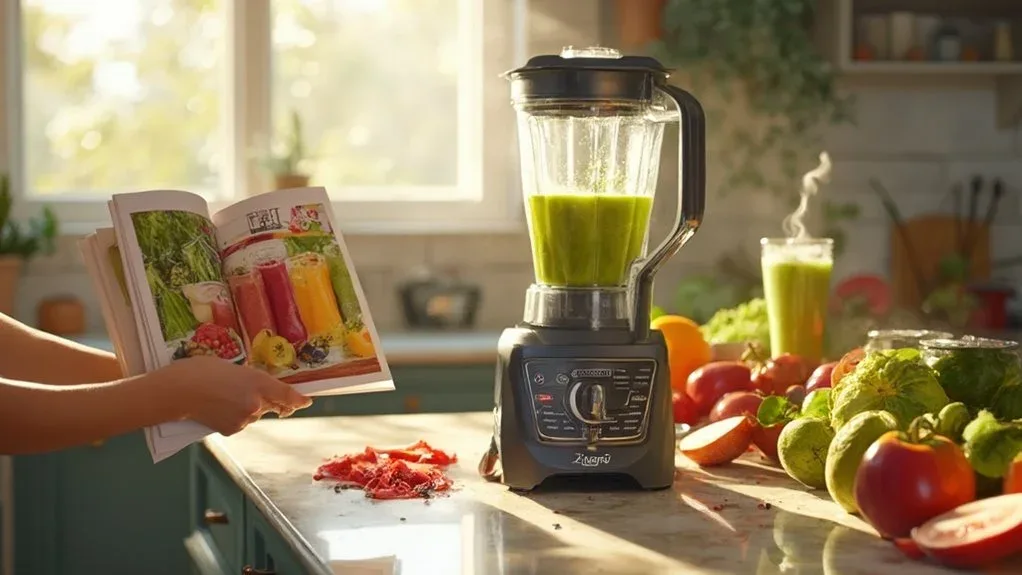
How to Extend Your Ninja Blender Lifespan: The Ultimate Maintenance Guide
Let me tell you about the time my Ninja blender nearly met its demise. It was a humid Nashville summer afternoon, and I was attempting to make my famous mango-lime sorbet, something I’d done a hundred times before. But this time, I got distracted by Luna, my rescue cat, who decided the blender’s cord was the perfect toy to bat around. By the time I noticed, the motor was making a sound like a dying lawnmower, and the base was hotter than a cast-iron skillet left on high. I panicked. Was this the end of my trusty kitchen sidekick?
Turns out, it wasn’t. With some quick troubleshooting and a little TLC, I managed to revive it. But that scare made me realize something: I’d been taking my blender for granted. We all do, don’t we? We toss in ingredients, hit pulse, and expect it to perform flawlessly every time, like some kind of culinary superhero. But here’s the thing, even superheroes need maintenance. And if you want your Ninja blender to last longer than a TikTok trend, you’ve got to put in the work. That’s why I’m writing this guide. Not as some kind of blender whisperer, but as someone who’s learned the hard way that a little care goes a long way.
In this guide, I’m going to walk you through everything you need to know to extend your Ninja blender’s lifespan. We’ll cover the basics, like cleaning and storage, but we’ll also dive into the nitty-gritty stuff, like how to decode those weird noises, when to replace parts, and even how to avoid the mistakes that turn your blender into a paperweight. By the end, you’ll have a blender that’s not just functional but *thriving*. And who knows? Maybe you’ll even save yourself the cost of a replacement (or the guilt of sending another appliance to the landfill). Let’s get started.
The Foundation: Understanding Your Ninja Blender’s Anatomy
Before we jump into maintenance, it’s worth taking a minute to understand what we’re working with. Ninja blenders aren’t just a single piece of equipment, they’re a system of parts, each with its own role and vulnerabilities. I’ll admit, I used to think of my blender as just a jar with a motor. But after that near-disaster with the sorbet, I started digging into how these things actually work. And let me tell you, it’s more complex than you’d think.
At its core, your Ninja blender has three main components: the base (motor), the jar or pitcher (container), and the blade assembly. The motor is the heart of the operation, it’s what powers those sharp blades to pulverize everything from ice to almonds. But here’s the catch: motors generate heat, and heat is the enemy of longevity. Ever noticed how your blender gets warm after a long blend? That’s the motor working overtime, and if it gets too hot, it can burn out. That’s why most Ninja blenders have built-in safety features, like auto-shutoff, to prevent overheating. But don’t rely on those alone. You’ve got to be proactive.
Then there’s the jar or pitcher. This is where the magic happens, but it’s also where most of the wear and tear occurs. Over time, the plastic can get scratched or cloudy, and the lid might not seal as tightly as it used to. And let’s not forget the blade assembly, the unsung hero of the blender. Those blades are sharp, but they’re not invincible. They can dull over time, especially if you’re blending tough ingredients like frozen fruit or nuts. And if you’re not careful, they can even warp or break. So, how do you keep all these parts in tip-top shape? That’s what we’re here to explore.
But first, let’s talk about something that’s often overlooked: the user manual. I know, I know, manuals are boring. They’re the last thing you want to read when you’re excited to unbox a new appliance. But here’s the thing: Ninja blenders come with specific guidelines for care and maintenance, and ignoring them is like skipping the instructions when assembling IKEA furniture. Sure, you might get it right, but chances are, you’ll end up with a wobbly bookshelf (or, in this case, a blender that conks out after six months). So, dig out that manual. Or, if you’ve lost it (no judgment, I’ve been there), most brands have PDFs available online. Take five minutes to skim it. You’ll thank me later.
Why Maintenance Matters More Than You Think
I get it. Maintenance isn’t sexy. It’s not as fun as experimenting with new recipes or showing off your smoothie-making skills to friends. But here’s the hard truth: neglecting maintenance is the fastest way to turn your high-performance blender into a glorified paperweight. And let’s be real, Ninja blenders aren’t cheap. Whether you’ve got the budget-friendly Nutri Ninja or the powerhouse Ninja Foodi, you’ve invested in a tool that’s supposed to last. But here’s the kicker: most people treat their blenders like disposable items. They use them until they break, then toss them and buy a new one. That’s not just wasteful, it’s expensive.
Think about it this way: your blender is like a car. You wouldn’t drive your car for years without changing the oil, rotating the tires, or checking the brakes. (Well, I hope you wouldn’t.) So why would you treat your blender any differently? Regular maintenance doesn’t just extend the lifespan of your blender, it also ensures it performs at its best. A well-maintained blender will blend smoother, faster, and more efficiently. It’ll handle tough ingredients without straining, and it’ll be less likely to overheat or break down mid-blend. And let’s not forget the safety aspect. A blender with dull blades or a cracked jar is a hazard waiting to happen. So, if you’re not convinced yet, ask yourself this: do you really want to risk losing a tool that’s become a staple in your kitchen?
Now, I’m not saying you need to become a blender mechanic. You don’t need to take apart your Ninja and rebuild it from scratch (though, if you’re into that kind of thing, more power to you). What I *am* saying is that a little effort goes a long way. And the best part? Most of the maintenance tasks we’ll cover take less than five minutes. We’re talking about things like rinsing the jar after use, checking the blades for wear, and storing your blender properly. These are small habits that, over time, add up to a blender that lasts for years. So, let’s dive into the specifics.
Daily Habits: The Small Things That Make a Big Difference
If you take nothing else away from this guide, let it be this: the way you treat your blender on a daily basis will determine how long it lasts. It’s the little things, the habits you form (or don’t form)-that make the biggest difference. I learned this the hard way. For the first year I owned my Ninja, I was guilty of the classic “rinse and forget” approach. I’d blend up my morning smoothie, rinse the jar under the tap, and leave it on the counter to dry. Sometimes, I’d even leave the lid off, thinking, “It’ll air out.” Spoiler alert: it won’t. Not properly, anyway. And that’s how I ended up with a jar that smelled like a science experiment gone wrong.
So, what should you be doing every single time you use your blender? Let’s break it down.
Rinsing Immediately After Use
This is the golden rule of blender maintenance: rinse your jar immediately after blending. I can’t stress this enough. The longer you let food residue sit in the jar, the harder it is to clean. And trust me, you do *not* want to deal with dried-on smoothie gunk. It’s like trying to chisel concrete off a sidewalk. Not fun.
Here’s what I do: as soon as I’m done blending, I fill the jar about halfway with warm water, add a drop of dish soap, and pulse it for 10-15 seconds. This loosens up any leftover food particles and gets the jar mostly clean. Then, I rinse it out thoroughly and let it air dry upside down on a drying rack. It takes all of 30 seconds, and it makes a world of difference. If you’re dealing with something particularly sticky, like nut butter or hummus, you might need to scrub the jar with a brush. But even then, doing it right away makes the job so much easier.
Now, I know what you’re thinking: “But Sammy, what if I’m in a hurry?” I get it. Life is busy, and sometimes you’ve got to run out the door. But here’s the thing, if you can’t spare 30 seconds to rinse your blender, you’re setting yourself up for a much bigger headache later. Dried-on food is a pain to clean, and it can also lead to bacteria growth. And nobody wants their morning smoothie to taste like last week’s leftovers. So, make it a habit. Rinse. Every. Time.
Drying Properly to Prevent Mold and Odors
This is where I went wrong for so long. I’d rinse my blender, set it on the counter, and call it a day. But here’s the problem: if you don’t dry your blender properly, moisture gets trapped in the jar, the lid, and even the blade assembly. And moisture is the enemy. It leads to mold, mildew, and funky odors that are nearly impossible to get rid of. I learned this the hard way when I opened my blender one morning and was hit with a smell that can only be described as “swampy gym sock.” Not pleasant.
So, how do you dry your blender properly? It’s simple, but it requires a little more effort than just setting it on the counter. Here’s what I do now:
- Disassemble the jar: Take apart the jar, lid, and blade assembly. If your blender has a gasket (that rubber ring that seals the lid), remove it too. This allows all the parts to dry thoroughly.
- Shake off excess water: Give each part a good shake to get rid of any standing water. You’d be surprised how much water can hide in the nooks and crannies of the lid and blade assembly.
- Air dry upside down: Place the jar upside down on a drying rack. This allows any remaining water to drain out. For the lid and blade assembly, I like to lay them out on a clean towel. If you’re in a hurry, you can pat them dry with a paper towel, but I find that air drying works best.
- Don’t reassemble until everything is completely dry: This is crucial. If you put the lid back on while the jar is still damp, you’re just trapping moisture inside. Wait until everything is bone dry before putting it back together.
I know it sounds like a lot of steps, but it really only takes a minute or two. And trust me, it’s worth it. Not only will your blender stay fresher, but you’ll also avoid that dreaded “moldy blender” smell. If you’re dealing with a blender that’s already developed an odor, don’t worry, we’ll cover how to deep clean it later in this guide.
Avoiding Overfilling the Jar
This is another one of those “easier said than done” things. We’ve all been there: you’re making a big batch of soup or smoothie, and you’re tempted to fill the jar to the brim. After all, why make two batches when you can make one? But here’s the thing: overfilling your blender is a surefire way to strain the motor and shorten its lifespan. And it’s not just about the motor, overfilling can also lead to leaks, spills, and even broken jars.
So, how much is too much? Most Ninja blenders have a max fill line on the jar. This isn’t just a suggestion, it’s there for a reason. The max fill line accounts for the space needed for ingredients to move around and blend properly. If you go over that line, you’re asking for trouble. The motor has to work harder to blend the ingredients, which can lead to overheating. And if you’re blending hot liquids, overfilling can cause the lid to pop off, leading to a mess (or worse, burns).
But what if you’re making a big batch of something? My advice: blend in smaller batches. It might take a little longer, but it’s better than burning out your motor or dealing with a spill. And if you’re blending hot liquids, like soup, let them cool slightly before blending. Hot liquids expand as they blend, which can cause pressure to build up in the jar. That’s a recipe for disaster. So, play it safe. Respect the max fill line, and your blender will thank you.
Weekly Maintenance: The Tasks You Can’t Afford to Skip
Daily habits are great, but they’re not enough. If you want your Ninja blender to last, you’ve got to go a little deeper. That’s where weekly maintenance comes in. These are the tasks that take a little more time and effort, but they’re essential for keeping your blender in top shape. Think of them like the “oil changes” of blender maintenance. You wouldn’t skip an oil change for your car, so don’t skip these tasks for your blender.
Deep Cleaning the Jar and Lid
Even if you rinse your blender after every use, there’s still going to be some buildup over time. That’s why it’s important to give your jar and lid a deep clean at least once a week. I like to do this on Sundays, when I’m already cleaning the kitchen. It’s a good way to start the week fresh.
Here’s how I deep clean my Ninja blender:
- Disassemble the jar: Take apart the jar, lid, and blade assembly. If your blender has a gasket, remove that too.
- Soak in warm, soapy water: Fill your sink with warm water and a few drops of dish soap. Let the jar, lid, and blade assembly soak for 10-15 minutes. This loosens up any stuck-on food or residue.
- Scrub with a brush: After soaking, use a soft-bristled brush (like a bottle brush or a dedicated blender brush) to scrub the inside of the jar, the lid, and the blade assembly. Pay special attention to the nooks and crannies, like the threads on the jar and the underside of the lid. If you’re dealing with stubborn residue, you can use a paste of baking soda and water to scrub it away.
- Rinse thoroughly: Rinse all the parts under warm water to remove any soap or baking soda residue.
- Dry completely: As I mentioned earlier, drying is key. Let all the parts air dry upside down on a drying rack before reassembling.
Now, I know what you’re thinking: “Do I really need to do this every week?” The answer is yes. Even if your blender looks clean, there’s likely some buildup that you can’t see. And that buildup can lead to odors, bacteria growth, and even affect the performance of your blender. So, make it a habit. Your blender (and your taste buds) will thank you.
Inspecting the Blade Assembly
The blade assembly is the workhorse of your blender. It’s what does the actual blending, so it’s important to keep it in good shape. But here’s the thing: blades don’t last forever. Over time, they can dull, warp, or even break. And if you’re not careful, you might not notice until it’s too late. That’s why it’s important to inspect the blade assembly at least once a week.
Here’s what to look for:
- Dull blades: If your blender is struggling to blend ingredients that it used to handle easily, it might be a sign that the blades are dull. You can test this by trying to blend something tough, like ice or frozen fruit. If the blender is straining or the ingredients aren’t blending smoothly, it’s time to sharpen or replace the blades.
- Warped blades: Over time, the blades can warp or bend, especially if you’re blending hard ingredients like ice or nuts. If you notice that the blades aren’t spinning evenly, or if they’re making a scraping sound against the jar, it’s a sign that they’re warped. Warped blades can damage the jar and strain the motor, so it’s important to replace them as soon as possible.
- Cracks or chips: If you see any cracks or chips in the blade assembly, it’s time to replace it. Cracked blades can break during use, which is a safety hazard. Plus, they won’t blend as effectively.
- Loose or damaged gasket: The gasket is that rubber ring that seals the blade assembly to the jar. If it’s loose, damaged, or missing, your blender won’t seal properly, which can lead to leaks. If you notice any issues with the gasket, replace it immediately.
If you do need to replace the blade assembly, don’t panic. Most Ninja blender parts are available online, and replacing them is usually a simple process. Just make sure you buy the right part for your specific model. And if you’re not comfortable doing it yourself, you can always take it to a professional. But honestly, it’s usually as simple as unscrewing the old assembly and screwing in the new one.
Checking the Motor Base for Debris
This is one of those tasks that most people forget about, but it’s actually really important. The motor base is where all the magic happens, and if it’s clogged with debris, it can’t do its job properly. Over time, food particles, dust, and even pet hair (thanks, Luna) can get into the motor base, which can lead to overheating and even motor failure. That’s why it’s important to check the motor base for debris at least once a week.
Here’s how to do it:
- Unplug the blender: Safety first! Always unplug your blender before cleaning the motor base.
- Remove the jar: Take the jar off the motor base so you can see the area where the jar attaches.
- Inspect for debris: Look for any food particles, dust, or other debris that might be stuck in the motor base. You can use a flashlight to get a better look.
- Clean with a damp cloth: If you see any debris, use a damp cloth to wipe it away. Be careful not to get the motor base too wet, as moisture can damage the motor. If you’re dealing with stubborn debris, you can use a soft-bristled brush to gently scrub it away.
- Let it dry completely: Before plugging the blender back in, make sure the motor base is completely dry. You can use a dry cloth to wipe away any excess moisture.
I’ll admit, I didn’t start doing this until after my blender started making a weird grinding noise. Turns out, there was a buildup of food particles in the motor base, and it was causing the motor to overheat. A quick cleaning fixed the problem, but it was a wake-up call. Now, I make sure to check the motor base every week. It only takes a minute, and it can save you a lot of trouble down the road.
Monthly Maintenance: Going the Extra Mile
If you’ve made it this far, congratulations! You’re already ahead of 90% of blender owners. But if you really want to extend your Ninja blender’s lifespan, you’ve got to go the extra mile. That’s where monthly maintenance comes in. These are the tasks that take a little more time and effort, but they’re worth it. Think of them like the “tune-ups” for your blender. They’ll keep it running smoothly and help you catch any potential issues before they become major problems.
Lubricating the Gasket
The gasket is that rubber ring that seals the blade assembly to the jar. It’s a small part, but it plays a big role in keeping your blender leak-free. Over time, the gasket can dry out, crack, or become misshapen, which can lead to leaks. That’s why it’s important to lubricate the gasket at least once a month. This keeps it supple and ensures a tight seal.
Here’s how to do it:
- Remove the gasket: Take the gasket out of the blade assembly. If it’s stuck, you can use a butter knife or a flathead screwdriver to gently pry it out.
- Clean the gasket: Wash the gasket with warm, soapy water to remove any food particles or residue. Rinse it thoroughly and let it dry completely.
- Apply food-grade lubricant: Once the gasket is dry, apply a small amount of food-grade lubricant to it. You can find food-grade lubricant online or at most kitchen supply stores. Be sure to use a lubricant that’s safe for food contact.
- Reinstall the gasket: Once the lubricant is applied, put the gasket back into the blade assembly. Make sure it’s seated properly and that there are no gaps.
Now, I know what you’re thinking: “Do I really need to lubricate the gasket?” The answer is yes. A dry, cracked gasket is one of the most common causes of leaks, and leaks can lead to a whole host of problems. Plus, lubricating the gasket only takes a few minutes, and it can save you a lot of trouble down the road. So, make it a habit. Your blender will thank you.
Sharpening the Blades
Dull blades are one of the most common reasons why blenders stop working effectively. If your blender is struggling to blend ingredients that it used to handle easily, it might be a sign that the blades are dull. Sharpening the blades is a simple process, and it can make a world of difference in your blender’s performance. But here’s the thing: not all blades can be sharpened. Some Ninja blenders have blades that are designed to be replaced rather than sharpened. So, before you start sharpening, check your blender’s manual to see if the blades are replaceable.
If your blades can be sharpened, here’s how to do it:
- Remove the blade assembly: Take the blade assembly out of the jar. Be careful, the blades are sharp!
- Clean the blades: Wash the blade assembly with warm, soapy water to remove any food particles or residue. Rinse it thoroughly and let it dry completely.
- Sharpen the blades: You can use a sharpening stone or a knife sharpener to sharpen the blades. Hold the blade assembly at a 20-degree angle and run the sharpening stone along the edge of each blade. Be sure to sharpen both sides of each blade. If you’re not comfortable sharpening the blades yourself, you can take them to a professional.
- Reinstall the blade assembly: Once the blades are sharpened, put the blade assembly back into the jar. Make sure it’s seated properly and that there are no gaps.
Sharpening the blades is a great way to extend their lifespan, but it’s not a permanent fix. Over time, the blades will wear down, and you’ll need to replace them. But sharpening can buy you some extra time, and it’s a lot cheaper than buying a new blade assembly. So, if your blender is struggling, give it a try. You might be surprised at the difference it makes.
Testing the Motor’s Performance
The motor is the heart of your blender, and if it’s not performing properly, your blender won’t work effectively. That’s why it’s important to test the motor’s performance at least once a month. This will help you catch any potential issues before they become major problems. Plus, it’s a good way to make sure your blender is still up to the task of handling your favorite recipes.
Here’s how to test the motor’s performance:
- Fill the jar with ice: Fill the jar about halfway with ice cubes. This will give the motor a good workout.
- Blend on high: Put the jar on the motor base and blend on high for 30 seconds. Listen to the sound of the motor. It should be smooth and consistent. If you hear any grinding, rattling, or other unusual noises, it’s a sign that something’s wrong.
- Check for overheating: After blending, unplug the blender and feel the motor base. It should be warm, but not hot. If it’s too hot to touch, it’s a sign that the motor is overheating. This could be due to a buildup of debris in the motor base, a problem with the motor itself, or even a dull blade assembly.
- Test with other ingredients: If the motor passes the ice test, try blending something else, like frozen fruit or nuts. This will give you a better idea of how the motor is performing with different ingredients.
If you notice any issues during the test, don’t ignore them. A motor that’s struggling now will only get worse over time. If you’re not sure what’s causing the problem, check your blender’s manual or contact the manufacturer. And if you’re in the market for a new blender, it’s worth considering suppliers like Chef’s Deal, which offers a wide range of commercial and home kitchen equipment, including high-quality blenders. They also provide expert consultation and support, which can be a lifesaver if you’re dealing with a finicky appliance.
Testing the motor’s performance is a simple way to make sure your blender is still in good shape. It only takes a few minutes, and it can save you a lot of trouble down the road. So, make it a habit. Your blender will thank you.
Troubleshooting Common Issues: What to Do When Things Go Wrong
No matter how well you maintain your Ninja blender, things can still go wrong. Maybe the motor starts making a weird noise, or the jar develops a leak, or the blades stop spinning. It happens. But here’s the good news: most common blender issues are fixable. You just need to know what to look for and how to address it. That’s where troubleshooting comes in. In this section, we’ll cover some of the most common blender issues and how to fix them. Think of it as your blender’s first aid kit.
Dealing with a Leaking Jar
A leaking jar is one of the most frustrating blender issues. Not only does it make a mess, but it can also affect the performance of your blender. If your jar is leaking, the first thing to do is identify the source of the leak. Is it coming from the bottom of the jar, where the blade assembly attaches? Or is it coming from the lid? Once you’ve identified the source, you can take steps to fix it.
If the leak is coming from the bottom of the jar, it’s likely due to a problem with the gasket. As we discussed earlier, the gasket is that rubber ring that seals the blade assembly to the jar. If it’s dry, cracked, or misshapen, it won’t seal properly, which can lead to leaks. The fix? Replace the gasket. Most Ninja blender parts are available online, and replacing the gasket is usually a simple process. Just make sure you buy the right part for your specific model.
If the leak is coming from the lid, it’s likely due to a problem with the lid’s seal. Over time, the seal can wear out or become damaged, which can lead to leaks. The fix? Replace the lid. Again, you can find replacement lids online, and replacing the lid is usually a simple process. Just make sure you buy the right part for your specific model.
If you’re dealing with a leak and you’re not sure what’s causing it, don’t panic. Start by disassembling the jar and inspecting all the parts. Look for cracks, chips, or other signs of damage. If you find any, replace the damaged part. If everything looks fine, try lubricating the gasket or tightening the blade assembly. Sometimes, a simple fix is all it takes.
Fixing a Motor That Won’t Start
There’s nothing more frustrating than a blender that won’t start. You’ve got your ingredients ready, you’re excited to make your smoothie, and then, nothing. The motor won’t turn on. What do you do? First, don’t panic. There are a few simple things you can check before you assume the worst.
Here’s what to do if your motor won’t start:
- Check the power source: Make sure the blender is plugged in and that the outlet is working. You can test the outlet by plugging in another appliance, like a lamp or a phone charger.
- Check the jar: Make sure the jar is properly seated on the motor base. If the jar isn’t seated correctly, the motor won’t start. Give it a firm push to make sure it’s locked in place.
- Check the lid: Make sure the lid is properly seated on the jar. Most Ninja blenders have a safety feature that prevents the motor from starting if the lid isn’t on properly. Give the lid a firm push to make sure it’s locked in place.
- Check the overload protection: If your blender has an overload protection feature, it might have been triggered. This usually happens if the motor overheats. If this is the case, unplug the blender and let it cool down for 15-30 minutes. Then, try turning it on again.
- Check the motor base: If none of the above steps work, there might be a problem with the motor base. Inspect it for any signs of damage, like cracks or burns. If you see any damage, it’s time to contact the manufacturer or consider replacing the blender.
If you’ve checked all of the above and the motor still won’t start, it’s time to call in the professionals. Contact the manufacturer or take the blender to a repair shop. And if you’re in the market for a new blender, it’s worth considering suppliers like Chef’s Deal, which offers a wide range of commercial and home kitchen equipment. They also provide professional installation services, which can be a lifesaver if you’re not comfortable setting up a new appliance yourself.
Addressing Unusual Noises
Blenders are loud, that’s just a fact of life. But if your blender is making a noise that’s louder or more unusual than usual, it’s a sign that something’s wrong. Unusual noises can be caused by a variety of issues, from a loose blade assembly to a problem with the motor. The key is to identify the source of the noise and address it before it becomes a major problem.
Here are some of the most common blender noises and what they mean:
- Grinding noise: If your blender is making a grinding noise, it’s likely due to a problem with the blade assembly. The blades might be dull, warped, or loose. The fix? Sharpen or replace the blades, or tighten the blade assembly.
- Rattling noise: If your blender is making a rattling noise, it’s likely due to a loose part. The jar, lid, or blade assembly might not be seated properly. The fix? Make sure all the parts are properly seated and tightened.
- Whining noise: If your blender is making a whining noise, it’s likely due to a problem with the motor. The motor might be struggling to blend the ingredients, or it might be overheating. The fix? Let the motor cool down, or check for debris in the motor base.
- Clicking noise: If your blender is making a clicking noise, it’s likely due to a problem with the blade assembly. The blades might be hitting the jar, or the blade assembly might be loose. The fix? Tighten the blade assembly or replace the blades.
If you’re not sure what’s causing the noise, start by disassembling the blender and inspecting all the parts. Look for signs of damage, like cracks, chips, or warping. If you find any, replace the damaged part. If everything looks fine, try lubricating the gasket or tightening the blade assembly. Sometimes, a simple fix is all it takes.
If the noise persists, it’s time to call in the professionals. Contact the manufacturer or take the blender to a repair shop. And if you’re in the market for a new blender, it’s worth considering suppliers like Chef’s Deal, which offers a wide range of commercial and home kitchen equipment. They also provide expert consultation and support, which can be a lifesaver if you’re dealing with a finicky appliance.
Long-Term Care: Maximizing Your Blender’s Lifespan
If you’ve made it this far, you’re officially a blender maintenance pro. But if you really want to maximize your Ninja blender’s lifespan, you’ve got to think long-term. That means taking steps to protect your blender from wear and tear, as well as planning for the future. In this section, we’ll cover some long-term care strategies that will keep your blender running smoothly for years to come. Think of it as the “retirement plan” for your blender.
Storing Your Blender Properly
Proper storage is one of the most important (and most overlooked) aspects of blender maintenance. If you’re not storing your blender properly, you’re putting it at risk for damage, dust buildup, and even accidental drops. So, how do you store your blender properly? It’s simple, but it requires a little more effort than just leaving it on the counter.
Here’s how to store your blender properly:
- Disassemble the blender: Take apart the jar, lid, and blade assembly. If your blender has a gasket, remove it too. This allows all the parts to dry thoroughly and prevents moisture buildup.
- Clean and dry all the parts: Wash the jar, lid, and blade assembly with warm, soapy water. Rinse them thoroughly and let them air dry completely. This prevents mold and mildew from growing in the jar.
- Store the parts separately: Store the jar, lid, and blade assembly in a dry, cool place. I like to keep mine in a cabinet, but you can also store them on a shelf. Just make sure they’re not exposed to direct sunlight or heat, as this can cause the plastic to warp or crack.
- Store the motor base in a safe place: The motor base should be stored in a dry, cool place, away from direct sunlight and heat. I like to keep mine on the counter, but if you’re short on space, you can store it in a cabinet. Just make sure it’s not exposed to moisture or dust.
- Protect the cord: If your blender has a cord, make sure it’s not tangled or kinked. A tangled cord can cause the wires to break, which can lead to electrical issues. I like to wrap the cord loosely around the motor base and secure it with a rubber band.
Proper storage is a simple way to protect your blender from damage and extend its lifespan. It only takes a few minutes, and it can save you a lot of trouble down the road. So, make it a habit. Your blender will thank you.
Replacing Worn-Out Parts
No matter how well you maintain your blender, parts will wear out over time. That’s just a fact of life. But here’s the thing: replacing worn-out parts is a lot cheaper than buying a new blender. And it’s a lot better for the environment too. So, if you want to maximize your Ninja blender’s lifespan, you’ve got to be proactive about replacing worn-out parts.
Here are some of the most common parts that need to be replaced and how to know when it’s time:
- Blades: If your blender is struggling to blend ingredients that it used to handle easily, it might be a sign that the blades are dull. You can test this by trying to blend something tough, like ice or frozen fruit. If the blender is straining or the ingredients aren’t blending smoothly, it’s time to replace the blades.
- Gasket: If your jar is leaking, it’s likely due to a problem with the gasket. The gasket is that rubber ring that seals the blade assembly to the jar. If it’s dry, cracked, or misshapen, it won’t seal properly, which can lead to leaks. The fix? Replace the gasket.
- Jar: If your jar is cracked, chipped, or cloudy, it’s time to replace it. A damaged jar can affect the performance of your blender and even be a safety hazard. The fix? Replace the jar.
- Lid: If your lid is cracked, warped, or doesn’t seal properly, it’s time to replace it. A damaged lid can lead to leaks and spills, which can be a mess to clean up. The fix? Replace the lid.
Replacing worn-out parts is a simple way to extend your blender’s lifespan. Most Ninja blender parts are available online, and replacing them is usually a simple process. Just make sure you buy the right part for your specific model. And if you’re not comfortable doing it yourself, you can always take it to a professional. But honestly, it’s usually as simple as unscrewing the old part and screwing in the new one.
If you’re in the market for replacement parts, it’s worth considering suppliers like Chef’s Deal, which offers a wide range of commercial and home kitchen equipment. They also provide expert consultation and support, which can be a lifesaver if you’re not sure what part you need. Plus, they offer competitive pricing and financing options, which can make replacing parts more affordable.
Upgrading Your Blender Over Time
Let’s be real: no blender lasts forever. Even with the best maintenance, parts will wear out, and technology will advance. That’s why it’s important to plan for the future. If you want to maximize your blender’s lifespan, you’ve got to think about upgrading it over time. That doesn’t mean you have to buy a new blender every year. But it does mean being open to replacing parts, upgrading components, and even investing in a new model when the time is right.
Here are some signs that it might be time to upgrade your blender:
- The motor is struggling: If your blender is struggling to blend ingredients that it used to handle easily, it might be a sign that the motor is wearing out. If this is the case, it’s time to consider upgrading to a new model.
- The jar is damaged: If your jar is cracked, chipped, or cloudy, it’s time to replace it. But if you’re replacing the jar, it might be worth considering upgrading to a new model with a more durable jar.
- You’re using your blender more often: If you’re using your blender more often than you used to, it might be time to upgrade to a more powerful model. A higher-wattage motor can handle tougher ingredients and blend more smoothly.
- New features are available: If your blender is a few years old, there might be new features available that you’re missing out on. For example, some newer Ninja blenders come with smart technology, like Bluetooth connectivity or pre-programmed settings. If you’re interested in these features, it might be time to upgrade.
Upgrading your blender doesn’t have to be a daunting task. Start by assessing your needs. What do you use your blender for? What features are important to you? What’s your budget? Once you’ve answered these questions, you can start researching new models. And if you’re not sure where to start, it’s worth considering suppliers like Chef’s Deal, which offers a wide range of commercial and home kitchen equipment. They also provide free kitchen design services, which can help you find the perfect blender for your needs. Plus, they offer professional installation services, which can make the upgrade process a breeze.
When to Call in the Professionals: Knowing Your Limits
Let’s be honest: not all of us are handy. Some of us can barely change a lightbulb, let alone take apart a blender and put it back together. And that’s okay! If you’re not comfortable performing maintenance tasks yourself, it’s important to know when to call in the professionals. Trying to fix something you’re not sure about can lead to more damage, or even injury. So, when should you call in the pros? Let’s break it down.
Signs You Need Professional Help
Here are some signs that it’s time to call in a professional:
- The motor is making unusual noises: If your blender is making a grinding, rattling, or whining noise, it’s a sign that something’s wrong. If you’re not sure what’s causing the noise, it’s best to call in a professional.
- The motor won’t start: If your blender won’t turn on, and you’ve checked all the obvious things (like the power source and the lid), it’s time to call in a professional. There might be a problem with the motor or the electrical components.
- The jar is cracked or damaged: If your jar is cracked, chipped, or otherwise damaged, it’s time to replace it. But if you’re not comfortable doing it yourself, it’s best to call in a professional.
- The blade assembly is damaged: If the blade assembly is dull, warped, or broken, it’s time to replace it. But if you’re not comfortable doing it yourself, it’s best to call in a professional.
- You’re not sure what’s wrong: If you’re not sure what’s causing the problem, it’s best to call in a professional. They can diagnose the issue and recommend the best course of action.
If any of the above apply to you, don’t hesitate to call in a professional. Most appliance repair shops offer blender repair services, and many manufacturers have customer service lines that can help you troubleshoot the issue. And if you’re in the market for a new blender, it’s worth considering suppliers like Chef’s Deal, which offers a wide range of commercial and home kitchen equipment. They also provide professional installation services, which can be a lifesaver if you’re not comfortable setting up a new appliance yourself.
How to Find a Reliable Repair Service
If you’ve decided to call in a professional, the next step is finding a reliable repair service. But how do you know who to trust? Here are some tips for finding a reliable repair service:
- Ask for recommendations: Ask friends, family, or coworkers if they’ve used a repair service they’d recommend. Personal recommendations are often the best way to find a reliable service.
- Check online reviews: Look up repair services in your area and check their online reviews. Pay attention to what people are saying about their experience. Were they happy with the service? Did the repair last? Were there any hidden fees?
- Check their credentials: Make sure the repair service is licensed and insured. This protects you in case something goes wrong during the repair.
- Ask about their experience: Ask the repair service how long they’ve been in business and how much experience they have with blenders. The more experience they have, the better.
- Get a quote: Before you agree to the repair, ask for a quote. Make sure you understand what’s included in the price and if there are any additional fees.
- Ask about warranties: Ask the repair service if they offer any warranties on their work. A good repair service will stand behind their work and offer a warranty.
Finding a reliable repair service can take a little time, but it’s worth it. A good repair service can save you a lot of trouble and extend the lifespan of your blender. So, take your time, do your research, and don’t be afraid to ask questions. Your blender will thank you.
When to Consider Replacement Instead of Repair
Sometimes, it’s better to replace your blender than to repair it. But how do you know when it’s time to say goodbye? Here are some signs that it’s time to consider replacement:
- The repair cost is more than half the price of a new blender: If the repair cost is more than half the price of a new blender, it’s probably not worth it. You’re better off investing in a new model.
- The blender is more than 5 years old: Most blenders last about 5-7 years with proper maintenance. If your blender is more than 5 years old, it might be time to consider replacement. Newer models are more efficient, more powerful, and come with new features.
- The blender has been repaired multiple times: If your blender has been repaired multiple times, it’s a sign that it’s on its last legs. At this point, it’s probably better to invest in a new model.
- The blender is no longer meeting your needs: If your blender is no longer meeting your needs, it might be time to upgrade. For example, if you’re using your blender more often than you used to, or if you’re blending tougher ingredients, it might be time to invest in a more powerful model.
If any of the above apply to you, it’s time to start researching new models. And if you’re not sure where to start, it’s worth considering suppliers like Chef’s Deal, which offers a wide range of commercial and home kitchen equipment. They also provide free kitchen design services, which can help you find the perfect blender for your needs. Plus, they offer competitive pricing and financing options, which can make upgrading more affordable.
Wrapping It Up: Your Blender’s Future Starts Now
So, there you have it, the ultimate guide to extending your Ninja blender’s lifespan. We’ve covered everything from daily habits to long-term care, and even what to do when things go wrong. But here’s the thing: none of this matters if you don’t put it into practice. Knowledge is power, but only if you use it. So, what’s your next step?
Maybe it’s as simple as rinsing your blender after every use. Or maybe it’s as involved as deep cleaning the jar and inspecting the blade assembly. Whatever it is, start small. Pick one or two habits to focus on this week, and build from there. Before you know it, you’ll have a blender that’s not just functional, but *thriving*. And who knows? Maybe you’ll even inspire your friends and family to take better care of their appliances too.
But let’s be real: maintenance isn’t always fun. It’s not as exciting as trying out a new recipe or showing off your smoothie-making skills. But it’s necessary. And if you want your Ninja blender to last, you’ve got to put in the work. So, ask yourself this: are you willing to do what it takes to extend your blender’s lifespan? Or are you going to keep treating it like a disposable item? The choice is yours. But if you’re ready to commit, your blender will thank you. And so will your wallet.
FAQ: Your Blender Maintenance Questions Answered
Q: How often should I replace the blades on my Ninja blender?
A: It depends on how often you use your blender and what you’re blending. If you’re blending tough ingredients like ice or nuts on a regular basis, you might need to replace the blades every 6-12 months. If you’re mostly blending soft ingredients like fruits and vegetables, you can probably go longer. The key is to inspect the blades regularly for signs of wear, like dullness or warping. If you notice any issues, it’s time to replace them.
Q: Can I put my Ninja blender jar in the dishwasher?
A: It depends on the model. Some Ninja blender jars are dishwasher-safe, while others are not. Check your blender’s manual to see if the jar is dishwasher-safe. If it is, you can put it in the dishwasher, but I recommend washing it on the top rack to avoid damage from the heat. If it’s not dishwasher-safe, stick to hand washing. And always make sure the jar is completely dry before reassembling it.
Q: What’s the best way to clean the motor base of my Ninja blender?
A: The motor base should never be submerged in water or put in the dishwasher. Instead, unplug the blender and use a damp cloth to wipe down the motor base. Be careful not to get the motor base too wet, as moisture can damage the motor. If you’re dealing with stubborn debris, you can use a soft-bristled brush to gently scrub it away. Just make sure the motor base is completely dry before plugging the blender back in.
Q: My Ninja blender is making a weird noise. What should I do?
A: Unusual noises can be caused by a variety of issues, from a loose blade assembly to a problem with the motor. The first step is to identify the source of the noise. Is it coming from the jar, the blade assembly, or the motor base? Once you’ve identified the source, you can take steps to fix it. If you’re not sure what’s causing the noise, it’s best to call in a professional. They can diagnose the issue and recommend the best course of action.
@article{how-to-extend-your-ninja-blender-lifespan-the-ultimate-maintenance-guide-for-home-chefs,
    title   = {How to Extend Your Ninja Blender Lifespan: The Ultimate Maintenance Guide for Home Chefs},
    author  = {Chef's icon},
    year    = {2026},
    journal = {Chef's Icon},
    url     = {https://chefsicon.com/how-to-extend-ninja-blender-lifespan-maintenance-guide/}
}