The Best Fluffy Pancakes recipe you will fall in love with. Full of tips and tricks to help you make the best pancakes.
When the Kitchen Feels Like a Sauna: My Summer Survival Guide
Last July, I made the mistake of turning on my oven to bake a batch of cookies during a Nashville heatwave. Luna, my rescue cat, immediately bolted from the kitchen like I’d just declared war. The digital thermometer on my fridge climbed from 78°F to 92°F in what felt like minutes, and suddenly I was questioning every life choice that led me to this moment of culinary insanity. That’s when it hit me: if I wanted to keep both my sanity and my apartment under 80 degrees, I needed to embrace the art of o-cook cooking.
Now, I know what you’re thinking-”No-cook meals? That’s just salads and sad sandwiches, right?” Wrong. So wrong. Over the past few years, I’ve become obsessed with the creative possibilities of heat-free cooking, and let me tell you, it’s a game-changer. Not just for home cooks like me, but for restaurants, food trucks, and even commercial kitchens looking to cut down on AC costs and keep their staff from melting into puddles. This isn’t about deprivation; it’s about liberation. Liberation from the tyranny of the stove, the oppression of the oven, and the dictatorship of dishwashing that follows every cooked meal.
In this guide, I’m sharing everything I’ve learned, from the science behind kitchen heat reduction to a curated list of 20+ no-cook menu items that’ll keep your customers happy, your staff cool, and your energy bills from skyrocketing. We’ll dive into the psychology of why no-cook meals feel refreshing (spoiler: it’s not just about temperature), how to market these dishes to skeptical diners, and even how to tweak your kitchen workflow to maximize efficiency. And don’t worry, I’ll include plenty of my own missteps along the way. Like the time I tried to serve “raw” lasagna (it did not go well).
So, if you’re ready to transform your menu into a summer oasis of cool, fresh flavors, let’s get started. And if you’re still on the fence? Ask yourself this: Would you rather spend your summer sweating over a hot stove or sipping an iced coffee while your food practically prepares itself?
The Science of Sweat: Why No-Cook Meals Are a Summer Lifesaver
How Heat Affects Your Kitchen (and Your Sanity)
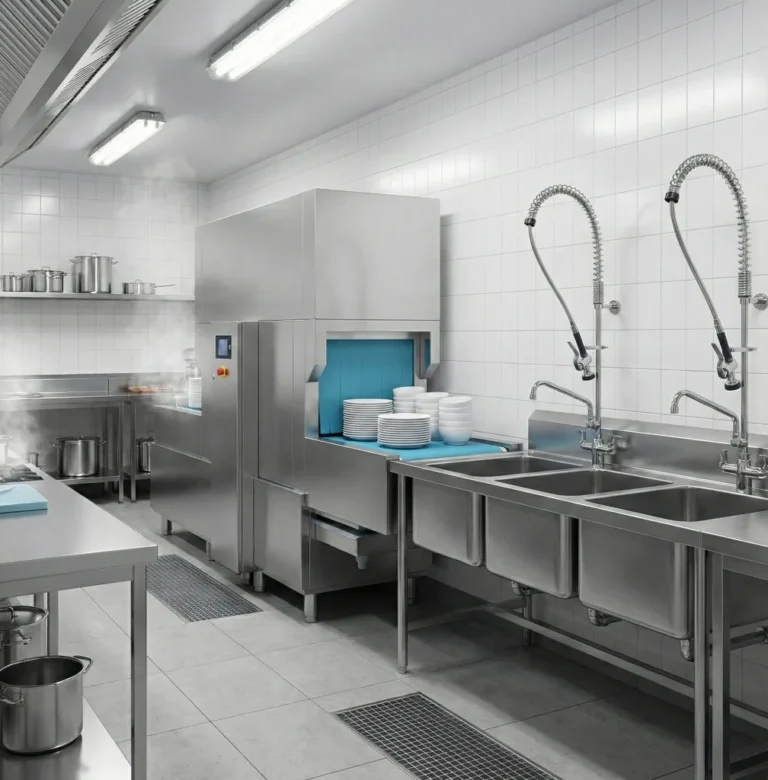
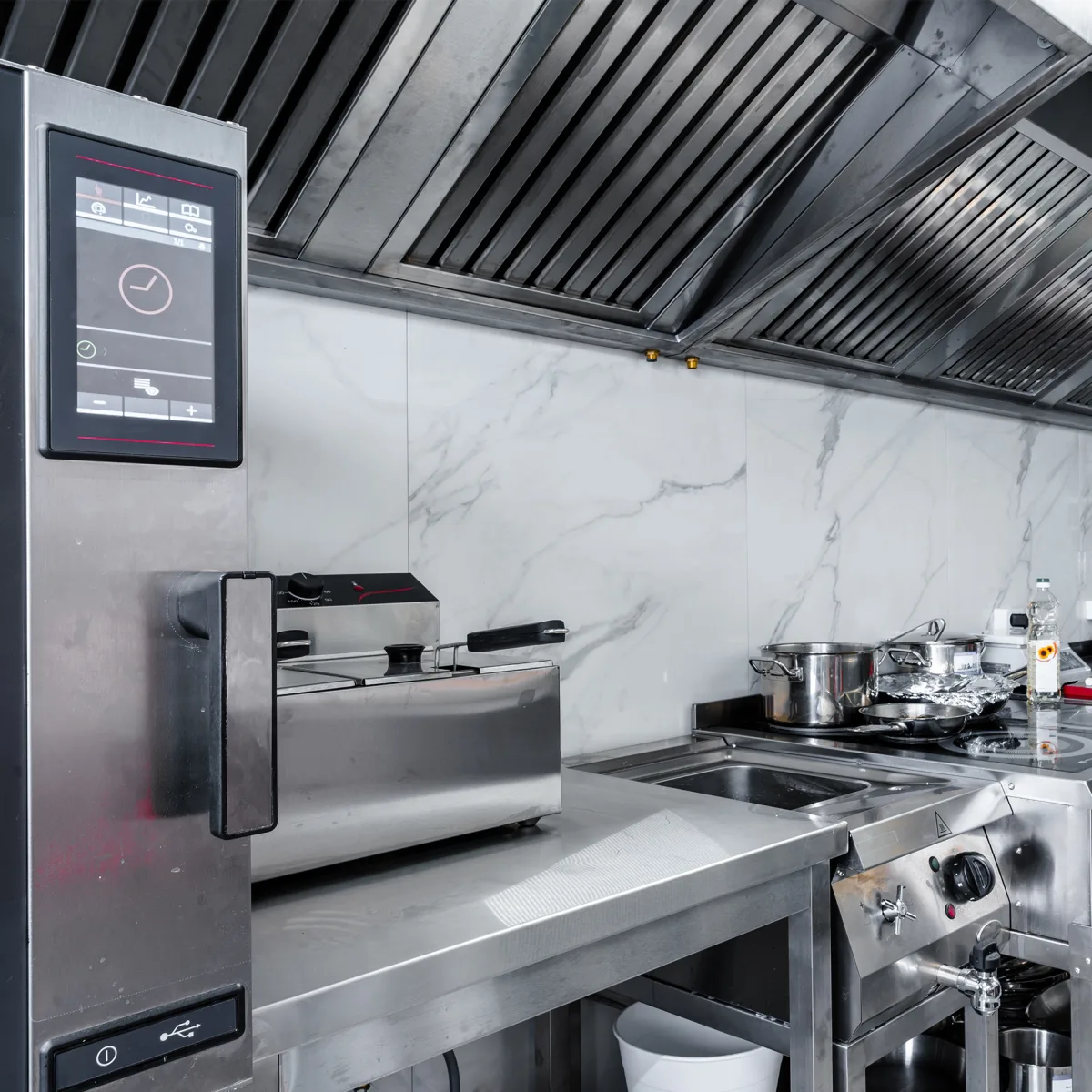
Let’s start with the obvious: kitchens get hot. Like, “surface of the sun” hot. But it’s not just the temperature that’s the problem, it’s the radiant heat from ovens, stovetops, and even dishwashers. In a commercial kitchen, this heat doesn’t just disappear; it lingers, turning your workspace into a sauna. And here’s the kicker: for every degree above 77°F, your staff’s productivity drops by about 2%. That’s not just a statistic; that’s real money walking out the door in the form of slower service, more mistakes, and higher turnover.
But it’s not just about the numbers. There’s a psychological toll, too. Heat makes us irritable, sluggish, and less creative. Ever notice how your best ideas come to you in the shower or on a walk, not when you’re sweating over a grill? That’s because our brains are wired to associate heat with stress. No-cook meals aren’t just a practical solution; they’re a mental reset. They signal to your brain (and your customers’ brains) that summer is a time for lightness, freshness, and ease.
And let’s talk about the energy savings. In a commercial kitchen, cooling costs can account for up to 30% of your utility bill during the summer. Every minute your oven is off is money back in your pocket. But here’s where it gets interesting: no-cook meals don’t just reduce heat; they redefine what cooking means. Because when you take heat out of the equation, you’re forced to get creative with textures, temperatures, and techniques. Think pickling, fermenting, dehydrating (yes, even without heat), and layering flavors in ways that don’t rely on browning or caramelization. It’s like learning to paint without red, you start seeing the world in a whole new spectrum.
Why Your Customers Will Thank You
Here’s a truth bomb: your customers don’t want to feel like they’re eating in a sauna either. There’s a reason why cold dishes like gazpacho, ceviche, and chilled noodles fly off the menu in the summer. It’s not just about the temperature; it’s about the sensory experience. Cold food engages different taste buds than hot food. It’s brighter, sharper, and often more refreshing. And in a world where we’re constantly bombarded with stimuli, that kind of clarity is a relief.
But here’s the thing: not all cold dishes are created equal. A sad, wilted salad is just as unappealing as a greasy burger on a 90-degree day. The key is intentionality. No-cook meals should feel designed, not like an afterthought. They should be vibrant, textured, and packed with contrast. Think of them like a playlist: every ingredient should have a purpose, whether it’s adding crunch, creaminess, acidity, or sweetness. And just like a great playlist, the best no-cook dishes leave you wanting more.
I’ll be honest, I was skeptical at first. I thought no-cook meals were a cop-out, a way to avoid the “real work” of cooking. But then I tried a properly made Vietnamese summer roll with fresh herbs, rice noodles, and a peanut-hoisin dipping sauce. It was a revelation. The textures! The flavors! The fact that it took me 10 minutes to assemble! That’s when I realized: no-cook doesn’t mean no-effort. It means smart effort.
No-Cook Menu Items That’ll Make Your Customers Forget About the Oven
1. The Classics, Reimagined: Salads That Don’t Suck
Let’s get this out of the way: salads don’t have to be boring. In fact, the best salads are anything but. The trick is to think of them as composed dishes, not just a pile of greens with dressing. Take, for example, a watermelon-feta-mint salad. It’s sweet, salty, herby, and juicy all at once. Or a shaved fennel and apple salad with lemon vinaigrette, crunchy, bright, and refreshing. The key is to balance flavors and textures so every bite feels intentional.
But here’s where I see a lot of restaurants go wrong: they treat salads like an afterthought. A side dish. A punishment for customers who dare to order something healthy. That’s a mistake. A great salad can be a main event. Case in point: the Nicoise salad. It’s got protein (tuna or hard-boiled eggs), carbs (potatoes), veggies (green beans, tomatoes, olives), and a tangy vinaigrette. It’s a complete meal, and it’s delicious. The best part? You can prep all the components ahead of time and assemble them to order. No heat required.
And don’t even get me started on grain salads. A Mediterranean quinoa salad with cucumbers, cherry tomatoes, olives, feta, and a lemon-oregano dressing is a summer staple for a reason. It’s hearty, flavorful, and keeps well in the fridge. Plus, it’s endlessly customizable. Swap the quinoa for farro or bulgur. Add roasted chickpeas for crunch. Toss in some fresh herbs. The possibilities are endless.
2. The Rise of the Chilled Noodle
Noodles don’t have to be hot to be satisfying. In fact, some of the best noodle dishes are served cold. Take Japanese soba noodles, for example. Served chilled with a dipping sauce made from soy sauce, mirin, and dashi, they’re light, refreshing, and packed with umami. Or Korean naengmyeon, a dish of chewy buckwheat noodles served in an icy broth with slices of pear, cucumber, and a hard-boiled egg. It’s the perfect antidote to a sweltering day.
But my personal favorite? Vietnamese bun bowls. Rice vermicelli noodles topped with grilled pork (or tofu, if you’re plant-based), fresh herbs, pickled veggies, and crushed peanuts, all drizzled with a tangy fish sauce dressing. It’s a symphony of flavors and textures, and the best part? You can prep all the components ahead of time and let customers assemble their own bowls. It’s interactive, customizable, and, most importantly-o cooking required (assuming you’re using pre-cooked protein).
And let’s not forget about pasta salads. I know, I know, they’ve got a bad rap. But a well-made pasta salad is a thing of beauty. The key is to use short, sturdy pasta shapes (like fusilli or penne) and to dress it while the pasta is still warm so it absorbs the flavors. My go-to? A Greek pasta salad with cherry tomatoes, cucumbers, Kalamata olives, feta, and a red wine vinaigrette. It’s bright, briny, and perfect for picnics or potlucks.
3. The Magic of Ceviche and Other “Cooked” Seafood
Here’s a fun fact: you can “cook” seafood without heat. How? With acid. Ceviche is the perfect example. By marinating raw fish (like shrimp, scallops, or white fish) in citrus juice (usually lime or lemon), the acid denatures the proteins, effectively “cooking” the seafood. The result? A dish that’s tender, tangy, and refreshing, perfect for summer.
But ceviche isn’t the only game in town. There’s also Peruvian tiradito, which is like ceviche’s sleeker, more elegant cousin. Thinly sliced raw fish is dressed with a spicy, citrusy sauce (often made with ají amarillo peppers) and served with sweet potato or corn. Or Mexican aguachile, where shrimp is marinated in a fiery blend of lime juice and chili peppers. It’s spicy, tangy, and utterly addictive.
And if you’re not a fan of raw seafood, don’t worry, there are plenty of other options. Shrimp cocktail is a classic for a reason. Poach the shrimp ahead of time (or buy them pre-cooked), and serve them with a tangy cocktail sauce. Or try octopus salad, where tender octopus is marinated in olive oil, lemon juice, and herbs. It’s a showstopper, and it’s surprisingly easy to make.
4. The Power of the Plate: Charcuterie and Cheese Boards
Who says charcuterie is just for winter? A well-curated summer charcuterie board is a no-cook dream. Think cured meats (like prosciutto or salami), a variety of cheeses (goat cheese, brie, aged cheddar), fresh and dried fruits (figs, grapes, apricots), nuts, olives, and crusty bread. It’s a meal that feels indulgent but is actually pretty light. Plus, it’s endlessly customizable. You can theme it around a specific cuisine (Italian, Spanish, French) or keep it simple with a mix of your favorite flavors.
But here’s where I see a lot of people go wrong: they overcomplicate it. A charcuterie board doesn’t need to be a work of art (though it can be). It just needs to be thoughtfully assembled. Start with the meats and cheeses, then fill in the gaps with fruits, nuts, and other accompaniments. The key is to balance flavors and textures, creamy, crunchy, salty, sweet. And don’t forget the dips and spreads! Hummus, tapenade, and mustard are all great additions.
And if you’re serving charcuterie in a restaurant setting, consider offering it as a shareable platter. It’s a great way to encourage social dining, and it’s perfect for groups. Plus, it’s a low-effort, high-reward dish that’ll keep your customers happy and your kitchen cool.
5. The Humble Sandwich, Elevated
Sandwiches are the ultimate no-cook meal. But let’s be real, not all sandwiches are created equal. A sad, soggy sub from the gas station is a far cry from a Vietnamese banh mi or a Mediterranean falafel wrap. The key is to think beyond the basic PB&J and get creative with flavors and textures.
Take the banh mi, for example. It’s a Vietnamese sandwich that’s packed with flavor: pickled veggies, cilantro, jalapeños, and a protein (usually pork, chicken, or tofu). The bread is a crispy baguette, and the whole thing is slathered with a spicy mayo. It’s a masterclass in balance, sweet, sour, spicy, savory, crunchy, and creamy all in one bite. And the best part? You can prep all the components ahead of time and assemble the sandwiches to order.
Or how about a Mediterranean wrap? Fill a tortilla with hummus, falafel, cucumber, tomato, red onion, and tzatziki. It’s fresh, flavorful, and perfect for a quick lunch. And if you’re feeling fancy, you can even grill the tortilla for a few seconds to give it a little char (though this is technically optional).
And let’s not forget about open-faced sandwiches. A slice of rye bread topped with smoked salmon, cream cheese, capers, and dill is a Scandinavian classic. Or try a Caprese sandwich with fresh mozzarella, tomato, basil, and a drizzle of balsamic glaze. It’s simple, elegant, and 100% no-cook.
6. The Art of the Cold Soup
Cold soup might sound weird, but trust me, it’s a summer game-changer. Take gazpacho, for example. This Spanish classic is made with blended tomatoes, cucumbers, bell peppers, garlic, and bread, all soaked in olive oil and vinegar. It’s like drinking a salad, and it’s incredibly refreshing. The best part? It gets better as it sits in the fridge, so you can make it ahead of time and let the flavors meld.
But gazpacho isn’t the only cold soup in town. There’s also vichyssoise, a French soup made with leeks, potatoes, and cream, all blended until smooth and served chilled. Or cucumber soup, which is light, creamy, and perfect for a hot day. And if you’re feeling adventurous, try salmorejo, a Spanish soup that’s like gazpacho’s thicker, creamier cousin. It’s made with tomatoes, bread, garlic, and olive oil, and it’s usually topped with hard-boiled eggs and jamón.
The key to a great cold soup is texture. You want it to be smooth but not too thick, and you want to add a little crunch on top. Croutons, diced veggies, or even a sprinkle of nuts can take your soup from good to great. And don’t be afraid to get creative with the flavors. A little spice (like a dash of hot sauce or a sprinkle of chili flakes) can add a nice kick, while fresh herbs (like basil or dill) can brighten things up.
7. The Versatility of Dips and Spreads
Dips and spreads are the unsung heroes of the no-cook world. They’re easy to make, endlessly customizable, and perfect for snacking. Plus, they’re a great way to use up leftover veggies or herbs. Take hummus, for example. It’s made with chickpeas, tahini, lemon juice, and garlic, and it’s a Middle Eastern classic. But don’t stop there, get creative with your flavors. Roasted red pepper hummus, beet hummus, or even avocado hummus are all delicious variations.
Or how about tzatziki? This Greek dip is made with yogurt, cucumber, garlic, and dill. It’s creamy, tangy, and perfect for dipping pita bread or veggies. And if you’re feeling fancy, you can even use it as a sauce for sandwiches or wraps.
And let’s not forget about guacamole. It’s a Mexican staple, and for good reason. It’s creamy, flavorful, and perfect for dipping chips or topping tacos. The key to a great guacamole is balance. You want it to be creamy but not too smooth, tangy but not too sour, and spicy but not too hot. And don’t forget the lime juice, it keeps the avocado from browning and adds a nice brightness.
But dips and spreads aren’t just for snacking. They can also be the star of the show. Take muhammara, for example. This Syrian dip is made with roasted red peppers, walnuts, pomegranate molasses, and spices. It’s sweet, smoky, and slightly spicy, and it’s perfect for serving with bread or crackers. Or try baba ganoush, a Middle Eastern dip made with roasted eggplant, tahini, and garlic. It’s creamy, smoky, and utterly addictive.
8. The Joy of Pickled and Fermented Foods
Pickled and fermented foods are a no-cook chef’s best friend. They’re easy to make, they last for weeks (or even months) in the fridge, and they add a tangy, crunchy element to any dish. Plus, they’re a great way to preserve seasonal produce. Take quick-pickled veggies, for example. You can pickle just about anything, cucumbers, carrots, radishes, even onions. All you need is vinegar, water, salt, and sugar. Bring the mixture to a boil, pour it over the veggies, and let them sit for a few hours. The result? A crisp, tangy topping that’s perfect for sandwiches, salads, or tacos.
But pickling isn’t just for veggies. You can also pickle fruits, like watermelon rind or peaches. Or try fermented foods, like sauerkraut or kimchi. Fermentation is a bit more involved than pickling, but the results are worth it. Fermented foods are packed with probiotics, which are great for gut health. Plus, they add a complex, umami-rich flavor to any dish.
And don’t forget about kimchi. This Korean staple is made with fermented cabbage, radishes, and a spicy chili paste. It’s tangy, spicy, and utterly addictive. You can use it as a topping for rice bowls, mix it into fried rice, or even eat it straight out of the jar. The possibilities are endless.
9. The Sweet Side of No-Cook: Desserts That Don’t Require an Oven
Just because you’re not cooking doesn’t mean you can’t have dessert. There are plenty of o-cook desserts that are just as delicious as their baked counterparts. Take chocolate mousse, for example. It’s made with just a few ingredients, chocolate, eggs, sugar, and cream, and it’s light, airy, and utterly decadent. The key is to whip the egg whites and cream until they’re stiff, then fold them into the melted chocolate. The result? A dessert that’s rich, creamy, and 100% no-bake.
Or how about o-bake cheesecake? It’s made with a graham cracker crust and a creamy filling made from cream cheese, sugar, and whipped cream. You can top it with fresh fruit, chocolate sauce, or even caramel. The best part? It sets in the fridge, so you don’t have to worry about it cracking or over-baking.
And let’s not forget about fruit-based desserts. A berry parfait with layers of yogurt, granola, and fresh berries is a summer classic. Or try a mango sticky rice, a Thai dessert made with sweet coconut milk and ripe mango. It’s creamy, sweet, and incredibly refreshing.
But my personal favorite? Icebox cake. It’s made with layers of cookies and whipped cream, and it’s as easy as it sounds. Just layer the cookies and cream in a dish, let it sit in the fridge overnight, and voila, you’ve got a dessert that’s creamy, crunchy, and completely no-cook.
10. The Ultimate No-Cook Menu: Putting It All Together
So, how do you take all these ideas and turn them into a cohesive no-cook menu? Start by thinking about balance. You want a mix of flavors, textures, and temperatures. Offer a variety of options, some light and refreshing, some hearty and filling. And don’t forget about presentation. A well-plated dish is just as important as a well-cooked one.
Here’s a sample menu to get you started:
- Appetizers:
- Charcuterie board with cured meats, cheeses, and accompaniments
- Hummus and veggie platter with warm pita
- Shrimp cocktail with tangy cocktail sauce
- Salads:
- Watermelon-feta-mint salad with balsamic glaze
- Mediterranean quinoa salad with cucumbers, tomatoes, and olives
- Nicoise salad with tuna, green beans, and hard-boiled eggs
- Mains:
- Vietnamese bun bowls with grilled pork, herbs, and peanuts
- Banh mi sandwiches with pickled veggies and spicy mayo
- Ceviche with lime-marinated fish, avocado, and tortilla chips
- Sides:
- Quick-pickled veggies (cucumbers, carrots, radishes)
- Chilled soba noodles with dipping sauce
- Greek pasta salad with feta and olives
- Desserts:
- Chocolate mousse with whipped cream and berries
- No-bake cheesecake with fresh fruit toppings
- Berry parfait with yogurt and granola
But don’t stop there. Get creative with your menu. Offer build-your-own bowls or DIY wraps. Let customers customize their meals with a variety of toppings and sauces. And don’t forget about seasonal ingredients. Summer is the perfect time to highlight fresh produce like tomatoes, cucumbers, peaches, and berries.
And here’s a pro tip: market your no-cook menu as a summer special. Use phrases like “beat the heat” or “stay cool with our no-cook options.” Highlight the freshness and ease of these dishes. And don’t be afraid to get a little playful with your descriptions. Instead of “salad,” call it a “summer garden bowl.” Instead of “sandwich,” call it a “chilled flavor bomb.” The goal is to make these dishes sound as exciting as they taste.
Wrapping It Up: The No-Cook Revolution
So, there you have it, my ultimate guide to no-cook menu items for summer. It’s not just about keeping your kitchen cool; it’s about rethinking what cooking means in the first place. It’s about embracing freshness, creativity, and efficiency. And it’s about giving your customers (and your staff) a break from the heat.
But here’s the thing: no-cook meals aren’t just for summer. They’re a year-round tool in your culinary arsenal. Use them to save time, reduce energy costs, and keep your menu fresh and exciting. And don’t be afraid to experiment. The best dishes come from curiosity, not convention.
So, what’s next? Start small. Pick one or two no-cook dishes to add to your menu this week. See how your customers respond. Tweak as needed. And most importantly, have fun with it. Because at the end of the day, cooking should be a joy, not a chore. And if you can keep your kitchen cool while doing it? Even better.
Now, if you’ll excuse me, I’ve got a date with a bowl of gazpacho and a very judgmental cat. Here’s to a summer of cool kitchens and happy customers. Cheers!
FAQ
Q: Aren’t no-cook meals just for home cooks? How can they work in a restaurant setting?
A: Not at all! No-cook meals are a fantastic option for restaurants, especially during the summer. They’re quick to assemble, reduce kitchen heat, and can be just as profitable as cooked dishes. Plus, they appeal to health-conscious diners and those looking for lighter, fresher options. Many restaurants already offer no-cook items like salads, charcuterie boards, and ceviche, it’s just about expanding that selection and marketing it effectively.
Q: How do I ensure food safety with no-cook menu items, especially when dealing with raw ingredients like seafood or eggs?
A: Food safety is critical, especially with no-cook items. Here are a few key tips:
- Always use fresh, high-quality ingredients from reputable suppliers.
- Store ingredients at the correct temperatures, cold items should be kept below 41°F (4°C).
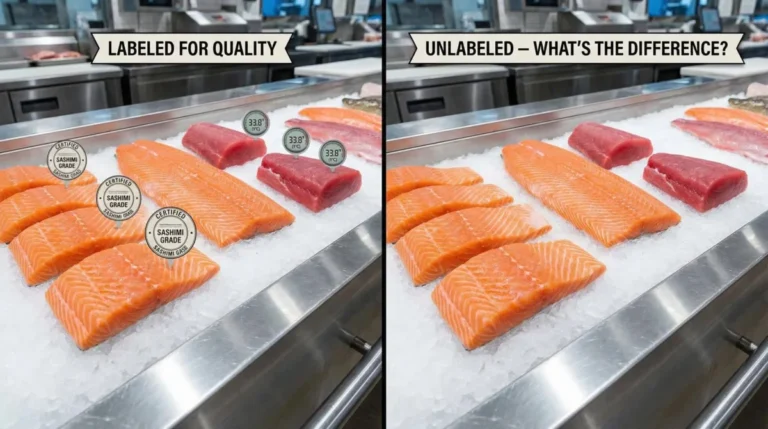
- For seafood like ceviche, use sushi-grade fish that’s been frozen to kill parasites.
- If using eggs (like in a Nicoise salad), opt for pasteurized eggs to reduce the risk of salmonella.
- Follow proper cross-contamination protocols, like using separate cutting boards for raw and cooked ingredients.
When in doubt, consult your local health department for guidelines specific to your area.
Q: What are some cost-effective no-cook ingredients I can use to keep my menu budget-friendly?
A: No-cook meals can be very budget-friendly if you focus on seasonal, versatile ingredients. Here are some cost-effective options:
- Beans and legumes: Chickpeas, lentils, and black beans are cheap, nutritious, and can be used in salads, dips, and wraps.
- Canned tuna or salmon: These are great for salads, sandwiches, or even ceviche (if using high-quality canned fish).
- Seasonal produce: Summer is the perfect time to take advantage of affordable fruits and veggies like cucumbers, tomatoes, melons, and berries.
- Grains: Rice, quinoa, and couscous are inexpensive and can be used in salads, bowls, or as a base for other dishes.
- Dairy: Cheese, yogurt, and cream cheese are versatile and can be used in dips, spreads, and desserts.
Buying in bulk and prepping ingredients in advance can also help keep costs down.
Q: How can I make no-cook dishes feel more filling and satisfying for customers?
A: The key to making no-cook dishes satisfying is to focus on texture, protein, and hearty ingredients. Here are a few tips:
- Add protein: Include ingredients like grilled chicken (pre-cooked), hard-boiled eggs, canned tuna, chickpeas, or tofu to make dishes more filling.
- Incorporate healthy fats: Avocado, nuts, seeds, and olive oil add richness and keep customers full longer.
- Use hearty grains: Quinoa, farro, or bulgur can bulk up salads and bowls without requiring cooking.
- Play with textures: Combine crunchy, creamy, and chewy elements to make dishes more interesting. For example, pair crisp veggies with creamy hummus or add toasted nuts to a salad.
- Offer customization: Let customers build their own bowls or wraps with a variety of toppings and sauces. This gives them control over how filling their meal is.
With a little creativity, no-cook dishes can be just as satisfying as their cooked counterparts!
@article{beat-the-heat-20-no-cook-menu-items-to-keep-your-kitchen-cool-this-summer,
    title   = {Beat the Heat: 20+ No-Cook Menu Items to Keep Your Kitchen Cool This Summer},
    author  = {Chef's icon},
    year    = {2026},
    journal = {Chef's Icon},
    url     = {https://chefsicon.com/no-cook-menu-items-to-reduce-kitchen-heat-in-summer/}
}