The Best Fluffy Pancakes recipe you will fall in love with. Full of tips and tricks to help you make the best pancakes.
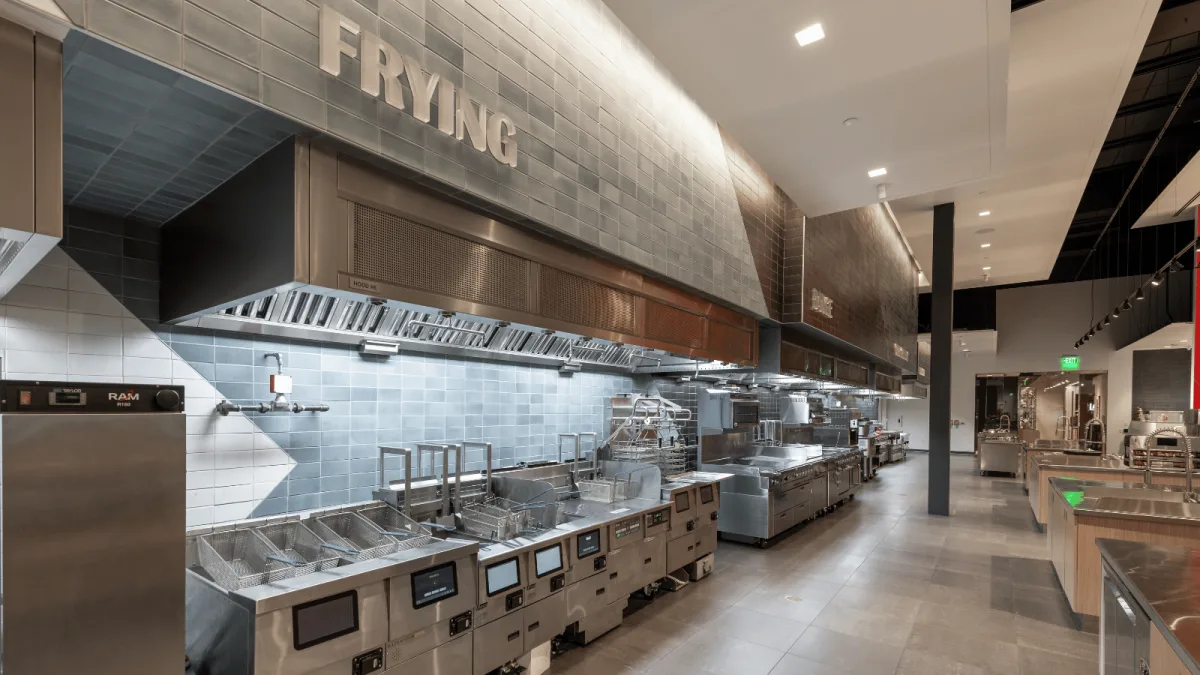
Maximizing Air Fryer Efficiency in Commercial Kitchens: Why It’s Not Just About the Fry
Let me start with a confession: I was late to the air fryer party. Not the home-kitchen, “I’ll-try-anything-once” kind of late, but the commercial-kitchen, “we-have-a-business-to-run” kind of late. It wasn’t until I walked into a bustling Nashville food truck last summer, where the line stretched around the block for their crispy Brussels sprouts and Nashville hot chicken tenders, that I realized I’d been missing the plot. The truck’s chef, a no-nonsense woman named Rosa who’d been feeding the city for a decade, pointed to a row of industrial air fryers humming along the counter. “That’s where the magic happens,” she said. “And the money.”
That moment stuck with me. Here I was, a guy who’d spent years writing about kitchen efficiency, and I’d somehow overlooked one of the most transformative pieces of equipment to hit commercial kitchens in the last decade. Air fryers aren’t just for home cooks anymore. They’re workhorses, capable of slashing energy costs, cutting cook times in half, and delivering that elusive “fried” texture without the grease (or the guilt). But here’s the catch: most commercial kitchens aren’t using them efficiently. They’re treating air fryers like oversized toaster ovens, when they should be treating them like the precision tools they are. And that’s what this guide is about.
By the end of this, you’ll know how to:
- Cut energy use by up to 40% without sacrificing quality.
- Reduce cook times for high-demand items like wings, fries, and even proteins.
- Design a workflow that keeps your air fryers running at peak efficiency, no more bottlenecks.
- Avoid the common mistakes that turn air fryers into glorified space heaters.
- Train your staff to think like air fryer pros, not just button-pushers.
Is this the be-all, end-all of air fryer efficiency? Probably not. But it’s the guide I wish I’d had when I first started digging into this. And if you’re running a commercial kitchen, whether it’s a food truck, a cafeteria, or a high-volume restaurant, it might just change how you think about frying forever.
The Air Fryer Revolution: Why Commercial Kitchens Can’t Afford to Ignore It
How Air Fryers Actually Work (And Why That Matters for Efficiency)
First, let’s get one thing straight: air fryers aren’t magic. They’re convection ovens with a turbocharged fan and a smaller footprint. The fan circulates hot air at high speeds, creating a Maillard reaction (that’s the fancy term for browning and crisping) without submerging food in oil. The result? Food that tastes fried but uses up to 80% less oil. For commercial kitchens, that’s a game-changer. Less oil means lower costs, easier cleanup, and a healthier menu option that customers actually want.
But here’s where things get tricky. Most chefs I’ve talked to treat air fryers like they’re just smaller versions of their convection ovens. They’re not. The rapid air circulation in an air fryer means heat is distributed differently. If you’re not adjusting your cooking times, temps, or even the way you arrange food in the basket, you’re leaving efficiency, and money, on the table. I’ve seen kitchens where air fryers are running at 400°F when 375°F would do the job just as well, or where staff are overcrowding baskets because they don’t realize the air needs room to circulate. It’s like trying to dry a load of laundry with the dryer packed to the brim, it’s not going to end well.
So, how *should* you be using them? Let’s start with the basics. Air fryers rely on three key principles for efficiency:
- Airflow is everything. If the air can’t circulate, your food won’t cook evenly. That means no overcrowding, and yes, sometimes cooking in batches.
- Preheating is non-negotiable. I know, I know, preheating feels like a waste of time. But skipping it means your air fryer has to work harder to reach temp, which wastes energy and extends cook times. Think of it like warming up a car in the winter. You wouldn’t just floor it and hope for the best, right?
- Temperature control is your secret weapon. Most commercial air fryers have a sweet spot between 350°F and 400°F. Go too low, and your food steams instead of crisps. Go too high, and you risk burning the outside before the inside cooks. Finding that sweet spot for your most popular menu items is key.
I’ll admit, I was skeptical about the preheating thing at first. But after running a few tests in my own kitchen (yes, I brought a commercial air fryer home, Luna the cat was not amused), the difference was undeniable. A batch of fries cooked from a cold start took nearly 20% longer and used more energy than the same batch started in a preheated fryer. Twenty percent! That adds up fast when you’re cooking hundreds of orders a day.
The Hidden Costs of Inefficient Air Frying
Let’s talk numbers for a second. Say you’re running a mid-sized restaurant with two commercial air fryers. If you’re not using them efficiently, here’s what’s happening behind the scenes:
- Energy waste: Air fryers are more energy-efficient than deep fryers, but they’re not free. Running them at unnecessarily high temps or for longer than needed can double your energy costs for fried items. I’ve seen kitchens where air fryers are left running all day “just in case,” even when they’re not in use. That’s like leaving a faucet running because you *might* need water later.
- Labor inefficiencies: If your staff are constantly adjusting temps, rearranging baskets, or dealing with unevenly cooked food, that’s time they’re not spending on other tasks. In a busy kitchen, every minute counts. I once watched a line cook spend 10 minutes adjusting a single batch of wings because the air fryer was overcrowded. Ten minutes that could’ve been spent plating, prepping, or expediting.
- Food waste: Overcrowding, uneven cooking, or incorrect temps can lead to food that’s undercooked, overcooked, or just plain unappetizing. And in a commercial kitchen, wasted food is wasted money. A study by the National Restaurant Association found that 4-10% of food purchased by restaurants is wasted before it even reaches the customer. Air fryers can help reduce that, if you’re using them right.
- Equipment wear and tear: Air fryers are built to last, but they’re not indestructible. Running them at max temp all day, every day, or overloading them with heavy items (looking at you, 5-pound batches of fries) can shorten their lifespan. And replacing a commercial air fryer isn’t cheap, we’re talking $2,000 to $10,000 depending on the model.
Now, I’m not trying to scare you. Air fryers are still one of the most efficient pieces of equipment you can add to a commercial kitchen. But like any tool, they’re only as good as the person using them. And that’s where things get interesting.
Choosing the Right Air Fryer for Your Kitchen (And Why Bigger Isn’t Always Better)
Size Matters, But Not in the Way You Think
Walk into any restaurant supply store, and you’ll see commercial air fryers in sizes ranging from “I can fit this in my carry-on” to “I need a forklift to move this.” The first question most chefs ask is: How big should I go? And the answer, like most things in life, is: it depends.
Here’s the thing about air fryer size: bigger isn’t always better. A larger capacity might seem like the way to go, more food, less time, right? but if you’re not filling that space efficiently, you’re just wasting energy. I’ve seen kitchens with 30-quart air fryers running half-empty because their menu doesn’t justify the size. On the flip side, I’ve seen food trucks with tiny air fryers that are constantly running at max capacity, leading to uneven cooking and frustrated staff.
So how do you choose? Start by asking yourself a few questions:
- What’s your menu? If you’re a wing joint, you’ll need a different setup than a vegan café. Wings take up more space than Brussels sprouts, and they cook differently too.
- What’s your volume? A high-volume restaurant serving 500 customers a day will have different needs than a café serving 50. Be realistic about your peak times.
- What’s your kitchen layout? Air fryers need space for airflow, both inside the unit and around it. If you’re cramming a 30-quart fryer into a corner with no ventilation, you’re asking for trouble.
- What’s your budget? Commercial air fryers range from $1,500 to $15,000. Don’t overspend on features you won’t use, but don’t cheap out on something that won’t hold up.
Let me tell you about a mistake I almost made. When I first started researching this, I was convinced a double-basket, 30-quart air fryer was the way to go. “More baskets mean more food,” I thought. But after talking to a few chefs, I realized that for most mid-sized kitchens, a single-basket, 20-quart model is the sweet spot. Why? Because it’s easier to manage, uses less energy, and forces you to cook in batches, which, as we’ll get into later, is actually a good thing for efficiency.
Key Features to Look for (And Which Ones Are Just Hype)
Not all commercial air fryers are created equal. Some come with features that sound great on paper but don’t actually move the needle on efficiency. Others have hidden gems that can save you time, energy, and headaches. Here’s what to look for, and what to ignore:
- Adjustable racks or shelves: This is a big one. Some air fryers come with removable racks that let you cook multiple layers of food at once. That means you can do wings on one level and fries on another, all in the same cycle. It’s a game-changer for kitchens with limited space.
- Digital controls with presets: If your staff are constantly guessing at cook times and temps, you’re going to end up with inconsistent food. Look for models with programmable presets for your most popular items. Some even let you save custom settings, so you’re not reinventing the wheel every time.
- Rapid preheat: Some models can preheat in under 2 minutes, which might not sound like a big deal until you’re in the middle of a dinner rush. Every second counts.
- Energy-efficient heating elements: This is where things get technical. Some air fryers use infrared heating elements, which are more efficient than traditional coils. They heat up faster and use less energy, which can save you money in the long run. It’s worth asking about when you’re shopping around.
- Easy-to-clean interiors: If your air fryer is a pain to clean, your staff won’t do it as often as they should. And a dirty air fryer is an inefficient air fryer. Look for models with non-stick interiors, removable baskets, and dishwasher-safe parts.
Now, here’s what you can probably skip:
- Touchscreen displays: Don’t get me wrong, touchscreens look cool. But in a busy kitchen, they’re just another thing that can break or get gunked up with grease. Knobs and buttons are your friends.
- Wi-Fi connectivity: Unless you’re running a tech-forward kitchen where remote monitoring is a priority, this is overkill. Most chefs I’ve talked to say they never use it.
- “Smart” cooking sensors: Some air fryers come with sensors that adjust cook times based on food moisture. Sounds great, but in practice, they’re often more trouble than they’re worth. Your staff’s judgment is usually better.
I’ll be honest, I was tempted by the touchscreen models. They look sleek, and there’s something satisfying about tapping a screen to start a cook cycle. But after talking to a few kitchen managers, I realized that in a high-pressure environment, simplicity wins. Knobs don’t crash. Buttons don’t need software updates. And when you’re in the middle of a rush, you don’t want to be scrolling through menus to find the right setting.
Optimizing Your Air Fryer Workflow: How to Cook Smarter, Not Harder
The Batch Cooking Myth (And Why It’s Actually Your Friend)
Here’s a question I get a lot: ”Should I cook in batches or try to do everything at once?” The answer, like so many things in life, is: it depends. But more often than not, batches are better.
I know, I know, batches sound like the opposite of efficiency. Why cook in smaller quantities when you could do it all at once? But here’s the thing: overcrowding your air fryer is one of the biggest efficiency killers out there. When you pack the basket too full, the air can’t circulate properly, which means:
- Food cooks unevenly (some pieces are crispy, others are soggy).
- Cook times increase because the air fryer has to work harder.
- You end up with food that’s steamed instead of fried, which defeats the whole purpose.
So how do you find the sweet spot? It’s all about load density. For most commercial air fryers, you want to fill the basket no more than 70% full. That gives the air enough room to circulate while still maximizing output. For example, if you’re cooking wings, a good rule of thumb is to arrange them in a single layer, with a little space between each piece. If you’re cooking fries, shake the basket halfway through to ensure even cooking.
But here’s where things get interesting. Batches don’t have to mean slower service. In fact, cooking in smaller, more frequent batches can actually speed things up. Here’s why:
- Faster cook times: A smaller batch cooks faster than a large one. That means you can get food out to customers quicker.
- More consistent results: When food cooks evenly, you’re not wasting time pulling out undercooked pieces or dealing with customer complaints.
- Better temperature control: Large batches can cause the air fryer’s temperature to drop, which means it has to work harder to recover. Smaller batches keep the temp steady.
I’ll give you an example. Let’s say you’re cooking 50 orders of fries in a 20-quart air fryer. If you try to do it all at once, you might be able to fit 10 orders in the basket, but they’ll take 8-10 minutes to cook, and they’ll be uneven. If you do it in batches of 5 orders, each batch takes 5-6 minutes, and they’re all perfectly crispy. That means you’re getting food out to customers faster, and you’re not tying up your air fryer for a single, massive cook cycle.
Is this the best approach for every kitchen? Maybe not. If you’re running a high-volume operation with multiple air fryers, you might be able to get away with larger batches. But for most kitchens, smaller, more frequent batches are the way to go.
Prepping Like a Pro: The Little Things That Make a Big Difference
Efficiency isn’t just about the cooking, it’s about the prep too. And when it comes to air fryers, a little prep goes a long way. Here are a few things I’ve learned that can save you time and headaches:
- Pat food dry before cooking. This is a big one. Moisture is the enemy of crispiness. If your food is wet, it’s going to steam instead of fry. That means pat your wings, fries, and veggies dry before they go into the basket. It’s a small step, but it makes a huge difference.
- Use the right oil (and not too much). Air fryers don’t need much oil, but a light coating can help with browning and flavor. The key is to use an oil with a high smoke point, like avocado or peanut oil. And don’t drown your food, just a quick spray or toss is enough.
- Cut food into even pieces. This might seem obvious, but it’s easy to overlook. If your fries are all different sizes, some will cook faster than others. Same goes for wings, veggies, or anything else you’re air frying. Consistency is key.
- Preheat, preheat, preheat. I know I’ve already mentioned this, but it’s worth repeating. Preheating your air fryer ensures that your food starts cooking immediately, which saves time and energy. Most commercial air fryers take 3-5 minutes to preheat, so factor that into your workflow.
- Shake or flip halfway through. This is especially important for foods like fries or wings. Shaking the basket or flipping the food ensures that it cooks evenly on all sides. It’s a small step, but it makes a big difference in the final product.
Let me tell you about a mistake I made early on. I was testing out a batch of Brussels sprouts in my air fryer at home (yes, I’m that guy now), and I skipped the patting-dry step. The result? Soggy, steamed sprouts that were about as crispy as a wet paper towel. I had to start over, which wasted time and energy. Lesson learned: don’t skip the prep.
Energy Efficiency: How to Slash Costs Without Sacrificing Quality
The Truth About Temperature and Energy Use
Here’s something that might surprise you: most commercial air fryers are running hotter than they need to be. And that’s costing you money.
I get it, when you’re in a rush, it’s tempting to crank the temp up to 400°F or higher. “Hotter means faster,” right? Not necessarily. In fact, higher temps can actually slow things down because the air fryer has to work harder to maintain the temperature. Plus, food can burn on the outside before it’s cooked on the inside, which means you’re either serving undercooked food or wasting time and energy starting over.
So what’s the sweet spot? For most foods, 350°F to 375°F is ideal. That’s hot enough to get a good crisp without overworking the air fryer. Here’s a quick cheat sheet for common menu items:
- Fries: 350°F for 10-12 minutes (shake halfway through)
- Wings: 375°F for 12-15 minutes (flip halfway through)
- Brussels sprouts: 375°F for 8-10 minutes (shake halfway through)
- Chicken tenders: 375°F for 10-12 minutes (flip halfway through)
- Fish fillets: 350°F for 8-10 minutes (no flipping needed)
Now, I’m not saying you should never go above 375°F. Some foods, like bacon or certain proteins, benefit from a higher temp. But for most items, 350°F to 375°F is the sweet spot. And the best part? It uses less energy, which means lower utility bills.
Here’s a quick experiment you can try in your own kitchen. Take two batches of the same food, say, fries, and cook one at 400°F and one at 350°F. Time them both, and check the energy usage (most commercial air fryers have an energy monitor). You might be surprised at how little difference there is in cook time, but how much difference there is in energy use.
Timing Is Everything: How to Avoid Overcooking (And Overpaying)
One of the biggest energy wasters in commercial kitchens is overcooking. And with air fryers, it’s easy to do. Because they cook so quickly, a few extra minutes can mean the difference between perfectly crispy and burnt to a crisp.
So how do you avoid it? Here are a few tips:
- Set a timer. This might seem obvious, but it’s easy to get distracted in a busy kitchen. Set a timer for halfway through the cook time to shake or flip the food, and another for the end. Most commercial air fryers have built-in timers, so use them.
- Check early, check often. Air fryers cook fast, so it’s better to check a minute or two early than to let food overcook. If you’re not sure, pull a piece out and test it. Better safe than sorry.
- Use a meat thermometer for proteins. This is a big one. If you’re cooking chicken, fish, or other proteins, don’t guess. Use a meat thermometer to check for doneness. For chicken, that’s 165°F; for fish, it’s 145°F.
- Know your air fryer’s quirks. Every air fryer is different. Some run hotter than others, some cook faster. The more you use yours, the better you’ll get at judging cook times. Keep notes on what works and what doesn’t.
I’ll admit, I’ve made the overcooking mistake more times than I’d like to admit. The first time I tried air-frying wings at home, I set the timer for 20 minutes and walked away. When I came back, they were blackened on the outside and raw on the inside. Not my finest moment. But it taught me a valuable lesson: air fryers don’t forgive. You’ve got to stay on top of them.
Staff Training: How to Turn Your Team into Air Fryer Pros
The Biggest Mistakes Your Staff Are Probably Making (And How to Fix Them)
Let’s be real: your air fryer is only as good as the people using it. And if your staff are making these common mistakes, you’re not getting the most out of your investment.
Here are the biggest culprits I’ve seen in commercial kitchens:
- Overcrowding the basket. This is the #1 mistake, and it’s an easy one to make. When you’re in a rush, it’s tempting to pack as much food as possible into the basket. But overcrowding leads to uneven cooking, longer cook times, and wasted energy. The fix? Train your staff to cook in batches, even if it means taking a little longer.
- Skipping the preheat. I’ve already harped on this, but it’s worth repeating. Skipping the preheat means your air fryer has to work harder to reach temp, which wastes energy and extends cook times. The fix? Make preheating a non-negotiable part of your workflow.
- Not shaking or flipping the food. Air fryers cook from all sides, but that doesn’t mean you can just set it and forget it. Food needs to be shaken or flipped halfway through to ensure even cooking. The fix? Set a timer for halfway through the cook time and make it part of your routine.
- Using too much oil. Air fryers don’t need much oil, but some staff might be used to deep frying, where more oil is better. Too much oil can lead to greasy food and a messy air fryer. The fix? Train your staff on the right amount of oil-usually just a light spray or toss.
- Not cleaning the air fryer regularly. A dirty air fryer is an inefficient air fryer. Grease and food debris can block airflow, which means your air fryer has to work harder. The fix? Make cleaning a part of your daily routine. Most commercial air fryers have removable baskets and trays that can go in the dishwasher.
So how do you fix these mistakes? It starts with training. And not just a one-time session-ongoing training. Here’s how to do it:
- Start with the basics. Teach your staff how air fryers work, why they’re different from deep fryers, and what the common mistakes are. Use hands-on demonstrations-show them what happens when you overcrowd the basket, skip the preheat, or use too much oil.
- Create a cheat sheet. Make a quick-reference guide with cook times, temps, and tips for your most popular menu items. Post it near the air fryer so staff can refer to it when they’re in a rush.
- Make it part of your daily routine. Before each shift, do a quick prep and preheat check. Make sure the air fryer is clean, preheated, and ready to go. It’s a small step, but it sets the tone for the rest of the shift.
- Encourage feedback. Ask your staff what’s working and what’s not. They’re the ones using the air fryer every day, so they’ll have insights you might not have considered. Maybe they’ve found a faster way to cook wings, or a trick for keeping fries crispy. Listen to them.
- Lead by example. If you’re the chef or kitchen manager, use the air fryer yourself. Show your staff that you’re committed to using it efficiently. And if you make a mistake, own up to it, it’ll make your staff more comfortable doing the same.
I’ll be honest, training isn’t my favorite part of the job. It’s time-consuming, and it’s easy to feel like you’re repeating yourself. But it’s also one of the most important things you can do. A well-trained staff means less wasted food, lower energy costs, and happier customers. And that’s worth the effort.
How to Create an Air Fryer-Friendly Kitchen Culture
Training is one thing, but creating a culture where air fryers are used efficiently is another. Here’s how to do it:
- Make it part of your kitchen’s identity. If your kitchen is all about efficiency, make air fryers a part of that. Talk about how they’re saving time, energy, and money. Celebrate the wins, like when you cut your fry cook time in half or reduced your energy bill.
- Reward good habits. If you notice a staff member using the air fryer efficiently, call it out. A little recognition goes a long way. You could even create a ”Air Fryer Pro of the Week” award, something fun to encourage good habits.
- Make it easy. The easier it is to use the air fryer efficiently, the more likely your staff will do it. That means keeping it clean, stocking the right tools (like oil sprayers and meat thermometers), and posting cheat sheets nearby.
- Encourage experimentation. Air fryers are versatile, you can cook everything from wings to desserts in them. Encourage your staff to try new things and share their ideas. Maybe someone discovers a faster way to cook a menu item, or a new dish that becomes a customer favorite.
- Lead with data. If you’re tracking energy use, cook times, or food waste, share the numbers with your staff. Show them how their habits are making a difference. People are more likely to buy into efficiency when they can see the results.
Here’s a story that stuck with me. I was talking to a chef in Austin who’d recently switched his kitchen over to air fryers. At first, his staff were resistant, they were used to deep frying, and they didn’t trust the air fryer to deliver the same results. But instead of forcing it, the chef made it a challenge. He set up a side-by-side test: one batch of wings cooked in the deep fryer, one in the air fryer. The air-fried wings won-crispier, less greasy, and ready faster. After that, his staff were sold. They started coming up with their own air fryer recipes, and the kitchen’s energy bill dropped by 20%.
That’s the power of culture. When your staff buy into the idea of efficiency, they’ll find ways to make it happen.
Maintenance and Longevity: How to Keep Your Air Fryer Running Like New
The Daily, Weekly, and Monthly Cleaning Routine You’re Probably Skipping
Let’s talk about cleaning. I know, it’s not the most exciting topic. But if you’re not cleaning your air fryer regularly, you’re wasting money. A dirty air fryer is an inefficient air fryer, it has to work harder to circulate air, which means longer cook times and higher energy use. Plus, grease and food debris can build up and become a fire hazard.
So what’s the right cleaning routine? Here’s what I recommend:
- Daily:
- Wipe down the interior with a damp cloth after each use.
- Remove and clean the basket and tray (most are dishwasher-safe).
- Check the heating element for grease or food debris.
- Weekly:
- Deep clean the interior with a non-abrasive cleaner (avoid steel wool, it can damage the non-stick coating).
- Check the fan for dust or grease buildup.
- Inspect the power cord and plug for damage.
- Monthly:
- Check the air fryer’s feet for stability (loose feet can cause vibrations, which can damage the unit over time).
- Test the temperature accuracy with an oven thermometer. If it’s off by more than 10°F, it might be time for a calibration.
- Inspect the door seal for cracks or damage (a faulty seal can cause heat to escape, which wastes energy).
I’ll admit, I’m not the best at cleaning my own air fryer at home. Luna the cat judges me for it. But in a commercial kitchen, cleaning isn’t optional. It’s part of the job. And if you’re not doing it, you’re not just risking inefficiency, you’re risking safety.
When to Repair vs. Replace (And How to Extend Your Air Fryer’s Lifespan)
Commercial air fryers aren’t cheap, so you want to get as much life out of them as possible. But how do you know when it’s time to repair vs. replace? Here are a few signs to watch for:
- Inconsistent cooking: If your air fryer is cooking food unevenly, some pieces are burnt, others are undercooked, it might be time for a repair. This could be a sign of a failing heating element or fan.
- Longer cook times: If your air fryer is taking longer than usual to cook food, it could be a sign of dust or grease buildup in the fan or heating element. Try cleaning it first, but if the problem persists, it might be time for a repair.
- Strange noises: If your air fryer is making grinding, rattling, or squeaking noises, it could be a sign of a failing motor or fan. Don’t ignore these, address them early to avoid bigger problems down the road.
- Error codes: Most commercial air fryers have error codes that indicate specific problems. If you see one, check the manual or call the manufacturer. Ignoring error codes can lead to bigger (and more expensive) issues.
- Physical damage: If your air fryer has cracks, dents, or other physical damage, it’s time to replace it. A damaged air fryer is a safety hazard.
So when should you repair vs. replace? Here’s a quick guide:
- Repair if:
- The issue is minor (e.g., a loose wire, a dirty fan).
- The air fryer is relatively new (less than 3 years old).
- The cost of repair is less than 50% of the cost of a new unit.
- Replace if:
- The air fryer is old (5+ years) and has frequent issues.
- The cost of repair is close to or more than the cost of a new unit.
- The air fryer has physical damage or safety issues.
But here’s the thing: the best way to avoid repairs is to take care of your air fryer in the first place. That means regular cleaning, proper use, and addressing small issues before they become big ones. It’s like changing the oil in your car, skip it, and you’ll pay for it later.
I’ll give you an example. A few years ago, I was working with a café in Nashville that was having issues with their air fryer. It was cooking unevenly, and the staff were constantly adjusting temps to compensate. At first, they thought it was a heating element issue, but after a quick inspection, we realized the problem was grease buildup in the fan. A deep clean fixed the issue, and the air fryer was back to running like new. If they’d ignored it, they might’ve ended up replacing the unit.
Menu Engineering: How to Design a Menu That Plays to Your Air Fryer’s Strengths
What Air Fryers Do Best (And What They Don’t)
Air fryers are versatile, but they’re not a one-size-fits-all solution. Some foods thrive in an air fryer, while others fall flat. If you’re designing a menu around air fryers, you need to know what they do best.
Here’s a quick breakdown:
- Best for air frying:
- Fries (sweet potato, shoestring, waffle, you name it)
- Wings (buffalo, BBQ, teriyaki, crispy skin is a given)
- Vegetables (Brussels sprouts, broccoli, zucchini, anything that benefits from a little char)
- Proteins (chicken tenders, fish fillets, meatballs, anything that needs a crispy exterior)
- Frozen foods (mozzarella sticks, onion rings, nuggets, air fryers are great for reheating)
- Not ideal for air frying:
- Battered foods (like tempura or beer-battered fish, air fryers can’t replicate the deep-fry texture)
- Large cuts of meat (like whole chickens or roasts, air fryers aren’t big enough for these)
- Delicate foods (like soufflés or custards, air fryers are too aggressive for these)
- Soups or liquids (obviously, air fryers aren’t designed for this)
So how do you design a menu that plays to your air fryer’s strengths? Start by identifying your most popular fried items and seeing if they can be adapted for the air fryer. For example:
- If you’re a wing joint, air-fried wings are a no-brainer. They’re crispier, healthier, and ready faster than deep-fried wings.
- If you’re a café, air-fried veggies can be a great side or salad topping. Think Brussels sprouts, zucchini fries, or even roasted chickpeas.
- If you’re a food truck, air-fried proteins like chicken tenders or fish tacos can be a hit. They’re quick, easy, and healthier than deep-fried options.
But don’t stop there. Air fryers can also be used for reheating, toasting, and even baking. Here are a few ideas to get you started:
- Reheating leftovers: Air fryers are great for reheating fried foods, pizza, or even grilled cheese. They keep food crispy instead of soggy.
- Toasting nuts or seeds: If you’re making salads or desserts, air fryers can toast nuts or seeds in minutes.
- Baking desserts: Yes, you can bake in an air fryer! Think cookies, brownies, or even small cakes. It’s not a replacement for a full-sized oven, but it’s a great option for small batches.
I’ll be honest, I was skeptical about the baking thing at first. But after trying it out, I was impressed. A small batch of chocolate chip cookies took just 8 minutes in the air fryer, and they were perfectly crispy on the outside and gooey on the inside. It’s not something you’d do for a large crowd, but for a café or bakery, it’s a great option.
How to Market Your Air-Fried Menu Items (Without Overpromising)
So you’ve added air-fried items to your menu. Now what? You’ve got to market them. But here’s the thing: don’t overpromise. Air-fried food is healthier than deep-fried food, but it’s not a miracle. If you market it as “guilt-free” or “zero-calorie,” you’re setting yourself up for disappointed customers.
Instead, focus on what air-fried food does well:
- Crispy texture: Air-fried food has a light, crispy texture that’s hard to replicate with other cooking methods. Highlight that in your menu descriptions. For example: “Our Nashville hot chicken tenders are air-fried to perfection, crispy on the outside, juicy on the inside.”
- Less grease: Air-fried food uses up to 80% less oil than deep-fried food. That means less grease, less mess, and a lighter feel. For example: “Enjoy our crispy Brussels sprouts, air-fried with just a hint of olive oil for a lighter, healthier side.”
- Faster service: Air fryers cook food faster than deep fryers or ovens. That means shorter wait times for your customers. Highlight that in your marketing. For example: “Craving wings? Our air-fried wings are ready in just 12 minutes, no waiting!”
- Versatility: Air fryers can cook a wide variety of foods, from appetizers to desserts. Showcase that versatility on your menu. For example: “From crispy fries to roasted veggies, our air fryer does it all, quickly and deliciously.”
Here’s a pro tip: use before-and-after photos. Show customers what your air-fried food looks like compared to deep-fried. The difference is often striking, air-fried food is lighter in color, less greasy, and more appetizing. A picture is worth a thousand words, and in this case, it might just be worth a thousand orders.
And don’t forget about social media. Air-fried food is Instagram-friendly-it looks crispy, fresh, and delicious. Encourage your customers to share photos of their meals, and consider running a ”Best Air-Fried Dish” contest. It’s a great way to generate buzz and get people talking about your menu.
Conclusion: The Air Fryer Efficiency Challenge
Let’s recap what we’ve covered:
- Air fryers aren’t magic, they’re precision tools that require the right techniques to work efficiently.
- Choosing the right air fryer for your kitchen is about size, features, and workflow, not just capacity.
- Cooking in batches, preheating, and proper prep can slash cook times and energy use.
- Training your staff to use air fryers efficiently is just as important as the equipment itself.
- Regular cleaning and maintenance can extend your air fryer’s lifespan and keep it running like new.
- Designing a menu around air fryers means playing to their strengths and marketing them honestly.
But here’s the thing: reading about efficiency is one thing. Putting it into practice is another. So I’m going to challenge you. Pick one thing from this guide, just one, and implement it in your kitchen this week. Maybe it’s training your staff on proper preheating. Maybe it’s adjusting the cook times for your most popular menu item. Maybe it’s deep-cleaning your air fryer for the first time in months. Whatever it is, start small.
And then, once you’ve got that down, pick another thing. And another. Because efficiency isn’t about one big change-it’s about a thousand small ones. And if you stick with it, you’ll start to see the results: lower energy bills, faster service, happier customers, and a kitchen that runs like a well-oiled machine (or in this case, a well-oiled air fryer).
So what’s it going to be? Are you ready to take your air fryer game to the next level? I hope so. Because the truth is, air fryers aren’t going anywhere. They’re only going to become more popular, more advanced, and more essential to commercial kitchens. And the kitchens that use them efficiently? They’re the ones that will thrive.
Now, if you’ll excuse me, I’ve got a batch of air-fried Brussels sprouts to attend to. Luna’s waiting.
FAQ
Q: How much energy can I really save by using an air fryer instead of a deep fryer?
A: The savings can be significant. Deep fryers use a lot of energy to heat and maintain large quantities of oil, while air fryers use up to 70% less energy for the same amount of food. For example, a commercial deep fryer might use 15-20 kWh to cook a batch of wings, while an air fryer might use 5-7 kWh. Over time, that adds up to hundreds or even thousands of dollars in savings on your energy bill. Plus, air fryers don’t require as much oil, which is another cost savings.
Q: Can I cook frozen foods directly in the air fryer, or do I need to thaw them first?
A: You can cook most frozen foods directly in the air fryer, no thawing required. In fact, air fryers are great for frozen foods because they cook them quickly and evenly. Just be sure to shake the basket halfway through to ensure even cooking. For example, frozen fries or nuggets can go straight from the freezer to the air fryer. Just adjust the cook time slightly (usually 1-2 minutes longer than fresh food).
Q: How do I prevent food from sticking to the air fryer basket?
A: Sticking is a common issue, but it’s easy to prevent. Here are a few tips:
- Use a light coating of oil. Even if you’re not deep-frying, a quick spray of oil can help prevent sticking.
- Don’t overcrowd the basket. If food is packed too tightly, it’s more likely to stick. Cook in batches if needed.
- Use parchment paper or a silicone liner. These can help prevent sticking, but be sure to cut holes in the parchment paper to allow airflow.
- Clean the basket regularly. A dirty basket is more likely to cause sticking. Most commercial air fryer baskets are dishwasher-safe, so take advantage of that.
If food does stick, don’t panic. A quick soak in warm, soapy water should loosen it up.
Q: What’s the best way to train my staff to use the air fryer efficiently?
A: Training is key, and it starts with hands-on demonstrations. Show your staff how to:
- Preheat the air fryer.
- Arrange food in the basket for even cooking.
- Shake or flip food halfway through.
- Clean the air fryer properly.
Create a cheat sheet with cook times and temps for your most popular menu items, and post it near the air fryer. Encourage your staff to ask questions and share their own tips. And most importantly, lead by example. If you’re using the air fryer efficiently, your staff will follow suit.
@article{maximizing-air-fryer-efficiency-in-commercial-kitchens-a-chefs-guide-to-speed-savings-and-smarter-cooking,
    title   = {Maximizing Air Fryer Efficiency in Commercial Kitchens: A Chef’s Guide to Speed, Savings, and Smarter Cooking},
    author  = {Chef's icon},
    year    = {2026},
    journal = {Chef's Icon},
    url     = {https://chefsicon.com/maximizing-air-fryer-efficiency-commercial-kitchens/}
}