The Best Fluffy Pancakes recipe you will fall in love with. Full of tips and tricks to help you make the best pancakes.
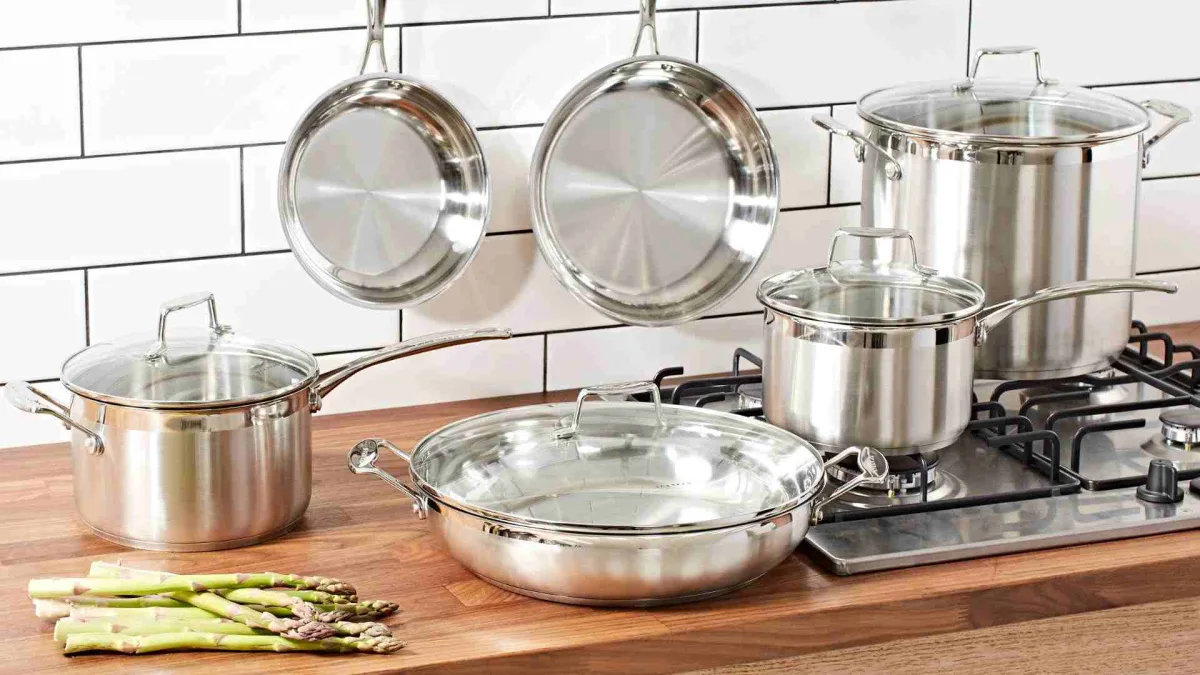
How to Extend the Lifespan of Your Commercial Saucepans: The Ultimate Maintenance Guide
Let me start with a confession: I’ve ruined more than my fair share of saucepans over the years. Not intentionally, of course. It’s just that when you’re juggling a busy kitchen, whether it’s a bustling restaurant, a catering operation, or even a high-volume home setup, it’s easy to overlook the little things. Like the way a pan’s handle starts to wobble after months of use, or how the bottom develops those stubborn, discolored patches that just won’t scrub off. At first, it’s just an annoyance. But then, one day, you’re staring at a pan that’s warped, pitted, or worse, and you realize: this could’ve been avoided.
Here’s the thing about commercial saucepans, they’re workhorses. They endure high heat, aggressive scrubbing, and the occasional (okay, frequent) neglect that comes with a fast-paced environment. But unlike their residential counterparts, commercial saucepans aren’t just about cooking; they’re about consistency, durability, and efficiency. A well-maintained saucepan can last years, even decades, while a neglected one might give out in months. And let’s be real: replacing them isn’t just a hassle, it’s expensive. So, how do you make sure your saucepans stay in top shape for as long as possible? That’s what this guide is all about.
I’m not going to sugarcoat it: maintaining commercial saucepans isn’t glamorous. It’s not the kind of topic that gets people excited at dinner parties (unless your friends are also chefs or kitchen managers, in which case, you’ve got a niche crowd). But it’s essential. Over the years, I’ve talked to line cooks, executive chefs, and kitchen managers across the country, and the one thing they all agree on? The way you treat your pans today determines how long they’ll last tomorrow. So, let’s dive in. By the end of this guide, you’ll know exactly how to extend the lifespan of your commercial saucepans, without driving yourself (or your staff) crazy in the process.
Oh, and one more thing before we get started: I’m not claiming to have all the answers. Kitchen science is a weird, wonderful, and sometimes contradictory beast. What works in one kitchen might not work in another, and that’s okay. This guide is based on a mix of research, personal experience, and conversations with folks who’ve been in the trenches. Take what resonates, leave what doesn’t, and don’t be afraid to experiment. After all, that’s what cooking, and maintenance, is all about.
The Hidden Costs of Neglecting Your Commercial Saucepans
Let’s talk money for a second. I know, I know, nobody got into cooking because they love spreadsheets. But hear me out: the cost of replacing commercial saucepans adds up fast. A high-quality stainless steel saucepan can run anywhere from $50 to $200 (or more, if you’re splurging on premium brands). Multiply that by the number of pans in your kitchen, and suddenly, you’re looking at a significant chunk of change. And that’s not even accounting for the downtime when a pan fails mid-service, or the frustration of dealing with inconsistent cooking results because your pans are past their prime.
But here’s the kicker: it’s not just about the upfront cost. Neglecting your saucepans can lead to a domino effect of problems. For example:
- Inconsistent cooking: Warped or damaged pans don’t distribute heat evenly, which means your sauces might scorch in some spots while staying lukewarm in others. Ever tried to reduce a demi-glace in a pan that’s seen better days? It’s like playing Russian roulette with your flavor profile.
- Food safety risks: Pitted or scratched pans can harbor bacteria, even after cleaning. In a commercial kitchen, that’s a big no-no. Health inspectors don’t mess around, and neither should you.
- Staff morale: Let’s be honest, nobody wants to work with crappy equipment. If your pans are warped, sticky, or just plain gross, it’s going to frustrate your team. And frustrated staff are more likely to cut corners, which can lead to even more problems down the line.
- Wasted energy: A pan that’s not in good condition requires more heat to do its job. That means higher utility bills and a bigger carbon footprint. In 2026, sustainability isn’t just a buzzword, it’s a responsibility.
So, what’s the solution? It’s not about buying the most expensive pans on the market (though quality does matter, which we’ll get into later). It’s about proactive maintenance. Think of it like changing the oil in your car. You wouldn’t wait until your engine seizes up to take care of it, right? The same logic applies to your saucepans. A little effort now can save you a lot of headaches (and money) later.
But where do you even start? That’s the question I asked myself when I first started digging into this topic. Should you focus on cleaning? Storage? Seasoning? The answer, as it turns out, is all of the above. But don’t worry, I’ll break it down into manageable steps. Because let’s face it: nobody has time to overhaul their entire kitchen routine overnight. Small changes, consistently applied, are the key to long-term success.
Choosing the Right Saucepans: The Foundation of Longevity
Before we dive into maintenance, let’s talk about the elephant in the room: ot all saucepans are created equal. If you’re working with subpar equipment, no amount of maintenance is going to make it last forever. That’s not to say you need to break the bank, but you do need to be strategic about what you buy. So, what should you look for in a commercial saucepan? Here are the non-negotiables:
Material Matters: Stainless Steel vs. Aluminum vs. Copper
Walk into any commercial kitchen, and you’ll likely see a mix of stainless steel, aluminum, and (if you’re lucky) copper saucepans. Each material has its pros and cons, and the “best” choice depends on what you’re cooking and how you’re cooking it.
- Stainless steel: The gold standard for most commercial kitchens. It’s durable, non-reactive, and resistant to rust and corrosion. Stainless steel pans are also easy to clean and maintain, which is a huge plus in a busy kitchen. The downside? They’re not the best conductors of heat, which means they can develop hot spots if you’re not careful. That’s why many high-end stainless steel pans come with an aluminum or copper core, it’s the best of both worlds. If you’re going to invest in one type of saucepan, stainless steel is usually the way to go.
- Aluminum: Lightweight, affordable, and an excellent conductor of heat. Aluminum pans heat up quickly and evenly, which makes them great for tasks like sautéing or simmering. The problem? Aluminum is soft. It scratches easily, warps under high heat, and can react with acidic ingredients (like tomatoes or wine), giving your food a metallic taste. If you’re using aluminum pans, opt for anodized aluminum, it’s more durable and less reactive than the standard stuff.
- Copper: The holy grail of heat conductivity. Copper pans respond instantly to changes in temperature, which makes them a favorite among professional chefs. They’re also beautiful (because who doesn’t love a little kitchen bling?). But copper is expensive, both to buy and to maintain. It tarnishes easily, requires regular polishing, and can react with acidic foods. Unless you’re running a high-end restaurant or have a specific need for copper, it’s probably not the most practical choice for most commercial kitchens.
So, which one should you choose? If you’re on a budget, anodized aluminum is a solid pick. If you want something that’ll last forever (or close to it), go for stainless steel with an aluminum or copper core. And if you’re feeling fancy and have the cash to spare, copper is a dream to cook with, but be prepared to put in the work to keep it looking (and performing) its best.
Thickness and Weight: Why It’s Not Just About Durability
When it comes to saucepans, thickness matters. A thicker pan will distribute heat more evenly, resist warping, and generally last longer than a thin one. But here’s the catch: thicker pans are also heavier. And in a commercial kitchen, where you’re moving pans around all day, every day, weight can be a real issue. I’ve seen more than one cook throw out their back because they were lugging around a set of cast-iron pans that were built like tanks.
So, how do you strike the right balance? For most commercial kitchens, a pan with a thickness of 2.5mm to 3mm is ideal. It’s thick enough to withstand daily use but not so heavy that it becomes a liability. If you’re cooking with induction or gas, you might be able to get away with something slightly thinner, but I’d still recommend erring on the side of durability. Remember: a pan that’s too thin will warp, and a warped pan is a useless pan.
Another thing to consider is the base of the pan. A thick, encapsulated base (where the core material is sandwiched between layers of stainless steel) will help prevent hot spots and improve heat distribution. This is especially important if you’re cooking on an induction burner, which can be finicky about heat distribution. If you’re not sure what to look for, check the manufacturer’s specs, most reputable brands will list the thickness and construction of their pans.
Handles and Lids: The Unsung Heroes of Saucepan Longevity
When you’re shopping for saucepans, it’s easy to focus on the bowl, the part that actually holds the food. But the handle and lid are just as important, especially in a commercial setting. A flimsy handle can break mid-service, sending your carefully crafted sauce splattering across the kitchen. And a poorly fitting lid? That’s a recipe for uneven cooking and wasted energy.
Here’s what to look for:
- Handles: They should be riveted (not welded) to the pan. Riveted handles are stronger and less likely to loosen over time. They should also be made of a material that stays cool to the touch, like stainless steel or silicone. Avoid plastic handles, they can melt or crack under high heat, and they’re not as durable as metal. If you’re working with induction, make sure the handles are induction-compatible (some magnetic handles can interfere with the burner).
- Lids: A good lid should fit snugly, with a tight seal to trap heat and moisture. Glass lids are great because they let you monitor your food without lifting the lid (which can release heat and slow down cooking). But glass can break, so if you’re in a high-volume kitchen, you might want to opt for stainless steel. Just make sure the lid has a steam vent to prevent pressure from building up.
One last thing about handles: if you’re working in a busy kitchen, consider pans with helper handles. These are smaller handles on the opposite side of the main handle, making it easier to lift and maneuver the pan, especially when it’s full. Trust me, your wrists will thank you.
Daily Maintenance: The Non-Negotiables
Alright, let’s get into the nitty-gritty: daily maintenance. I know, I know, it’s not the most exciting topic. But if you want your saucepans to last, this is where the magic happens. Or, more accurately, where the prevention happens. Because let’s be real: the difference between a pan that lasts five years and one that lasts fifteen often comes down to how you treat it on a day-to-day basis.
Cleaning: The Right Way vs. The Fast Way
Here’s a scenario I’ve seen play out in kitchens across the country: it’s the end of a long shift, the staff is exhausted, and the last thing anyone wants to do is scrub pans. So, someone grabs a steel wool pad, douses the pan in industrial-strength cleaner, and goes to town. Sound familiar? I get it, when you’re tired, it’s tempting to take shortcuts. But here’s the thing: aggressive cleaning is one of the fastest ways to ruin a saucepan.
So, what’s the right way to clean a commercial saucepan? It depends on the material, but here are some general guidelines:
- Stainless steel: Start by soaking the pan in warm, soapy water to loosen any stuck-on food. Use a on-abrasive sponge or cloth to scrub away residue. For tougher stains, a paste of baking soda and water can work wonders, just be sure to rinse it off thoroughly. Avoid steel wool or harsh scrubbers, as they can scratch the surface and create tiny crevices where bacteria can hide. And whatever you do, ever use bleach on stainless steel. It can cause pitting and discoloration, and it’s a nightmare to remove.
- Aluminum: Aluminum is softer than stainless steel, so you’ll want to be even gentler. Use a soft sponge or cloth and mild detergent. Avoid acidic cleaners (like vinegar or lemon juice), as they can react with the aluminum and cause discoloration. If your pan develops dark stains, a mixture of cream of tartar and water can help lighten them. Just be sure to rinse well afterward.
- Copper: Copper requires a bit more TLC. For daily cleaning, warm, soapy water and a soft cloth are usually enough. For tarnish, you can use a commercial copper cleaner or a DIY solution of lemon juice and salt. Just be sure to rinse thoroughly and dry the pan completely to prevent water spots. And if your copper pan has a tin lining (common in older or high-end pans), avoid using abrasive cleaners, they can damage the lining.
One more thing: always dry your pans thoroughly after washing. Leaving them wet can lead to water spots, mineral deposits, and even rust (especially with stainless steel). If you’re in a hurry, a quick wipe with a clean towel is better than nothing. And if you’re dealing with hard water, consider using a water softener or distilled water for rinsing, it can make a big difference in the long run.
Seasoning: The Secret Weapon for Non-Stick Longevity
If you’re using stainless steel or aluminum pans, you might be wondering: how do I keep food from sticking? The answer? Seasoning. No, I’m not talking about salt and pepper, I’m talking about creating a natural non-stick surface on your pan. It’s a game-changer, and it’s easier than you think.
Here’s how to do it:
- Clean the pan: Start with a clean, dry pan. If it’s brand new, wash it with warm, soapy water to remove any manufacturing residues. If it’s been used, give it a thorough cleaning to remove any old seasoning or stuck-on food.
- Heat it up: Place the pan on the stove over medium heat. You want it hot enough that a drop of water sizzles and evaporates on contact, but not so hot that it smokes.
- Add oil: Pour in about a tablespoon of high-smoke-point oil (like canola, grapeseed, or avocado oil). Swirl it around to coat the entire surface of the pan, including the sides.
- Let it smoke: Keep the pan on the heat until the oil starts to smoke lightly. This is when the magic happens, the oil is bonding to the metal, creating a slick, non-stick surface.
- Cool and wipe: Remove the pan from the heat and let it cool completely. Once it’s cool, wipe away any excess oil with a paper towel. Your pan is now seasoned and ready to use!
But here’s the thing about seasoning: it’s not a one-and-done deal. Over time, the seasoning will wear off, especially if you’re cooking acidic foods or using abrasive cleaners. That’s why it’s important to re-season your pans regularly, every few weeks or so, depending on how often you use them. And if you notice food starting to stick, it’s a good sign that it’s time to re-season.
One last tip: if you’re using a stainless steel pan, you can also use a technique called deglazing to keep it in top shape. After cooking, add a splash of water, wine, or broth to the pan and scrape up any stuck-on bits with a wooden spoon. Not only does this make cleaning easier, but it also helps preserve the seasoning.
Storage: Why Stacking Is the Enemy
You’ve cleaned your pans, you’ve seasoned them, and now it’s time to put them away. But how you store them can make a big difference in their lifespan. Stacking pans directly on top of each other might seem like a space-saving move, but it’s a surefire way to scratch, dent, or warp them over time. And once a pan is warped, it’s nearly impossible to fix.
So, what’s the best way to store commercial saucepans? Here are a few options:
- Wall-mounted racks: These are a great option if you have the space. They keep pans off the counter and make it easy to grab the one you need. Just make sure the racks are sturdy enough to hold the weight of your pans, you don’t want them crashing down mid-service.
- Pot organizers: If you’re short on space, a pot organizer can help. These are essentially shelves or dividers that keep pans separated and easy to access. You can find them in a variety of sizes and materials, from plastic to stainless steel.
- Hooks: Hanging pans from hooks is another space-saving option. It’s also a great way to keep pans dry and well-ventilated, which can help prevent rust and corrosion. Just make sure the hooks are strong enough to support the weight of your pans.
- Padded dividers: If you have to stack your pans, at least use padded dividers to protect them. You can find these online or make your own with pieces of felt or foam. It’s not ideal, but it’s better than nothing.
One more thing to consider: lid storage. Lids can be tricky, they’re awkwardly shaped and easy to misplace. If you’re storing lids separately from your pans, make sure they’re in a spot where they won’t get knocked around or scratched. A lid organizer or a dedicated shelf can help keep them in good condition.
Deep Cleaning and Restoration: Bringing Old Pans Back to Life
Even with the best daily maintenance, saucepans will eventually show signs of wear. Maybe it’s a stubborn stain that won’t come out, or a layer of built-up grime that’s seen one too many shifts. Whatever the case, don’t give up on your pans just yet. With a little elbow grease (and maybe a few specialized tools), you can often restore them to like-new condition. Here’s how.
Removing Stubborn Stains and Discoloration
Stains and discoloration are some of the most common issues with commercial saucepans. They’re usually caused by minerals in the water, high heat, or acidic ingredients. The good news? Most stains are purely cosmetic and won’t affect the pan’s performance. The bad news? They can make your pans look old and tired, which isn’t great for morale (or health inspections).
Here are a few methods for tackling stubborn stains:
- Baking soda paste: Mix baking soda with a little water to form a thick paste. Apply it to the stained area and let it sit for 15-20 minutes. Then, scrub gently with a non-abrasive sponge or cloth. This works well for light stains and discoloration.
- Vinegar soak: For tougher stains, fill the pan with equal parts white vinegar and water. Bring the mixture to a boil, then let it simmer for 10-15 minutes. The acid in the vinegar will help break down the stains. Just be sure to rinse the pan thoroughly afterward to remove any vinegar residue.
- Barkeeper’s Friend: This is a commercial cleaner that’s specifically designed for tough stains and discoloration. It’s a bit more abrasive than baking soda or vinegar, so use it sparingly. Apply a small amount to a damp sponge, scrub the stained area, and rinse well. Barkeeper’s Friend is especially effective on stainless steel, but it can also be used on aluminum (just be gentle).
- Lemon and salt: For copper pans, cut a lemon in half and dip it in salt. Use the lemon to scrub the stained area, then rinse and dry the pan. The acid in the lemon and the abrasiveness of the salt work together to remove tarnish and discoloration.
One word of caution: don’t overdo it with the scrubbing. It’s tempting to go at a stain with all your might, but aggressive scrubbing can damage the pan’s surface. Start with the gentlest method and work your way up to stronger cleaners if needed.
Fixing Warped Pans: Is It Even Possible?
Warped pans are a common problem in commercial kitchens, especially if you’re cooking on high heat or using thin pans. A warped pan doesn’t sit flat on the burner, which means it doesn’t distribute heat evenly. And uneven heat = inconsistent cooking. So, can you fix a warped pan? The short answer: sometimes.
If your pan is only slightly warped, you might be able to fix it yourself. Here’s how:
- Assess the damage: Place the pan on a flat surface and see how much it wobbles. If it’s just a slight warp, you might be able to fix it. If it’s severely warped, it’s probably time to replace it.
- Heat the pan: Place the pan on the stove over medium heat. You want it hot enough to be pliable but not so hot that it’s glowing. If you’re working with a stainless steel pan, you can also use a propane torch to heat the warped area.
- Apply pressure: Once the pan is hot, place a flat, heavy object (like a cast-iron skillet or a brick) on the warped area. Apply even pressure and let the pan cool. The heat and pressure should help flatten the warp.
- Check your work: Once the pan is cool, place it back on the flat surface to see if the warp is gone. If it’s still warped, you can repeat the process, but be careful not to overheat the pan, too much heat can cause it to warp even more.
If your pan is severely warped, it’s probably not worth the effort to fix it. A warped pan will never cook as evenly as a flat one, and it’s a safety hazard in a busy kitchen. In that case, it’s better to bite the bullet and invest in a new pan.
Dealing with Scratches and Pitting
Scratches and pitting are another common issue with commercial saucepans. Scratches are usually caused by abrasive scrubbers or utensils, while pitting is often the result of prolonged exposure to salt, acidic ingredients, or hard water. Both can affect the pan’s performance and make it harder to clean.
Here’s how to deal with them:
- Scratches: Minor scratches are usually just cosmetic, but deep scratches can harbor bacteria and affect the pan’s non-stick properties. For shallow scratches, you can try polishing the pan with a stainless steel cleaner or a paste of baking soda and water. For deeper scratches, you might need to sand the area lightly with fine-grit sandpaper (like 400-grit), then polish it with a stainless steel cleaner. Just be sure to rinse the pan thoroughly afterward.
- Pitting: Pitting is trickier because it’s often a sign of corrosion. If the pitting is minor, you can try filling the pits with a food-safe epoxy (like JB Weld) and sanding it smooth. But if the pitting is severe, it’s probably time to replace the pan. Pitted pans are harder to clean and more likely to harbor bacteria, which is a food safety risk.
One last thing: prevention is key. To avoid scratches, use non-abrasive scrubbers and wooden or silicone utensils. To prevent pitting, avoid leaving salty or acidic ingredients in the pan for long periods, and rinse the pan thoroughly after cooking. And if you’re using hard water, consider installing a water softener, it can make a big difference in the long run.
Preventative Measures: Stopping Problems Before They Start
By now, you’ve probably noticed a theme: the best way to extend the lifespan of your commercial saucepans is to prevent problems before they start. That means being proactive about maintenance, using the right tools and techniques, and training your staff to do the same. Here are some preventative measures to keep in mind.
Heat Management: Why High Heat Isn’t Always Your Friend
High heat is a double-edged sword in the kitchen. On one hand, it’s essential for searing, sautéing, and reducing sauces. On the other hand, it’s one of the fastest ways to ruin a saucepan. Excessive heat can warp pans, damage seasoning, and even cause the metal to degrade over time. So, how do you strike the right balance?
First, match the heat to the task. You don’t need to crank the burner to high for every job. For example:
- Searing: High heat is great for searing meat or creating a crust on vegetables. But once the sear is done, you can usually turn the heat down to medium or low to finish cooking.
- Simmering: For simmering sauces or soups, medium-low heat is usually enough. You want a gentle bubble, not a rolling boil.
- Reducing: Reducing sauces is a slow process, so medium heat is usually sufficient. If you’re in a hurry, a wider pan will reduce the sauce faster than a tall, narrow one.
Second, use the right burner for the job. If you’re cooking on a gas stove, make sure the flame isn’t licking up the sides of the pan. This can cause the handles to overheat and the pan to warp. If you’re using induction, make sure the pan is centered on the burner to ensure even heat distribution.
And finally, don’t preheat empty pans. Preheating is important for some tasks (like searing), but if you preheat a pan without any oil or food in it, you risk overheating the metal. A good rule of thumb: add oil to the pan as soon as you turn on the heat, and let them heat up together.
Utensil Selection: Wood, Silicone, or Metal?
The utensils you use can have a big impact on the lifespan of your saucepans. Metal utensils, like spoons or spatulas, are durable and heat-resistant, but they can scratch the surface of your pans. Wooden utensils are gentle on the pan’s surface, but they can absorb odors and bacteria over time. Silicone utensils are a good middle ground, they’re heat-resistant and non-scratch, but they’re not as durable as metal.
So, which should you use? It depends on the pan:
- Stainless steel: Stainless steel is tough, so you can get away with using metal utensils. But if you want to preserve the pan’s seasoning, wooden or silicone utensils are a better choice.
- Aluminum: Aluminum is softer than stainless steel, so wooden or silicone utensils are a must. Metal utensils can scratch the surface and cause pitting.
- Copper: Copper is even softer than aluminum, so wooden or silicone utensils are the way to go. Avoid metal utensils at all costs, they can damage the pan’s surface and cause discoloration.
One more thing: avoid cutting food directly in the pan. I know it’s tempting to save time by chopping onions or garlic right in the pan, but it’s a surefire way to scratch the surface. Use a cutting board instead, your pans will thank you.
Water Quality: The Silent Killer of Saucepans
You might not think about it, but the quality of your water can have a big impact on the lifespan of your saucepans. Hard water (water with a high mineral content) can leave deposits on your pans, which can cause discoloration and pitting over time. And if you’re using well water, it might contain minerals or chemicals that can react with the metal.
So, what can you do? Here are a few options:
- Install a water softener: A water softener removes minerals from the water, which can help prevent deposits and pitting. It’s an upfront investment, but it can save you money in the long run by extending the lifespan of your pans (and other kitchen equipment).
- Use distilled water: If you’re cooking with water (like for boiling pasta or making stock), distilled water is a good option. It’s free of minerals, so it won’t leave deposits on your pans. Just be aware that distilled water can taste flat, so it’s not ideal for everything.
- Rinse with vinegar: If you notice mineral deposits on your pans, a quick rinse with white vinegar can help dissolve them. Just be sure to rinse the pan thoroughly afterward to remove any vinegar residue.
One last thing: avoid leaving water in your pans for long periods. If you’re soaking a pan to loosen stuck-on food, don’t leave it overnight. The longer the water sits, the more time it has to react with the metal and cause damage.
Training Your Staff: Because Maintenance Is a Team Effort
Let’s be real: no matter how much you know about maintaining commercial saucepans, it won’t matter if your staff doesn’t follow through. That’s why training is key. You need to make sure everyone in the kitchen understands the importance of proper pan care and knows how to do it correctly. Here’s how to get your team on board.
Creating a Maintenance Checklist
The first step is to create a maintenance checklist that outlines the key tasks for daily, weekly, and monthly care. This doesn’t have to be complicated, just a simple list that covers the basics. For example:
- Daily:
- Clean pans with warm, soapy water and a non-abrasive sponge.
- Dry pans thoroughly after washing.
- Store pans properly to prevent scratches and warping.
- Weekly:
- Inspect pans for signs of wear, like scratches, stains, or warping.
- Re-season pans as needed.
- Deep clean pans with baking soda or vinegar to remove stubborn stains.
- Monthly:
- Check handles and lids for loose screws or damage.
- Polish pans with a stainless steel cleaner to remove discoloration.
- Assess pans for signs of pitting or corrosion.
Once you’ve created the checklist, post it somewhere visible in the kitchen, like near the sink or the dishwashing station. You can also include it in your staff training materials so everyone knows what’s expected.
Hands-On Training: Show, Don’t Just Tell
A checklist is a great start, but it’s not enough. You also need to provide hands-on training to make sure your staff knows how to perform each task correctly. This is especially important for new hires, but it’s also a good idea to do refresher training periodically.
Here’s how to make it effective:
- Demonstrate the task: Show your staff how to clean, season, and store pans properly. Walk them through each step and explain why it’s important.
- Let them practice: Have your staff try the task themselves while you supervise. Offer feedback and answer any questions they have.
- Encourage questions: Make it clear that there’s no such thing as a stupid question. If someone is unsure about something, they should feel comfortable asking for help.
- Provide resources: Give your staff access to videos, articles, or other resources that they can refer to if they need a refresher.
One more thing: lead by example. If your staff sees you taking pan maintenance seriously, they’re more likely to do the same. Make it a priority, and they will too.
Incentivizing Good Habits: Because Everyone Loves a Reward
Let’s face it: maintenance isn’t the most exciting part of working in a kitchen. But if you want your staff to take it seriously, you need to make it worth their while. That’s where incentives come in.
Here are a few ideas:
- Gamify it: Create a friendly competition where the staff member who maintains their pans the best each month wins a prize, like a gift card or an extra day off.
- Recognize good work: Publicly acknowledge staff members who go above and beyond with pan maintenance. A little recognition can go a long way.
- Offer training opportunities: If someone is particularly interested in kitchen maintenance, offer them the chance to attend a workshop or seminar on the topic. It’s a great way to invest in your staff and improve your kitchen at the same time.
- Provide the right tools: Make sure your staff has access to the tools they need to maintain pans properly, like non-abrasive sponges, high-quality oil for seasoning, and a water softener if needed. If they don’t have the right tools, they can’t do the job right.
At the end of the day, the goal is to create a culture where pan maintenance is seen as a priority, not an afterthought. It might take some time, but it’s worth the effort.
When to Replace Your Saucepans: Knowing When to Let Go
No matter how well you maintain your saucepans, there will come a time when they need to be replaced. The key is knowing when to let go. Holding onto a pan that’s past its prime can lead to inconsistent cooking, food safety risks, and even injuries. So, how do you know when it’s time to say goodbye?
Signs of Wear: What to Look For
Here are some red flags that indicate your saucepan is on its last legs:
- Warping: If your pan doesn’t sit flat on the burner, it’s time to replace it. Warped pans don’t distribute heat evenly, which can lead to inconsistent cooking.
- Pitting: Pitting is a sign of corrosion, and it’s nearly impossible to fix. Pitted pans are harder to clean and more likely to harbor bacteria, so they’re a food safety risk.
- Deep scratches: Minor scratches are usually just cosmetic, but deep scratches can affect the pan’s performance and make it harder to clean. If the scratches are deep enough to trap food or bacteria, it’s time to replace the pan.
- Loose or damaged handles: A wobbly handle is a safety hazard, especially in a busy kitchen. If the handle can’t be tightened or repaired, it’s time for a new pan.
- Discoloration or staining: While some discoloration is normal, severe staining can indicate that the pan’s surface has been compromised. If the pan is discolored to the point where it’s affecting its performance, it’s time to replace it.
- Non-stick coating failure: If you’re using a non-stick pan and the coating is peeling or flaking, it’s time to replace it. Non-stick coatings can be a health hazard if they end up in your food, and they’re not as durable as other materials.
If you’re seeing any of these signs, it’s probably time to start shopping for a replacement. But don’t just toss the old pan in the trash, there are plenty of ways to repurpose it or recycle it responsibly.
Repurposing Old Pans: Because Waste Not, Want Not
Just because a pan is no longer suitable for cooking doesn’t mean it’s useless. Here are a few ways to repurpose old saucepans:
- Planters: Drill a few holes in the bottom of the pan and use it as a planter for herbs or small plants. It’s a great way to add a rustic touch to your kitchen or garden.
- Storage: Use old pans to store utensils, spices, or other kitchen tools. They’re also great for organizing small items in your pantry or workshop.
- Art projects: If you’re feeling creative, you can turn old pans into art. Paint them, decoupage them, or use them as a canvas for a mural. The possibilities are endless.
- Donate them: If your pans are still in decent shape, consider donating them to a local charity, school, or community center. Someone else might be able to put them to good use.
- Recycle them: If your pans are beyond repair, check with your local recycling center to see if they accept metal cookware. Many centers will recycle old pans, keeping them out of the landfill.
One last thing: don’t be afraid to upgrade. If you’ve been using the same set of pans for years, it might be time to invest in something new. Newer pans often come with features that make them more durable and easier to maintain, like encapsulated bases, ergonomic handles, and non-stick coatings. And while it’s an upfront cost, it’s an investment that will pay off in the long run.
Final Thoughts: The Art of Pan Maintenance
At the end of the day, maintaining commercial saucepans is as much an art as it is a science. It’s about finding the right balance between effort and reward, between prevention and repair, and between tradition and innovation. There’s no one-size-fits-all solution, and what works in one kitchen might not work in another. But if there’s one thing I’ve learned over the years, it’s this: the best kitchens are the ones where the equipment is treated with care.
So, where do you go from here? Start small. Pick one or two of the tips from this guide and incorporate them into your routine. Maybe it’s re-seasoning your pans more regularly, or training your staff on proper cleaning techniques. Whatever it is, commit to it for a few weeks and see how it goes. Chances are, you’ll start to notice a difference, not just in the lifespan of your pans, but in the quality of your food and the efficiency of your kitchen.
And remember: maintenance isn’t a chore, it’s an investment. An investment in your equipment, your food, and your business. So, take care of your pans, and they’ll take care of you. Now, if you’ll excuse me, I’ve got a date with a slightly warped saucepan and a bottle of Barkeeper’s Friend. Wish me luck.
FAQ
Q: How often should I re-season my commercial saucepans?
A: It depends on how often you use them and what you’re cooking. For stainless steel pans, re-seasoning every 2-4 weeks is a good rule of thumb. If you notice food starting to stick, that’s a sign that it’s time to re-season. For aluminum pans, you might need to re-season more frequently, especially if you’re cooking acidic foods.
Q: Can I use dishwasher detergent to clean my commercial saucepans?
A: While some commercial saucepans are labeled as dishwasher-safe, I generally recommend hand-washing them. Dishwasher detergent is harsh and can strip the seasoning from your pans, leading to sticking and discoloration. Plus, the high heat and moisture in a dishwasher can cause warping or corrosion over time. If you must use a dishwasher, opt for a gentle cycle and mild detergent, and always dry the pans thoroughly afterward.
Q: What’s the best way to remove burnt-on food from a saucepan?
A: Burnt-on food can be tough to remove, but it’s not impossible. Start by soaking the pan in warm, soapy water for at least 30 minutes to loosen the food. Then, use a non-abrasive sponge or a plastic scraper to gently scrub away the residue. For tougher burns, you can try a paste of baking soda and water or a commercial cleaner like Barkeeper’s Friend. Just be sure to rinse the pan thoroughly afterward. Avoid using steel wool or harsh scrubbers, as they can scratch the surface of the pan.
Q: Is it worth investing in expensive commercial saucepans, or can I get by with budget options?
A: It depends on your budget and your needs. High-end saucepans are often made with better materials and construction, which means they’ll last longer and perform better. But that doesn’t mean you need to break the bank. Mid-range options from reputable brands can offer a good balance of quality and affordability. The key is to look for pans with thick, encapsulated bases, riveted handles, and a durable material like stainless steel. If you’re on a tight budget, anodized aluminum is a good alternative, just be prepared to replace it more frequently.
@article{how-to-extend-the-lifespan-of-your-commercial-saucepans-the-ultimate-maintenance-guide-for-2026,
    title   = {How to Extend the Lifespan of Your Commercial Saucepans: The Ultimate Maintenance Guide for 2026},
    author  = {Chef's icon},
    year    = {2026},
    journal = {Chef's Icon},
    url     = {https://chefsicon.com/how-to-extend-lifespan-commercial-saucepans-maintenance-guide/}
}