The Best Fluffy Pancakes recipe you will fall in love with. Full of tips and tricks to help you make the best pancakes.
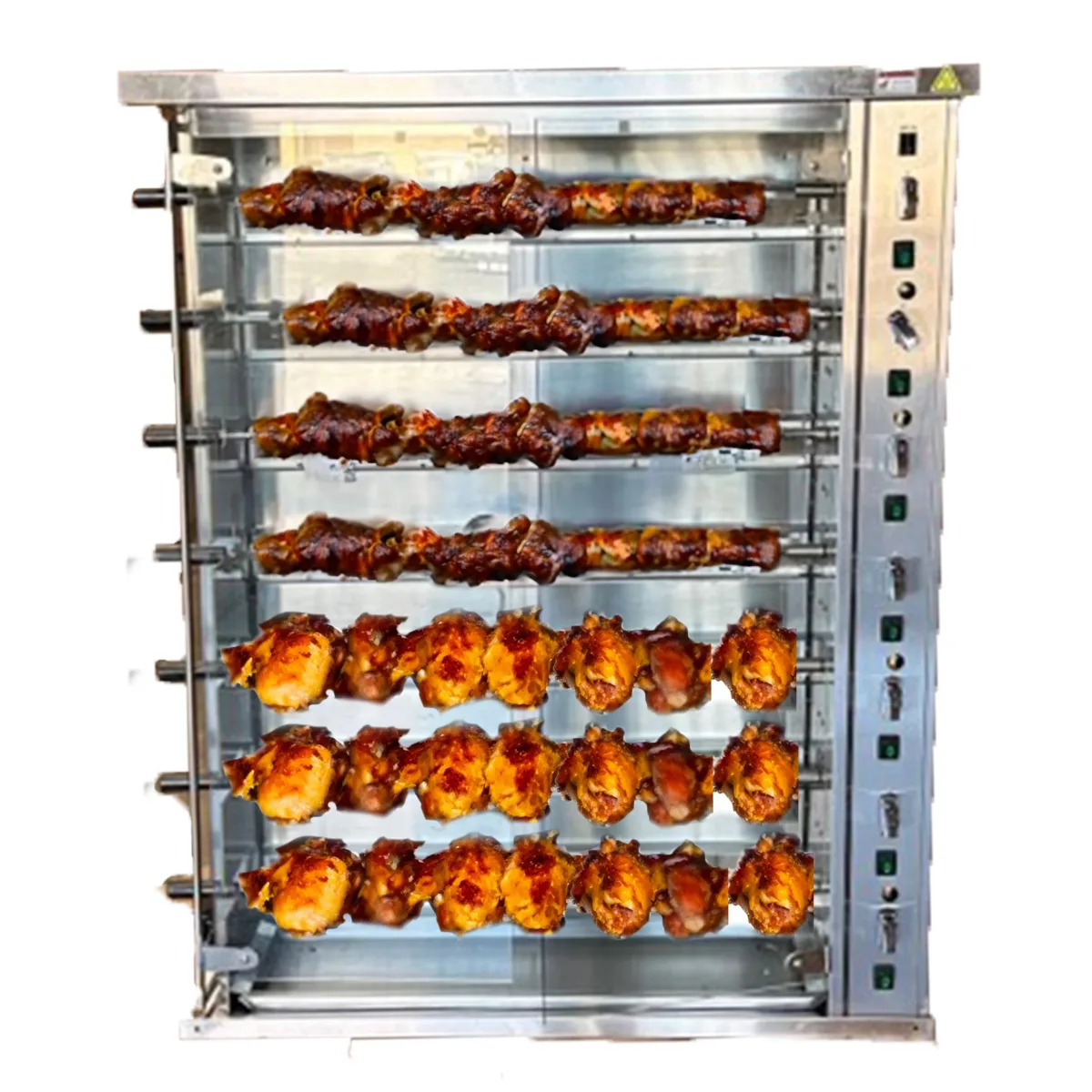
Let me tell you something, I’ve roasted more chickens in commercial convection ovens than I can count. Some came out golden, crispy, and juicy enough to make a grown chef tear up. Others? Well, let’s just say they ended up in the compost bin, and I ended up questioning my life choices. If you’ve ever stood in front of a commercial convection oven, staring at a rack of birds and wondering why yours don’t look like the ones on Instagram, this guide is for you.
Here’s the thing about roasting chicken in a restaurant setting: it’s not just about slapping a bird in the oven and hoping for the best. It’s a dance of heat distribution, airflow dynamics, timing precision, and a little bit of kitchen intuition. And when you’re working with a commercial convection oven, the rules change. The fans, the racks, the sheer volume of food, it’s a different beast than your home oven. But don’t worry. By the end of this, you’ll know how to turn out restaurant-quality roast chicken that’s so good, your customers will think you’ve got a secret recipe (even if it’s just science and a little patience).
So, what’s in store for you here? We’re going to cover everything from selecting the right chicken to mastering convection oven settings, from seasoning techniques that elevate flavor to troubleshooting common mistakes (because we’ve all been there). We’ll even dive into how to scale up production without sacrificing quality, because let’s face it, when the dinner rush hits, you don’t have time to babysit every bird. Ready? Let’s get into it.
Why Convection Ovens Are a Game-Changer for Roasting Chicken
The Science Behind the Magic
First, let’s talk about why commercial convection ovens are the unsung heroes of restaurant kitchens. Unlike conventional ovens, which rely on radiant heat from the top and bottom, convection ovens use fans to circulate hot air around the food. This means faster cooking times, more even browning, and, most importantly for chicken, a crispier skin without drying out the meat. Sounds like a dream, right?
But here’s where it gets tricky. The same airflow that makes convection ovens so efficient can also work against you if you’re not careful. Too much air circulation can dry out the chicken before it’s fully cooked, leaving you with a sad, leathery bird that no amount of gravy can save. On the flip side, if you don’t harness that airflow properly, you might end up with uneven cooking, crispy on the outside, raw on the inside. It’s a delicate balance, and it’s why so many chefs struggle to get it right.
I remember the first time I used a commercial convection oven for roasting chicken. I was working at a small bistro in Nashville, and we’d just upgraded from a clunky old conventional oven. The first batch came out looking like something out of a food magazine, golden, glossy, and perfectly cooked. I was convinced I’d cracked the code. Then, the next batch? Dry as the Sahara. Turns out, I’d cranked up the heat too high, and the fan had done its job a little too well. Lesson learned: convection ovens are powerful, but they demand respect.
Convection vs. Conventional: What’s the Difference?
If you’re still on the fence about whether a convection oven is worth the investment for your restaurant, let’s break it down. Conventional ovens cook food by surrounding it with hot air, but the heat isn’t evenly distributed. This means you often end up with hot spots, which can lead to uneven cooking. Ever pulled a chicken out of the oven only to find one side burnt and the other undercooked? That’s the conventional oven’s fault.
Convection ovens, on the other hand, use a fan to circulate the hot air, which means the heat is distributed more evenly. This results in faster cooking times (usually about 25% faster than conventional ovens) and more consistent results. For restaurants, this is a game-changer. Faster cooking means you can turn out more dishes in less time, which is crucial during peak hours. And consistent results mean fewer mistakes, less waste, and happier customers.
But, and this is a big but, convection ovens aren’t foolproof. The fan can cause food to cook unevenly if it’s not positioned correctly, and the increased airflow can dry out certain dishes if you’re not careful. This is why understanding how to use your commercial convection oven for roasting chicken is so important. It’s not just about turning it on and walking away. You’ve got to know how to work with the oven, not against it.
Choosing the Right Chicken for Roasting
Size Matters: Why Weight and Cut Affect Cooking Time
Not all chickens are created equal, and when it comes to roasting in a commercial convection oven, size is everything. If you’re working with whole chickens, you’ll typically find them in weights ranging from 3 to 6 pounds. Smaller birds (around 3-4 pounds) are great for individual servings, while larger ones (5-6 pounds) are better for family-style dishes or meal prep. But here’s the thing: the size of the chicken directly affects the cooking time, and if you don’t adjust for it, you’re setting yourself up for disaster.
For example, a 3-pound chicken might take about 45 minutes to roast in a convection oven at 375°F, while a 6-pound bird could take closer to 1 hour and 15 minutes. But, and this is where it gets complicated, those times are just estimates. The actual cooking time can vary based on the oven’s efficiency, the chicken’s starting temperature, and even the humidity in your kitchen. This is why I always recommend using a meat thermometer to check for doneness. Trust me, it’s the only way to be sure.
If you’re working with chicken parts, like thighs, legs, or breasts, you’ll need to adjust your approach even further. Dark meat (thighs and legs) takes longer to cook than white meat (breasts), so if you’re roasting a mix, you might need to pull the breasts out early or position the darker pieces closer to the heat source. It’s a juggling act, but once you get the hang of it, you’ll be able to turn out perfectly cooked chicken every time.
Fresh vs. Frozen: Does It Really Make a Difference?
This is one of those debates that can get heated (pun intended). Some chefs swear by fresh chicken, while others argue that frozen is just as good, if not better, because it’s often flash-frozen at peak freshness. So, which is it? The truth is, both have their pros and cons, and the best choice depends on your restaurant’s needs.
Fresh chicken is, well, fresh. It hasn’t been frozen, so there’s no risk of freezer burn or ice crystals damaging the meat. It also tends to have a better texture and flavor, which is why many high-end restaurants insist on it. But fresh chicken comes with its own set of challenges. It has a shorter shelf life, which means you’ve got to use it quickly or risk waste. It’s also more expensive, which can eat into your profit margins if you’re not careful.
Frozen chicken, on the other hand, is more convenient. It’s cheaper, it lasts longer, and it’s often more consistent in quality. But, and this is a big but, it needs to be thawed properly before roasting. If you try to cook frozen chicken straight from the freezer, you’ll end up with uneven cooking and a rubbery texture. The best way to thaw it is in the refrigerator overnight, but if you’re in a pinch, you can use a cold water bath (just make sure the chicken is sealed in a leak-proof bag).
So, which should you choose? If you’re a high-volume restaurant with a steady flow of customers, frozen chicken might be the way to go. It’s cost-effective and easy to store. But if you’re a smaller, farm-to-table spot where quality is king, fresh chicken is probably worth the extra cost. Either way, the key is to handle it properly and adjust your cooking times accordingly.
Prepping the Chicken: Seasoning, Trussing, and More
The Art of Seasoning: Beyond Salt and Pepper
Let’s talk about seasoning. If you think salt and pepper are enough to make a roast chicken shine, think again. Don’t get me wrong, salt and pepper are essential. They’re the foundation of any good dish. But if you want to take your chicken to the next level, you’ve got to get creative.
First, let’s talk about salt. I’m a firm believer in dry-brining chicken before roasting. This means salting the chicken at least 12 hours before cooking (or even up to 24 hours for larger birds). The salt penetrates the meat, seasoning it from the inside out and helping it retain moisture during cooking. It’s a game-changer, trust me. For a 4-pound chicken, I use about 1 tablespoon of kosher salt. Rub it all over the chicken, inside and out, and let it sit in the fridge uncovered. This also helps dry out the skin, which is key for getting that crispy, golden-brown finish.
Now, let’s talk about the rest of the seasoning. This is where you can get creative. A classic herb butter (made with softened butter, garlic, thyme, rosemary, and lemon zest) rubbed under the skin adds incredible flavor. Or, if you’re feeling adventurous, try a spice rub with paprika, cumin, coriander, and a touch of cayenne for some heat. The possibilities are endless, but the key is to balance the flavors. You don’t want one spice to overpower the others, and you definitely don’t want to mask the natural flavor of the chicken.
One of my favorite tricks is to stuff the cavity of the chicken with aromatics. Lemon halves, garlic cloves, fresh herbs, and even a halved onion can infuse the meat with flavor as it roasts. Just make sure to remove them before serving, they’re not exactly edible.
To Truss or Not to Truss: That Is the Question
Trussing, tying the chicken’s legs together with kitchen twine, is one of those techniques that chefs either love or hate. Some swear by it, arguing that it helps the chicken cook more evenly and retain its shape. Others think it’s unnecessary and just adds extra steps to an already busy kitchen. So, what’s the verdict?
Here’s the deal: trussing does help the chicken cook more evenly, especially in a commercial convection oven where airflow is king. When the legs are tied together, the chicken holds its shape better, which means the heat can circulate more evenly around the bird. This is especially important for larger chickens, which can take longer to cook and are more prone to drying out. Trussing also makes the chicken look more presentable when it comes out of the oven, which is a nice bonus if you’re serving it whole.
But, and this is a big but, trussing isn’t always necessary. If you’re roasting smaller chickens or chicken parts, you can skip it. The key is to make sure the chicken is positioned properly in the oven. For whole chickens, I like to place them breast-side up on a rack, with the legs facing the back of the oven. This helps the dark meat cook faster, since it’s closer to the heat source. If you’re not trussing, you can also tuck the wings behind the back to prevent them from burning.
So, should you truss? If you’ve got the time and the patience, go for it. It’s a small step that can make a big difference. But if you’re in a rush or working with smaller birds, don’t stress about it. The chicken will still turn out great.
Mastering Convection Oven Settings for Roasting Chicken
Temperature and Time: The Golden Rules
Alright, let’s talk about the nitty-gritty: temperature and time. This is where a lot of chefs go wrong, and it’s easy to see why. Commercial convection ovens are powerful, and if you don’t dial in the right settings, you’ll end up with chicken that’s either undercooked, overcooked, or just plain sad. So, what’s the magic number?
For roasting chicken in a commercial convection oven, I recommend starting at 375°F. This is a good middle ground, hot enough to get that crispy skin but not so hot that the meat dries out. For smaller chickens (3-4 pounds), you’re looking at about 45-50 minutes of cooking time. For larger birds (5-6 pounds), it’ll take closer to 1 hour and 15 minutes. But, and this is a big but, these times are just estimates. The actual cooking time can vary based on the oven, the chicken’s starting temperature, and even the humidity in your kitchen. This is why I can’t stress enough the importance of using a meat thermometer.
The USDA recommends cooking chicken to an internal temperature of 165°F. For whole chickens, I like to check the temperature in the thickest part of the thigh, making sure not to touch the bone. If the thigh hits 165°F, the breast should be close behind. But here’s a pro tip: pull the chicken out of the oven when the thigh hits 160°F. The temperature will continue to rise as the chicken rests, so you’ll end up with perfectly cooked meat that’s not overdone.
Now, let’s talk about resting time. This is one of those steps that a lot of chefs skip, but it’s crucial for juicy chicken. When you pull the chicken out of the oven, let it rest for at least 10-15 minutes before carving. This gives the juices time to redistribute throughout the meat, so they don’t all run out when you cut into it. Trust me, it’s worth the wait.
Fan Speed and Rack Position: The Secret Weapons
Here’s something a lot of chefs don’t realize: fan speed and rack position can make or break your roast chicken. Most commercial convection ovens have adjustable fan speeds, and where you place the chicken in the oven can affect how it cooks. So, how do you get it right?
First, let’s talk about fan speed. If your oven has a high fan speed, it’ll circulate the air more aggressively, which can lead to faster cooking times and crispier skin. But, and this is a big but, it can also dry out the chicken if you’re not careful. For roasting chicken, I recommend using a medium fan speed. This gives you the benefits of convection cooking without the risk of over-drying the meat. If your oven doesn’t have adjustable fan speeds, don’t worry. Just keep an eye on the chicken and adjust the cooking time as needed.
Next, let’s talk about rack position. In a commercial convection oven, the heat is usually strongest at the back of the oven, so you’ll want to position the chicken accordingly. For whole chickens, I like to place them on the middle rack, with the legs facing the back of the oven. This helps the dark meat cook faster, since it’s closer to the heat source. If you’re roasting chicken parts, you can use multiple racks, but make sure to rotate them halfway through cooking to ensure even browning.
One more thing: if your oven has a convection roast setting, use it. This setting is designed specifically for roasting, and it typically uses a combination of top and bottom heat with the fan running. It’s the best of both worlds, crispy skin and juicy meat.
Troubleshooting Common Mistakes (And How to Avoid Them)
Dry Chicken: The Ultimate Kitchen Crime
Let’s be real, there’s nothing worse than dry chicken. It’s the ultimate kitchen crime, and it’s something every chef has dealt with at some point. But why does it happen, and how can you avoid it?
The most common cause of dry chicken is overcooking. This is especially true in a commercial convection oven, where the powerful airflow can cook the chicken faster than you expect. If you’re not paying attention, it’s easy to leave the chicken in the oven for too long, which dries out the meat. The solution? Use a meat thermometer and pull the chicken out of the oven when it hits 160°F. The temperature will continue to rise as the chicken rests, so you’ll end up with perfectly cooked meat that’s not overdone.
Another cause of dry chicken is ot brining or dry-brining. Brining, soaking the chicken in a saltwater solution, helps the meat retain moisture during cooking. Dry-brining, salting the chicken and letting it sit in the fridge, does the same thing. If you’re not brining your chicken, you’re missing out on an easy way to keep it juicy.
Finally, dry chicken can be caused by ot resting the meat after cooking. When you pull the chicken out of the oven, the juices are still moving around inside the meat. If you cut into it right away, all those juices will run out, leaving you with dry chicken. Let the chicken rest for at least 10-15 minutes before carving, and you’ll be rewarded with juicy, flavorful meat.
Uneven Cooking: The Bane of Every Chef’s Existence
Uneven cooking is another common issue when roasting chicken in a commercial convection oven. You pull the chicken out of the oven, cut into it, and, ugh, one side is burnt while the other is undercooked. What gives?
The most likely culprit is improper rack positioning. In a convection oven, the heat is usually strongest at the back of the oven, so if you’re not positioning the chicken correctly, you’ll end up with uneven cooking. For whole chickens, I recommend placing them on the middle rack, with the legs facing the back of the oven. This helps the dark meat cook faster, since it’s closer to the heat source. If you’re roasting chicken parts, use multiple racks and rotate them halfway through cooking to ensure even browning.
Another cause of uneven cooking is overcrowding the oven. If you’re trying to roast too many chickens at once, the heat won’t be able to circulate properly, which can lead to uneven cooking. Give each chicken enough space on the rack, and if you’re roasting multiple birds, make sure to rotate them halfway through cooking.
Finally, uneven cooking can be caused by ot trussing the chicken. Trussing helps the chicken hold its shape, which means the heat can circulate more evenly around the bird. If you’re not trussing, the chicken might cook unevenly, especially in a convection oven where airflow is key.
Scaling Up: Roasting Chicken for the Dinner Rush
Batch Cooking Without Sacrificing Quality
Let’s face it, when the dinner rush hits, you don’t have time to babysit every chicken. You need a system that allows you to roast multiple birds at once without sacrificing quality. So, how do you do it?
First, let’s talk about oven capacity. Most commercial convection ovens can hold multiple racks of chicken, but you’ve got to be strategic about how you arrange them. If you’re roasting whole chickens, I recommend using the middle and upper racks. This allows the heat to circulate evenly around each bird. If you’re roasting chicken parts, you can use all the racks, but make sure to rotate them halfway through cooking to ensure even browning.
Next, let’s talk about timing. If you’re roasting multiple chickens at once, you’ll need to stagger the cooking times. For example, if you’re roasting four 4-pound chickens, you might put the first two in the oven at 5:00 PM, the next two at 5:15 PM, and so on. This ensures that each batch is cooked to perfection and ready to serve at the same time. It’s a bit of a juggling act, but once you get the hang of it, it’s a game-changer.
Finally, let’s talk about holding. If you’re roasting chicken for a large group, you’ll need a way to keep it warm and juicy until it’s ready to serve. One of my favorite tricks is to transfer the cooked chicken to a hot holding cabinet or a low oven (around 170°F). This keeps the chicken warm without overcooking it. Just make sure to cover the chicken loosely with foil to prevent it from drying out.
Prepping Ahead: The Key to a Smooth Service
If you want to survive the dinner rush, you’ve got to prep ahead. This means trussing the chickens, seasoning them, and even par-cooking them if necessary. The more you can do ahead of time, the smoother service will be.
First, let’s talk about trussing and seasoning. If you’re roasting whole chickens, truss them and season them the day before. This gives the salt time to penetrate the meat, which means more flavor and juicier chicken. Store the chickens in the fridge uncovered, so the skin dries out. This is key for getting that crispy, golden-brown finish.
Next, let’s talk about par-cooking. This is a technique where you partially cook the chicken ahead of time, then finish it off in the oven just before serving. For example, you might roast the chickens at 300°F for 30 minutes, then crank up the heat to 375°F to finish them off. This allows you to get a head start on cooking, which is crucial during the dinner rush. Just make sure to cool the chicken quickly after par-cooking to prevent bacterial growth.
Finally, let’s talk about mise en place. This is a fancy French term for “everything in its place,” and it’s the key to a smooth service. Before the rush hits, make sure you’ve got all your tools and ingredients ready to go. This means sharpening your knives, setting up your cutting boards, and organizing your seasonings. The more prepared you are, the less stressed you’ll be when the orders start rolling in.
Beyond the Basics: Elevating Your Roast Chicken Game
Glazes and Sauces: The Flavor Boosters
If you want to take your roast chicken to the next level, glazes and sauces are the way to go. They add an extra layer of flavor and can turn a simple roast chicken into something truly special. But, and this is a big but, you’ve got to use them correctly. A poorly applied glaze can burn in the oven, leaving you with a bitter, charred mess. So, how do you do it right?
First, let’s talk about glazes. A glaze is a thick, sticky sauce that’s brushed onto the chicken during the last 10-15 minutes of cooking. It caramelizes in the oven, creating a glossy, flavorful finish. Some of my favorite glazes include honey mustard, maple bourbon, and balsamic reduction. The key is to apply the glaze late in the cooking process, so it doesn’t burn. If you’re using a sugar-based glaze (like honey or maple syrup), keep an eye on it, sugar burns easily, especially in a commercial convection oven.
Next, let’s talk about sauces. A sauce is typically served on the side or drizzled over the chicken after it’s cooked. Some classic options include pan gravy, chimichurri, and salsa verde. The key is to make sure the sauce complements the chicken without overpowering it. For example, a rich pan gravy pairs well with a simple roast chicken, while a bright, herbaceous chimichurri is perfect for a more flavorful bird.
One of my favorite tricks is to use the drippings from the roast chicken to make a pan sauce. After the chicken is done, transfer it to a platter and pour the drippings into a skillet. Add a splash of wine or stock, and let it simmer until it reduces by half. Then, whisk in a pat of butter for a glossy, flavorful finish. It’s simple, but it takes the chicken to the next level.
Wood-Fired Flavor Without the Wood-Fired Oven
Let’s be real, wood-fired roast chicken is the gold standard. The smoky, charred flavor is hard to beat. But not every restaurant has a wood-fired oven, and even if you do, it’s not always practical for roasting chicken. So, how do you get that wood-fired flavor without the wood-fired oven?
One of my favorite tricks is to use smoking chips in a commercial convection oven. You can buy smoking chips at most kitchen supply stores, and they come in a variety of flavors, from hickory to applewood. To use them, soak the chips in water for about 30 minutes, then drain them and wrap them in a foil packet. Poke a few holes in the packet, and place it on the oven rack alongside the chicken. As the chicken roasts, the chips will smoke, infusing the meat with a subtle wood-fired flavor.
Another option is to use a smoke gun. This is a handheld device that allows you to infuse food with smoke. It’s a bit more labor-intensive, but it’s a great way to add a smoky flavor to chicken without a wood-fired oven. Simply smoke the chicken for a few minutes before roasting, and you’ll be amazed at the difference.
Finally, you can use smoked paprika or other smoked spices in your seasoning rub. This won’t give you the same depth of flavor as a wood-fired oven, but it’s an easy way to add a hint of smokiness to your chicken. Just make sure to balance it with other spices, so it doesn’t overpower the dish.
Wrapping It Up: The Chef’s Challenge
Alright, let’s take a step back. We’ve covered a lot of ground here, from selecting the right chicken to mastering convection oven settings, from seasoning techniques to troubleshooting common mistakes. But here’s the thing: knowing the theory is one thing. Putting it into practice is another.
So, here’s my challenge to you: take what you’ve learned here and put it to the test. Roast a chicken in your commercial convection oven using these techniques, and see how it turns out. Did it come out juicy and flavorful? Did the skin get crispy and golden? If not, what went wrong? The only way to get better is to keep trying, keep tweaking, and keep learning.
And remember, even the best chefs have off days. I’ve had my fair share of kitchen disasters, and I’ve learned something from each one. The key is to not get discouraged. Every mistake is an opportunity to improve, and every success is a reason to celebrate. So, go forth and roast. Your customers (and your taste buds) will thank you.
FAQ
Q: What’s the best temperature for roasting chicken in a commercial convection oven?
A: For most commercial convection ovens, I recommend roasting chicken at 375°F. This temperature is hot enough to get crispy skin but not so hot that the meat dries out. However, cooking times can vary based on the oven and the size of the chicken, so always use a meat thermometer to check for doneness. The internal temperature should reach 165°F in the thickest part of the thigh.
Q: How do I prevent my chicken from drying out in a convection oven?
A: The key to preventing dry chicken is to not overcook it. Use a meat thermometer and pull the chicken out of the oven when it hits 160°F. The temperature will continue to rise as the chicken rests, so you’ll end up with juicy meat. Additionally, dry-brining the chicken (salting it and letting it sit in the fridge uncovered) helps it retain moisture during cooking. Finally, let the chicken rest for at least 10-15 minutes before carving to allow the juices to redistribute.
Q: Can I roast multiple chickens at once in a commercial convection oven?
A: Yes, you can roast multiple chickens at once, but you’ve got to be strategic about it. Use the middle and upper racks, and make sure to rotate the chickens halfway through cooking to ensure even browning. Stagger the cooking times if necessary, so each batch is ready to serve at the same time. And don’t overcrowd the oven, the heat needs to circulate evenly around each bird.
Q: What’s the best way to get crispy skin on roast chicken in a convection oven?
A: Crispy skin is all about drying out the surface before cooking. Start by dry-brining the chicken, salting it and letting it sit in the fridge uncovered for at least 12 hours. This helps draw out moisture from the skin, so it crisps up nicely in the oven. Additionally, roast the chicken at a high enough temperature (375°F or higher) and position it on a rack so the air can circulate around it. Finally, avoid basting the chicken too often, this can make the skin soggy.
@article{the-ultimate-guide-to-roasting-chicken-in-commercial-convection-ovens-a-chefs-playbook-for-restaurant-perfection,
    title   = {The Ultimate Guide to Roasting Chicken in Commercial Convection Ovens: A Chef’s Playbook for Restaurant Perfection},
    author  = {Chef's icon},
    year    = {2026},
    journal = {Chef's Icon},
    url     = {https://chefsicon.com/commercial-convection-ovens-roast-chicken-guide-restaurants/}
}