The Best Fluffy Pancakes recipe you will fall in love with. Full of tips and tricks to help you make the best pancakes.
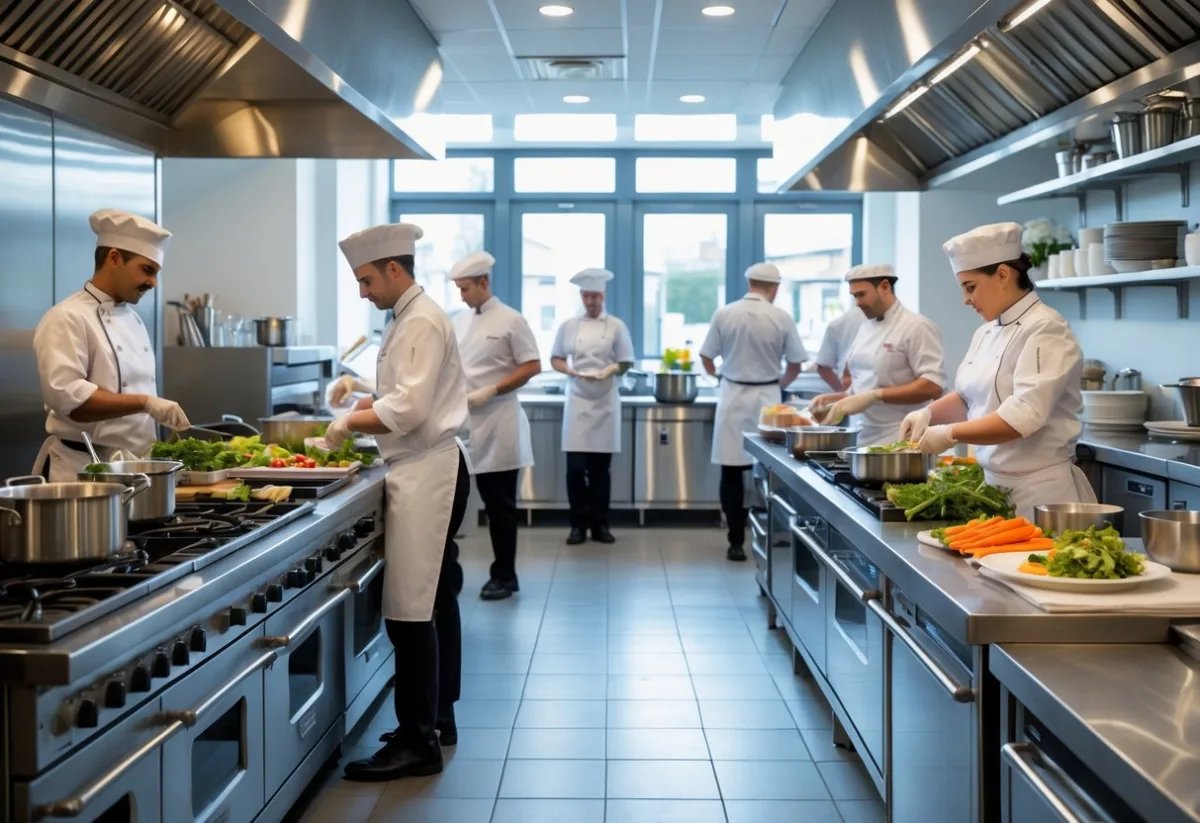
I remember the first time I stepped into a professional kitchen. The clatter of metal, the sizzle of proteins hitting a screaming-hot griddle, the way the air itself seemed to vibrate with purpose, it was like entering another dimension. I was there to interview a chef for a piece I was writing, but within minutes, I realized I wasn’t just observing. I was being schooled. The way the line cook moved, the precision of his knife work, the way he managed three pans at once without breaking a sweat, it was all so *effortless*, yet so far beyond anything I’d ever done in my home kitchen. That day, I left with a notebook full of quotes and a nagging question: How much of this commercial kitchen magic could I actually bring home?
Fast forward a few years, and I’ve spent countless hours dissecting professional techniques, testing them in my own kitchen, and figuring out how to adapt them without turning my apartment into a Michelin-starred nightmare (or breaking the bank). The truth? You don’t need a $20,000 range or a walk-in cooler to cook like a pro. What you *do* need is a willingness to rethink how you approach food, from prep to plating, and a few key mindset shifts. In this guide, I’m going to walk you through the commercial kitchen techniques that have transformed the way I cook at home. Some of them will feel like second nature once you try them; others might make you question why you ever did things the old way. But all of them? They’ll level up your cooking in ways you didn’t think were possible.
Here’s what we’re covering:
- How to mise en place like a line cook (and why it’s not just about chopping everything first)
- The secrets of high-heat cooking without torching your kitchen
- Why batch cooking isn’t just for meal prep, and how to do it right
- The art of seasoning in layers (hint: it’s not just about salt)
- How to control texture like a pro, from crispy skins to silky sauces
- The restaurant-style workflow that’ll cut your cooking time in half
- Knife skills that go beyond basic chopping
- How to adapt restaurant recipes for your home kitchen
- The tools that actually matter (and the ones you can skip)
- Why plating isn’t just for fancy restaurants
Let’s get into it.
1. Mise en Place: More Than Just Chopping Everything First
If you’ve ever watched a cooking show or stepped into a professional kitchen, you’ve heard the term mise en place. It’s French for “everything in its place,” and it’s the backbone of restaurant cooking. But here’s the thing: most home cooks misunderstand what it really means. It’s not just about chopping all your ingredients before you start cooking. That’s part of it, sure, but the real magic of mise en place is in the mental preparation and organizational systems that make cooking faster, smoother, and less stressful.
In a commercial kitchen, mise en place starts long before service. It’s about knowing your menu inside and out, understanding how each dish comes together, and organizing your station so that every ingredient and tool is within arm’s reach. At home, this translates to a few key habits:
- Read the recipe (or plan your dish) all the way through. I can’t tell you how many times I’ve started cooking only to realize halfway through that I’m missing a key ingredient or tool. Don’t be like me. Read first, cook second.
- Group ingredients by function. In a restaurant, you’ll often see ingredients grouped by how they’re used: aromatics in one container, proteins in another, garnishes in a third. At home, I like to use small bowls or ramekins to keep things organized. It’s not just about aesthetics, it’s about efficiency. When you’re in the middle of cooking, you don’t want to be digging through your fridge for that one herb you know you have somewhere.
- Prep tools as well as ingredients. This is something home cooks often overlook. In a professional kitchen, you’d never start cooking without your tongs, spoons, and timers ready to go. At home, I keep a “tool mise” next to my stove: tongs, a fish spatula, a ladle, and a timer. It’s a small thing, but it saves me from scrambling mid-cook.
- Think in stages. Mise en place isn’t just about prepping everything at once, it’s about prepping the right things at the right time. For example, if you’re making a stir-fry, you might chop your aromatics first, then your proteins, then your veggies. That way, nothing sits around getting soggy or losing its texture.
Here’s where I get a little controversial: I don’t always do a full mise en place. Sometimes, I’ll prep as I go, especially for simple dishes. But for anything more complex, like a multi-component meal or a dish with a lot of moving parts, I find that taking the time to organize upfront saves me time (and stress) in the long run. Is this the best approach? Let’s consider: if you’re cooking something with a short cook time, like a stir-fry, prepping everything first makes sense. But if you’re making a braise that simmers for hours, you might not need to chop your garnish until the very end. The key is to adapt the technique to the dish, not the other way around.
One last thing: mise en place isn’t just about speed. It’s also about mindfulness. When you take the time to prep thoughtfully, you’re more present in the cooking process. You’re not just throwing ingredients into a pan, you’re crafting something. And that shift in mindset? It makes all the difference.
2. High-Heat Cooking: How to Get Restaurant-Quality Sear Without Burning Down the House
There’s a reason restaurant steaks taste better than most home-cooked ones: heat. Commercial kitchens have equipment that can reach temperatures most home cooks can only dream of. But here’s the good news: you don’t need a $5,000 range to get a great sear. You just need to understand how heat works and how to maximize what you’ve got.
First, let’s talk about why high heat matters. When you cook something at high heat, a few things happen:
- The Maillard reaction. This is the chemical process that gives browned food its complex, savory flavor. It happens when amino acids and sugars react at high temperatures. The hotter your pan, the faster and more intense this reaction is.
- Carryover cooking. High heat means your food cooks faster on the outside, which gives you more control over the doneness of the interior. This is why restaurant steaks are often seared hard and then finished in the oven, they’re accounting for the heat that will continue to cook the meat after it’s off the pan.
- Texture. High heat creates a crispy crust on proteins and veggies, which adds contrast and makes the dish more interesting. Think of the difference between a steak with a deep brown crust and one that’s just gray. Which would you rather eat?
So how do you get high heat at home? Here are a few tricks:
- Preheat your pan like you mean it. This is the most common mistake I see home cooks make. If you’re cooking a steak, your pan should be smoking hot before you add the oil. I like to heat my pan for at least 5 minutes on high before I start cooking. If you’re not sure if it’s hot enough, flick a drop of water onto the pan. If it sizzles and evaporates immediately, you’re good to go.
- Use the right oil. Not all oils can handle high heat. Butter burns, olive oil has a relatively low smoke point, and vegetable oil can taste funky. For high-heat cooking, I reach for avocado oil (smoke point around 520°F) or grapeseed oil (smoke point around 420°F). They’re neutral in flavor and can handle the heat.
- Don’t crowd the pan. This is a big one. When you add too much food to a pan, the temperature drops, and you end up steaming your food instead of searing it. In a restaurant, you’d use a larger pan or cook in batches. At home, I do the same. If I’m cooking for four, I’ll sear my steaks in two batches to make sure I get a good crust.
- Let your protein rest before cooking. This might sound counterintuitive, but if you take your steak or chicken straight from the fridge to the pan, the cold protein will lower the temperature of the pan. Let it sit at room temperature for 20-30 minutes before cooking. It’ll cook more evenly and develop a better crust.
- Use the oven to finish. If you’re cooking a thick steak or a whole chicken, sear it hard on the stovetop, then transfer it to a preheated oven to finish cooking. This gives you the best of both worlds: a crispy exterior and a perfectly cooked interior.
Now, let’s talk about safety. High-heat cooking can be intimidating, especially if you’re not used to it. Here are a few things to keep in mind:
- Ventilation is key. High heat means smoke, and smoke means you need good airflow. Turn on your exhaust fan, open a window, or do both. I learned this the hard way when I set off my smoke alarm while searing a steak. Luna, my rescue cat, did not approve.
- Keep a fire extinguisher nearby. This is a non-negotiable. I keep a small fire extinguisher under my sink, just in case. It’s better to have it and not need it than the other way around.
- Don’t walk away. High-heat cooking requires your full attention. If you need to step away, turn off the heat. It’s not worth the risk.
I’m torn between recommending high-heat cooking for everything and cautioning against it. On one hand, it’s a game-changer for proteins and veggies. On the other hand, it’s not always the best approach. For example, if you’re cooking delicate fish or something that needs to simmer gently, high heat can be a disaster. Maybe I should clarify: high heat is a tool, not a rule. Use it when it makes sense, and don’t force it.
3. Batch Cooking: The Restaurant Secret to Always Having Something Delicious on Hand
Batch cooking is one of those things that sounds boring until you realize how much time and stress it saves. In a commercial kitchen, batch cooking isn’t just about meal prep, it’s about efficiency, consistency, and flexibility. Restaurants don’t make one portion of tomato sauce at a time; they make gallons of it, then use it in multiple dishes throughout the week. At home, batch cooking can work the same way. It’s not just about having leftovers, it’s about having building blocks for future meals.
Here’s how I approach batch cooking at home:
- Start with versatile ingredients. The key to successful batch cooking is to make things that can be used in multiple dishes. For example, I’ll roast a big tray of vegetables (think bell peppers, zucchini, onions, and carrots) and use them in salads, pasta, tacos, or grain bowls throughout the week. I’ll also cook a big pot of grains, like rice or quinoa, and use them as a base for multiple meals.
- Cook proteins in bulk. This is where batch cooking really shines. I’ll grill or roast a big batch of chicken thighs, then use them in everything from salads to sandwiches to stir-fries. The same goes for ground beef (for tacos, pasta, or chili) and fish (for tacos, salads, or grain bowls). The trick is to underseason the protein when you cook it, then add more flavor when you use it in a dish. That way, it’s versatile enough to work in multiple cuisines.
- Make sauces and dressings in advance. Sauces are the easiest thing to batch cook, and they can transform a simple meal into something special. I always have a few sauces on hand, like a basic vinaigrette, a creamy dressing, and a simple tomato sauce. They keep well in the fridge and can be used in countless ways.
- Use your freezer. The freezer is your best friend when it comes to batch cooking. I freeze everything from sauces to soups to cooked grains. The key is to portion things out before freezing so you can thaw only what you need. I like to use small containers or freezer bags for this. Just make sure to label everything with the date and contents, trust me, you don’t want to play “guess the mystery meat” a month later.
One of the biggest mistakes home cooks make with batch cooking is assuming it has to be all or nothing. You don’t have to spend your entire Sunday cooking for the week. Even just making a double batch of something, like a pot of soup or a tray of roasted veggies, can save you time and effort later in the week. The goal is to work smarter, not harder.
Another thing to consider: batch cooking isn’t just about saving time. It’s also about reducing food waste. When you have a plan for your ingredients, you’re less likely to let them go bad in the fridge. For example, if I buy a bunch of herbs for a recipe, I’ll make a big batch of herb sauce or pesto to use them up. If I have leftover veggies, I’ll roast them and add them to a frittata or grain bowl. It’s all about thinking ahead.
I’ll admit, batch cooking can feel a little monotonous at first. But once you get into the habit, it becomes second nature. Plus, there’s something deeply satisfying about opening your fridge and seeing a bunch of ready-to-go ingredients. It’s like having your own personal restaurant pantry.
4. Seasoning in Layers: Why Salt Isn’t the Only Thing That Matters
If there’s one thing that separates home cooking from restaurant cooking, it’s seasoning. And I’m not just talking about salt. Professional chefs season in layers, building flavor at every stage of the cooking process. At home, most of us sprinkle a little salt on our food at the end and call it a day. But if you want to cook like a pro, you need to think about seasoning as a process, not an afterthought.
Let’s break it down:
- Season your ingredients before cooking. This is something I learned from a chef friend of mine. Before you start cooking, season your proteins, veggies, and even your aromatics (like onions and garlic) with salt. This draws out moisture and helps to build flavor from the inside out. For example, if you’re making a stir-fry, salt your veggies before you cook them. They’ll release water, which will help to create a more concentrated flavor in the finished dish.
- Use salt strategically. Salt isn’t just for seasoning, it’s also a tool. For example, if you’re cooking beans or lentils, adding salt at the beginning of the cooking process helps to break down the cell walls, resulting in a creamier texture. If you’re making a soup or stew, salting in layers (a little at the beginning, a little during cooking, and a little at the end) helps to build depth of flavor.
- Don’t forget about acid. Acid is one of the most underused seasoning tools in home kitchens. A squeeze of lemon juice, a splash of vinegar, or a dollop of yogurt can brighten up a dish and balance out rich or heavy flavors. In a restaurant, you’ll often see chefs finish dishes with a splash of acid, it’s a simple trick that makes a big difference.
- Layer your aromatics. Aromatics, like onions, garlic, ginger, and herbs, are the foundation of flavor in most dishes. In a professional kitchen, chefs build flavor by cooking aromatics in stages. For example, they might start with onions and garlic, then add ginger and chili, then finish with fresh herbs. This layering creates a more complex flavor profile than just dumping everything in at once.
- Use umami-rich ingredients. Umami is the fifth taste, and it’s what gives food that deep, savory flavor. Ingredients like soy sauce, fish sauce, Parmesan cheese, mushrooms, and tomatoes are all rich in umami. Adding a little bit of one of these ingredients to a dish can make it taste richer and more satisfying. For example, if you’re making a tomato sauce, adding a splash of fish sauce or a Parmesan rind can take it to the next level.
- Finish with fresh herbs and spices. Fresh herbs and spices are like the punctuation marks of cooking, they add brightness and freshness to a dish. In a restaurant, you’ll often see chefs finish dishes with a sprinkle of fresh herbs or a dusting of spice. At home, I like to keep a few fresh herbs on hand, like parsley, cilantro, and basil, and use them to finish dishes. It’s a small thing, but it makes a big difference.
One of the biggest mistakes home cooks make with seasoning is being afraid of it. We’ve all been told to “season to taste,” but what does that even mean? For me, it means tasting as you go and adjusting as needed. If a dish tastes flat, add a little salt. If it tastes too heavy, add a little acid. If it tastes one-dimensional, add a little umami. The key is to taste constantly and adjust incrementally.
Another thing to consider: seasoning isn’t just about making food taste good, it’s also about making it interesting. A well-seasoned dish has layers of flavor, with different tastes and textures playing off each other. For example, a simple roasted chicken can be elevated with a sprinkle of salt, a squeeze of lemon, and a handful of fresh herbs. It’s not about being fancy, it’s about being thoughtful.
I’m torn between recommending a heavy hand with seasoning and cautioning against overdoing it. On one hand, you don’t want to be afraid of salt or acid. On the other hand, you don’t want to overpower the natural flavors of your ingredients. Maybe I should clarify: seasoning is about balance. It’s about enhancing the flavors that are already there, not masking them. The goal is to make your food taste more like itself, not like salt or spice.
5. Controlling Texture: The Secret to Restaurant-Quality Dishes
Texture is one of those things that separates good food from great food. In a restaurant, chefs spend a lot of time thinking about texture, how to create contrast, how to make a dish more interesting, how to make it delicious. At home, most of us don’t give texture much thought. We focus on flavor, and we assume texture will take care of itself. But if you want to cook like a pro, you need to start thinking about texture as a deliberate choice.
Here are a few ways to control texture in your cooking:
- Crispy vs. creamy. One of the easiest ways to add texture to a dish is to pair something crispy with something creamy. For example, a crispy-skinned chicken thigh with a creamy mashed potato, or a crunchy salad with a creamy dressing. The contrast makes the dish more interesting and satisfying.
- Soft vs. chewy. This is another great way to add texture. For example, a soft, fluffy biscuit with a chewy piece of bacon, or a tender piece of fish with a chewy grain like farro. The contrast makes the dish more dynamic.
- Smooth vs. chunky. This is a great way to add texture to sauces and soups. For example, a smooth tomato sauce with chunks of sausage, or a creamy soup with chunks of veggies. The contrast makes the dish more interesting and satisfying.
- Hot vs. cold. Temperature contrast is another great way to add texture. For example, a hot piece of fried chicken with a cold slaw, or a hot bowl of soup with a cold dollop of yogurt. The contrast makes the dish more refreshing and interesting.
One of the easiest ways to control texture is to cook your ingredients properly. For example, if you’re roasting veggies, make sure they’re cooked all the way through but still have a little bite. If you’re cooking a steak, make sure it’s seared on the outside but still juicy on the inside. The key is to pay attention and adjust as needed.
Another way to control texture is to use the right tools. For example, if you’re making a puree, a blender will give you a smoother texture than a food processor. If you’re making a salad, a mandoline will give you thinner, more even slices than a knife. The right tool can make all the difference.
Here are a few of my favorite texture tricks:
- Crispy skins. If you’re cooking chicken or fish, make sure to pat the skin dry before cooking. This will help it crisp up in the pan. You can also finish it in the oven to make sure it’s crispy all the way through.
- Creamy sauces. If you’re making a sauce, try blending it with an immersion blender or in a regular blender. This will give it a smoother, creamier texture. You can also strain it through a fine-mesh sieve to remove any lumps.
- Crunchy toppings. If you’re making a dish that needs a little crunch, try toasting nuts or seeds and sprinkling them on top. You can also use things like fried shallots or crispy onions for a quick and easy crunch.
- Silky purees. If you’re making a puree, try cooking your veggies until they’re very soft, then blending them with a little bit of liquid (like stock or cream). For an extra-smooth texture, strain the puree through a fine-mesh sieve.
I’m torn between recommending a heavy focus on texture and cautioning against overcomplicating things. On one hand, texture is a great way to make a dish more interesting. On the other hand, you don’t want to overthink it. Maybe I should clarify: texture is about contrast. It’s about adding interest and variety to a dish, not about making it complicated. The goal is to make your food delicious, not to show off.
6. The Restaurant-Style Workflow: How to Cook Faster and Smarter
If there’s one thing that separates professional kitchens from home kitchens, it’s workflow. In a restaurant, every movement is deliberate, every tool has a place, and every step is designed to maximize efficiency. At home, most of us cook in a more haphazard way, we chop as we go, we dig through drawers for tools, we multitask in ways that actually slow us down. But if you want to cook like a pro, you need to start thinking about workflow as a system, not just a series of tasks.
Here’s how I’ve adapted restaurant-style workflow to my home kitchen:
- Organize your space. In a professional kitchen, everything has a place. Your knives go here, your cutting boards go there, your spices go in this drawer. At home, I’ve tried to create a similar system. I keep my most-used tools (like tongs, spatulas, and measuring cups) in a container next to the stove. I keep my knives in a block on the counter, and my cutting boards in a drawer right below them. The goal is to minimize movement-the less you have to walk around your kitchen, the faster and more efficient you’ll be.
- Clean as you go. This is one of the most important habits I’ve picked up from professional kitchens. In a restaurant, you’re constantly cleaning, wiping down your station, putting tools away, sweeping the floor. At home, I try to do the same. I keep a bowl next to my cutting board for scraps, and I wipe down my counters as I go. It’s a small thing, but it makes a big difference in keeping your kitchen organized and your workflow smooth.
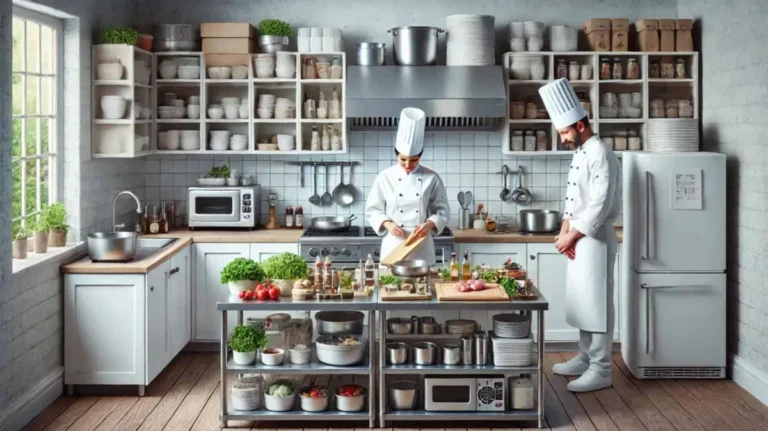
- Think in stations. In a restaurant, each cook has a station, one person is on the grill, one is on the sauté station, one is on the cold station, etc. At home, I like to think of my kitchen in a similar way. I have a prep station (my cutting board and knives), a cooking station (my stove and oven), and a plating station (my counter or table). The goal is to keep each station organized and to minimize crossover. For example, I don’t want to be chopping veggies at the same counter where I’m plating food, that’s just asking for a mess.
- Use timers. In a restaurant, timers are everywhere. They’re on the ovens, they’re on the stovetop, they’re in the hands of every cook. At home, I use timers for everything, from boiling pasta to roasting veggies to cooking proteins. The key is to set them and forget them. Once the timer is set, I can move on to the next task without worrying about overcooking something.
- Multitask strategically. Multitasking is a dirty word in professional kitchens. The goal is to focus on one task at a time, not to juggle multiple things at once. At home, I try to do the same. For example, if I’m making a stir-fry, I’ll chop all my veggies first, then cook them in batches. I won’t start cooking the rice until the veggies are done. The goal is to keep things simple and to avoid distractions.
One of the biggest mistakes home cooks make with workflow is assuming that more tools equals more efficiency. In reality, the opposite is often true. The more tools you have, the more time you spend digging through drawers and cabinets. The key is to streamline your tools and to keep them within reach. For example, I keep a few key tools next to my stove: tongs, a fish spatula, a ladle, and a timer. That’s it. Everything else is in drawers or cabinets, where I can grab it if I need it.
Another thing to consider: workflow isn’t just about speed, it’s also about safety. In a professional kitchen, workflow is designed to minimize the risk of accidents. For example, knives are stored in a block, not in a drawer where you can cut yourself. Pots and pans are stored on low shelves, not on high ones where you can drop them. At home, I try to do the same. I keep my knives in a block on the counter, and I store my pots and pans in a low cabinet. The goal is to minimize risk and to keep things safe.
I’m torn between recommending a strict workflow and cautioning against overcomplicating things. On one hand, a good workflow can make cooking faster and more efficient. On the other hand, you don’t want to turn your kitchen into a factory. Maybe I should clarify: workflow is about systems, not rules. It’s about finding what works for you and sticking with it. The goal is to make cooking easier, not harder.
7. Knife Skills: Beyond the Basics
Knife skills are one of those things that seem intimidating until you realize how simple they really are. In a professional kitchen, knife skills are second nature, chefs chop, dice, and slice without even thinking about it. At home, most of us struggle with basic cuts, let alone more advanced techniques. But if you want to cook like a pro, you need to start thinking about your knife as a tool, not just a way to chop things.
Here are a few knife skills that have transformed the way I cook:
- The pinch grip. This is the way most professional chefs hold their knives. You pinch the blade just above the handle with your thumb and index finger, then wrap your other fingers around the handle. This gives you more control and precision than the “death grip” most home cooks use.
- The claw grip. This is the way you hold the food you’re cutting. Curl your fingers under, tucking your fingertips in, and use your knuckles to guide the knife. This keeps your fingers safe and gives you more control over the cut.
- The rock chop. This is the most common cutting motion in professional kitchens. You keep the tip of the knife on the cutting board and rock the blade up and down, using the curve of the blade to guide the cut. It’s faster and more efficient than the “up and down” motion most home cooks use.
- The julienne. This is a thin, matchstick cut that’s great for stir-fries, salads, and garnishes. To julienne a vegetable, first cut it into thin planks, then stack the planks and cut them into thin strips.
- The brunoise. This is a small, dice cut that’s great for sauces, soups, and garnishes. To brunoise a vegetable, first julienne it, then gather the strips and cut them into small cubes.
- The chiffonade. This is a technique for cutting leafy greens or herbs into thin ribbons. Stack the leaves, roll them up tightly, then slice them thinly. It’s a great way to add a pop of color and texture to a dish.
One of the biggest mistakes home cooks make with knife skills is assuming that speed is the goal. In reality, the goal is precision. A professional chef might be able to chop an onion in 10 seconds, but that’s not because they’re rushing, it’s because they’ve practiced the motion so many times that it’s become second nature. At home, I focus on accuracy first, then speed. The more you practice, the faster you’ll get.
Another thing to consider: knife skills aren’t just about cutting- they’re also about safety. A sharp knife is safer than a dull one because it requires less force to cut. A dull knife is more likely to slip and cause an accident. At home, I sharpen my knives regularly and store them in a block or on a magnetic strip. The goal is to keep them sharp and keep them safe.
Here are a few of my favorite knife tricks:
- Use a damp towel. Place a damp towel under your cutting board to keep it from slipping. This gives you more control and makes cutting safer.
- Cut on the bias. For vegetables like carrots or cucumbers, cutting on the bias (at an angle) gives you larger, more interesting pieces. It’s a small thing, but it makes a big difference in presentation.
- Use the right knife for the job. A chef’s knife is great for most tasks, but a paring knife is better for peeling and trimming, and a serrated knife is better for slicing bread or tomatoes. The right knife makes the job easier and safer.
- Keep your knives sharp. A sharp knife is safer and more efficient than a dull one. I sharpen my knives every few weeks with a whetstone, and I hone them with a steel before each use. It’s a small investment that makes a big difference.
I’m torn between recommending a heavy focus on knife skills and cautioning against overcomplicating things. On one hand, good knife skills can make cooking faster and more efficient. On the other hand, you don’t need to be a master chef to cook great food. Maybe I should clarify: knife skills are about control. They’re about making your cuts more precise and your cooking more efficient. The goal is to make cooking easier, not harder.
8. Adapting Restaurant Recipes for Your Home Kitchen
One of the biggest challenges home cooks face is adapting restaurant recipes for their own kitchens. Restaurant recipes are often written for large quantities, with professional equipment and ingredients that aren’t always accessible to home cooks. But with a few tweaks, you can make restaurant-quality dishes at home, without turning your kitchen into a commercial operation.
Here’s how I approach adapting restaurant recipes:
- Scale down the quantities. Restaurant recipes are often written for 50 or 100 servings. At home, you’ll need to scale them down to a more manageable size. The key is to keep the ratios the same. For example, if a recipe calls for 10 pounds of tomatoes and 1 pound of onions, you’ll want to use 1 pound of tomatoes and 1.6 ounces of onions for a smaller batch.
- Adjust the cooking times. Restaurant recipes often assume you’re cooking in a high-volume, high-heat environment. At home, you’ll need to adjust the cooking times to account for your equipment. For example, if a recipe calls for roasting vegetables at 450°F for 20 minutes, you might need to roast them at 400°F for 30 minutes in a home oven.
- Substitute ingredients. Restaurant recipes often call for ingredients that aren’t always accessible to home cooks. For example, they might call for a specific type of cheese or a rare spice. At home, you’ll need to substitute with more accessible ingredients. The key is to find ingredients with similar flavors and textures. For example, if a recipe calls for fontina cheese, you might substitute with mozzarella or provolone.
- Use the right tools. Restaurant recipes often assume you have professional equipment, like a blast chiller or a commercial-grade mixer. At home, you’ll need to adapt the recipe to the tools you have. For example, if a recipe calls for whipping cream in a stand mixer, you can use a hand mixer or even a whisk. The key is to find workarounds that get you the same result.
- Simplify the steps. Restaurant recipes often have multiple components and steps. At home, you might need to simplify the recipe to make it more manageable. For example, if a recipe calls for making a sauce from scratch, you might use a store-bought sauce and doctor it up with fresh ingredients. The key is to focus on the essentials and skip the unnecessary steps.
One of the biggest mistakes home cooks make when adapting restaurant recipes is assuming that more ingredients equals better flavor. In reality, the opposite is often true. The best restaurant dishes are often the simplest, they rely on a few high-quality ingredients and let them shine. At home, I try to do the same. I focus on quality over quantity, and I let the ingredients speak for themselves.
Another thing to consider: restaurant recipes are often designed to be cooked in a specific order. At home, you might need to adjust the order to fit your workflow. For example, if a recipe calls for cooking the sauce first and then the protein, you might need to cook the protein first and then the sauce. The key is to think ahead and plan your steps.
Here are a few of my favorite tips for adapting restaurant recipes:
- Use a scale. Restaurant recipes are often written in weights, not volumes. Using a scale gives you more accuracy and consistency.
- Taste as you go. Restaurant recipes are often written with a specific flavor profile in mind. Tasting as you go helps you adjust the seasoning and make sure the dish turns out the way you want it to.
- Don’t be afraid to experiment. Restaurant recipes are often just a starting point. Don’t be afraid to tweak them to fit your tastes and preferences.
- Keep notes. If you make a change that works, write it down. If you make a change that doesn’t work, write that down too. Keeping notes helps you learn and improve over time.
I’m torn between recommending a strict approach to adapting restaurant recipes and cautioning against overcomplicating things. On one hand, it’s important to respect the original recipe and understand how it’s supposed to work. On the other hand, cooking is about creativity and experimentation. Maybe I should clarify: adapting restaurant recipes is about balance. It’s about respecting the original recipe while making it your own. The goal is to make the dish delicious, not to follow the recipe to the letter.
9. The Tools That Actually Matter (And the Ones You Can Skip)
Walk into any kitchen supply store, and you’ll be bombarded with gadgets, some useful, some not so much. In a professional kitchen, chefs rely on a few key tools to get the job done. At home, most of us have drawers full of gadgets we never use. But if you want to cook like a pro, you need to start thinking about your tools as investments, not just purchases.
Here are the tools that have made the biggest difference in my home kitchen:
- A good chef’s knife. This is the most important tool in any kitchen. A good chef’s knife is sharp, balanced, and comfortable to hold. It’s the tool you’ll use for 90% of your cutting tasks. I recommend investing in a high-quality knife and taking care of it, it’ll last you a lifetime.
- A honing steel. A honing steel doesn’t sharpen your knife, it realigns the edge, keeping it sharp between sharpenings. I use mine every time I cook to keep my knives in top condition.
- A cutting board. A good cutting board is sturdy, stable, and easy to clean. I prefer wooden boards for most tasks, but I also keep a plastic board on hand for raw proteins.
- A cast-iron skillet. A cast-iron skillet is versatile, durable, and great for high-heat cooking. I use mine for everything from searing steaks to baking cornbread. The key is to season it properly and take care of it.
- A Dutch oven. A Dutch oven is a heavy, enameled pot that’s great for braising, stewing, and baking. I use mine for everything from soups to roasts to bread. It’s one of the most versatile tools in my kitchen.
- Tongs. Tongs are the ultimate kitchen multitasker. I use them for everything from flipping steaks to tossing salads to serving pasta. They’re a small investment that makes a big difference.
- A fish spatula. A fish spatula is a thin, flexible spatula that’s great for flipping delicate proteins like fish and eggs. It’s one of those tools you don’t realize you need until you try it.
- A microplane. A microplane is a small, handheld grater that’s great for zesting citrus, grating garlic, and grating hard cheeses. It’s a small tool that makes a big difference in flavor.
- An instant-read thermometer. An instant-read thermometer is the best way to ensure your proteins are cooked to the perfect temperature. I use mine for everything from steaks to chicken to pork.
- A bench scraper. A bench scraper is a small, rectangular tool that’s great for scraping up dough, chopping herbs, and transferring ingredients. It’s one of those tools that seems unnecessary until you try it.
Now, let’s talk about the tools you can skip:
- Garlic presses. A garlic press might seem like a time-saver, but it’s actually more trouble than it’s worth. It’s hard to clean, and it doesn’t give you as much control as a knife. I prefer to mince garlic with a knife, it’s faster and more precise.
- Avocado slicers. An avocado slicer is a single-use tool that doesn’t do anything a knife can’t do. I prefer to slice avocados with a knife, it’s faster and more versatile.
- Egg slicers. An egg slicer is another single-use tool that’s not worth the space. I prefer to slice eggs with a knife, it’s faster and more precise.
- Butter curlers. A butter curler is a tool that’s used to create decorative butter curls. It’s a fun gadget, but it’s not essential. I prefer to use a knife to create simple butter pats, it’s faster and more practical.
- Melon ballers. A melon baller is a tool that’s used to create small, round pieces of fruit. It’s a fun gadget, but it’s not essential. I prefer to use a knife to create simple fruit slices, it’s faster and more versatile.
One of the biggest mistakes home cooks make with tools is assuming that more is better. In reality, the opposite is often true. The more tools you have, the more time you spend digging through drawers and cabinets. The key is to invest in a few high-quality tools and use them well. At home, I focus on versatility-I want tools that can do multiple things, not just one.
Another thing to consider: tools aren’t just about function, they’re also about enjoyment. Cooking should be fun, and the right tools can make it more enjoyable. For example, I love my cast-iron skillet because it’s versatile and durable, but I also love it because it makes me feel like a cowboy. The key is to find tools that you enjoy using and that make cooking more fun.
I’m torn between recommending a minimalist approach to tools and cautioning against overcomplicating things. On one hand, a few high-quality tools can make cooking faster and more efficient. On the other hand, you don’t need to spend a fortune to cook great food. Maybe I should clarify: tools are about investment. It’s about finding the tools that work for you and using them well. The goal is to make cooking easier and more enjoyable, not to collect gadgets.
10. Plating: Why Presentation Matters (Even at Home)
Plating is one of those things that seems like it’s only for fancy restaurants. But the truth is, presentation matters, even at home. In a restaurant, plating is about creating a visual experience that complements the food. At home, it’s about making your food look as good as it tastes. And the best part? You don’t need to be a Michelin-starred chef to plate like a pro.
Here’s how I approach plating at home:
- Start with the right plate. The plate is the canvas for your food, so it’s important to choose the right one. In a restaurant, chefs often use white plates because they make the food stand out. At home, I like to use simple, neutral-colored plates for the same reason. The key is to let the food be the star.
- Think about color. Color is one of the most important elements of plating. A dish with a variety of colors is more visually appealing than a monochromatic one. For example, a plate of roasted chicken, mashed potatoes, and steamed broccoli might taste great, but it’s not very exciting to look at. Adding a pop of color, like a bright red tomato or a sprinkle of fresh herbs, can make the dish more visually appealing.
- Use the rule of thirds. The rule of thirds is a composition principle that’s used in photography and art. It’s about dividing the plate into thirds, both horizontally and vertically, and placing the food along those lines. This creates a more balanced and visually appealing plate. For example, if you’re plating a piece of fish, you might place it along the left third of the plate, with the sauce along the right third.
- Create height. Height is another important element of plating. A dish with height is more visually interesting than a flat one. For example, you might stack a piece of protein on top of a bed of grains, or you might prop up a piece of fish on a bed of veggies. The key is to create dimension and make the dish more interesting.
- Use sauces strategically. Sauces are a great way to add color and texture to a dish. In a restaurant, chefs often use sauces to create patterns or designs on the plate. At home, I like to use sauces to add a pop of color or to tie the dish together. For example, I might drizzle a bright red tomato sauce over a plate of pasta, or I might swirl a creamy sauce around a piece of fish.
- Garnish thoughtfully. Garnishes are the finishing touch on a dish. In a restaurant, chefs use garnishes to add color, texture, and flavor. At home, I like to use garnishes to add a pop of color or to tie the dish together. For example, I might sprinkle fresh herbs over a plate of pasta, or I might add a few edible flowers to a salad. The key is to use garnishes that complement the dish, not just ones that look pretty.
One of the biggest mistakes home cooks make with plating is assuming that it has to be complicated. In reality, the best plating is often the simplest. The goal is to let the food shine, not to create a work of art. At home, I focus on balance and contrast. I want my plates to look as good as they taste, but I don’t want to spend hours arranging them.
Another thing to consider: plating isn’t just about aesthetics, it’s also about function. A well-plated dish is easier to eat and more enjoyable to look at. For example, if you’re serving a piece of fish with a sauce, you might plate the fish on one side of the plate and the sauce on the other. This makes it easier to eat and more visually appealing.
Here are a few of my favorite plating tips:
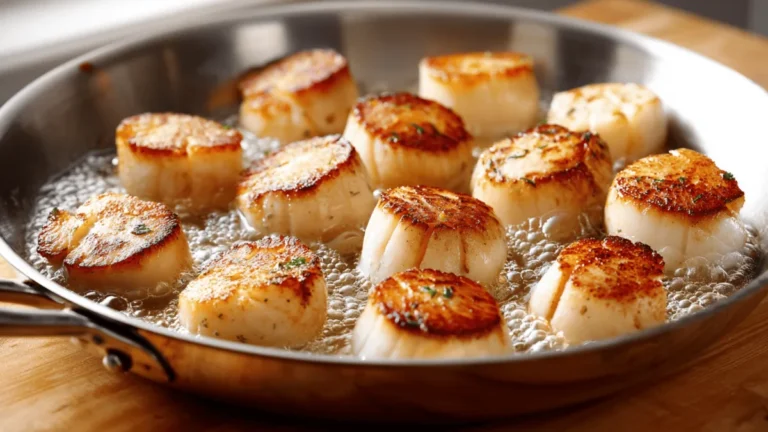
- Use odd numbers. Odd numbers are more visually appealing than even numbers. For example, if you’re plating three scallops, you might arrange them in a triangle. If you’re plating five asparagus spears, you might arrange them in a fan shape.
- Wipe the edges of the plate. A clean plate is more visually appealing than a messy one. Before you serve a dish, wipe the edges of the plate with a damp cloth to remove any smudges or drips.
- Use negative space. Negative space is the empty space on the plate. It’s an important element of plating because it gives the eye a place to rest. For example, if you’re plating a piece of fish, you might leave some empty space around it to make it stand out.
- Think about the big picture. Plating isn’t just about the individual plate, it’s also about the overall presentation. For example, if you’re serving a family-style meal, you might arrange the dishes on the table in a way that’s visually appealing. The key is to think about the whole experience, not just the individual plates.
I’m torn between recommending a heavy focus on plating and cautioning against overcomplicating things. On one hand, presentation matters, it can make a dish more enjoyable and memorable. On the other hand, you don’t want to spend hours arranging a plate that’s going to be devoured in minutes. Maybe I should clarify: plating is about balance. It’s about making your food look as good as it tastes, without overthinking it. The goal is to make your meals more enjoyable, not to create a masterpiece.
Putting It All Together: A Challenge for You
Alright, let’s take a step back. We’ve covered a lot of ground in this guide, from mise en place to high-heat cooking to plating. But here’s the thing: reading about these techniques is one thing. Actually using them is another.
So here’s my challenge to you: pick one of the techniques we’ve talked about and try it out this week. Maybe it’s mise en place, taking the time to prep everything before you start cooking. Maybe it’s high-heat cooking, searing a steak or roasting veggies at a higher temperature than you’re used to. Maybe it’s batch cooking, making a big pot of soup or a tray of roasted veggies to use throughout the week. Whatever it is, I want you to commit to trying it.
And here’s the thing: it might not work out perfectly the first time. That’s okay. Cooking is a skill, and skills take time to develop. The key is to keep practicing and to learn from your mistakes. If your steak doesn’t sear the way you want it to, try again next time. If your mise en place feels clunky, adjust your system. The goal isn’t perfection, it’s progress.
I’ll be honest: when I first started trying to cook like a pro, I felt like an imposter. I’d watch cooking shows and think, “There’s no way I can do that.” But then I’d try something small, like prepping my ingredients before I started cooking, and I’d realize that it actually made a difference. It didn’t make me a Michelin-starred chef overnight, but it made me a better cook. And that’s the point.
So go ahead. Pick a technique. Try it out. See what happens. And most importantly, have fun. Because at the end of the day, that’s what cooking is all about.
FAQ
Q: I don’t have a lot of fancy equipment. Can I still use these techniques?
A: Absolutely. Most of these techniques don’t require any special equipment, just a willingness to rethink how you approach cooking. For example, you don’t need a commercial-grade range to cook with high heat. You just need to preheat your pan properly and use the right oil. The key is to adapt the techniques to your kitchen, not the other way around.
Q: How do I know when I’m doing these techniques correctly?
A: The best way to know if you’re doing something correctly is to taste your food. If it tastes good, you’re on the right track. If it doesn’t, try to figure out what went wrong and adjust. For example, if your steak isn’t searing properly, it might be because your pan isn’t hot enough or you’re crowding the pan. The key is to pay attention and learn from your mistakes.
Q: I’m intimidated by high-heat cooking. How can I make it less scary?
A: High-heat cooking can be intimidating, but it doesn’t have to be. Start small, try searing a steak or roasting veggies at a higher temperature than you’re used to. Make sure you have good ventilation (turn on your exhaust fan or open a window) and keep a fire extinguisher nearby, just in case. The key is to start slow and build your confidence.
Q: How do I adapt restaurant recipes for my home kitchen without losing the essence of the dish?
A: Adapting restaurant recipes is all about keeping the ratios the same and adjusting the cooking times to account for your equipment. For example, if a recipe calls for roasting vegetables at 450°F for 20 minutes, you might need to roast them at 400°F for 30 minutes in a home oven. The key is to taste as you go and adjust as needed. And don’t be afraid to experiment, restaurant recipes are often just a starting point.
@article{commercial-kitchen-techniques-for-home-cooks-scaling-up-your-skills-without-the-restaurant-budget,
    title   = {Commercial Kitchen Techniques for Home Cooks: Scaling Up Your Skills Without the Restaurant Budget},
    author  = {Chef's icon},
    year    = {2026},
    journal = {Chef's Icon},
    url     = {https://chefsicon.com/commercial-kitchen-techniques-for-home-cooks-scaling-up-skills/}
}