
The Best Fluffy Pancakes recipe you will fall in love with. Full of tips and tricks to help you make the best pancakes.
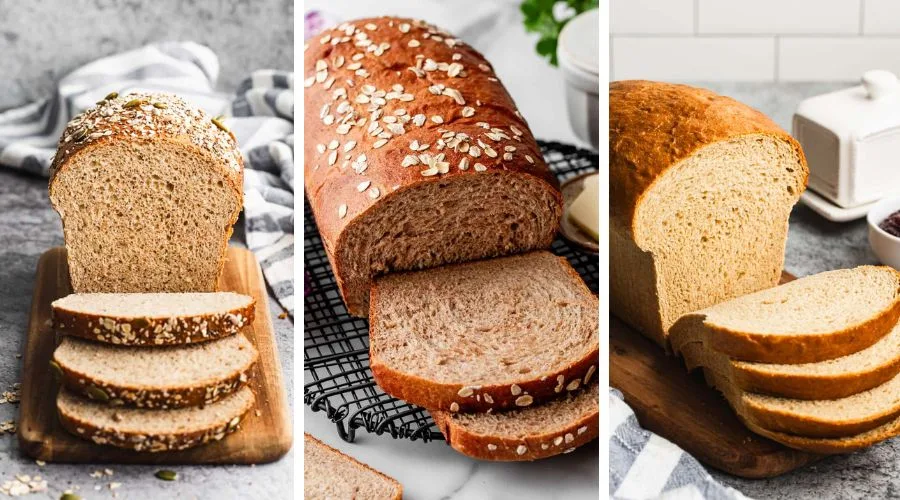
Let me start with a confession: I once tried to impress a table of regulars at a Nashville hot chicken joint by swapping out all-purpose flour for whole wheat in their signature batter. The result? A sad, dense crust that clung to the chicken like wet cardboard. The table sent it back. The chef, a guy named Rico who’d been frying chicken since before I knew how to hold a whisk, just shook his head and muttered something about “respecting the recipe.” I slunk back to my corner, Luna my rescue cat watching from the counter with what I swear was judgment in her eyes.
But here’s the thing, Rico wasn’t wrong, but he wasn’t entirely right either. Whole grains can work in classic restaurant recipes. They should work, especially as diners increasingly demand healthier options without sacrificing flavor or texture. The problem isn’t the grains themselves; it’s how we treat them. Over the past few years, I’ve spent way too much time in test kitchens (and my own cramped Nashville apartment kitchen) figuring out how to make this swap seamless. And honestly? It’s less about following a rigid formula and more about understanding the why behind each ingredient. So if you’re ready to ditch the white flour without scaring off your customers, let’s dig in.
By the end of this, you’ll know how to:
- Identify which classic dishes are the best candidates for whole-grain conversion (and which to avoid).
- Adjust hydration, leavening, and mixing techniques to compensate for whole grains’ quirks.
- Balance flavors so the nuttiness of whole wheat or rye doesn’t overpower your dish.
- Test and tweak recipes without wasting a mountain of ingredients.
- Sell the change to your staff and customers without sounding like a health-food zealot.
Sound like a plan? Good. Because this isn’t just about swapping one flour for another, it’s about rethinking how we approach classic recipes in a world where diners want nostalgia andutrition.
The Whole Grain Mindset: Why This Isn’t Just a Flour Swap
Before we get into the nitty-gritty, let’s talk about why this is harder than it looks. Whole grains, whether it’s whole wheat, spelt, rye, or something more exotic like einkorn, behave differently than refined flour. And I don’t just mean in the obvious ways, like color or flavor. Their structural properties are fundamentally different, and that’s what trips up most cooks.
Refined flour is like a blank canvas. It’s predictable, consistent, and forgiving. Whole grain flour? It’s more like a rebellious teenager, full of potential but prone to acting out if you don’t handle it right. Here’s why:
- Bran and germ: These parts of the grain are still intact in whole wheat flour, and they’re the culprits behind most of the problems. Bran is sharp and can cut through gluten strands, weakening the structure of baked goods. Germ is oily and can go rancid if not stored properly, but it’s also where a lot of the flavor and nutrition live.
- Absorption: Whole grain flours absorb more liquid than refined flours. This means your batter or dough might seem dry at first, but give it time, it’ll drink up that liquid like a sponge. If you don’t account for this, you’ll end up with dense, gummy results.
- Gluten development: The bran in whole grains interferes with gluten formation. This is why whole wheat bread can be crumbly if you don’t adjust your mixing or kneading time. It’s not that the gluten isn’t there; it’s that the bran is literally getting in the way.
- Flavor: Whole grains have a nuttier, earthier taste that can clash with delicate flavors. This isn’t always a bad thing, rye’s boldness works beautifully in sourdough, for example, but it’s something you need to manage.
So, is this the best approach? Let’s consider the alternative: sticking with refined flour and missing out on the nutritional benefits of whole grains. The average diner might not care about fiber content, but they willotice if their food tastes like it came from a health-food store in the ‘90s. The key is to make the swap invisible-or at least, not jarringly obvious. That means understanding how each whole grain behaves and adjusting your recipe accordingly.
I’m torn between two schools of thought here. On one hand, there’s the purist approach: whole grains should be celebrated for what they are, not hidden. On the other hand, there’s the practical approach: if your goal is to get more people eating whole grains, sometimes you have to meet them where they are. For restaurants, that usually means making the swap as seamless as possible. So, for now, let’s focus on the latter. We can save the whole-grain evangelism for another post.
Step 1: Pick Your Battles, Which Recipes Are Worth Converting?
Not all recipes are created equal when it comes to whole-grain conversion. Some dishes will take to the swap like a duck to water; others will fight you every step of the way. So before you start dumping whole wheat flour into your grandma’s famous pie crust, let’s talk about which recipes are the best candidates.
Here’s a quick cheat sheet:
- Good candidates:
- Hearty breads (sandwich loaves, dinner rolls, focaccia)
- Pizza dough (especially Neapolitan or Sicilian styles)
- Pasta (whole wheat or spelt work well here)
- Muffins, quick breads, and pancakes
- Thick batters (like tempura or beer-battered fish)
- Stuffings and breadcrumbs
- Gravies and sauces (as a thickener)
- Proceed with caution:
- Delicate pastries (croissants, puff pastry, pie crusts)
- Cakes and cupcakes (especially light, fluffy ones)
- Thin batters (like crepes or popovers)
- Fried foods with a crispy coating (like fried chicken or schnitzel)
- Avoid entirely (for now):
- Angel food cake (it’s all about the airy texture, which whole grains can’t replicate)
- Macarons (the almond flour is non-negotiable)
- Some types of cookies (like shortbread, where butter is the star)
Why the divide? It comes down to texture and structure. Whole grains excel in recipes where a little density or chewiness is desirable. Think about it: no one complains that their whole wheat sandwich bread is too hearty. But if your chocolate chip cookies come out like hockey pucks, you’ve got a problem.
I once tried converting a classic French madeleine recipe to whole wheat. The result was edible, but it lacked that signature lightness and shell-like shape. The bran in the whole wheat flour weighed down the batter, and no amount of whipping the eggs could compensate. Lesson learned: some recipes are better left alone.
But here’s the thing, even the “proceed with caution” category isn’t off-limits. It just requires more finesse. For example, you can make a whole-grain pie crust, but you’ll need to adjust your fat content and handling techniques. We’ll get into that later. For now, just know that not every recipe is worth the effort. Start with the low-hanging fruit (like breads and pasta) and work your way up.
Step 2: Choose Your Whole Grain Wisely
Not all whole grains are created equal. Some are mild and easy to work with; others are bold and require a more delicate touch. Your choice of grain will depend on the recipe, the flavor profile you’re going for, and how much you’re willing to adjust your technique. Let’s break down the most common options:
Whole Wheat Flour
The most obvious choice, but also the trickiest. Whole wheat flour is what you get when you grind the entire wheat kernel, bran, germ, and endosperm. It’s nutritious, but it’s also dense and can make baked goods heavy if you’re not careful.
Best for: Bread, pizza dough, muffins, pancakes, and hearty cookies.
Watch out for: Overmixing (which can make it tough) and under-hydrating (which can make it dry).
Pro tip: If you’re new to whole wheat, start by replacing only 25-50% of the refined flour in your recipe. This will give you a sense of how it behaves without completely overhauling the texture.
White Whole Wheat Flour
This is a milder, lighter version of whole wheat flour made from white wheat berries. It has all the nutritional benefits of whole wheat but with a less assertive flavor and color. It’s a great gateway grain for picky eaters.
Best for: Cakes, cookies, pie crusts, and any recipe where you want a lighter texture.
Watch out for: It’s still whole grain, so it absorbs more liquid than refined flour. Don’t skip the hydration adjustments.
Spelt Flour
Spelt is an ancient grain with a slightly sweet, nutty flavor. It’s lower in gluten than wheat, which means it can be a bit more forgiving in some recipes. However, its lower gluten content also means it’s not ideal for breads that rely on a strong gluten structure.
Best for: Pasta, pancakes, muffins, and flatbreads.
Watch out for: It can be a bit sticky, so you might need to adjust your liquid ratios.
Rye Flour
Rye is a powerhouse grain with a bold, earthy flavor. It’s lower in gluten than wheat, but it has a unique protein called secalin that gives it structure. It’s a staple in Northern and Eastern European baking, but it can be polarizing if you’re not used to it.
Best for: Sourdough bread, pumpernickel, rye crackers, and hearty cookies.
Watch out for: It absorbs a lot of liquid, so your dough might seem dry at first. Also, it can be dense, so it’s often blended with wheat flour.
Oat Flour
Oat flour is made from ground oats and has a mild, slightly sweet flavor. It’s naturally gluten-free, so it’s not a great choice for breads that rely on gluten for structure. However, it’s fantastic in recipes where a tender crumb is desirable.
Best for: Pancakes, muffins, cookies, and quick breads.
Watch out for: It can make baked goods gummy if you don’t balance it with other flours. Also, it’s not a 1:1 substitute for wheat flour in most recipes.
Buckwheat Flour
Despite its name, buckwheat isn’t related to wheat at all, it’s a seed. It has a strong, earthy flavor that’s beloved in dishes like Japanese soba noodles and French galettes. It’s gluten-free, so it’s not ideal for breads, but it’s a great way to add depth to other recipes.
Best for: Pancakes, crepes, noodles, and hearty muffins.
Watch out for: Its strong flavor can overpower delicate dishes. It’s also quite dense, so it’s often blended with other flours.
Maybe I should clarify: this isn’t an exhaustive list. There are plenty of other whole grains out there, einkorn, emmer, kamut, teff, sorghum, the list goes on. But for most restaurant applications, these are the ones you’ll use most often. The key is to experiment and find what works for your menu.
One last thing: if you’re working with gluten-free whole grains (like oat or buckwheat), you’ll need to add a binder like xanthan gum or psyllium husk to mimic the structure of gluten. This is a whole other rabbit hole, so for now, let’s stick to grains that contain gluten.
Step 3: Adjust Your Hydration, The Most Critical Step
If there’s one thing that will make or break your whole-grain conversion, it’s hydration. Whole grains absorb more liquid than refined flour, and if you don’t account for this, your recipe will fail. I learned this the hard way when I tried to make whole wheat pizza dough using the same water-to-flour ratio as my refined flour recipe. The result was a stiff, dry dough that refused to stretch and baked into something resembling a cracker.
Here’s the rule of thumb: increase your liquid by 25-50% when using whole grain flours. This isn’t a hard-and-fast rule, some grains (like rye) will need even more liquid, while others (like spelt) might need less. But it’s a good starting point.
Let’s break it down by recipe type:
Bread Dough
Bread is one of the most forgiving recipes when it comes to whole-grain conversion, but it’s also where hydration adjustments are most critical. Whole wheat bread dough should be tacky, not dry, and it should feel slightly sticky to the touch. If it’s too stiff, add more water in small increments (a tablespoon at a time) until it reaches the right consistency.
Pro tip: Autolyse is your friend here. Autolyse is a technique where you mix the flour and water and let it rest for 20-30 minutes before adding the yeast and salt. This gives the flour time to fully hydrate and starts the gluten development process. It’s especially helpful with whole grains because it softens the bran and makes the dough more pliable.
Batter-Based Recipes (Pancakes, Muffins, Quick Breads)
For batters, you’ll want to start by replacing only 25-50% of the refined flour with whole grain flour. Then, add liquid as needed until the batter reaches the right consistency. For pancakes, this means a pourable batter that’s slightly thicker than heavy cream. For muffins, it means a thick, spoonable batter that holds its shape.
Pro tip: Let the batter rest for 10-15 minutes before cooking. This gives the flour time to absorb the liquid and softens the bran, resulting in a lighter texture.
Pasta Dough
Whole wheat pasta dough is notoriously tricky because it’s so dry. The key is to add enough water to bring the dough together, but not so much that it becomes sticky. Start with the same amount of water as your refined flour recipe, then add more as needed. The dough should be firm and slightly tacky, but not sticky.
Pro tip: Rest the dough for at least 30 minutes before rolling it out. This gives the flour time to fully hydrate and makes the dough more pliable.
Fried Foods
Fried foods are where whole grains can get really tricky. The bran in whole grain flours can burn at high temperatures, resulting in a bitter flavor. To avoid this, you’ll want to use a lighter whole grain flour (like white whole wheat) and adjust your frying temperature. Start by frying at 350°F (175°C) and adjust as needed.
Pro tip: For fried chicken or other breaded foods, try using a combination of whole grain flour and cornstarch. The cornstarch will help create a crispier crust, while the whole grain flour adds nutrition and flavor.
I’m torn between two approaches here. On one hand, you could just wing it, add liquid until the dough or batter looks right. On the other hand, you could weigh your ingredients and calculate the hydration percentage. For most home cooks, the first approach is fine. But if you’re running a restaurant and need consistency, the second approach is worth the effort.
Here’s how to calculate hydration:
- Weigh your flour (in grams).
- Weigh your liquid (in grams).
- Divide the weight of the liquid by the weight of the flour and multiply by 100 to get the hydration percentage.
For example, if you have 500 grams of flour and 350 grams of water, your hydration is (350/500) x 100 = 70%. Most bread doughs fall between 60-80% hydration, with whole grain doughs typically on the higher end. This isn’t a perfect science, but it’s a good way to ensure consistency.
Step 4: Tweak Your Leavening Agents
Whole grains are heavier than refined flour, which means they need a little extra help to rise. This is where leavening agents come in. Depending on the recipe, you might need to adjust the amount of yeast, baking powder, or baking soda you use.
Yeast-Based Recipes (Bread, Pizza Dough, Cinnamon Rolls)
For yeast-based recipes, you’ll want to increase the amount of yeast by about 25%. This will help the dough rise faster and compensate for the extra weight of the whole grains. You might also need to extend the rising time, especially if you’re using a cold-proofing method.
Pro tip: If you’re making bread, consider using a preferment like a poolish or biga. This is a mixture of flour, water, and yeast that’s allowed to ferment overnight. It adds flavor and helps improve the texture of whole grain breads.
Chemical Leavening Agents (Baking Powder, Baking Soda)
For recipes that rely on baking powder or baking soda (like muffins, pancakes, and quick breads), you’ll want to increase the amount by about 25-50%. This will help the batter rise properly and prevent a dense, gummy texture.
Pro tip: If you’re using baking soda, make sure you have enough acid in the recipe to activate it. This could be buttermilk, yogurt, lemon juice, or vinegar. Without enough acid, the baking soda won’t work, and your baked goods will taste bitter.
Here’s a quick reference guide:
- Yeast: Increase by 25% for whole grain flours.
- Baking powder: Increase by 25-50% for whole grain flours.
- Baking soda: Increase by 25-50%, but make sure you have enough acid in the recipe.
Is this the best approach? Let’s consider the alternative: sticking with the same amount of leavening and hoping for the best. In my experience, that’s a recipe for disaster. Whole grains are heavier, and they need that extra lift. But don’t go overboard, too much leavening can cause your baked goods to collapse or taste bitter.
Step 5: Master the Art of Mixing and Kneading
Whole grain flours behave differently than refined flours when it comes to mixing and kneading. The bran in whole grains can cut through gluten strands, weakening the structure of your dough or batter. This means you’ll need to adjust your mixing and kneading techniques to compensate.
Bread Dough
For bread dough, the key is to develop the gluten slowly and gently. This means mixing the dough just until it comes together, then kneading it gently until it’s smooth and elastic. Over-kneading can break down the gluten and result in a dense, gummy loaf.
Pro tip: Use the windowpane test to check for gluten development. Take a small piece of dough and stretch it thin. If it stretches without tearing and you can see light through it, your gluten is well-developed. If it tears easily, keep kneading.
Batter-Based Recipes
For batters, the key is to mix just until the ingredients are combined. Overmixing can develop the gluten too much, resulting in a tough, dense texture. This is especially important for muffins, pancakes, and quick breads.
Pro tip: Use a whisk or a fork to mix the dry ingredients, then switch to a spatula for the wet ingredients. This will help prevent overmixing.
Pasta Dough
For pasta dough, the key is to knead it just until it’s smooth and elastic. Over-kneading can make the dough tough and difficult to roll out. This is especially important for whole wheat pasta, which is already prone to toughness.
Pro tip: Rest the dough for at least 30 minutes before rolling it out. This gives the gluten time to relax and makes the dough more pliable.
I’m torn between two schools of thought here. On one hand, there’s the “less is more” approach: mix and knead as little as possible to avoid overworking the dough. On the other hand, there’s the “more is more” approach: knead the dough thoroughly to develop the gluten and compensate for the bran. In my experience, the first approach works best for most recipes. But for bread, you might need to find a middle ground.
Here’s a quick reference guide:
- Bread dough: Knead gently until the gluten is well-developed (use the windowpane test).
- Batter-based recipes: Mix just until the ingredients are combined.
- Pasta dough: Knead just until the dough is smooth and elastic, then rest it before rolling.
Step 6: Balance the Flavors
Whole grains have a nuttier, earthier flavor than refined flour, and if you’re not careful, they can overpower your dish. The key is to balance the flavors so the whole grains enhance the recipe rather than dominate it.
Here are a few ways to do that:
Add Sweetness
Sweetness can help balance the earthy flavor of whole grains. This could be in the form of sugar, honey, maple syrup, or even fruit. For example, adding a touch of honey to whole wheat bread dough can help soften the flavor and improve the texture.
Pro tip: If you’re making muffins or quick breads, try adding mashed banana, applesauce, or grated apple. These ingredients add sweetness and moisture, which can help counteract the density of whole grains.
Add Fat
Fat can help soften the flavor of whole grains and improve the texture of your baked goods. This could be in the form of butter, oil, or even nut butters. For example, adding a bit of melted butter to whole wheat pancake batter can help make the pancakes lighter and more tender.
Pro tip: If you’re making bread, try adding a bit of olive oil or melted butter to the dough. This can help improve the crumb and soften the flavor of the whole grains.
Add Acid
Acid can help brighten the flavor of whole grains and balance their earthiness. This could be in the form of buttermilk, yogurt, lemon juice, or vinegar. For example, adding a bit of lemon juice to whole wheat pasta dough can help soften the flavor and improve the texture.
Pro tip: If you’re making muffins or quick breads, try using buttermilk or yogurt instead of regular milk. The acidity will help tenderize the gluten and improve the texture.
Add Spices and Herbs
Spices and herbs can help enhance the flavor of whole grains and make them more appealing. For example, adding cinnamon, nutmeg, or cardamom to whole wheat muffins can help balance the earthy flavor of the whole grains. Similarly, adding fresh herbs like rosemary or thyme to whole wheat bread can help elevate the flavor.
Pro tip: If you’re making a savory dish, try adding garlic, onion, or other aromatics. These ingredients can help enhance the flavor of whole grains and make them more appealing.
Maybe I should clarify: this isn’t about masking the flavor of whole grains. It’s about enhancing them. Whole grains have a lot to offer, and with the right balance of flavors, they can shine. The goal is to create a dish where the whole grains are a natural part of the flavor profile, not an afterthought.
Step 7: Test and Tweak, The Key to Success
Converting classic recipes to whole grains isn’t an exact science. Even with all the adjustments we’ve talked about, you’ll still need to test and tweak your recipes to get them just right. This is where the real work begins.
Here’s how to approach it:
Start Small
Don’t try to convert your entire menu at once. Start with one or two recipes and work your way up. This will give you a chance to learn how whole grains behave and make adjustments as needed.
Pro tip: Choose recipes that are already forgiving, like muffins or pancakes. These are great for testing because they’re quick to make and easy to adjust.
Keep Notes
Every time you test a recipe, keep detailed notes. Write down the ingredients, the amounts, the mixing and kneading times, the baking temperature and time, and the results. This will help you track your progress and make adjustments as needed.
Pro tip: Use a kitchen scale to weigh your ingredients. This will help ensure consistency and make it easier to scale up your recipes for a restaurant setting.
Make One Change at a Time
When testing a recipe, make one change at a time. This will help you isolate the effects of each adjustment and make it easier to fine-tune your recipe.
Pro tip: Start by replacing only 25-50% of the refined flour with whole grain flour. This will give you a sense of how the whole grains behave without completely overhauling the recipe.
Get Feedback
Once you’ve tested a recipe, get feedback from others. This could be your staff, your customers, or even your friends and family. Ask them what they think of the flavor, texture, and appearance. This will help you identify any issues and make adjustments as needed.
Pro tip: If you’re testing a recipe for a restaurant, consider doing a soft launch. Offer the dish as a special and see how it’s received. This will give you a chance to make adjustments before adding it to the regular menu.
I’m torn between two approaches here. On one hand, you could test recipes in a controlled environment, like a test kitchen. On the other hand, you could test them in the real world, like in your restaurant. In my experience, the second approach is more valuable. It’s one thing to test a recipe in a perfect environment; it’s another to see how it holds up in the chaos of a busy kitchen. But that’s just me.
Step 8: Sell the Change to Your Staff and Customers
Converting classic recipes to whole grains is only half the battle. The other half is selling the change to your staff and customers. This can be tricky, especially if your customers are used to the old version of a dish. But with the right approach, you can make the transition seamless.
Train Your Staff
Your staff is your first line of defense when it comes to selling the change. They need to understand why you’re making the switch and how to talk about it with customers. This means training them on the benefits of whole grains and giving them the tools they need to answer questions.
Pro tip: Hold a staff meeting to discuss the changes. Explain why you’re making the switch and how it will benefit the restaurant and the customers. Then, do a tasting so they can try the new dishes and get a sense of the flavors and textures.
Update Your Menu
Your menu is a powerful tool for selling the change. Use it to highlight the benefits of whole grains and make the new dishes sound appealing. This could be as simple as adding a note like “made with whole grains” or as elaborate as a full description of the health benefits.
Pro tip: Don’t make a big deal out of the switch. Instead of saying “now with whole grains,” say something like “our classic recipe, now with a nutty twist.” This makes the change sound like an upgrade rather than a compromise.
Offer Samples
One of the best ways to sell the change is to let customers try the new dishes for themselves. Offer samples of the new dishes and ask for feedback. This will help customers get used to the new flavors and textures and make them more likely to order the dishes in the future.
Pro tip: If you’re making a big change, like converting your entire bread basket to whole grains, consider offering a side-by-side tasting. This will help customers see the difference and appreciate the new version.
Be Transparent
Transparency is key when making changes to your menu. Be upfront about the switch to whole grains and explain why you’re making the change. This will help build trust with your customers and make them more likely to support the change.
Pro tip: Consider adding a note to your menu or website explaining the switch. This could be something like “We’ve updated our classic recipes to include whole grains for a healthier, more flavorful experience.”
Is this the best approach? Let’s consider the alternative: making the switch without telling anyone. In my experience, that’s a recipe for disaster. Customers notice when things change, and if you don’t explain why, they might assume the worst. But if you’re transparent and upfront, they’re more likely to support the change.
Step 9: Troubleshooting Common Problems
Even with all the adjustments we’ve talked about, things can still go wrong. Whole grains are finicky, and sometimes they just don’t cooperate. Here are some common problems and how to fix them:
Dense, Heavy Texture
If your baked goods are coming out dense and heavy, it’s likely a hydration issue. Whole grains absorb more liquid than refined flour, so you might need to add more water or other liquids to your recipe.
How to fix it: Increase the liquid in your recipe by 25-50%. You can also try adding an extra egg or a bit of yogurt or applesauce to add moisture.
Dry, Crumbly Texture
If your baked goods are coming out dry and crumbly, it’s likely a fat issue. Whole grains need more fat to stay moist and tender.
How to fix it: Add more fat to your recipe. This could be in the form of butter, oil, or even nut butters. You can also try adding an extra egg or a bit of yogurt or applesauce to add moisture.
Bitter Flavor
If your baked goods are coming out bitter, it’s likely a leavening issue. Whole grains need more leavening to rise properly, but too much can cause a bitter flavor.
How to fix it: Reduce the amount of leavening in your recipe. You can also try adding a bit of sweetness, like sugar or honey, to balance the flavor.
Gummy Texture
If your baked goods are coming out gummy, it’s likely an overmixing issue. Whole grains are more prone to overmixing, which can develop the gluten too much and result in a gummy texture.
How to fix it: Mix the batter just until the ingredients are combined. Overmixing can develop the gluten too much, resulting in a tough, gummy texture.
Flat, Dense Bread
If your bread is coming out flat and dense, it’s likely a yeast issue. Whole grains need more yeast to rise properly, but too much can cause the bread to collapse.
How to fix it: Increase the amount of yeast in your recipe by about 25%. You can also try extending the rising time to give the yeast more time to work.
Maybe I should clarify: these fixes aren’t one-size-fits-all. Whole grains are complex, and sometimes you’ll need to experiment to find the right solution. But these tips should give you a good starting point.
Step 10: Scaling Up for a Restaurant Setting
Converting classic recipes to whole grains is one thing; doing it on a restaurant scale is another. When you’re making dozens (or hundreds) of servings at a time, consistency is key. Here’s how to scale up your whole-grain recipes without losing quality.
Invest in the Right Equipment
Whole grain flours behave differently than refined flours, and you’ll need the right equipment to handle them. This could mean investing in a high-quality mixer with a dough hook, a pasta roller, or even a grain mill if you’re grinding your own flour.
Pro tip: If you’re making bread, consider investing in a proofing cabinet. This will help ensure consistent rising times and temperatures, which is especially important for whole grain breads.
Standardize Your Recipes
When scaling up, it’s important to standardize your recipes. This means using the same ingredients, the same amounts, and the same techniques every time. This will help ensure consistency and make it easier to train your staff.
Pro tip: Use a kitchen scale to weigh your ingredients. This will help ensure consistency and make it easier to scale up your recipes.
Train Your Staff
Your staff is your most valuable asset when it comes to scaling up. They need to understand the recipes, the techniques, and the importance of consistency. This means training them thoroughly and giving them the tools they need to succeed.
Pro tip: Hold regular training sessions to refresh your staff’s skills and introduce new techniques. This will help ensure consistency and improve the quality of your dishes.
Test and Adjust
Even with standardized recipes and trained staff, things can still go wrong. That’s why it’s important to test and adjust your recipes as needed. This could mean tweaking the ingredients, the amounts, or the techniques to ensure consistency.
Pro tip: Keep detailed notes of your tests and adjustments. This will help you track your progress and make it easier to fine-tune your recipes.
I’m torn between two approaches here. On one hand, you could stick to the tried-and-true recipes and techniques. On the other hand, you could embrace innovation and experiment with new ideas. In my experience, the second approach is more valuable. It’s one thing to scale up a recipe; it’s another to make it your own. But that’s just me.
Final Thoughts: The Whole Grain Journey
Converting classic restaurant recipes to whole grains isn’t easy. It takes time, patience, and a willingness to experiment. But the payoff is worth it. Whole grains add nutrition, flavor, and texture to your dishes, and they can help you stand out in a crowded market.
So where do you start? Pick one or two recipes and give them a try. Start small, keep notes, and don’t be afraid to fail. Every mistake is a learning opportunity, and every success is a step forward.
And remember: this isn’t about perfection. It’s about progress. Even Rico, the hot chicken chef who shook his head at my whole wheat batter, eventually came around. After a few more tests (and a few more failures), we landed on a version that worked. It wasn’t the same as the original, but it was close enough to satisfy the regulars, and that’s what mattered.
So go ahead, give it a shot. Your customers (and your bottom line) will thank you.
FAQ
Q: Can I convert any recipe to whole grains?
A: Not every recipe is a good candidate for whole-grain conversion. Delicate pastries, light cakes, and some fried foods can be tricky to convert without sacrificing texture or flavor. Start with heartier recipes like bread, pizza dough, and muffins, then work your way up to more challenging dishes.
Q: How do I store whole grain flours to keep them fresh?
A: Whole grain flours contain the germ of the grain, which is high in oil and can go rancid if not stored properly. To keep them fresh, store them in an airtight container in the refrigerator or freezer. They’ll keep for up to 3 months in the refrigerator and up to 6 months in the freezer. If you’re not using them frequently, consider buying smaller quantities to ensure freshness.
Q: My whole grain bread is too dense. What am I doing wrong?
A: Dense whole grain bread is usually a hydration or gluten development issue. Whole grains absorb more liquid than refined flour, so you’ll need to increase the water in your recipe by 25-50%. You’ll also need to knead the dough gently to develop the gluten without overworking it. Finally, make sure you’re giving the dough enough time to rise, whole grain breads often need longer rising times than refined flour breads.
Q: How do I convince my customers to try whole grain versions of classic dishes?
A: The key is to make the switch seamless and highlight the benefits without making it sound like a compromise. Instead of saying “now with whole grains,” say something like “our classic recipe, now with a nutty twist.” Offer samples to let customers try the new dishes for themselves, and be transparent about the changes. Most importantly, make sure the dishes taste great, if they do, your customers will come back for more.
@article{how-to-convert-classic-restaurant-recipes-to-whole-grain-versions-without-losing-that-crowd-pleasing-magic,
    title   = {How to Convert Classic Restaurant Recipes to Whole Grain Versions Without Losing That Crowd-Pleasing Magic},
    author  = {Chef's icon},
    year    = {2026},
    journal = {Chef's Icon},
    url     = {https://chefsicon.com/how-to-convert-classic-restaurant-recipes-to-whole-grain-versions/}
}