The Best Fluffy Pancakes recipe you will fall in love with. Full of tips and tricks to help you make the best pancakes.

How to Conduct Safety Audits in Commercial Kitchens Without Losing Your Mind (or Your License)
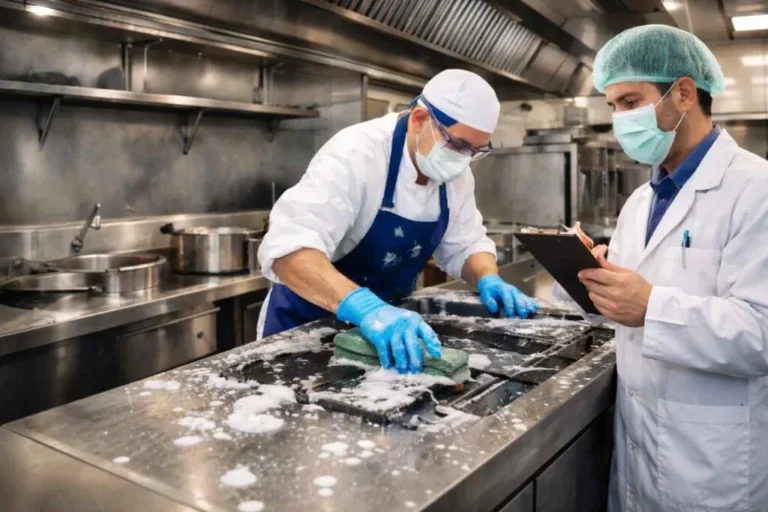
Let me be honest, when I first started digging into commercial kitchen safety audits, I thought it was just another box to tick. You know, the kind of thing you do right before the health inspector shows up, sweating bullets because you *might* have forgotten to label that container of mystery sauce. But after talking to chefs, restaurant owners, and even a few inspectors who’ve seen it all, I realized something: safety audits aren’t just about avoiding fines. They’re about keeping your team alive, your customers healthy, and your business from going up in flames, literally.
I remember walking into a kitchen in East Nashville a few years back, where the chef was proudly showing off their new combi oven. It was sleek, efficient, and probably cost more than my first car. But as we chatted, I noticed the fire suppression system looked like it hadn’t been tested since the Clinton administration. When I asked about it, the chef shrugged and said, “Eh, we’ve never had a fire.” Famous last words, right? That’s when it hit me: most people don’t ignore safety because they don’t care. They ignore it because they don’t know where to start. Or worse, they assume it’s someone else’s problem.
So, if you’re reading this because you’re staring down the barrel of your first safety audit (or your tenth, and you’re still not sure you’re doing it right), here’s the good news: it doesn’t have to be overwhelming. By the end of this guide, you’ll know how to conduct a comprehensive safety audit in your commercial kitchen, without needing a degree in fire science or hiring an expensive consultant. We’ll cover everything from equipment checks to staff training, and I’ll even throw in some real-world examples of what *not* to do (spoiler: don’t be the guy who stores propane next to the deep fryer). Let’s get into it.
Why Safety Audits Matter More Than You Think
Before we dive into the nitty-gritty, let’s talk about why this stuff matters. I get it, safety audits can feel like a chore. You’ve got a million other things to worry about: staffing shortages, rising food costs, that one customer who always sends their steak back. But here’s the thing: a single safety oversight can undo all of it. One grease fire, one slip-and-fall lawsuit, or one foodborne illness outbreak, and suddenly, your dream restaurant is a cautionary tale on the evening news.
And it’s not just about the big disasters. Little things add up. A loose gas line here, a frayed electrical cord there, and suddenly, you’re looking at higher insurance premiums, lower staff morale, and customers who’d rather eat at the place down the street. I’ve seen restaurants with Michelin-star potential shut down because they treated safety like an afterthought. Don’t let that be you.
But here’s the flip side: a well-run safety audit isn’t just about avoiding problems. It’s about creating a culture where your team feels safe, your customers trust you, and your business thrives. Think of it like preventive maintenance for your car. You *could* ignore that weird noise until the engine blows up, or you could get it checked out and save yourself a ton of money (and stress) in the long run. Your kitchen is no different.
So, where do you start? That’s what we’re here to figure out. Is this the best approach? Let’s consider…
The Three Pillars of Kitchen Safety
When I first started researching this, I assumed kitchen safety was all about fire hazards and sharp objects. And yeah, those are a big part of it. But after talking to experts, I realized it’s actually built on three pillars: physical safety, food safety, and operational safety. Miss one, and the whole thing comes crashing down. Let’s break them down.
1. Physical Safety: This is the stuff that keeps your team from getting hurt. Think slippery floors, improperly stored knives, or that one reach-in fridge that sounds like it’s possessed by a demon every time it cycles on. Physical safety is about preventing accidents before they happen. It’s the difference between a kitchen where people high-five each other at the end of a shift and one where everyone’s limping to their cars.
2. Food Safety: This one’s a no-brainer, right? Wrong. Food safety isn’t just about keeping the health inspector happy. It’s about protecting your customers from foodborne illnesses like salmonella, E. coli, and norovirus. And let’s be real, no one’s coming back to your restaurant if they spend the night hugging the toilet. Food safety covers everything from proper storage temperatures to cross-contamination prevention and personal hygiene. It’s the unsung hero of the restaurant world.
3. Operational Safety: This is the stuff that keeps your kitchen running smoothly *and* safely. It’s about having the right equipment, the right procedures, and the right training in place. Operational safety is what separates a kitchen that’s a well-oiled machine from one that’s a dumpster fire (sometimes literally). It includes things like fire suppression systems, emergency exits, and chemical storage.
Now, you might be thinking, “Okay, Sammy, that’s great, but how do I actually audit for all this?” Fair question. Let’s start with the basics.
Step 1: Gather Your Tools (and Your Wits)
Before you dive into your audit, you need to arm yourself with the right tools. And no, I’m not talking about a hard hat and a clipboard (though, if that’s your vibe, go for it). Here’s what you’ll actually need:
- A checklist (more on this later, don’t skip ahead!)
- A thermometer (preferably one that doesn’t take 10 minutes to give you a reading)
- A flashlight (because you *will* need to check those dark corners where grease and God-knows-what-else like to hide)
- A camera or smartphone (to document issues, trust me, you’ll want proof)
- A notebook or tablet (for notes, because your memory isn’t as good as you think it is)
- PPE (gloves, hairnets, whatever your team uses, you’re not above the rules)
- A fire extinguisher (just in case, better safe than sorry)
Now, I know what you’re thinking: “Do I really need all this?” Short answer: yes. Long answer: if you want your audit to be thorough and useful, then yes. You wouldn’t try to fix a leaky faucet without a wrench, right? Same principle here. The right tools make the job easier and more effective.
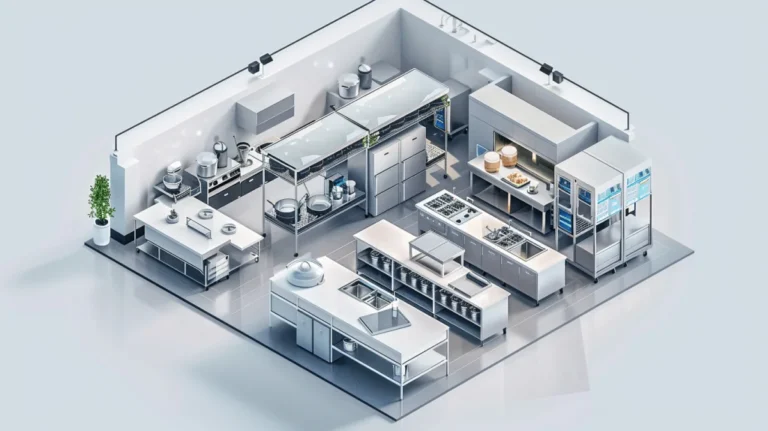
Pro tip: If you’re working with a supplier like Chef’s Deal, they often provide resources or even checklists as part of their consultation services. It’s worth asking, they’ve seen enough kitchens to know what to look for. Plus, their free kitchen design services can help you spot potential safety issues before they become problems. More on that later.
Step 2: Create (or Steal) a Killer Checklist
Alright, let’s talk about the backbone of your safety audit: the checklist. I’ll be honest, I used to think checklists were for people who didn’t trust their own judgment. Then I conducted my first audit without one and realized I’d forgotten to check half the stuff I was supposed to. Lesson learned.
A good checklist is like a roadmap. It keeps you on track, ensures you don’t miss anything, and gives you a way to measure progress over time. The question is: should you create your own or use one that’s already out there? I’m torn between the two, but ultimately, I think a hybrid approach works best. Start with a template (there are plenty of free ones online), then customize it to fit your kitchen’s specific needs.
What to Include in Your Checklist
Here’s a breakdown of what your checklist should cover. I’ve organized it by the three pillars we talked about earlier, plus a few extras. Feel free to add or subtract based on your kitchen’s setup.
Physical Safety
- Floors: Are they clean, dry, and free of tripping hazards? Are non-slip mats in place where needed?
- Lighting: Is it adequate in all areas, including walk-in fridges and storage rooms?
- Equipment: Are all machines in good working order? Are guards and safety features intact?
- Knives and Sharps: Are they stored properly (e.g., in knife blocks or magnetic strips, not loose in drawers)?
- Ladders and Step Stools: Are they stable and used correctly? (No standing on chairs, people.)
- First Aid Kits: Are they fully stocked and easily accessible?
- Emergency Exits: Are they clearly marked, unobstructed, and functional?
Food Safety
- Temperature Control: Are fridges and freezers holding at the correct temps? Are hot foods being held at 140°F or above?
- Storage: Are raw and cooked foods stored separately? Are items labeled with dates?
- Cross-Contamination: Are cutting boards and utensils being sanitized between uses? Are allergens being handled properly?
- Personal Hygiene: Are handwashing stations stocked with soap and paper towels? Is the team following proper handwashing procedures?
- Pest Control: Are there signs of pests (droppings, nests, etc.)? Are trash cans covered and emptied regularly?
Operational Safety
- Fire Safety: Are fire extinguishers accessible and up to date? Is the fire suppression system functional? Are hoods and ducts clean?
- Chemical Safety: Are chemicals stored away from food and labeled properly? Are Material Safety Data Sheets (MSDS) available?
- Gas and Electrical: Are there any gas leaks or frayed wires? Are outlets and switches in good condition?
- Equipment Maintenance: Are deep fryers, ovens, and other appliances being cleaned and serviced regularly?
- Training: Has the team been trained on safety procedures? Are new hires getting proper onboarding?
This is a lot, I know. But remember, you don’t have to tackle everything at once. Start with the basics, then add more as you get comfortable. Maybe I should clarify: the goal isn’t to create a checklist that’s 10 pages long. It’s to create one that’s *useful*. If it’s too overwhelming, you won’t use it. Keep it simple, but thorough.
Step 3: Schedule Your Audit (and Stick to It)
Here’s where things get tricky. You’ve got your checklist, you’ve got your tools, but now you’ve got to actually *do* the audit. And let’s be real, finding the time to do this is like trying to find a quiet moment in a busy kitchen. It’s not happening unless you make it happen.
First, decide how often you’ll conduct audits. For most kitchens, a monthly audit is a good starting point. If you’re in a high-risk environment (think large-scale catering or a kitchen with a lot of open flames), you might want to do it weekly. If you’re a small café with minimal equipment, quarterly might be enough. There’s no one-size-fits-all answer here, but consistency is key.
Next, pick a time. I recommend doing your audit during a slow period-maybe right after lunch service or before dinner prep. Avoid peak hours, because you won’t be able to focus, and your team will be too busy to answer questions. Also, try to do it when the kitchen is *not* in use. You don’t want to be poking around a hot grill while someone’s trying to cook.
Now, here’s the hard part: sticking to the schedule. It’s easy to let audits slide when things get busy. But that’s exactly when you *need* them the most. Set a reminder on your calendar, assign it to a manager, or even tie it to another routine task (like inventory day). Whatever it takes, make sure it happens.
Pro tip: If you’re working with a supplier like Chef’s Deal, they can help with this. Their expert consultation and support services often include reminders for maintenance and safety checks, especially if you’ve purchased equipment through them. It’s like having a safety coach in your corner.
Step 4: Walk the Floor (Like You Own the Place)
Alright, it’s go time. You’ve got your checklist, you’ve blocked off the time, and now you’re standing in the middle of your kitchen, wondering where to start. My advice? Start at the front door and work your way back. Literally walk the floor like you’re seeing it for the first time. Because, let’s be honest, you probably haven’t looked at it *that* closely in a while.
As you walk, keep your eyes peeled for anything that looks off. A loose tile here, a grease spot there, a fridge that’s humming louder than usual. Don’t just rely on your checklist, let your instincts guide you, too. If something feels wrong, it probably is. Here’s what to look for in each area:
The Front of House
- Are floors clean and dry? Are there any tripping hazards (like cords or mats that aren’t secured)?
- Is the lighting adequate? Can customers and staff see clearly?
- Are handwashing stations stocked and functional?
- Are emergency exits clearly marked and unobstructed?
The Cook Line
- Are all appliances in good working order? Are there any strange noises or smells?
- Is the fire suppression system accessible and up to date?
- Are hoods and ducts clean and free of grease buildup?
- Are knives and other sharp tools stored safely?
Prep Areas
- Are cutting boards and utensils being sanitized between uses?
- Is food being stored at the correct temperatures?
- Are raw and cooked foods being kept separate?
- Are there any signs of pests (droppings, nests, etc.)?
Storage Areas
- Are chemicals stored away from food and labeled properly?
- Are shelves stable and not overloaded?
- Is the walk-in fridge holding at the correct temperature?
- Are items labeled with dates and stored in a way that prevents cross-contamination?
Dishwashing Area
- Is the dishwasher functioning properly? Are dishes coming out clean and sanitized?
- Are there any leaks or standing water?
- Are chemicals stored safely and labeled?
- Is the area free of clutter and tripping hazards?
This is a lot to take in, I know. But remember, you don’t have to fix everything on the spot. Your goal here is to identify issues, not solve them. That comes later. Take notes, take pictures, and move on. The last thing you want is to get bogged down in one area and run out of time for the rest of the audit.
Step 5: Test Your Equipment (Because Trusting It Is a Bad Idea)
Here’s a hard truth: your equipment is not your friend. It might *seem* like it’s working fine, but that’s what it wants you to think. Until it doesn’t. That’s why testing your equipment is a non-negotiable part of any safety audit. You wouldn’t drive a car without checking the brakes, right? Same principle here.
Let’s start with the big stuff. Here’s what you need to test and how to do it:
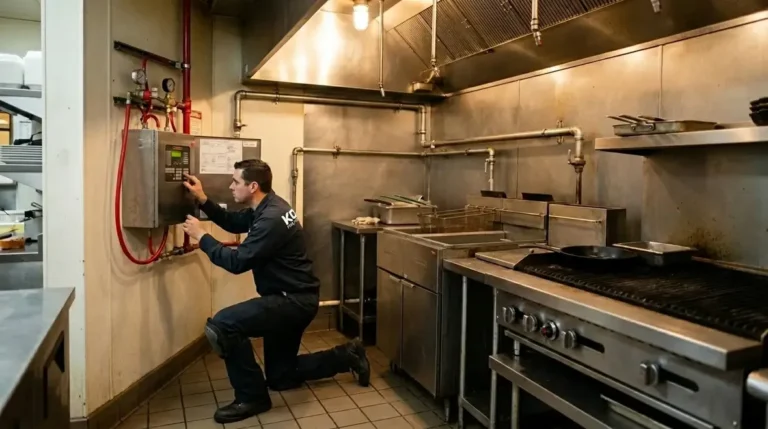
Fire Suppression System
This is arguably the most important piece of equipment in your kitchen. If it fails, you’re in big trouble. Here’s how to test it:
- Check the last inspection date. Most systems need to be inspected every 6 months. If it’s been longer than that, call a professional *immediately*.
- Look for physical damage. Are there any dents, leaks, or signs of wear and tear?
- Test the manual pull station. This is the thing you pull to activate the system in an emergency. Make sure it’s not stuck or obstructed.
- Check the nozzles. Are they clean and unobstructed? If they’re clogged with grease or dust, they won’t work properly.
Pro tip: If you’re not comfortable testing this yourself, don’t. Call a professional. Your life (and your business) isn’t worth the risk.
Fire Extinguishers
Fire extinguishers are like insurance, you hope you never need them, but you’ll be glad you have them if you do. Here’s how to check them:
- Make sure they’re accessible. If they’re buried behind a mountain of boxes, they’re not doing anyone any good.
- Check the pressure gauge. The needle should be in the green zone. If it’s not, the extinguisher needs to be recharged or replaced.
- Look for physical damage. Dents, rust, or leaks mean it’s time for a new one.
- Check the inspection tag. Extinguishers need to be inspected annually. If the tag is out of date, get it serviced.
Refrigeration Units
Your fridges and freezers are the unsung heroes of your kitchen. If they fail, you’re looking at spoiled food, unhappy customers, and a whole lot of waste. Here’s how to test them:
- Check the temperature. Use a thermometer to make sure fridges are holding at 40°F or below and freezers at 0°F or below.
- Listen for unusual noises. A fridge that sounds like it’s about to take off is a fridge that’s about to die.
- Look for ice buildup. If your freezer looks like the Arctic, it’s not working efficiently.
- Check the door seals. If they’re cracked or loose, cold air is escaping, and your unit is working harder than it needs to.
Cooking Equipment
This is where things can get dangerous. A malfunctioning oven or deep fryer isn’t just a nuisance, it’s a fire hazard. Here’s what to check:
- Gas Lines: Look for leaks, corrosion, or damage. If you smell gas, turn off the supply immediately and call a professional.
- Electrical Components: Check for frayed wires, loose connections, or scorch marks. If you see any of these, unplug the equipment and call an electrician.
- Burners and Heating Elements: Make sure they’re clean and functioning properly. A clogged burner can cause uneven heating and gas buildup.
- Deep Fryers: Check the oil level and temperature. If the oil is dark or smells rancid, it’s time to change it. Also, make sure the fryer is stable and not wobbling.
I know this seems like a lot, but trust me, it’s worth it. A few minutes of testing now can save you hours (or days) of headaches later. And if you’re not sure how to test something, don’t guess. Call a professional. Companies like Chef’s Deal often offer professional installation services and can point you in the right direction for maintenance and testing. It’s better to ask for help than to assume everything’s fine.
Step 6: Talk to Your Team (Because They Know Stuff You Don’t)
Here’s something I learned the hard way: your team knows your kitchen better than you do. They’re the ones using the equipment, cleaning the floors, and dealing with the day-to-day grind. If there’s a safety issue, chances are, they’ve noticed it. The problem is, they might not feel comfortable bringing it up. Maybe they think you won’t care, or maybe they’re afraid of looking like they’re complaining. Whatever the reason, it’s your job to create a culture where they feel safe speaking up.
So, how do you do that? Start by including them in the audit process. Here’s how:
Ask the Right Questions
Don’t just ask, “Is everything okay?” That’s too vague, and you’ll get vague answers. Instead, ask specific questions like:
- “What’s the most frustrating part of your job when it comes to safety?”
- “Have you noticed any equipment that’s not working properly?”
- “Are there any areas where you feel unsafe or uncomfortable?”
- “Do you have any suggestions for improving safety in the kitchen?”
Listen to their answers. Really listen. Don’t dismiss their concerns, even if they seem minor. A small issue to you might be a big deal to them.
Observe Their Behavior
Sometimes, what your team *doesn’t* say is more important than what they do. Watch how they work. Are they taking shortcuts to save time? Are they using equipment in ways it wasn’t intended? Are they ignoring safety protocols because they’re inconvenient? If you see something that doesn’t look right, ask about it. Don’t assume they’re being careless, there might be a reason they’re doing things that way.
Encourage Open Communication
Make it clear that you want to hear about safety issues, no matter how small. Create a system where they can report concerns anonymously if they’re not comfortable speaking up in person. And when they do bring something to your attention, thank them. A little appreciation goes a long way.
Here’s the thing: your team wants to work in a safe environment. They’re not trying to make your life harder. If they’re not following safety protocols, it’s usually because they don’t understand them, or they don’t have the right tools. Your job is to figure out which one it is and fix it.
Step 7: Document Everything (Because If It’s Not Written Down, It Didn’t Happen)
Alright, you’ve walked the floor, tested your equipment, and talked to your team. Now what? Now, you document everything. I know, I know, paperwork is the worst. But trust me, this is the part that’s going to save your butt when the health inspector shows up, or worse, when something goes wrong.
Here’s what you need to document:
1. The Audit Itself
Create a report that includes:
- The date of the audit
- The name of the person who conducted it
- A summary of what was checked
- A list of issues found, along with photos if possible
- A plan for addressing those issues, including who’s responsible and when it will be done
This doesn’t have to be a novel. A simple spreadsheet or word document will do. The key is to be specific. Don’t just write “fridge needs repair.” Write “walk-in fridge in storage room not holding temperature, needs service.”
2. Equipment Maintenance
Keep a log of all equipment maintenance, including:
- The date of the service
- The type of service performed
- The name of the person or company who did the work
- Any parts that were replaced
- The next service date
This is especially important for things like fire suppression systems, extinguishers, and refrigeration units. If something goes wrong, you’ll want to be able to show that you’ve been keeping up with maintenance.
3. Staff Training
Document all safety training, including:
- The date of the training
- The topic covered
- The name of the trainer
- The names of the employees who attended
- Any notes or feedback from the training
This isn’t just about covering your bases. It’s about making sure your team is actually learning what they need to know. If you notice that certain topics keep coming up in audits, it might be a sign that you need to revisit that training.
4. Incident Reports
If something goes wrong, a fire, an injury, a near-miss, document it. Even if it seems minor. Here’s what to include:
- The date and time of the incident
- A description of what happened
- The names of anyone involved
- Any injuries or damage
- A plan for preventing it from happening again
I know it’s tempting to sweep these things under the rug, especially if no one got hurt. But that’s how small problems turn into big ones. Documenting incidents helps you identify patterns and make changes before something serious happens.
Pro tip: If you’re working with a supplier like Chef’s Deal, they can often provide templates or software for documenting maintenance and safety checks. Their comprehensive kitchen design and equipment solutions sometimes include digital tools for tracking this stuff, which can make your life a whole lot easier.
Step 8: Fix What’s Broken (Because Finding Problems Is Useless If You Don’t Solve Them)
This is where the rubber meets the road. You’ve identified the issues, you’ve documented them, and now you’ve got to fix them. And let’s be real, this is the part that most people struggle with. It’s easy to say, “We’ll get to it,” and then let it slide until the next audit. But that’s how kitchens become unsafe.
Here’s how to tackle it:
Prioritize the Issues
Not all safety issues are created equal. Some are minor annoyances, while others are ticking time bombs. Here’s how to prioritize:
- Critical: These are issues that pose an immediate risk to safety. Think gas leaks, faulty fire suppression systems, or refrigeration units that aren’t holding temperature. These need to be fixed *now*.
- High Priority: These are issues that could become critical if left unchecked. Examples include frayed wires, loose equipment, or pest infestations. Fix these within a week.
- Medium Priority: These are issues that aren’t immediately dangerous but could cause problems down the line. Think worn-out non-slip mats, missing labels, or minor equipment maintenance. Fix these within a month.
- Low Priority: These are minor issues that don’t pose a safety risk but could be improved. Examples include cluttered storage areas or outdated training materials. Fix these when you have time.
Assign Responsibility
Don’t just say, “Someone should fix this.” Assign the task to a specific person and give them a deadline. Make it clear that this is a priority, not something that can be put off. And follow up. If you don’t, it won’t get done.
Get the Right Help
Some issues you can fix yourself. Others require a professional. Know the difference. If you’re not sure how to fix something, don’t guess. Call someone who knows what they’re doing. Companies like Chef’s Deal offer professional installation services and can connect you with experts for things like fire suppression systems, electrical work, and equipment repairs. It’s worth the investment.
Track Progress
Don’t just assume that issues are being fixed. Check in regularly to make sure things are moving along. If something isn’t getting done, find out why and address it. Maybe the person responsible needs more time, or maybe they need help. Either way, don’t let it slide.
Step 9: Train Your Team (Because Safety Isn’t Just Your Job)
Here’s the thing: you can have the safest kitchen in the world, but if your team doesn’t know how to use it, it’s all for nothing. Safety isn’t just about equipment and procedures, it’s about people. And people need training.
So, how do you train your team effectively? Here’s what’s worked for me:
Start with Onboarding
Safety training should start on day one. Don’t wait until someone’s been working for a month to teach them how to use a fire extinguisher. Include safety protocols in your onboarding process, and make sure new hires understand that safety is a priority.
Make It Hands-On
People learn by doing. Don’t just talk at them, show them. Demonstrate how to use a fire extinguisher, how to store knives safely, and how to clean a deep fryer without burning themselves. Then, have them practice. The more hands-on the training, the more likely they are to remember it.
Keep It Engaging
Let’s be real, safety training can be boring. But it doesn’t have to be. Use videos, quizzes, and real-world examples to keep your team engaged. And don’t be afraid to get creative. I once saw a kitchen where the chef turned safety training into a game show. It was cheesy, but it worked.
Reinforce Regularly
Training isn’t a one-and-done thing. You need to reinforce it regularly. Hold monthly safety meetings, send out reminders, and make sure your team knows that safety is an ongoing priority. And don’t just talk about the big stuff, remind them of the little things, too. Like washing their hands, storing chemicals properly, and not overloading shelves.
Lead by Example
This is the most important part. If you want your team to take safety seriously, you need to take it seriously. Follow the protocols yourself, and don’t cut corners. If your team sees you ignoring safety rules, they’ll think it’s okay to do the same. But if they see you making safety a priority, they will, too.
Pro tip: If you’re working with a supplier like Chef’s Deal, they often offer training resources as part of their expert consultation and support services. It’s worth asking, they’ve got a wealth of knowledge and can help you create a training program that works for your team.
Step 10: Review and Improve (Because Safety Is a Journey, Not a Destination)
Alright, you’ve made it to the final step. You’ve conducted your audit, fixed the issues, and trained your team. Now what? Now, you do it all over again. Because safety isn’t a one-time thing, it’s an ongoing process. And the only way to get better at it is to keep doing it.
Here’s how to review and improve your safety audits over time:
Analyze Your Findings
After each audit, take a step back and look at the big picture. What patterns do you see? Are the same issues coming up over and over? If so, it might be a sign that you need to make bigger changes. Maybe you need to invest in new equipment, or maybe you need to revisit your training program. Either way, don’t just fix the symptoms, address the root cause.
Get Feedback
Ask your team for feedback on the audit process. What worked? What didn’t? What could be improved? Their input is invaluable, because they’re the ones living with the results. And don’t just ask for feedback, act on it. If your team tells you that a certain part of the audit is confusing or unnecessary, listen to them.
Stay Up to Date
Safety standards and regulations change all the time. What was acceptable five years ago might not be today. Make sure you’re staying up to date on the latest guidelines from organizations like the National Fire Protection Association (NFPA), the Occupational Safety and Health Administration (OSHA), and your local health department. And don’t just rely on Google, attend workshops, webinars, and industry events to stay in the loop.
Invest in Your Kitchen
If you’re constantly dealing with the same safety issues, it might be time to invest in your kitchen. That could mean upgrading your equipment, redesigning your layout, or even hiring a consultant to help you identify blind spots. Companies like Chef’s Deal offer free kitchen design services and can help you create a space that’s not only efficient but also safe. Their comprehensive kitchen design and equipment solutions can be a game-changer, especially if you’re working with an older kitchen that wasn’t designed with modern safety standards in mind.
Celebrate Your Wins
Finally, don’t forget to celebrate your wins. Safety audits can feel like a never-ending cycle of fixing problems, but they’re also an opportunity to recognize what’s working. Did your team identify a potential hazard before it became a problem? Did you pass your health inspection with flying colors? Celebrate those moments. They’re proof that your efforts are paying off.
Final Thoughts: Safety Isn’t Just a Checklist, It’s a Culture
Let me leave you with this: safety audits aren’t just about ticking boxes. They’re about creating a culture where safety is a priority, not an afterthought. It’s about making sure your team goes home at the end of the day in the same condition they arrived. It’s about protecting your customers, your business, and your reputation. And most importantly, it’s about giving yourself peace of mind.
I’ll be honest, I still get nervous before a safety audit. What if I miss something? What if I don’t know how to fix it? But then I remember that no one’s perfect. The goal isn’t to have a flawless kitchen, it’s to have a kitchen where safety is a habit, not a chore. Where issues are caught early, and problems are solved before they become disasters. Where your team feels empowered to speak up, and your customers trust you to keep them safe.
So, take a deep breath, grab your checklist, and get started. And remember, you don’t have to do this alone. Whether it’s your team, a supplier like Chef’s Deal, or a professional consultant, there are people who can help. The only mistake you can make is not starting at all.
Now, go forth and audit. And for the love of all that is holy, label your containers.
FAQ
Q: How often should I conduct a safety audit in my commercial kitchen?
A: The frequency of your safety audits depends on the size and complexity of your kitchen, as well as the level of risk involved. For most kitchens, a monthly audit is a good starting point. High-risk environments (like large-scale catering kitchens or those with extensive open-flame cooking) may benefit from weekly audits, while smaller operations with minimal equipment might get by with quarterly audits. The key is consistency, pick a schedule and stick to it. If you’re unsure, start with monthly audits and adjust as needed based on your findings.
Q: What’s the most common safety issue in commercial kitchens, and how can I prevent it?
A: One of the most common (and dangerous) safety issues in commercial kitchens is grease buildup in hoods and ducts. This is a major fire hazard, as grease is highly flammable and can ignite quickly if exposed to high heat. To prevent this, clean your hoods and ducts regularly, at least every 3 to 6 months, depending on your volume of cooking. Use a professional cleaning service if necessary, and never let grease accumulate to the point where it’s visible or dripping. Other common issues include slippery floors (prevent with non-slip mats and regular cleaning) and improper chemical storage (always store chemicals away from food and label them clearly).
Q: Do I need to hire a professional to conduct a safety audit, or can I do it myself?
A: You can absolutely conduct a safety audit yourself, especially if you’re using a checklist and following best practices. However, there are certain areas where a professional’s expertise is invaluable. For example, fire suppression systems, gas lines, and electrical work should always be inspected by a licensed professional. If you’re not comfortable testing these systems yourself, don’t risk it, hire someone who knows what they’re doing. Companies like Chef’s Deal often offer expert consultation and support and can connect you with professionals for these critical inspections. For everything else, a well-prepared checklist and a thorough walkthrough should be enough to get you started.
Q: What should I do if I find a critical safety issue during my audit?
A: If you find a critical safety issue-like a gas leak, a faulty fire suppression system, or a refrigeration unit that’s not holding temperature, your first priority is to mitigate the risk immediately. For example, if you smell gas, turn off the supply and evacuate the area. If a fridge isn’t holding temperature, move the food to another unit and call for repairs. Once the immediate danger is addressed, document the issue and create a plan to fix it. This might involve calling a professional, ordering replacement parts, or temporarily shutting down a piece of equipment. Don’t wait to address critical issues, they’re called “critical” for a reason. And remember, if you’re ever in doubt, err on the side of caution and call an expert.
@article{how-to-conduct-safety-audits-in-commercial-kitchens-a-step-by-step-guide-for-operators,
    title   = {How to Conduct Safety Audits in Commercial Kitchens: A Step-by-Step Guide for Operators},
    author  = {Chef's icon},
    year    = {2026},
    journal = {Chef's Icon},
    url     = {https://chefsicon.com/how-to-conduct-safety-audits-in-commercial-kitchens/}
}