The Best Fluffy Pancakes recipe you will fall in love with. Full of tips and tricks to help you make the best pancakes.
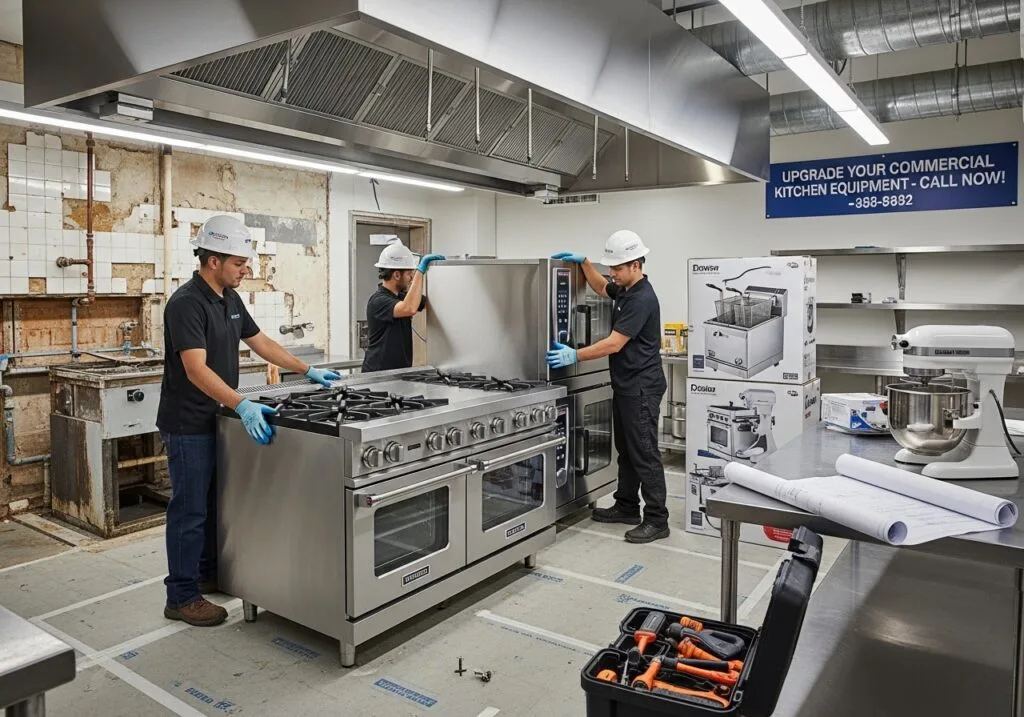
Let me tell you about the time I learned the hard way what happens when you don’t have a disaster-proof kitchen equipment plan. It was 2023, and I was consulting for a small but bustling café in Nashville, let’s call it The Morning Grind. They had just upgraded their espresso machine to a top-of-the-line model, installed a brand-new combi oven, and were riding high on a wave of glowing Yelp reviews. Then, one sweltering July afternoon, a transformer blew two blocks away. The power outage lasted three days. No refrigeration. No cooking. No coffee. Just a lot of spoiled milk, melted ice cream, and a line of very unhappy customers asking for refunds.
That’s when it hit me: most of us in the food service industry think about kitchen equipment in terms of efficiency, capacity, or cost, but almost never in terms of resilience. We plan for peak hours, menu changes, and staff training, but what about when the grid fails? When a pipe bursts? When a storm knocks out power for a week? A disaster-proof kitchen equipment plan isn’t just about backup generators (though those help). It’s about designing your entire operation to keep running, or at least recover quickly, when everything goes sideways. And trust me, everything will go sideways at some point.
In this guide, I’m going to walk you through how to build a disaster-resilient kitchen from the ground up. We’ll cover everything from equipment selection and redundancy strategies to staff training and recovery protocols. By the end, you’ll have a plan that doesn’t just survive disasters, it thrives in spite of them. And if you’re anything like me, you’ll sleep a little better knowing your kitchen isn’t one power outage away from chaos.
Why a Disaster-Proof Kitchen Isn’t Just for Hurricanes
When I first started researching this topic, I’ll admit I had a narrow view of what “disaster” meant. I thought of hurricanes, wildfires, or maybe a major flood, events that make the news and shut down entire cities. But the reality? Disasters in the kitchen are often smaller, quieter, and far more common. A failed compressor in your walk-in cooler. A gas line leak that forces a shutdown. A cyberattack that takes down your POS system. Even something as mundane as a water main break can turn your kitchen into a non-functional space in minutes.
Here’s the thing: disasters aren’t just natural events. They’re anything that disrupts your ability to operate. And in the food service industry, disruptions are inevitable. The question isn’t *if* something will go wrong, it’s *when*. So when we talk about building a disaster-proof kitchen equipment plan, we’re really talking about building a system that’s flexible, redundant, and adaptable. A system that can handle the big stuff (like a tornado) and the small stuff (like a burnt-out motor in your mixer).
I’m torn between two mindsets here. On one hand, there’s the “hope for the best” approach, cross your fingers and assume your insurance will cover the losses. On the other, there’s the “prepare for the worst” mentality, which can feel overwhelming (and expensive). But here’s the truth: preparation doesn’t have to break the bank. It’s about making smart choices upfront, prioritizing what matters most, and building layers of resilience into your operation. And honestly? The peace of mind is worth every penny.
Step 1: Assess Your Risks (And Stop Guessing)
Before you can build a disaster-proof kitchen, you need to know what you’re up against. And no, I’m not just talking about checking the weather forecast. I’m talking about a full-blown risk assessment that looks at every possible threat to your kitchen’s operation. This isn’t about being paranoid, it’s about being realistic. So grab a notebook (or a spreadsheet, if you’re fancy) and let’s break it down.
Start with the obvious: location-based risks. If you’re in Florida, hurricanes and flooding are a given. In California? Wildfires and earthquakes. Up north? Blizzards and power outages. But don’t stop there. What about infrastructure risks? Is your building old? Are the electrical panels up to code? What about the water supply, could a break in the main line leave you high and dry? And let’s not forget human risks: staff shortages, supply chain disruptions, or even a key piece of equipment failing at the worst possible moment.
Here’s where I get stuck. How do you prioritize these risks? Do you focus on the most likely scenarios, or the ones with the biggest potential impact? I’m leaning toward a mix of both. For example, a power outage might be more likely than a tornado, but a tornado could cause way more damage. So maybe you start with power backup solutions (like generators or battery systems) but also invest in structural reinforcements if you’re in a tornado-prone area. Is this the best approach? Let’s consider: if you’re in a flood zone, waterproofing your electrical systems might be your top priority. If you’re in an urban area with an aging grid, a power outage plan is non-negotiable.
One tool that’s been a game-changer for me is the FEMA Risk Assessment Matrix. It’s a simple grid that helps you plot risks based on their likelihood and impact. High likelihood + high impact? That’s your top priority. Low likelihood + low impact? Maybe you can deprioritize it for now. The key is to be honest with yourself. If you’ve never had a power outage in your area, but the grid is unreliable, don’t assume it won’t happen. And if you’re in a building with old wiring, don’t assume it’ll hold up under stress. Assume the worst, plan for the best.
Common Kitchen Risks You Might Be Overlooking
- Equipment failure: Even the best appliances break down. What’s your backup plan when your oven dies mid-service?
- Supply chain disruptions: A delayed delivery of propane or CO2 can shut you down just as fast as a storm.
- Cyber threats: If your POS system or inventory software is hacked, can you still take orders or track stock?
- Water contamination: A broken pipe or boil-water advisory can make your tap water unsafe for cooking or cleaning.
- Staff shortages: What if half your team calls out sick during a rush? Can your equipment handle the load with fewer hands?
Maybe I should clarify: this isn’t about fear-mongering. It’s about acknowledging reality. The food service industry is fragile. One weak link, whether it’s a piece of equipment, a supplier, or a team member, can bring everything crashing down. But here’s the good news: you can build redundancies. And that’s what we’ll dive into next.
Step 2: Build Redundancy Into Your Equipment Plan
Redundancy. It’s a fancy word for “having a backup.” And in the world of disaster-proof kitchen equipment, it’s your best friend. Think of it like this: if your primary oven goes down, do you have a second one ready to go? If your walk-in cooler fails, is there a backup refrigeration unit? If your POS system crashes, can you still take orders and process payments? Redundancy isn’t about duplicating everything-it’s about identifying your most critical systems and ensuring they have a fallback.
Let’s start with the big three: power, refrigeration, and cooking. These are the backbone of any kitchen, and if one of them fails, you’re in trouble. For power, that might mean investing in a generator or a battery backup system. But here’s where I get stuck: what kind of generator do you need? A portable one might be cheaper, but can it handle the load of your walk-in cooler, ovens, and lights? A standby generator is more expensive, but it kicks in automatically when the power goes out. Is it worth the cost? For most kitchens, I’d argue yes, but only if you size it correctly. A generator that’s too small is just as useless as no generator at all.
Refrigeration is another big one. If your walk-in cooler fails, you’re looking at thousands of dollars in spoiled food. So what’s the backup? Some kitchens use portable refrigeration units that can be plugged into a generator. Others have a secondary cooler that’s not tied to the same power source. And don’t forget about ice machines-if you’re serving drinks or need to keep food cold in a pinch, a backup ice supply can be a lifesaver. I’ve seen kitchens use everything from insulated coolers to dry ice to keep perishables safe during an outage. Is this overkill? Maybe. But when you’re staring at a mountain of spoiled food, you’ll wish you’d planned ahead.
Now, let’s talk about cooking. If your primary oven or stove goes down, do you have a backup? For some kitchens, that might mean a countertop induction burner or a portable propane stove. For others, it might mean cross-training staff to use alternative cooking methods, like grilling or smoking. The key is to think about flexibility. Can your menu adapt if one piece of equipment fails? If not, you might need to rethink your setup.
Here’s a question I’ve been wrestling with: how much redundancy is enough? Do you need a backup for every piece of equipment, or just the most critical ones? I’m leaning toward the latter. Focus on the systems that would shut you down completely if they failed, power, refrigeration, cooking, and build redundancies there. For everything else, have a plan (like renting equipment or adjusting your menu) but don’t break the bank trying to duplicate everything. Balance is key.
Redundancy Checklist for Your Kitchen
- Power: Generator, battery backup, or alternative power source (e.g., solar).
- Refrigeration: Secondary cooler, portable refrigeration units, or ice/dry ice supplies.
- Cooking: Backup oven, induction burners, or alternative cooking methods (grill, smoker, etc.).
- Water: Backup water supply (e.g., stored water or a water delivery service).
- POS System: Offline mode, manual order-taking, or a secondary payment processor.
- Lighting: Battery-powered lights or lanterns for emergencies.
- Ventilation: Portable fans or alternative airflow solutions if your HVAC fails.
Maybe I should add one more thing to that list: communication. If your phone lines or internet go down, how will you communicate with staff, suppliers, or customers? A landline or a satellite phone might seem old-school, but they can be lifesavers when cell service is spotty. And don’t forget about two-way radios for coordinating with your team during an emergency.
Step 3: Choose Equipment That’s Built to Last (And Fail Gracefully)
Not all kitchen equipment is created equal. Some appliances are built to withstand years of heavy use, while others are flimsy and prone to breakdowns. When you’re building a disaster-proof kitchen, you need to think about more than just upfront cost, you need to think about durability, repairability, and fail-safes. Because let’s be honest: the last thing you want during a crisis is a piece of equipment that quits on you.
Let’s start with durability. When I’m evaluating equipment, I look for a few key things: stainless steel construction, heavy-duty motors, and commercial-grade components. These might cost more upfront, but they’ll save you money (and headaches) in the long run. For example, a commercial-grade mixer with a heavy-duty motor might set you back a few thousand dollars, but it’ll outlast a cheaper model by years. And when you’re in the middle of a dinner rush, that reliability is priceless.
But durability isn’t just about the materials, it’s also about how the equipment is built. I’ve seen appliances that are over-engineered to the point of being fragile. Too many moving parts, delicate electronics, or proprietary components can make repairs a nightmare. So when you’re shopping for equipment, ask yourself: Can this be easily repaired? Are replacement parts readily available? Or is it designed to be replaced rather than fixed? I’m a big fan of modular equipment-appliances that can be serviced or upgraded without replacing the whole unit. It’s not just about saving money; it’s about minimizing downtime when something goes wrong.
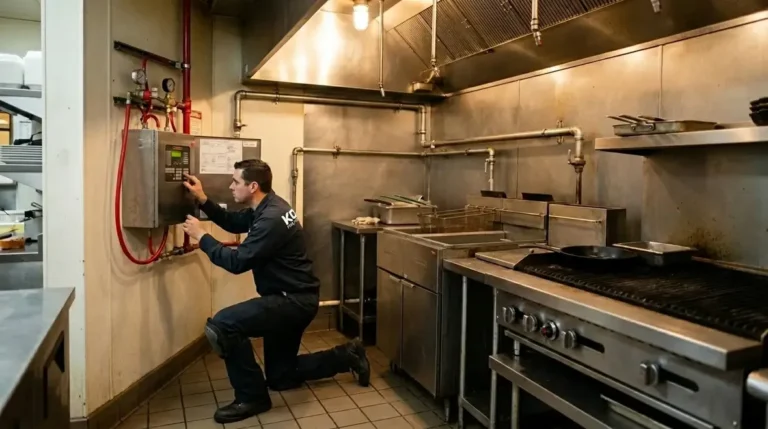
Now, let’s talk about fail-safes. These are features that kick in when something goes wrong to prevent further damage. For example, a gas oven with an automatic shutoff can prevent a fire if the flame goes out. A refrigerator with a backup battery can keep running during a power outage. A combi oven with a self-cleaning cycle can reduce the risk of grease fires. These might seem like small details, but in a disaster scenario, they can make all the difference.
Here’s where I get stuck: how do you balance cost and quality? It’s tempting to go for the cheapest option, especially when you’re outfitting a new kitchen. But I’ve learned the hard way that cheap equipment costs more in the long run. Not just in repairs, but in downtime, lost revenue, and stress. So if you’re on a tight budget, prioritize the equipment that’s most critical to your operation. Maybe you can’t afford a top-of-the-line oven, but you can invest in a high-quality refrigerator or a reliable generator. It’s all about prioritizing what matters most.
Equipment Features to Look For
- Stainless steel construction: Resists corrosion, easy to clean, and built to last.
- Heavy-duty motors: Handles high-volume use without burning out.
- Modular design: Allows for easy repairs and upgrades.
- Automatic fail-safes: Shutoff valves, backup power, or self-cleaning features.
- Energy efficiency: Lower operating costs and less strain on backup power systems.
- Warranty and service plans: Look for equipment with strong warranties and local service providers.
- User-friendly controls: Intuitive interfaces reduce the risk of human error.
Maybe I should add one more thing to that list: compatibility. If you’re building a disaster-proof kitchen, you need equipment that can work together seamlessly. For example, if you’re relying on a generator for backup power, make sure your appliances are compatible with the generator’s output. If you’re using a portable refrigeration unit, make sure it can plug into your backup power source. The last thing you want is a bunch of expensive equipment that can’t work together when you need it most.
Step 4: Create a Disaster Response Playbook (Because Chaos Isn’t a Strategy)
You’ve assessed your risks. You’ve built redundancies. You’ve invested in durable equipment. Now what? Now, you need a disaster response playbook. This isn’t just a fancy binder you stick on a shelf, it’s a living, breathing document that outlines exactly what to do when disaster strikes. And trust me, when the power goes out or the water stops flowing, you don’t want to be scrambling to figure out what to do next. You want a clear, step-by-step plan that your team can follow without panicking.
Let’s start with the basics. Your playbook should include:
- Emergency contacts: Who do you call when the power goes out? The water stops? The gas line leaks? Include phone numbers for your utility providers, equipment repair services, and local emergency services.
- Equipment shutdown procedures: If the power goes out, how do you safely shut down your ovens, refrigerators, and other appliances? What about if there’s a gas leak? These procedures should be simple and easy to follow, even under stress.
- Backup power protocols: How do you switch to your generator or battery backup? What equipment gets priority? How do you monitor fuel levels or battery life?
- Food safety procedures: If your refrigeration fails, how do you decide what to save and what to discard? What’s your plan for keeping food safe during an outage?
- Communication plan: How will you communicate with your team, suppliers, and customers during an emergency? Do you have a backup method if your phones or internet go down?
- Recovery checklist: Once the disaster is over, how do you get back up and running? What equipment needs to be inspected? What supplies need to be restocked?
Here’s where I get stuck: how detailed should this playbook be? On one hand, you want it to be comprehensive enough to cover every scenario. On the other, you don’t want it to be so dense that no one reads it. I’m leaning toward a mix of both. Start with a quick-reference guide-a one-page cheat sheet with the most critical steps. Then, include a more detailed section for each type of disaster (power outage, water failure, equipment breakdown, etc.). And don’t forget to train your team on how to use it. A playbook is useless if no one knows how to follow it.
One thing I’ve learned is that your playbook should evolve. After every disaster (or near-disaster), take the time to review what worked and what didn’t. Did your backup generator kick in as expected? Did your team know how to shut down the equipment safely? What would you do differently next time? Update your playbook accordingly. And don’t be afraid to practice. Run drills with your team so everyone knows what to do when the real thing happens. Trust me, muscle memory is your friend in an emergency.
Sample Disaster Response Playbook Outline
1. Emergency Contacts
- Utility providers (electric, gas, water)
- Equipment repair services
- Local emergency services (fire, police, EMS)
- Key team members (manager, chef, maintenance)
2. Power Outage Procedures
- Shut down non-essential equipment
- Switch to backup power
- Monitor fuel/battery levels
- Prioritize critical equipment (refrigeration, cooking)
3. Water Failure Procedures
- Shut off water supply to prevent contamination
- Switch to backup water source
- Adjust menu to minimize water use
4. Equipment Failure Procedures
- Safely shut down failed equipment
- Switch to backup equipment
- Contact repair services
5. Food Safety Procedures
- Monitor refrigeration temperatures
- Discard unsafe food
- Use alternative storage methods (ice, dry ice)
6. Communication Plan
- Notify team members
- Update customers (social media, signage)
- Coordinate with suppliers
7. Recovery Checklist
- Inspect equipment for damage
- Restock supplies
- Update playbook based on lessons learned
Maybe I should add one more section: mental health and team support. Disasters are stressful, and your team will be under a lot of pressure. Include resources for managing stress, taking breaks, and supporting each other. Because at the end of the day, your team is your most valuable asset, and they need to know you’ve got their back.
Step 5: Train Your Team (Because a Plan Is Only as Good as the People Who Execute It)
You can have the most disaster-proof kitchen equipment plan in the world, but if your team doesn’t know how to use it, it’s worthless. Training isn’t just about showing someone how to flip a switch or read a manual, it’s about building confidence, competence, and calm in the face of chaos. And let’s be honest: when the power goes out or the water stops flowing, panic is the last thing you need.
Start with the basics. Every member of your team should know:
- Where the emergency shutoff valves are (gas, water, electricity).
- How to safely shut down equipment in an emergency.
- How to switch to backup power or alternative cooking methods.
- Who to contact in an emergency (and how to reach them).
- Where to find the disaster response playbook and how to use it.
But don’t stop there. Training should be ongoing and hands-on. Run drills regularly, simulate a power outage, a water failure, or an equipment breakdown. See how your team responds. Are they calm and collected, or do they freeze up? Do they know where to find the backup generator, or do they stand around waiting for instructions? The more you practice, the more natural it’ll feel when the real thing happens.
Here’s where I get stuck: how do you make training engaging? Let’s be real, no one wants to sit through a boring lecture on emergency procedures. So mix it up. Use scenarios and role-playing to make it interactive. For example, set up a mock power outage and have your team work through the steps in your playbook. Or create a treasure hunt where they have to find the emergency shutoff valves or locate the backup water supply. The key is to make it fun and memorable. Because when disaster strikes, you want your team to remember what they learned, not zone out during a training session.
Another thing to consider: cross-training. In a perfect world, every member of your team would know how to operate every piece of equipment. But let’s be realistic, that’s not always possible. Instead, focus on key roles. For example, your line cooks should know how to use the backup cooking equipment, and your prep team should know how to monitor refrigeration temperatures. The more overlap you have, the more resilient your team will be when someone calls out sick or gets stuck at home during a storm.
And don’t forget about ew hires. Your disaster training should be part of your onboarding process. Every new employee should go through the same drills and training as your existing team. Because you never know when disaster will strike, and you don’t want to be caught off guard with a team that’s not prepared.
Training Tips for a Disaster-Proof Team
- Make it hands-on: People learn by doing. Run drills, simulate emergencies, and let your team practice.
- Keep it simple: Focus on the most critical steps. Don’t overwhelm your team with too much information at once.
- Use visuals: Post diagrams, checklists, and emergency procedures in visible locations (e.g., near equipment, in the break room).
- Test regularly: Run drills at least once a quarter to keep skills fresh. Rotate scenarios to cover different types of emergencies.
- Encourage questions: Create a culture where team members feel comfortable asking for clarification or suggesting improvements.
- Reward participation: Recognize team members who excel in training or come up with creative solutions during drills.
- Document everything: Keep records of training sessions, drills, and team feedback. Use this to improve your plan over time.
Maybe I should add one more tip: lead by example. If you’re the manager or owner, your team will look to you for guidance during an emergency. So stay calm, follow the plan, and show them that even in the worst situations, there’s a way forward. Because at the end of the day, a disaster-proof kitchen isn’t just about equipment, it’s about people.
Step 6: Invest in Smart Technology (Because the Future Is Now)
Let’s talk about smart kitchen technology. I’ll admit, I was skeptical at first. The idea of my oven sending me a text message when it’s preheated felt a little… extra. But after seeing how smart technology can prevent disasters, streamline recovery, and even save money, I’m a believer. And when it comes to building a disaster-proof kitchen, smart tech isn’t just a luxury, it’s a game-changer.
So what exactly is smart kitchen technology? It’s any equipment or system that uses sensors, connectivity, and automation to improve efficiency, safety, and resilience. Think smart refrigerators that monitor temperatures and alert you if they rise too high. Connected ovens that can be controlled remotely or shut down automatically if something goes wrong. Energy management systems that optimize power usage and reduce strain on backup generators. These aren’t just futuristic gadgets, they’re tools that can help you detect problems early, respond faster, and recover quicker.
Let’s start with smart refrigeration. One of the biggest risks in any kitchen is food spoilage. A failed compressor or a power outage can turn thousands of dollars of inventory into garbage in hours. But with a smart refrigerator or walk-in cooler, you can get real-time alerts if the temperature starts to rise. Some systems even have backup power options or automatic fail-safes to keep food safe during an outage. And if you’re using a cloud-based monitoring system, you can check on your refrigeration from anywhere, even if you’re stuck at home during a storm.
Now, let’s talk about smart cooking equipment. Imagine an oven that can self-diagnose problems and alert you before it breaks down. Or a combi oven that can be controlled remotely, so you can adjust settings even if you’re not in the kitchen. Some smart ovens even have automatic shutoff features to prevent fires or gas leaks. And if you’re using a connected kitchen management system, you can monitor all your equipment from a single dashboard, making it easier to spot issues before they become disasters.
Here’s where I get stuck: is smart technology worth the cost? It’s true that smart equipment can be more expensive upfront. But when you factor in the long-term savings-less food waste, lower energy costs, fewer repairs, it starts to make sense. And let’s not forget the peace of mind. Knowing that your equipment is monitoring itself and alerting you to problems before they become disasters? That’s priceless.
But smart tech isn’t just about equipment. It’s also about systems. For example, a smart energy management system can help you optimize power usage, reduce strain on your backup generator, and even switch to alternative energy sources (like solar) during an outage. Or a cloud-based POS system that can keep taking orders even if your internet goes down. These systems might seem like overkill now, but when disaster strikes, you’ll be glad you have them.
Smart Kitchen Tech to Consider
- Smart refrigeration: Monitors temperatures, sends alerts, and can switch to backup power.
- Connected ovens and stoves: Remote control, self-diagnosis, and automatic shutoff features.
- Energy management systems: Optimize power usage, reduce strain on backup generators, and integrate with alternative energy sources.
- Cloud-based POS systems: Take orders and process payments even if your internet goes down.
- Automated inventory tracking: Monitor stock levels in real-time and get alerts when supplies are running low.
- Remote monitoring systems: Check on your kitchen from anywhere using a smartphone or tablet.
- Smart lighting and HVAC: Adjust settings remotely to save energy and improve comfort during an outage.
Maybe I should add one more thing to that list: cybersecurity. With all this connectivity comes risk. A hacked POS system or a compromised energy management system can be just as disruptive as a power outage. So if you’re investing in smart tech, make sure you’re also investing in cybersecurity measures. Use strong passwords, keep your software updated, and consider working with a cybersecurity expert to protect your systems. Because the last thing you want is a digital disaster on top of everything else.
Step 7: Secure Your Supply Chain (Because You Can’t Cook Without Ingredients)
Here’s a question I’ve been wrestling with: what good is a disaster-proof kitchen if you can’t get the ingredients you need? It’s a problem I’ve seen firsthand. A café in Nashville had a rock-solid power backup plan, redundant refrigeration, and a well-trained team. But when a winter storm shut down the highways, their supplier couldn’t deliver. No flour. No milk. No coffee beans. Just a lot of empty shelves and disappointed customers. A disaster-proof kitchen isn’t just about equipment, it’s about the entire ecosystem that keeps your kitchen running.
So how do you disaster-proof your supply chain? It starts with diversification. Relying on a single supplier is like putting all your eggs in one basket, if that basket drops, you’re in trouble. Instead, build relationships with multiple suppliers for your most critical ingredients. That way, if one can’t deliver, you have a backup. And don’t just think about local suppliers, consider regional or national distributors who might be less affected by local disasters.
But diversification isn’t just about suppliers, it’s also about storage. How much inventory do you keep on hand? If you’re running lean, a single delayed delivery can shut you down. But if you’re overstocked, you risk waste and spoilage. The key is to find a balance. For perishable items, that might mean just-in-time delivery with a small buffer. For non-perishables, it might mean bulk storage with a focus on shelf-stable ingredients. And don’t forget about alternative ingredients. If your usual supplier can’t deliver, can you substitute something else? For example, if you can’t get fresh herbs, can you use dried? If you’re out of chicken, can you switch to turkey or tofu?
Here’s where I get stuck: how do you balance cost and resilience? Storing extra inventory or working with multiple suppliers can be expensive. But so is shutting down your kitchen because you ran out of ingredients. I’m leaning toward a tiered approach. Prioritize your most critical ingredients, things you can’t operate without. For example, if you’re a coffee shop, coffee beans and milk are non-negotiable. If you’re a pizzeria, flour and cheese are essential. For these items, build redundancies. For everything else, have a plan but don’t over-invest.
Another thing to consider: local sourcing. Local suppliers are often more resilient during disasters because they’re less reliant on long-distance transportation. Plus, they can be more flexible when it comes to last-minute orders. So if you’re not already working with local farmers, bakers, or distributors, now might be the time to start. It’s not just about resilience, it’s also about supporting your community.
Supply Chain Resilience Strategies
- Diversify suppliers: Work with multiple suppliers for critical ingredients to reduce risk.
- Build buffer inventory: Keep extra stock of non-perishable and shelf-stable ingredients.
- Local sourcing: Partner with local suppliers who are less affected by regional disasters.
- Alternative ingredients: Identify substitutes for critical ingredients in case of shortages.
- Just-in-case delivery: Arrange for emergency deliveries with suppliers in advance.
- Storage optimization: Use space efficiently to maximize inventory without increasing waste.
- Supplier communication: Stay in touch with suppliers to anticipate delays or disruptions.
Maybe I should add one more strategy: pre-negotiated contracts. Work with your suppliers to establish emergency delivery terms in advance. For example, can they guarantee delivery within 24 hours if a disaster strikes? What about priority access to critical ingredients? These agreements might cost a little more, but they can be a lifesaver when you need them most.
Step 8: Protect Your Data (Because Digital Disasters Are Real Too)
When we think about disaster-proofing a kitchen, we usually focus on physical threats, power outages, equipment failures, supply chain disruptions. But what about digital disasters? A hacked POS system, a corrupted inventory database, or a ransomware attack can be just as disruptive as a storm. And let’s be honest: most of us aren’t as prepared for digital threats as we are for physical ones.
So how do you disaster-proof your data? It starts with backups. If your POS system crashes or your inventory database gets corrupted, you need a way to recover your data quickly. That means regular backups-daily, if possible. And don’t just store your backups on a local hard drive. Use cloud storage or an offsite server so you can access your data even if your kitchen is offline. Some POS systems even offer automatic cloud backups, so you don’t have to remember to do it manually.
But backups are just the first step. You also need to protect your systems from cyber threats. That means using strong passwords, keeping your software updated, and training your team on cybersecurity best practices. For example, teach them how to spot phishing emails, avoid suspicious links, and report potential security threats. And consider working with a cybersecurity expert to assess your systems and identify vulnerabilities. Because the last thing you want is a hacker holding your data hostage during a busy weekend.
Here’s where I get stuck: how much should you invest in cybersecurity? It’s easy to think of it as an optional expense, something you’ll get to later. But the reality is that cyber threats are on the rise, and small businesses are often the most vulnerable. So if you’re not already taking steps to protect your data, now is the time to start. Even small changes, like enabling two-factor authentication or using a password manager, can make a big difference.
Another thing to consider: offline alternatives. If your POS system or inventory software goes down, can you still take orders and track stock? Some kitchens use manual order-taking (e.g., paper tickets) or offline POS modes as a backup. Others keep a physical inventory log that can be updated later. The key is to have a plan for when your digital systems fail, because they will, at some point.
Data Protection Checklist
- Regular backups: Daily backups of critical data (POS, inventory, payroll).
- Cloud storage: Store backups in the cloud or on an offsite server.
- Strong passwords: Use complex passwords and change them regularly.
- Two-factor authentication: Add an extra layer of security to your accounts.
- Software updates: Keep your systems updated to protect against vulnerabilities.
- Cybersecurity training: Teach your team how to spot and avoid threats.
- Offline alternatives: Have a backup plan for when digital systems fail.
Maybe I should add one more thing to that list: insurance. Cyber insurance is becoming more common, and it can help cover the costs of a data breach or ransomware attack. It’s not a substitute for good security practices, but it can provide an extra layer of protection. And if you’re storing customer data (like credit card information), it’s not just a good idea, it might be a legal requirement.
Step 9: Test, Review, and Improve (Because Perfection Is a Moving Target)
Here’s the thing about disaster-proof kitchen equipment plans: they’re never really “done.” Risks change. Technology evolves. Your menu shifts. What worked last year might not work this year. That’s why testing, reviewing, and improving your plan should be an ongoing process, not something you do once and forget about.
Let’s start with testing. You can have the most detailed playbook in the world, but if you’ve never tested it, you don’t really know if it works. So run drills. Simulate a power outage, a water failure, or an equipment breakdown. See how your team responds. Do they know where to find the backup generator? Can they switch to alternative cooking methods? Do they remember the emergency shutdown procedures? The more you test, the more confident you’ll be when the real thing happens.
But testing isn’t just about drills, it’s also about real-world experience. Every time you face a disruption (big or small), take the time to review what worked and what didn’t. Did your backup generator kick in as expected? Did your team know how to use the alternative cooking equipment? What would you do differently next time? Use these experiences to update your playbook and improve your plan.
Here’s where I get stuck: how often should you test and review? Once a year? Once a quarter? I’m leaning toward a mix of both. Run full-scale drills once or twice a year to test your entire plan. But also do smaller, more frequent tests-like checking your backup generator or practicing emergency shutdown procedures. The key is to keep your team sharp and your plan up to date.
Another thing to consider: feedback from your team. Your employees are on the front lines, and they’ll notice things you might miss. So after every drill or real-world disruption, ask for their input. What worked? What didn’t? What would make the plan better? And don’t just listen-act on their feedback. Because at the end of the day, your team is your most valuable asset, and their insights can make your plan stronger.
Testing and Review Checklist
- Run drills: Simulate different types of disasters (power outage, water failure, equipment breakdown).
- Test equipment: Check backup generators, refrigeration units, and alternative cooking methods.
- Review procedures: Go over emergency shutdown, backup power, and food safety protocols.
- Gather feedback: Ask your team what worked and what didn’t.
- Update the playbook: Revise your plan based on lessons learned.
- Train new hires: Make sure every employee knows the latest procedures.
- Stay informed: Keep up with new risks, technologies, and best practices.
Maybe I should add one more thing to that list: stay flexible. Disasters are unpredictable, and no plan is perfect. So be willing to adapt on the fly. If something isn’t working, change it. If a new risk emerges, address it. The goal isn’t to create a perfect plan, it’s to create a resilient one.
Step 10: Build a Culture of Resilience (Because Equipment Is Only Part of the Equation)
Let’s be honest: no matter how disaster-proof your kitchen equipment is, it won’t matter if your team isn’t on board. Resilience isn’t just about having the right tools, it’s about mindset, teamwork, and adaptability. And that starts with culture. You can have the best equipment, the most detailed playbook, and the most redundant systems in the world, but if your team doesn’t buy into the idea of resilience, it’s all for nothing.
So how do you build a culture of resilience? It starts with leadership. As the owner or manager, you set the tone. If you’re calm, prepared, and adaptable, your team will follow your lead. If you’re panicked, disorganized, or resistant to change, they’ll pick up on that too. So lead by example. Show your team that you’re committed to resilience, not just in words, but in actions. Invest in training, run drills, and make resilience a priority in your day-to-day operations.
But culture isn’t just about leadership, it’s also about communication. Talk to your team about why resilience matters. Explain how a disaster-proof kitchen benefits them, less stress, more job security, and a safer workplace. And don’t just talk-listen. Ask for their input, address their concerns, and make them feel like part of the solution. Because when disaster strikes, you want your team to feel empowered, not helpless.
Here’s where I get stuck: how do you make resilience a habit? It’s easy to get complacent, especially when things are running smoothly. But resilience isn’t something you do once, it’s something you practice every day. So find ways to integrate it into your routine. For example, start every shift with a quick safety check. End every week with a lessons-learned meeting. Make resilience part of your onboarding process for new hires. The more you normalize it, the more natural it’ll feel.
Another thing to consider: reward resilience. Recognize team members who go above and beyond during a drill or a real-world disruption. Celebrate small wins, like a successful backup generator test or a smooth transition to alternative cooking methods. And don’t forget to learn from failures. If something goes wrong, don’t blame-analyze. What could you have done better? How can you prevent it next time? Because resilience isn’t about being perfect, it’s about getting better.
Ways to Build a Resilient Culture
- Lead by example: Show your team that resilience is a priority.
- Communicate openly: Talk about risks, plans, and expectations.
- Listen to feedback: Ask your team for input and act on it.
- Integrate resilience into routines: Make it part of your daily, weekly, and monthly operations.
- Reward resilience: Recognize team members who excel in drills or real-world disruptions.
- Learn from failures: Analyze what went wrong and how to improve.
- Stay adaptable: Be willing to change and evolve as new risks emerge.
Maybe I should add one more thing to that list: have fun with it. Resilience doesn’t have to be all doom and gloom. Turn drills into games. Reward creative solutions. Celebrate the fact that you’re building a kitchen that can handle anything. Because at the end of the day, resilience isn’t just about surviving disasters, it’s about thriving in spite of them.
The Bottom Line: Your Kitchen Can Handle Anything (If You Plan for It)
Let’s circle back to where we started. That café in Nashville? The one that lost three days of business because of a power outage? They’re doing better now. After that disaster, they invested in a standby generator, built redundancies into their refrigeration and cooking systems, and created a disaster response playbook. They even started running drills with their team. And when the next storm hit? They stayed open. Their customers were grateful, their staff was prepared, and their bottom line didn’t take a hit. That’s the power of a disaster-proof kitchen equipment plan.
Here’s the thing: disasters are inevitable. But they don’t have to be catastrophic. With the right plan, the right equipment, and the right team, your kitchen can handle anything. It’s not about being perfect, it’s about being prepared, adaptable, and resilient. And trust me, when the power goes out or the water stops flowing, you’ll be glad you took the time to plan ahead.
So where do you start? Pick one thing from this guide, maybe it’s assessing your risks, building redundancies, or creating a playbook, and take action. Start small. Build momentum. And before you know it, you’ll have a kitchen that’s ready for anything. Because at the end of the day, resilience isn’t just about equipment, it’s about mindset. And with the right mindset, your kitchen can handle whatever comes its way.
FAQ
Q: How much does it cost to build a disaster-proof kitchen?
A: The cost varies depending on your kitchen’s size, location, and specific needs. For a small café, you might spend a few thousand dollars on a generator, backup refrigeration, and training. For a larger operation, the cost could be tens of thousands. But here’s the thing: it’s an investment, not an expense. The cost of being unprepared, lost revenue, spoiled food, damaged equipment, can be much higher. Start with the most critical systems (power, refrigeration, cooking) and build from there.
Q: What’s the most important piece of equipment to backup?
A: It depends on your operation, but I’d prioritize refrigeration. A failed walk-in cooler can lead to thousands of dollars in spoiled food in just a few hours. After that, focus on power (generators, battery backups) and cooking equipment (backup ovens, induction burners). These are the systems that would shut you down completely if they failed.
Q: How often should I test my disaster plan?
A: I recommend running full-scale drills at least once or twice a year. But you should also do smaller, more frequent tests-like checking your backup generator or practicing emergency shutdown procedures, on a quarterly basis. The key is to keep your team sharp and your plan up to date. And don’t forget to review and update your plan after every real-world disruption or drill.
Q: What’s the biggest mistake people make when building a disaster-proof kitchen?
A: The biggest mistake is assuming it won’t happen to them. Disasters aren’t just hurricanes or wildfires, they’re anything that disrupts your ability to operate. A power outage, a failed compressor, a gas leak, these are all disasters in their own right. So don’t wait until it’s too late. Start planning now, even if it’s just one small step at a time. Because when disaster strikes, you’ll wish you had.
@article{how-to-build-a-disaster-proof-kitchen-equipment-plan-and-why-youll-thank-yourself-later,
    title   = {How to Build a Disaster-Proof Kitchen Equipment Plan (And Why You’ll Thank Yourself Later)},
    author  = {Chef's icon},
    year    = {2026},
    journal = {Chef's Icon},
    url     = {https://chefsicon.com/how-to-build-a-disaster-proof-kitchen-equipment-plan/}
}