The Best Fluffy Pancakes recipe you will fall in love with. Full of tips and tricks to help you make the best pancakes.
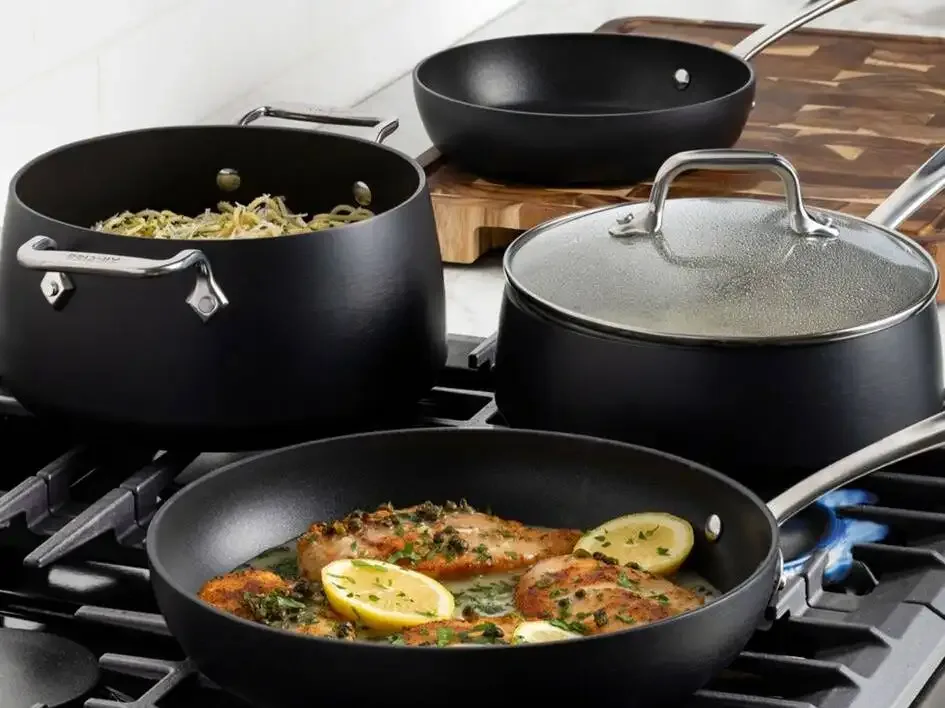
So, you finally took the plunge and bought that shiny new cookware set. Maybe it was the sleek stainless steel one that caught your eye at the store, or perhaps the cast iron skillet your grandma swore by. Or, let’s be honest, you might’ve just grabbed the first set that fit your budget after realizing your old scratched-up nonstick pan was on its last legs. Whatever the case, you’re now staring at a pile of pots and pans, wondering: How the heck do I make these last? And more importantly, how do I stop my eggs from sticking like they’re auditioning for a horror movie?
I get it. When I first moved into my own place in Nashville, I thought seasoning cookware was some mystical process reserved for professional chefs or people who owned more aprons than pairs of jeans. Turns out, it’s less about alchemy and more about patience, a little elbow grease, and understanding that your cookware, like a good friendship, needs a little TLC to thrive. Over the years, I’ve ruined a pan or two (RIP, my first carbon steel wok), but I’ve also learned that maintaining cookware isn’t just about preserving its lifespan; it’s about unlocking better flavor, easier cooking, and the kind of confidence that makes you want to host dinner parties instead of ordering takeout.
In this guide, we’re going to break down everything you need to know about seasoning and maintaining beginner cookware sets. We’ll cover the basics, like why seasoning matters and how to do it without turning your kitchen into a grease fire hazard, as well as the nitty-gritty details that most guides gloss over (looking at you, “just rub some oil on it” advice). By the end, you’ll know how to treat your cookware like the trusty sidekick it is, whether you’re flipping pancakes on a Sunday morning or attempting your first stir-fry. And don’t worry: no culinary degree required.
Why Seasoning Cookware Isn’t Just for Cast Iron (And Why You Should Care)
When most people hear “seasoning cookware,” they immediately think of cast iron. And sure, cast iron is the poster child for seasoning, it’s practically a rite of passage to babysit a new skillet over a stove for an hour, praying it doesn’t warp or smell like a fast-food fryer. But here’s the thing: seasoning isn’t just for cast iron. Carbon steel, some stainless steel pans, and even certain nonstick cookware can benefit from a good seasoning. So why does it matter?
At its core, seasoning is about creating a onstick surface that’s slicker than a politician’s handshake. It’s a layer of polymerized oil, fancy speak for oil that’s been heated until it bonds to the metal, that fills in microscopic pores and imperfections in your cookware. This layer does two things: it prevents food from sticking (hallelujah) and protects the metal from moisture, which can cause rust or corrosion. Think of it like the patina on a well-loved leather jacket, it’s not just about looks; it’s about character and performance.
But here’s where it gets interesting: seasoning isn’t a one-and-done deal. It’s an ongoing relationship. The more you cook, the more layers you build, and the better your cookware performs. That’s why a well-seasoned pan can become your kitchen’s MVP, handling everything from searing steaks to scrambling eggs with ease. And the best part? You don’t need to be a chef to get there. You just need to understand the basics and be willing to put in a little time upfront. Is it worth it? Absolutely. Will it save you from the occasional stuck-on pancake? Probably not, but that’s half the fun of cooking, right?
Debunking the Myths: What Seasoning Isn’t
Before we dive into the how-to, let’s clear up some common misconceptions. I’ve heard them all, from “You can’t season stainless steel” to “If you use soap, you’ll ruin everything.” Spoiler alert: most of these are either outdated or flat-out wrong. Here’s the truth:
- Myth 1: Seasoning is only for cast iron. While cast iron is the most famous example, carbon steel and even some high-quality stainless steel pans can benefit from seasoning. The key is the material’s porosity and how it interacts with oil when heated. Some modern stainless steel pans, for example, have a rougher surface that can hold onto seasoning surprisingly well.
- Myth 2: You can’t use soap on seasoned cookware. This one’s a holdover from the days when soaps were lye-based and could strip away seasoning. Modern dish soaps are mild enough that they won’t ruin your hard work, just don’t scrub like you’re trying to remove graffiti. A gentle wash with soap and warm water is fine, and it’s way better than letting food residue build up and become a science experiment.
- Myth 3: The more oil, the better. Too much oil can actually create a sticky, uneven layer that attracts food like a magnet. Seasoning is about thin, even layers, not globbing on oil like you’re frosting a cake. Less is more here, and patience is key.
- Myth 4: Seasoning is a one-time process. If only! Seasoning is more like skincare, you need to maintain it over time. Every time you cook, you’re either adding to the seasoning or wearing it down. The good news is that the more you use your cookware, the easier it is to maintain.
Now that we’ve set the record straight, let’s talk about how to actually do this. Because let’s be real: reading about seasoning is like reading about exercise, it’s not until you actually do it that you start to see results.
Choosing the Right Oil for Seasoning (Spoiler: It’s Not Olive Oil)
If you’ve ever Googled “best oil for seasoning cookware,” you’ve probably been bombarded with conflicting advice. Some swear by flaxseed oil, others insist on Crisco, and a few brave souls even recommend bacon grease. So, what’s the truth? The best oil for seasoning is one with a high smoke point and a high concentration of unsaturated fats. Here’s why:
When oil is heated, it undergoes a process called polymerization, where the molecules link together to form a hard, slick layer. Oils with a high smoke point (the temperature at which they start to break down and smoke) can handle the heat required for this process without burning. Meanwhile, unsaturated fats (like those found in vegetable oils) polymerize more effectively than saturated fats (like butter or coconut oil). That’s why olive oil, despite its many virtues, isn’t ideal for seasoning, it has a relatively low smoke point and is high in monounsaturated fats, which don’t polymerize as well.
So, what should you use? Here are the top contenders:
- Flaxseed oil: The gold standard for many cast iron enthusiasts. It has a high concentration of polyunsaturated fats, which polymerize beautifully. The downside? It can be expensive, and it has a strong flavor that some people find off-putting. It’s also not something you’d typically cook with, so you’ll need to buy it specifically for seasoning.
- Grapeseed oil: A great all-around choice. It has a high smoke point (around 420°F) and a neutral flavor, making it ideal for both seasoning and cooking. It’s also affordable and easy to find in most grocery stores.
- Avocado oil: Another high-smoke-point oil (around 520°F) that’s rich in unsaturated fats. It’s a bit pricier than grapeseed oil but has a mild, buttery flavor that works well in most dishes.
- Vegetable or canola oil: The budget-friendly option. These oils have high smoke points and are readily available, though they’re not as high in unsaturated fats as the others. Still, they’ll get the job done, especially if you’re just starting out.
- Crisco (or other solid vegetable shortenings): A classic choice for cast iron. Shortening is 100% fat (no water), which means it polymerizes well and creates a smooth, even layer. The downside? It’s not as healthy as other options, and some people find it leaves a slightly sticky residue if not applied correctly.
Now, here’s where I’m torn. Flaxseed oil creates a harder, more durable seasoning layer, but it’s also more finicky, if you don’t heat it properly, it can become gummy or sticky. Grapeseed oil, on the other hand, is more forgiving and versatile, but it might not last as long between seasonings. So, which should you choose? If you’re a beginner, I’d recommend starting with grapeseed or avocado oil. They’re easy to work with, and you can use them for cooking too, so you’re not buying a special oil just for seasoning. Once you get the hang of it, you can experiment with flaxseed oil or other options.
Oh, and one more thing: ever use butter, lard, or coconut oil for seasoning. These fats are high in saturated fats, which don’t polymerize well and can leave a sticky, uneven layer. Save them for cooking, your cookware will thank you.
The Step-by-Step Guide to Seasoning Your Cookware (Without Burning Down Your Kitchen)
Alright, let’s get into the nitty-gritty. Seasoning cookware isn’t complicated, but it does require a little patience and attention to detail. The process is slightly different depending on the type of cookware you’re using, so I’ll break it down by material. But first, here’s a general overview of what you’ll need:
- A clean, dry pan (more on cleaning later).
- Your chosen oil (grapeseed, avocado, or flaxseed oil are my top picks).
- A paper towel or clean cloth.
- An oven or stovetop (we’ll cover both methods).
- Heat-resistant gloves or a towel (because hot pans are, well, hot).
- A well-ventilated kitchen (seasoning can get smoky).
Got everything? Great. Let’s dive in.
Seasoning Cast Iron: The Classic Method
Cast iron is the granddaddy of seasoned cookware, and for good reason. It’s durable, versatile, and, when properly maintained, can last for generations. But it’s also the most finicky to season, especially if it’s new. Here’s how to do it right:
- Clean the pan thoroughly. If your cast iron is brand new, it might come with a waxy coating or residue from the manufacturing process. Wash it with warm, soapy water and a stiff brush or sponge to remove any debris. If it’s an older pan, give it a good scrub to remove any rust or old seasoning. Don’t worry about using soap, modern soaps won’t strip the seasoning, and it’s better to start with a clean slate.
- Dry it completely. Cast iron rusts easily, so you need to make sure it’s bone dry before seasoning. Heat it on the stovetop over medium heat for a few minutes to evaporate any remaining moisture. You can also dry it in a 200°F oven for 10-15 minutes if you’re worried about rust.
- Apply a thin layer of oil. Pour a small amount of oil (about 1/2 teaspoon) into the pan and use a paper towel to spread it evenly over the entire surface, including the handle and exterior if it’s bare metal. The key here is thin and even. If the oil pools or looks greasy, you’ve used too much. Wipe it off with a clean paper towel until the pan looks dry. It should feel smooth, not sticky.
- Heat it up. Now, you have two options: the stovetop method or the oven method. The oven method is more consistent, but the stovetop method is faster. Let’s cover both:
- Oven method: Preheat your oven to 450-500°F. Place the pan upside down on the middle rack (put a sheet of aluminum foil on the lower rack to catch any drips). Bake for 1 hour, then turn off the oven and let the pan cool completely inside. This slow cooling helps the oil polymerize evenly.
- Stovetop method: Heat the pan over medium-high heat until it starts to smoke slightly. This usually takes about 5-10 minutes. Once it’s smoking, turn off the heat and let the pan cool on the burner. You might need to repeat this process 2-3 times to build up a good layer of seasoning.
- Repeat as needed. One round of seasoning isn’t enough to create a durable layer. For a new pan, I recommend repeating the process 3-4 times. Each layer will build on the last, creating a smooth, nonstick surface. Don’t rush it, patience is key here.
And that’s it! Your cast iron is now seasoned and ready to use. But what if you’re working with something other than cast iron? Let’s talk about carbon steel and stainless steel.
Seasoning Carbon Steel: The Lighter, Nimbler Cousin of Cast Iron
Carbon steel is like cast iron’s sleeker, more agile cousin. It’s lighter, heats up faster, and is just as durable, but it also requires a slightly different approach to seasoning. The good news? It’s often easier to season than cast iron because it’s less porous. Here’s how to do it:
- Clean the pan. New carbon steel pans often come with a protective coating that needs to be removed. Wash the pan with warm, soapy water and a sponge or brush to remove any residue. Dry it thoroughly with a towel, then heat it on the stovetop for a few minutes to evaporate any remaining moisture.
- Apply a thin layer of oil. Just like with cast iron, you want a thin, even layer. Use about 1/2 teaspoon of oil and spread it over the entire surface with a paper towel. Wipe off any excess until the pan looks dry.
- Heat it up. Carbon steel can be seasoned on the stovetop or in the oven. For the stovetop method, heat the pan over medium-high heat until it starts to smoke slightly. This usually takes about 5 minutes. Once it’s smoking, turn off the heat and let the pan cool. For the oven method, preheat the oven to 450°F, place the pan upside down on the middle rack, and bake for 1 hour. Let it cool completely in the oven.
- Repeat 2-3 times. Carbon steel doesn’t need as many layers as cast iron, but 2-3 rounds of seasoning will help build a durable, nonstick surface.
One thing to note about carbon steel: it’s more prone to warping than cast iron, so avoid heating it too quickly or unevenly. Always preheat it gradually, and don’t crank the heat up to max right away. Trust me, I learned this the hard way when my first carbon steel wok developed a slight warp after I tried to season it on high heat. Lesson learned.
Seasoning Stainless Steel: The Wild Card
Stainless steel is a bit of a wild card when it comes to seasoning. Unlike cast iron or carbon steel, it’s not naturally porous, so it doesn’t hold onto seasoning as well. That said, some high-quality stainless steel pans (especially those with a rougher surface or a “satin” finish) can benefit from a light seasoning. Here’s how to do it:
- Clean the pan. Wash the pan with warm, soapy water to remove any manufacturing residues or oils. Dry it thoroughly with a towel.
- Apply a thin layer of oil. Use a high-smoke-point oil like grapeseed or avocado oil. Pour about 1/2 teaspoon into the pan and spread it evenly with a paper towel. Wipe off any excess until the pan looks dry.
- Heat it up. Heat the pan over medium-high heat until it starts to smoke slightly. This usually takes about 5 minutes. Once it’s smoking, turn off the heat and let the pan cool. You can also use the oven method: preheat the oven to 450°F, place the pan upside down on the middle rack, and bake for 1 hour. Let it cool completely in the oven.
- Repeat once or twice. Stainless steel doesn’t need as many layers as cast iron or carbon steel, but 1-2 rounds of seasoning can help create a slightly nonstick surface. Don’t expect miracles, stainless steel will never be as nonstick as cast iron or carbon steel, but a light seasoning can make cooking and cleaning a little easier.
One thing to keep in mind: stainless steel is already naturally nonstick when used correctly. The key is to preheat the pan properly and use enough oil or fat when cooking. If you’re struggling with sticking, try heating the pan over medium heat for a few minutes before adding oil. When the pan is hot enough, a drop of water should sizzle and evaporate almost instantly. That’s your cue to add the oil and start cooking.
How to Clean Your Cookware Without Ruining the Seasoning
Now that your cookware is seasoned, you need to know how to clean it without undoing all your hard work. The good news? Cleaning seasoned cookware is easier than you think. The bad news? There’s a lot of conflicting advice out there, and some of it is just plain wrong. Let’s set the record straight.
The Golden Rules of Cleaning Seasoned Cookware
Here are the non-negotiables when it comes to cleaning your seasoned cookware:
- Clean it while it’s still warm. Don’t let food sit in the pan for hours (or, heaven forbid, overnight). The longer food sits, the harder it is to remove, and the more likely it is to damage your seasoning. Clean your pan as soon as it’s cool enough to handle.
- Use hot water and a gentle scrubber. For most messes, hot water and a non-abrasive sponge or brush will do the trick. Avoid steel wool or harsh scrubbers, they can scratch the seasoning and leave your pan vulnerable to rust.
- Soap is not the enemy. Contrary to popular belief, modern dish soap will not strip your seasoning. It’s mild enough to clean your pan without damaging the polymerized oil. Just don’t use it like you’re scrubbing a bathtub, gentle is the name of the game.
- Dry it thoroughly. Moisture is the enemy of seasoned cookware. After washing, dry your pan completely with a towel, then heat it on the stovetop over low heat for a few minutes to evaporate any remaining moisture. This is especially important for cast iron and carbon steel, which are prone to rust.
- Re-season as needed. Even with the best care, your seasoning will wear down over time. If your pan starts to look dull or food starts sticking more than usual, it’s time for a touch-up. A quick stovetop seasoning (heat the pan, apply a thin layer of oil, heat until smoking, then let it cool) is usually enough to restore the nonstick surface.
Dealing with Stubborn Messes
Let’s be real: no matter how careful you are, you’re going to encounter stuck-on food at some point. Maybe you got distracted while cooking and burned the bottom of your pan, or perhaps you tried to make a grilled cheese without enough butter (we’ve all been there). Whatever the case, here’s how to tackle stubborn messes without ruining your seasoning:
- For light stuck-on food: Fill the pan with hot water and let it soak for 10-15 minutes. The steam will help loosen the food, making it easier to scrub off with a sponge or brush. If that doesn’t work, add a tablespoon of baking soda to the water, it’s a gentle abrasive that can help lift stuck-on food without damaging the seasoning.
- For burned-on food: Sprinkle a generous amount of coarse salt (like kosher salt) into the pan and use a paper towel or sponge to scrub the burned areas. The salt acts as a gentle abrasive, and it’s safe to use on seasoned cookware. You can also add a little water to create a paste, which can help lift stubborn bits. Once the food is loosened, wash the pan as usual.
- For really tough messes: If salt and baking soda aren’t cutting it, you can use a chainmail scrubber or a plastic scraper. These tools are gentle enough to use on seasoned cookware but tough enough to tackle burned-on food. Avoid metal utensils or steel wool, they can scratch the seasoning and leave your pan vulnerable to rust.
- For rust: If you notice rust on your cast iron or carbon steel pan, don’t panic. It’s not the end of the world, and it’s usually easy to fix. Scrub the rust off with a stiff brush or steel wool (yes, steel wool is okay for removing rust, but avoid it for regular cleaning). Once the rust is gone, wash the pan with warm, soapy water, dry it thoroughly, and re-season it. To prevent rust in the future, make sure your pan is completely dry before storing it, and consider applying a thin layer of oil to the surface if you won’t be using it for a while.
Storing Your Cookware: The Often-Overlooked Key to Longevity
You’ve seasoned your cookware, you’ve learned how to clean it, and now you’re ready to store it. But here’s the thing: how you store your cookware is just as important as how you use and clean it. Store it wrong, and you could end up with scratches, rust, or even warped pans. Store it right, and your cookware will stay in great shape for years to come. Here’s what you need to know.
General Storage Tips for All Cookware
- Avoid stacking heavy items on top of your cookware. This might seem obvious, but it’s easy to forget when you’re trying to save space. Stacking heavy pots or pans on top of each other can cause scratches, dents, or even warping. If you must stack, place a soft cloth or paper towel between each piece to protect the surfaces.
- Store lids separately. Lids can scratch the surface of your cookware if they’re stored on top of it. Instead, store them separately in a drawer or on a lid rack. If you don’t have space for that, place a soft cloth or paper towel between the lid and the pan to prevent scratches.
- Hang your cookware if possible. Hanging your cookware is the best way to prevent scratches, dents, and warping. If you have the space, install a pot rack or hooks in your kitchen. This keeps your cookware easily accessible and protects it from damage. Plus, it looks pretty darn cool.
- Keep your cookware in a dry place. Moisture is the enemy of seasoned cookware, especially cast iron and carbon steel. Store your cookware in a dry cabinet or pantry, and avoid storing it near the sink or dishwasher, where it could be exposed to steam or splashes.
Special Considerations for Different Types of Cookware
Not all cookware is created equal, and some types require a little extra care when it comes to storage. Here’s what you need to know:
- Cast iron and carbon steel: These materials are prone to rust, so it’s especially important to store them in a dry place. After cleaning and drying your pan, apply a thin layer of oil to the surface before storing it. This creates a protective barrier that prevents moisture from reaching the metal. You can also store your cast iron or carbon steel pans in a paper bag or wrapped in a towel to absorb any excess moisture.
- Stainless steel: Stainless steel is more resistant to rust than cast iron or carbon steel, but it can still scratch or dent if stored improperly. Avoid stacking heavy items on top of it, and store it in a dry place to prevent water spots or discoloration.
- Nonstick cookware: Nonstick pans are delicate, and their coating can scratch or chip if stored improperly. Avoid stacking other cookware on top of them, and store them in a dry place to prevent moisture from damaging the nonstick surface. If you must stack them, place a soft cloth or paper towel between each pan to protect the coating.
- Copper cookware: Copper is beautiful but high-maintenance. It tarnishes easily, so store it in a dry place and avoid exposing it to moisture. You can also polish it regularly to keep it looking its best. If you’re storing copper cookware for a long time, consider wrapping it in a soft cloth or paper to protect it from scratches.
Common Mistakes Beginners Make (And How to Avoid Them)
Let’s be honest: we’ve all made mistakes in the kitchen. Maybe you’ve burned a pan, ruined a seasoning, or even warped a pot by heating it too quickly. The good news? Most of these mistakes are avoidable once you know what to look out for. Here are some of the most common mistakes beginners make when seasoning and maintaining their cookware, and how to steer clear of them.
Mistake 1: Using Too Much Oil
I’ll admit it: I’ve been guilty of this one. When you’re seasoning a pan, it’s tempting to slather on the oil like you’re buttering a piece of toast. But here’s the thing: too much oil can create a sticky, uneven layer that attracts food and gunk. Instead of a smooth, nonstick surface, you’ll end up with a pan that’s more like a fly trap. Yuck.
How to avoid it: Use a thin, even layer of oil. Pour about 1/2 teaspoon into the pan and spread it with a paper towel until the pan looks dry. If it feels greasy, you’ve used too much. Wipe off the excess and try again.
Mistake 2: Not Heating the Pan Enough
Seasoning requires heat, specifically, enough heat to polymerize the oil. If you don’t heat the pan enough, the oil won’t bond to the metal, and you’ll end up with a gummy, sticky mess. On the other hand, if you heat it too much, you’ll burn the oil and create a layer of carbon that’s just as bad (if not worse) than no seasoning at all.
How to avoid it: Heat the pan until it’s smoking slightly. This usually takes about 5-10 minutes on the stovetop or 1 hour in a 450-500°F oven. If you’re using the stovetop method, keep an eye on the pan and turn off the heat as soon as it starts to smoke. If you’re using the oven method, let the pan cool completely inside the oven to ensure even polymerization.
Mistake 3: Skipping the Cleaning Step
I get it: cleaning is the least fun part of cooking. But if you skip this step, you’re setting yourself up for disaster. Food residue can build up on your pan, creating a sticky, uneven surface that’s hard to clean and even harder to cook on. Plus, it can attract bacteria and other nasties that you definitely don’t want in your food.
How to avoid it: Clean your pan as soon as it’s cool enough to handle. Use hot water and a gentle scrubber to remove any food residue, and dry it thoroughly before storing it. If you’re dealing with a stubborn mess, try soaking the pan in hot water or using a little baking soda or salt to lift the food.
Mistake 4: Using the Wrong Tools
Not all scrubbers are created equal. Some are too abrasive and can scratch or damage your seasoning, while others aren’t tough enough to tackle stuck-on food. Using the wrong tool can leave your pan looking worse than when you started.
How to avoid it: Stick to on-abrasive scrubbers like sponges, brushes, or chainmail scrubbers. Avoid steel wool or metal utensils, they can scratch the seasoning and leave your pan vulnerable to rust. If you’re dealing with a really tough mess, try a plastic scraper or a little salt and oil to lift the food.
Mistake 5: Not Re-Seasoning When Needed
Even with the best care, your seasoning will wear down over time. If you notice that food is sticking more than usual or your pan looks dull, it’s time for a touch-up. Ignoring these signs can lead to a pan that’s harder to cook with and more prone to rust.
How to avoid it: Keep an eye on your pan’s performance. If it’s not as nonstick as it used to be, give it a quick stovetop seasoning (heat the pan, apply a thin layer of oil, heat until smoking, then let it cool). This usually takes less than 10 minutes and can restore your pan’s nonstick surface in no time.
How to Maintain Your Cookware Over Time (And When to Call It Quits)
So, you’ve seasoned your cookware, you’ve learned how to clean it, and you’re storing it like a pro. What’s next? Maintenance. Just like a car or a house, your cookware needs regular upkeep to stay in top shape. The good news? It’s not as time-consuming as you might think. Here’s how to keep your cookware in great condition for years to come.
Regular Maintenance Tips
- Re-season as needed. Even with the best care, your seasoning will wear down over time. If your pan starts to look dull or food starts sticking more than usual, it’s time for a touch-up. A quick stovetop seasoning (heat the pan, apply a thin layer of oil, heat until smoking, then let it cool) is usually enough to restore the nonstick surface.
- Clean it after every use. This might seem obvious, but it’s easy to let dishes pile up, especially after a big meal. Don’t. Clean your pan as soon as it’s cool enough to handle, and dry it thoroughly before storing it. This prevents food residue from building up and keeps your pan in great shape.
- Store it properly. We’ve already covered this, but it’s worth repeating: how you store your cookware matters. Avoid stacking heavy items on top of it, store lids separately, and keep it in a dry place to prevent rust and scratches.
- Use the right utensils. Metal utensils can scratch your seasoning, especially on nonstick pans. Stick to wooden, silicone, or nylon utensils to protect your cookware. If you’re cooking with cast iron or carbon steel, you can use metal utensils, but be gentle to avoid scratching the seasoning.
- Preheat your pan properly. This is especially important for stainless steel, which can stick if it’s not hot enough. Heat your pan over medium heat for a few minutes before adding oil. When it’s hot enough, a drop of water should sizzle and evaporate almost instantly. That’s your cue to add the oil and start cooking.
When to Call It Quits
No matter how well you care for your cookware, there will come a time when it’s no longer usable. Here are some signs that it’s time to retire your pan:
- Deep scratches or gouges: If your pan has deep scratches or gouges that can’t be smoothed out, it’s time to replace it. These imperfections can trap food and bacteria, making your pan harder to clean and less safe to use.
- Warping: If your pan is warped, it won’t sit flat on the burner, which can lead to uneven cooking and hot spots. Warping is usually caused by overheating or thermal shock (like running a hot pan under cold water), and it’s not reversible. If your pan is warped, it’s time to say goodbye.
- Rust that won’t come off: A little rust is no big deal, just scrub it off and re-season your pan. But if the rust is deep or widespread, it can weaken the metal and make your pan unsafe to use. If you can’t remove the rust, it’s time to replace your pan.
- Nonstick coating that’s peeling or flaking: If the nonstick coating on your pan is peeling or flaking, it’s time to replace it. Not only is it less effective, but it can also be unsafe, flakes of nonstick coating can end up in your food, and no one wants that.
- Handles that are loose or broken: If the handle on your pan is loose or broken, it’s a safety hazard. Don’t risk it, replace the pan as soon as possible.
If your pan is showing any of these signs, it’s time to invest in a new one. But don’t worry, with the right care, your next cookware set will last even longer.
Final Thoughts: Why Bother Seasoning and Maintaining Your Cookware?
At this point, you might be wondering: Is all this really worth it? After all, seasoning takes time, cleaning takes effort, and storing your cookware properly requires a little extra thought. Wouldn’t it be easier to just buy a new pan every time the old one starts to stick? Maybe. But here’s the thing: well-maintained cookware is a game-changer.
When your cookware is properly seasoned and cared for, it performs better. Food doesn’t stick, cooking is easier, and cleanup is a breeze. Plus, there’s something deeply satisfying about cooking on a pan that’s been lovingly maintained. It’s like the difference between driving a beat-up old car and a well-tuned machine, both will get you from point A to point B, but one makes the journey a whole lot more enjoyable.
And let’s not forget the flavor. A well-seasoned pan develops a patina over time, which adds depth and complexity to your food. It’s subtle, but it’s there, like the difference between a store-bought tomato and one you grew in your backyard. Once you’ve tasted the difference, you’ll never go back.
So, is it worth it? Absolutely. Will it take a little time and effort? Sure. But here’s the good news: the more you do it, the easier it gets. Seasoning becomes second nature, cleaning becomes a habit, and storing your cookware properly becomes just another part of your kitchen routine. Before you know it, you’ll be the person your friends turn to for advice on how to care for their cookware, and you’ll have the confidence to host dinner parties, try new recipes, and cook with joy.
Now, go forth and season. Your cookware (and your future self) will thank you.
FAQ
Q: How often should I season my cookware?
A: It depends on how often you use it. For cast iron and carbon steel, you’ll need to re-season every few months or whenever the pan starts to look dull or food starts sticking. For stainless steel, you might only need to season it once or twice a year. The key is to pay attention to your pan’s performance, if it’s not as nonstick as it used to be, it’s time for a touch-up.
Q: Can I use olive oil for seasoning?
A: Olive oil isn’t ideal for seasoning because it has a low smoke point and is high in monounsaturated fats, which don’t polymerize as well as polyunsaturated fats. That said, if it’s all you have on hand, you can use it in a pinch, just be aware that it might not create as durable a seasoning as other oils. For best results, stick to high-smoke-point oils like grapeseed, avocado, or flaxseed oil.
Q: What’s the best way to remove rust from cast iron?
A: If your cast iron pan has rust, don’t panic. Scrub the rust off with a stiff brush or steel wool, then wash the pan with warm, soapy water. Dry it thoroughly, then re-season it. To prevent rust in the future, make sure your pan is completely dry before storing it, and consider applying a thin layer of oil to the surface if you won’t be using it for a while.
Q: Can I season my nonstick cookware?
A: Most nonstick cookware doesn’t need to be seasoned, and in some cases, seasoning can actually damage the nonstick coating. That said, if your nonstick pan is starting to stick, you can try a light seasoning with a high-smoke-point oil. Just be gentle, don’t use too much oil, and don’t heat the pan too high. If the nonstick coating is peeling or flaking, it’s time to replace the pan.
@article{how-to-season-and-maintain-your-first-cookware-set-a-beginners-guide-to-longevity-and-flavor,
    title   = {How to Season and Maintain Your First Cookware Set: A Beginner’s Guide to Longevity and Flavor},
    author  = {Chef's icon},
    year    = {2026},
    journal = {Chef's Icon},
    url     = {https://chefsicon.com/how-to-season-maintain-beginner-cookware-sets/}
}