The Best Fluffy Pancakes recipe you will fall in love with. Full of tips and tricks to help you make the best pancakes.
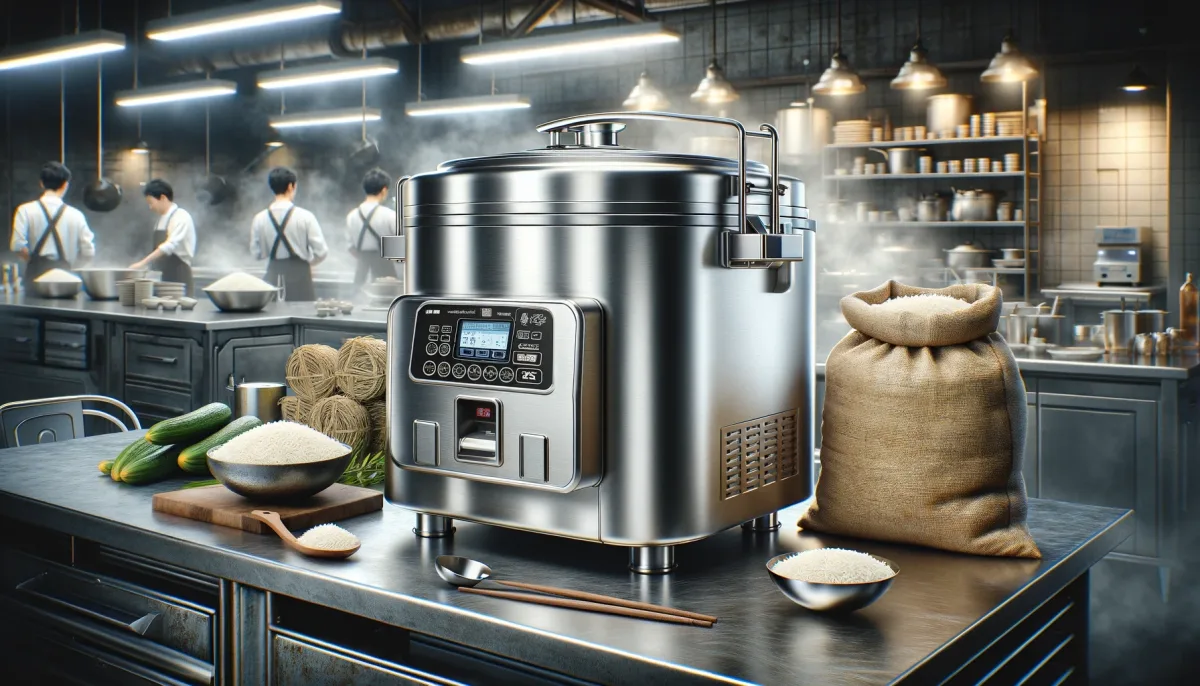
Why Your Restaurant’s Rice Might Be the Reason Customers Aren’t Coming Back (And How to Fix It)
Let me tell you about the first time I realized how much rice really matters. It was at a tiny izakaya in Osaka, where the chef, a man who’d spent 40 years perfecting a single dish, slid a bowl of steamed rice across the counter to me. The grains were plump, separate, yet sticky enough to cling to chopsticks. It was *alive*. I’d eaten rice my whole life, but that moment made me understand: this wasn’t just a side. It was the foundation. Fast forward to my own kitchen experiments years later, and I’ll admit, I’ve ruined more batches than I care to count. Undercooked, mushy, burnt at the bottom. The worst part? I couldn’t figure out why. Until I learned the hard way: commercial rice cookers don’t calibrate themselves.
Here’s the thing. Most restaurants treat rice like an afterthought. You dump in water, hit a button, and pray. But if you’re serving sushi, biryani, or even a simple side of jasmine, inconsistent rice is a silent reputation-killer. One bad bowl can overshadow an otherwise perfect meal. And yet, calibration? It’s the kind of thing chefs *know* they should do but rarely prioritize. Why? Because it feels tedious. Or intimidating. Or like something you’ll “get around to.” But here’s the truth: calibrating your commercial rice cooker isn’t just about precision, it’s about respect. Respect for the ingredient, your customers, and your bottom line. Because wasted rice adds up. Fast.
In this guide, I’m going to walk you through the exact steps to calibrate your commercial rice cooker for restaurant-grade consistency. We’ll cover everything from water ratios to temperature probes, common mistakes (yes, I’ve made them all), and even how to troubleshoot when things go sideways. By the end, you’ll know how to turn out perfect rice, batch after batch, without second-guessing. And if you’re thinking, *”But Sammy, my cooker’s been working fine for years,”* let me stop you right there. Fine isn’t good enough. Not when your competitors are serving rice that makes people pause mid-bite and say, *”Damn, that’s good.”*
Ready? Let’s dig in.
The Hidden Science Behind Perfect Rice (And Why Your Cooker Might Be Lying to You)
1. The Myth of the “One-Size-Fits-All” Water Ratio
Pop quiz: How much water do you use for a cup of rice? If you said “one-to-one,” you’re not wrong, but you’re also not *right*. The truth is, water absorption rates vary wildly depending on the type of rice, its age, humidity, and even the altitude of your kitchen. Long-grain basmati? It needs less water. Short-grain sushi rice? More. And if you’re cooking at sea level versus Denver? Forget about it. The standard ratios printed on bags? They’re guidelines, not gospel.
Here’s where calibration comes in. Most commercial rice cookers have a default water level sensor, but these sensors can drift over time. Think of it like a bathroom scale that’s been in your family for years, it might still *work*, but is it *accurate*? Probably not. The same goes for your rice cooker. If the sensor’s off by even a few millimeters, you’re either undercooking (crunchy) or overcooking (gluey). Neither is ideal.
So how do you test it? Start with a baseline. For most medium-grain rice (like Calrose), the ratio is 1:1.25 (rice to water by volume). Measure out 4 cups of rice and 5 cups of water. Cook it. Then, *taste*. Is it slightly underdone? Add a tablespoon of water next time. Too soft? Reduce by a tablespoon. It’s tedious, but this is how you recalibrate your intuition. Because here’s the thing: your customers won’t tell you the rice is off. They’ll just stop coming back.
And let’s talk about altitude for a second. If you’re cooking above 3,000 feet, water boils at a lower temperature, which means it evaporates faster. You’ll need to increase water by 1-2 tablespoons per cup of rice. I learned this the hard way during a pop-up in Boulder. The first batch was so dry it could’ve doubled as sand. The second? Perfect. Moral of the story: your environment matters.
2. Temperature: The Silent Saboteur of Rice Texture
Rice cookers work by bringing water to a boil, then dropping to a simmer to steam the grains. But here’s the kicker: most commercial models don’t actually measure the internal temperature of the rice. They measure the *water* temperature. And if your cooker’s thermostat is off by even a few degrees, you’re in trouble. Too hot, and the rice scorches at the bottom. Too cool, and it never fully cooks.
So how do you check? You’ll need an infrared thermometer (if you don’t have one, stop reading and order one now, it’s the most useful tool in your kitchen after a sharp knife). Here’s what to do:
- Fill your cooker with the usual water-to-rice ratio and start cooking.
- Once the cooker switches to “keep warm,” wait 10 minutes, then open the lid and point the thermometer at the rice. The ideal temperature is 165°F (74°C). If it’s higher, your cooker’s running too hot. Lower? Too cool.
- Now, check the water temperature. It should be just below boiling (around 200°F/93°C). If it’s boiling vigorously, your cooker’s not regulating properly.
If your readings are off, you’ve got two options: adjust the thermostat (if your cooker allows it) or compensate with water. For example, if your cooker runs hot, try reducing the water by 1-2 tablespoons to prevent mushiness. If it runs cool, add a splash more water and extend the cooking time slightly. It’s not perfect, but it’s better than guessing.
And here’s a pro tip: let the rice rest. Most commercial cookers have a “keep warm” function, but if yours doesn’t, transfer the rice to a hotel pan and cover it with a damp towel. This allows the grains to finish steaming evenly. I’ve seen too many restaurants serve rice straight from the cooker, only to have it turn gummy as it sits. Don’t be that place.
The Step-by-Step Calibration Process (With Room for Error)
3. Gather Your Tools (And Your Patience)
Before you start, let’s talk about what you’ll need. This isn’t rocket science, but it *is* science. Here’s your shopping list:
- A measuring cup (preferably one with milliliter markings for precision).
- An infrared thermometer (non-negotiable).
- A kitchen scale (for weighing rice, volume measurements can be inconsistent).
- A notebook (yes, really. You’ll want to track your adjustments).
- A timer (your phone works, but a dedicated kitchen timer is better).
- Distilled water (if your tap water is hard or heavily chlorinated, it can affect cooking times).
And here’s the thing about tools: they’re only as good as the person using them. I’ve seen chefs eyeball water measurements for years and get away with it. But if you’re reading this, it’s because you *know* you can do better. So grab the tools. Use them. And don’t skip steps because you’re in a hurry. Your future self (and your customers) will thank you.
4. The Baseline Test: How to Know If Your Cooker Is Actually Broken
Before you start tweaking settings, you need to establish a baseline. This is your “control” batch, the one you’ll compare all future adjustments to. Here’s how to do it:
- Weigh out 500 grams of rice (this is roughly 2.5 cups, but weighing is more accurate).
- Rinse the rice three times in cold water, swirling gently and draining completely each time. This removes excess starch and prevents gloopiness.
- Add the rice to your cooker and measure out 625 milliliters of water (this is the 1:1.25 ratio for medium-grain rice).
- Start the cooker and time how long it takes to switch to “keep warm.”
- Once it’s done, let it sit for 10 minutes, then fluff the rice with a fork and taste a few grains.
Now, ask yourself:
- Is the rice fully cooked (no crunch in the center)?
- Is it too soft (mushy or sticky beyond the desired texture)?
- Is the bottom layer burnt or undercooked?
- Does it smell off (like it’s been overcooked or scorched)?
If the answer to any of these is “yes,” your cooker needs calibration. If it’s *close* but not perfect, take notes. For example, if the rice is slightly underdone, you might need to add 10-20 milliliters of water next time. If it’s mushy, reduce by 10 milliliters. And if the bottom is burnt? That’s a sign your cooker’s heating element is too aggressive-we’ll fix that later.
One more thing: repeat this test three times. Rice cookers can be inconsistent, especially if they’re older. If you get wildly different results each time, your cooker might be on its last legs. But if it’s just slightly off, calibration can save it.
5. Adjusting Water Levels: The Goldilocks Principle
Remember the baseline test? Now it’s time to tweak. The goal here is to find the perfect water-to-rice ratio for your specific cooker and environment. Here’s how to do it:
- Start with the baseline ratio (1:1.25 for medium-grain rice).
- Cook a batch and evaluate the texture.
- If it’s underdone, increase water by 10 milliliters and try again.
- If it’s overdone, decrease water by 10 milliliters.
- Repeat until you hit the sweet spot-rice that’s fully cooked, separate, and just sticky enough.
But here’s where it gets tricky. Different rices need different ratios. Here’s a quick cheat sheet to get you started:
- Long-grain white rice (basmati, jasmine): 1:1.5 (rice to water)
- Medium-grain white rice (Calrose, sushi rice): 1:1.25
- Short-grain white rice (arborio, sticky rice): 1:1.1
- Brown rice: 1:2 (and soak for 30 minutes before cooking)
- Wild rice: 1:3 (and expect a longer cook time)
And don’t forget about soaking. For some rices, like basmati or jasmine, soaking for 20-30 minutes before cooking can improve texture and reduce cooking time. It’s an extra step, but it’s worth it. I’ve had chefs tell me they don’t have time for soaking, but if you’re serving rice that’s consistently undercooked, you’re already wasting time, and rice, fixing mistakes.
One last tip: write down your ratios. I keep a small notebook taped to the inside of my cooker’s lid with the perfect water measurements for each type of rice I use. It’s saved me more times than I can count.
6. Temperature Calibration: How to Fix a Cooker That Runs Too Hot (or Too Cold)
If your rice is burning at the bottom or never fully cooking, the issue might be temperature regulation. Most commercial rice cookers have a thermostat that controls the heating element, but these can drift over time. Here’s how to diagnose and fix the problem:
Step 1: Check the thermostat. If your cooker has an adjustable thermostat (not all do), you might be able to tweak it yourself. Consult the manual, some models have a small screw or dial inside the cooker that controls the temperature. Turn it slightly (we’re talking millimeters here) and test again. If you’re not comfortable doing this, call a technician. Messing with the thermostat can void your warranty or create a fire hazard.
Step 2: Compensate with water. If you can’t adjust the thermostat, you can work around it by changing your water levels. For example:
- If your cooker runs too hot, reduce the water by 10-20 milliliters to prevent scorching.
- If it runs too cool, add 10-20 milliliters of water and extend the cooking time slightly.
Step 3: Use a heat diffuser. If your cooker’s heating element is too aggressive, a heat diffuser (a metal plate that sits between the element and the pot) can help distribute heat more evenly. It’s a cheap fix, and it works. I’ve used one for years on an older cooker that always burned the bottom layer of rice. Problem solved.
Step 4: Monitor the “keep warm” setting. Most commercial cookers have a “keep warm” function, but if yours runs too hot, it can overcook the rice while it sits. Test this by cooking a batch, then checking the rice’s temperature after 30 minutes on “keep warm.” If it’s above 170°F (77°C), your cooker’s running too hot. In this case, transfer the rice to a hotel pan and cover it with a damp towel to keep it warm without overcooking.
And here’s a hard truth: if your cooker’s temperature is wildly inconsistent, it might be time to replace it. I’ve seen restaurants limp along with a failing cooker because they don’t want to spend the money, but the cost of wasted rice and unhappy customers adds up. Sometimes, the best calibration is knowing when to upgrade.
Advanced Calibration: Fine-Tuning for Perfection
7. The Role of Rice Age (And Why Fresh Isn’t Always Best)
Here’s something most chefs don’t consider: the age of your rice matters. Freshly harvested rice has a higher moisture content, which means it needs less water to cook properly. Older rice (like the stuff that’s been sitting in your pantry for a year) has dried out slightly and will need more water.
How do you know how old your rice is? Check the packaging date (if it’s listed). If it’s more than 6 months old, you’ll need to increase water by 5-10% to compensate. And if you’re buying rice in bulk, rotate your stock so you’re always using the oldest rice first. It’s a small detail, but it makes a difference.
And while we’re on the topic of rice quality: not all rice is created equal. Cheap rice is often inconsistently milled, which means some grains are thicker than others. This leads to uneven cooking, some grains are perfect, while others are underdone or mushy. If you’re serious about consistency, invest in high-quality rice. It’s more expensive, but it cooks more evenly and tastes better. Your customers will notice.
One more thing: storage matters. Rice absorbs odors and moisture from the air, which can affect cooking times. Store your rice in airtight containers in a cool, dry place. And if you’re in a humid environment, consider adding a desiccant packet to the container to keep the rice dry. I learned this the hard way when a batch of jasmine rice absorbed the smell of garlic from a nearby shelf. Not ideal.
8. The Art of the Rest: Why Your Rice Needs Downtime
Here’s a mistake I see *all the time*: restaurants serving rice straight from the cooker. No rest. No fluffing. Just scoop and go. And while it might *look* fine, the texture is all wrong. Rice needs time to steam and settle after cooking. This is when the grains finish absorbing moisture and firm up slightly. Skip this step, and you’ll end up with rice that’s gummy or unevenly cooked.
So how long should you let it rest? At least 10 minutes. Here’s the process:
- Once the cooker switches to “keep warm,” turn it off (or unplug it if you’re in a hurry).
- Let the rice sit, covered, for 10 minutes.
- After 10 minutes, fluff the rice with a fork to separate the grains and release excess steam.
- If you’re not serving it immediately, transfer the rice to a hotel pan and cover it with a damp towel to keep it warm without overcooking.
And here’s a pro tip: don’t stir the rice while it’s resting. Stirring can break the grains and release excess starch, leading to mushiness. Just let it be. It’s like letting a steak rest after cooking-patience is key.
If you’re in a rush (and let’s be real, who isn’t?), you can speed up the process slightly by transferring the rice to a wide, shallow pan immediately after cooking. This allows steam to escape more quickly, but it’s not as effective as letting it rest in the cooker. Use this as a last resort.
9. Troubleshooting Common Rice Cooker Problems (And How to Fix Them)
Even with perfect calibration, things can go wrong. Here’s how to diagnose and fix the most common rice cooker issues:
Problem 1: Rice is undercooked.
- Cause: Not enough water, cooker running too cool, or rice not cooked long enough.
- Fix: Increase water by 10-20 milliliters, check the thermostat, or extend cooking time by 5 minutes.
Problem 2: Rice is mushy or sticky.
- Cause: Too much water, overcooking, or stirring the rice while it’s cooking.
- Fix: Reduce water by 10-20 milliliters, shorten cooking time, or avoid stirring.
Problem 3: Rice is burnt at the bottom.
- Cause: Cooker running too hot, not enough water, or a faulty heating element.
- Fix: Reduce water slightly, check the thermostat, or use a heat diffuser.
Problem 4: Rice is unevenly cooked.
- Cause: Inconsistent heat distribution, old or low-quality rice, or not rinsing the rice before cooking.
- Fix: Stir the rice gently halfway through cooking, use higher-quality rice, or rinse the rice thoroughly before cooking.
Problem 5: Rice smells off or tastes bitter.
- Cause: Overcooking, scorching, or rice that’s gone stale.
- Fix: Reduce cooking time, check for burnt spots, or replace old rice.
And here’s a bonus tip: clean your cooker regularly. Rice starch builds up over time and can affect cooking performance. After each use, wipe down the pot and lid with a damp cloth. Once a week, deep-clean the pot with vinegar and water (1:1 ratio) to remove any stuck-on residue. It takes five minutes, and it makes a world of difference.
10. When to Call a Professional (And When to DIY)
Let’s be real: not every problem can be fixed with a heat diffuser and a prayer. Sometimes, you need to call in the pros. Here’s how to know when it’s time to hire a technician versus when you can DIY the fix:
DIY Fixes:
- Adjusting water levels.
- Using a heat diffuser.
- Cleaning the cooker thoroughly.
- Testing and adjusting the thermostat (if you’re comfortable).
- Replacing a worn-out inner pot.
Call a Professional If:
- The cooker won’t turn on or keeps tripping the circuit breaker.
- The heating element is visibly damaged (cracks, burns, or corrosion).
- The thermostat is broken and can’t be adjusted.
- The cooker overheats or smokes during use.
- The inner pot is warped or no longer fits properly.
And here’s the thing: a good technician is worth their weight in gold. I’ve seen restaurants try to MacGyver a fix with duct tape and hope, only to end up with a fire hazard. Don’t be that person. If you’re not sure, call someone. It’s cheaper than replacing the cooker, or worse, your entire kitchen.
One last piece of advice: keep your manual. I know, I know, manuals are boring. But they’re also your best friend when something goes wrong. Most commercial rice cookers have troubleshooting guides in the back, and they’re tailored to your specific model. If you’ve lost yours, check the manufacturer’s website. They usually have PDFs available for download.
The Calibration Mindset: Why Consistency Is a Daily Practice
Here’s the thing about calibration: it’s not a one-and-done deal. Your rice cooker is a living, breathing (well, not really) piece of equipment that changes over time. Heating elements wear out. Sensors drift. Water quality fluctuates. And if you’re not paying attention, your rice will suffer.
So how do you stay on top of it? Make calibration a habit. Here’s my routine:
- Weekly: Check the water-to-rice ratio for the types of rice you use most often. Adjust as needed.
- Monthly: Test the cooker’s temperature with an infrared thermometer. Make sure it’s still hitting the right marks.
- Quarterly: Deep-clean the cooker and inspect the heating element for wear and tear.
- Annually: Have a professional technician inspect the cooker for any issues you might’ve missed.
And don’t forget to train your staff. I’ve seen too many restaurants where the head chef knows the perfect water ratio, but the line cooks are just winging it. Consistency starts with clear, written instructions. Post the water ratios for each type of rice near the cooker. Include a step-by-step guide for rinsing, soaking, and resting. And make sure everyone knows how to troubleshoot common problems. Because let’s face it: you’re not going to be in the kitchen 24/7.
Here’s a question I like to ask myself: ”Would I pay for this rice?” If the answer isn’t an immediate “hell yes,” it’s time to recalibrate. Because at the end of the day, your customers are paying for it. And they deserve the best.
FAQ: Your Burning Rice Cooker Questions, Answered
Q: My rice cooker has a “quick cook” setting. Should I use it?
A: The quick cook setting is great for saving time, but it’s not ideal for consistency. It works by increasing the heat, which can lead to uneven cooking, especially with larger batches. If you’re in a rush, it’s better to reduce the cooking time slightly on the regular setting rather than relying on quick cook. And if you’re using it, test the water ratio specifically for quick cook, as it may need less water than the standard setting.
Q: Can I use the same water ratio for all types of rice?
A: Nope. Different rices have different starch contents and absorption rates. For example, basmati rice needs more water than sushi rice because it’s less starchy. Brown rice needs even more water and a longer cook time because of its fibrous outer layer. Always check the packaging for recommended ratios, then adjust based on your cooker’s performance. And if you’re switching between rice types often, keep a cheat sheet near the cooker with the perfect ratios for each.
Q: Why does my rice turn out great at home but terrible at the restaurant?
A: There are a few possible reasons. First, water quality can vary between locations. Hard water (high in minerals) can make rice cook faster and taste different. Second, altitude plays a role, if your restaurant is at a higher elevation, you’ll need more water. Third, batch size matters. Home cookers are designed for small batches, while commercial cookers handle larger volumes. The heat distribution isn’t the same, so you’ll need to adjust your water ratio and cooking time accordingly. Finally, wear and tear-commercial cookers are used more frequently, so they may need more frequent calibration.
Q: Is it worth investing in a high-end commercial rice cooker, or can I get by with a mid-range model?
A: It depends on your volume and needs. If you’re cooking more than 50 servings a day, a high-end model is worth the investment. Look for features like adjustable thermostats, even heat distribution, and durable inner pots. Brands like Zojirushi, Panasonic, and Cuckoo are known for their consistency and longevity. That said, a mid-range model can work if you’re diligent about calibration and don’t mind a little extra hands-on work. The key is to choose a cooker that fits your kitchen’s demands-not just your budget.
And there you have it. Everything I wish I’d known when I first started obsessing over perfect rice. It’s taken me years of trial and error (and more than a few ruined batches) to get here, but the payoff is worth it. Because when your rice is consistently great, everything else on the plate tastes better. And that’s the kind of detail that turns first-time customers into regulars.
So go ahead. Grab your notebook, your thermometer, and your favorite rice. And start calibrating. Your customers will thank you.
@article{how-to-calibrate-commercial-rice-cookers-for-restaurant-grade-consistency-every-time,
    title   = {How to Calibrate Commercial Rice Cookers for Restaurant-Grade Consistency Every Time},
    author  = {Chef's icon},
    year    = {2026},
    journal = {Chef's Icon},
    url     = {https://chefsicon.com/how-to-calibrate-commercial-rice-cookers-for-consistent-results/}
}