The Best Fluffy Pancakes recipe you will fall in love with. Full of tips and tricks to help you make the best pancakes.
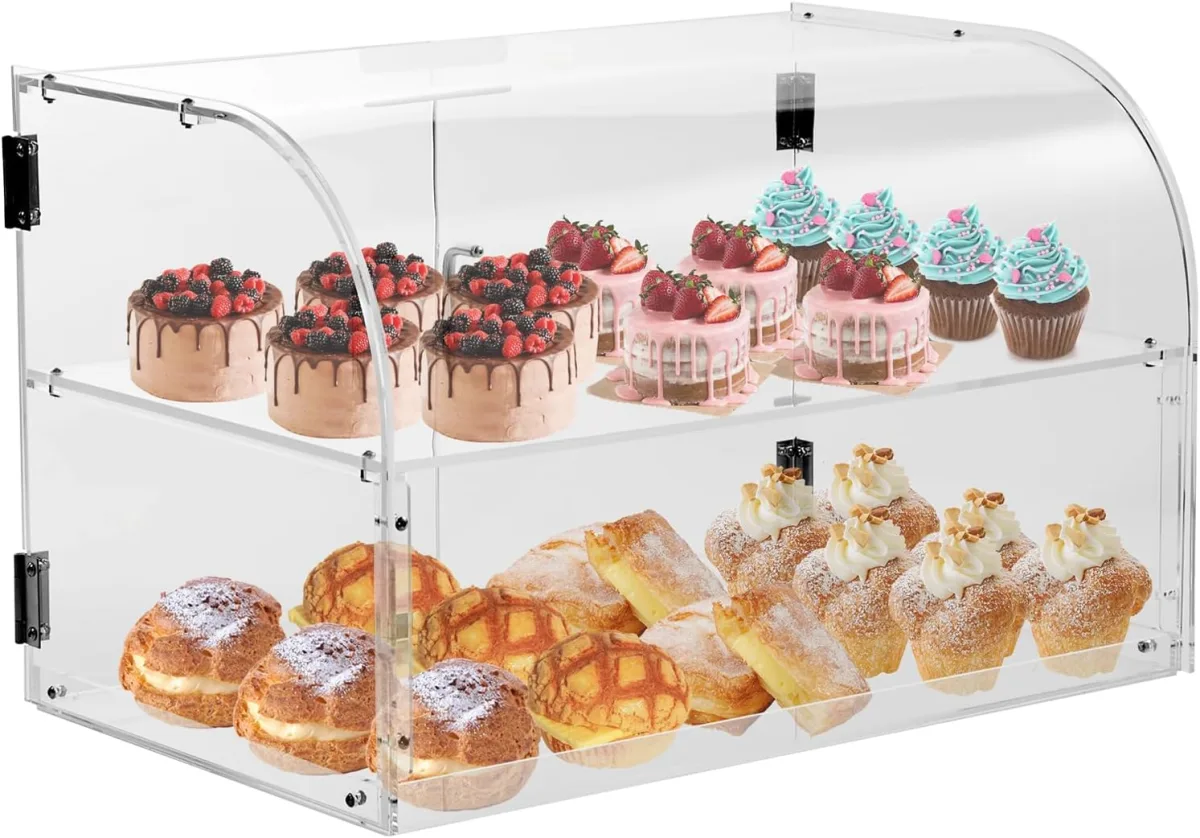
The Ultimate Guide to Commercial Cake Storage Solutions for Bakeries and Cafés
Let me tell you about the time I walked into a local bakery here in Nashville, one of those charming spots with a line out the door on weekends. The owner, a friend of mine, was frantically trying to reorganize her display case because a tiered wedding cake had started to lean like the Tower of Pisa. “Sammy,” she groaned, “I swear, if one more customer asks why their cake looks sad, I’m gonna lose it.” That’s when it hit me: commercial cake storage isn’t just about keeping things cold or pretty, it’s about preserving the soul of your business.
I’ve spent years writing about food culture, and if there’s one thing I’ve learned, it’s that the best bakeries and cafés don’t just make amazing cakes, they store them like they’re handling fine art. But here’s the thing: most of us don’t think about storage until something goes wrong. Maybe it’s a buttercream that’s turned grainy, a fondant that’s started to sweat, or a sponge that’s dried out faster than a conversation with your in-laws. Whatever the case, poor storage can turn a masterpiece into a disaster before it even reaches the customer.
So, what’s this guide all about? By the end, you’ll know:
- Why temperature and humidity control are the unsung heroes of cake storage
- How to choose between display cases, walk-in coolers, and specialized cake fridges without breaking the bank
- The sneaky mistakes even experienced bakers make (and how to avoid them)
- Whether DIY solutions are worth the risk (spoiler: sometimes they’re not)
- How to extend shelf life without compromising quality or safety
Oh, and one more thing, this isn’t just for the big players. Whether you’re running a tiny café with a single display case or a bustling bakery with custom orders flooding in, the principles are the same. So, let’s dive in. And hey, if you’re reading this while eating a slice of cake, no judgment here. I’ve got a half-eaten cinnamon roll on my desk as we speak.
The Science Behind Cake Storage: Why It’s More Complicated Than You Think
Temperature: The Goldilocks Dilemma
Alright, let’s start with the basics: temperature. You probably already know that cakes don’t like extremes. Too hot, and your buttercream turns into soup. Too cold, and your sponge becomes a brick. But here’s where it gets tricky-ot all cakes are created equal. A rich chocolate ganache cake behaves differently than a delicate angel food cake, and a fondant-covered masterpiece has entirely different needs than a naked cake.
Most commercial kitchens aim for a storage temperature between 36°F and 40°F (2°C to 4°C). But is that always the right call? Let’s consider:
- Buttercream and cream cheese frostings: These guys are the divas of the cake world. Store them too cold, and they’ll stiffen up like they’ve just heard bad news. Too warm, and they’ll melt faster than my resolve at a buffet. The sweet spot? Around 38°F (3°C), but even then, you might notice some texture changes if they’re stored for more than a day.
- Fondant: Fondant is like that friend who’s always cold, it prefers slightly warmer temps. Below 40°F (4°C), it can start to sweat, which is about as appealing as it sounds. If you’re storing fondant cakes, consider a separate, slightly warmer fridge (around 45°F or 7°C) or at least a designated section where the temperature is a bit more forgiving.
- Sponge cakes: These are the low-maintenance pals of the group. They can handle a wider range of temperatures, but they’re also the most likely to dry out. If you’re storing them for more than a day, wrap them tightly in plastic wrap or aluminum foil to lock in moisture.
I’m torn between recommending a one-size-fits-all approach and acknowledging that every bakery has unique needs. Maybe the real answer is flexibility. If you’ve got the space, consider multiple storage zones. If not, aim for a middle ground and adjust based on your most popular items. Is this the best approach? Let’s consider the alternatives in the next section.
Humidity: The Invisible Enemy (and Ally)
Humidity is like that quiet coworker who doesn’t say much but ends up controlling the whole office. Too little, and your cakes dry out. Too much, and you’re dealing with condensation, mold, or a fondant that’s lost its will to live. The ideal humidity level for cake storage hovers around 50-60%, but here’s the catch: most commercial fridges aren’t designed with this in mind.
So, what’s a baker to do? Here are a few strategies I’ve seen work (and a few that didn’t):
- Humidity-controlled fridges: These are the Ferraris of cake storage, expensive, but they get the job done. If you’re serious about your cakes, this might be worth the investment. Brands like True Manufacturing and Turbo Air offer models with built-in humidity controls, though they’ll set you back a pretty penny.
- DIY humidity trays: Place a shallow tray of water in your fridge and let evaporation do its thing. It’s not perfect, but it’s better than nothing. Just make sure to clean the tray regularly, you don’t want it turning into a science experiment.
- Silica gel packs: These little packets absorb moisture and can be a lifesaver for fondant cakes. Toss a few into your storage containers, and they’ll help keep things dry. Just don’t let them come into direct contact with the cake, or you’ll have a whole new problem on your hands.
- Air circulation: This is where things get counterintuitive. You might think that sealing your cakes in airtight containers is the way to go, but poor air circulation can lead to uneven humidity levels. Instead, opt for ventilated containers or leave a little space between cakes to let air flow.
I’ve seen bakeries try all of these methods, and honestly, the results vary. One café in East Nashville swears by their humidity trays, while another in Germantown uses silica gel packs like they’re going out of style. Maybe the key is experimentation, find what works for your space, your cakes, and your budget. But whatever you do, don’t ignore humidity. It’s the silent killer of cake quality.
Shelf Life: The Clock Is Ticking
Let’s talk about the elephant in the room: how long can you realistically store a cake? The answer, of course, depends on the type of cake, the ingredients, and how it’s stored. But here’s a rough guide to keep in mind:
- Buttercream cakes: 3-4 days in the fridge, but they’re best within the first 48 hours. After that, the texture starts to suffer, and the frosting can develop a grainy consistency.
- Cream cheese frosting: 3 days max. Cream cheese is a dairy product, and it doesn’t play nice with extended storage. If you’re making cakes with cream cheese frosting, plan to sell them quickly.
- Fondant cakes: Up to 5 days, but only if stored properly. Fondant can start to sweat or develop a sticky texture if it’s not kept in the right conditions.
- Sponge cakes: 2-3 days. These dry out faster than other cakes, so they’re best served fresh. If you’re storing them, wrap them tightly and consider adding a simple syrup brush before serving to revive the moisture.
- Mousse cakes: 2 days. These are the most delicate of the bunch. The mousse can separate or lose its light texture if stored for too long.
Now, I know what you’re thinking: “But Sammy, what about freezing?” Freezing is a whole other beast, and we’ll dive into that later. For now, let’s just say that while freezing can extend shelf life, it’s not a magic bullet. The texture and flavor of your cakes will change, and not always for the better. Is it worth it? Maybe. But only if you’re doing it right.
Choosing the Right Storage Solution: From Display Cases to Walk-In Coolers
Display Cases: The Showstoppers
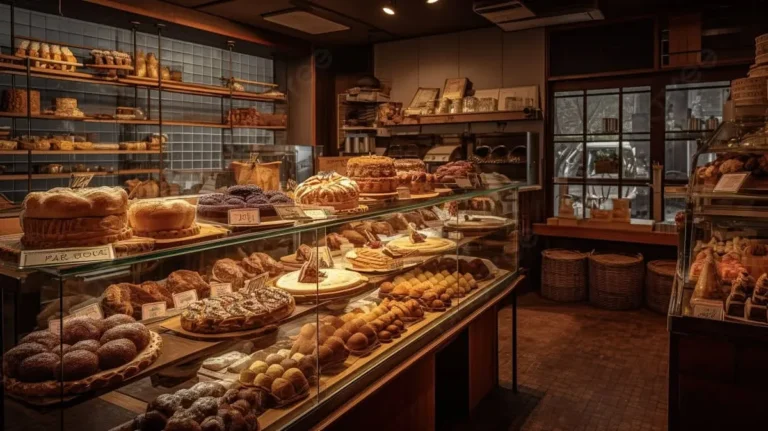
If you’re running a café or a bakery with a front-of-house display, your display case is your first line of defense. It’s where customers fall in love with your creations, and it’s also where those creations are most vulnerable. The wrong display case can turn a beautiful cake into a sad, stale mess in a matter of hours.
So, what should you look for in a display case? Here are a few non-negotiables:
- Temperature control: This is the big one. Your display case should maintain a consistent temperature, ideally between 36°F and 40°F (2°C to 4°C). Some models come with dual-zone controls, which is great if you’re displaying a mix of cakes and pastries with different storage needs.
- Humidity management: Look for cases with built-in humidity controls or at least good air circulation. Some high-end models even come with anti-condensation features to keep your cakes looking their best.
- Lighting: This might seem like a minor detail, but lighting can make or break your display. LED lights are the way to go, they’re energy-efficient and don’t emit heat, which can dry out your cakes. Plus, they make everything look more appetizing. Trust me, a well-lit cake is a happy cake.
- Size and layout: Think about how much product you need to display at once. If you’re a high-volume bakery, you’ll need a case with plenty of shelf space. If you’re a smaller café, a countertop model might be all you need. And don’t forget about height, tiered cakes need room to shine.
I’ve seen bakeries make some common mistakes with display cases. One of the biggest? Overcrowding. It’s tempting to pack as much product as possible into your case, but this restricts airflow and can lead to uneven cooling. Another mistake? Ignoring the door seals. If your case isn’t sealing properly, it’s working overtime to maintain temperature, which can lead to higher energy bills and inconsistent results.
Oh, and one more thing-cleanliness. Display cases are high-traffic areas, and they can get grimy fast. Make sure your case is easy to clean, with removable shelves and smooth surfaces. A dirty display case is a surefire way to turn customers off, no matter how good your cakes are.
Walk-In Coolers: The Heavy Hitters
If you’re running a larger bakery with a high volume of custom orders, a walk-in cooler is probably in your future. These are the workhorses of commercial cake storage, they can handle large quantities of product and offer the flexibility to store cakes of all shapes and sizes. But they’re also a big investment, so you’ll want to make sure you’re getting it right.
Here’s what to consider when choosing a walk-in cooler:
- Size: This is the most obvious factor, but it’s also the most important. You’ll need enough space to store your cakes without overcrowding, plus room to move around. A good rule of thumb is to size up-it’s better to have a little extra space than to be constantly rearranging your cooler.
- Temperature and humidity control: Walk-in coolers are designed to maintain consistent temperatures, but not all of them are great at managing humidity. If you’re storing a lot of fondant cakes or delicate pastries, look for a model with humidity controls or at least good air circulation.
- Shelving: Adjustable shelving is a must. You’ll need to accommodate everything from small cupcakes to towering wedding cakes, so flexibility is key. Wire shelving is popular because it allows for good airflow, but solid shelves can be useful for smaller items.
- Lighting: Yes, even your walk-in cooler needs good lighting. You’ll be in and out of there all day, and you don’t want to be fumbling around in the dark. LED lights are the best choice, they’re bright, energy-efficient, and they don’t emit heat.
- Insulation: The better the insulation, the more energy-efficient your cooler will be. Look for models with high R-values (a measure of insulation’s effectiveness). This will save you money on energy bills in the long run.
I’ve seen bakeries make some costly mistakes with walk-in coolers. One of the biggest? Poor organization. It’s easy to let your cooler become a chaotic mess, but this leads to wasted time and product. Label everything, use clear storage containers, and keep a log of what’s in there. Another mistake? Ignoring maintenance. Walk-in coolers need regular cleaning and upkeep to function properly. If you neglect them, you’ll end up with uneven cooling, higher energy bills, and a shorter lifespan for your equipment.
Oh, and here’s a pro tip: install a backup generator. Power outages happen, and they can wreak havoc on your cooler. A backup generator will keep your cakes safe and your business running smoothly, even when the lights go out.
Specialized Cake Fridges: The Middle Ground
Not every bakery needs a walk-in cooler, but not every bakery can get by with just a display case. If you’re somewhere in the middle, maybe you’re a small bakery with a steady stream of custom orders, a specialized cake fridge might be the perfect solution.
These fridges are designed specifically for cakes, with features like:
- Adjustable shelves: Perfect for accommodating cakes of all sizes, from small cupcakes to multi-tiered wedding cakes.
- Humidity controls: Many models come with built-in humidity management, which is a game-changer for fondant and buttercream cakes.
- Glass doors: Some cake fridges come with glass doors, so you can keep an eye on your inventory without opening the fridge and letting out all the cold air.
- Compact size: These fridges are designed to fit into smaller spaces, making them ideal for bakeries with limited square footage.
I’ve seen bakeries use these fridges in a few different ways. Some use them as their primary storage solution, while others use them as a secondary fridge for delicate items that need extra care. For example, you might store your fondant cakes in the specialized fridge and keep your buttercream cakes in a regular commercial fridge. This way, you can tailor the storage conditions to each type of cake.
One thing to keep in mind: specialized cake fridges can be pricey. If you’re on a tight budget, you might be tempted to opt for a regular commercial fridge instead. But here’s the thing, if you’re serious about your cakes, the investment is worth it. A good cake fridge will pay for itself in reduced waste and happier customers.
The Sneaky Mistakes Even Experienced Bakers Make (And How to Avoid Them)
Ignoring Airflow
Here’s a mistake I see all the time: cakes stacked on top of each other with no room to breathe. It’s an easy trap to fall into, especially when you’re trying to maximize space. But poor airflow is one of the biggest culprits behind uneven cooling, condensation, and texture issues.
So, how do you fix it? Start by spacing your cakes out. Leave at least an inch or two between each cake to allow for proper air circulation. If you’re storing cakes in a walk-in cooler, consider using wire shelving instead of solid shelves. Wire shelving allows air to flow freely, which helps maintain consistent temperatures and humidity levels.
Another tip: avoid storing cakes near the fridge door. The door is the most temperature-volatile part of any fridge, and cakes stored near it are more likely to experience fluctuations. Instead, store your most delicate cakes toward the back of the fridge, where the temperature is more stable.
I know it’s tempting to cram as much as possible into your storage space, but trust me-a little breathing room goes a long way.
Overlooking Packaging
Packaging is one of those things that’s easy to overlook, but it can make a huge difference in how long your cakes stay fresh. The wrong packaging can lead to drying out, condensation, or even contamination. So, what’s the best way to package your cakes for storage?
Here are a few options, depending on your needs:
- Plastic wrap: This is the go-to for most bakers. Plastic wrap is great for locking in moisture and keeping cakes fresh. Just make sure to wrap your cakes tightly, with no gaps. For extra protection, you can wrap them in a layer of aluminum foil before adding the plastic wrap.
- Cake boxes: If you’re storing cakes for transport or delivery, cake boxes are a must. Look for boxes made from food-grade corrugated cardboard, which provides insulation and protection. Some boxes even come with clear plastic windows, so you can show off your cakes without exposing them to the elements.
- Air-tight containers: For smaller cakes or individual slices, air-tight containers are a great option. They’re easy to stack and store, and they keep cakes fresh for longer. Just make sure the containers are large enough to accommodate your cakes without squishing them.
- Vacuum sealing: This is a more advanced option, but it’s worth considering if you’re storing cakes for an extended period. Vacuum sealing removes all the air from the packaging, which helps prevent spoilage and freezer burn. Just be aware that vacuum sealing can compress delicate cakes, so it’s not ideal for everything.
One mistake I see a lot is using the wrong type of plastic wrap. Not all plastic wrap is created equal, some brands are thicker and more durable, while others are flimsy and prone to tearing. If you’re serious about your cakes, invest in a high-quality plastic wrap that won’t let you down.
Another thing to keep in mind: labeling. It’s easy to lose track of what’s in your fridge, especially when you’re busy. Label your cakes with the date they were made and the type of cake. This will help you keep track of inventory and ensure that you’re using the oldest cakes first.
Skipping the Rotation System
Here’s a question for you: Do you know how long each cake in your fridge has been there? If the answer is no, you’re not alone. A lot of bakers don’t have a system for tracking their inventory, and it leads to wasted product and unhappy customers.
The solution? Implement a rotation system. This is a simple but effective way to ensure that you’re using your oldest cakes first and minimizing waste. Here’s how it works:
- Label everything: As soon as a cake comes out of the oven, label it with the date it was made. You can use a simple sticker or a piece of tape with the date written on it.
- Organize your fridge: Store your cakes in order of age, with the oldest cakes at the front and the newest at the back. This way, you’ll always know which cakes to use first.
- Train your staff: Make sure everyone on your team knows how the rotation system works. This is especially important if you have multiple people handling inventory.
- Review regularly: At the end of each day, take a few minutes to review your inventory. Pull any cakes that are getting close to their expiration date and prioritize them for sale or use.
I know it sounds like a lot of work, but trust me, it’s worth it. A good rotation system can save you time, money, and a lot of headaches. Plus, it’s a great way to ensure that your customers are always getting the freshest cakes possible.
Oh, and one more thing-don’t forget about your display case. If you’re using a display case, make sure to rotate the cakes in there as well. Customers are more likely to buy cakes that are front and center, so put your oldest cakes in the most visible spots.
DIY Solutions: Are They Worth the Risk?
The Temptation of DIY
Let’s be real-commercial cake storage solutions can be expensive. A high-end display case can set you back thousands of dollars, and a walk-in cooler is a major investment. So, it’s no surprise that a lot of bakers are tempted to go the DIY route. But is it worth the risk?
I’ve seen bakeries try all sorts of DIY solutions, from repurposed household fridges to homemade humidity trays. Some of these solutions work surprisingly well, while others are a total disaster. The key is knowing which DIY hacks are worth trying and which ones are better left to the professionals.
Here are a few DIY solutions that can work, if done right:
- Repurposed commercial fridges: If you can get your hands on a used commercial fridge, it can be a great way to save money. Just make sure it’s in good working order and that it’s designed for food storage. A household fridge won’t cut it, it’s not built to handle the demands of a commercial kitchen.
- Humidity trays: As I mentioned earlier, a shallow tray of water can help maintain humidity levels in your fridge. It’s not a perfect solution, but it’s better than nothing. Just make sure to clean the tray regularly to prevent mold and bacteria growth.
- DIY cake stands: If you’re short on display space, you can create your own cake stands using materials like acrylic or wood. Just make sure they’re food-safe and easy to clean.
- Ventilation fans: If your fridge is struggling with airflow, a small ventilation fan can help. Just make sure it’s designed for use in a fridge and that it’s installed properly.
Now, here are a few DIY solutions that you should avoid:
- Household fridges: I can’t stress this enough, household fridges are not designed for commercial use. They don’t have the capacity, the temperature control, or the durability to handle the demands of a bakery. Using one is a recipe for disaster.
- Improper insulation: If you’re trying to insulate a storage area, don’t cut corners. Poor insulation can lead to temperature fluctuations, which can ruin your cakes. If you’re not sure what you’re doing, hire a professional.
- Non-food-safe materials: This should go without saying, but I’ll say it anyway, don’t use non-food-safe materials in your storage solutions. This includes things like untreated wood, certain plastics, and anything that hasn’t been approved for food contact.
I get it, DIY solutions can be tempting, especially when you’re on a tight budget. But here’s the thing: your cakes are the heart of your business. If you cut corners on storage, you’re cutting corners on quality. And in this industry, quality is everything.
When to Call in the Professionals
So, when should you call in the professionals? Here are a few signs that it’s time to invest in a commercial-grade solution:
- You’re constantly dealing with spoiled or stale cakes: If your cakes are going bad before you can sell them, it’s a sign that your storage solution isn’t up to par.
- Your energy bills are through the roof: If your fridge is working overtime to maintain temperature, it’s costing you money. A more efficient commercial fridge can save you money in the long run.
- You’re running out of space: If you’re constantly rearranging your fridge to make room for new cakes, it’s time to upgrade to a larger solution.
- Your customers are complaining: If you’re getting complaints about the quality of your cakes, it’s a sign that something’s not right. Don’t ignore the feedback, take it as an opportunity to improve.
I know it’s hard to justify the expense, but trust me-a good storage solution is an investment in your business. It will pay for itself in reduced waste, happier customers, and a smoother workflow. Plus, it’s a lot less stressful than constantly worrying about whether your cakes are going to make it to the customer in one piece.
If you’re not sure where to start, consider hiring a commercial kitchen consultant. They can help you assess your needs and find the best solution for your space and budget. It’s an extra expense, but it’s one that can save you a lot of time and money in the long run.
Extending Shelf Life Without Compromising Quality
The Freezing Debate: To Freeze or Not to Freeze?
Ah, freezing-the great divide of the baking world. Some bakers swear by it, while others wouldn’t touch a frozen cake with a ten-foot pole. So, what’s the truth? Can you really freeze cakes without sacrificing quality?
The answer is yes, but only if you do it right. Freezing can be a great way to extend the shelf life of your cakes, but it’s not as simple as tossing them in the freezer and hoping for the best. Here’s what you need to know:
Which cakes freeze well?
- Sponge cakes: These freeze surprisingly well. Just make sure to wrap them tightly in plastic wrap and aluminum foil to prevent freezer burn.
- Buttercream cakes: Buttercream freezes well, but it can develop a grainy texture if it’s not thawed properly. To avoid this, freeze the cake without any decorations, then add the frosting after thawing.
- Cheesecakes: Cheesecakes freeze like a dream. Just make sure to wrap them tightly and thaw them slowly in the fridge.
Which cakes don’t freeze well?
- Fondant cakes: Fondant doesn’t freeze well. It can develop condensation, which leads to a sticky, unappetizing texture. If you must freeze a fondant cake, wrap it tightly and thaw it slowly, but be prepared for some texture changes.
- Mousse cakes: Mousse doesn’t freeze well. The texture can separate, leaving you with a watery, unappetizing mess. It’s best to avoid freezing mousse cakes altogether.
- Custard-filled cakes: Custard doesn’t freeze well. It can separate and become grainy, so it’s best to avoid freezing custard-filled cakes.
How to freeze cakes properly:
- Cool completely: Before freezing, make sure your cakes are completely cool. If they’re still warm, they’ll develop condensation, which can lead to freezer burn.
- Wrap tightly: Wrap your cakes tightly in plastic wrap, then in aluminum foil. This will help prevent freezer burn and keep your cakes fresh.
- Label and date: Don’t forget to label your cakes with the date they were frozen. This will help you keep track of inventory and ensure that you’re using the oldest cakes first.
- Store properly: Store your cakes in a deep freezer (not a fridge freezer) to maintain a consistent temperature. If possible, use a freezer with a temperature alarm to alert you if the temperature rises.
How to thaw cakes properly:
- Thaw slowly: The key to thawing cakes is to do it slowly. Transfer your cakes from the freezer to the fridge and let them thaw overnight. This will help prevent condensation and texture changes.
- Avoid the microwave: I know it’s tempting to speed up the process, but microwaving your cakes is a surefire way to ruin them. The heat is uneven, and it can lead to a soggy, unappetizing mess.
- Bring to room temperature: Once your cakes are thawed, let them come to room temperature before serving. This will help restore their texture and flavor.
I’m torn on freezing. On one hand, it’s a great way to extend shelf life and reduce waste. On the other hand, it’s not a perfect solution, and it can lead to texture changes. Maybe the real answer is to freeze strategically. Use freezing for cakes that handle it well, and avoid it for cakes that don’t. And always, always thaw slowly.
Natural Preservatives: The Secret Weapon
If you’re looking for a way to extend the shelf life of your cakes without freezing, atural preservatives might be the answer. These are ingredients that help inhibit the growth of mold and bacteria, keeping your cakes fresh for longer. And the best part? They’re all-natural, so you don’t have to worry about artificial additives.
Here are a few natural preservatives to consider:
- Honey: Honey is a natural humectant, which means it helps retain moisture. Adding a little honey to your cake batter can help keep your cakes moist and fresh for longer. Plus, it adds a subtle sweetness that pairs well with most flavors.
- Vinegar: Vinegar is a natural preservative that helps inhibit the growth of mold and bacteria. You don’t need much, just a teaspoon or two in your cake batter can make a big difference. Apple cider vinegar is a great choice because it has a mild flavor that won’t overpower your cake.
- Lemon juice: Like vinegar, lemon juice is a natural preservative that helps inhibit mold and bacteria. It also adds a bright, citrusy flavor that pairs well with many cake recipes. Just be careful not to add too much, or you’ll end up with a sour cake.
- Cinnamon: Cinnamon is a natural antimicrobial, which means it helps inhibit the growth of mold and bacteria. Adding a teaspoon or two to your cake batter can help extend shelf life. Plus, it adds a warm, spicy flavor that’s perfect for fall and winter cakes.
- Ginger: Like cinnamon, ginger is a natural antimicrobial. It also adds a spicy, zesty flavor that pairs well with many cake recipes. Fresh ginger works best, but ground ginger will do in a pinch.
I’ve seen bakeries use these preservatives with great success. One bakery in Nashville swears by honey and vinegar, while another in Franklin uses lemon juice and cinnamon. The key is to experiment. Try adding a little of one or two preservatives to your cake batter and see how it affects the shelf life. Just make sure to keep track of what you’re doing, so you can replicate your successes.
Oh, and one more thing-don’t go overboard. Adding too much of any preservative can alter the flavor and texture of your cakes. Start with small amounts and adjust as needed.
Proper Handling: The Human Factor
Here’s something a lot of bakers don’t think about: human error. No matter how good your storage solution is, if your staff isn’t handling your cakes properly, you’re going to run into problems. From cross-contamination to temperature fluctuations, there are a lot of ways things can go wrong.
So, how do you minimize the risk of human error? Start by training your staff. Make sure everyone knows the proper procedures for handling, storing, and transporting cakes. This includes things like:
- Washing hands: It should go without saying, but I’ll say it anyway-wash your hands. Before handling any cake, make sure your hands are clean. This will help prevent cross-contamination and keep your cakes safe.
- Using gloves: If you’re handling cakes with your hands, consider using gloves. This is especially important if you’re working with delicate decorations or fillings.
- Storing cakes properly: Make sure your staff knows how to store cakes properly. This includes things like wrapping cakes tightly, labeling them with the date, and rotating inventory.
- Transporting cakes safely: If you’re delivering cakes, make sure your staff knows how to transport them safely. This includes using proper packaging, securing cakes in the vehicle, and avoiding temperature fluctuations.
Another thing to consider: temperature monitoring. Even the best storage solution won’t work if the temperature isn’t right. Make sure your staff knows how to monitor the temperature of your fridges and freezers, and that they know what to do if the temperature rises.
I know it’s a lot to think about, but trust me-proper handling is just as important as proper storage. If you want your cakes to stay fresh and delicious, you need to make sure everyone on your team is on the same page.
Wrapping Up: Your Cake Storage Game Plan
Alright, let’s take a step back and recap what we’ve covered. Commercial cake storage isn’t just about keeping things cold, it’s about preserving quality, reducing waste, and keeping your customers happy. Whether you’re running a tiny café or a bustling bakery, the principles are the same: control temperature, manage humidity, and handle your cakes with care.
So, what’s your next move? Here’s a quick game plan to get you started:
- Assess your current setup: Take a look at your storage solutions and identify any areas for improvement. Are your cakes drying out? Is your fridge overcrowded? Are you dealing with condensation or mold? Make a list of the issues you’re facing.
- Invest in the right equipment: If your current setup isn’t cutting it, it’s time to invest in something better. Whether it’s a new display case, a specialized cake fridge, or a walk-in cooler, make sure you’re choosing a solution that fits your needs and budget.
- Implement a rotation system: Start labeling your cakes with the date they were made and organize your fridge so that the oldest cakes are used first. This will help reduce waste and ensure that your customers are always getting the freshest cakes possible.
- Train your staff: Make sure everyone on your team knows how to handle, store, and transport cakes properly. This includes things like washing hands, using gloves, and monitoring temperature.
- Experiment with preservatives: If you’re looking for a way to extend shelf life, try adding a little honey, vinegar, or lemon juice to your cake batter. Just make sure to start with small amounts and adjust as needed.
- Consider freezing: If you’re dealing with a lot of waste, freezing might be a good option. Just make sure to freeze your cakes properly and thaw them slowly to avoid texture changes.
I know it’s a lot to take in, but don’t feel overwhelmed. Start with one or two changes and build from there. Maybe you’ll begin by implementing a rotation system, or perhaps you’ll invest in a new display case. Whatever you do, just remember that every little improvement adds up.
And hey, if you’re feeling stuck, don’t be afraid to reach out for help. Whether it’s a commercial kitchen consultant, a fellow baker, or even a trusted supplier, there are plenty of people who can offer advice and support. After all, we’re all in this together.
So, what’s your biggest cake storage challenge? Are you struggling with humidity, temperature, or something else? Drop a comment below, I’d love to hear your thoughts. And if you found this guide helpful, don’t forget to share it with your fellow bakers. Let’s keep those cakes fresh and delicious, one slice at a time.
FAQ: Your Cake Storage Questions Answered
Q: What’s the ideal temperature for storing cakes in a commercial fridge?
A: The ideal temperature for storing most cakes is between 36°F and 40°F (2°C to 4°C). However, fondant cakes prefer slightly warmer temps, around 45°F (7°C), to prevent sweating. If you’re storing a mix of cakes, aim for a middle ground and adjust as needed.
Q: How can I prevent my cakes from drying out in the fridge?
A: The key to preventing dryness is proper packaging and humidity control. Wrap your cakes tightly in plastic wrap or aluminum foil to lock in moisture, and consider using a humidity tray or silica gel packs to manage humidity levels. Also, make sure your fridge isn’t overcrowded, good airflow is essential for maintaining consistent conditions.
Q: Can I store cakes at room temperature, or do they always need to be refrigerated?
A: It depends on the type of cake. Buttercream and fondant cakes should always be refrigerated, especially if they contain perishable fillings like custard or cream. Sponge cakes can sometimes be stored at room temperature for a day or two, but they’ll dry out faster. If you’re unsure, it’s always safer to refrigerate.
Q: What’s the best way to thaw a frozen cake?
A: The best way to thaw a frozen cake is to transfer it from the freezer to the fridge and let it thaw overnight. This slow thawing process helps prevent condensation and texture changes. Once the cake is thawed, let it come to room temperature before serving. Avoid microwaving your cakes, it’s a surefire way to ruin their texture.
@article{the-ultimate-guide-to-commercial-cake-storage-solutions-for-bakeries-and-cafes-keep-your-creations-fresh-and-profitable,
    title   = {The Ultimate Guide to Commercial Cake Storage Solutions for Bakeries and Cafés: Keep Your Creations Fresh and Profitable},
    author  = {Chef's icon},
    year    = {2026},
    journal = {Chef's Icon},
    url     = {https://chefsicon.com/commercial-cake-storage-solutions-bakeries-cafes/}
}