The Best Fluffy Pancakes recipe you will fall in love with. Full of tips and tricks to help you make the best pancakes.

Let me tell you about the time I volunteered at my niece’s middle school cafeteria. It was supposed to be a simple “help serve lunch” gig, but I walked in expecting trays of pizza and chocolate milk, only to find myself staring at a sad, lukewarm pile of baby carrots next to something labeled “veggie nuggets.” The kids weren’t buying it. Literally. Half the snacks sat untouched while a line formed at the vending machine down the hall, where bags of chips and candy bars flew off the shelves like they were on fire.
Here’s the thing: I get it. School cafeterias are stuck between a rock and a hard place. You’ve got USDA guidelines breathing down your neck, tight budgets, picky eaters, and equipment that was probably installed when *NSYNC was still a thing. But what if I told you it’s possible to serve snacks that are both nutritious and appealing, without requiring a Michelin-starred chef or a blank check? The secret isn’t just in the recipes. It’s in the equipment.
This guide isn’t just another list of “healthy snack ideas” you’ve seen a hundred times. We’re diving deep into the tools, machines, and setups that make nutritious snacking scalable, efficient, and, dare I say, cool for kids. Whether you’re a school nutrition director, a parent on the PTA, or a cafeteria manager trying to keep your sanity, you’ll walk away with actionable insights on how to upgrade your snack game. And don’t worry, I won’t just tell you to “buy a blender.” We’re talking real, practical solutions that work in the trenches of a school cafeteria.
By the end of this, you’ll know:
- Which essential equipment every school cafeteria needs to serve nutritious snacks efficiently.
- How to repurpose existing tools to save money while expanding your snack menu.
- The hidden pitfalls of common snack prep methods (and how to avoid them).
- How to make snacks visually appealing-because if it doesn’t look good, kids won’t touch it.
- Real-world case studies of schools that actually pulled this off (and what you can learn from them).
So, let’s get one thing straight: This isn’t about turning your cafeteria into a health food store. It’s about meeting kids where they are, with flavors and textures they already love, and sneaking in the good stuff without them noticing. Sound impossible? Stick with me.
The Foundation: Essential Equipment for Nutritious School Snacks
1. The Workhorse: Commercial-Grade Food Processors
If I had to pick one piece of equipment that changes the game for school snacks, it’s a commercial-grade food processor. And no, I’m not talking about that tiny Cuisinart you use to make pesto at home. We’re talking about the kind that can pulverize 10 pounds of sweet potatoes into silky-smooth hummus in under a minute.
Why does this matter? Because texture is everything for kids. A chunky, fibrous veggie dip? Hard pass. A smooth, creamy one that looks like it came from a chip brand? Suddenly, carrots and celery are the hottest ticket in the cafeteria. A good food processor lets you:
- Make large batches of dips and spreads (think black bean dip, roasted red pepper hummus, or even a sneaky cauliflower-based “cheese” sauce).
- Create veggie-packed muffins and energy bites by finely grating zucchini or carrots into the batter.
- Pulse nuts and seeds into ut-free “butters” (sunflower seed butter, anyone?) for sandwiches or fruit dips.
I’ll be honest: I was skeptical at first. Do we really need another machine taking up space in an already cramped kitchen? But after seeing a school in Austin use their food processor to turn leftover roasted veggies into a savory oatmeal topping (yes, really), I was sold. The kids went nuts for it. Pun intended.
Pro tip: Look for a model with a batch bowl capacity of at least 4 quarts and a variable speed control. You’ll thank me when you’re making 5 gallons of guacamole for Taco Tuesday.
2. The Game-Changer: Air Fryers (Yes, Really)
I can already hear the eye rolls. “Air fryers? In a school cafeteria?” Stick with me here. Air fryers aren’t just for making frozen mozzarella sticks at home. In a school setting, they’re a low-oil, high-volume solution for creating crispy, craveable snacks without deep-frying everything in sight.
Here’s why they’re a big deal:
- Healthier “fried” foods: Think crispy kale chips, zucchini fries, or even apple chips. Kids love the crunch, and you can control the amount of oil (or skip it entirely).
- Faster cooking times: Air fryers preheat in minutes and cook food faster than conventional ovens, which is a godsend during the 20-minute snack rush.
- Energy efficiency: They use less electricity than a full-sized oven, which is a win for your utility bill.
Now, I’m not saying you should toss out your convection ovens. But for schools with limited space or budgets, a commercial-grade air fryer (like the ones from brands such as Vulcan or TurboChef) can be a game-changer. One school in Ohio used theirs to make spiced chickpea “popcorn”, and it became the most popular snack in the cafeteria. Who knew?
Is this the best approach? Let’s consider the downsides. Air fryers have a smaller capacity than ovens, so you’ll need to cook in batches. And if you’re not careful, the food can dry out. But with a little practice (and maybe a spray bottle of water), you can avoid that.
3. The Unsung Hero: High-Speed Blenders
Blenders might seem basic, but a high-speed commercial blender is a powerhouse for nutritious snacks. We’re not talking about the $20 model from Target. I’m talking about the kind that can turn frozen bananas into soft-serve ice cream in 30 seconds.
Here’s how schools are using them:
- Smoothie stations: Blend yogurt, frozen fruit, and a splash of milk for a drinkable snack. Add spinach or avocado, and the kids won’t even notice (seriously, try it).
- Nut-free “milks”: Oat milk, almond milk (if allergies aren’t an issue), or even soy milk can be made in-house for pennies on the dollar.
- Dessert alternatives: Blend frozen mango with coconut milk for a sorbet-like treat. Or make a chocolate avocado pudding that’s so rich, no one will guess it’s healthy.
A word of caution: Not all blenders are created equal. You’ll want one with a tamper tool (to push down thick mixtures) and a powerful motor (at least 3 horsepower). Otherwise, you’ll burn out the motor trying to blend frozen fruit into submission. Trust me, I’ve been there.
4. The Space-Saver: Combination Ovens
I know what you’re thinking: “We don’t have room for another oven.” Hear me out. A combination oven (also called a combi oven) does the work of a steamer, convection oven, and proofing cabinet all in one. For schools with tight kitchens, this is a lifesaver.
Why it’s worth the investment:
- Versatility: Roast veggies, bake muffins, or steam dumplings, all in the same machine. One school in California used theirs to make baked sweet potato wedges that outsold fries 2-to-1.
- Consistency: Combi ovens cook food evenly, so you’re not dealing with burnt edges and raw centers.
- Speed: They cook faster than conventional ovens, which means you can serve more kids in less time.
I’m torn between recommending these for every school or just the ones with the space and budget. They’re not cheap, but if you can swing it, they’ll pay for themselves in efficiency. Maybe I should clarify: If your school serves more than 200 kids a day, it’s probably worth the investment. If you’re a smaller operation, a good convection oven might suffice.
5. The Secret Weapon: Dehydrators
Dehydrators are the most underrated tool in a school cafeteria. They’re not just for making beef jerky (though that’s an option). They’re for creating shelf-stable, nutrient-dense snacks that kids actually want to eat.
Here’s how schools are using them:
- Fruit leather: Blend apples, strawberries, or mangoes into a puree, spread it on a tray, and dehydrate. The result? A chewy, sweet snack that’s basically nature’s Fruit by the Foot.
- Veggie chips: Thinly slice beets, sweet potatoes, or kale, toss them in a little oil and salt, and dehydrate until crispy. Boom, chips without the guilt.
- Herb blends: Dehydrate fresh herbs to make custom seasoning blends for popcorn, roasted chickpeas, or veggie dips.
The best part? Dehydrators are low-energy and low-maintenance. You can set them and forget them (unlike an oven, which requires constant monitoring). One school in Colorado used theirs to make apple-cinnamon “chips” that became a hit with the elementary kids. The only downside? You’ll need to experiment with drying times, but once you get the hang of it, it’s a breeze.
Beyond the Basics: Equipment for Next-Level Snack Prep
6. The Batch King: Commercial Mixers
If you’re making snacks in large quantities, a commercial mixer is non-negotiable. We’re not talking about the hand mixer you use to make cookies at home. I’m talking about a 20-quart stand mixer that can knead dough for 100 whole-grain muffins without breaking a sweat.
Here’s why it’s a must-have:
- Consistency: No more lumpy granola bars or dense muffins. A good mixer ensures everything is evenly mixed.
- Time savings: Mixing 50 pounds of muffin batter by hand? No thanks. A mixer does it in minutes.
- Versatility: Use it for dough, batters, or even whipping cream for fruit parfaits.
I’ll admit, I didn’t appreciate mixers until I saw one in action at a high school in Texas. They were making whole-grain banana bread for 500 kids, and the mixer handled it like a champ. The bread was moist, the crumb was perfect, and the kids devoured it. If you’re serious about baking in bulk, this is the way to go.
7. The Cool Customer: Undercounter Refrigeration
You’d be surprised how many schools try to prep snacks without proper refrigeration. A undercounter fridge or freezer might seem like a small upgrade, but it makes a world of difference. Here’s why:
- Space efficiency: Fits under counters or in tight corners, freeing up floor space for other equipment.
- Accessibility: Keeps ingredients like yogurt, fruit, or prepped veggies within arm’s reach, so you’re not running to the walk-in fridge every five minutes.
- Food safety: Prevents ingredients from sitting out at room temperature, reducing the risk of spoilage.
One school in Florida used their undercounter fridge to store pre-cut fruit cups for grab-and-go snacks. The result? Fruit consumption doubled. It’s a small change, but it adds up.
8. The Presentation Pro: Display Cases
Let’s be real: If a snack doesn’t look appealing, kids won’t eat it. That’s where display cases come in. They’re not just for bakeries. In a school cafeteria, they can make nutritious snacks look irresistible.
Here’s how to use them effectively:
- Highlight the good stuff: Use a display case for fresh fruit, yogurt parfaits, or homemade granola bars. The more visible, the better.
- Keep it fresh: A refrigerated display case can keep items like fruit cups or veggie trays at the perfect temperature.
- Encourage variety: Use tiered displays to showcase different options, so kids can see their choices at a glance.
A school in Oregon used a glass-front display case for their homemade trail mix bars, and sales skyrocketed. The kids loved seeing the options, and the cafeteria staff loved how easy it was to restock. It’s a win-win.
9. The Time-Saver: Prep Tables with Sinks
Prep tables with built-in sinks might not sound exciting, but they’re a game-changer for efficiency. Here’s why:
- Streamlined workflow: Wash, chop, and prep ingredients in one place. No more running back and forth to the sink.
- Food safety: Having a sink nearby means you can wash hands or rinse produce without leaving the prep area.
- Organization: Use the counter space for cutting boards, bowls, and utensils, so everything is within reach.
I saw this in action at a middle school in Georgia. They used their prep table to assemble veggie and hummus wraps for the snack line. The sink made it easy to rinse veggies, and the counter space kept everything organized. The wraps were a hit, and the staff loved how efficient the process was.
10. The Wildcard: Spiralizers and Mandolines
If you want to get kids excited about veggies, spiralizers and mandolines are your secret weapons. These tools turn ordinary veggies into fun, noodle-like shapes that kids actually want to eat.
Here’s how schools are using them:
- Zucchini noodles (“zoodles”): Toss them with a little olive oil and parmesan for a low-carb pasta alternative.
- Sweet potato “fries”: Use a mandoline to slice sweet potatoes into thin, crispy fries. Bake or air-fry for a healthier take on fries.
- Cucumber ribbons: Spiralize cucumbers for a refreshing salad or snack.
A high school in New York used a spiralizer to make carrot and beet noodles for their salad bar. The kids went wild for the “rainbow noodles,” and the cafeteria staff loved how easy it was to prep. It’s a small investment with a big payoff.
Putting It All Together: Real-World Examples
Alright, let’s take a step back. We’ve covered a lot of equipment, but how does this actually work in a real school cafeteria? I’ve talked to a few schools that have successfully upgraded their snack programs, and here’s what I learned.
Case Study 1: The Air Fryer Revolution
A middle school in Ohio was struggling with low participation in their snack program. The kids were skipping the cafeteria and hitting the vending machines instead. The solution? They invested in a commercial air fryer and started making crispy chickpeas, zucchini fries, and apple chips. The results were staggering:
- Snack participation increased by 40% in the first month.
- The air fryer paid for itself in three months through increased sales.
- The staff loved how easy it was to use and clean.
The key takeaway? Kids love crunchy, savory snacks. If you can give them that without the guilt, they’ll come back for more.
Case Study 2: The Smoothie Station
A high school in California wanted to offer a healthier alternative to soda and energy drinks. They set up a smoothie station with a high-speed blender and a refrigerated display case. Here’s what they offered:
- Green smoothies (spinach, banana, and almond milk).
- Berry blast smoothies (strawberries, blueberries, and yogurt).
- Tropical smoothies (mango, pineapple, and coconut water).
The results?
- Smoothie sales outpaced soda sales within two months.
- The school reduced its sugar intake by 30% during snack time.
- The blender paid for itself in six weeks.
The lesson? Kids will choose a fun, colorful drink over a can of soda if it’s presented well. And with a high-speed blender, you can make it happen without breaking a sweat.
Case Study 3: The Dehydrator Experiment
An elementary school in Colorado wanted to reduce food waste while offering healthier snacks. They invested in a commercial dehydrator and started turning surplus fruit into fruit leather and apple chips. Here’s what happened:
- Food waste decreased by 25% in the first semester.
- The fruit leather became the most popular snack in the cafeteria.
- The school saved money by using fruit that would have otherwise gone to waste.
The takeaway? Dehydrators are a low-cost, high-reward investment. They’re easy to use, energy-efficient, and can turn surplus ingredients into shelf-stable snacks.
The Nitty-Gritty: Budgeting and Prioritizing
I get it. Not every school has the budget to buy all this equipment at once. So, how do you prioritize? Here’s my rough guide to what to invest in first, based on impact and cost.
Phase 1: The Essentials (Under $5,000)
If you’re starting from scratch, focus on these first:
- Commercial food processor ($1,500–$3,000): The backbone of your snack prep.
- High-speed blender ($500–$1,500): For smoothies, dips, and sauces.
- Undercounter fridge ($1,000–$2,000): For storing prepped ingredients.
- Prep table with sink ($1,000–$2,000): For efficient workflow.
These four items will give you the foundation to make a wide variety of snacks without breaking the bank.
Phase 2: The Upgrades ($5,000–$15,000)
Once you’ve got the basics covered, consider these:
- Commercial air fryer ($2,000–$4,000): For crispy, low-oil snacks.
- Combination oven ($5,000–$10,000): For baking, roasting, and steaming.
- Commercial mixer ($2,000–$4,000): For large batches of baked goods.
- Display cases ($1,000–$3,000): For showcasing your snacks.
These upgrades will take your snack program to the next level, allowing you to offer more variety and efficiency.
Phase 3: The Dream Setup ($15,000+)
If you’ve got the budget (or a grant), these are the cherry on top:
- Dehydrator ($1,000–$3,000): For fruit leather, veggie chips, and more.
- Spiralizer/mandoline ($200–$500): For fun, noodle-like veggies.
- Additional refrigeration ($3,000–$6,000): For storing more prepped ingredients.
- Smart kitchen systems ($5,000–$10,000): For tracking inventory and reducing waste.
This is the kind of setup that turns a school cafeteria into a snack powerhouse. But even if you can’t get here right away, the essentials will get you 80% of the way there.
Final Thoughts: Where Do We Go From Here?
Let’s be real: Changing a school’s snack program isn’t easy. There are budgets to consider, kids to please, and USDA guidelines to follow. But here’s what I’ve learned from talking to schools that have successfully made the switch: It’s not about perfection. It’s about progress.
You don’t need to overhaul your entire cafeteria overnight. Start small. Maybe it’s adding a food processor to make better dips. Or setting up a smoothie station with a high-speed blender. Or investing in an air fryer to make crispy veggie chips. Every little change adds up.
And here’s the thing: Kids are more open to trying new things than we give them credit for. They just need to be presented in a way that’s fun, familiar, and appealing. That’s where the right equipment comes in. It’s not just about making snacks healthier. It’s about making them irresistible.
So, what’s your next move? Maybe it’s pitching a small equipment upgrade to your school’s administration. Or testing out a new recipe with your existing tools. Whatever it is, I’d love to hear how it goes. Drop a comment below or shoot me an email. And if you’re feeling stuck, remember: Every school that’s successfully upgraded their snack program started exactly where you are now. The only difference? They took the first step.
Now, if you’ll excuse me, I’ve got to go check on Luna. She’s been giving me the side-eye ever since I started writing about zucchini fries. I think she’s jealous of the attention.
FAQ
Q: We have a tight budget. What’s the one piece of equipment you’d recommend starting with?
A: If I had to pick just one, I’d go with a commercial food processor. It’s incredibly versatile, you can use it to make dips, spreads, energy bites, and even finely grate veggies into baked goods. It’s the backbone of a nutritious snack program, and it won’t break the bank. Start with a 4-quart model, and you’ll be amazed at how much you can do with it.
Q: How do we get kids to actually eat the healthier snacks?
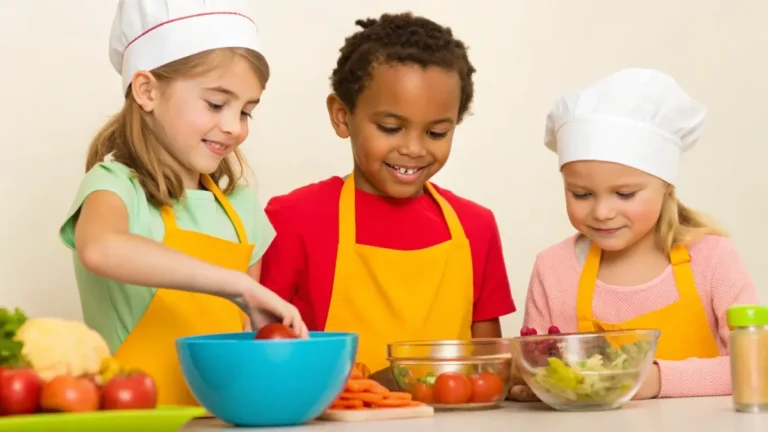
A: Presentation is everything. Kids eat with their eyes first, so make snacks colorful, fun, and visually appealing. Use display cases to showcase options, and give snacks fun names (e.g., “Power Punch Smoothies” or “Crunchy Zucchini Fries”). Also, involve the kids in the process. Let them vote on new snack ideas or help with prep (e.g., assembling their own trail mix). The more ownership they feel, the more likely they are to try it.
Q: Are there any equipment maintenance tips to keep things running smoothly?
A: Absolutely. First, train your staff on how to use and clean each piece of equipment properly. Improper use can lead to breakdowns or safety hazards. Second, schedule regular maintenance. For example, sharpen the blades on your food processor or mandoline regularly to keep them cutting efficiently. Third, keep a log of issues. If something starts acting up, address it before it becomes a bigger problem. And finally, clean as you go. It’s tempting to leave cleanup for later, but taking a few minutes to wipe down equipment after use can extend its lifespan significantly.
Q: What are some common mistakes schools make when upgrading their snack equipment?
A: One of the biggest mistakes is ot considering workflow. For example, buying a high-speed blender but not having a prep table nearby can slow down your process. Another mistake is underestimating capacity. If you’re serving 500 kids, a 2-quart food processor isn’t going to cut it. Finally, schools often forget about storage. If you’re making large batches of snacks, you’ll need enough refrigeration or shelf space to store them. Plan ahead to avoid bottlenecks.
@article{the-ultimate-school-cafeteria-snack-equipment-guide-for-nutritious-and-actually-tasty-options,
    title   = {The Ultimate School Cafeteria Snack Equipment Guide for Nutritious (and Actually Tasty) Options},
    author  = {Chef's icon},
    year    = {2026},
    journal = {Chef's Icon},
    url     = {https://chefsicon.com/school-cafeteria-snack-equipment-guide-for-nutritious-options/}
}