The Best Fluffy Pancakes recipe you will fall in love with. Full of tips and tricks to help you make the best pancakes.
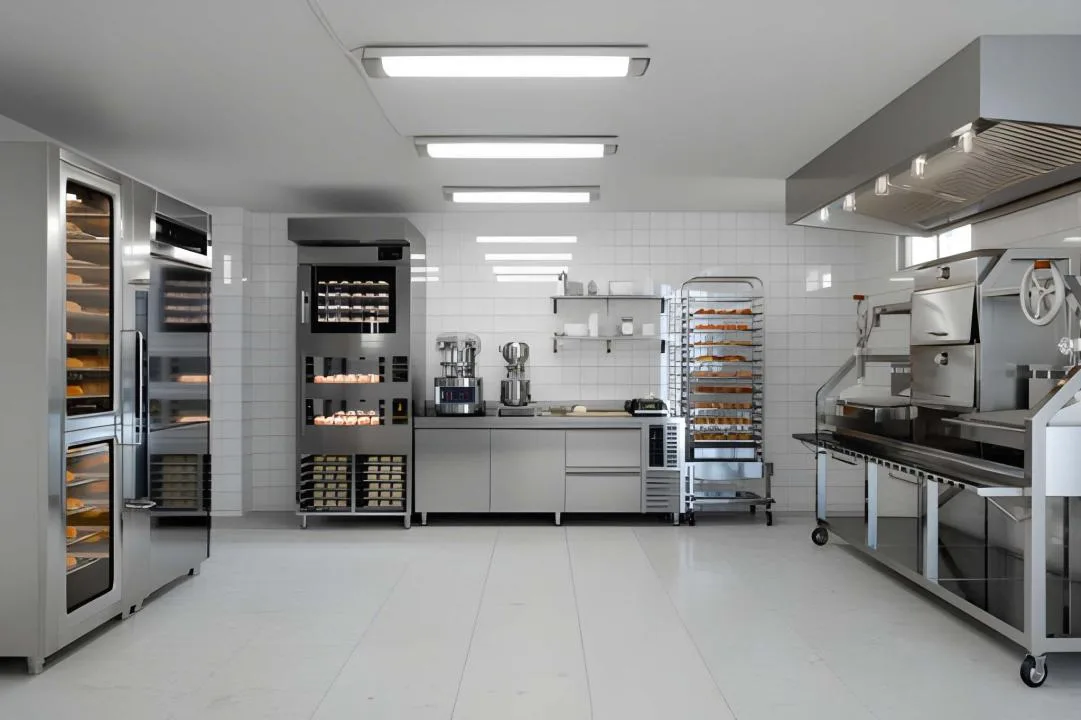
So, you’re opening a restaurant. Congratulations, you’ve either lost your mind or found your calling, and honestly, it’s probably a bit of both. I remember when I first walked into a commercial kitchen as a consultant, back when I was still wide-eyed and thought I knew what “hard work” meant. Spoiler: I didn’t. That first walk-in cooler nearly swallowed me whole, and the line cook just smirked and said, “Welcome to the big leagues, kid.” Fast forward a few years, and here I am, still learning, still making mistakes, but at least now I know which mistakes are worth making.
If you’re reading this, you’re probably standing in an empty space right now, staring at a floor plan that looks like it was drawn by someone who’s never actually cooked a meal, let alone run a service. Or maybe you’re still in the dreaming phase, scrolling through equipment catalogs at 2 AM, wondering if you really need a combi oven or if that’s just something fancy chefs on Instagram use to justify their prices. Here’s the truth: you don’t need everything right away, but you do need the right things. And more importantly, you need to understand why you need them.
This isn’t just another listicle telling you to buy a commercial range and call it a day. This is the guide I wish I’d had when I was helping my friend Marco open his taqueria in East Nashville. We made every mistake in the book, overspending on gadgets we never used, underestimating how much refrigeration we’d need, and nearly burning down the place because we skimped on ventilation. (Okay, that last one was mostly my fault. Lesson learned.) What you’ll find here is a mix of hard-won lessons, practical advice, and the occasional rant about why no one tells you how much grease traps actually cost. By the end, you’ll have a clearer picture of what your kitchen reallyeeds, not just what the sales rep is pushing.
We’ll cover everything from the on-negotiable essentials to the ice-to-haves that can wait, how to avoid the most common (and expensive) mistakes, and even how to talk to contractors without feeling like they’re speaking a different language. And because I know you’re probably overwhelmed, I’ll keep it real: some of this stuff is boring. Like, really boring. But boring is good. Boring means you’re not going to forget to install a handwashing station and get shut down on day one. So let’s dive in.
The Foundation: What Every Commercial Kitchen Actually Needs
Before we get into the nitty-gritty of equipment, let’s talk about the stuff that’s easy to overlook but impossible to live without. These are the backbone elements of your kitchen, the things that keep the health inspector happy, your staff sane, and your food safe. Miss one of these, and you’re playing a very expensive game of catch-up.
1. The Unsexy but Non-Negotiable: Health and Safety Basics
I get it. You want to talk about high-end ranges and artisan pizza ovens. But first, let’s talk about the things that will get you shut down faster than you can say “Where’s the fire extinguisher?” Health and safety regulations aren’t just bureaucratic red tape, they’re the difference between a thriving business and a very public, very embarrassing closure. And trust me, no one wants to be the restaurant that goes viral for all the wrong reasons.
First up: handwashing stations. You’d think this would be obvious, but you’d be surprised how many new owners forget to install enough of them, or worse, install them in places that are completely inconvenient for staff. The rule of thumb is that you need a dedicated handwashing sink in or near every food prep area, and it needs to have hot and cold running water, soap, and a way to dry hands (paper towels, not air dryers, those are a breeding ground for bacteria). And no, the sink you use for washing veggies doesn’t count. I’ve seen kitchens where the only handwashing station was on the opposite side of the line from where the cooks were working. Guess how often they washed their hands? Exactly.
Next: grease management. If you’re cooking anything with fat, burgers, fried chicken, even veggies in oil, you’re going to generate grease. And if you don’t manage it properly, you’re going to have a grease trap backup that’ll make your kitchen smell like a fast-food dumpster on a hot day. Grease traps need to be sized correctly for your volume, and they need to be cleaned regularly. I’ve seen restaurants try to save money by installing a tiny grease trap, only to spend thousands on emergency cleanings when it overflows. Don’t be that guy. Also, make sure your hood system is up to code. A good exhaust hood isn’t just about keeping your kitchen from getting smoky, it’s about keeping your staff from passing out from heat exhaustion. And yes, the health inspector will check.
Finally, fire suppression systems. If you’re using gas (and most commercial kitchens are), you eed a fire suppression system that’s tied into your hood. This isn’t optional. If a fire starts, this system will automatically cut off the gas and deploy a fire-suppressing agent. It’s not cheap, but neither is rebuilding your kitchen after a fire. And while we’re on the subject of fire, make sure you have the right fire extinguishers on hand. Class K extinguishers are designed for commercial kitchens, they’re the ones that can handle grease fires. A regular ABC extinguisher won’t cut it.
Is this the most exciting part of opening a restaurant? No. But is it the most important? Absolutely. Get this stuff right, and you’ll spend less time dealing with inspectors and more time actually cooking.
2. The Heart of the Kitchen: Cooking Equipment That Won’t Let You Down
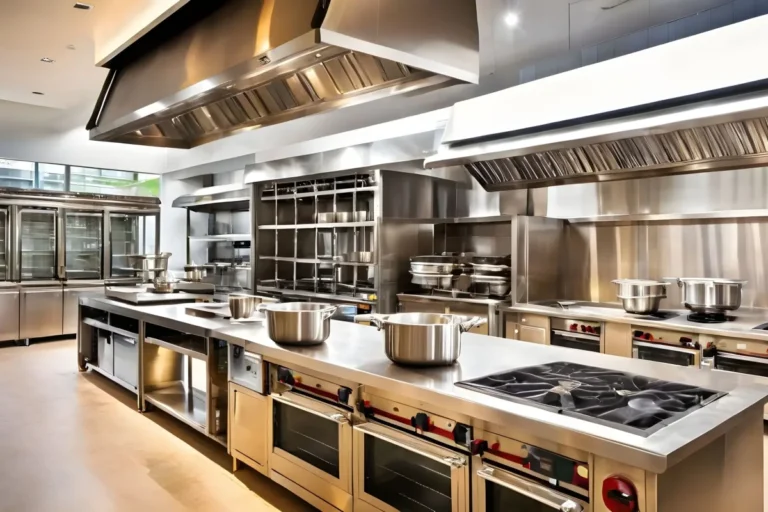
Alright, now we can talk about the fun stuff, the equipment that’ll make or break your menu. The cooking line is where the magic happens, but it’s also where a lot of new owners go wrong. Either they overspend on equipment they don’t need, or they cheap out on the stuff that matters. So how do you strike the right balance?
First, let’s talk about the commercial range. This is the workhorse of your kitchen, and it’s not something you want to skimp on. A good range will have multiple burners, a griddle, and maybe even a charbroiler. The key here is flexibility, you want something that can handle everything from searing steaks to simmering sauces. But here’s the thing: you don’t need the biggest, fanciest range on the market. I’ve seen kitchens with six-burner ranges that only ever use two burners at a time. Think about your menu. If you’re running a burger joint, you might not need a French top (a flat, even-heating surface used in high-end kitchens). But if you’re doing a lot of sautéing, it might be worth the investment.
Next up: ovens. There are so many types, convection, deck, combi, conveyor, and it’s easy to get overwhelmed. Here’s the breakdown: Convection ovens are the most versatile. They use a fan to circulate hot air, which means faster, more even cooking. They’re great for everything from roasting veggies to baking cookies. Deck ovens are what you’ll find in most pizzerias, they have a stone or brick deck that gives pizzas that perfect crispy crust. Combi ovens are the Swiss Army knives of the oven world, they can steam, bake, roast, and even smoke. They’re expensive, but if you’re doing a lot of different cooking methods, they might be worth it. And then there are conveyor ovens, which are great for high-volume operations like sandwich shops or chains. They cook food as it moves through the oven on a conveyor belt, which means consistent results every time.
But here’s the thing: you don’t need all of them. In fact, you probably don’t need more than one or two. I’ve seen kitchens with three different types of ovens, and they only ever used one. Start with what you know you’ll use every day, and add more as you grow. And if you’re on a tight budget, consider buying used. A lot of restaurants go out of business in their first year, which means there’s a steady supply of barely used equipment on the market. Just make sure you’re buying from a reputable dealer who refurbishes their equipment.
Now, let’s talk about fryers. If you’re serving anything fried, fries, chicken, onion rings, whatever, you’re going to need a commercial fryer. The big question is: how many do you need? For most small to medium-sized restaurants, one or two 40-pound fryers will do the trick. If you’re doing a high volume of frying, you might want to consider a split vat fryer, which lets you fry two different things at once (like fries and chicken). And if you’re really serious about frying, you might want to look into a pressure fryer, which cooks food faster and uses less oil. But be warned: pressure fryers are expensive, and they require more maintenance than a standard fryer.
Finally, let’s not forget about grills and griddles. If you’re serving breakfast, a griddle is a must. It’s great for pancakes, eggs, bacon, pretty much anything you’d cook on a flat-top. If you’re doing burgers or steaks, you’ll want a charbroiler. These use radiant heat to give food that classic grill flavor. And if you’re doing a lot of grilling, you might want to consider a salamander broiler, which is a small, high-heat broiler that’s great for finishing dishes or melting cheese.
So, how do you decide what to buy? Start with your menu. What are you serving every day? What equipment will make that process faster, easier, and more consistent? Don’t buy something just because it’s cool or because you saw it on a cooking show. Buy what you eed, and buy the best you can afford. And remember: it’s better to have one great piece of equipment than three mediocre ones.
3. The Cold Truth: Refrigeration That Actually Works
Refrigeration is one of those things that’s easy to take for granted, until it stops working. And when it stops working, you’re not just dealing with spoiled food. You’re dealing with lost revenue, unhappy customers, and a health inspector who’s suddenly very interested in your kitchen. So let’s talk about how to get this right.
First, let’s talk about walk-in coolers and freezers. If you’re running a restaurant, you’re going to need at least one of these. The question is: how big? The general rule of thumb is that you need about 1 cubic foot of walk-in space for every 2-3 meals you serve per day. So if you’re serving 200 meals a day, you’ll need a walk-in that’s around 70-100 cubic feet. But here’s the thing: it’s better to have too much space than too little. You can always fill extra space with shelves or storage racks, but if you’re constantly running out of room, you’re going to have a problem.
Now, let’s talk about reach-in refrigerators and freezers. These are the smaller units that you’ll use for day-to-day storage. You’ll want at least one of these near your prep area, and maybe another near your cooking line. The key here is to think about workflow. You don’t want your cooks having to walk across the kitchen every time they need a new batch of chicken. And make sure you’re buying units with solid doors, not glass. Glass doors might look nice, but they’re not as energy-efficient, and they’re more likely to break.
But here’s where a lot of new owners go wrong: they focus too much on the big units and not enough on the under-counter refrigeration. These are the small refrigerators and freezers that fit under your counters. They’re great for keeping ingredients close at hand, and they can save your staff a lot of time. If you’re doing a lot of prep work, you might want to consider a prep table with refrigeration. These have a refrigerated base and a cutting board on top, which makes them perfect for chopping veggies or assembling sandwiches.
And let’s not forget about blast chillers. These are the big, expensive units that rapidly cool hot food to safe temperatures. They’re not cheap, but they’re a game-changer if you’re doing any kind of batch cooking. Without a blast chiller, you’re stuck waiting for food to cool down naturally, which can take hours. And during that time, you’re risking bacterial growth. If you’re cooking large quantities of food ahead of time, a blast chiller is worth the investment.
Finally, let’s talk about ice machines. If you’re serving drinks, you’re going to need ice. And not just any ice, you need commercial-grade ice. The ice from your home freezer won’t cut it. You’ll want an ice machine that can produce at least 100 pounds of ice per day, and maybe more if you’re serving a lot of drinks. And don’t forget about an ice bin to store it in. You don’t want your ice machine dumping ice directly onto the floor.
So, how do you decide what to buy? Start with your menu and your volume. How much food do you need to store? How much prep work are you doing? And how much space do you have? Don’t buy more than you need, but don’t skimp on quality. A good refrigeration system is an investment, and it’s one that will pay off in the long run.
4. The Invisible Hero: Ventilation and Air Quality
Ventilation is one of those things that’s easy to ignore, until you’re standing in a kitchen that’s so hot and smoky you can barely breathe. A good ventilation system isn’t just about comfort; it’s about safety, efficiency, and even the quality of your food. And yet, it’s one of the most overlooked aspects of kitchen design. Let’s fix that.
First, let’s talk about exhaust hoods. These are the big metal boxes that sit over your cooking equipment and suck up smoke, steam, and grease. There are two main types: Type I hoods and Type II hoods. Type I hoods are designed for equipment that produces grease, like fryers and grills. They have grease filters and fire suppression systems built in. Type II hoods are for equipment that produces steam or heat but not grease, like dishwashers or pasta cookers. You’ll need at least one Type I hood if you’re doing any kind of cooking, and maybe a Type II hood if you’re doing a lot of steaming or boiling.
But here’s the thing: not all hoods are created equal. You need to make sure your hood is the right size for your equipment. If it’s too small, it won’t capture all the smoke and grease. If it’s too big, it’ll be inefficient and expensive to run. And you need to make sure it’s installed at the right height. Too high, and it won’t work properly. Too low, and it’ll be in the way. This is one of those things where it’s worth hiring a professional to design and install your system. It’s not cheap, but it’s a lot cheaper than having to redo it later.
Next, let’s talk about makeup air. When your exhaust hood sucks air out of your kitchen, it needs to be replaced with fresh air. That’s where makeup air comes in. If you don’t have enough makeup air, your hood won’t work properly, and you’ll end up with a kitchen that’s either too hot or too cold. And if you’re using gas equipment, you need to make sure your makeup air is properly vented to prevent carbon monoxide buildup. This is another area where it’s worth hiring a professional. A good HVAC contractor can design a system that keeps your kitchen comfortable and safe.
Finally, let’s talk about air purification. Even with a good ventilation system, your kitchen is going to get smoky and greasy. That’s where air purifiers come in. These are the units that sit in your ductwork and filter out smoke, grease, and odors. They’re not cheap, but they’re a game-changer if you’re doing a lot of frying or grilling. And they’ll help keep your kitchen smelling fresh, which is a big deal if you’re serving customers in an open kitchen.
So, how do you decide what to buy? Start with your menu. What kind of cooking are you doing? How much smoke and grease are you producing? And how big is your kitchen? Don’t skimp on this stuff. A good ventilation system is an investment, but it’s one that will pay off in the long run.
Beyond the Basics: The Nice-to-Haves (That Might Actually Be Essential)
Alright, so you’ve got the basics covered. You’ve got your cooking equipment, your refrigeration, your ventilation, and all the health and safety stuff. Now let’s talk about the things that aren’t strictly necessary, but might make your life a whole lot easier. These are the ice-to-haves, the game-changers, the things that’ll make your kitchen run smoother and your staff happier. And who knows? Some of them might end up being essential after all.
5. The Prep Station: Where Efficiency Is Born
If you’re doing any kind of prep work, chopping veggies, making sauces, assembling dishes, you’re going to need a prep station. And not just any prep station. You need one that’s designed for efficiency, with everything within arm’s reach. Let’s talk about how to set one up.
First, let’s talk about prep tables. These are the stainless steel tables that you’ll use for chopping, mixing, and assembling. You’ll want at least one of these in your prep area, and maybe more if you’re doing a lot of prep work. The key here is to think about workflow. You don’t want your staff having to walk across the kitchen every time they need a new ingredient. Everything should be within easy reach.
But here’s where a lot of new owners go wrong: they focus too much on the table and not enough on the storage underneath. A good prep table should have shelves or drawers underneath for storing ingredients, utensils, and small equipment. And if you’re doing a lot of prep work, you might want to consider a prep table with refrigeration. These have a refrigerated base and a cutting board on top, which makes them perfect for chopping veggies or assembling sandwiches.
Next, let’s talk about sinks. You’re going to need at least one three-compartment sink for washing, rinsing, and sanitizing dishes. But you might also want a prep sink for washing veggies or filling pots. And if you’re doing a lot of prep work, you might want to consider a handwashing sink in your prep area. The key here is to think about how your staff will use the space. You don’t want them having to walk across the kitchen every time they need to wash their hands.
Finally, let’s talk about small equipment. Things like food processors, mixers, and blenders can save your staff a lot of time. But here’s the thing: you don’t need the biggest, fanciest model. Start with what you know you’ll use every day, and add more as you grow. And don’t forget about utensils. Things like tongs, spatulas, and whisks might seem small, but they add up. Make sure you have enough of them, and make sure they’re the right size for your equipment.
So, how do you decide what to buy? Start with your menu. What kind of prep work are you doing? How much space do you have? And how much can you afford to spend? Don’t buy more than you need, but don’t skimp on quality. A good prep station is an investment, and it’s one that will pay off in the long run.
6. The Dish Pit: The Unsung Hero of Your Kitchen
Let’s be real: no one wants to talk about the dish pit. It’s not glamorous. It’s not exciting. But it’s one of the most important parts of your kitchen. If your dish pit isn’t running smoothly, your whole kitchen will grind to a halt. So let’s talk about how to set one up right.
First, let’s talk about dishwashers. There are two main types: under-counter dishwashers and conveyor dishwashers. Under-counter dishwashers are great for small restaurants. They’re compact, easy to use, and they can handle a decent volume of dishes. Conveyor dishwashers are for larger operations. They’re bigger, faster, and more expensive, but they can handle a lot more dishes. The key here is to think about your volume. If you’re serving 50 meals a day, an under-counter dishwasher will do the trick. If you’re serving 200 meals a day, you might want to consider a conveyor dishwasher.
But here’s the thing: a dishwasher is only as good as the detergent and sanitizer you use with it. Make sure you’re using a high-quality detergent that’s designed for commercial dishwashers. And don’t forget about sanitizer. You’ll need to use a sanitizing solution to kill bacteria and other pathogens. The most common type is quaternary ammonium, but you might also want to consider chlorine or iodine.
Next, let’s talk about sinks. You’re going to need at least one three-compartment sink for washing, rinsing, and sanitizing dishes. But you might also want a pre-rinse sink for scraping off food debris. And if you’re doing a lot of dishwashing, you might want to consider a handwashing sink in your dish pit. The key here is to think about workflow. You don’t want your dishwasher having to walk across the kitchen every time they need to wash their hands.
Finally, let’s talk about storage. You’re going to need a place to store clean dishes, and you’re going to need a place to store dirty dishes. Make sure you have enough dish racks and trays to keep everything organized. And don’t forget about utensils. Things like spoons, forks, and knives might seem small, but they add up. Make sure you have enough of them, and make sure they’re stored in a way that’s easy to access.
So, how do you decide what to buy? Start with your volume. How many meals are you serving per day? How many dishes do you need to wash? And how much space do you have? Don’t buy more than you need, but don’t skimp on quality. A good dish pit is an investment, and it’s one that will pay off in the long run.
7. The Small Stuff: Tools and Gadgets That Make a Big Difference
Alright, let’s talk about the small stuff. The things that don’t seem like a big deal, until you don’t have them. These are the tools and gadgets that’ll make your kitchen run smoother, your staff happier, and your food better. And the best part? They’re not that expensive. Let’s dive in.
First, let’s talk about knives. A good chef’s knife is the most important tool in your kitchen. It’s the one thing you’ll use every day, for everything from chopping onions to breaking down chickens. And yet, a lot of new owners skimp on knives. Don’t be that guy. Invest in a good chef’s knife, a paring knife, and a serrated knife. And make sure you have a knife sharpener on hand. A dull knife is more dangerous than a sharp one, and it’ll slow your staff down.
Next, let’s talk about cutting boards. You’re going to need at least a few of these, in different sizes. The key here is to think about color-coding. You don’t want to use the same cutting board for raw chicken and veggies. A good rule of thumb is to use red boards for raw meat, green boards for veggies, and blue boards for seafood. And make sure you’re using plastic boards, not wood. Wood boards are porous, which means they can harbor bacteria. Plastic boards are easier to clean and sanitize.
Now, let’s talk about tongs. You’d be surprised how often you use tongs in a commercial kitchen. They’re great for everything from flipping burgers to plating pasta. And they’re cheap, so you can afford to have a few of them. Make sure you’re buying stainless steel tongs with a good grip. And don’t forget about spring-loaded tongs, which are great for precise plating.
Finally, let’s talk about thermometers. If you’re cooking meat, you’re going to need a meat thermometer. And not just any thermometer, a digital instant-read thermometer. These are fast, accurate, and easy to use. And they’re not that expensive. Make sure you have at least one of these in your kitchen, and make sure your staff knows how to use it. The last thing you want is to serve undercooked chicken and make someone sick.
So, how do you decide what to buy? Start with what you know you’ll use every day. Don’t buy something just because it’s cool or because you saw it on a cooking show. Buy what you need, and buy the best you can afford. And remember: it’s better to have a few great tools than a kitchen full of gadgets you never use.
8. The Tech Edge: Smart Kitchen Systems That Actually Work
Alright, let’s talk about technology. I know, I know, you didn’t get into the restaurant business to become an IT expert. But hear me out: the right tech can save you time, money, and a whole lot of headaches. And in 2026, there’s no excuse for not taking advantage of it. Let’s talk about the smart kitchen systems that are worth your time (and money).
First, let’s talk about POS systems. A good point-of-sale system is the backbone of your restaurant. It’s how you take orders, process payments, and track sales. And in 2026, there’s no excuse for using a clunky, outdated system. You want something that’s fast, easy to use, and integrates with your other systems. Look for a POS that offers mobile ordering, tablet-based ordering, and online ordering. And make sure it integrates with your inventory management system. Speaking of which…
Next, let’s talk about inventory management. If you’re still tracking your inventory with a pen and paper, you’re living in the dark ages. A good inventory management system will track your stock levels, alert you when you’re running low, and even help you predict future needs. And the best part? It’ll save you money. How many times have you thrown out spoiled food because you didn’t realize you had it? With a good inventory system, that won’t happen.
But here’s where a lot of new owners go wrong: they focus too much on the software and not enough on the hardware. You’re going to need scales, barcode scanners, and maybe even RFID tags to track your inventory. And you’re going to need to train your staff on how to use the system. This isn’t something you can set and forget. You need to make sure your staff is using it correctly, or it won’t do you any good.
Finally, let’s talk about kitchen display systems (KDS). These are the screens that replace the old-school ticket printers. They show your cooks what orders need to be filled, in real time. And they’re a game-changer. No more lost tickets, no more miscommunication between the front and back of house. And the best part? They integrate with your POS, so your cooks always know what’s coming up next.
So, how do you decide what to buy? Start with your needs. What problems are you trying to solve? Are you struggling with inventory? Order accuracy? Speed of service? Don’t buy something just because it’s the latest and greatest. Buy what you eed, and buy the best you can afford. And remember: tech is only as good as the people using it. Make sure your staff is trained, and make sure they’re using the system correctly.
The Hard Truths: What No One Tells You About Commercial Kitchens
Alright, let’s get real for a minute. Opening a restaurant is hard. Like, really hard. And a lot of that difficulty comes down to the kitchen. It’s hot, it’s loud, it’s stressful, and that’s on a good day. So let’s talk about the hard truths of commercial kitchens. The things no one tells you, but you need to know.
9. The Hidden Costs: What Your Budget Isn’t Telling You
You’ve got your budget. You’ve got your equipment list. You think you’re ready to go. But here’s the thing: there are hidden costs that no one tells you about. Costs that’ll sneak up on you and blow your budget to smithereens. Let’s talk about what they are, and how to avoid them.
First, let’s talk about installation costs. You might think you’re saving money by buying used equipment, but if that equipment needs to be installed by a professional, you could end up spending just as much as you would on new equipment. And some equipment, like walk-in coolers and exhaust hoods-has to be installed by a professional. Don’t try to DIY this stuff. It’s not worth the risk.
Next, let’s talk about utility costs. Commercial kitchens use a lot of energy. Like, a staggering amount. And if you’re not careful, your utility bills will eat up your profits. The biggest culprits? Refrigeration, ventilation, and cooking equipment. A good energy-efficient system can save you thousands of dollars a year. But it’s not cheap upfront. You’ll need to weigh the long-term savings against the upfront cost.
But here’s where a lot of new owners go wrong: they focus too much on the big stuff and not enough on the small stuff. Things like utensils, smallwares, and cleaning supplies add up. And they’re not one-time costs, they’re ongoing. Make sure you’re budgeting for these things, or you’ll find yourself scrambling to cover the cost.
Finally, let’s talk about maintenance costs. Commercial kitchen equipment is built to last, but it’s not indestructible. Things break. Things wear out. And when they do, you’ll need to fix or replace them. Make sure you’re budgeting for regular maintenance, and make sure you have a contingency fund for emergencies. Because trust me, emergencies will happen.
So, how do you avoid these hidden costs? Start by talking to other restaurant owners. Ask them what surprised them. Ask them what they wish they’d known. And don’t be afraid to ask for help. A good restaurant consultant can help you avoid costly mistakes. It’s not cheap, but it’s a lot cheaper than making those mistakes yourself.
10. The People Problem: Staffing Your Kitchen for Success
You’ve got your equipment. You’ve got your menu. You’re ready to open. But here’s the thing: none of that matters if you don’t have the right staff. A commercial kitchen is only as good as the people running it. So let’s talk about how to staff your kitchen for success.
First, let’s talk about hiring. You’re going to need a head chef, a line cook or two, and maybe a dishwasher. But here’s the thing: hiring is hard. Like, really hard. You’re going to get a lot of resumes from people who don’t have the experience you need. And you’re going to interview a lot of people who don’t have the work ethic you’re looking for. So how do you find the right people?
Start by looking for experience. You want someone who’s worked in a commercial kitchen before. Someone who knows what it’s like to work a busy service. Someone who can handle the heat (literally). But experience isn’t everything. You also want someone who’s reliable, hardworking, and teachable. Someone who’s willing to learn and grow with your restaurant.
Next, let’s talk about training. Once you’ve hired your staff, you need to train them. And not just on how to use the equipment. You need to train them on your menu, your standards, and your culture. This isn’t something you can rush. Take the time to train your staff properly, and you’ll save yourself a lot of headaches down the road.
But here’s where a lot of new owners go wrong: they focus too much on the technical skills and not enough on the soft skills. Things like communication, teamwork, and problem-solving are just as important as knowing how to cook. Make sure your staff knows how to work together, and make sure they know how to handle the inevitable conflicts that will arise.
Finally, let’s talk about retention. Once you’ve hired and trained your staff, you need to keep them. And that’s not easy. The restaurant industry has a high turnover rate, and it’s not hard to see why. The work is hard, the hours are long, and the pay isn’t always great. So how do you keep your staff happy and motivated?
Start by treating them with respect. Listen to their ideas. Give them opportunities to grow. And don’t forget about the little things. Things like free meals, flexible scheduling, and bonuses can go a long way. And make sure you’re creating a positive work environment. A happy staff is a productive staff.
So, how do you staff your kitchen for success? Start by hiring the right people. Train them properly. And treat them with respect. It’s not rocket science, but it’s not easy either. But if you get it right, you’ll have a kitchen that runs like a well-oiled machine.
Putting It All Together: Your Action Plan for Success
Alright, let’s take a step back. We’ve covered a lot of ground here, everything from health and safety to staffing to hidden costs. And if you’re feeling overwhelmed, that’s okay. Opening a restaurant is a big deal, and it’s normal to feel like you’re in over your head. But here’s the thing: you don’t have to do everything at once. You just have to take it one step at a time.
So let’s break it down. Here’s your action plan for setting up your commercial kitchen. Start with the on-negotiables-the things you have to have to open your doors. Then move on to the ice-to-haves-the things that’ll make your life easier but aren’t strictly necessary. And finally, think about the future-the things you’ll want to add as you grow.
First, let’s talk about the on-negotiables. These are the things you have to have to open your doors. Things like:
- Health and safety basics: handwashing stations, grease traps, fire suppression systems.
- Cooking equipment: a range, an oven, a fryer (if you’re serving fried food).
- Refrigeration: a walk-in cooler, a reach-in refrigerator, a freezer.
- Ventilation: an exhaust hood, makeup air, air purification.
- Dishwashing: a dishwasher, a three-compartment sink, storage for clean and dirty dishes.
Next, let’s talk about the ice-to-haves. These are the things that’ll make your life easier but aren’t strictly necessary. Things like:
- Prep stations: prep tables, sinks, small equipment.
- Smallwares: knives, cutting boards, tongs, thermometers.
- Tech: POS systems, inventory management, kitchen display systems.
Finally, let’s talk about the future. These are the things you’ll want to add as you grow. Things like:
- More equipment: a combi oven, a salamander broiler, a pressure fryer.
- More staff: a sous chef, a pastry chef, a dedicated dishwasher.
- More tech: online ordering, mobile payments, advanced inventory management.
So, how do you put it all together? Start with a plan. Write down everything you need, and prioritize it. What’s the most important? What can wait? And don’t be afraid to ask for help. Talk to other restaurant owners. Talk to equipment dealers. Talk to consultants. The more information you have, the better decisions you’ll make.
And remember: it’s okay to start small. You don’t have to have everything right away. In fact, it’s better if you don’t. Start with the essentials, and add more as you grow. And don’t be afraid to make mistakes. Everyone does. The key is to learn from them and keep moving forward.
So, what’s next? Take a deep breath. You’ve got this. And if you ever feel like you’re in over your head, just remember: every restaurant owner has been there. The difference between the ones who succeed and the ones who don’t? The ones who succeed keep going.
FAQ: Your Burning Questions, Answered
Q: How much should I budget for commercial kitchen equipment?
A: It depends on the size and type of your restaurant, but a good rule of thumb is to budget between $50,000 and $150,000 for a full kitchen setup. This includes everything from cooking equipment to refrigeration to ventilation. But remember: this is just a starting point. You’ll also need to budget for installation, utilities, maintenance, and the inevitable unexpected costs. And don’t forget about the small stuff, things like utensils, smallwares, and cleaning supplies add up. A good way to save money is to buy used equipment, but make sure you’re buying from a reputable dealer who refurbishes their equipment.
Q: What’s the most important piece of equipment in a commercial kitchen?
A: That’s a tough one, because it really depends on your menu. But if I had to pick one, I’d say it’s the commercial range. It’s the workhorse of your kitchen, and it’s something you’ll use every day. A good range will have multiple burners, a griddle, and maybe even a charbroiler. It’s versatile, durable, and essential for most cooking tasks. But don’t overlook the importance of refrigeration and ventilation. Without those, your range won’t do you much good.
Q: How do I know if I’m buying the right equipment?
A: The key is to start with your menu. What are you serving every day? What equipment will make that process faster, easier, and more consistent? Don’t buy something just because it’s cool or because you saw it on a cooking show. Buy what you eed, and buy the best you can afford. And don’t be afraid to ask for help. Talk to other restaurant owners. Talk to equipment dealers. Talk to consultants. The more information you have, the better decisions you’ll make. And remember: it’s better to have one great piece of equipment than three mediocre ones.
Q: What’s the biggest mistake new restaurant owners make when setting up their kitchen?
A: The biggest mistake is underestimating the importance of workflow. A commercial kitchen is a high-pressure environment, and every second counts. If your kitchen isn’t designed for efficiency, your staff will waste time walking back and forth, and your service will suffer. So think about how your staff will move through the kitchen. Where will they prep? Where will they cook? Where will they plate? And make sure everything is within easy reach. Another big mistake is skimming on ventilation. A good ventilation system isn’t just about comfort, it’s about safety, efficiency, and even the quality of your food. Don’t try to cut corners here. It’s not worth the risk.
@article{commercial-kitchen-essentials-for-new-restaurant-owners-the-no-nonsense-guide-to-starting-smart-in-2026,
    title   = {Commercial Kitchen Essentials for New Restaurant Owners: The No-Nonsense Guide to Starting Smart in 2026},
    author  = {Chef's icon},
    year    = {2026},
    journal = {Chef's Icon},
    url     = {https://chefsicon.com/commercial-kitchen-essentials-for-new-restaurant-owners/}
}