The Best Fluffy Pancakes recipe you will fall in love with. Full of tips and tricks to help you make the best pancakes.
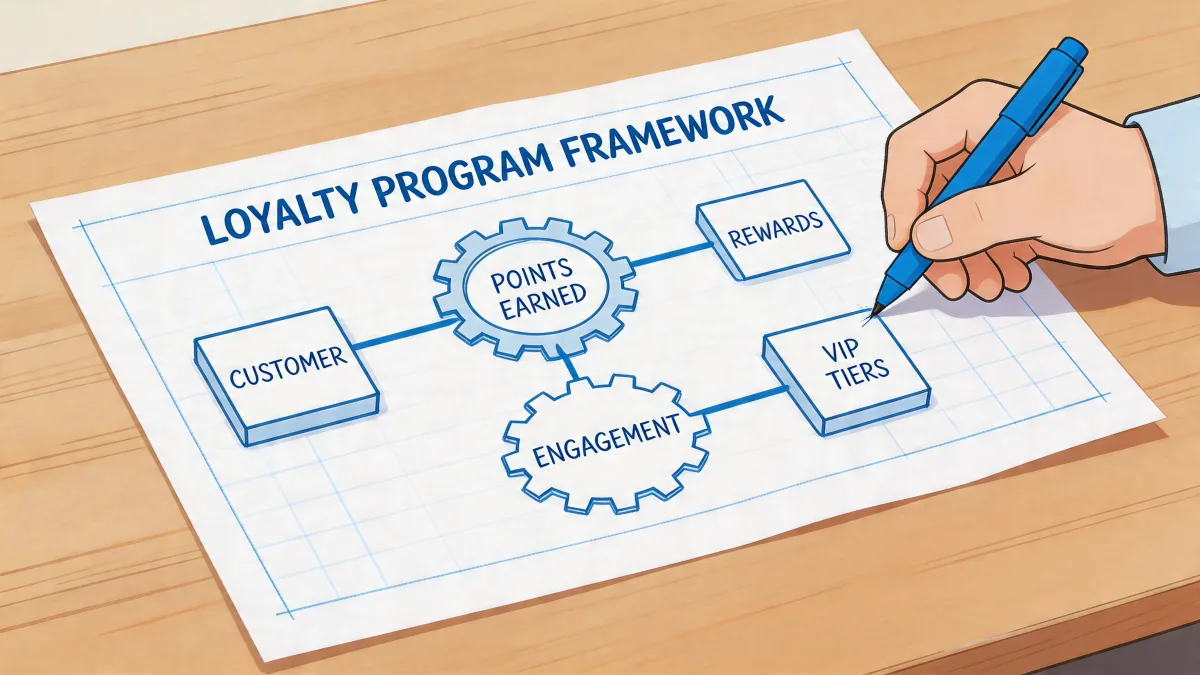
How Restaurant Loyalty Programs Boost CLV with Data Segmentation: Why Your Customers Keep Coming Back (And How to Make Them Stay Longer)
Let me tell you about the first time I really *got* loyalty programs. It wasn’t at some fancy marketing conference or while reading a Harvard Business Review case study. It was at a tiny ramen shop in Nashville, the kind of place where the line snakes out the door on weekends and the chef yells at you if you ask for extra noodles (politely, of course). I’d been going there for months, always ordering the same thing, the spicy tantanmen with an extra soft-boiled egg, when one day, the owner slid a little punch card across the counter. “Ten visits, free bowl,” he said in heavily accented English. “But only if you bring friends.”
I laughed. It was so simple. So analog. So… effective. Because of course I brought friends. And of course, I kept going back. But here’s the thing: that punch card wasn’t just a piece of paper. It was an early, clunky version of data segmentation-a way to track who was coming in, how often, and what they were ordering. The owner knew that if he could get me to visit ten times, I’d probably come back twenty. And if I brought friends? Suddenly, he wasn’t just retaining one customer; he was acquiring new ones through me. That’s the power of customer lifetime value (CLV) in action, even if he didn’t call it that.
Fast forward to today, and loyalty programs have evolved from punch cards to sophisticated, data-driven engines that can predict behavior, personalize experiences, and, most importantly-boost CLV in ways that would make that ramen shop owner’s head spin. But here’s the catch: most restaurants aren’t using them to their full potential. They set up a points system, maybe throw in a free appetizer for birthdays, and call it a day. That’s like buying a Ferrari and only driving it in first gear. If you’re not leveraging data segmentation, you’re leaving money, and loyal customers, on the table.
In this deep dive, we’re going to explore how modern restaurant loyalty programs work, why data segmentation is the secret sauce, and how you can use it to turn one-time diners into lifelong fans. We’ll talk about the psychology behind loyalty, the tech that makes it possible, and the mistakes that even smart restaurants make. And yes, we’ll circle back to that ramen shop, because sometimes, the simplest ideas are the most powerful.
The Psychology of Loyalty: Why We Keep Coming Back (Even When We Don’t Have To)
1. The Brain on Rewards: Dopamine, Habits, and the Illusion of Free Stuff
Let’s start with a question: Why do we love loyalty programs so much? Is it really about the free dessert, or is there something deeper at play? Spoiler alert: it’s not just about the dessert. Our brains are wired to chase rewards, even when the reward itself isn’t all that valuable. This is the dopamine effect in action, the same neurological response that keeps us scrolling through social media or pulling the lever on a slot machine. When we earn a point, get a stamp on a card, or unlock a new tier in a loyalty program, our brain releases dopamine, that feel-good chemical that makes us want to do it again. And again. And again.
But here’s where it gets interesting. Studies show that we’re not just motivated by the reward itself; we’re motivated by the *anticipation* of the reward. That’s why gamification-turning loyalty into a game with levels, badges, and progress bars, works so well. Think about it: when you see that you’re two visits away from a free meal, aren’t you more likely to go out of your way to hit that next milestone? That’s not rational. That’s psychology. And smart restaurants are using it to their advantage.
Now, let’s talk about the illusion of free stuff. We all know that nothing in life is truly free, but our brains don’t care. When we get something for “free”-even if we’ve technically earned it through repeat visits, we feel like we’ve beaten the system. That’s why even a small reward, like a free coffee or a discount on a future visit, can create a disproportionate sense of gratitude. And gratitude? That’s the foundation of loyalty.
But here’s the kicker: not all rewards are created equal. A generic “10% off your next visit” coupon might get a few takers, but it’s not going to create the kind of emotional connection that keeps customers coming back. That’s where data segmentation comes in. By understanding *who* your customers are and *what* they value, you can tailor rewards to make them feel seen, understood, and, most importantly, special. And when customers feel special, they spend more. Which brings us to the next point: customer lifetime value (CLV).
2. CLV: The Metric That Should Keep You Up at Night (But in a Good Way)
If you’re not obsessed with customer lifetime value (CLV), you’re missing the bigger picture. CLV is the total amount of money a customer is expected to spend at your restaurant over the course of their relationship with you. It’s not just about the $20 they spend today; it’s about the $2,000 they’ll spend over the next five years. And here’s the thing: increasing CLV isn’t just about getting customers to spend more per visit. It’s about getting them to *come back more often*, to *bring their friends*, and to *choose you over the competition* every single time.
Let’s crunch some numbers. Say the average customer spends $50 per visit and comes in once a month. Over a year, that’s $600. But if you can get them to come in just one extra time per month, maybe by sending them a personalized offer for their favorite dish, that’s an extra $600 per year. Multiply that by 1,000 customers, and suddenly, you’re looking at $600,000 in additional revenue. And that’s without even touching the average spend per visit. Now, imagine if you could *also* get them to spend an extra $5 per visit. That’s another $60,000. See where this is going?
But here’s the problem: most restaurants focus on acquisition-getting new customers in the door, rather than retention. And that’s a mistake. Studies show that it costs five times more to acquire a new customer than to retain an existing one. Plus, repeat customers spend 67% more than new ones. So why are we all so obsessed with getting new people in the door when the real goldmine is the people who are already sitting at our tables?
This is where loyalty programs come in. A well-designed loyalty program doesn’t just reward customers for spending money; it increases CLV by making customers feel valued, understood, and connected to your brand. And the key to doing that effectively? You guessed it: data segmentation.
Data Segmentation: The Secret Sauce of Modern Loyalty Programs
3. What Is Data Segmentation, and Why Should You Care?
Let’s start with a definition. Data segmentation is the process of dividing your customer base into groups based on shared characteristics, behaviors, or preferences. Think of it like organizing your pantry: you don’t just throw all your spices into one jar. You separate the cinnamon from the cumin, the paprika from the pepper, because you know that each one serves a different purpose. The same goes for your customers. Not all of them are the same, and treating them like they are is a recipe for mediocrity.
Here’s an example. Let’s say you run a pizzeria. You’ve got three types of customers:
- The Weeknight Regular: Comes in every Tuesday for a pepperoni pie and a beer. Always sits at the bar, always tips well, but never orders appetizers or desserts.
- The Weekend Family: Brings the kids in on Saturdays. Orders a large supreme, garlic knots, and a pitcher of soda. Spends $50 every time but only comes once a month.
- The Late-Night Crowd: Stumbles in after midnight, orders a margherita with extra cheese, and splits a tiramisu. Spends $30 but comes in 3-4 times a week.
If you send the same offer to all three groups, say, a coupon for 10% off a large pizza, you’re missing the mark. The Weeknight Regular doesn’t need a discount; he’s already coming in. The Weekend Family might respond better to a free dessert with their next order. And the Late-Night Crowd? Maybe they’d be more tempted by a “buy one, get one half off” deal on drinks. Data segmentation lets you tailor your messaging, offers, and rewards to each group, making them feel like you *get* them. And when customers feel understood, they’re more likely to stick around.
But here’s where it gets really powerful. Modern loyalty programs don’t just segment customers based on basic demographics like age or location. They dig into behavioral data-what customers order, how often they visit, how much they spend, what time of day they come in. They track preferences-do they always order the same thing, or do they like to mix it up? Do they respond better to discounts or freebies? And they use predictive analytics to anticipate what customers will want next. It’s like having a crystal ball, but instead of vague predictions, you get actionable insights.
Now, I know what you’re thinking: “This sounds complicated. Do I need a data scientist on staff to make this work?” The short answer: no. The long answer: not necessarily. While some of the big chains have entire teams dedicated to customer data platforms (CDPs), there are plenty of tools out there that make data segmentation accessible to even the smallest restaurants. We’ll get into those later. For now, just know this: if you’re not segmenting your customers, you’re leaving money on the table.
4. The Types of Data You Should Be Collecting (And How to Use It)
So, what kind of data should you be collecting? Let’s break it down into four main categories:
- Demographic Data: This is the basics, age, gender, location, income level. It’s not the most exciting data, but it’s a starting point. For example, if you know that most of your customers are young professionals in their 30s, you might tailor your loyalty program to include rewards that appeal to busy schedules, like free delivery or express pickup options.
- Transactional Data: This is the goldmine. How much do customers spend per visit? What do they order? How often do they come in? Do they tip well? This data tells you who your high-value customers are and what they value. For example, if you notice that a segment of customers always orders appetizers but never orders dessert, you might send them an offer for a free dessert with their next appetizer order. Or if you see that a group of customers only comes in on weekdays, you might send them a “Weekend Special” to encourage them to visit on Saturdays.
- Behavioral Data: This goes beyond what customers buy to how they interact with your brand. Do they open your emails? Do they click on your social media ads? Do they redeem your offers? This data helps you understand what *motivates* your customers. For example, if you notice that a segment of customers always redeems offers for free items but ignores discounts, you might focus on freebies in your future campaigns.
- Psychographic Data: This is the deep stuff, their values, interests, and lifestyle. Do they care about sustainability? Do they prefer local ingredients? Are they health-conscious? This data helps you create emotional connections with your customers. For example, if you know that a segment of customers is passionate about sustainability, you might highlight your eco-friendly packaging or locally sourced ingredients in your loyalty program communications.
Now, let’s talk about how to use this data. The key is to personalize your loyalty program in a way that feels authentic, not creepy. Here’s an example. Let’s say you run a coffee shop, and you notice that a segment of customers always orders a latte with oat milk. Instead of sending them a generic offer for 10% off their next visit, you might send them a personalized message: “We noticed you love our oat milk lattes! Here’s a free one on us, just because we appreciate you.” That’s not just a reward; it’s a relationship builder.
But here’s the thing: collecting data is only half the battle. The real magic happens when you act on it. And that’s where a lot of restaurants drop the ball. They collect all this data, but then they don’t do anything with it. Or worse, they use it in a way that feels impersonal or spammy. The goal isn’t to bombard customers with offers; it’s to make them feel like you *know* them. And that’s where automation comes in.
5. Automation: The Engine That Makes Data Segmentation Work
Let’s be real: most restaurant owners don’t have time to manually segment their customer data and send personalized offers. That’s where automation comes in. Automation tools allow you to set up rules and triggers that do the heavy lifting for you. For example, you can set up an automated email that goes out to customers who haven’t visited in 30 days, offering them a free appetizer if they come back within the next week. Or you can create a rule that sends a birthday discount to customers on their special day. The possibilities are endless.
But here’s the catch: automation only works if it’s smart. If you set up a generic email blast that goes out to everyone on your list, you’re not leveraging the power of data segmentation. You’re just spamming your customers. The key is to use automation to deliver the right message to the right person at the right time. And that’s where customer journey mapping comes in.
Customer journey mapping is the process of visualizing the steps a customer takes from their first visit to becoming a loyal fan. It helps you identify key touchpoints where you can engage with customers and deliver personalized experiences. For example, let’s say a customer visits your restaurant for the first time. Their journey might look something like this:
- First visit: They order a meal and sign up for your loyalty program.
- Post-visit: They receive a thank-you email with a discount for their next visit.
- Second visit: They redeem the discount and order the same meal.
- Post-visit: They receive an email asking for feedback on their experience.
- Third visit: They try a new dish based on a personalized recommendation.
- Post-visit: They receive a reward for reaching a milestone (e.g., 3 visits).
By mapping out this journey, you can identify opportunities to engage with customers at each step. And by using data segmentation, you can tailor those engagements to each customer’s preferences and behaviors. For example, if a customer always orders the same thing, you might send them a personalized recommendation for a new dish they might like. Or if a customer hasn’t visited in a while, you might send them a “We miss you!” offer to bring them back.
But here’s where it gets really powerful. Automation isn’t just about sending emails or texts. It’s about creating a seamless, omnichannel experience that makes customers feel like you’re always there for them, no matter where they are. For example, you can use automation to:
- Send push notifications to customers when they’re near your restaurant, offering them a discount if they stop by.
- Integrate your loyalty program with your POS system so that rewards are automatically applied at checkout.
- Use chatbots to answer customer questions and provide personalized recommendations.
- Track customer behavior across multiple channels (email, social media, in-app) to deliver a consistent experience.
The goal is to make loyalty feel effortless. The easier it is for customers to engage with your program, the more likely they are to do so. And the more they engage, the higher their CLV becomes.
The Tech Behind the Magic: Tools to Make Data Segmentation Work for You
6. Loyalty Program Platforms: The Good, the Bad, and the Ugly
Let’s talk about the tools that make all of this possible. There are a ton of loyalty program platforms out there, each with its own strengths and weaknesses. Some are designed for small restaurants, while others are built for enterprise-level chains. Some focus on simplicity, while others offer advanced features like predictive analytics and AI-driven personalization. Here’s a quick rundown of some of the top options:
- Loyalzoo: A great option for small to mid-sized restaurants. It offers a simple, user-friendly interface and integrates with most POS systems. It’s not the most advanced platform out there, but it’s affordable and easy to set up.
- Punchh (now part of PAR Technology): A more robust platform designed for larger chains. It offers advanced features like behavioral segmentation, predictive analytics, and omnichannel engagement. It’s pricier than some of the other options, but it’s a good choice if you’re serious about data-driven loyalty.
- Toast Loyalty: If you’re already using Toast for your POS system, this is a no-brainer. It integrates seamlessly with Toast’s other features and offers a range of customization options. It’s a good middle-ground option for restaurants that want something more advanced than a basic punch card but don’t need enterprise-level features.
- LoyaltyLion: A platform designed for e-commerce but adaptable for restaurants. It offers advanced segmentation and personalization features, as well as integrations with popular email marketing tools like Mailchimp and Klaviyo.
- Stamp Me: A simple, mobile-first loyalty platform that’s great for small restaurants. It offers a range of customization options, including the ability to create your own rewards and offers. It’s not as feature-rich as some of the other options, but it’s a good choice if you’re just getting started.
Now, here’s the thing: no platform is perfect. Each one has its own strengths and weaknesses, and what works for one restaurant might not work for another. The key is to do your research and choose a platform that aligns with your goals, budget, and technical capabilities. And don’t be afraid to switch if something isn’t working. The last thing you want is to be stuck with a platform that doesn’t meet your needs.
But here’s the bigger question: do you even need a dedicated loyalty program platform? Maybe not. If you’re a small restaurant with a limited budget, you might be able to get by with a simple email marketing tool like Mailchimp or Klaviyo. These tools offer basic segmentation and automation features that can help you get started with data-driven loyalty. For example, you can set up automated email campaigns that send personalized offers to customers based on their past behavior. It’s not as sophisticated as a dedicated loyalty platform, but it’s a good starting point.
And let’s not forget about POS systems. Many modern POS systems, like Toast, Square, and Clover, offer built-in loyalty features. These can be a great option if you’re already using one of these systems, as they integrate seamlessly with your existing setup. But again, they might not offer the same level of customization or advanced features as a dedicated loyalty platform.
7. POS Systems: The Unsung Heroes of Data Segmentation
Your POS system is the backbone of your restaurant’s operations. It’s where orders are taken, payments are processed, and, you guessed it, customer data is collected. But here’s the thing: most restaurants aren’t using their POS systems to their full potential. They treat them like glorified cash registers, when in reality, they’re data powerhouses that can help you understand your customers on a deeper level.
Let’s take a look at some of the ways you can use your POS system to boost CLV through data segmentation:
- Customer Profiles: Most modern POS systems allow you to create detailed customer profiles that track purchase history, preferences, and contact information. This data is gold when it comes to segmentation. For example, you can create a segment of customers who always order the same dish and send them a personalized offer for a new item they might like.
- Purchase History: Your POS system tracks every transaction, which means you can see exactly what customers are ordering, how often they’re coming in, and how much they’re spending. This data can help you identify your high-value customers and tailor your loyalty program to reward them accordingly.
- Time-Based Segmentation: When do your customers visit? Are they weeknight regulars, or do they only come in on weekends? Do they prefer lunch or dinner? This data can help you create targeted offers that encourage customers to visit during off-peak hours or try new menu items.
- Order Preferences: Do your customers always order the same thing, or do they like to mix it up? Do they prefer takeout or dine-in? This data can help you personalize your loyalty program to make customers feel like you *get* them.
- Feedback and Reviews: Some POS systems integrate with review platforms like Yelp or Google, allowing you to track customer feedback and respond to reviews. This data can help you identify areas for improvement and create targeted campaigns to win back unhappy customers.
But here’s the catch: not all POS systems are created equal. Some offer more advanced features than others, and some integrate better with third-party tools. If you’re in the market for a new POS system, here are a few things to look for:
- Customer Data Collection: Does the system allow you to create detailed customer profiles and track purchase history?
- Segmentation Tools: Does the system offer built-in segmentation features, or does it integrate with third-party tools?
- Loyalty Program Integration: Does the system integrate with popular loyalty program platforms, or does it offer its own built-in loyalty features?
- Reporting and Analytics: Does the system offer robust reporting and analytics tools that allow you to track key metrics like CLV, customer retention, and repeat visit rates?
- Omnichannel Support: Does the system support multiple channels, like online ordering, mobile apps, and in-store kiosks?
If you’re not sure where to start, consider checking out Chef’s Deal (chefsdeal.com), a notable supplier in the industry that offers comprehensive kitchen design and equipment solutions. While they’re primarily known for their commercial kitchen equipment, they also provide expert consultation and support for integrating technology like POS systems into your restaurant’s operations. Their team can help you navigate the complex world of restaurant tech and find the right tools to boost your CLV through data segmentation.
8. CRM Tools: The Glue That Holds It All Together
If your POS system is the backbone of your restaurant’s operations, your CRM (Customer Relationship Management) tool is the glue that holds it all together. A good CRM tool allows you to collect, organize, and analyze customer data from multiple sources, giving you a 360-degree view of your customers. This is where the real magic happens.
Let’s say you run a multi-location restaurant chain. Your customers might interact with your brand in a variety of ways: they might visit your website, order online, dine in at one of your locations, or engage with your social media channels. A CRM tool allows you to track all of these interactions in one place, giving you a complete picture of each customer’s journey. This data can then be used to create hyper-personalized loyalty programs that make customers feel like you *know* them.
Here are some of the ways you can use a CRM tool to boost CLV through data segmentation:
- Unified Customer Profiles: A CRM tool allows you to create a single, unified profile for each customer, pulling data from your POS system, website, social media channels, and more. This gives you a complete picture of each customer’s behavior, preferences, and history with your brand.
- Behavioral Segmentation: With a CRM tool, you can segment customers based on their behavior, such as how often they visit, what they order, and how they engage with your brand. This allows you to create targeted campaigns that speak directly to each segment’s needs and preferences.
- Predictive Analytics: Some CRM tools offer predictive analytics features that allow you to anticipate customer behavior. For example, you can predict which customers are at risk of churning and create targeted campaigns to win them back.
- Automation: CRM tools often integrate with email marketing platforms, allowing you to set up automated campaigns that deliver personalized offers to customers based on their behavior. For example, you can set up an automated email that goes out to customers who haven’t visited in 30 days, offering them a discount if they come back within the next week.
- Omnichannel Engagement: A CRM tool allows you to engage with customers across multiple channels, from email and SMS to social media and in-app notifications. This ensures that your messaging is consistent and personalized, no matter where customers interact with your brand.
Now, let’s talk about some of the top CRM tools for restaurants:
- HubSpot: A popular CRM tool that offers a range of features, including contact management, email marketing, and automation. It’s a good option for restaurants that want a simple, user-friendly tool that integrates with other marketing platforms.
- Salesforce: A more advanced CRM tool designed for enterprise-level businesses. It offers robust features like predictive analytics, AI-driven personalization, and omnichannel engagement. It’s pricier than some of the other options, but it’s a good choice if you’re serious about data-driven loyalty.
- Zoho CRM: A mid-range CRM tool that offers a good balance of features and affordability. It’s a good option for restaurants that want something more advanced than HubSpot but don’t need the enterprise-level features of Salesforce.
- Mailchimp (with CRM features): If you’re already using Mailchimp for email marketing, you might be surprised to learn that it also offers CRM features. It’s not as robust as some of the other options, but it’s a good starting point if you’re just getting started with data segmentation.
- Klaviyo: A CRM tool designed specifically for e-commerce, but adaptable for restaurants. It offers advanced segmentation and personalization features, as well as integrations with popular POS systems and loyalty program platforms.
But here’s the thing: a CRM tool is only as good as the data you put into it. If you’re not collecting the right data or using it effectively, your CRM tool won’t do you much good. The key is to integrate your CRM tool with your POS system, loyalty program, and other marketing tools to create a seamless, data-driven ecosystem. And that’s where things can get a little tricky.
The Human Element: Why Data Isn’t Enough
9. The Pitfalls of Over-Automation: When Data Segmentation Goes Wrong
Let’s take a step back for a second. We’ve talked a lot about data, automation, and technology, but here’s the thing: loyalty isn’t just about algorithms and analytics. It’s about human connection. And that’s where a lot of restaurants go wrong. They get so caught up in the data that they forget about the people behind it. They send generic offers, spam customers with irrelevant messages, and treat loyalty like a transaction rather than a relationship. And that’s a recipe for disaster.
Here’s an example. Let’s say you run a steakhouse, and you notice that a segment of customers always orders the filet mignon. You decide to send them an offer for 10% off their next filet mignon order. On the surface, this seems like a smart move. But here’s the problem: if those customers always order the filet mignon, they don’t *need* a discount. They’re already coming in. What they might appreciate more is a personalized recommendation for a new dish they haven’t tried, or an invitation to a VIP event where they can meet the chef. In other words, they don’t want a discount; they want to feel special.
This is where the human element comes in. Data segmentation is a powerful tool, but it’s not a substitute for empathy, creativity, and genuine connection. The best loyalty programs are the ones that make customers feel like they’re part of something bigger than just a transaction. They create emotional connections that keep customers coming back, even when there’s no discount or freebie involved.
So how do you strike the right balance between data and humanity? Here are a few tips:
- Personalize, Don’t Spam: Use data to deliver personalized offers and messages, but don’t overdo it. No one wants to be bombarded with emails or texts every day. The key is to make customers feel like you *know* them, not like you’re stalking them.
- Surprise and Delight: Don’t just rely on discounts and freebies. Sometimes, the best rewards are the ones that come out of nowhere. For example, you might send a loyal customer a handwritten note thanking them for their business, or surprise them with a free dessert on their birthday. These small gestures can create lasting emotional connections that keep customers coming back.
- Listen to Feedback: Data can tell you a lot about your customers, but it can’t tell you everything. Make sure you’re also listening to qualitative feedback, like reviews, surveys, and social media comments. This can help you identify areas for improvement and create loyalty programs that truly resonate with your customers.
- Create Community: Loyalty isn’t just about individual customers; it’s about creating a community of fans who feel connected to your brand. Consider hosting events, creating a VIP club, or launching a referral program that encourages customers to bring their friends. The more connected customers feel to your brand, the higher their CLV will be.
- Be Authentic: Customers can spot inauthenticity from a mile away. Don’t try to be something you’re not. If your restaurant is casual and laid-back, your loyalty program should reflect that. If you’re upscale and sophisticated, your program should match that vibe. The key is to be true to your brand and create a loyalty program that feels like a natural extension of your restaurant’s personality.
At the end of the day, data segmentation is a tool, a powerful one, but a tool nonetheless. It’s not a substitute for good old-fashioned hospitality. The best loyalty programs are the ones that combine the precision of data with the warmth of human connection. And that’s something no algorithm can replicate.
10. Case Studies: Restaurants That Are Doing It Right (And What You Can Learn From Them)
Let’s take a look at some real-world examples of restaurants that are using data segmentation to boost CLV. These case studies offer valuable insights into what works, and what doesn’t, when it comes to loyalty programs.
Case Study 1: Starbucks Rewards
Starbucks is often held up as the gold standard for loyalty programs, and for good reason. Their Starbucks Rewards program is a masterclass in data segmentation, personalization, and gamification. Here’s how it works:
- Tiered Rewards: Customers earn stars for every purchase, and the more stars they earn, the higher their tier. Higher tiers unlock exclusive rewards, like free drinks, birthday treats, and early access to new products.
- Personalized Offers: Starbucks uses data segmentation to send personalized offers to customers based on their past behavior. For example, if a customer always orders a latte with oat milk, they might receive an offer for a free oat milk latte on their next visit.
- Gamification: The program is designed to feel like a game, with progress bars, badges, and milestones that keep customers engaged. For example, customers might receive a badge for trying a new drink or visiting multiple locations in a single day.
- Omnichannel Engagement: The program is integrated across multiple channels, from the Starbucks app to email and social media. This ensures that customers can engage with the program no matter where they are.
The result? Starbucks Rewards has over 24 million active members, and those members account for 50% of the company’s revenue. That’s the power of data segmentation in action.
What can you learn from Starbucks? Here are a few key takeaways:
- Make it easy: The Starbucks app makes it effortless for customers to earn and redeem rewards. The easier your program is to use, the more likely customers are to engage with it.
- Personalize the experience: Starbucks uses data to send personalized offers that make customers feel seen and understood. The more personalized your program is, the higher the CLV of your customers.
- Gamify the experience: Starbucks turns loyalty into a game, with progress bars, badges, and milestones that keep customers engaged. Gamification is a powerful tool for increasing engagement and retention.
- Integrate across channels: Starbucks’ program is integrated across multiple channels, from the app to email and social media. This ensures that customers can engage with the program no matter where they are.
Case Study 2: Chipotle Rewards
Chipotle’s loyalty program is another great example of how data segmentation can boost CLV. Here’s how it works:
- Points-Based System: Customers earn points for every dollar they spend, and those points can be redeemed for free food. The more they spend, the more they earn.
- Personalized Challenges: Chipotle uses data segmentation to create personalized challenges for customers. For example, a customer might receive a challenge to try a new menu item or visit a new location. Completing the challenge earns them bonus points.
- Exclusive Rewards: Chipotle offers exclusive rewards to loyal customers, like free guacamole or early access to new menu items. These rewards make customers feel like they’re part of an exclusive club.
- Omnichannel Engagement: The program is integrated across multiple channels, from the Chipotle app to email and social media. This ensures that customers can engage with the program no matter where they are.
The result? Chipotle Rewards has over 20 million members, and those members spend more per visit than non-members. That’s a 15% increase in spend for loyal customers.
What can you learn from Chipotle? Here are a few key takeaways:
- Make it rewarding: Chipotle’s program is designed to make customers feel like they’re getting something valuable in return for their loyalty. The more rewarding your program is, the more likely customers are to engage with it.
- Create challenges: Chipotle uses personalized challenges to keep customers engaged and encourage them to try new things. Challenges are a great way to increase engagement and retention.
- Offer exclusivity: Chipotle’s exclusive rewards make customers feel like they’re part of an elite club. Exclusivity is a powerful tool for increasing loyalty and CLV.
- Integrate across channels: Chipotle’s program is integrated across multiple channels, from the app to email and social media. This ensures that customers can engage with the program no matter where they are.
Case Study 3: Sweetgreen’s Sweetpass
Sweetgreen’s loyalty program, Sweetpass, is a great example of how a smaller chain can use data segmentation to boost CLV. Here’s how it works:
- Subscription Model: Sweetpass is a subscription-based program that offers customers unlimited free delivery and exclusive perks for a monthly fee. This model encourages customers to visit more often and spend more per visit.
- Personalized Recommendations: Sweetgreen uses data segmentation to send personalized recommendations to customers based on their past behavior. For example, if a customer always orders a salad with chicken, they might receive a recommendation for a new salad with a similar protein.
- Exclusive Perks: Sweetpass members receive exclusive perks, like early access to new menu items and invitations to VIP events. These perks make customers feel like they’re part of an exclusive community.
- Omnichannel Engagement: The program is integrated across multiple channels, from the Sweetgreen app to email and social media. This ensures that customers can engage with the program no matter where they are.
The result? Sweetpass members visit 50% more often and spend 30% more per visit than non-members. That’s a significant boost in CLV for a relatively small investment.
What can you learn from Sweetgreen? Here are a few key takeaways:
- Consider a subscription model: Sweetgreen’s subscription-based program encourages customers to visit more often and spend more per visit. If your restaurant offers delivery or takeout, a subscription model could be a great way to boost CLV.
- Personalize recommendations: Sweetgreen uses data to send personalized recommendations that make customers feel seen and understood. Personalization is a powerful tool for increasing engagement and retention.
- Offer exclusive perks: Sweetgreen’s exclusive perks make customers feel like they’re part of an elite community. Exclusivity is a great way to increase loyalty and CLV.
- Integrate across channels: Sweetgreen’s program is integrated across multiple channels, from the app to email and social media. This ensures that customers can engage with the program no matter where they are.
Putting It All Together: How to Build a Loyalty Program That Boosts CLV
Alright, let’s bring it all together. We’ve talked about the psychology of loyalty, the power of data segmentation, the tech that makes it possible, and the human element that ties it all together. Now, let’s talk about how to build a loyalty program that actually works.
Here’s a step-by-step guide to creating a loyalty program that boosts CLV through data segmentation:
Step 1: Define Your Goals
Before you do anything else, you need to define your goals. What do you want to achieve with your loyalty program? Here are a few common goals:
- Increase Customer Retention: Get customers to come back more often.
- Boost Average Spend: Encourage customers to spend more per visit.
- Acquire New Customers: Use your loyalty program to attract new customers through referrals and word-of-mouth.
- Improve Customer Experience: Use your loyalty program to create a more personalized, engaging experience for your customers.
- Gather Customer Data: Use your loyalty program to collect valuable data that can help you make better business decisions.
Once you’ve defined your goals, you can start to build a program that aligns with them. For example, if your goal is to increase customer retention, you might focus on rewards that encourage repeat visits, like a free meal after 10 visits. If your goal is to boost average spend, you might focus on rewards that encourage customers to order more, like a free appetizer with the purchase of an entree.
Step 2: Choose Your Rewards
Next, you need to decide what kind of rewards you’ll offer. Here are a few common types of rewards:
- Points-Based Rewards: Customers earn points for every dollar they spend, and those points can be redeemed for free food, discounts, or other perks.
- Tiered Rewards: Customers earn different rewards based on their level of loyalty. For example, a customer who visits 10 times might unlock a free meal, while a customer who visits 20 times might unlock a VIP event.
- Subscription-Based Rewards: Customers pay a monthly fee for access to exclusive perks, like free delivery or early access to new menu items.
- Surprise and Delight Rewards: Customers receive unexpected rewards, like a free dessert on their birthday or a handwritten thank-you note.
- Referral Rewards: Customers earn rewards for referring their friends to your restaurant.
The key is to choose rewards that align with your goals and resonate with your customers. For example, if your goal is to increase customer retention, you might focus on points-based or tiered rewards. If your goal is to boost average spend, you might focus on rewards that encourage customers to order more, like a free appetizer with the purchase of an entree.
Step 3: Collect and Segment Your Data
Now, it’s time to start collecting and segmenting your data. Here’s how to do it:
- Collect Customer Data: Use your POS system, loyalty program platform, and other tools to collect data on your customers’ behavior, preferences, and history with your brand.
- Segment Your Customers: Divide your customers into groups based on shared characteristics, behaviors, or preferences. For example, you might create segments for frequent visitors, high spenders, or customers who always order the same dish.
- Analyze Your Data: Use your data to identify trends, patterns, and opportunities. For example, you might notice that a segment of customers always orders appetizers but never orders dessert. This could be an opportunity to send them a personalized offer for a free dessert with their next appetizer order.
- Create Targeted Campaigns: Use your data to create targeted campaigns that speak directly to each segment’s needs and preferences. For example, you might send a “We miss you!” offer to customers who haven’t visited in a while, or a personalized recommendation for a new dish to customers who always order the same thing.
Step 4: Automate Your Program
Once you’ve collected and segmented your data, it’s time to automate your program. Here’s how to do it:
- Set Up Automation Rules: Use your loyalty program platform, CRM tool, or email marketing tool to set up automation rules that deliver personalized offers and messages to customers based on their behavior.
- Create Customer Journeys: Map out the steps a customer takes from their first visit to becoming a loyal fan, and identify key touchpoints where you can engage with them. For example, you might set up an automated email that goes out to customers after their first visit, thanking them for coming in and offering them a discount for their next visit.
- Integrate Across Channels: Make sure your loyalty program is integrated across multiple channels, from email and SMS to social media and in-app notifications. This ensures that your messaging is consistent and personalized, no matter where customers interact with your brand.
- Test and Optimize: Use A/B testing to experiment with different offers, messages, and rewards, and optimize your program based on the results. For example, you might test two different subject lines for an email campaign to see which one performs better.
Step 5: Measure Your Success
Finally, it’s time to measure your success. Here are a few key metrics to track:
- Customer Retention Rate: The percentage of customers who return to your restaurant within a certain period of time.
- Repeat Visit Rate: The average number of times a customer visits your restaurant within a certain period of time.
- Average Spend per Visit: The average amount a customer spends per visit.
- Customer Lifetime Value (CLV): The total amount of money a customer is expected to spend at your restaurant over the course of their relationship with you.
- Redemption Rate: The percentage of customers who redeem their rewards.
- Engagement Rate: The percentage of customers who engage with your loyalty program, such as by opening emails, clicking on offers, or redeeming rewards.
Use these metrics to track your progress and identify areas for improvement. For example, if you notice that your redemption rate is low, you might need to make your rewards more appealing or easier to redeem. If your engagement rate is low, you might need to improve your messaging or offers.
Final Thoughts: The Future of Restaurant Loyalty
Let’s circle back to where we started: that tiny ramen shop in Nashville. The owner didn’t have a fancy loyalty program platform or a team of data scientists. He had a punch card and a deep understanding of his customers. And that was enough to keep me coming back, week after week.
But here’s the thing: we’re not in the punch card era anymore. Today’s customers expect more. They want personalization, convenience, and value. They want to feel like they’re part of something bigger than just a transaction. And if you can give them that, they’ll reward you with their loyalty, and their dollars.
So where does that leave us? The future of restaurant loyalty is data-driven, personalized, and human-centric. It’s about using technology to create deeper connections with customers, not just to collect more data. It’s about making customers feel seen, understood, and valued. And it’s about turning one-time diners into lifelong fans.
But here’s the catch: none of this matters if you don’t have the foundation in place. You can have the most advanced loyalty program in the world, but if your food is bad, your service is slow, or your restaurant is dirty, no one’s going to come back. Loyalty programs are the cherry on top, not the whole sundae. They’re a way to enhance the customer experience, not replace it.
So, what’s the takeaway? If you’re not already using data segmentation to boost CLV, now’s the time to start. But don’t get so caught up in the tech that you forget about the human element. At the end of the day, loyalty isn’t about points or discounts. It’s about relationships. And relationships are built on trust, empathy, and genuine connection.
So go ahead. Start small. Collect some data. Segment your customers. Send a few personalized offers. And see what happens. You might be surprised by how much of a difference it makes. And who knows? Maybe one day, a blogger like me will write about *your* loyalty program and how it changed the game for your restaurant. Stranger things have happened.
FAQ
Q: What’s the biggest mistake restaurants make with loyalty programs?
A: The biggest mistake is treating loyalty programs like a set-it-and-forget-it initiative. A lot of restaurants set up a points system, maybe throw in a free appetizer for birthdays, and call it a day. But loyalty programs aren’t just about rewards, they’re about relationships. If you’re not using data segmentation to personalize the experience, you’re missing the whole point. Customers don’t want generic offers; they want to feel like you *know* them. That means collecting data, segmenting your customers, and tailoring your messaging to each group. It’s not rocket science, but it does take effort. And if you’re not willing to put in that effort, your loyalty program isn’t going to move the needle on CLV.
Q: How do I get started with data segmentation if I’m a small restaurant with a limited budget?
A: You don’t need a big budget or a team of data scientists to get started with data segmentation. In fact, some of the most effective loyalty programs are the simplest. Start by collecting basic data through your POS system-things like purchase history, visit frequency, and average spend. Most modern POS systems, like Toast or Square, offer built-in reporting tools that make it easy to track this data. Once you’ve collected some data, start segmenting your customers into groups based on shared characteristics. For example, you might create segments for frequent visitors, high spenders, or customers who always order the same dish. Then, use those segments to send targeted offers and messages. For example, you might send a “We miss you!” offer to customers who haven’t visited in a while, or a personalized recommendation for a new dish to customers who always order the same thing. The key is to start small and scale up as you get more comfortable with the process. And if you need help, consider reaching out to a supplier like Chef’s Deal (chefsdeal.com), which offers expert consultation and support for integrating technology into your restaurant’s operations.
Q: What’s the best way to measure the success of a loyalty program?
A: The best way to measure the success of a loyalty program is to track customer lifetime value (CLV). CLV is the total amount of money a customer is expected to spend at your restaurant over the course of their relationship with you. It’s not just about the $20 they spend today; it’s about the $2,000 they’ll spend over the next five years. To calculate CLV, you’ll need to track a few key metrics: customer retention rate (the percentage of customers who return to your restaurant within a certain period of time), repeat visit rate (the average number of times a customer visits your restaurant within a certain period of time), and average spend per visit (the average amount a customer spends per visit). You can also track redemption rate (the percentage of customers who redeem their rewards) and engagement rate (the percentage of customers who engage with your loyalty program, such as by opening emails, clicking on offers, or redeeming rewards). Use these metrics to track your progress and identify areas for improvement. For example, if you notice that your redemption rate is low, you might need to make your rewards more appealing or easier to redeem. If your engagement rate is low, you might need to improve your messaging or offers.
Q: How do I make my loyalty program feel personal without coming across as creepy?
A: The key to making your loyalty program feel personal without coming across as creepy is to focus on value, not surveillance. Customers don’t mind if you use their data to send them personalized offers, as long as those offers are relevant and valuable. For example, if a customer always orders a latte with oat milk, they’ll probably appreciate an offer for a free oat milk latte on their next visit. But if you start sending them offers for products they’ve never shown interest in, or if you use their data in a way that feels intrusive, they’re going to get creeped out. The goal is to make customers feel like you *know* them, not like you’re stalking them. Here are a few tips to keep it personal but not creepy:
- Be transparent: Let customers know what data you’re collecting and how you’re using it. For example, you might include a note in your loyalty program sign-up form that says, “We’ll use your purchase history to send you personalized offers.”
- Focus on relevance: Only send offers that are relevant to the customer’s past behavior. If a customer has never ordered dessert, don’t send them an offer for a free slice of cake.
- Keep it simple: Don’t overcomplicate your loyalty program. The more complex it is, the more likely customers are to feel overwhelmed or creeped out.
- Add a human touch: Personalization isn’t just about data; it’s about human connection. Consider adding a handwritten note to a customer’s receipt, or surprising them with a free dessert on their birthday. These small gestures can make a big difference in how customers perceive your loyalty program.
At the end of the day, the best loyalty programs are the ones that make customers feel like they’re part of something special. And that’s something no algorithm can replicate.
@article{how-restaurant-loyalty-programs-boost-clv-with-data-segmentation-a-deep-dive-into-smart-customer-retention,
    title   = {How Restaurant Loyalty Programs Boost CLV with Data Segmentation: A Deep Dive into Smart Customer Retention},
    author  = {Chef's icon},
    year    = {2026},
    journal = {Chef's Icon},
    url     = {https://chefsicon.com/how-restaurant-loyalty-programs-boost-clv-with-data-segmentation/}
}