The Best Fluffy Pancakes recipe you will fall in love with. Full of tips and tricks to help you make the best pancakes.

How to Build a Notre Équipe for Small Food Trucks: Because Great Food Needs Great People
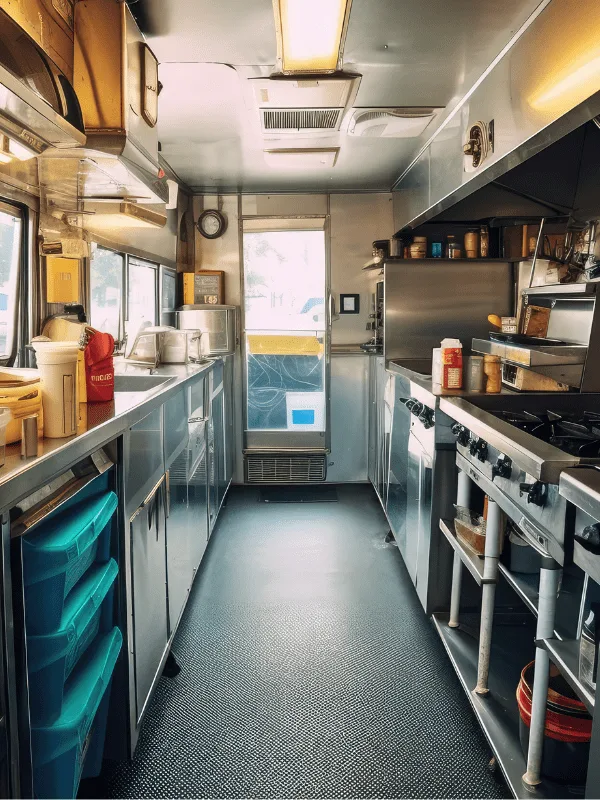
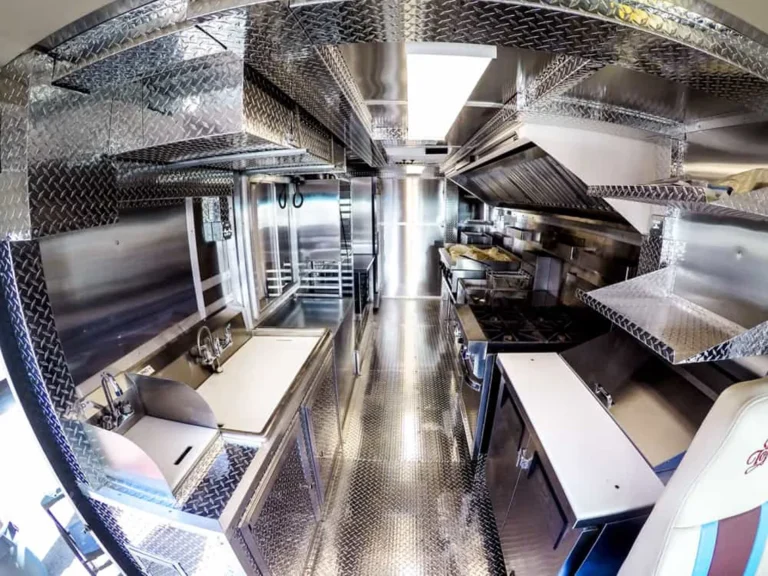
Let me start by saying this: I’ve seen too many food trucks fail not because of bad food, but because of bad teams. Or, more accurately, because of teams that were never really teams at all. They were just groups of people working in the same tiny kitchen, moving around each other like electrons in a poorly designed atom. And trust me, I’ve been there, squeezed into a 12-foot trailer with three other humans, all of us sweating, stressed, and silently resenting the guy who keeps hogging the fryer.
So when we talk about how to build a notre équipe for small food trucks, we’re not just talking about hiring. We’re talking about crafting something that feels less like a job and more like a shared mission. A crew that can pivot from a lunch rush to a flat tire to a health inspector visit without losing their collective minds. That’s the dream, right? But how do you actually get there?
I’m Sammy, by the way. I edit for Chefsicon.com, live in Nashville with my rescue cat Luna, and have spent way too much time thinking about how small spaces shape big personalities. Over the years, I’ve interviewed dozens of food truck owners, worked alongside a few, and even helped a couple design their kitchens (shoutout to Chef’s Deal for their free kitchen design services, seriously, if you’re starting out, get them to map your space before you buy a single griddle). What I’ve learned is that building a great team isn’t about finding the most skilled people. It’s about finding the right people and then giving them a reason to care. So let’s dig in.
The Myth of the “Perfect” Food Truck Team
Before we get into the how, let’s talk about the what. What even is a otre équipe? The phrase literally means “our team” in French, but in the context of food trucks, it’s more than just a group of employees. It’s a unit that operates with a shared sense of purpose, where everyone knows their role but is also willing to step outside of it when needed. It’s the difference between a crew that snaps at each other during a rush and one that communicates in shorthand, anticipates problems, and maybe even laughs a little when the POS system crashes for the third time that week.
Here’s the thing: there’s no one-size-fits-all template for this. I’ve seen food trucks thrive with teams as small as two people and others struggle with crews of six. The key isn’t the number, it’s the fit. And fit isn’t just about skills. It’s about energy, adaptability, and, honestly, a shared tolerance for chaos. Because let’s be real: food trucks are chaos on wheels. One minute you’re serving a line of customers stretching down the block, the next you’re frantically Googling how to fix a generator while your ice cream melts in the back.
So where do you even start? Do you hire for experience? Personality? Willingness to work for peanuts? (Spoiler: don’t do that last one.) I’m torn between the “hire slow, fire fast” approach and the “just get someone in here who can lift 50 pounds” desperation that hits when you’re short-staffed. Maybe the answer is somewhere in the middle. Let’s consider…
1. Defining Your Team’s Core Values (Yes, Even for a Food Truck)
I know, I know. “Core values” sounds like something you’d find in a corporate handbook, not scribbled on a napkin in the back of a food truck. But hear me out. When your entire operation fits in a space smaller than most people’s walk-in closets, values aren’t just nice-to-haves, they’re the glue that holds everything together. They’re the difference between a team that folds under pressure and one that thrives in it.
So what do core values look like for a food truck? They’re not generic platitudes like “excellence” or “integrity.” They’re specific, actionable, and, most importantly, real. For example:
- “We move as a unit.” This means no one stands around waiting for instructions. If the fry cook sees the prep station running low on chopped onions, they grab a knife. If the cashier notices the line backing up, they call for backup before it becomes a problem.
- “We own our mistakes.” In a food truck, mistakes happen, fast. A wrong order, a burnt batch of fries, a forgotten allergy. The team that points fingers loses customers. The team that says, “My bad, let me fix that,” keeps them coming back.
- “We celebrate the small wins.” A busy lunch service? High-five. A customer who leaves a glowing review? Read it out loud. A slow day? Use it to deep-clean the truck and bond over bad music. Food truck life is grueling. Celebrating the little things keeps morale from tanking.
But here’s the catch: you can’t just slap these values on a poster and call it a day. They have to be lived. That means you, as the owner or manager, have to model them. Every. Single. Day. If you’re the type to snap at your team when you’re stressed, don’t expect them to “own their mistakes” with grace. If you’re chronically late, don’t expect them to “move as a unit.” Values aren’t rules, they’re a culture. And culture starts at the top.
Is this the best approach? Let’s be honest: it’s easier said than done. When you’re running a food truck, you’re not just the boss, you’re also the chef, the marketer, the accountant, and the occasional therapist for your team. Carving out time to “define values” can feel like a luxury. But here’s the thing: if you don’t define them, they’ll define themselves. And trust me, you don’t want a culture that forms by accident. It’ll be like a bad soup, you’ll taste the ingredients you didn’t mean to add.
2. Hiring for the Right Kind of Experience
Okay, let’s talk hiring. When you’re building a otre équipe for a small food truck, what should you prioritize? Experience? Personality? A pulse? (Kidding. Mostly.)
I’ve seen food truck owners make two big mistakes here. The first is hiring based solely on experience. Sure, it’s great to have someone who knows their way around a flattop or can break down a whole chicken in under a minute. But if that person can’t handle the stress of a rush, or worse, brings a toxic attitude into your tiny workspace, their skills won’t matter. I once worked with a food truck that hired a line cook with 10 years of experience at high-end restaurants. The guy was a wizard with a knife, but he couldn’t adapt to the fast, messy, improvisational nature of food truck life. He lasted two weeks.
The second mistake is hiring based solely on personality. Yes, it’s important to have people who are easy to work with, but if they don’t know how to cook, clean, or operate equipment safely, you’re setting yourself up for disaster. I’ve seen food trucks hire their friends or family members because they “get along great,” only to watch the business suffer because no one knows how to properly calibrate the fryer or sanitize the prep station.
So what’s the sweet spot? I think it’s a mix of three things:
- Adaptability. Can this person pivot from cooking to cashiering to troubleshooting a broken generator without melting down? Food truck life is unpredictable. Your team needs to be able to roll with the punches.
- Team-first mindset. Are they the type to help a teammate without being asked, or do they only do what’s in their job description? In a small space, everyone has to be willing to step up.
- Basic skills. Notice I didn’t say “expert skills.” You don’t need a Michelin-starred chef. You need someone who knows how to cook safely, clean thoroughly, and follow instructions. Everything else can be taught.
But how do you assess these things in an interview? Traditional questions like “Where do you see yourself in five years?” won’t cut it. Instead, try asking:
- “Tell me about a time you had to adapt to a sudden change at work. How did you handle it?”
- “Describe a situation where you helped a coworker without being asked. What did you do?”
- “Walk me through how you’d handle a rush where the POS system crashes and the line is out the door.”
And here’s a pro tip: don’t just listen to their answers. Watch their body language. Are they engaged? Do they seem excited by the chaos of the scenario? Or do they look like they’d rather be anywhere else? Trust your gut. If something feels off, it probably is.
3. The Onboarding Process: More Than Just a Handshake
So you’ve hired someone. Great! Now what? Too many food truck owners treat onboarding like a formality-“Here’s your apron, here’s the menu, don’t burn the truck down.” But if you want to build a otre équipe, onboarding is where the magic happens. It’s your chance to set expectations, build trust, and make your new hire feel like they’re part of something bigger than themselves.
I’m not talking about a three-day seminar with PowerPoint slides. I’m talking about a hands-on, immersive experience that gives your new team member a real sense of what it’s like to work in your truck. Here’s how to do it right:
Day 1: Shadowing and Observation
Don’t throw them into the deep end on day one. Start by having them shadow one of your experienced team members. Let them observe how the truck operates during a service, how orders are taken, how food is prepped and cooked, how the team communicates. Encourage them to ask questions, but don’t overwhelm them with information. The goal is to give them a sense of the rhythm of the work, not to memorize every detail.
Pro tip: Have them take notes. Not just on the menu or the equipment, but on the little things, the way the team communicates, how they handle mistakes, what the vibe is like during a rush. These are the things that will make or break their experience.
Day 2: Hands-On Training
Now it’s time to get their hands dirty. Start with the basics: how to use the equipment safely, how to prep ingredients, how to assemble orders. Don’t assume they know anything, even if they have experience. Every food truck operates differently, and what’s second nature to you might be completely foreign to them.
Here’s where a lot of food truck owners go wrong: they focus too much on the cooking and not enough on the rest. Yes, it’s important that your new hire knows how to make your signature dish, but they also need to know how to:
- Operate the POS system (and troubleshoot when it crashes).
- Handle cash and make change quickly and accurately.
- Clean and sanitize the truck to health department standards.
- Communicate with customers in a way that reflects your brand.
And don’t forget the soft skills. Teach them how to handle difficult customers, how to work efficiently under pressure, and how to communicate with the rest of the team. These are the things that will make them a valuable part of your otre équipe.
Day 3: The Trial Run
By day three, your new hire should be ready to take on some responsibilities. Start small, maybe have them handle the cash register while someone else cooks, or have them prep ingredients while the rest of the team focuses on service. The key is to give them a taste of what it’s like to work in the truck without throwing them into the fire.
During this trial run, observe how they interact with the rest of the team. Do they communicate clearly? Do they ask for help when they need it? Do they step up when someone else is struggling? These are the things that will determine whether they’re a good fit for your team.
And here’s the most important part: give them feedback. Not just at the end of the day, but throughout. Praise them when they do something well, and gently correct them when they make a mistake. Make it clear that you’re there to support them, not just to criticize.
4. Communication: The Glue of Your Notre Équipe
In a food truck, communication isn’t just important, it’s everything. When you’re working in a space the size of a closet, every movement matters. A miscommunication can lead to a burnt order, a wrong ticket, or worse, a safety hazard. But good communication? That’s what turns a group of individuals into a otre équipe.
So how do you foster good communication in a food truck? It starts with clarity. Everyone on your team should know:
- What their role is (and what it isn’t).
- How to communicate with the rest of the team during a rush.
- What to do when something goes wrong.
- How to give and receive feedback.
But clarity isn’t enough. You also need to create an environment where people feel comfortable speaking up. That means no yelling, no blaming, and no passive-aggressive sighs. If someone makes a mistake, address it calmly and constructively. If someone has an idea, listen to it. If someone is struggling, offer to help.
Here’s a trick I’ve seen work well: use a shared language. For example, if someone needs help, they can say “Code Red.” If the POS system crashes, they can say “System Down.” If a customer is being difficult, they can say “Special Guest.” These little phrases might seem silly, but they create a shorthand that makes communication faster and less stressful.
And don’t forget about non-verbal communication. In a noisy, chaotic environment, sometimes a nod or a hand signal is all you need. Teach your team to use these cues to communicate quickly and efficiently.
Is this the best approach? Maybe. Maybe not. Communication is hard, especially in a high-stress environment like a food truck. But I’ve seen teams that communicate well thrive, even when everything else is going wrong. And I’ve seen teams that don’t communicate fall apart, even when everything else is going right. So it’s worth the effort.
5. Training That Doesn’t Suck (Because Most of It Does)
Let’s be real: most training programs are boring. They’re either too generic (“Here’s how to use a fire extinguisher”) or too specific (“Here’s how to make our signature dish, step by step, in excruciating detail”). Neither approach works for food trucks. You need training that’s engaging, practical, and, dare I say it, fun.
So how do you train a otre équipe without putting them to sleep? Here are a few ideas:
Gamify It
Turn training into a game. For example, you could create a “speed challenge” where team members race to assemble orders correctly in under a minute. Or a “trivia night” where they compete to answer questions about the menu, the equipment, or food safety. The key is to make it fun and competitive, so people actually want to participate.
Use Real-Life Scenarios
Don’t just tell your team what to do, show them. Create scenarios that mimic real-life situations, like a rush where the POS system crashes, or a customer who’s unhappy with their order. Have them role-play how they’d handle it, and give them feedback on their performance. This not only teaches them what to do, but it also builds their confidence.
Cross-Train Everyone
In a food truck, everyone should be able to do everything. That means the person who usually cooks should also know how to take orders, and the person who usually takes orders should also know how to cook. Cross-training not only makes your team more versatile, but it also fosters a sense of shared responsibility. It’s the difference between “That’s not my job” and “I’ve got this.”
Make It Ongoing
Training shouldn’t be a one-time thing. It should be ongoing, with regular refreshers and updates. For example, you could have a “training Tuesday” where you focus on a different skill each week, or a monthly “skills challenge” where team members compete to see who’s improved the most. The key is to keep learning fresh and engaging, so your team doesn’t get complacent.
And here’s a pro tip: involve your team in the training process. Ask them what they want to learn, and let them take the lead on teaching certain skills. This not only makes training more engaging, but it also empowers your team to take ownership of their growth.
6. The Art of Delegation (Because You Can’t Do It All)
Here’s a hard truth: if you’re running a food truck, you can’t do everything yourself. You might think you can, after all, you’re the one who started this thing, who knows the menu inside and out, who can troubleshoot any problem. But if you try to do it all, you’ll burn out. And when you burn out, your team suffers.
Delegation is the key to building a otre équipe. It’s how you turn a group of individuals into a cohesive unit. It’s how you empower your team to take ownership of their work. And it’s how you free up your time to focus on the big-picture stuff, like growing your business.
But delegation isn’t just about assigning tasks. It’s about trusting your team to do those tasks well. And that’s where a lot of food truck owners struggle. They’re so used to being in control that they micromanage every little detail. They hover over their team, second-guessing every decision, and never letting anyone take the lead. Sound familiar?
If you want to build a otre équipe, you have to let go. You have to trust your team to do their jobs, even if they don’t do things exactly the way you would. That means:
- Giving them clear instructions, but not dictating every step.
- Letting them make mistakes (and learn from them).
- Giving them feedback, but not criticizing every little thing.
- Celebrating their successes, not just pointing out their failures.
Here’s a trick I’ve seen work well: start small. Delegate one task at a time, and gradually give your team more responsibility as they prove themselves. For example, you might start by having someone else handle the cash register, then move on to having them manage inventory, and eventually have them run a service on their own. The key is to build trust over time, so your team feels confident in their abilities and you feel confident in them.
And don’t forget to delegate the fun stuff, too. Let your team take the lead on social media, or come up with a new special, or plan a team outing. These are the things that make your team feel like they’re part of something bigger than themselves.
7. Keeping Morale High (Because Food Truck Life Is Hard)
Let’s not sugarcoat it: working in a food truck is tough. The hours are long, the space is cramped, the work is physically demanding, and the pay isn’t always great. It’s easy for morale to take a hit, especially when you’re working back-to-back shifts in the middle of a heatwave or a snowstorm.
But here’s the thing: morale isn’t just a nice-to-have. It’s the difference between a team that shows up with a smile and one that drags themselves in, counting down the minutes until their shift ends. And in a food truck, where every interaction with a customer matters, morale is everything.
So how do you keep morale high in a otre équipe? It starts with you. As the owner or manager, your energy sets the tone for the entire team. If you’re stressed, they’ll be stressed. If you’re negative, they’ll be negative. But if you’re positive, supportive, and enthusiastic, they’ll feed off that energy.
Here are a few other things you can do to keep morale high:
Celebrate the Small Wins
Did you have a busy lunch service? High-five. Did a customer leave a glowing review? Read it out loud. Did someone go above and beyond? Thank them publicly. Celebrating the small wins reminds your team that their hard work is noticed and appreciated.
Create a Positive Work Environment
This one’s tricky in a food truck, where space is limited and the work is demanding. But there are small things you can do to make the environment more positive. Play music that everyone likes. Keep the truck clean and organized. Encourage your team to take breaks when they need to. And most importantly, treat everyone with respect and kindness.
Show Appreciation
Saying “thank you” goes a long way. So does recognizing your team’s hard work. Whether it’s a shout-out in a team meeting, a small bonus, or just a heartfelt “I appreciate you,” showing appreciation makes your team feel valued.
Encourage Work-Life Balance
Food truck life can be all-consuming. It’s easy to fall into the trap of working 12-hour days, seven days a week. But that’s a recipe for burnout. Encourage your team to take time off, to pursue their hobbies, to spend time with their families. A well-rested team is a happy team.
Have Fun
Yes, work is work. But that doesn’t mean it can’t be fun. Encourage your team to joke around, to laugh, to enjoy each other’s company. Plan team outings, like a cookout or a bowling night. The more your team enjoys being together, the better they’ll work together.
Is this the best approach? Maybe. Maybe not. Keeping morale high is an ongoing challenge, and what works for one team might not work for another. But I’ve seen teams that prioritize morale thrive, even in the toughest conditions. And I’ve seen teams that don’t prioritize it fall apart, even when everything else is going right. So it’s worth the effort.
8. Handling Conflict (Because It’s Inevitable)
Let’s talk about the elephant in the room: conflict. It’s inevitable in any workplace, but in a food truck, where space is limited and stress levels are high, it can feel like a ticking time bomb. One wrong word, one miscommunication, one bad day, and suddenly your otre équipe is at each other’s throats.
But here’s the thing: conflict isn’t always a bad thing. In fact, it can be a sign that your team is passionate, engaged, and invested in their work. The key is to handle it in a way that strengthens your team, not tears it apart.
So how do you handle conflict in a food truck? It starts with prevention. Create an environment where people feel comfortable speaking up, where feedback is encouraged, and where everyone is treated with respect. This doesn’t mean conflict won’t happen, it just means it’s less likely to escalate into something ugly.
But when conflict does happen, here’s how to handle it:
Address It Early
Don’t let conflict fester. The longer you ignore it, the worse it gets. Address it as soon as you notice it, before it has a chance to escalate.
Listen First
Before you jump in with solutions, listen to both sides. Let each person share their perspective, and make sure they feel heard. Often, just feeling heard is enough to defuse the situation.
Focus on the Problem, Not the Person
It’s easy to make conflict personal, but that’s not productive. Instead of saying “You’re always late,” say “When you’re late, it puts extra pressure on the rest of the team.” Focus on the behavior, not the person.
Find a Solution Together
Don’t just dictate a solution. Work with your team to find one that works for everyone. This not only ensures that the solution is fair, but it also empowers your team to take ownership of the outcome.
Follow Up
Conflict resolution doesn’t end when the conversation does. Follow up with your team to make sure the solution is working, and be open to adjusting it if it’s not.
And here’s a pro tip: don’t be afraid to bring in a neutral third party if the conflict is particularly heated. Sometimes, an outside perspective can help defuse the situation and find a solution that works for everyone.
9. The Role of Leadership (Because Someone’s Got to Steer the Ship)
Building a otre équipe isn’t just about hiring the right people or creating a positive work environment. It’s also about leadership. And leadership isn’t just about being the boss, it’s about inspiring your team, setting the tone, and creating a vision that everyone can rally behind.
So what does good leadership look like in a food truck? It starts with clarity. Your team should know what your vision is, what your goals are, and what their role is in achieving them. They should also know what’s expected of them, both in terms of their work and their behavior.
But clarity isn’t enough. You also need to lead by example. That means:
- Showing up on time, every time.
- Working hard, even when you don’t feel like it.
- Treating everyone with respect, even when you’re stressed.
- Admitting when you make a mistake, and learning from it.
- Celebrating your team’s successes, not just your own.
And don’t forget about communication. Good leaders communicate clearly, openly, and often. They keep their team informed about what’s going on, both in the business and in their personal lives. They listen to their team’s ideas, concerns, and feedback. And they’re not afraid to have tough conversations when they need to.
But here’s the thing: leadership isn’t just about what you do, it’s also about who you are. Your team will look to you for guidance, for support, and for inspiration. So be someone they can look up to. Be someone they want to follow.
Is this the best approach? Maybe. Maybe not. Leadership is a journey, not a destination. You’ll make mistakes, you’ll learn, you’ll grow. But if you’re committed to being the best leader you can be, your team will notice. And they’ll follow your lead.
10. The Future of Your Notre Équipe (Because Teams Evolve)
Building a otre équipe isn’t a one-time thing. It’s an ongoing process, one that evolves as your business grows and your team changes. So how do you keep your team strong, even as things change?
It starts with adaptability. The food truck industry is constantly evolving, and your team needs to evolve with it. That means staying up-to-date on industry trends, investing in ongoing training, and being open to new ideas. It also means being willing to pivot when something isn’t working, whether it’s a menu item, a process, or even a team member.
But adaptability isn’t enough. You also need to foster a culture of continuous improvement. Encourage your team to share their ideas, to experiment, to learn from their mistakes. Create an environment where growth is encouraged, not just tolerated.
And don’t forget about succession planning. Even if you’re not planning to leave your food truck anytime soon, it’s important to think about who will take over when you do. Identify the leaders on your team, invest in their growth, and give them opportunities to step up. This not only ensures that your business will continue to thrive, but it also shows your team that you’re invested in their future.
Finally, remember that your otre équipe is more than just a group of employees. It’s a family. And like any family, it will have its ups and downs. But if you’re committed to building a team that’s strong, supportive, and resilient, you’ll weather any storm.
Putting It All Together: Your Action Plan
So there you have it: a roadmap for building a otre équipe for small food trucks. But where do you start? How do you turn these ideas into action?
Here’s a simple action plan to get you started:
- Define your core values. Sit down and think about what’s most important to you and your business. What do you want your team to stand for? What kind of culture do you want to create? Write it down, and make sure everyone on your team knows what it is.
- Hire the right people. Look for adaptability, a team-first mindset, and basic skills. Don’t just hire for experience, hire for fit.
- Onboard with intention. Don’t just throw your new hires into the deep end. Give them a chance to observe, learn, and practice before they take on full responsibilities.
- Foster good communication. Create an environment where people feel comfortable speaking up, and teach your team how to communicate effectively under pressure.
- Train, train, train. Make training engaging, practical, and ongoing. Cross-train everyone, and involve your team in the process.
- Delegate. Trust your team to do their jobs, and give them opportunities to take on more responsibility.
- Keep morale high. Celebrate the small wins, create a positive work environment, and encourage work-life balance.
- Handle conflict with care. Address it early, listen first, and focus on the problem, not the person.
- Lead by example. Show up on time, work hard, treat everyone with respect, and communicate openly.
- Plan for the future. Stay adaptable, foster a culture of continuous improvement, and invest in your team’s growth.
Is this the perfect plan? Probably not. But it’s a start. And the most important thing is to start. Because building a otre équipe isn’t something you do once, it’s something you do every day. It’s the little things, the daily interactions, the shared experiences that turn a group of individuals into a team.
So take a deep breath, roll up your sleeves, and get to work. Your team, and your customers, will thank you.
FAQ
Q: How many people do I need to start a food truck team?
A: It depends on the size of your truck and the complexity of your menu. For most small food trucks, a team of 2-4 people is ideal. You’ll need at least one person to handle cooking, one to manage orders and cash, and possibly one or two more to assist with prep, cleaning, and customer service. If your menu is simple, you might be able to get by with just two people. But if you’re serving a complex menu with multiple stations, you’ll need more hands on deck. Don’t forget to consider your own role, will you be working in the truck, or will you need someone to manage it for you?
Q: What’s the biggest mistake food truck owners make when building a team?
A: The biggest mistake is hiring based solely on experience or personality, without considering how the person will fit into the team dynamic. A skilled cook who can’t handle the stress of a rush or a friendly cashier who doesn’t know how to clean properly can do more harm than good. Another common mistake is not investing enough time in training and onboarding. A well-trained team is a confident, efficient team. Finally, many food truck owners fail to delegate, which leads to burnout and resentment. Trust your team to do their jobs, and give them the support they need to succeed.
Q: How do I keep my team motivated during slow periods?
A: Slow periods can be tough on morale, but they’re also an opportunity to bond, learn, and improve. Here are a few ideas to keep your team motivated:
- Use the time for training. Teach your team new skills, like how to make a new menu item or how to troubleshoot common equipment issues.
- Deep-clean the truck. A clean, organized workspace makes everyone’s job easier and more enjoyable.
- Brainstorm new ideas. Get your team involved in menu development, marketing, or event planning. This not only keeps them engaged, but it also gives them a sense of ownership.
- Plan team outings. Use the slow time to bond outside of work. Whether it’s a cookout, a bowling night, or just a casual hangout, team outings can boost morale and strengthen your otre équipe.
- Set goals. Use the slow period to set goals for the future, whether it’s increasing sales, improving customer service, or expanding your menu. Having something to work toward can keep your team motivated and focused.
Q: How do I handle a team member who isn’t pulling their weight?
A: This is a tough one, but it’s important to address it early before it becomes a bigger problem. Start by having a private conversation with the team member. Be specific about what you’ve noticed, don’t just say “You’re not pulling your weight.” Instead, say something like “I’ve noticed that the prep station has been running low on chopped onions lately, and it’s causing delays during service.” Give them a chance to explain, and listen to their perspective. Then, work together to find a solution. Maybe they need more training, or maybe they’re struggling with something outside of work. Whatever the case, make it clear that you’re there to support them, but also that you expect them to step up. If the problem continues, you may need to have a more serious conversation about their future with the team. And if all else fails, don’t be afraid to let them go. A otre équipe is only as strong as its weakest link, and sometimes you have to make tough decisions to protect the team as a whole.
@article{how-to-build-a-notre-equipe-for-small-food-trucks-a-human-centric-guide-to-team-success,
    title   = {How to Build a Notre Équipe for Small Food Trucks: A Human-Centric Guide to Team Success},
    author  = {Chef's icon},
    year    = {2026},
    journal = {Chef's Icon},
    url     = {https://chefsicon.com/how-to-build-a-notre-equipe-for-small-food-trucks/}
}