The Best Fluffy Pancakes recipe you will fall in love with. Full of tips and tricks to help you make the best pancakes.
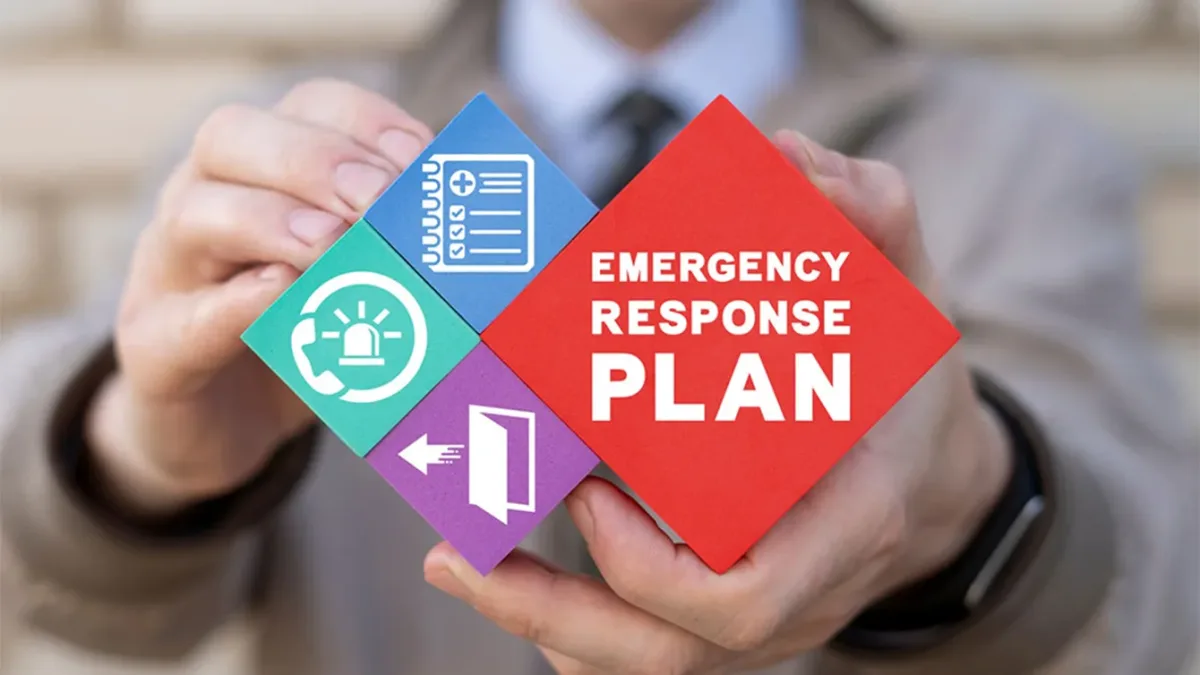
When the Grill Goes Dark: Why Your Restaurant Needs an Equipment Emergency Plan Yesterday
It was a Tuesday night, our busiest shift of the week, and the kitchen was humming. Orders were flying, tickets were piling up, and then, without warning, the walk-in freezer died. Not a flicker, not a warning beep, just silence. And then, the slow creep of panic. We had $8,000 worth of prime rib thawing inside, a line of customers waiting for their steaks, and no backup plan. By the time we got the unit running again (thanks to a 24-hour repair service that charged us an arm and a leg), we’d lost half our inventory and a chunk of our reputation. That night, I learned the hard way: restaurant equipment doesn’t break on a schedule. And when it does, you’re not just fighting the clock, you’re fighting your own survival.
Fast forward to today, and I still wince when I think about that night. But here’s the thing: it didn’t have to be that way. A solid restaurant equipment emergency response plan could’ve saved us thousands, not to mention the stress of watching our night unravel in real time. If you’re reading this and thinking, *”We’ve got insurance for that,”* or *”Our staff knows what to do,”* let me stop you right there. Insurance doesn’t cover the cost of lost customers or a tarnished reputation. And unless your team has practiced their response like a fire drill, they’re not prepared, they’re just hoping for the best. And hope, as they say, is not a strategy.
So, what’s the goal here? By the end of this article, you’ll have a step-by-step blueprint for building an equipment emergency response plan that actually works. We’re not talking about a dusty binder sitting on a shelf, we’re talking about a living, breathing system that your team can execute under pressure. You’ll learn how to:
- Identify the equipment most likely to fail (and why it’s not always the obvious culprits).
- Create a priority-based response system so your team knows exactly what to tackle first.
- Build a vendor and repair network that won’t leave you hanging when disaster strikes.
- Train your staff to react like a well-oiled machine, even when the kitchen’s on fire (metaphorically… or literally).
- Test and refine your plan so it’s not just theory, it’s muscle memory.
Is this going to take some work? Absolutely. But here’s the question I want you to ask yourself: *Can you afford not to?* Because when your fryer quits during the lunch rush or your HVAC system decides to take a vacation in the middle of July, the difference between chaos and control could be the difference between staying open and shutting your doors for good. Let’s get started.
The Anatomy of a Restaurant Equipment Emergency (And Why It’s Never Just About the Equipment)
1. The Domino Effect: How One Broken Piece Can Bring Down Your Entire Operation
When we think about equipment failures, it’s easy to focus on the big-ticket items, the walk-in freezer, the oven, the grill. But here’s the thing: the most dangerous failures aren’t always the most obvious. A broken ice machine might not seem like a crisis, but if your bar can’t serve drinks, your bartender’s standing idle, and your customers are getting impatient, suddenly you’ve got a full-blown problem on your hands. And that’s before you factor in the ripple effects: a backed-up dishwasher means dirty plates pile up, which means your line cooks can’t plate food, which means your servers are stuck waiting, which means your customers are stuck waiting. It’s a domino effect, and it doesn’t take long for one small failure to bring your entire operation to a grinding halt.
So, how do you prepare for something like this? First, you’ve got to think beyond the equipment itself. Ask yourself: *What’s the worst that could happen if this piece fails?* Not just in terms of repair costs, but in terms of operational impact. For example:
- Refrigeration failure: Food spoilage, health code violations, lost inventory, and potential shutdowns.
- HVAC failure: Uncomfortable customers, unhappy staff, and a kitchen that’s either too hot or too cold to work in.
- Point-of-sale (POS) system crash: No orders can be taken, payments can’t be processed, and your front-of-house is paralyzed.
- Exhaust hood failure: Smoke fills the kitchen, you’re forced to shut down, and suddenly you’re violating fire codes.
I’ll be honest, when I first started mapping this out for my own restaurant, I was overwhelmed. There are so many moving parts, and it’s easy to feel like you’re preparing for the apocalypse. But here’s the key: you don’t have to plan for every possible scenario. Instead, focus on the failures that would cripple your operation the most. Prioritize those, and build your plan around them. The rest? You’ll handle it as it comes. (And trust me, it will come.)
2. The Psychology of Panic: Why Your Staff Will Freeze (And How to Unfreeze Them)
Let’s talk about something no one really wants to admit: when equipment fails, people panic. It’s not because they’re incompetent, it’s because humans are wired to freeze when faced with the unexpected. Your line cook, who’s usually cool under pressure, might suddenly forget how to troubleshoot the grill. Your manager, who’s great at putting out fires (literally and figuratively), might freeze when the POS system goes down. And your servers? They’re out there on the floor, watching customers grow impatient, feeling helpless because they don’t know what’s going on or how to fix it.
This is where your equipment emergency response plan becomes more than just a list of steps, it becomes a psychological safety net. When your staff knows exactly what to do, when to do it, and who to call, they’re less likely to freeze. They’re more likely to spring into action, because they’ve got a script to follow. And that script? It’s not just about fixing the problem, it’s about managing the chaos while the problem’s being fixed.
Here’s what I mean. Imagine your walk-in freezer goes down at 2 PM on a Saturday. Without a plan, here’s what happens:
- Someone notices the temperature’s rising and tells the manager.
- The manager calls the owner, who’s at their kid’s soccer game and can’t answer.
- The staff starts moving food around, but no one’s sure what’s safe to keep and what’s not.
- Someone calls a repair service, but they can’t come until Monday.
- By the time the owner calls back, half the inventory is spoiled, and the health inspector’s on their way because a customer complained about warm beer.
Now, imagine the same scenario with a plan in place:
- Someone notices the temperature’s rising and immediately notifies the designated emergency point person (who’s been trained for this exact situation).
- The point person checks the emergency contact list and calls the pre-vetted repair service (who’s already been briefed on your equipment and has a history with your restaurant).
- Meanwhile, the staff follows the food safety protocol for refrigeration failure: moving perishables to backup coolers, marking items with time stamps, and notifying the kitchen to adjust the menu.
- The manager updates the front-of-house team, who start communicating with customers about potential delays (and offering complimentary appetizers to keep them happy).
- The repair service arrives within two hours, fixes the issue, and the restaurant stays open with minimal disruption.
See the difference? One scenario is chaos. The other is controlled, managed chaos. And that’s the power of a plan. It doesn’t just fix the problem, it keeps your team from spiraling while the problem’s being fixed.
3. The Hidden Costs of Equipment Failure (Spoiler: It’s Not Just the Repair Bill)
When we talk about equipment failures, the first thing that comes to mind is the cost of repairs. A new compressor for your walk-in? That’s $2,000. A replacement fryer? Another $3,500. But here’s the thing: the repair bill is just the tip of the iceberg. The real costs, the ones that can sink your business, are the ones you don’t see coming. Let’s break them down:
- Lost Revenue: Every minute your kitchen is down, you’re losing money. If your grill goes out during the dinner rush, you’re not just losing the cost of the food you can’t cook, you’re losing the profit from every table that walks out because they’re tired of waiting. And those customers? They might not come back.
- Food Waste: A refrigeration failure doesn’t just mean spoiled food, it means wasted labor (the time your staff spent prepping that food), wasted ingredients, and wasted potential revenue. And if you’re in a high-volume restaurant, that waste can add up to thousands of dollars in a single day.
- Staff Morale: Your team works hard, and when equipment fails, it’s demoralizing. They’re the ones dealing with the fallout, angry customers, extra work, and the stress of not knowing when (or if) things will get back to normal. Low morale leads to high turnover, and high turnover leads to even more problems.
- Reputation Damage: In the age of Yelp and Google Reviews, one bad experience can haunt you for years. A customer who waits an hour for their meal because your oven died isn’t just going to forget about it, they’re going to tell their friends, leave a scathing review, and maybe even post about it on social media. And once that reputation damage is done, it’s hard to undo.
- Health Code Violations: If your equipment failure leads to food safety issues, you could be facing fines, temporary closures, or even permanent shutdowns. And if word gets out that your restaurant was cited for health code violations? That’s a PR nightmare you don’t want to deal with.
- Opportunity Cost: While you’re dealing with the fallout of an equipment failure, you’re not focusing on growing your business. You’re not training your staff, you’re not developing new menu items, and you’re not building relationships with your customers. You’re just trying to survive.
I’ll give you an example. A few years back, a friend of mine owned a small café in Nashville. Their espresso machine died on a Friday morning, peak coffee rush. They didn’t have a backup, and the repair service couldn’t come until Monday. By the time the machine was fixed, they’d lost $4,000 in revenue, had to throw out $1,200 worth of spoiled milk and syrups, and received three one-star reviews from customers who’d waited 30 minutes for their lattes. But the real kicker? Two of their regulars, who accounted for about 15% of their weekly sales, switched to the coffee shop down the street. They never came back.
That’s the hidden cost of equipment failure. It’s not just the repair bill, it’s the long-term damage to your business. And that’s why you can’t afford to wing it.
Step 1: Identify Your Critical Equipment (And Why You’re Probably Overlooking Something)
4. The Equipment Audit: How to Spot the Weak Links in Your Kitchen
Alright, let’s start with the basics: you can’t protect what you don’t know you have. And yet, I’d bet my last paycheck that most restaurant owners couldn’t list every single piece of equipment in their kitchen off the top of their heads. We get so caught up in the day-to-day that we forget to take stock of what’s actually keeping our business running. So, step one in building your restaurant equipment emergency response plan is to conduct a comprehensive equipment audit. And no, this isn’t just a boring inventory list, it’s your first line of defense.
Here’s how to do it:
- Walk the Floor: Literally. Grab a clipboard, a pen, and a camera (your phone works), and walk through your entire operation. Start in the kitchen, then move to the bar, the storage areas, the front-of-house, and even the back office. Write down every single piece of equipment you see, no matter how small or seemingly insignificant. That hand mixer in the pastry station? Write it down. The backup generator in the basement? Write it down. The POS system at the host stand? You get the idea.
- Categorize by Function: Once you’ve got your list, group the equipment by function. For example:
- Cooking: Grills, ovens, fryers, ranges, steamers, etc.
- Refrigeration: Walk-ins, reach-ins, under-counter coolers, ice machines, etc.
- Food Prep: Mixers, slicers, food processors, prep tables, etc.
- Cleaning: Dishwashers, glass washers, sanitizing stations, etc.
- Front-of-House: POS systems, credit card terminals, HVAC, lighting, etc.
- Safety: Fire suppression systems, exhaust hoods, emergency lighting, etc.
- Note Age and Condition: For each piece of equipment, jot down its age, brand, model number, and current condition. Is it new? Well-maintained? On its last legs? This is where the camera comes in handy, take photos of any warning signs, like rust, frayed wires, or error messages. If you’re not sure what to look for, bring in an equipment technician for a professional assessment. It’s worth the investment.
- Identify Dependencies: Some equipment doesn’t work in isolation. For example, your grill might rely on a specific gas line, or your POS system might depend on your Wi-Fi network. Note these dependencies, because if one piece fails, it could take down others with it.
- Prioritize by Impact: Now, the hard part. For each piece of equipment, ask yourself: *”What would happen if this failed during peak hours?”* Rate the impact on a scale of 1 to 5, with 5 being catastrophic (e.g., your walk-in freezer) and 1 being minor (e.g., a hand mixer). This will help you focus your emergency plan on the equipment that matters most.
I’ll be honest, this step is tedious. It’s easy to put it off, especially when you’ve got a million other things on your plate. But here’s the thing: if you skip this step, you’re building your emergency plan on a foundation of guesswork. And guesswork is how you end up with a plan that doesn’t actually work when you need it most.
5. The 80/20 Rule: Why 20% of Your Equipment Causes 80% of Your Headaches
If you’re feeling overwhelmed by the sheer number of items on your equipment list, don’t worry, you’re not alone. The good news is that you don’t have to plan for every single piece of equipment in your kitchen. In fact, you can probably focus on just 20% of your equipment and still cover 80% of your risk. This is the Pareto Principle in action, and it’s your secret weapon for building an effective emergency plan without going crazy.
So, which 20% should you focus on? Here’s a rough guide to the equipment that’s most likely to fail, and most likely to cause major problems when it does:
- Refrigeration: Walk-in freezers, reach-in coolers, and ice machines are the holy trinity of restaurant equipment failures. They’re expensive to repair, they spoil food quickly, and they’re often the first thing health inspectors look at. If you only plan for one category of equipment, make it this one.
- Cooking Equipment: Grills, ovens, and fryers are the heart of your kitchen. If they go down, your menu goes with them. And unlike refrigeration, which can sometimes limp along for a few hours, cooking equipment failures are usually immediate and catastrophic.
- HVAC Systems: A broken HVAC system doesn’t just make your customers uncomfortable, it can make your kitchen unsafe to work in. In the summer, a failed AC can turn your kitchen into a sauna, and in the winter, a broken heater can make it feel like a freezer. Either way, your staff won’t be able to work efficiently, and your customers won’t want to stick around.
- POS Systems: Your point-of-sale system is the nerve center of your restaurant. If it goes down, you can’t take orders, process payments, or track sales. And in today’s cashless world, that’s a recipe for disaster.
- Exhaust Hoods: A failed exhaust hood doesn’t just mean a smoky kitchen, it means a kitchen that’s violating fire codes. And if the fire marshal shows up, you could be facing fines or even a shutdown.
- Dishwashers: A broken dishwasher might not seem like a big deal, but if your plates and utensils aren’t getting clean, you’re risking health code violations. Plus, a backed-up dishwasher means your kitchen can’t keep up with the flow of dirty dishes, which means your line cooks can’t plate food, which means your servers can’t serve food, which means your customers are waiting. It’s a domino effect.
Now, I’m not saying you should ignore the other 80% of your equipment. But if you’re short on time or resources, start with these categories. They’re the ones that will cause the most pain if they fail, and they’re the ones that will give you the biggest bang for your buck when it comes to emergency planning.
6. The Surprising Equipment You’re Forgetting (And Why It Matters)
Alright, so you’ve got your list of critical equipment, and you’re feeling pretty good about it. But here’s the thing: the most dangerous equipment failures aren’t always the ones you expect. There are a few pieces of equipment that most restaurant owners overlook, but that can cause just as much damage as a failed walk-in freezer. Let’s talk about them.
- Water Heaters: A failed water heater might not seem like a big deal, but if your dishwasher can’t get hot water, you’re looking at health code violations. Plus, no hot water means no handwashing, which means your staff can’t work safely. And if you’ve got a coffee shop or a bar, no hot water means no coffee or tea, which means no morning rush revenue.
- Backup Generators: If you’ve got a backup generator, great! But when’s the last time you tested it? A generator that doesn’t work when you need it is worse than no generator at all, because it gives you a false sense of security. Make sure yours is in good working order, and that your staff knows how to use it.
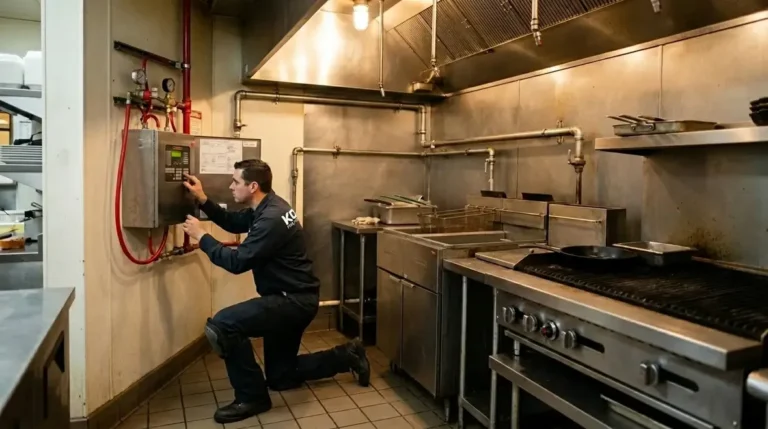
- Fire Suppression Systems: Your fire suppression system is there to protect you, but if it’s not properly maintained, it can fail when you need it most. And if it fails, you’re not just risking a fire, you’re risking a shutdown. Make sure your system is inspected regularly, and that your staff knows how to use it.
- Plumbing: A clogged drain or a broken pipe might not seem like an equipment failure, but it can shut down your kitchen just as quickly as a failed oven. And if the problem is in your grease trap, you could be facing fines from the city. Make sure your plumbing is in good working order, and that you’ve got a plan for dealing with clogs and leaks.
- Lighting: This one might seem minor, but if your lighting goes out during dinner service, your kitchen becomes a safety hazard. Your staff can’t see what they’re doing, your customers can’t see their food, and your restaurant becomes a liability. Make sure you’ve got backup lighting, and that your staff knows how to use it.
- Wi-Fi and Network Equipment: In today’s digital world, your Wi-Fi network is just as critical as your POS system. If your Wi-Fi goes down, your POS system goes with it, your online orders stop coming in, and your customers can’t pay with their phones. Make sure your network equipment is reliable, and that you’ve got a backup plan for when it fails.
I’ll give you an example. A few years ago, I was consulting for a small diner in Nashville. They had a great emergency plan for their refrigeration and cooking equipment, but they’d overlooked their water heater. One morning, the water heater died, and they didn’t have hot water for their dishwasher. By the time they realized what was happening, they’d already served breakfast to 50 customers on dirty dishes. The health inspector showed up later that day, and they were hit with a $1,500 fine. All because of a water heater.
Moral of the story? Don’t overlook the small stuff. Your emergency plan needs to cover all the bases, not just the obvious ones.
Step 2: Build Your Emergency Response Team (And Why It’s Not Just About the Kitchen Staff)
7. Who’s on Your Emergency Response Team? (Spoiler: It’s More People Than You Think)
When we think about equipment emergencies, it’s easy to assume that the kitchen staff will handle it. After all, they’re the ones who use the equipment every day, right? But here’s the thing: an equipment emergency isn’t just a kitchen problem, it’s a restaurant-wide problem. And if you’re only relying on your kitchen staff to handle it, you’re setting yourself up for failure.
So, who should be on your emergency response team? Let’s break it down:
- The Kitchen Team: Obviously, your kitchen staff needs to be involved. They’re the ones who will be troubleshooting the equipment, moving food around, and adjusting the menu as needed. But don’t just assume that your head chef or kitchen manager will take the lead. Assign specific roles to specific people. For example:
- Equipment Lead: This person is responsible for troubleshooting the equipment, contacting repair services, and coordinating with the rest of the team. They should be someone who’s familiar with the equipment and comfortable making quick decisions.
- Food Safety Lead: This person is responsible for ensuring that food is stored safely, that health codes are being followed, and that nothing is being served that could make customers sick. They should be someone who’s trained in food safety and knows the ins and outs of your refrigeration and storage systems.
- Menu Adjustment Lead: This person is responsible for adjusting the menu based on what equipment is working and what’s not. They should be someone who knows the menu inside and out and can think on their feet.
- The Front-of-House Team: Your front-of-house staff is just as important as your kitchen staff when it comes to handling an equipment emergency. They’re the ones who will be communicating with customers, managing expectations, and keeping the restaurant running smoothly. Assign roles like:
- Customer Communication Lead: This person is responsible for keeping customers informed about what’s happening, how long delays might be, and what they can do to help (e.g., ordering from a limited menu, being patient, etc.). They should be someone who’s great with people and comfortable handling complaints.
- POS/Tech Lead: If your POS system goes down, this person is responsible for troubleshooting it, switching to a backup system (like a tablet or manual credit card imprinter), and ensuring that payments can still be processed. They should be someone who’s comfortable with technology and can think quickly under pressure.
- Management: Your managers need to be involved in the emergency response, but their role isn’t to micromanage, it’s to remove obstacles. They should be focused on:
- Coordination: Making sure that everyone on the team is communicating and working together.
- Decision-Making: Making the tough calls, like whether to stay open or close temporarily, whether to offer refunds or comps, and how to handle customer complaints.
- Vendor Liaison: Contacting repair services, insurance companies, and any other external partners that need to be involved.
- External Partners: Your emergency response team isn’t just your staff, it’s also the external partners who will help you get back on your feet. These might include:
- Repair Services: You should have a list of pre-vetted repair services that you can call in an emergency. More on this later.
- Insurance Providers: If your equipment is covered by insurance, you’ll need to contact your provider as soon as possible to start the claims process.
- Health Inspectors: If your equipment failure leads to food safety issues, you’ll need to contact the health department to let them know what’s happening and how you’re handling it.
- Backup Suppliers: If you need to replace equipment quickly, you’ll need a list of suppliers who can get you what you need on short notice.
I know what you’re thinking: *”That’s a lot of people. Do I really need all of them?”* And the answer is: yes, you do. Because when an equipment emergency hits, it’s not just about fixing the problem, it’s about managing the chaos while the problem’s being fixed. And that takes a team.
8. Training Your Team: Why Drills Are Just as Important as the Plan Itself
Here’s the hard truth: your emergency plan is useless if your team doesn’t know how to execute it. And I don’t just mean knowing the steps, I mean knowing them so well that they can execute them under pressure, without panicking, without freezing, and without making mistakes. That’s where training and drills come in.
Think of it like a fire drill. You don’t just tell your staff what to do in case of a fire, you make them practice it. You time them, you critique them, and you make sure they know the plan inside and out. The same goes for your equipment emergency plan. Here’s how to train your team effectively:
- Start with a Walkthrough: Gather your emergency response team and walk them through the plan step by step. Explain what each person’s role is, what their priorities are, and how they should communicate with the rest of the team. Make sure everyone understands the plan and feels comfortable with their responsibilities.
- Assign a Trainer: Designate someone on your team to be the emergency plan trainer. This person should be responsible for keeping the plan up to date, training new staff, and running drills. They should be someone who’s detail-oriented, patient, and good at explaining things clearly.
- Run Scenario-Based Drills: Don’t just tell your team what to do, make them practice it. Run drills based on different scenarios, like:
- A walk-in freezer failure during the dinner rush.
- A POS system crash during a busy lunch shift.
- A grill breakdown during a catering event.
- An HVAC failure on a hot summer day.
For each drill, assign roles, set a timer, and see how your team performs. After the drill, debrief and discuss what went well and what could be improved.
- Test Communication: One of the biggest challenges during an equipment emergency is communication. Your team needs to be able to communicate quickly and clearly, both with each other and with customers. During your drills, test different communication methods, like:
- Walkie-Talkies: If your restaurant is large or spread out, walkie-talkies can be a lifesaver. Make sure your team knows how to use them and that they’re charged and ready to go.
- Group Texts: A group text can be a quick and easy way to communicate with your team, but make sure everyone has the right phone numbers and knows how to use the group chat.
- Whiteboards or Signs: If your POS system is down, you might need to write orders on a whiteboard or use signs to communicate with customers. Make sure your team knows how to do this quickly and clearly.
- Simulate Stress: An equipment emergency is stressful. There’s no way around it. So, when you’re running drills, don’t make it easy on your team. Throw in curveballs, like:
- A customer who’s angry about the delay.
- A repair service that can’t come until tomorrow.
- A manager who’s unavailable to make decisions.
The goal is to prepare your team for the worst, so they’re not caught off guard when it happens.
- Review and Refine: After each drill, gather your team and review what went well and what didn’t. Ask for feedback, and be open to making changes to the plan. The goal is to continuously improve, so your team is always getting better at handling emergencies.
I’ll be honest, this step is a pain. It takes time, it takes effort, and it’s easy to put off. But here’s the thing: the more you practice, the more natural it will feel. And when an emergency hits, you’ll be glad you did.
9. The Role of Leadership: Why Your Managers Need to Step Up (And How to Make Sure They Do)
Let’s talk about leadership. Because when an equipment emergency hits, your managers are the ones who will make or break your response. They’re the ones who will be making the tough calls, keeping the team calm, and ensuring that the plan is executed smoothly. And if they’re not up to the task, your entire operation could fall apart.
So, what does good leadership look like during an equipment emergency? Here are a few key traits:
- Calm Under Pressure: Your managers need to be able to keep their cool, even when everything’s falling apart. If they’re panicking, your team will panic, and the situation will spiral out of control. Look for managers who are level-headed, confident, and able to think clearly under stress.
- Decisive: During an emergency, there’s no time for second-guessing. Your managers need to be able to make quick, confident decisions, even if they’re not 100% sure they’re the right ones. Indecision is just as dangerous as a bad decision, sometimes worse.
- Communicative: Your managers need to be able to communicate clearly and effectively, both with your team and with customers. They should be able to explain what’s happening, what’s being done to fix it, and what customers can expect. And they should be able to do it in a way that’s calm, reassuring, and professional.
- Problem-Solvers: An equipment emergency is a problem that needs to be solved, and your managers need to be able to think on their feet. They should be able to come up with creative solutions, like adjusting the menu, finding backup equipment, or communicating with customers in a way that minimizes the impact.
- Empathetic: Your managers need to be able to put themselves in the shoes of your customers and your staff. They should be able to understand their frustrations, their fears, and their concerns, and respond in a way that’s compassionate and understanding.
So, how do you make sure your managers are up to the task? Here are a few tips:
- Train Them: Don’t assume that your managers know how to handle an equipment emergency. Train them, just like you would any other member of your team. Walk them through the plan, assign them roles, and make sure they understand their responsibilities.
- Give Them Authority: Your managers need to be able to make decisions without constantly checking in with you. Give them the authority to do what needs to be done, even if it’s not the perfect solution. The goal is to keep the restaurant running, not to follow the plan to the letter.
- Lead by Example: If you’re the owner or general manager, you need to set the tone. Stay calm, communicate clearly, and show your team that you’re in control. If you’re panicking, your managers will panic, and the situation will spiral out of control.
- Debrief After Emergencies: After an equipment emergency, gather your managers and review what went well and what didn’t. Ask for their feedback, and be open to making changes to the plan. The goal is to learn from each emergency, so you’re better prepared for the next one.
- Recognize Good Leadership: When your managers handle an emergency well, make sure to recognize their efforts. A little appreciation goes a long way, and it will encourage them to step up the next time something goes wrong.
I’ll give you an example. A few years ago, I was working with a restaurant that had a major refrigeration failure during a busy weekend. The manager on duty was new, and she’d never handled an emergency like this before. But she stayed calm, communicated clearly with the team, and made quick decisions to keep the restaurant running. She adjusted the menu, moved food to backup coolers, and kept customers informed about the situation. By the end of the night, the restaurant was still open, and the customers were happy. And the best part? The manager felt confident and empowered, because she knew she’d handled the situation well.
That’s the power of good leadership. It doesn’t just fix the problem, it keeps your team motivated and your customers happy.
Step 3: Create Your Emergency Response Plan (And Why It’s Not as Complicated as You Think)
10. The 5-Step Emergency Response Framework (That Actually Works)
Alright, let’s get down to brass tacks. You’ve identified your critical equipment, you’ve built your emergency response team, and you’ve trained them to handle the worst. Now, it’s time to create your emergency response plan. And here’s the good news: it doesn’t have to be complicated. In fact, the simpler your plan is, the more effective it will be. Because when an emergency hits, you don’t want your team flipping through a 50-page manual, you want them to know exactly what to do, without thinking.
So, here’s a 5-step emergency response framework that you can adapt to your restaurant. It’s simple, it’s effective, and it works for just about any equipment failure. Let’s break it down:
- Step 1: Assess the Situation
- What’s the problem? Is the equipment completely dead, or is it just malfunctioning? Is there a safety hazard, like smoke or leaking gas?
- What’s the impact? How is this failure affecting your operation? Are you able to stay open, or do you need to close temporarily?
- What’s the priority? Is this a safety issue, a food safety issue, or just an inconvenience? Your response will depend on the severity of the problem.
The goal of this step is to quickly understand what’s happening and how serious it is. Your team should be able to do this in a matter of minutes, so they can move on to the next step.
- Step 2: Contain the Problem
- Safety First: If there’s a safety hazard, like a gas leak or a fire, your first priority is to evacuate the area and call 911 if necessary.
- Food Safety: If the problem is with refrigeration or food prep equipment, your next priority is to ensure that food is stored safely. Move perishables to backup coolers, mark items with time stamps, and adjust the menu as needed.
- Minimize Disruption: If the problem is with cooking or front-of-house equipment, your goal is to minimize the disruption to your customers. Adjust the menu, switch to backup systems, and communicate with customers about what’s happening.
The goal of this step is to stop the problem from getting worse. It’s not about fixing the equipment, it’s about managing the fallout while the equipment’s being fixed.
- Step 3: Communicate with the Team
- Internal Communication: Make sure everyone on your team knows what’s happening, what’s being done to fix it, and what their roles are. Use walkie-talkies, group texts, or whiteboards to keep everyone informed.
- External Communication: If the problem is affecting customers, make sure your front-of-house team knows how to communicate with them. Be honest, be transparent, and be empathetic. Customers appreciate it when you keep them in the loop.
The goal of this step is to keep everyone on the same page. When your team is informed and aligned, they can work together to handle the emergency.
- Step 4: Fix the Problem
- Troubleshoot: Before you call a repair service, see if you can troubleshoot the problem yourself. Check for simple fixes, like a tripped circuit breaker or a clogged filter.
- Call for Help: If you can’t fix the problem yourself, call your pre-vetted repair service. Make sure they know what’s happening, what equipment is affected, and how urgent the situation is.
- Backup Plan: If the repair service can’t come right away, have a backup plan. Can you rent or borrow equipment? Can you adjust your menu to work around the problem? The goal is to keep the restaurant running, even if it’s not business as usual.
The goal of this step is to get the equipment fixed as quickly as possible. The sooner you can get back to normal, the better.
- Step 5: Review and Improve
- Debrief: After the emergency is over, gather your team and review what went well and what didn’t. What worked? What didn’t? What could be improved?
- Update the Plan: Based on your debrief, update your emergency response plan. Make changes, add new steps, and refine your processes.
- Train the Team: After you’ve updated the plan, train your team on the new version. Make sure everyone knows what’s changed and why.
The goal of this step is to learn from each emergency and improve your plan for the next time. Because there will be a next time, it’s just a matter of when.
I know what you’re thinking: *”This seems too simple. Can it really work?”* And the answer is: yes, it can. Because the best emergency plans aren’t the ones with the most steps, they’re the ones that are easy to remember and easy to execute. When your team is under pressure, they don’t need complexity, they need clarity. And this framework gives them that.
11. The Emergency Response Playbook: How to Create a Plan That’s Actually Useful
Now that you’ve got your 5-step framework, it’s time to turn it into a usable playbook. This isn’t just a document, it’s a tool that your team will use to handle emergencies. And if it’s not useful, it’s not worth the paper it’s printed on. So, how do you create a playbook that actually works? Here’s how:
- Keep It Simple: Your playbook should be easy to read and easy to follow. Use bullet points, short sentences, and clear headings. Avoid jargon, and don’t assume that your team knows what you’re talking about. If a step is complicated, break it down into smaller, simpler steps.
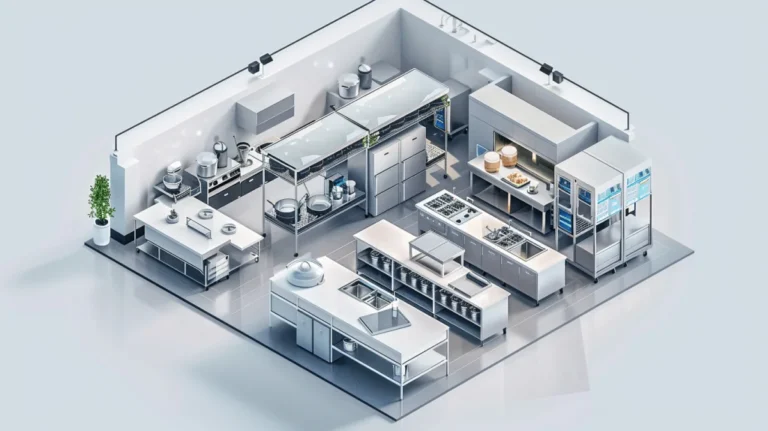
- Use Visuals: A picture is worth a thousand words, and in an emergency, you don’t have time for a thousand words. Use diagrams, flowcharts, and photos to illustrate key steps. For example, include a photo of your circuit breaker panel with labels for each breaker, or a diagram of your kitchen layout with arrows showing where to move food in case of a refrigeration failure.
- Organize by Scenario: Don’t just list steps in a generic order, organize your playbook by scenario. For example, have a section for refrigeration failures, a section for cooking equipment failures, a section for POS system failures, and so on. This way, your team can quickly find the information they need for the specific emergency they’re facing.
- Include Contact Information: Your playbook should include a list of emergency contacts, like:
- Repair services (with after-hours numbers if available).
- Insurance providers.
- Health inspectors.
- Backup suppliers.
- Key staff members (with phone numbers and roles).
Make sure this list is up to date, and that everyone on your team knows where to find it.
- Add Troubleshooting Tips: Before you call a repair service, there are often simple things you can do to troubleshoot the problem. Include a list of troubleshooting tips for each type of equipment, like:
- Check the power source (is it plugged in? Is the circuit breaker tripped?).
- Check for error messages (what do they mean? Can you reset the equipment?).
- Check for simple fixes (is the filter clogged? Is the gas line open?).
- Include Backup Plans: What if the repair service can’t come right away? What if you can’t fix the problem yourself? Include backup plans for each scenario, like:
- Renting or borrowing equipment.
- Adjusting the menu to work around the problem.
- Closing temporarily until the problem is fixed.
- Make It Accessible: Your playbook won’t do any good if your team can’t find it. Make sure it’s easily accessible, both in print and digitally. For example:
- Keep a printed copy in the kitchen, the office, and the front-of-house.
- Save a digital copy on your POS system, your shared drive, and your team’s phones.
- Make sure everyone on your team knows where to find it and how to use it.
I’ll be honest, creating a playbook like this takes time. But here’s the thing: it’s worth it. Because when an emergency hits, your playbook will be the difference between chaos and control. It will be the difference between losing thousands of dollars and keeping your restaurant running smoothly. And it will be the difference between a team that panics and a team that springs into action.
12. The One Thing Most Emergency Plans Get Wrong (And How to Avoid It)
Alright, let’s talk about the biggest mistake most restaurant owners make when creating an emergency response plan: they focus too much on the equipment and not enough on the people. They create detailed plans for fixing the walk-in freezer or troubleshooting the grill, but they forget about the most important part of the equation, their team.
Here’s the hard truth: your emergency plan is only as good as your team’s ability to execute it. And if your team doesn’t know the plan, doesn’t understand the plan, or doesn’t feel confident in the plan, it’s not going to work. So, how do you avoid this mistake? Here are a few tips:
- Involve Your Team in the Planning Process: Don’t create your emergency plan in a vacuum. Involve your team in the process. Ask for their input, their feedback, and their ideas. They’re the ones who will be executing the plan, so they should have a say in how it’s created.
- Train, Train, Train: I can’t say this enough-training is everything. Don’t just hand your team a playbook and assume they’ll know what to do. Train them, drill them, and make sure they’re comfortable with the plan. The more they practice, the more natural it will feel when an emergency hits.
- Make It Personal: Your emergency plan shouldn’t be a generic document, it should be tailored to your restaurant and your team. Make sure it reflects your unique challenges, your unique equipment, and your unique staff. The more personal it is, the more effective it will be.
- Empower Your Team: Your team needs to feel empowered to make decisions during an emergency. They shouldn’t have to wait for permission to act, they should know what to do and feel confident doing it. Give them the authority to make decisions, and trust them to do the right thing.
- Debrief After Emergencies: After an emergency, gather your team and review what went well and what didn’t. Ask for their feedback, and be open to making changes to the plan. The goal is to continuously improve, so your team is always getting better at handling emergencies.
I’ll give you an example. A few years ago, I was working with a restaurant that had a great emergency plan on paper. It was detailed, it was well-organized, and it covered every possible scenario. But when their walk-in freezer failed during a busy weekend, the plan fell apart. Why? Because the team didn’t know how to execute it. They’d never practiced, they’d never drilled, and they’d never been trained. So, when the emergency hit, they froze. They didn’t know what to do, they didn’t know who to call, and they didn’t know how to communicate with customers. The result? A chaotic night, lost revenue, and a team that felt helpless.
That’s the danger of focusing too much on the equipment and not enough on the people. Your plan can be perfect on paper, but if your team doesn’t know how to execute it, it’s useless. So, don’t make that mistake. Focus on your team, and make sure they’re prepared to handle whatever comes their way.
Step 4: Test, Refine, and Improve Your Plan (Because Perfection Is a Moving Target)
13. Why Your Emergency Plan Is Useless Until You’ve Tested It
Alright, let’s say you’ve done everything right. You’ve identified your critical equipment, you’ve built your emergency response team, you’ve created a detailed playbook, and you’ve trained your staff to execute the plan. You’re feeling pretty good about yourself, right? Well, here’s the hard truth: your plan is useless until you’ve tested it. Because no matter how well you’ve planned, no matter how detailed your playbook is, there’s always something you’ve overlooked. And the only way to find out what that is? Test the plan.
Think of it like a fire drill. You don’t just tell your staff what to do in case of a fire, you make them practice it. You time them, you critique them, and you make sure they know the plan inside and out. The same goes for your equipment emergency plan. You need to test it, refine it, and improve it, so it’s not just theory, it’s muscle memory.
So, how do you test your plan? Here are a few tips:
- Start Small: Don’t jump straight into a full-blown emergency drill. Start with small, low-stakes tests, like:
- Simulating a minor equipment failure during a slow shift.
- Testing your team’s ability to communicate during a mock emergency.
- Practicing your backup plans for small issues, like a clogged drain or a broken ice machine.
- Gradually Increase the Difficulty: Once your team is comfortable with the small tests, gradually increase the difficulty. Start simulating more serious emergencies, like:
- A walk-in freezer failure during the dinner rush.
- A POS system crash during a busy lunch shift.
- A grill breakdown during a catering event.
- Throw in Curveballs: Don’t make it easy on your team. Throw in curveballs, like:
- A repair service that can’t come until tomorrow.
- A manager who’s unavailable to make decisions.
- A customer who’s angry about the delay.
The goal is to prepare your team for the worst, so they’re not caught off guard when it happens.
- Time Your Team: During your drills, time your team to see how long it takes them to execute the plan. Are they moving quickly and efficiently, or are they getting bogged down in details? Use the timing to identify bottlenecks and areas for improvement.
- Debrief After Each Drill: After each drill, gather your team and review what went well and what didn’t. Ask for feedback, and be open to making changes to the plan. The goal is to continuously improve, so your team is always getting better at handling emergencies.
I’ll be honest, testing your plan is a pain. It takes time, it takes effort, and it’s easy to put off. But here’s the thing: the more you test, the more confident your team will be. And when an emergency hits, that confidence will make all the difference.
14. The Art of the Debrief: How to Learn from Every Emergency (Even the Small Ones)
Alright, let’s say you’ve tested your plan, and it went… okay. Not great, not terrible, but okay. Your team executed the steps, they communicated with customers, and they managed to keep the restaurant running. But there were a few hiccups, maybe the repair service took longer than expected, maybe the backup plan didn’t work as well as you’d hoped, maybe your team was a little slower than you’d like. So, what’s next? It’s time to debrief.
A debrief is more than just a review, it’s a structured process for learning from each emergency. It’s a chance to identify what went well, what didn’t, and what you can do better next time. And if you do it right, it’s one of the most valuable tools in your emergency response toolkit. So, how do you run an effective debrief? Here’s how:
- Gather the Team: After an emergency (or a drill), gather your emergency response team and anyone else who was involved. Make sure everyone’s there, no exceptions. The goal is to get as many perspectives as possible.
- Set the Tone: Start the debrief by setting a positive, constructive tone. Remind your team that the goal isn’t to assign blame, it’s to learn and improve. Encourage everyone to be honest, open, and respectful.
- Ask the Right Questions: During the debrief, ask questions that will help you identify what went well and what didn’t. For example:
- What worked well during the emergency?
- What didn’t work as well as we’d hoped?
- What surprised us?
- What would we do differently next time?
- What do we need to improve?
- Focus on Solutions: Don’t just dwell on the problems, focus on solutions. For each issue that comes up, ask: *”How can we fix this?”* Brainstorm ideas, and be open to trying new things. The goal is to improve the plan, not just complain about what went wrong.
- Assign Action Items: After the debrief, assign action items to specific people. For example:
- “Update the playbook to include a new troubleshooting step for the walk-in freezer.”
- “Train the team on how to use the backup POS system.”
- “Contact the repair service to discuss faster response times.”
Make sure each action item has a deadline and an owner, so it doesn’t fall through the cracks.
- Follow Up: After the debrief, follow up with your team to make sure the action items are being completed. Check in regularly, and be available to answer questions or provide support. The goal is to keep the momentum going, so the improvements don’t get forgotten.
I’ll give you an example. A few years ago, I was working with a restaurant that had a refrigeration failure during a busy weekend. The team executed the plan, but the repair service took longer than expected, and the backup coolers weren’t big enough to hold all the perishables. During the debrief, we identified a few key issues:
- The repair service’s response time was too slow.
- The backup coolers weren’t adequate for the volume of food.
- The team wasn’t sure how to prioritize which food to save.
So, we took action. We found a new repair service with faster response times, we invested in larger backup coolers, and we added a new step to the playbook for prioritizing food during a refrigeration failure. The next time the walk-in freezer failed, the team was ready. The repair service arrived quickly, the backup coolers held all the perishables, and the restaurant stayed open with minimal disruption.
That’s the power of a good debrief. It doesn’t just fix the problem, it makes your team better for the next time.
15. The Never-Ending Cycle: Why Your Emergency Plan Is Never Really “Done”
Alright, let’s say you’ve tested your plan, you’ve debriefed after each emergency, and you’ve made improvements along the way. You’re feeling pretty good about yourself, right? Well, here’s the hard truth: your emergency plan is never really “done.” Because your restaurant is always changing, new equipment, new staff, new menu items, new challenges. And if your plan doesn’t change with it, it’s not going to work.
Think of your emergency plan like a living, breathing document. It’s not something you create once and forget about, it’s something you continuously update and refine. Here’s how to keep your plan fresh:
- Schedule Regular Reviews: Set a schedule for reviewing your emergency plan. For example, you might review it:
- Every quarter, to make sure it’s still relevant.
- After each emergency, to incorporate lessons learned.
- After major changes to your restaurant, like new equipment, new staff, or new menu items.
- Update the Playbook: As you review your plan, update the playbook to reflect any changes. Add new steps, remove outdated ones, and refine the existing ones. Make sure the playbook is always up to date and easy to follow.
- Train New Staff: As you hire new staff, make sure they’re trained on the emergency plan. Don’t assume they’ll pick it up on their own, take the time to walk them through it, assign them roles, and make sure they’re comfortable with the plan.
- Test Regularly: Don’t let your drills become a one-time thing. Schedule regular drills to keep your team sharp and to identify any new challenges. The more you practice, the more natural it will feel when an emergency hits.
- Stay Informed: Keep up with industry trends, new equipment, and best practices for emergency response. Attend workshops, read articles, and talk to other restaurant owners. The more you know, the better prepared you’ll be.
- Listen to Your Team: Your team is on the front lines, and they’re the ones who will be executing the plan. Listen to their feedback, their ideas, and their concerns. They might see things you’ve missed, and they might have suggestions for improvement.
I’ll be honest, this step is the hardest. It’s easy to create a plan, test it a few times, and then forget about it. But here’s the thing: your restaurant is always changing, and your emergency plan needs to change with it. If you don’t keep it fresh, it’s not going to work when you need it most.
So, don’t think of your emergency plan as a one-time project. Think of it as a ever-ending cycle of testing, refining, and improving. Because when an emergency hits, you don’t want to be caught off guard, you want to be ready.
The Bottom Line: Why an Equipment Emergency Plan Is Your Restaurant’s Safety Net
Alright, let’s bring it all home. We’ve covered a lot of ground here, identifying critical equipment, building an emergency response team, creating a playbook, training your staff, testing the plan, and continuously improving it. And if you’re feeling a little overwhelmed, I get it. Building an equipment emergency response plan isn’t easy. It takes time, it takes effort, and it takes a willingness to confront the fact that your restaurant is one broken piece of equipment away from disaster.
But here’s the thing: it’s worth it. Because when an emergency hits, your plan won’t just save you money, it’ll save your sanity, your reputation, and maybe even your business. It’ll give your team the confidence to handle whatever comes their way, and it’ll give your customers the peace of mind that comes with knowing they’re in good hands. And in an industry where the margins are thin and the stakes are high, that’s priceless.
So, where do you go from here? Here’s my challenge to you: start small, but start now. You don’t have to build the perfect plan overnight. Just pick one piece of critical equipment, create a simple response plan for it, and test it with your team. Then, build from there. Because the best time to prepare for an emergency was yesterday. The second-best time? Today.
And remember: your plan doesn’t have to be perfect, it just has to work. It doesn’t have to cover every possible scenario, it just has to cover the ones that matter most. And it doesn’t have to be set in stone, it just has to be flexible enough to adapt as your restaurant changes.
So, go ahead. Take the first step. Because when the grill goes dark, the walk-in freezer fails, or the POS system crashes, you’ll be glad you did.
FAQ: Your Burning Questions About Restaurant Equipment Emergency Plans, Answered
Q: How often should I update my restaurant equipment emergency response plan?
A: You should review and update your plan at least every quarter, or whenever there’s a major change to your restaurant, like new equipment, new staff, or new menu items. But don’t just update it for the sake of updating it. Focus on making improvements based on lessons learned from drills, emergencies, and feedback from your team. The goal is to keep the plan relevant and effective, not just to check a box.
Q: What’s the most common mistake restaurants make when creating an emergency plan?
A: The biggest mistake is focusing too much on the equipment and not enough on the people. A lot of restaurant owners create detailed plans for fixing the walk-in freezer or troubleshooting the grill, but they forget about the most important part of the equation, their team. Your emergency plan is only as good as your team’s ability to execute it, so make sure they’re trained, drilled, and empowered to handle whatever comes their way.
Q: Do I really need a backup generator for my restaurant?
A: It depends. If you’re in an area with frequent power outages, or if your restaurant relies heavily on refrigeration or cooking equipment, a backup generator can be a lifesaver. But if power outages are rare and your equipment can limp along for a few hours without power, you might not need one. The key is to assess your risk and make a decision based on your specific needs. And if you do get a generator, make sure it’s properly maintained and that your team knows how to use it.
Q: How can I train my staff to handle equipment emergencies without disrupting service?
A: The key is to start small and build gradually. Don’t jump straight into a full-blown emergency drill during your busiest shift. Instead, start with low-stakes tests during slow periods, like simulating a minor equipment failure or practicing communication during a mock emergency. As your team gets more comfortable, gradually increase the difficulty. And remember: the goal isn’t to disrupt service, it’s to prepare your team for when disruptions happen.
Q: What should I do if my emergency plan fails during a real crisis?
A: First, don’t panic. Even the best-laid plans can fail, and that’s okay. The important thing is to stay calm, assess the situation, and adapt. If your plan isn’t working, don’t be afraid to improvise. Focus on the basics: safety, food safety, and customer communication. And after the emergency is over, debrief with your team, identify what went wrong, and update your plan to prevent it from happening again. The goal is to learn from each failure, so you’re better prepared for the next time.
@article{how-to-build-a-restaurant-equipment-emergency-response-plan-and-why-you-cant-afford-to-skip-it,
    title   = {How to Build a Restaurant Equipment Emergency Response Plan (And Why You Can’t Afford to Skip It)},
    author  = {Chef's icon},
    year    = {2026},
    journal = {Chef's Icon},
    url     = {https://chefsicon.com/how-to-build-a-restaurant-equipment-emergency-response-plan/}
}