The Best Fluffy Pancakes recipe you will fall in love with. Full of tips and tricks to help you make the best pancakes.
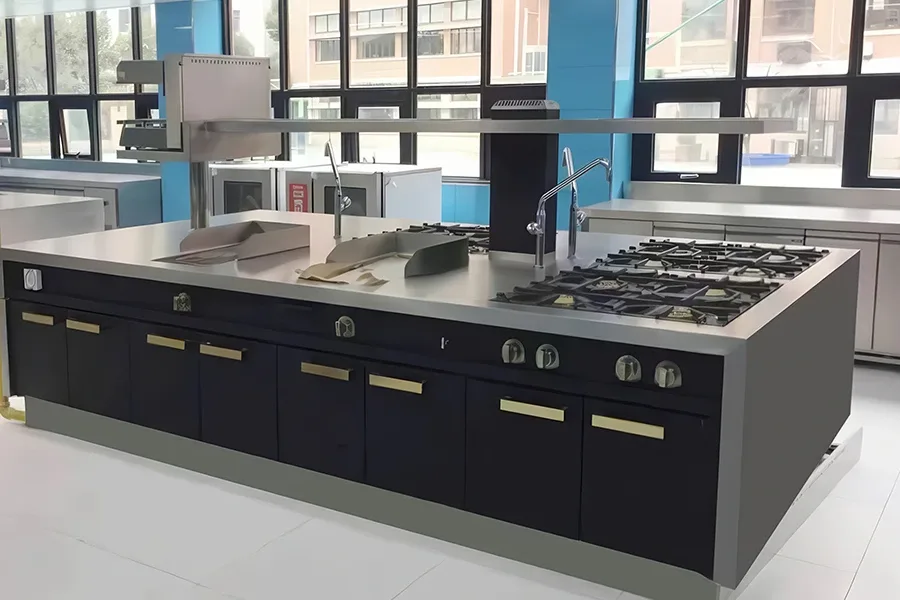
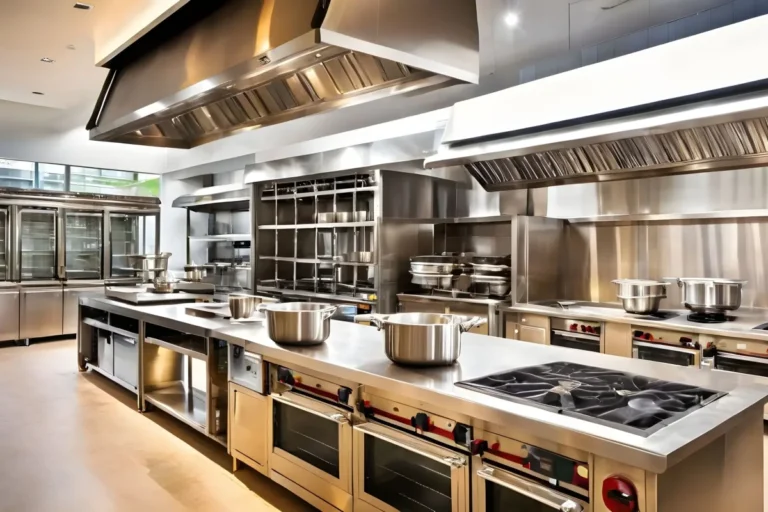
There’s a moment in every cook’s life, whether you’re running a bustling restaurant kitchen or just trying to nail that classic béchamel at home, when you realize something’s off. The roux isn’t browning evenly. The heat’s too aggressive in one spot, too weak in another. The flour clumps, the butter burns, and suddenly, you’re staring at a pot of what was supposed to be the base of your signature gumbo, now looking more like a science experiment gone wrong. I’ve been there. More times than I’d like to admit, actually. And after years of working in commercial kitchens, I’ve learned one undeniable truth: perfect roux starts with perfectly calibrated burners.
It’s not just about cranking up the heat or letting it simmer on low. It’s about understanding the nuances of your equipment, the dance between flame and pan, and how even the smallest adjustment can mean the difference between a silky, golden roux and a lumpy, scorched disaster. So, let’s talk about how to get it right. Because if there’s one thing I’ve learned from my time in Nashville’s kitchens, and from my rescue cat Luna’s unrelenting judgment when I mess up dinner, it’s that the foundation of great cooking is consistency. And consistency? It starts with calibration.
In this guide, I’ll walk you through everything you need to know about calibrating commercial burners for perfect roux consistency. We’ll cover the science behind roux, why burner calibration matters, the tools you’ll need, and a step-by-step process to get your burners dialed in. By the end, you’ll be able to walk into any kitchen, assess the equipment, and make the adjustments needed to turn out flawless roux every single time. Or at least, that’s the goal. (No promises if Luna’s watching.)
The Science of Roux: Why Burner Calibration Matters
What Even Is a Roux, Anyway?
Before we dive into burners, let’s talk roux. At its core, roux is a simple mixture of fat (usually butter, oil, or lard) and flour, cooked together to form the base of countless sauces, soups, and stews. But don’t let its simplicity fool you. Roux is a balancing act. Too little heat, and you end up with a raw, pasty mess. Too much heat, and you’re left with a bitter, burnt disaster. The magic happens in that sweet spot where the flour cooks just enough to lose its raw edge but not so much that it turns acrid. And that, my friends, is where burner calibration comes into play.
I remember the first time I tried making roux in a commercial kitchen. I was fresh out of culinary school, armed with textbook knowledge and a whole lot of confidence. I cranked up the burner, dumped in my butter and flour, and stood back, expecting magic. Instead, I got a pan of unevenly cooked roux, some parts pale and undercooked, others dark and bordering on burnt. My chef at the time, a no-nonsense woman named Maria, took one look at my pan and sighed. “You think roux is about stirring,” she said. “But it’s really about heat control. And heat control starts with your burners.” She was right, of course. And that’s when I realized: if you want consistent roux, you need consistent heat.
The Role of Burner Calibration in Roux Consistency
So, what does burner calibration actually mean? In simple terms, it’s the process of adjusting your burners to ensure they’re delivering even, predictable heat across the entire cooking surface. In a commercial kitchen, burners can fall out of calibration for all sorts of reasons, wear and tear, gas pressure fluctuations, or just the general chaos of a busy kitchen. When that happens, you get hot spots, cold spots, and uneven cooking. And when you’re making roux, uneven heat is the enemy.
Think about it: roux is all about controlled browning. You’re toasting the flour’s starches to develop flavor and color, but you’re also relying on the fat to distribute heat evenly. If your burner is hotter on one side than the other, the flour on that side will cook faster, leading to uneven color and, worse, uneven flavor. A well-calibrated burner ensures that the heat is uniform, so every part of your roux cooks at the same rate. It’s the difference between a smooth, velvety béchamel and a lumpy, scorched mess.
But here’s the thing: not all burners are created equal. Commercial kitchens use a variety of burner types-open burners, ring burners, jet burners-and each one behaves differently. Some are designed for high-heat searing, while others are built for low-and-slow simmering. If you’re making roux, you need a burner that can deliver medium, even heat without hot spots. And that’s where calibration comes in. By fine-tuning your burners, you can ensure they’re performing at their best, no matter what type of roux you’re making.
Why Commercial Burners Drift Out of Calibration
Okay, so why do burners even fall out of calibration in the first place? It’s not like they’re sentient beings plotting against your roux. (Though, after a long night in the kitchen, it’s easy to start believing that.) The truth is, commercial burners are workhorses. They’re used constantly, exposed to high heat, grease, and the occasional spill. Over time, that wear and tear takes a toll. Here are a few common reasons burners drift out of calibration:
- Gas Pressure Fluctuations: If the gas pressure in your kitchen isn’t consistent, your burners won’t perform consistently. This is especially common in older buildings or kitchens with outdated gas lines. Even a small drop in pressure can make a burner run cooler than it should, while a spike can make it run too hot.
- Worn-Out Components: Burners have a lot of moving parts, ignition systems, gas valves, flame regulators. Over time, these components can wear out or get clogged with grease and debris, leading to uneven heat distribution.
- Improper Cleaning: I get it. After a long shift, the last thing you want to do is scrub down every burner. But skipping cleaning can lead to buildup that affects performance. Grease, food particles, and even water can clog burner ports, causing uneven flames.
- Physical Damage: Let’s be real. Kitchens are chaotic places. Pans get dropped, pots get slammed, and burners take a beating. A dented burner ring or a cracked flame spreader can throw off heat distribution, making calibration a nightmare.
- Environmental Factors: Things like humidity, altitude, and even the temperature of your kitchen can affect burner performance. If you’re cooking in a high-altitude location, for example, you might need to adjust your burners to compensate for the thinner air.
So, what’s the takeaway? Burners aren’t set-it-and-forget-it equipment. They need regular maintenance and calibration to perform at their best. And if you’re serious about making perfect roux, you need to be serious about keeping your burners in top shape.
Tools of the Trade: What You’ll Need for Burner Calibration
Essential Tools for the Job
Before you start tweaking your burners, you’ll need a few tools. Some of these are basic, while others might require a trip to a kitchen supply store or a quick order from a site like Chef’s Deal, which offers a wide range of commercial kitchen tools and equipment. Here’s what you’ll need:
- Gas Pressure Gauge: This is your best friend when it comes to burner calibration. A gas pressure gauge measures the pressure of the gas flowing to your burners, ensuring it’s within the manufacturer’s recommended range. If the pressure is too high or too low, your burners won’t perform consistently. You can find these gauges at most kitchen supply stores, or online through suppliers like Chef’s Deal, which often carries a variety of calibration tools.
- Infrared Thermometer: An infrared thermometer lets you measure the surface temperature of your pan without touching it. This is crucial for checking heat distribution across the burner. If one side of your pan is significantly hotter than the other, you’ll know you’ve got a calibration issue.
- Adjustable Wrench: You’ll need this to tweak the gas valves and other components of your burners. Make sure it’s the right size for your equipment, nothing’s worse than realizing halfway through a calibration that your wrench doesn’t fit.
- Screwdriver Set: Some burners have adjustment screws that require a flathead or Phillips screwdriver. A good set will save you a lot of frustration.
- Cleaning Supplies: Before you start calibrating, you’ll want to clean your burners thoroughly. Grease and debris can affect performance, so grab some degreaser, a wire brush, and a few rags. I like to use a stiff-bristled brush to clean out the burner ports, just be gentle to avoid damaging anything.
- Manometer (Optional but Helpful): If you’re dealing with a more complex calibration, a manometer can help you measure the gas flow rate. This is overkill for most home cooks, but if you’re running a commercial kitchen, it’s a worthwhile investment.
- Notebook or Digital Log: This might seem like overkill, but trust me, it’s not. Keeping a log of your burner settings, gas pressure readings, and any adjustments you make will help you track performance over time. Plus, if you ever need to troubleshoot an issue, having a record of past calibrations can be a lifesaver.
Now, I know what you’re thinking: “Do I really need all this stuff?” The short answer is no. You can get by with just a gas pressure gauge and an infrared thermometer for basic calibration. But if you’re serious about maintaining your equipment, and if you’re reading this, I’m guessing you are, having the right tools will make the job a lot easier. And if you’re in the market for new equipment, suppliers like Chef’s Deal offer not just tools but also free kitchen design services, which can help you set up your space for optimal performance from the get-go.
Safety First: Pre-Calibration Checklist
Before you start poking around with gas lines and open flames, let’s talk safety. Commercial kitchens are dangerous places, and burners are no exception. Here’s a quick checklist to run through before you start calibrating:
- Turn Off the Gas: This should go without saying, but I’ll say it anyway. Before you do anything, turn off the gas supply to your burners. No exceptions.
- Ventilate the Area: Make sure your kitchen is well-ventilated. Open windows, turn on exhaust fans, and do whatever you need to do to ensure you’re not breathing in gas fumes or other nasties.
- Wear Protective Gear: Gloves and safety glasses might seem like overkill, but they’re not. Grease burns hurt, and debris can fly into your eyes when you’re cleaning or adjusting burners.
- Check for Gas Leaks: Before you turn the gas back on, do a leak test. Mix a little dish soap with water and brush it onto the gas connections. If you see bubbles forming, you’ve got a leak. Turn off the gas immediately and call a professional.
- Clear the Area: Make sure there’s nothing flammable near your burners. Towels, paper, even loose clothing can be a fire hazard. Keep the area clean and clutter-free.
- Have a Fire Extinguisher Handy: Just in case. Better safe than sorry.
I’ll be honest: I’ve skipped steps on this checklist before. Once, in a rush to get a burner calibrated before service, I forgot to turn off the gas. I got lucky, nothing caught fire, and I didn’t blow myself up. But it was a wake-up call. Safety isn’t something you can afford to cut corners on, especially when you’re dealing with gas. So, take your time, follow the checklist, and don’t be like me.
Step-by-Step Guide to Calibrating Commercial Burners
Step 1: Assess Your Burners
Before you start making adjustments, you need to figure out what’s actually wrong with your burners. Are they too hot? Too cold? Uneven? Here’s how to assess them:
- Visual Inspection: Start by giving your burners a once-over. Look for signs of wear and tear, dents, cracks, clogged ports, or discoloration. If a burner looks damaged, it might need to be replaced rather than calibrated. Suppliers like Chef’s Deal offer a wide range of commercial burners, so if you need a replacement, they’re a great place to start.
- Flame Check: Turn on the burner and observe the flame. A well-calibrated burner should have a blue flame with a slight orange tip. If the flame is mostly orange or yellow, it’s a sign of incomplete combustion, which can be caused by clogged ports or incorrect gas pressure. If the flame is weak or sputtering, you might have a gas pressure issue.
- Heat Distribution Test: Grab a heavy-bottomed pan (cast iron works great for this) and place it on the burner. Let it heat up for a few minutes, then use your infrared thermometer to check the temperature at different points on the pan’s surface. If there’s more than a 10-15°F difference between the hottest and coldest spots, your burner is likely out of calibration.
I remember the first time I did this test in my own kitchen. I was convinced my burners were fine, until I saw the temperature readings. One side of the pan was a full 30°F hotter than the other. No wonder my roux kept burning on one side while staying pale on the other. It was a humbling moment, but it also gave me a clear starting point for calibration.
Step 2: Clean Your Burners Thoroughly
Before you start tweaking settings, you need to make sure your burners are clean. Grease, food particles, and other debris can clog burner ports and affect performance. Here’s how to clean them properly:
- Remove the Burner Grates and Caps: Most commercial burners have removable grates and caps. Take them off and set them aside. This will give you better access to the burner ports.
- Scrub the Grates and Caps: Use a wire brush or a stiff-bristled brush to scrub off any grease or debris. For stubborn buildup, soak them in hot, soapy water for a few minutes before scrubbing.
- Clean the Burner Ports: This is where things get tricky. Burner ports are small, and they can get clogged easily. Use a wire brush or a pipe cleaner to gently clean out each port. Be careful not to damage the ports, you don’t want to widen them, as that can affect flame distribution.
- Wipe Down the Burner Base: Use a damp cloth to wipe down the burner base, removing any grease or debris. If there’s stubborn buildup, a little degreaser can help. Just make sure to rinse it off thoroughly afterward.
- Inspect the Ignition System: If your burners have an electronic ignition, make sure it’s clean and free of debris. A dirty ignition can cause misfires, which can affect burner performance.
- Reassemble the Burner: Once everything is clean, put the grates and caps back in place. Make sure they’re seated properly, if they’re not, it can affect heat distribution.
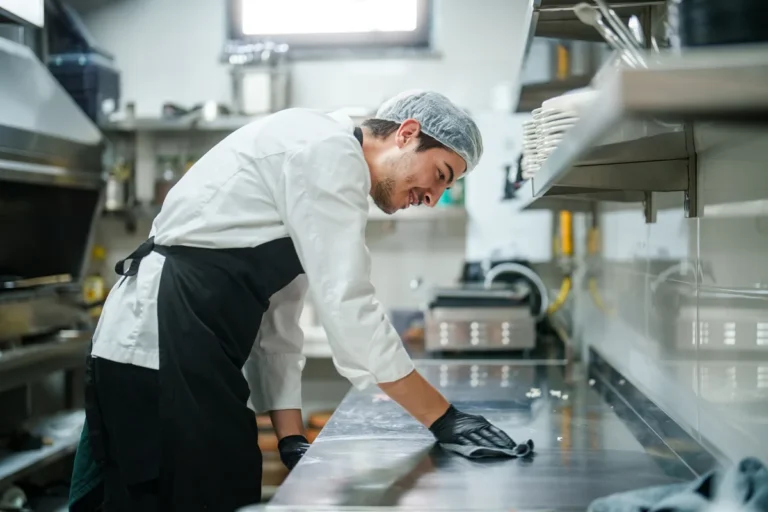
Cleaning burners isn’t glamorous, but it’s one of the most important steps in calibration. I’ve seen too many cooks skip this step, only to wonder why their burners still aren’t performing well. Trust me: a clean burner is a happy burner.
Step 3: Check and Adjust Gas Pressure
Gas pressure is the backbone of burner performance. If the pressure is too high or too low, your burners won’t deliver consistent heat. Here’s how to check and adjust it:
- Locate the Gas Valve: The gas valve is usually located near the burner or on the gas line leading to it. It might be covered by a panel, so you may need to remove a few screws to access it.
- Attach the Gas Pressure Gauge: Connect your gas pressure gauge to the test port on the gas valve. If your valve doesn’t have a test port, you may need to use a T-fitting to attach the gauge.
- Turn on the Gas: Slowly turn on the gas supply and observe the pressure reading on the gauge. Most commercial burners operate at a pressure of 7-11 inches of water column (WC). If the reading is outside this range, you’ll need to adjust the gas valve.
- Adjust the Gas Valve: If the pressure is too high, turn the adjustment screw on the gas valve counterclockwise to reduce it. If the pressure is too low, turn the screw clockwise to increase it. Make small adjustments, turning the screw too much can cause drastic changes in pressure.
- Recheck the Pressure: After each adjustment, turn off the gas, wait a few seconds, then turn it back on and check the pressure again. Keep adjusting until you’re within the recommended range.
- Test the Burner: Once the pressure is set, turn on the burner and observe the flame. It should be blue with a slight orange tip. If it’s still not right, you may need to make further adjustments or check for other issues.
I’ll admit, adjusting gas pressure can be intimidating. The first time I did it, I was convinced I was going to blow up the kitchen. But once you get the hang of it, it’s not as scary as it seems. Just take your time, make small adjustments, and don’t be afraid to ask for help if you’re unsure. And if you’re in the market for new gas valves or other components, suppliers like Chef’s Deal offer a range of options, along with expert consultation and support to help you make the right choice.
Step 4: Fine-Tune the Burner Settings
Now that your gas pressure is set, it’s time to fine-tune the burner itself. This is where things get a little more hands-on. Here’s how to do it:
- Adjust the Air Shutter: Most burners have an air shutter that controls the amount of air mixing with the gas. If the flame is too orange or yellow, it means there’s not enough air. Open the air shutter slightly to increase airflow. If the flame is too blue and weak, close the shutter slightly to reduce airflow. The goal is a blue flame with a slight orange tip.
- Check the Flame Spread: The flame should spread evenly across the burner. If it’s concentrated in one spot, you may need to adjust the burner cap or check for clogged ports. Some burners have adjustable flame spreaders, if yours does, tweak it until the flame is even.
- Test Heat Distribution: Place a heavy-bottomed pan on the burner and let it heat up. Use your infrared thermometer to check the temperature at different points on the pan. If there are still hot or cold spots, you may need to adjust the burner cap or check for other issues.
- Repeat as Needed: Calibration isn’t a one-and-done process. You may need to make several adjustments to get everything just right. Don’t rush it, take your time and keep testing until the heat is even.
I’ve found that this step is where most cooks give up. It’s tedious, and it can feel like you’re not making progress. But stick with it. The difference between a burner that’s “good enough” and one that’s perfectly calibrated is night and day, especially when you’re making roux. And remember: if you’re struggling, suppliers like Chef’s Deal offer professional installation services that can help you get your burners dialed in.
Step 5: Test with Roux
This is the moment of truth. After all that cleaning and adjusting, it’s time to put your burners to the test. Here’s how to do it:
- Choose Your Fat and Flour: For this test, I recommend using butter and all-purpose flour. Butter has a lower smoke point than oil, which makes it easier to spot issues with heat control. Plus, it’s what I use for most of my roux, so it’s a good baseline.
- Heat the Pan: Place a heavy-bottomed pan on the burner and let it heat up for a few minutes. You want the pan to be hot but not smoking. If it starts smoking, your burner is too hot.
- Add the Butter: Add a few tablespoons of butter to the pan and let it melt. You should see a gentle sizzle, if the butter is browning too quickly, your burner is too hot. If it’s taking forever to melt, your burner is too cold.
- Add the Flour: Once the butter is melted, add an equal amount of flour. Stir constantly with a wooden spoon or whisk. The mixture should start to bubble gently. If it’s bubbling aggressively, your burner is too hot. If it’s not bubbling at all, your burner is too cold.
- Monitor the Color: As the roux cooks, keep an eye on the color. It should darken evenly, from pale blond to golden to deep brown. If one side is browning faster than the other, your burner is still uneven. If it’s taking too long to brown, your burner is too cold.
- Adjust as Needed: If your roux isn’t cooking evenly, go back to your burner settings and make further adjustments. It might take a few tries to get it right, but don’t give up. The payoff is worth it.
I’ll never forget the first time I made roux on a perfectly calibrated burner. The butter melted evenly, the flour toasted uniformly, and the color developed at just the right pace. It was like magic. And the best part? I didn’t have to babysit the pan, constantly stirring and adjusting to compensate for hot spots. I could focus on the roux itself, on the aroma and the texture, instead of fighting with my equipment. That’s the power of calibration.
Maintaining Your Burners for Long-Term Performance
Regular Maintenance Schedule
Calibrating your burners isn’t a one-time thing. To keep them performing at their best, you need to make maintenance a regular part of your kitchen routine. Here’s a simple schedule to follow:
- Daily:
- Wipe down burner grates and caps to remove grease and debris.
- Check for clogged ports and clean them as needed.
- Inspect flames for signs of unevenness or incomplete combustion.
- Weekly:
- Deep-clean burner ports with a wire brush or pipe cleaner.
- Check gas connections for leaks.
- Test heat distribution with an infrared thermometer.
- Monthly:
- Check and adjust gas pressure as needed.
- Inspect burner components for wear and tear.
- Test with roux to ensure consistent performance.
- Quarterly:
- Perform a full calibration, including gas pressure, air shutter, and flame spread adjustments.
- Replace any worn-out components, like burner caps or ignition systems.
- Consult with a professional if you’re unsure about any adjustments. Suppliers like Chef’s Deal offer expert consultation and support to help you keep your equipment in top shape.
I know what you’re thinking: “Who has time for all this?” Trust me, I get it. Kitchens are busy places, and maintenance often gets pushed to the back burner (pun intended). But here’s the thing: the time you spend on maintenance now will save you time, and headaches, later. A well-maintained burner is less likely to break down during service, less likely to produce uneven heat, and more likely to turn out perfect roux every time. And really, isn’t that what we’re all after?
Troubleshooting Common Issues
Even with regular maintenance, things can go wrong. Here are a few common issues and how to troubleshoot them:
- Uneven Heat Distribution:
- Cause: Clogged burner ports, misaligned burner caps, or incorrect gas pressure.
- Solution: Clean the burner ports, adjust the burner caps, and check the gas pressure. If the issue persists, you may need to replace the burner.
- Weak or Sputtering Flame:
- Cause: Low gas pressure, clogged ports, or a faulty ignition system.
- Solution: Check the gas pressure and clean the burner ports. If the ignition system is faulty, you may need to replace it. Suppliers like Chef’s Deal offer a range of replacement parts, along with competitive pricing and financing options to make repairs more affordable.
- Orange or Yellow Flame:
- Cause: Incomplete combustion, usually due to insufficient airflow or incorrect gas pressure.
- Solution: Adjust the air shutter to increase airflow and check the gas pressure. If the flame is still orange or yellow, you may need to clean the burner ports or check for other issues.
- Burner Won’t Light:
- Cause: Faulty ignition system, clogged ports, or low gas pressure.
- Solution: Check the ignition system and clean the burner ports. If the gas pressure is low, adjust the gas valve. If the burner still won’t light, you may need to call a professional.
I’ve dealt with all of these issues at one point or another, and I can tell you from experience: troubleshooting is a lot easier when you have a plan. Don’t just start tweaking things randomly, figure out the cause first, then make the necessary adjustments. And if you’re ever in doubt, don’t hesitate to reach out to a professional. Suppliers like Chef’s Deal offer professional installation and maintenance services, so you don’t have to go it alone.
When to Call a Professional
Let’s be real: not every issue can be fixed with a wire brush and a wrench. Some problems require a professional touch. Here are a few signs it’s time to call in the experts:
- Gas Leaks: If you suspect a gas leak, turn off the gas immediately and call a professional. Gas leaks are serious business, they can cause fires, explosions, or even carbon monoxide poisoning. Don’t mess around with this one.
- Persistent Issues: If you’ve tried troubleshooting and the problem keeps coming back, it’s time to call a professional. There might be an underlying issue that’s not immediately obvious.
- Complex Repairs: If you need to replace major components, like gas valves or ignition systems, it’s best to leave it to the pros. They have the tools and expertise to get the job done safely and correctly.
- New Equipment Installation: If you’re installing new burners or other equipment, a professional can ensure everything is set up correctly from the start. Suppliers like Chef’s Deal offer comprehensive kitchen design and equipment solutions, including professional installation, so you can rest easy knowing your equipment is in good hands.
I’ll admit, I’ve tried to DIY repairs that were way above my pay grade. Once, I spent an entire afternoon trying to fix a faulty gas valve, only to realize I’d made the problem worse. In the end, I had to call a professional to undo my mess and fix the issue properly. It was a humbling experience, but it taught me an important lesson: know your limits. Some things are better left to the experts.
The Psychology of Roux: Why Consistency Matters Beyond the Kitchen
Roux as a Metaphor for Life (Yes, Really)
Okay, bear with me here. I know this might sound a little out there, but stick with me. Roux isn’t just a cooking technique, it’s a metaphor for life. Think about it: roux is all about balance. Too much heat, and it burns. Too little heat, and it never develops. You have to find that sweet spot where everything comes together just right. And isn’t that what we’re all trying to do in life? Find the balance between pushing ourselves and taking it easy, between ambition and contentment, between chaos and control.
I’ve been thinking about this a lot lately, especially since moving to Nashville. When I first got here, I was all about the hustle. I wanted to prove myself, to make a name for myself in this city’s vibrant food scene. But after a while, I realized I was burning out. My roux was scorched, so to speak. It took me a while to find that balance, to learn when to push and when to pull back. And in a way, that’s what calibration is all about. It’s about finding the right settings, the right adjustments, to create something beautiful.
So, the next time you’re making roux, think about it. Think about the balance you’re trying to achieve, not just in the pan but in your life. Are you pushing too hard? Not hard enough? Are you giving yourself the space to develop, to grow, to turn golden brown instead of burning to a crisp? It’s a weird way to look at it, I know. But sometimes, the best insights come from the most unexpected places.
The Confidence Boost of Mastering Roux
There’s something about mastering a technique like roux that gives you a confidence boost. It’s not just about the food, it’s about the process. When you can walk into a kitchen, assess the equipment, and make the adjustments needed to turn out perfect roux every time, it changes the way you see yourself. You’re not just a cook anymore. You’re a problem-solver. A troubleshooter. Someone who understands the nuances of heat and flavor, who can turn a simple mixture of fat and flour into something extraordinary.
I remember the first time I made a perfect roux after calibrating my burners. I was in my home kitchen, just me and Luna, testing out a new recipe for a classic Louisiana gumbo. The roux came together effortlessly, smooth, golden, and full of depth. I didn’t have to babysit it, didn’t have to worry about hot spots or uneven cooking. I could just focus on the process, on the aroma and the texture, on the way the flour and butter came together to create something greater than the sum of its parts. And when I tasted the finished gumbo, it was like a revelation. It was rich, complex, and perfectly balanced. And I knew, in that moment, that I had leveled up as a cook.
That’s the power of mastery. It’s not just about the end result, it’s about the journey. It’s about the confidence that comes from knowing you can handle whatever the kitchen throws at you. And it’s about the joy of creating something truly special, something that brings people together around the table.
Conclusion: Your Path to Perfect Roux Starts Here
So, where do we go from here? If you’ve made it this far, you’re clearly serious about mastering roux, and that’s a great start. But knowledge is only half the battle. The real work happens in the kitchen, with your burners, your pans, and your own two hands. So, here’s my challenge to you: take what you’ve learned here and put it into practice. Calibrate your burners. Test them with roux. Make adjustments. And don’t be afraid to fail. Because here’s the thing about cooking: it’s not about perfection. It’s about progress. It’s about learning, growing, and getting a little better every day.
I’ll leave you with this: the next time you’re making roux, pay attention. Pay attention to the heat, the color, the texture. Pay attention to the way the flour and fat come together, the way the aroma fills the kitchen, the way the roux transforms from a simple mixture into something rich and complex. And remember: perfect roux starts with perfectly calibrated burners. Get that right, and everything else will fall into place.
Now, go forth and make some roux. And if you ever find yourself in Nashville, stop by my place. I’ll make you a gumbo that’ll change your life. (Luna might even approve.)
FAQ
Q: How often should I calibrate my commercial burners for roux?
A: Ideally, you should check your burners for calibration issues at least once a month. However, if you’re using them daily for roux or other delicate cooking tasks, you might want to do a quick heat distribution test every couple of weeks. Regular maintenance, like cleaning and inspecting burners, can also help prevent calibration issues from cropping up in the first place. If you’re unsure, suppliers like Chef’s Deal offer expert consultation and support to help you establish a maintenance schedule that works for your kitchen.
Q: Can I use the same burner calibration for all types of roux, or do I need to adjust for different colors?
A: The short answer is no, you don’t need to recalibrate your burners for different types of roux. A well-calibrated burner should deliver consistent heat across the board, whether you’re making a pale blond roux for béchamel or a deep, dark roux for gumbo. That said, the heat level you use will vary depending on the type of roux you’re making. For lighter roux, you’ll want to use medium-low heat, while darker roux can handle medium heat. The key is to adjust your cooking technique, not your burner calibration.
Q: What’s the best type of pan to use for making roux on a commercial burner?
A: A heavy-bottomed pan is your best bet for making roux. Cast iron or stainless steel with an aluminum or copper core are ideal because they distribute heat evenly and retain it well. Avoid thin or lightweight pans, as they can develop hot spots and make it difficult to control the cooking process. If you’re in the market for new cookware, suppliers like Chef’s Deal offer a range of commercial-grade pans designed for even heat distribution.
Q: My roux keeps burning even after calibrating my burners. What am I doing wrong?
A: If your roux is burning even after calibrating your burners, there are a few things to check. First, make sure you’re using the right heat level. Roux should be cooked over medium or medium-low heat, any higher, and it’s likely to burn. Second, check your stirring technique. Roux needs to be stirred constantly to prevent hot spots and ensure even cooking. If you’re not stirring enough, the flour can scorch. Finally, consider the type of fat you’re using. Butter has a lower smoke point than oil, so it’s more prone to burning. If you’re using butter, try switching to a neutral oil like canola or vegetable oil, or use a combination of butter and oil to raise the smoke point.
@article{how-to-calibrate-commercial-burners-for-perfect-roux-consistency-a-chefs-guide-to-flawless-foundations,
    title   = {How to Calibrate Commercial Burners for Perfect Roux Consistency: A Chef’s Guide to Flawless Foundations},
    author  = {Chef's icon},
    year    = {2026},
    journal = {Chef's Icon},
    url     = {https://chefsicon.com/how-to-calibrate-commercial-burners-for-perfect-roux-consistency/}
}