The Best Fluffy Pancakes recipe you will fall in love with. Full of tips and tricks to help you make the best pancakes.
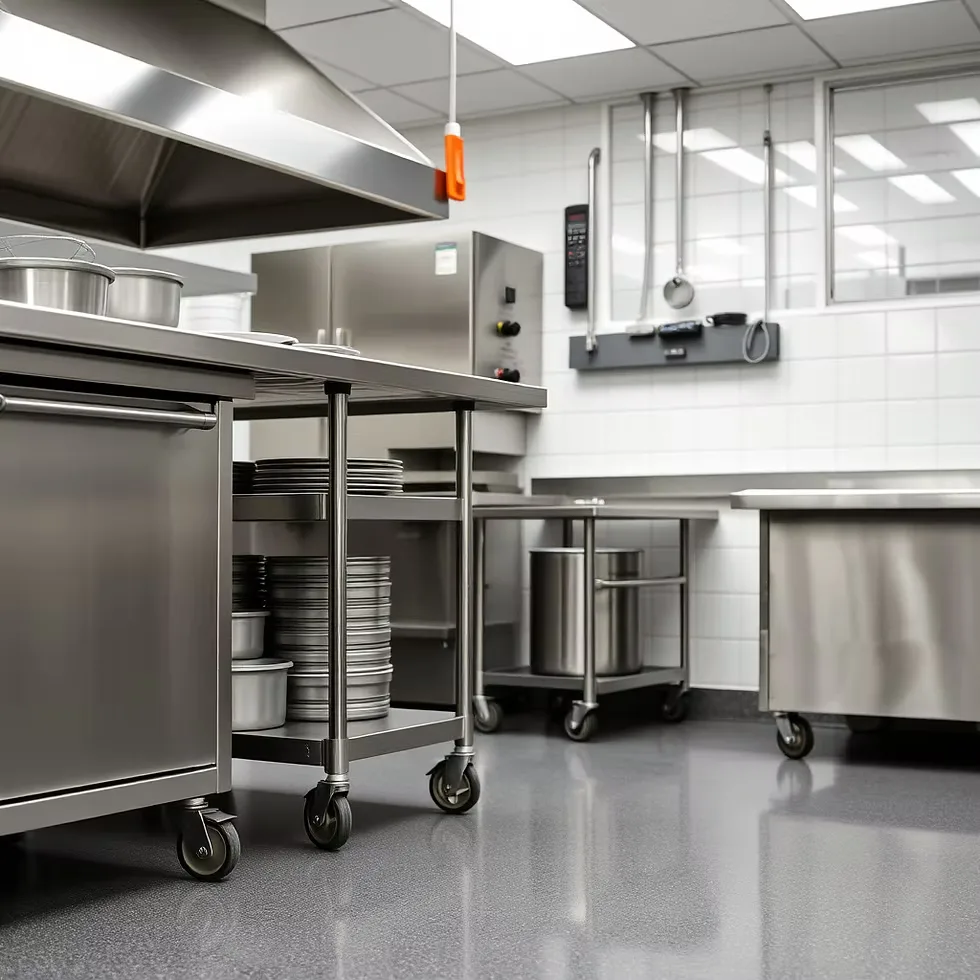
How to Inspect Casters for Hidden Damage in Commercial Kitchens: The Overlooked Detail That Could Save Your Sanity (and Budget)
Let me tell you about the day I learned the hard way why casters matter. It was a Tuesday, always a Tuesday, isn’t it? and I was helping a friend move a massive reach-in refrigerator at his new Nashville restaurant. The thing weighed a ton, but it *should* have been fine. Should. That’s the operative word. We rolled it maybe six feet before the front right wheel just… gave up. Not a dramatic collapse, no loud snap, just a quiet, ominous *creak* followed by the refrigerator listing like a ship in a storm. One second we were high-fiving over our brute strength, the next we were staring at a $12,000 piece of equipment teetering on three wheels and a prayer. Turns out, the caster had been slowly failing for months, its internal bearings corroded by grease and moisture, invisible until it wasn’t.
That moment stuck with me. Not just because I nearly threw my back out trying to stabilize the thing (I did), but because it revealed a truth I’d overlooked: casters in commercial kitchens aren’t just wheels, they’re the unsung heroes of mobility, safety, and operational flow. And yet, most of us treat them like an afterthought. We wipe down counters, degrease hoods, sanitize slicers, but when was the last time you *actually* inspected a caster? Not just a cursory glance, but a real, hands-on check for the kind of hidden damage that turns a smooth workflow into a logistical nightmare?
This guide isn’t just about avoiding a $12,000 disaster. It’s about recognizing that hidden caster damage is a silent efficiency killer-one that increases labor costs, disrupts service, and even creates safety hazards. Over the next few thousand words, I’ll walk you through how to inspect casters like a pro, what to look for (and why it matters), and how to turn this overlooked task into a routine that saves you time, money, and a whole lot of frustration. By the end, you’ll know more about your kitchen’s wheels than you ever thought possible, and trust me, your future self will thank you.
So grab a flashlight, roll up your sleeves, and let’s get into it. Because the difference between a kitchen that *flows* and one that *fights* you? Often, it’s just a few well-maintained casters away.
The Hidden Costs of Ignoring Caster Damage in Commercial Kitchens
Before we dive into the *how*, let’s talk about the *why*. Why should you care about casters? I mean, they’re just wheels, right? Wrong. In a commercial kitchen, casters are the difference between fluid motion and constant friction-literally and figuratively. And when they fail, the costs add up fast.
First, there’s the labor cost. Think about how often your staff moves equipment: prep tables, racks, refrigerators, speed racks. Now imagine every one of those moves taking 20% longer because a wheel is dragging or sticking. That’s not just a few extra seconds, it’s cumulative minutes, hours, even days of lost productivity over a year. One study I came across (and I wish I could remember the source, but my notes are a mess) suggested that poorly maintained casters can increase equipment movement time by up to 30%. In a high-volume kitchen, that’s like adding an extra employee’s worth of wasted time. And time, as we all know, is money.
Then there’s the equipment cost. A failing caster doesn’t just slow things down, it puts stress on the entire structure of whatever it’s attached to. That reach-in fridge I mentioned earlier? The one that nearly tipped? The uneven weight distribution from that single bad wheel likely accelerated wear on the compressor and hinges. Over time, that kind of stress leads to premature failure. And in a kitchen, equipment doesn’t fail quietly. It fails during dinner service, on a Friday night, when the health inspector is walking through the door. I’ve seen it happen. It’s not pretty.
And let’s not forget safety. A caster that locks up unexpectedly or wobbles under load is a recipe for disaster. I’ve heard stories of racks toppling, shelves collapsing, even staff members tripping over equipment that suddenly won’t budge. OSHA doesn’t mess around with workplace injuries, and neither should you. A single accident can lead to fines, lawsuits, or worse, someone getting hurt. And no amount of cost savings is worth that.
Finally, there’s the cultural cost. This one’s a little harder to quantify, but it’s real. When equipment is hard to move, staff start avoiding tasks. They’ll leave that rack in the corner instead of rolling it to the prep station. They’ll stack things higher instead of moving them closer. Over time, this creates inefficiencies that become ingrained in your kitchen’s workflow. It’s like a slow leak in a boat, you might not notice it at first, but eventually, you’re bailing water just to stay afloat.
So, are casters worth your attention? Absolutely. But here’s the thing: not all damage is obvious. That’s why we need a systematic approach to inspection, one that goes beyond a quick glance and actually digs into the mechanics of what makes a caster work (or fail). Let’s break it down.
Understanding the Anatomy of a Commercial Kitchen Caster
Before you can inspect a caster, you need to know what you’re looking at. And I don’t mean just “oh, it’s a wheel.” Commercial kitchen casters are engineered systems, designed to handle specific loads, environments, and stresses. They’re not the same as the wheels on your office chair or the casters on a hospital bed. They’re built tougher, but they’re also exposed to harsher conditions, grease, moisture, heavy loads, and constant movement. Let’s dissect one.
The Core Components (And Why They Matter)
Every caster has a few key parts, and each one plays a role in its performance, and its potential failure. Here’s what you need to know:
- The Wheel: This is the part that touches the ground, and it’s usually made of one of three materials: rubber, polyurethane, or nylon. Rubber is quiet and shock-absorbent but wears out faster in greasy environments. Polyurethane is durable and resistant to chemicals but can crack under extreme loads. Nylon is tough and lightweight but can be noisy and less forgiving on uneven floors. The wheel’s material affects how it handles weight, heat, and moisture, all critical factors in a kitchen.
- The Fork (or Yoke): This is the metal frame that holds the wheel. It’s usually made of steel or aluminum, and it’s what attaches to the equipment. The fork can bend, crack, or corrode over time, especially if it’s exposed to moisture or impacts. A bent fork can cause the wheel to misalign, leading to uneven wear or wobbling.
- The Swivel Raceway: This is the mechanism that allows the caster to swivel. It’s a series of ball bearings housed in a raceway (a circular track), and it’s what lets the wheel turn smoothly in any direction. Over time, grease, dirt, and moisture can gum up the raceway, causing the caster to lock up or resist turning. If you’ve ever pushed a piece of equipment and felt it “stick” when you try to change direction, the swivel raceway is likely the culprit.
- The Kingpin (or Axle): This is the bolt or rivet that holds the swivel raceway together. It’s a small but critical part, if it shears or loosens, the entire caster can fail. Kingpins are often the first thing to go in a caster that’s been overloaded or subjected to side impacts.
- The Brake (if applicable): Not all casters have brakes, but if yours do, they’re usually a lever or pedal that locks the wheel in place. Brakes can wear out, become misaligned, or fail to engage properly. A faulty brake is a safety hazard, imagine a rack rolling away when someone leans on it.
- The Mounting Plate: This is the flat metal plate that attaches the caster to the equipment. It’s usually bolted or welded on, and it can crack, bend, or corrode over time. A damaged mounting plate can cause the caster to wobble or detach entirely.
Now, here’s the thing: most of these components are hidden from view. You can’t see the swivel raceway or the kingpin without taking the caster apart (which we’ll get to later). But you *can* look for signs of stress or failure in the visible parts, and that’s where inspection starts.
Why Commercial Kitchen Casters Are Different
Not all casters are created equal. The ones in your kitchen are designed to handle specific challenges that office or industrial casters might not face. Here’s what sets them apart:
- Load Capacity: Commercial kitchen casters are built to handle heavy, dynamic loads. A prep table might weigh 200 pounds empty, but add food, utensils, and a chef leaning on it, and you’re looking at 500+ pounds. Casters in kitchens are often rated for 300-1,000 pounds per wheel, depending on the equipment. Exceeding that capacity, even briefly, can cause hidden damage that isn’t immediately obvious.
- Environmental Resistance: Kitchens are harsh environments. Grease, moisture, heat, and cleaning chemicals can all degrade caster materials over time. Rubber wheels, for example, can become brittle when exposed to grease, while metal components can corrode if they’re not properly sealed. That’s why many commercial kitchen casters are made with stainless steel or coated metals-they’re designed to resist the elements.
- Floor Conditions: Kitchen floors are rarely smooth. They’re often uneven, cracked, or covered in debris. Casters in kitchens need to handle these conditions without failing. That’s why you’ll often see larger wheels (4-6 inches in diameter) in commercial kitchens, they roll more easily over obstacles and distribute weight more evenly.
- Sanitation Requirements: Casters in kitchens need to be easy to clean. That means no nooks or crannies where grease and bacteria can hide. Look for casters with smooth surfaces, sealed bearings, and minimal gaps. Some are even designed to be dishwasher-safe (though I’d argue that’s overkill, more on cleaning later).
So, why does this matter for inspection? Because the type of caster you have determines what kind of damage you’re likely to see. A rubber wheel in a greasy environment might crack, while a stainless steel fork might corrode if it’s not properly maintained. Knowing your caster’s anatomy and its intended use helps you focus your inspection on the right areas.
The 10-Step Caster Inspection Checklist: What to Look For (And Why It Matters)
Alright, let’s get into the nitty-gritty. Inspecting casters isn’t rocket science, but it *is* a skill, and like any skill, it gets easier with practice. The key is to be systematic. Don’t just glance at the wheels and call it a day. Follow this checklist, and you’ll catch problems before they become disasters.
Step 1: Visual Inspection – The First Line of Defense
Start with the basics: look at the caster. This might seem obvious, but you’d be surprised how many people skip this step. Here’s what to check for:
- Wheel Damage: Look for cracks, flat spots, or uneven wear. A cracked wheel is an obvious red flag, but even small flat spots can indicate uneven loading or misalignment. If the wheel looks “lumpy” or deformed, it’s time to replace it.
- Tread Wear: The tread is the part of the wheel that touches the ground. Over time, it can wear down, especially if the caster is dragging or misaligned. If the tread is smooth or nearly gone, the wheel won’t grip the floor properly, which can lead to slipping or instability.
- Fork Condition: Check the fork (the metal frame holding the wheel) for bends, cracks, or corrosion. A bent fork can cause the wheel to misalign, leading to uneven wear or wobbling. Corrosion is especially common in kitchens with high moisture levels, look for rust or pitting on the metal.
- Mounting Plate: Inspect the mounting plate (the part that attaches the caster to the equipment) for cracks, bends, or loose bolts. A damaged mounting plate can cause the caster to wobble or detach entirely. If the bolts are loose, tighten them, but don’t overtighten, as that can strip the threads.
- Debris Buildup: Grease, food particles, and other debris can accumulate around the caster, especially in the swivel raceway. This can cause the caster to stick or resist turning. Use a flashlight to look for buildup in hard-to-see areas.
Pro Tip: If you’re inspecting a lot of casters, take photos of any damage you find. This gives you a record to compare against during future inspections and helps you track wear patterns over time.
Step 2: The “Push Test” – How to Spot Hidden Resistance
Visual inspection only tells you so much. The real test is how the caster moves. Here’s how to do it:
- Clear the area around the equipment so you have plenty of space to move.
- Push the equipment in a straight line. It should roll smoothly, without jerking or sticking. If it feels like it’s “catching” or resisting, there’s likely an issue with the wheel or swivel raceway.
- Turn the equipment sharply to the left and right. The casters should swivel smoothly, without grinding or sticking. If they resist turning, the swivel raceway is likely gummed up or damaged.
- Listen for unusual noises. A healthy caster should be quiet. Grinding, squeaking, or clicking sounds are signs of wear or damage.
What to Look For:
- Sticking or Jerking: If the caster sticks when you push, it could be due to debris in the swivel raceway, a damaged wheel, or a misaligned fork. This is a common issue in greasy environments, where grease and food particles can gum up the works.
- Uneven Rolling: If the equipment pulls to one side, it’s likely due to a misaligned caster or uneven wheel wear. This can cause the equipment to drift, making it harder to control.
- Noisy Operation: Grinding or squeaking sounds usually indicate worn bearings or a lack of lubrication. This isn’t just annoying, it’s a sign that the caster is wearing out faster than it should.
Self-Doubt Moment: Is this really necessary? I mean, if the caster *looks* fine, does it matter if it’s a little sticky? Here’s the thing: hidden resistance adds up. A caster that sticks slightly today might lock up completely tomorrow. And in a busy kitchen, you don’t have time for surprises. Better to catch it now than during dinner service.
Step 3: The “Wobble Test” – Checking for Loose or Damaged Components
Wobbling is a sign of trouble. It can be caused by loose bolts, a damaged fork, or a failing swivel raceway. Here’s how to test for it:
- Grab the equipment firmly and try to rock it side to side. It should feel stable, with little to no movement.
- If you feel a wobble, inspect the casters one by one. Gently wiggle each caster to see if it moves independently of the equipment. A healthy caster should be firmly attached, no play or movement.
- Check the mounting bolts. If they’re loose, tighten them. If they’re stripped or damaged, replace them.
- Inspect the fork and wheel for damage. A bent fork or cracked wheel can cause wobbling.
Why It Matters: Wobbling isn’t just annoying, it’s dangerous. A wobbly caster can cause equipment to tip or collapse, especially if it’s loaded unevenly. And in a kitchen, where space is tight and staff are moving quickly, that’s a recipe for disaster.
Step 4: The “Load Test” – Simulating Real-World Conditions
Casters in commercial kitchens are designed to handle heavy loads, but how do you know if they’re up to the task? The answer: simulate real-world conditions. Here’s how:
- Load the equipment with its typical weight. For a prep table, that might mean adding cutting boards, food, and utensils. For a rack, it might mean loading it with trays or pots.
- Push the equipment as you normally would. Does it roll smoothly, or does it feel sluggish? If it’s harder to move than usual, the casters might be struggling under the load.
- Listen for unusual noises. A healthy caster should handle the load quietly. Grinding or squeaking sounds under load are signs of wear or damage.
- Check for uneven rolling. If the equipment pulls to one side, it could be due to uneven weight distribution or a failing caster.
What to Look For:
- Sluggish Movement: If the equipment is harder to move under load, it could be due to worn wheels, a damaged swivel raceway, or a lack of lubrication. This is a sign that the caster is nearing the end of its lifespan.
- Uneven Rolling: If the equipment pulls to one side, it’s likely due to a misaligned caster or uneven wheel wear. This can cause the equipment to drift, making it harder to control.
- Noisy Operation: Grinding or squeaking sounds under load are signs of worn bearings or a lack of lubrication. This isn’t just annoying, it’s a sign that the caster is wearing out faster than it should.
Pro Tip: If you’re inspecting a piece of equipment that’s rarely moved (like a stationary prep table), consider moving it anyway. Casters that sit idle for long periods can develop flat spots or seize up due to lack of use. A little movement now and then can extend their lifespan.
Step 5: The “Brake Test” – Ensuring Safety Stops Work
If your casters have brakes, they’re a critical safety feature. A faulty brake can cause equipment to roll away unexpectedly, leading to accidents or injuries. Here’s how to test them:
- Engage the brake. It should lock the wheel firmly in place, with no movement.
- Try to roll the equipment. If it moves even slightly, the brake isn’t working properly.
- Inspect the brake mechanism. Look for worn or damaged parts, such as bent levers or cracked pedals.
- Check for debris. Grease, food particles, or other debris can prevent the brake from engaging properly.
Why It Matters: A faulty brake is a safety hazard. If a rack or table rolls away when someone leans on it, it can cause injuries or damage to other equipment. And in a kitchen, where space is tight and staff are moving quickly, that’s a risk you can’t afford to take.
Step 6: The “Swivel Test” – Checking for Smooth Rotation
The swivel raceway is what allows a caster to turn smoothly in any direction. Over time, grease, dirt, and moisture can gum up the raceway, causing the caster to stick or resist turning. Here’s how to test it:
- Clear the area around the equipment so you have plenty of space to move.
- Push the equipment in a straight line, then turn it sharply to the left and right. The casters should swivel smoothly, without grinding or sticking.
- Listen for unusual noises. A healthy swivel raceway should be quiet. Grinding or squeaking sounds are signs of wear or damage.
- Check for debris. Use a flashlight to look for grease, food particles, or other debris in the swivel raceway.
What to Look For:
- Sticking or Resistance: If the caster sticks when you try to turn it, it’s likely due to debris in the swivel raceway or a lack of lubrication. This is a common issue in greasy environments, where grease and food particles can gum up the works.
- Uneven Swiveling: If the caster swivels unevenly (e.g., it turns more easily in one direction than the other), it could be due to a damaged raceway or misaligned components.
- Noisy Operation: Grinding or squeaking sounds when swiveling are signs of worn bearings or a lack of lubrication. This isn’t just annoying, it’s a sign that the caster is wearing out faster than it should.
Pro Tip: If you find debris in the swivel raceway, clean it out with a degreaser and a stiff brush. Then, lubricate the raceway with a food-safe lubricant (more on that later). This can extend the life of the caster and improve its performance.
Step 7: The “Wheel Alignment Test” – Ensuring Even Wear
Misaligned wheels are a common cause of uneven wear and poor performance. Here’s how to check for alignment:
- Place the equipment on a flat, level surface.
- Look at the wheels from the front and side. They should all be parallel to each other and perpendicular to the ground.
- If a wheel is angled or misaligned, it’s likely due to a bent fork or a damaged mounting plate.
- Check for uneven wear. If one side of the wheel is more worn than the other, it’s a sign of misalignment.
Why It Matters: Misaligned wheels cause uneven wear, which can lead to premature failure. They also make the equipment harder to move, increasing labor costs and creating safety hazards.
Step 8: The “Lubrication Check” – Keeping Things Moving Smoothly
Lubrication is key to keeping casters moving smoothly. Over time, grease and lubricant can break down, leading to increased friction and wear. Here’s how to check for proper lubrication:
- Inspect the swivel raceway and wheel bearings. They should be coated with a thin layer of lubricant.
- If the lubricant is dry, cracked, or discolored, it’s time to reapply.
- Use a food-safe lubricant designed for casters. Avoid petroleum-based products, as they can degrade rubber and plastic components.
- Apply the lubricant sparingly. Too much can attract debris, which can gum up the works.
Pro Tip: If you’re not sure what kind of lubricant to use, check the manufacturer’s recommendations. Some casters are designed to be maintenance-free, while others require regular lubrication.
Step 9: The “Corrosion Check” – Fighting the Kitchen’s Harsh Environment
Kitchens are harsh environments, and corrosion is a common problem. Here’s how to check for it:
- Inspect the metal components of the caster (fork, mounting plate, bolts) for signs of rust or corrosion.
- Look for pitting, discoloration, or flaking metal. These are signs of corrosion.
- Check for moisture buildup. If the caster is frequently exposed to water or steam, it’s more likely to corrode.
- If you find corrosion, clean the affected area with a wire brush and apply a rust inhibitor.
Why It Matters: Corrosion weakens metal components, making them more likely to fail. And in a kitchen, where equipment is constantly moving, that’s a recipe for disaster.
Step 10: The “Replacement Test” – Knowing When to Call It Quits
No caster lasts forever. At some point, you’ll need to replace them. Here’s how to know when it’s time:
- Visible Damage: If the wheel is cracked, the fork is bent, or the mounting plate is damaged, it’s time to replace the caster.
- Excessive Wear: If the tread is worn down or the wheel is deformed, the caster won’t perform properly.
- Persistent Issues: If you’ve tried cleaning, lubricating, and adjusting the caster but it still doesn’t move smoothly, it’s likely reached the end of its lifespan.
- Safety Concerns: If the caster wobbles, sticks, or fails to brake properly, it’s a safety hazard and should be replaced immediately.
Pro Tip: When replacing casters, choose ones that are designed for commercial kitchens. Look for high load capacities, corrosion-resistant materials, and sealed bearings. And don’t forget to match the wheel size and type to your equipment and floor conditions.
Common Caster Problems in Commercial Kitchens (And How to Fix Them)
Now that we’ve covered the inspection process, let’s talk about the most common caster problems in commercial kitchens, and how to fix them. Because let’s face it: knowing what’s wrong is only half the battle. The other half is knowing how to make it right.
Problem 1: Sticking or Jerking Casters
Symptoms: The caster sticks when you push it, or the equipment jerks when you try to move it.
Causes:
- Debris (grease, food particles, etc.) in the swivel raceway or wheel bearings.
- Lack of lubrication.
- Worn or damaged bearings.
- Misaligned fork or wheel.
Solutions:
- Clean the caster: Use a degreaser and a stiff brush to remove debris from the swivel raceway and wheel bearings. A toothbrush works great for hard-to-reach areas.
- Lubricate the caster: Apply a food-safe lubricant to the swivel raceway and wheel bearings. Be sure to use a product that’s designed for casters, petroleum-based lubricants can degrade rubber and plastic components.
- Check for damage: Inspect the bearings, fork, and wheel for signs of wear or damage. If you find any, replace the affected parts.
- Align the wheel: If the wheel is misaligned, adjust the fork or mounting plate to bring it back into alignment.
Prevention: Regular cleaning and lubrication can prevent debris buildup and keep casters moving smoothly. Aim to clean and lubricate your casters at least once a month, or more often if your kitchen is particularly greasy or humid.
Problem 2: Wobbly Casters
Symptoms: The caster wobbles when you push the equipment, or the equipment feels unstable.
Causes:
- Loose mounting bolts.
- Damaged or bent fork.
- Cracked or broken mounting plate.
- Worn or damaged wheel.
Solutions:
- Tighten the bolts: Check the mounting bolts and tighten them if they’re loose. Be careful not to overtighten, as this can strip the threads.
- Inspect the fork: Look for bends, cracks, or other damage. If the fork is bent, try to straighten it. If it’s cracked or broken, replace it.
- Check the mounting plate: Inspect the mounting plate for cracks or damage. If it’s damaged, replace it.
- Replace the wheel: If the wheel is worn or damaged, replace it. Be sure to choose a wheel that’s compatible with your caster and equipment.
Prevention: Regular inspections can catch loose bolts or damaged components before they become a problem. Aim to inspect your casters at least once a month, and tighten any loose bolts immediately.
Problem 3: Noisy Casters
Symptoms: The caster makes grinding, squeaking, or clicking noises when you move the equipment.
Causes:
- Worn or damaged bearings.
- Lack of lubrication.
- Debris in the swivel raceway or wheel bearings.
- Misaligned wheel or fork.
Solutions:
- Lubricate the caster: Apply a food-safe lubricant to the swivel raceway and wheel bearings. This can quiet noisy casters and extend their lifespan.
- Clean the caster: Use a degreaser and a stiff brush to remove debris from the swivel raceway and wheel bearings.
- Check for damage: Inspect the bearings, fork, and wheel for signs of wear or damage. If you find any, replace the affected parts.
- Align the wheel: If the wheel is misaligned, adjust the fork or mounting plate to bring it back into alignment.
Prevention: Regular lubrication and cleaning can prevent noisy casters. Aim to lubricate your casters at least once a month, and clean them as needed.
Problem 4: Uneven Rolling
Symptoms: The equipment pulls to one side when you push it, or it’s harder to move in one direction than the other.
Causes:
- Misaligned casters or wheels.
- Uneven wheel wear.
- Damaged or bent fork.
- Uneven load distribution.
Solutions:
- Align the casters: Check the alignment of all casters on the equipment. They should all be parallel to each other and perpendicular to the ground. If any are misaligned, adjust them.
- Inspect the wheels: Look for uneven wear or damage. If a wheel is more worn on one side, it’s likely due to misalignment. Replace the wheel if necessary.
- Check the fork: Inspect the fork for bends or damage. If it’s bent, try to straighten it. If it’s damaged, replace it.
- Balance the load: If the equipment is loaded unevenly, redistribute the weight to balance it. This can help prevent uneven rolling and extend the life of your casters.
Prevention: Regular inspections can catch misaligned casters or uneven wheel wear before they become a problem. Aim to inspect your casters at least once a month, and align them as needed.
Problem 5: Corrosion
Symptoms: Rust, pitting, or discoloration on the metal components of the caster.
Causes:
- Exposure to moisture, steam, or cleaning chemicals.
- Lack of maintenance.
- Poor-quality materials.
Solutions:
- Clean the caster: Use a wire brush to remove rust and corrosion from the metal components. Be sure to wear gloves and eye protection.
- Apply a rust inhibitor: After cleaning, apply a rust inhibitor to the metal components to prevent further corrosion.
- Replace damaged parts: If the corrosion is severe, replace the affected parts. Be sure to choose corrosion-resistant materials for replacements.
- Improve maintenance: Regular cleaning and drying can prevent corrosion. Aim to clean your casters at least once a month, and dry them thoroughly after exposure to moisture.
Prevention: Choose casters made from corrosion-resistant materials, such as stainless steel or coated metals. Regular cleaning and drying can also help prevent corrosion.
Maintaining Your Casters: A Proactive Approach to Longevity
Inspection is just one part of the equation. The other part? Maintenance. A proactive maintenance routine can extend the life of your casters, improve their performance, and prevent costly repairs or replacements. Here’s how to do it right.
Cleaning: The Foundation of Caster Maintenance
Cleaning is the most basic, and most important, part of caster maintenance. Grease, food particles, and other debris can gum up the works, leading to sticking, wobbling, or premature wear. Here’s how to clean your casters effectively:
- Choose the right cleaner: Use a degreaser that’s safe for food-contact surfaces. Avoid harsh chemicals that can degrade rubber or plastic components.
- Scrub thoroughly: Use a stiff brush (a toothbrush works great for hard-to-reach areas) to remove debris from the swivel raceway, wheel bearings, and other components.
- Rinse and dry: After cleaning, rinse the caster with water and dry it thoroughly. Moisture can cause corrosion, so it’s important to dry the caster completely.
- Inspect as you clean: Cleaning is a great opportunity to inspect the caster for signs of wear or damage. Look for cracks, bends, or other issues as you clean.
How Often? Aim to clean your casters at least once a month, or more often if your kitchen is particularly greasy or humid. If you notice debris buildup between cleanings, clean the caster as needed.
Lubrication: Keeping Things Moving Smoothly
Lubrication is key to keeping casters moving smoothly. Over time, grease and lubricant can break down, leading to increased friction and wear. Here’s how to lubricate your casters effectively:
- Choose the right lubricant: Use a food-safe lubricant designed for casters. Avoid petroleum-based products, as they can degrade rubber and plastic components.
- Apply sparingly: Too much lubricant can attract debris, which can gum up the works. Apply a thin layer to the swivel raceway and wheel bearings.
- Distribute evenly: After applying the lubricant, move the caster back and forth to distribute it evenly.
- Wipe off excess: Use a rag to wipe off any excess lubricant. This can help prevent debris buildup.
How Often? Aim to lubricate your casters at least once a month, or more often if they’re exposed to harsh conditions. If you notice the caster sticking or making noise between lubrications, apply more lubricant as needed.
Inspection: Catching Problems Early
Regular inspections can catch problems before they become disasters. Here’s how to inspect your casters effectively:
- Follow the 10-step checklist: Use the checklist we covered earlier to inspect each caster thoroughly. Look for signs of wear, damage, or debris buildup.
- Document your findings: Take notes or photos of any issues you find. This can help you track wear patterns over time and identify recurring problems.
- Address issues immediately: If you find a problem, fix it right away. Don’t wait, small issues can quickly become big ones in a busy kitchen.
- Schedule regular inspections: Aim to inspect your casters at least once a month. If you notice recurring issues, increase the frequency of your inspections.
Pro Tip: If you’re not sure how to fix a problem, consult the manufacturer’s recommendations or contact a professional. It’s better to ask for help than to make the problem worse.
Replacement: Knowing When to Call It Quits
No caster lasts forever. At some point, you’ll need to replace them. Here’s how to know when it’s time:
- Visible damage: If the wheel is cracked, the fork is bent, or the mounting plate is damaged, it’s time to replace the caster.
- Excessive wear: If the tread is worn down or the wheel is deformed, the caster won’t perform properly.
- Persistent issues: If you’ve tried cleaning, lubricating, and adjusting the caster but it still doesn’t move smoothly, it’s likely reached the end of its lifespan.
- Safety concerns: If the caster wobbles, sticks, or fails to brake properly, it’s a safety hazard and should be replaced immediately.
How to Choose Replacement Casters:
- Load capacity: Choose casters with a load capacity that matches or exceeds the weight of your equipment. Remember to account for dynamic loads (e.g., a chef leaning on a prep table).
- Wheel material: Choose a wheel material that’s suited to your kitchen’s environment. Rubber is quiet and shock-absorbent but wears out faster in greasy environments. Polyurethane is durable and resistant to chemicals but can crack under extreme loads. Nylon is tough and lightweight but can be noisy and less forgiving on uneven floors.
- Swivel vs. rigid: Swivel casters are more maneuverable, while rigid casters are more stable. Most kitchen equipment uses a combination of both, swivel casters in the front and rigid casters in the back.
- Brake options: If your equipment needs to stay in place, choose casters with brakes. Look for brakes that are easy to engage and disengage, even when the equipment is loaded.
- Corrosion resistance: Choose casters made from corrosion-resistant materials, such as stainless steel or coated metals. This is especially important in kitchens with high moisture levels.
Pro Tip: When replacing casters, consider upgrading to higher-quality models. They might cost more upfront, but they’ll last longer and perform better, saving you money in the long run.
Creating a Caster Maintenance Schedule: A Practical Guide for Busy Kitchens
Alright, so you’re convinced: caster maintenance is important. But how do you fit it into an already packed schedule? The key is to make it routine. Here’s how to create a caster maintenance schedule that works for your kitchen.
Step 1: Assess Your Kitchen’s Needs
Not all kitchens are created equal. A high-volume restaurant with constant equipment movement will need more frequent maintenance than a small café with mostly stationary equipment. Here’s how to assess your kitchen’s needs:
- Equipment usage: How often is your equipment moved? Equipment that’s moved daily will need more frequent maintenance than equipment that’s moved weekly or monthly.
- Environmental conditions: Is your kitchen greasy, humid, or exposed to harsh cleaning chemicals? These conditions can accelerate wear and require more frequent maintenance.
- Equipment load: How much weight does your equipment typically carry? Heavily loaded equipment will need more frequent inspections and maintenance.
Pro Tip: If you’re not sure how often to maintain your casters, start with a monthly schedule and adjust as needed. It’s better to over-maintain than to under-maintain.
Step 2: Create a Maintenance Checklist
A checklist keeps you organized and ensures you don’t miss anything. Here’s a sample checklist you can adapt for your kitchen:
- Daily:
- Quick visual inspection of casters during equipment movement.
- Listen for unusual noises (grinding, squeaking, etc.).
- Check for debris buildup around casters.
- Weekly:
- Push test: Move equipment and check for sticking or jerking.
- Wobble test: Check for loose or wobbly casters.
- Brake test (if applicable): Ensure brakes engage and disengage properly.
- Monthly:
- Full inspection: Follow the 10-step checklist.
- Cleaning: Remove debris and apply lubricant.
- Corrosion check: Inspect metal components for signs of rust or corrosion.
- Quarterly:
- Deep cleaning: Disassemble casters (if possible) and clean thoroughly.
- Lubrication: Apply fresh lubricant to swivel raceways and wheel bearings.
- Replacement: Replace any casters that show signs of excessive wear or damage.
Step 3: Assign Responsibility
Maintenance is only effective if someone is responsible for it. Here’s how to assign responsibility in your kitchen:
- Daily/Weekly Tasks: Assign these to the staff members who use the equipment most often. They’re the ones who will notice problems first.
- Monthly/Quarterly Tasks: Assign these to a manager or lead staff member. These tasks require more time and expertise, so it’s important to have someone dedicated to them.
- Documentation: Assign someone to document maintenance activities. This can help you track wear patterns and identify recurring problems.
Pro Tip: Make maintenance part of your kitchen’s culture. Train staff to notice and report caster issues, and reward them for catching problems early. A little recognition can go a long way.
Step 4: Train Your Staff
Maintenance is only as good as the people doing it. Here’s how to train your staff effectively:
- Demonstrate the process: Show staff how to inspect, clean, and lubricate casters. Use the 10-step checklist as a guide.
- Explain the “why”: Help staff understand why caster maintenance is important. Share stories (like the one about my friend’s refrigerator) to drive the point home.
- Provide hands-on practice: Have staff practice inspecting and maintaining casters under your supervision. This can help them feel more confident in their abilities.
- Answer questions: Encourage staff to ask questions and voice concerns. The more they understand, the more likely they are to take maintenance seriously.
Pro Tip: Create a quick-reference guide for staff. Include the 10-step checklist, common problems and solutions, and contact information for maintenance support. This can help staff troubleshoot issues on their own.
Step 5: Document and Track
Documentation is key to effective maintenance. Here’s how to document and track your caster maintenance activities:
- Create a logbook: Use a notebook or digital spreadsheet to track maintenance activities. Include the date, equipment, tasks performed, and any issues found.
- Take photos: Photos can help you track wear patterns and identify recurring problems. Take photos of casters before and after maintenance to document their condition.
- Review regularly: Review your logbook and photos regularly to identify trends. Are certain casters failing more often than others? Are there recurring issues with specific equipment? Use this information to adjust your maintenance schedule as needed.
- Share findings: Share your findings with staff to keep them informed. This can help them understand the importance of maintenance and encourage them to report issues.
Pro Tip: Use your documentation to create a “caster health report” for your kitchen. This can help you identify areas for improvement and justify maintenance costs to management.
When to Call a Professional: Recognizing Your Limits
Let’s be real: not every caster issue can (or should) be fixed in-house. There are times when you need to call in a professional. But how do you know when it’s time? Here’s a guide to recognizing your limits, and when to pick up the phone.
Signs You Need Professional Help
- Seized casters: If a caster won’t turn at all, it’s likely due to a seized swivel raceway or wheel bearings. This usually requires disassembly and professional repair or replacement.
- Structural damage: If the fork, mounting plate, or other structural components are bent or cracked, it’s best to have them repaired or replaced by a professional. Attempting to fix structural damage yourself can compromise the caster’s integrity and create safety hazards.
- Recurring issues: If you’ve tried cleaning, lubricating, and adjusting a caster but it still doesn’t work properly, it’s likely due to a deeper issue that requires professional attention.
- Specialized equipment: Some equipment, like refrigerators or ovens, has specialized casters that require professional installation. If you’re not sure how to replace or repair these casters, call a professional.
- Safety concerns: If a caster is wobbling, sticking, or failing to brake properly, it’s a safety hazard. Don’t take chances, call a professional to assess and repair the issue.
How to Choose a Professional
Not all professionals are created equal. Here’s how to choose the right one for your needs:
- Experience: Look for a professional with experience in commercial kitchen equipment. They’ll be familiar with the unique challenges of kitchen casters and can provide better service.
- Reputation: Ask for recommendations from other kitchen managers or check online reviews. A good reputation is a sign of quality work.
- Certifications: Look for professionals with certifications in equipment repair or maintenance. This can give you peace of mind that they know what they’re doing.
- Warranty: Choose a professional who offers a warranty on their work. This can protect you if the repair fails or causes additional issues.
- Cost: Get quotes from multiple professionals to ensure you’re getting a fair price. But remember, cheaper isn’t always better. Quality work is worth the investment.
What to Expect from a Professional
When you call a professional, here’s what you can expect:
- Assessment: The professional will assess the caster and equipment to determine the cause of the problem.
- Recommendation: They’ll recommend a course of action, whether it’s repair, replacement, or maintenance.
- Repair/Replacement: If repair or replacement is needed, the professional will perform the work. This might involve disassembling the caster, replacing damaged parts, or installing new casters.
- Testing: After the work is done, the professional will test the caster to ensure it’s working properly.
- Documentation: They’ll provide documentation of the work performed, including any warranties or guarantees.
Pro Tip: Ask the professional for tips on maintaining the caster going forward. They might have insights or recommendations that can help you prevent future issues.
Final Thoughts: Why Caster Maintenance Matters More Than You Think
I’ll admit it: when I first started writing this guide, I wondered if I was overthinking things. I mean, casters? Really? But the more I dug into it, the more I realized just how much of an impact these little wheels have on a kitchen’s efficiency, safety, and bottom line. They’re not just wheels, they’re the foundation of your kitchen’s mobility. And when they fail, everything else suffers.
Think about it: every time a caster sticks, wobbles, or fails, it’s not just an annoyance. It’s a drain on productivity, a risk to safety, and a threat to your equipment’s lifespan. And in a business where margins are tight and every second counts, those little inefficiencies add up fast. The good news? Most of these issues are preventable, if you know what to look for and how to address them.
So here’s my challenge to you: this week, pick one piece of equipment in your kitchen and give it the full 10-step inspection. Not a quick glance, not a half-hearted push test, take the time to really look at it, wiggle it, listen to it. I bet you’ll find at least one issue you didn’t know was there. And once you fix it, I bet you’ll notice a difference in how that equipment moves. Maybe it’s smoother, maybe it’s quieter, maybe it just *feels* better. That’s the power of proactive maintenance.
And if you’re feeling really ambitious, create a maintenance schedule for your entire kitchen. Assign tasks, train your staff, and make caster care a part of your routine. It might feel like a hassle at first, but trust me, your future self will thank you. Because the difference between a kitchen that *flows* and one that *fights* you? Often, it’s just a few well-maintained casters away.
Now, if you’ll excuse me, I need to go check on Luna. She’s been giving me the side-eye ever since I started writing this, and I think she’s trying to tell me something about my own “mobility issues” (read: sitting too long). But hey, at least my office chair has good casters.
FAQ: Your Caster Questions, Answered
Q: How often should I inspect casters in my commercial kitchen?
A: Ideally, you should perform a quick visual inspection daily, a more thorough check weekly, and a full 10-step inspection monthly. High-use or high-stress environments (like busy restaurants or kitchens with heavy equipment) may require more frequent inspections. The key is to catch problems early before they escalate into costly repairs or safety hazards.
Q: What’s the best lubricant for commercial kitchen casters?
A: Always use a food-safe lubricant designed specifically for casters. Avoid petroleum-based products, as they can degrade rubber and plastic components. Look for lubricants labeled as NSF H1 or H2, which are safe for incidental food contact. Silicone-based or dry-film lubricants are often good choices for kitchen environments because they resist moisture and don’t attract debris as much as greasy lubricants.
Q: Can I replace just one caster if it’s damaged, or do I need to replace all of them at once?
A: You can usually replace just the damaged caster, but there are a few things to consider. First, make sure the replacement caster matches the others in terms of load capacity, wheel material, and size. Mismatched casters can cause uneven wear and poor performance. Second, if the other casters are showing signs of wear, it might be more cost-effective to replace them all at once. Finally, if the equipment is older, replacing all casters can ensure consistent performance and reduce the risk of future failures.
Q: How do I know if a caster is rated for the weight of my equipment?
A: Check the load rating on the caster itself or in the equipment’s manual. Most commercial kitchen casters are rated for 300-1,000 pounds per wheel, depending on the type and size. To calculate the required load rating, divide the total weight of the equipment (including its typical load) by the number of casters. For example, if a prep table weighs 200 pounds empty and is typically loaded with 300 pounds of food and utensils, its total weight is 500 pounds. If it has four casters, each caster should be rated for at least 125 pounds (500 ÷ 4). However, it’s always a good idea to choose casters with a higher load rating to account for dynamic loads (like someone leaning on the equipment) and to extend the caster’s lifespan.
Q: What’s the difference between swivel and rigid casters, and which is better for commercial kitchens?
A: Swivel casters can rotate 360 degrees, making them highly maneuverable. Rigid casters, on the other hand, only roll forward and backward. In commercial kitchens, a combination of both is usually best. Swivel casters are great for the front of equipment, where you need to turn and navigate tight spaces. Rigid casters are better for the back, where stability is more important. Most kitchen equipment uses two swivel casters in the front and two rigid casters in the back. This setup provides a good balance of maneuverability and stability.
@article{how-to-inspect-casters-for-hidden-damage-in-commercial-kitchens-a-step-by-step-guide-for-long-term-equipment-health,
    title   = {How to Inspect Casters for Hidden Damage in Commercial Kitchens: A Step-by-Step Guide for Long-Term Equipment Health},
    author  = {Chef's icon},
    year    = {2026},
    journal = {Chef's Icon},
    url     = {https://chefsicon.com/how-to-inspect-casters-for-hidden-damage-in-commercial-kitchens/}
}