The Best Fluffy Pancakes recipe you will fall in love with. Full of tips and tricks to help you make the best pancakes.

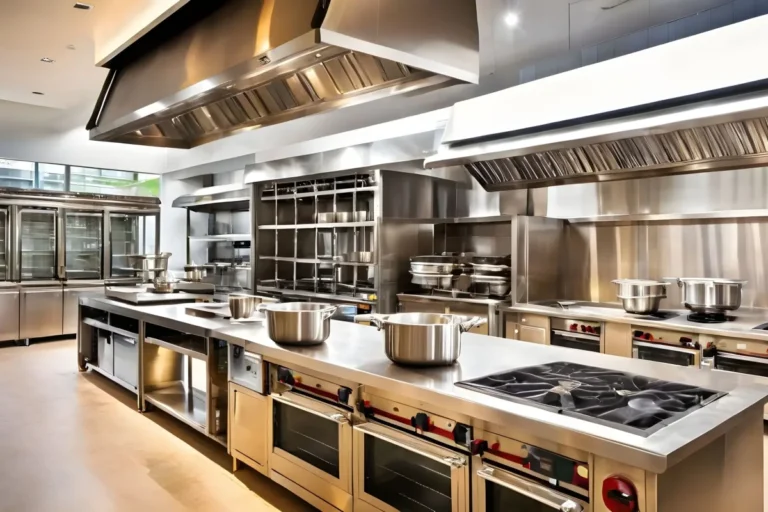
Let me tell you, I’ve seen my fair share of commercial kitchens, some pristine, some… not so much. And if there’s one thing that separates the pros from the amateurs, it’s how they treat their cookware. Specifically, their Berndes saucepans. These things aren’t just another piece of equipment; they’re workhorses, built to withstand the daily grind of a busy kitchen. But here’s the catch: if you don’t clean them properly, they’ll let you down when you need them most. And trust me, there’s nothing worse than a saucepan that’s lost its non-stick magic or, worse, developed a funk that no amount of scrubbing can erase.
I remember my first week in a high-volume restaurant kitchen. The chef, a no-nonsense guy named Marco, handed me a Berndes saucepan and said, “Clean it like your job depends on it.” Spoiler: it did. I scrubbed, I soaked, I cursed under my breath. But over time, I learned the tricks, the ones that keep these pans performing like new, even after hundreds of uses. That’s what I want to share with you today. Because let’s be real: cleaning commercial cookware isn’t just about hygiene (though that’s a big part of it). It’s about longevity, efficiency, and respect for the craft. So, if you’re ready to up your game, let’s dive in.
By the end of this guide, you’ll know:
- Why Berndes saucepans demand a different cleaning approach than your average pan.
- The step-by-step process for daily cleaning that keeps them in top shape.
- How to tackle tough stains and burnt-on residue without damaging the surface.
- The dos and don’ts of commercial kitchen cleaning that most people overlook.
- How to inspect and maintain your saucepans so they last for years.
Sound good? Let’s get started.
Why Berndes Saucepans Are Different (And Why That Matters for Cleaning)
First things first: not all saucepans are created equal. Berndes, in particular, has a reputation for quality, and their saucepans are no exception. They’re designed with a ceramic non-stick coating that’s durable, eco-friendly, and, when treated right, long-lasting. But here’s the thing: that coating isn’t invincible. It’s not like the cheap non-stick pans you might find in a home kitchen, which can take a beating and still sort of work. Berndes pans are precision tools, and they need to be treated as such.
I’ve seen kitchens where staff treat these pans like they’re indestructible. They’ll scrape them with metal utensils, toss them in the dish pit with the rest of the dirty dishes, or, worst of all, let them soak overnight in water. And then they wonder why the non-stick surface starts to flake or why food sticks like glue after a few months. It’s not the pan’s fault; it’s the lack of care. So, before we get into the nitty-gritty of cleaning, let’s talk about why these pans are different and why that changes how you should approach cleaning them.
The ceramic coating on Berndes saucepans is heat-resistant and scratch-resistant, but it’s not scratch-proof. That means you can’t just go at it with a steel wool pad or a metal spatula and expect it to hold up. The coating is also porous on a microscopic level, which is great for non-stick performance but not so great if you let grease and food particles get ground into it. Over time, that buildup can degrade the coating, making it less effective and more prone to sticking. And once that happens, there’s no going back, you’re basically left with a pan that’s lost its superpower.
Another thing to consider is the thermal shock factor. Berndes pans are designed to distribute heat evenly, but if you subject them to sudden temperature changes, like running a hot pan under cold water, you risk warping the base or damaging the coating. It’s a small thing, but in a commercial kitchen, where speed is everything, it’s easy to overlook. And trust me, a warped pan is a useless pan.
Understanding the Coating: Ceramic vs. Traditional Non-Stick
Let’s take a quick detour to talk about the coating. If you’ve ever used a traditional non-stick pan, you know the drill: they’re usually coated with polytetrafluoroethylene (PTFE), better known as Teflon. PTFE is great for home use because it’s cheap, effective, and relatively durable. But in a commercial kitchen? Not so much. PTFE coatings can break down at high temperatures, releasing fumes that, while not toxic, aren’t exactly something you want in your kitchen. Plus, they’re not as scratch-resistant as ceramic coatings, which means they wear out faster under heavy use.
Berndes, on the other hand, uses a ceramic-based non-stick coating. This stuff is made from inorganic materials (usually sand or silica) and is free from PTFE and PFOA (a chemical used in some non-stick coatings that’s been linked to health concerns). Ceramic coatings are more heat-resistant than PTFE, which means they can handle the high temperatures of a commercial kitchen without breaking down. They’re also more eco-friendly, which is a big plus if you’re trying to run a sustainable operation.
But here’s the trade-off: ceramic coatings aren’t as forgiving as PTFE. They’re harder, which means they’re more scratch-resistant, but they’re also more brittle. Drop a ceramic-coated pan, and you might chip the coating. Scrub it too hard, and you might wear it down. That’s why cleaning a Berndes saucepan isn’t just about getting it clean, it’s about preserving the integrity of the coating so it lasts as long as possible.
The Step-by-Step Guide to Daily Cleaning
Alright, let’s get into the meat of it: how to clean your Berndes saucepans on a daily basis. This isn’t rocket science, but it does require a bit of discipline. The good news? Once you get into the habit, it becomes second nature. And the payoff, a pan that performs like new, day after day, is totally worth it.
Step 1: Cool Down (But Not Too Much)
First things first: let the pan cool down. I know, I know, you’re in a rush. The kitchen’s a madhouse, and the last thing you want to do is wait around for a pan to cool. But hear me out: if you try to clean a hot Berndes saucepan with cold water, you’re asking for trouble. The sudden temperature change can cause the pan to warp, and once that happens, you’re out of luck. A warped pan won’t sit flat on the burner, which means uneven heating and, ultimately, a pan that’s more trouble than it’s worth.
That said, you don’t want to let the pan cool completely, either. If you do, the food residue will harden, making it that much harder to clean. The sweet spot? Let the pan cool for about 5-10 minutes after you’re done cooking. That’s enough time for it to cool down to a safe temperature (you should be able to touch it without burning yourself) but not so long that the residue sets in.
Pro tip: If you’re in a real hurry, you can speed up the cooling process by placing the pan on a cool, damp towel. The towel will absorb some of the heat, but it won’t shock the pan like cold water would. Just don’t leave it there too long, you don’t want the pan to get wet, either.
Step 2: Scrape Off Excess Food
Once the pan is cool enough to handle, it’s time to scrape off any excess food. This is where a lot of people go wrong. They’ll grab a metal spatula or, worse, a knife and start scraping away. Don’t do that. Metal utensils can scratch the ceramic coating, and once that happens, the pan’s non-stick properties start to degrade. Instead, use a wooden or silicone spatula to gently scrape off any food residue. If there’s something really stuck on, don’t force it, we’ll deal with that in the next step.
I like to keep a dedicated wooden scraperear my cleaning station for this exact purpose. It’s gentle on the pan but tough enough to handle most food residue. If you don’t have one, a silicone spatula works just as well. The key here is to be gentle but thorough. You want to remove as much food as possible without damaging the coating.
Oh, and one more thing: if you’re dealing with a pan that’s been used for something like caramel or sugar-based sauces, you might need to act fast. Sugar hardens as it cools, and once it sets, it’s a nightmare to remove. If you’re working with something like that, try to scrape it off while it’s still warm (but not hot enough to burn you). A little hot water can help soften it up, but don’t let the pan soak, we’ll get to why that’s a bad idea later.
Step 3: Rinse with Warm Water
Now that you’ve scraped off the excess food, it’s time to rinse the pan. Use warm (not hot) water and a soft sponge or cloth. The goal here is to loosen any remaining food particles and get the pan ready for a deeper clean. Don’t use a scouring pad or anything abrasive, remember, we’re trying to preserve the ceramic coating, not scrub it away.
I’ve found that a microfiber cloth works really well for this step. It’s gentle on the pan but tough enough to lift away food residue. If you don’t have one, a soft sponge will do the trick. Just make sure it’s not the kind with a rough scrubbing side, you don’t want to risk scratching the coating.
As you rinse, pay special attention to the edges and corners of the pan. Food tends to get trapped in these areas, and if you don’t catch it now, it’ll harden and become even harder to remove later. A little elbow grease goes a long way here, but again, be gentle. You’re not trying to sand down the pan, you’re just trying to get it clean.
Step 4: Wash with Mild Detergent
Now it’s time for the soap. Use a mild dish detergent-nothing too harsh. Harsh detergents can strip away the non-stick properties of the ceramic coating over time, so stick with something gentle. I like to use a pH-neutral dish soap for this step. It’s tough on grease but gentle on the pan.
Apply a small amount of detergent to your sponge or cloth and gently wash the pan in circular motions. Don’t press too hard, let the soap do the work. If you’re dealing with a pan that’s particularly greasy, you might need to let the soap sit for a minute or two to break down the grease. That’s fine, but don’t let it sit too long. The longer the soap sits, the more it can dry out the ceramic coating, which isn’t ideal.
Pro tip: If you’re washing multiple pans at once, don’t stack them on top of each other while they’re wet. The weight of the pans can cause them to warp, especially if they’re still warm. Instead, lay them out flat or hang them up to dry. It’s a small thing, but it makes a big difference in the long run.
Step 5: Rinse and Dry Thoroughly
Once you’ve washed the pan, it’s time to rinse it off. Use warm water to remove any soap residue. Soap left on the pan can leave a film that attracts food particles, which is the last thing you want. Make sure you rinse every nook and cranny, especially the handle and any crevices where soap might hide.
After rinsing, it’s time to dry the pan. This is another step that a lot of people skip, but it’s crucial. Water left on the pan can cause mineral buildup, especially if you’re in an area with hard water. Over time, that buildup can make the pan look dull and even affect its performance. Plus, a wet pan is more likely to develop water spots, which are a pain to remove.
I like to dry my pans with a clean, lint-free towel. Microfiber works great for this, but any soft towel will do. Just make sure it’s clean, you don’t want to transfer grease or food particles back onto the pan. If you’re in a hurry, you can let the pan air-dry, but make sure it’s completely dry before you put it away. A damp pan stored in a cabinet is a recipe for mold and mildew, and nobody wants that.
Dealing with Tough Stains and Burnt-On Residue
Okay, so you’ve followed the daily cleaning steps, but what about those times when something goes wrong? Maybe you got distracted and let the sauce burn, or maybe someone else in the kitchen wasn’t as careful as they should’ve been. Whatever the reason, you’re now staring at a Berndes saucepan with tough stains or burnt-on residue. Don’t panic, it’s not the end of the world. But it does require a little extra effort.
Step 1: Soak (But Not for Too Long)
First things first: resist the urge to scrub. Scrubbing a pan with burnt-on residue is like trying to dig a hole with a spoon, it’s going to take forever, and you’re probably going to make things worse. Instead, soak the pan. Fill it with warm water and a bit of dish soap, and let it sit for about 15-20 minutes. The water will soften the residue, making it easier to remove.
But here’s the catch: don’t let the pan soak for too long. I know it’s tempting to just leave it overnight and deal with it in the morning, but that’s a bad idea. Soaking a ceramic-coated pan for too long can weaken the coating, making it more prone to scratches and damage. Plus, if the water gets cold, it won’t be as effective at loosening the residue. So set a timer, and don’t let the pan soak for more than 20 minutes.
Pro tip: If you’re dealing with something really stubborn, like burnt sugar or caramel, you can add a tablespoon of baking soda to the water. The baking soda will help break down the residue without damaging the pan. Just don’t use anything too abrasive, like vinegar or lemon juice, those can be too harsh for the ceramic coating.
Step 2: Scrub Gently
After soaking, it’s time to scrub. But remember: gentle is the name of the game. You’re not trying to sand down the pan, you’re just trying to remove the residue. Use a soft sponge or cloth, and apply gentle pressure. If the residue is still stuck, don’t force it. Instead, let the pan soak for another 10-15 minutes and try again.
If you’re dealing with something really tough, like burnt-on cheese or sauce, you can try using a plastic scraper. These are gentle enough not to damage the ceramic coating but tough enough to remove stubborn residue. Just be careful not to dig into the pan, you’re trying to lift the residue, not scratch the surface.
Another trick I’ve learned: if the residue is on the bottom of the pan, try filling it with hot water and a bit of dish soap and letting it sit for a few minutes. The heat will help loosen the residue, making it easier to remove. Just be careful not to burn yourself, use oven mitts or a towel to handle the pan.
Step 3: Use a Non-Abrasive Cleaner (If Needed)
If soaking and scrubbing aren’t enough, it’s time to bring out the big guns: a on-abrasive cleaner. But not just any cleaner, you need something that’s gentle enough for ceramic coatings. I like to use a baking soda paste for this. Mix a little baking soda with water to form a thick paste, then apply it to the stained area. Let it sit for about 10-15 minutes, then gently scrub it off with a soft sponge.
Baking soda is great because it’s tough on stains but gentle on the pan. It won’t scratch the ceramic coating, and it’s safe to use on food-contact surfaces. Plus, it’s cheap and easy to find, every kitchen should have a box on hand.
If baking soda isn’t doing the trick, you can try a commercial non-abrasive cleaner designed for ceramic coatings. Just make sure it’s labeled as safe for non-stick surfaces. Avoid anything with bleach, ammonia, or other harsh chemicals, these can damage the coating and leave behind residues that are unsafe for food.
Step 4: Rinse and Dry
Once you’ve removed the residue, it’s time to rinse and dry the pan. This step is crucial, you don’t want to leave any cleaner or residue behind. Rinse the pan thoroughly with warm water, making sure to remove all traces of soap or cleaner. Then, dry it completely with a clean towel. Don’t skip this step, water left on the pan can cause mineral buildup, which is a pain to remove later.
If you’re dealing with a pan that’s been really stained, you might notice that the ceramic coating looks a little dull after cleaning. Don’t worry, this is normal. The coating will regain its shine after a few uses. Just make sure you’re following the daily cleaning steps to keep it in top shape.
The Dos and Don’ts of Cleaning Berndes Saucepans
Alright, let’s take a step back and talk about the dos and don’ts of cleaning Berndes saucepans. These are the rules I’ve learned the hard way, so you don’t have to. Trust me, following these will save you a lot of headaches (and money) in the long run.
Do: Use the Right Tools
This might seem obvious, but you’d be surprised how many people use the wrong tools to clean their pans. Metal utensils, steel wool, and abrasive scrubbers are all big no-nos. They’ll scratch the ceramic coating, making it less effective and more prone to sticking. Instead, stick with wooden or silicone utensils, soft sponges, and non-abrasive cleaners. Your pans will thank you.
I keep a dedicated cleaning kit for my Berndes saucepans. It includes a wooden scraper, a soft sponge, a microfiber cloth, and a bottle of mild dish soap. Having everything in one place makes it easy to clean the pans properly, even when I’m in a hurry. It’s a small investment, but it pays off in the long run.
Don’t: Use Harsh Chemicals
Harsh chemicals might seem like a quick fix for tough stains, but they’re a recipe for disaster. Bleach, ammonia, and oven cleaners can all damage the ceramic coating, leaving it dull and less effective. Plus, they can leave behind residues that are unsafe for food. Stick with mild dish soap, baking soda, and non-abrasive cleaners. They’re gentler on the pan and safer for your food.
I’ve seen kitchens where staff use degreasers or industrial cleaners on their saucepans, thinking it’ll make the job easier. But all it does is degrade the coating and shorten the pan’s lifespan. If you wouldn’t use it on a cutting board, don’t use it on your pans.
Do: Store Pans Properly
How you store your pans is just as important as how you clean them. Stacking pans on top of each other can cause scratches and warping, especially if they’re still warm. Instead, store them flat or hanging. If you have to stack them, place a soft cloth or paper towel between each pan to protect the coating.
I like to hang my pans on a wall-mounted rack. It keeps them out of the way, makes them easy to access, and prevents damage. Plus, it looks pretty cool, like something out of a professional kitchen. If you don’t have space for a rack, store them flat in a cabinet with a soft liner. Just make sure they’re completely dry before you put them away.
Don’t: Let Pans Soak Overnight
I’ve mentioned this before, but it’s worth repeating: don’t let your pans soak overnight. Soaking can weaken the ceramic coating, making it more prone to scratches and damage. Plus, if the water gets cold, it won’t be as effective at loosening residue. If you need to soak a pan, do it for o more than 20 minutes, then scrub and rinse it thoroughly.
I get it, sometimes you’re just too tired to deal with a dirty pan at the end of a long shift. But trust me, it’s better to spend a few extra minutes cleaning it properly than to deal with a ruined pan later. If you’re really in a hurry, just scrape off the excess food and wash it the next day. But don’t let it soak.
Do: Inspect Pans Regularly
Finally, make it a habit to inspect your pans regularly. Look for signs of wear and tear, like scratches, chips, or discoloration. If you catch these early, you can adjust your cleaning routine to prevent further damage. For example, if you notice that the non-stick coating is starting to wear off, you might need to be even gentler when cleaning.
I like to inspect my pans at the end of each shift. It only takes a few seconds, but it makes a big difference. If I notice any issues, I’ll make a note to adjust my cleaning routine or, if necessary, replace the pan. It’s a small step, but it helps keep my kitchen running smoothly.
How to Maintain Your Berndes Saucepans for Longevity
Cleaning your Berndes saucepans is just one part of the equation. The other part? Maintenance. If you want your pans to last for years (and trust me, you do), you need to take care of them beyond just the daily cleaning routine. Here’s how.
Season Your Pans (Yes, Really)
You might be thinking, “Seasoning? Isn’t that just for cast iron?” And you’d be right, sort of. While ceramic-coated pans don’t need seasoning in the same way cast iron does, a little oil conditioning can go a long way in keeping them in top shape. Here’s how to do it:
- After cleaning and drying your pan, apply a thin layer of oil to the surface. Use a high-smoke-point oil like canola, grapeseed, or avocado oil. Avoid olive oil, it has a low smoke point and can leave a sticky residue.
- Heat the pan over medium-low heat for about 2-3 minutes. This helps the oil penetrate the ceramic coating, keeping it smooth and non-stick.
- Let the pan cool, then wipe off any excess oil with a clean towel. You don’t want the pan to be greasy, just lightly conditioned.
Do this once a month, and your pans will stay non-stick and shiny for years. It’s a small step, but it makes a big difference. I’ve had pans that I’ve used for over five years, and they still perform like new, all because I take the time to condition them regularly.
Avoid High Heat (When Possible)
Berndes saucepans are designed to handle high heat, but that doesn’t mean you should crank the burner up to max every time you use them. High heat can degrade the ceramic coating over time, making it less effective and more prone to sticking. Plus, it can cause the pan to warp, which is a nightmare to deal with.
Instead, use medium heat for most cooking tasks. If you need to sear something, preheat the pan over medium heat, then increase the heat for a short time. This gives you the best of both worlds: a hot pan for searing and a lower heat to preserve the coating. It’s a small adjustment, but it makes a big difference in the long run.
Pro tip: If you’re cooking something that requires high heat, like a stir-fry, use a carbon steel or cast iron pan instead. These pans are designed to handle high heat, and they’ll last longer than a ceramic-coated pan in those conditions. Save your Berndes saucepans for tasks that don’t require extreme heat, like simmering sauces or cooking delicate foods.
Handle with Care
This might seem obvious, but it’s worth saying: handle your pans with care. Don’t drop them, don’t bang them against other pots and pans, and don’t use them as makeshift tools (yes, I’ve seen people use saucepans as hammers, don’t ask). Ceramic coatings are durable, but they’re not indestructible. A little care goes a long way in keeping them in top shape.
I like to treat my Berndes saucepans like fine china. They’re not just tools, they’re investments. And like any investment, they need to be treated with care. So be gentle when you’re moving them around, and don’t stack them haphazardly. It’s a small thing, but it makes a big difference.
Rotate Your Pans
If you’re like me, you probably have a favorite pan, the one you reach for every time. But using the same pan day in and day out can cause it to wear out faster. Instead, rotate your pans. Use different pans for different tasks, and give each one a break every now and then. This helps distribute the wear and tear evenly, so no single pan gets overused.
I keep a rotation schedule for my pans. It’s nothing fancy, just a simple system where I use each pan for a different task each week. For example, one pan is for sauces, another is for sautéing, and another is for simmering. It’s a small thing, but it helps keep all my pans in good shape.
Know When to Replace
No matter how well you take care of your Berndes saucepans, they won’t last forever. Over time, the ceramic coating will wear down, and the pan will lose its non-stick properties. When that happens, it’s time to replace it. But how do you know when it’s time?
Here are a few signs to look for:
- Food sticks to the pan, even when you’re using oil and cooking at the right temperature.
- The ceramic coating is chipped or scratched, exposing the metal underneath.
- The pan is warped or bent, making it difficult to cook evenly.
- The pan has discoloration or stains that won’t come out, no matter how hard you scrub.
If you notice any of these signs, it’s time to replace the pan. Don’t try to squeeze a few more uses out of it, it’s not worth it. A worn-out pan will make your job harder, and it could even affect the quality of your food. So bite the bullet and invest in a new one. Your kitchen (and your customers) will thank you.
Final Thoughts: Why It’s Worth the Effort
Let me be honest: cleaning and maintaining Berndes saucepans in a commercial kitchen isn’t always easy. It takes time, effort, and a little bit of discipline. But here’s the thing: it’s worth it. A well-maintained saucepan performs better, lasts longer, and makes your job easier. And in a busy kitchen, that’s priceless.
I’ve seen kitchens where staff treat their cookware like disposable items, using it until it’s worn out, then tossing it and grabbing a new one. But that’s not sustainable. It’s wasteful, it’s expensive, and it’s bad for the environment. By taking the time to clean and maintain your pans properly, you’re not just saving money, you’re also doing your part to reduce waste and run a more sustainable operation.
So here’s my challenge to you: the next time you’re cleaning a Berndes saucepan, take a extra minute to do it right. Scrape off the excess food, wash it gently, and dry it thoroughly. Condition it once a month, and handle it with care. It’s a small thing, but it makes a big difference. And who knows? Maybe one day, you’ll look back and realize that those extra few minutes were the key to keeping your kitchen running smoothly.
Now, I’d love to hear from you. What’s your biggest challenge when it comes to cleaning commercial cookware? Do you have any tips or tricks that I didn’t mention? Drop a comment below, I’m always looking to learn new things.
FAQ
Q: Can I use a dishwasher to clean my Berndes saucepans?
A: No, you should never put Berndes saucepans in the dishwasher. The high heat and harsh detergents can damage the ceramic coating, making it less effective and more prone to sticking. Always wash them by hand using the steps outlined in this guide.
Q: What’s the best way to remove burnt-on cheese from a Berndes saucepan?
A: Burnt-on cheese can be tough to remove, but it’s not impossible. Start by soaking the pan in warm, soapy water for about 15-20 minutes. Then, use a wooden or silicone scraper to gently lift the cheese off the surface. If that doesn’t work, try a baking soda paste, mix baking soda with water to form a thick paste, apply it to the stained area, let it sit for 10-15 minutes, then scrub gently with a soft sponge.
Q: How often should I condition my Berndes saucepans?
A: I recommend conditioning your pans once a month. This helps keep the ceramic coating smooth and non-stick. To condition, apply a thin layer of high-smoke-point oil (like canola or grapeseed oil) to the surface, heat the pan over medium-low heat for 2-3 minutes, then wipe off any excess oil with a clean towel.
Q: My Berndes saucepan has lost its non-stick properties. Is there anything I can do to restore it?
A: If your pan has lost its non-stick properties, it’s likely that the ceramic coating has worn down. Unfortunately, there’s no way to restore it completely. However, you can try conditioning the pan (as described above) to see if that helps. If not, it’s probably time to replace the pan. A worn-out pan won’t perform as well, and it could even affect the quality of your food.
@article{the-ultimate-guide-to-best-practices-for-cleaning-berndes-saucepans-in-commercial-kitchens,
    title   = {The Ultimate Guide to Best Practices for Cleaning Berndes Saucepans in Commercial Kitchens},
    author  = {Chef's icon},
    year    = {2026},
    journal = {Chef's Icon},
    url     = {https://chefsicon.com/best-practices-for-cleaning-berndes-saucepans-commercial-kitchens/}
}