The Best Fluffy Pancakes recipe you will fall in love with. Full of tips and tricks to help you make the best pancakes.
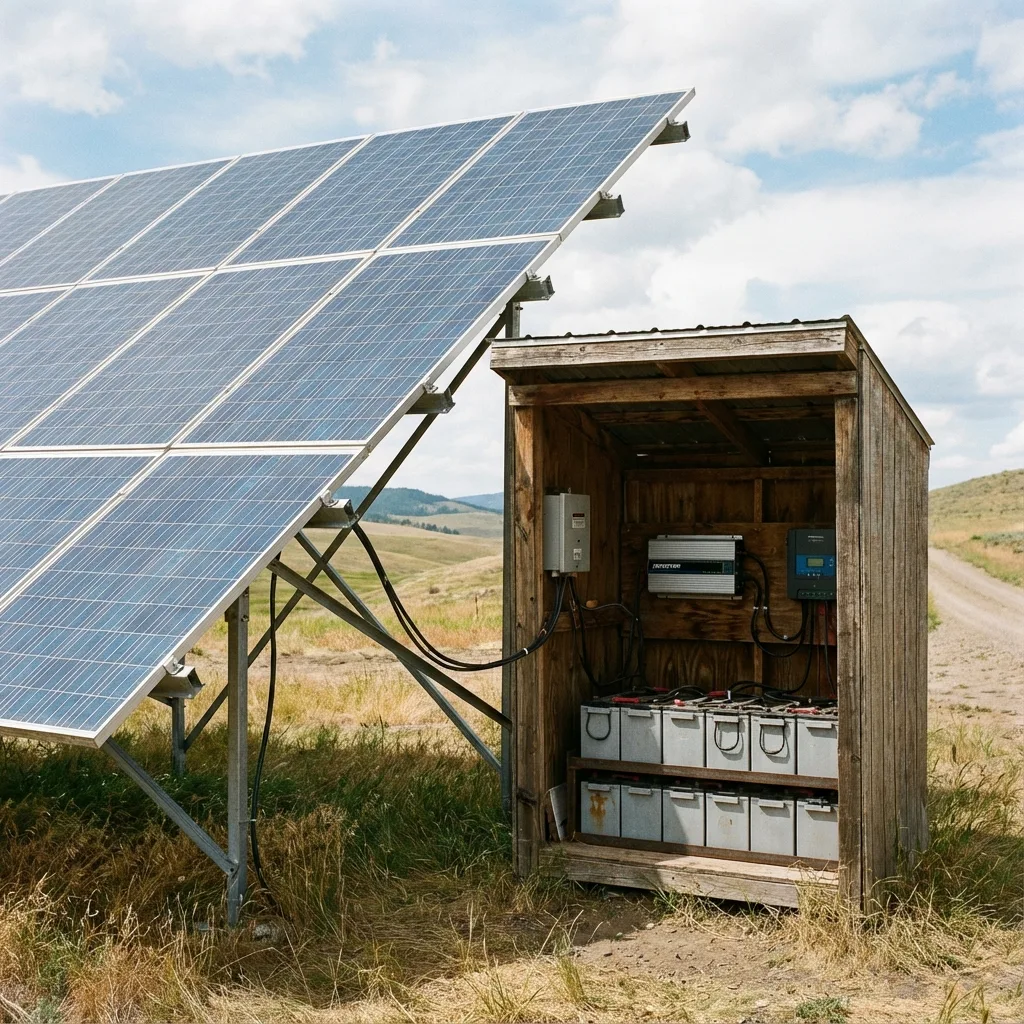
Let me tell you about the time I nearly lost a weekend’s worth of inventory because my food truck’s compressor gave up the ghost at a music festival in the middle of nowhere. It was 95 degrees, the kind of heat that makes you question every life decision that led you to this moment, and my backup generator decided to take a nap. I stood there, sweating bullets, watching perfectly good ingredients turn into a science experiment right before my eyes. That’s when it hit me: off-grid refrigeration isn’t just a nice-to-have, it’s the backbone of mobile food service. If you’re running a food truck, you already know the drill, space is tight, margins are tighter, and every piece of equipment has to pull double duty. But when it comes to keeping your perishables cold without a reliable power hookup, the stakes are even higher. So, let’s dive into the wild world of off-grid power solutions for food truck refrigeration, because trust me, you don’t want to learn this the hard way like I did.
Now, I’m not gonna lie, this stuff can get technical. There’s a lot of jargon, a lot of acronyms, and a whole lot of opinions about what works best. Solar? Generators? Batteries? Hydrogen fuel cells? (Yes, that’s a thing now.) It’s enough to make your head spin. But here’s the thing: you don’t need to be an electrical engineer to figure this out. What you doeed is a solid understanding of your power needs, your budget, and the trade-offs you’re willing to make. Because let’s be real, there’s no one-size-fits-all solution here. What works for a taco truck parked at a farmers’ market might not cut it for a gourmet burger joint doing late-night service at festivals. So, where do you even start? That’s what we’re here to unpack. By the end of this, you’ll have a clearer picture of what’s possible, what’s practical, and what’s going to keep your food safe (and your sanity intact) when you’re off the grid.
Before we jump in, let me set the stage a little. I’ve spent the last few years talking to food truck owners, equipment suppliers, and even a few off-grid power nerds (yes, they exist) to get a sense of what’s working and what’s not. I’ve seen setups that are so slick they’d make a NASA engineer jealous, and I’ve seen… well, let’s just say I’ve seen some creative solutions that probably shouldn’t be replicated. The goal here isn’t to overwhelm you with options but to give you a roadmap for making the best decision for your setup. So, grab a coffee (or an iced tea, if you’re already sweating just thinking about this), and let’s break it down.
The Off-Grid Refrigeration Puzzle: Why It’s More Complicated Than You Think
Understanding Your Power Needs: The Cold, Hard Numbers
First things first: you can’t solve a problem if you don’t understand it. And when it comes to off-grid refrigeration, the problem starts with power consumption. How much juice does your fridge actually need? This isn’t just about the size of your unit, it’s about the type of compressor, the insulation, the ambient temperature, and even how often you’re opening and closing the door. A commercial-grade undercounter refrigerator might draw anywhere from 1,200 to 2,500 watts per day, depending on the model and conditions. A reach-in freezer? That could be double or even triple that. And if you’re running multiple units, well, you do the math.
But here’s where it gets tricky. Those numbers aren’t static. They fluctuate based on a bunch of factors. For example, if you’re parked in the desert in July, your fridge is going to work a lot harder than it would in a mild spring evening. Same goes for how often you’re restocking or serving customers, every time that door opens, cold air escapes, and your compressor has to kick back into high gear. So, when you’re calculating your power needs, you can’t just look at the manufacturer’s specs and call it a day. You’ve got to account for the worst-case scenario. Is this overkill? Maybe. But trust me, it’s better to overestimate than to find yourself with a truck full of spoiled food.
Now, let’s talk about starting watts vs. running watts. This is one of those details that trips up a lot of people. Your fridge might only need 500 watts to run once it’s up and going, but to get that compressor started? That could require 1,500 watts or more. Why does this matter? Because if your power source can’t handle that initial surge, your fridge isn’t going to turn on at all. This is where a lot of food truck owners get burned, literally. They invest in a power solution that looks great on paper but can’t handle the inrush current of their equipment. So, before you drop a dime on anything, make sure you know both numbers: the running watts and the starting watts. And if you’re not sure, ask. Better yet, test it. Plug your fridge into a kill-a-watt meter (they’re cheap and easy to use) and see what it’s actually pulling. You might be surprised.
Oh, and one more thing: voltage matters. Most food truck refrigeration units run on 120V or 240V AC power. If you’re looking at off-grid solutions, you’re probably going to be dealing with DC power (like from batteries) at some point. That means you’ll need an inverter to convert DC to AC. But not all inverters are created equal. Some are pure sine wave, some are modified sine wave, and the difference can be huge. Modified sine wave inverters are cheaper, but they can cause issues with sensitive electronics, like the control boards in your fridge. Pure sine wave inverters are more expensive, but they’re also more reliable. Is it worth the extra cost? In my opinion, absolutely. The last thing you want is your inverter frying your fridge’s brain because you tried to save a few bucks.
The Battery Dilemma: Lithium vs. Lead-Acid vs. Everything Else
Alright, let’s talk batteries. If you’re going off-grid, batteries are going to be the heart of your power system. But which type is right for you? The short answer: it depends. The long answer? Buckle up, because this is where things get interesting.
First up, lead-acid batteries. These are the old-school workhorses of the battery world. They’re cheap, they’re reliable, and they’ve been around forever. But they’ve also got some serious drawbacks. For one, they’re heavy. Like, really heavy. If you’re trying to keep your food truck’s weight down (and you should be), this is a problem. They also have a shorter lifespan than some of the newer options, typically around 3-5 years if you take good care of them. And let’s not forget about depth of discharge (DoD). Lead-acid batteries don’t like being drained too far. If you regularly discharge them below 50%, you’re going to kill them fast. That means you need a bigger battery bank to get the same usable capacity, which adds even more weight.
Then there’s lithium-ion batteries, specifically lithium iron phosphate (LiFePO4). These are the new kids on the block, and they’re changing the game. They’re lighter, they last longer (10+ years with proper care), and they can be discharged much deeper, usually down to 20% or even 10% without major issues. They’re also more efficient, meaning you get more usable power out of them. But (and this is a big but) they’re expensive. Like, really expensive. We’re talking 2-3 times the cost of lead-acid upfront. That said, if you plan on keeping your food truck for a while, they can pay for themselves over time. Is it worth the investment? For most food truck owners, I’d say yes, but only if you’ve got the budget for it.
Now, let’s talk about battery capacity. This is where a lot of people get confused. Battery capacity is measured in amp-hours (Ah) or kilowatt-hours (kWh), and it tells you how much energy the battery can store. But here’s the thing: you can’t just look at the number on the label and call it a day. You’ve got to factor in things like temperature, efficiency losses, and depth of discharge. For example, a 100Ah lead-acid battery might only give you 50Ah of usable power if you’re discharging it to 50%. A lithium battery with the same capacity might give you 80Ah or more. So, when you’re sizing your battery bank, make sure you’re accounting for these factors. And don’t forget about scalability. If you start with a small battery bank and realize you need more power later, can you add more batteries? Some systems are easier to expand than others, so think ahead.
Oh, and one more thing: battery management systems (BMS). If you’re going with lithium batteries (and I think you should), a BMS is non-negotiable. This little piece of tech monitors your batteries, balances the cells, and protects them from overcharging, over-discharging, and other bad stuff. Without a BMS, your expensive lithium batteries could fail prematurely, or worse, become a fire hazard. So, if you’re buying lithium batteries, make sure they come with a BMS, or be prepared to add one yourself. It’s not something you want to skip.
Solar Power: Harnessing the Sun Without the Headaches
Solar power is the holy grail of off-grid energy. It’s clean, it’s quiet, and it’s free (after the initial investment, of course). But let’s be real, it’s not as simple as slapping a few panels on your roof and calling it a day. There’s a lot that goes into designing a solar power system that actually works for a food truck, and if you get it wrong, you’re going to be in for a world of frustration. So, let’s break it down.
First, you’ve got to figure out how much power you need. We already talked about this a bit, but it’s worth repeating: your solar system needs to be sized for your worst-case scenario. That means accounting for the hottest days, the longest service hours, and the most power-hungry equipment. If you’re running a fridge, a freezer, and a few other appliances, you’re probably looking at a system that can generate at least 1,500-3,000 watts per day. But here’s the catch: solar panels don’t generate power at 100% efficiency all the time. Clouds, shade, and even the angle of the sun can reduce their output. So, you’ve got to oversize your system to account for these losses. A good rule of thumb is to aim for 20-30% more capacity than you think you’ll need. Is this overkill? Maybe. But again, it’s better to have too much power than not enough.
Next up: solar panels. There are a few different types to choose from, but the most common for food trucks are monocrystalline and polycrystalline panels. Monocrystalline panels are more efficient (meaning they generate more power per square foot), but they’re also more expensive. Polycrystalline panels are cheaper, but they’re less efficient and take up more space. For a food truck, where space is at a premium, I’d lean toward monocrystalline. But if you’re on a tight budget, polycrystalline can still work, you’ll just need more of them. And don’t forget about flexible solar panels. These are great for food trucks because they can conform to curved surfaces, like the roof of your truck. They’re not as efficient as rigid panels, but they’re a lot easier to install and less likely to get damaged.
Now, let’s talk about charge controllers. This is the brain of your solar system. It regulates the power coming from your panels and makes sure your batteries are charged safely. There are two main types: PWM (Pulse Width Modulation) and MPPT (Maximum Power Point Tracking). PWM controllers are cheaper, but they’re also less efficient. MPPT controllers are more expensive, but they can squeeze up to 30% more power out of your panels. For a food truck, where every watt counts, I’d go with MPPT. It’s worth the extra cost.
Oh, and one more thing: mounting your panels. This might seem like a small detail, but it’s actually really important. You’ve got to make sure your panels are securely mounted and angled correctly to maximize their output. If they’re flat on your roof, they’re not going to generate as much power as they could. Ideally, you want them tilted at an angle that matches your latitude. But since food trucks move around, that’s not always practical. So, you might have to settle for a compromise. Just make sure they’re not in the shade (even partial shade can kill your output) and that they’re not going to fly off when you’re driving down the highway. And speaking of driving, make sure your panels are rated for vibration and wind resistance. The last thing you want is a panel coming loose and smashing into your windshield.
Generators: The Reliable (But Noisy) Backup Plan
Let’s face it: solar power is great, but it’s not always enough. Cloudy days, long nights, and high power demands can all leave you scrambling for a backup. That’s where generators come in. They’re not as sexy as solar, and they’re definitely not as quiet, but they’re reliable. And when you’re running a food truck, reliability is everything.
First, let’s talk about fuel types. The most common options are gasoline, diesel, propane, and natural gas. Gasoline generators are cheap and easy to find, but they’re not the most efficient, and gasoline doesn’t store well for long periods. Diesel generators are more fuel-efficient and last longer, but they’re also more expensive upfront. Propane generators are clean-burning and have a long shelf life, but propane can be harder to find in some areas. Natural gas generators are convenient if you’ve got a hookup, but they’re not practical for most food trucks. So, which one should you choose? For most food truck owners, I’d recommend propane or diesel. Propane is great if you’re already using it for cooking, and diesel is a solid choice if you’re running a larger truck with higher power demands.
Next up: inverter generators vs. conventional generators. Inverter generators are quieter, more fuel-efficient, and produce cleaner power (which is better for sensitive electronics like your fridge’s control board). They’re also more expensive. Conventional generators are louder and less efficient, but they’re cheaper and can handle higher power loads. For a food truck, where noise and space are both at a premium, I’d lean toward an inverter generator. But if you’re running a lot of equipment and need a lot of power, a conventional generator might be the way to go. It’s all about trade-offs.
Now, let’s talk about sizing your generator. This is where a lot of people go wrong. You can’t just look at the wattage rating on your fridge and buy a generator that matches it. Remember what we talked about earlier: starting watts vs. running watts. Your fridge might only need 500 watts to run, but it could need 1,500 watts to start. If your generator can’t handle that initial surge, your fridge isn’t going to turn on. So, when you’re sizing your generator, make sure it can handle the peak power demand of all your equipment. And don’t forget about scalability. If you plan on adding more equipment later, you might want to size up your generator now.
Oh, and one more thing: noise. Generators are loud. Like, really loud. And if you’re parked in a residential area or at a quiet event, that noise can be a problem. Some cities and events have noise ordinances that limit how loud your generator can be. So, if you’re going to be running a generator, make sure it’s quiet enough to comply with local regulations. Inverter generators are usually the quietest, but they’re also the most expensive. If noise is a concern, you might want to look into soundproofing options, like generator enclosures or mufflers. It’s an extra cost, but it could save you a lot of headaches down the road.
Hybrid Systems: The Best of Both Worlds?
So, you’ve got solar panels, batteries, and a generator. But how do you make them all work together? That’s where hybrid systems come in. A hybrid system combines multiple power sources (like solar, batteries, and a generator) into a single, cohesive setup. The idea is to get the best of both worlds: the clean, quiet power of solar, with the reliability of a generator backup. But setting up a hybrid system isn’t as simple as plugging everything in and hoping for the best. You’ve got to have the right components and the right setup to make it all work together.
First, let’s talk about inverters. In a hybrid system, your inverter is the hub that connects everything. It takes power from your solar panels, your batteries, and your generator, and makes sure it’s all compatible with your equipment. There are two main types of inverters for hybrid systems: grid-tie inverters and off-grid inverters. Grid-tie inverters are designed to work with the grid, so they’re not ideal for food trucks. Off-grid inverters, on the other hand, are designed to work without the grid, so they’re a better fit. But not all off-grid inverters are created equal. Some are better at handling multiple power sources than others, so make sure you choose one that’s designed for hybrid systems.
Next up: automatic transfer switches (ATS). This is the piece of tech that decides where your power is coming from. If your batteries are low and the sun isn’t shining, the ATS will kick on your generator. If your batteries are full and the sun is out, it’ll switch to solar. It’s like having a little power manager that makes sure you’re always getting the most efficient power source. Some inverters come with built-in ATS functionality, but if yours doesn’t, you’ll need to add one. It’s an extra cost, but it’s worth it for the convenience.
Now, let’s talk about system design. A hybrid system is only as good as its design. If you don’t have the right components or the right setup, you’re going to run into problems. For example, if your generator isn’t properly integrated with your solar system, you could end up with power conflicts or inefficiencies. And if your batteries aren’t sized correctly, you could end up draining them too fast or not storing enough power. So, when you’re designing your hybrid system, make sure you’re working with someone who knows what they’re doing. This isn’t the kind of thing you want to DIY unless you’ve got a lot of experience with electrical systems.
Oh, and one more thing: monitoring. A hybrid system is complex, and if something goes wrong, you need to know about it. That’s where monitoring systems come in. These little gadgets track your power usage, your battery levels, and your solar output, and they can alert you if something’s not right. Some systems even let you monitor everything from your phone, so you can keep an eye on things even when you’re not at the truck. Is it overkill? Maybe. But if you’re running a food truck, you can’t afford to be in the dark (literally) about your power situation.
Alternative Power Sources: Thinking Outside the Box
Solar and generators are the most common off-grid power solutions, but they’re not the only ones. If you’re looking for something a little different, there are a few other options worth considering. Some of these are still in the experimental phase, but others are already being used by food truck owners around the world. So, let’s take a look at what’s out there.
First up: wind power. Wind turbines aren’t as common as solar panels, but they can be a good option if you’re parked in a windy area. The problem is, they’re not very practical for most food trucks. They’re bulky, they’re noisy, and they don’t generate much power unless the wind is really blowing. That said, if you’re parked in a consistently windy location (like a coastal area or a mountaintop), a small wind turbine could be a good supplement to your solar system. Just don’t expect it to be your primary power source.
Next: hydrogen fuel cells. This is the new kid on the block, and it’s still pretty experimental. Hydrogen fuel cells generate power by combining hydrogen and oxygen, and the only byproduct is water. They’re clean, they’re quiet, and they’re efficient. But they’re also expensive, and hydrogen can be hard to find. That said, if you’re looking for a cutting-edge power solution, this is one to watch. A few companies are already experimenting with hydrogen fuel cells for food trucks, and the results are promising. Is it practical for most food truck owners? Not yet. But in a few years? Who knows.
Another option: biofuel generators. These generators run on biofuels like biodiesel or ethanol, which are made from renewable sources like vegetable oil or corn. They’re cleaner than traditional fossil fuels, and they’re a good option if you’re looking to reduce your carbon footprint. But they’re not as efficient as diesel or propane, and biofuels can be harder to find. That said, if you’re already using biofuels for cooking, this could be a good way to kill two birds with one stone.
Finally, let’s talk about human power. Yes, you read that right. There are a few food trucks out there that are experimenting with bicycle-powered generators. The idea is simple: you pedal a bike, which generates power, which runs your equipment. It’s not going to power your fridge, but it could be a good way to supplement your power needs for smaller appliances. Plus, it’s a great way to engage with customers and promote sustainability. Is it practical? Not really. But it’s a fun idea, and it’s a great conversation starter.
Cooling Efficiency: How to Make Your Refrigeration Work Smarter, Not Harder
Alright, let’s shift gears a little. We’ve talked a lot about power sources, but what about the refrigeration units themselves? If you’re running a food truck, your fridge is one of your biggest power hogs. But there are ways to make it more efficient, so you’re not burning through your batteries or generator fuel as fast. Let’s dive into some cooling efficiency tips that could save you a lot of headaches (and money).
First up: insulation. This might seem obvious, but it’s worth repeating: the better insulated your fridge is, the less power it’s going to need. If your fridge is old or poorly insulated, it’s going to have to work a lot harder to keep things cold. That means more power consumption, more wear and tear, and a shorter lifespan. So, if you’re in the market for a new fridge, make sure you’re looking at models with high-quality insulation. And if you’re stuck with an older unit, consider adding some extra insulation yourself. There are a few ways to do this, like adding insulation panels or reflective foil to the walls of your fridge. It’s a small investment that can pay off big time in the long run.
Next: temperature control. This is another one that seems obvious, but it’s easy to overlook. The colder you set your fridge, the more power it’s going to use. So, unless you’re storing something that needs to be kept at a very specific temperature, try to keep your fridge set to the warmest safe temperature. For most foods, that’s around 38-40°F (3-4°C). Anything colder than that is just wasting power. And don’t forget about your freezer. If you’re running a freezer, try to keep it set to 0°F (-18°C) or slightly warmer. Every degree colder than that is costing you money.
Now, let’s talk about door seals. This is one of those little details that can make a big difference. If your fridge door isn’t sealing properly, cold air is going to escape, and your compressor is going to have to work harder to keep things cold. That means more power consumption and more wear and tear. So, if your door seals are worn out or damaged, replace them. It’s a cheap fix that can save you a lot of money in the long run. And while you’re at it, make sure your door is closing properly. If it’s misaligned or sticking, it could be letting cold air escape. A few minutes of adjustment could save you a lot of power.
Oh, and one more thing: organization. This might seem like a small detail, but it can actually have a big impact on your fridge’s efficiency. If your fridge is packed too full, air can’t circulate properly, and your compressor has to work harder to keep things cold. On the other hand, if your fridge is too empty, it’s going to lose cold air every time you open the door. So, try to find a happy medium. Keep your fridge organized, so you’re not digging around for things, and try to keep it about 75% full. That way, air can circulate properly, and you’re not wasting power cooling empty space.
Safety and Compliance: Don’t Get Burned by the Rules
Alright, let’s talk about something that’s not as fun as power sources or efficiency tips, but it’s just as important: safety and compliance. If you’re running a food truck, you’re already dealing with a lot of regulations. But when you’re working with off-grid power, there are a few extra rules you’ve got to follow. And if you don’t, you could be looking at fines, shutdowns, or even legal trouble. So, let’s make sure you’re covered.
First up: electrical safety. This is a big one. If you’re running a generator, an inverter, or any kind of electrical system, you’ve got to make sure it’s installed and maintained properly. That means using the right wiring, the right circuit breakers, and the right grounding. If you’re not sure what you’re doing, hire an electrician. It’s not worth the risk of a fire or an electrical shock. And don’t forget about carbon monoxide (CO) safety. Generators produce CO, which is odorless and deadly. If you’re running a generator inside your truck (which you shouldn’t be), you’re putting yourself and your customers at risk. Always run your generator outside, and make sure it’s properly ventilated. And if you’re using propane or natural gas, make sure you’ve got a CO detector installed. It’s a small investment that could save lives.
Next: fire safety. Food trucks are already at a higher risk of fires because of all the cooking equipment. Add in a generator, batteries, and other electrical components, and that risk goes up even more. So, make sure you’ve got the right fire extinguishers on board, and make sure they’re rated for electrical fires. And don’t forget about fire suppression systems. If you’re running a commercial kitchen, you might already have one of these installed. If not, consider adding one. It’s not just a good idea, it’s often required by law.
Now, let’s talk about local regulations. Every city and state has its own rules when it comes to food trucks and off-grid power. Some places are more lenient than others, but you’ve got to make sure you’re following the rules wherever you’re operating. That means checking with your local health department, fire marshal, and building department to see what’s required. And don’t forget about event-specific rules. If you’re parked at a festival or a farmers’ market, they might have their own regulations when it comes to generators, noise, and safety. So, always check ahead of time. It’s a pain, but it’s better than getting shut down in the middle of service.
Oh, and one more thing: insurance. If you’re running a food truck, you already know you need insurance. But if you’re adding off-grid power to the mix, make sure your policy covers it. Some insurance companies have specific requirements when it comes to generators, batteries, and other electrical systems. If you don’t meet those requirements, you could be looking at a denied claim if something goes wrong. So, talk to your insurance agent and make sure you’re covered. It’s not the most exciting part of running a food truck, but it’s one of the most important.
Budgeting for Off-Grid Power: How Much Is This Going to Cost?
Alright, let’s talk money. Because let’s be real, off-grid power isn’t cheap. Whether you’re going with solar, generators, or a hybrid system, you’re going to be dropping some serious cash. But how much, exactly? And is it worth it? Let’s break it down.
First up: solar power. A basic solar setup for a food truck might include a few panels, a charge controller, an inverter, and a battery bank. For a small system (like one that can power a single fridge), you’re looking at $2,000-$5,000. For a larger system (like one that can power a fridge, a freezer, and a few other appliances), you’re looking at $5,000-$10,000 or more. And that’s not including installation. If you’re handy, you might be able to install it yourself. But if you’re not, you’re looking at another $1,000-$3,000 for professional installation. Is it worth it? If you’re planning on keeping your food truck for a while, I’d say yes. Solar power is clean, quiet, and free after the initial investment. But if you’re on a tight budget, it might not be the best option.
Next: generators. A good generator for a food truck might cost anywhere from $500-$3,000, depending on the size and type. Inverter generators are more expensive, but they’re also more efficient and quieter. Conventional generators are cheaper, but they’re louder and less efficient. And don’t forget about fuel costs. If you’re running a generator for several hours a day, you’re going to be burning through a lot of fuel. That can add up fast, especially if you’re using propane or diesel. So, when you’re budgeting for a generator, make sure you’re accounting for both the upfront cost and the ongoing fuel costs.
Now, let’s talk about batteries. We already talked about the different types of batteries, but let’s talk about the cost. A good lead-acid battery might cost $100-$300, depending on the size. A lithium battery, on the other hand, might cost $500-$1,500 or more. And if you’re running a large battery bank, those costs can add up fast. So, when you’re budgeting for batteries, make sure you’re accounting for both the upfront cost and the long-term cost. Lithium batteries are more expensive upfront, but they last longer and are more efficient. Lead-acid batteries are cheaper upfront, but they don’t last as long and are less efficient. So, which one is the better deal? It depends on your budget and your long-term plans.
Oh, and one more thing: maintenance costs. Off-grid power systems require regular maintenance to keep them running smoothly. Solar panels need to be cleaned, batteries need to be checked, and generators need to be serviced. If you’re not doing this maintenance yourself, you’re going to be paying someone else to do it. So, when you’re budgeting for off-grid power, make sure you’re accounting for these ongoing costs. It’s not just about the upfront investment, it’s about the long-term commitment.
Real-World Examples: What’s Working for Other Food Truck Owners
Alright, let’s take a break from the theory and look at some real-world examples. I’ve talked to a lot of food truck owners over the years, and I’ve seen some pretty creative off-grid power solutions. Some of them are slick, some of them are janky, and some of them are downright genius. So, let’s take a look at what’s working (and what’s not) for other food truck owners.
First up: The Solar-Powered Taco Truck. This truck is parked at a farmers’ market in California, and it’s running entirely on solar power. The owner installed four 300-watt solar panels on the roof, along with a 48V lithium battery bank and a 3,000-watt pure sine wave inverter. The system cost around $8,000 to install, but it’s been running smoothly for over two years. The owner says the biggest challenge was finding a way to mount the panels securely, but once that was figured out, it’s been smooth sailing. The only downside? Cloudy days. When the sun isn’t shining, the owner has to rely on a small propane generator for backup. But for the most part, the solar system handles everything.
Next: The Generator-Powered Burger Joint. This truck is parked at festivals and events all over the Midwest, and it’s running on a diesel generator. The owner chose diesel because it’s more fuel-efficient and lasts longer than gasoline. The generator cost around $2,500, and it’s been running for three years with minimal issues. The biggest challenge? Noise. The generator is loud, and some events have noise ordinances that limit how loud it can be. So, the owner had to invest in a soundproof enclosure, which added another $500 to the cost. But overall, the owner says it’s been a great investment. The generator is reliable, and it can handle all the equipment without breaking a sweat.
Now, let’s talk about The Hybrid Coffee Truck. This truck is parked at a busy downtown location, and it’s running on a hybrid system that combines solar power, batteries, and a propane generator. The owner installed two 200-watt solar panels on the roof, along with a 24V lithium battery bank and a 2,000-watt pure sine wave inverter. The system cost around $5,000 to install, but it’s been a game-changer. The solar panels handle the daytime power needs, and the batteries store enough power to get through the evening rush. If the batteries run low, the propane generator kicks in automatically. The owner says the biggest challenge was integrating all the components, but once that was figured out, it’s been smooth sailing. The only downside? The upfront cost. But the owner says it’s been worth it for the reliability and the peace of mind.
Finally, let’s talk about The DIY Ice Cream Truck. This truck is parked at local parks and events, and it’s running on a bicycle-powered generator. The owner built the generator himself, using a bicycle frame, a motor, and a deep-cycle battery. The system cost around $500 to build, and it’s been a hit with customers. The owner says the biggest challenge was figuring out how to generate enough power to run the freezer, but once that was figured out, it’s been a great conversation starter. The only downside? It’s not very practical. The owner has to pedal for hours to generate enough power, and it’s not enough to run the freezer all day. But for short events, it’s a fun and sustainable option.
Future Trends: What’s Next for Off-Grid Food Truck Power?
Alright, let’s wrap this up with a look at the future. Off-grid power is a fast-moving field, and there are a lot of exciting developments on the horizon. Some of these are still in the experimental phase, but others are already being used by food truck owners around the world. So, let’s take a look at what’s next for off-grid food truck power.
First up: hydrogen fuel cells. We already talked about this a little, but it’s worth repeating: hydrogen fuel cells are the next big thing in off-grid power. They’re clean, they’re quiet, and they’re efficient. But they’re also expensive, and hydrogen can be hard to find. That said, a few companies are already experimenting with hydrogen fuel cells for food trucks, and the results are promising. In a few years, this could be a game-changer for the industry.
Next: solid-state batteries. These are the next generation of lithium batteries, and they’re even more efficient and longer-lasting than the current options. They’re also safer, because they don’t use liquid electrolytes. The problem? They’re still in the experimental phase, and they’re not yet available for commercial use. But if they live up to the hype, they could revolutionize off-grid power for food trucks.
Now, let’s talk about wireless power. This is still a ways off, but it’s an exciting concept. The idea is to transmit power wirelessly, so you don’t need to be plugged into anything. This could be a game-changer for food trucks, because it would eliminate the need for generators, batteries, and other power sources. But it’s still in the early stages of development, and it’s not yet clear when (or if) it will be practical for food trucks.
Finally, let’s talk about AI-powered energy management. This is already being used in some commercial applications, and it’s starting to make its way into the food truck industry. The idea is to use AI to optimize your power usage, so you’re always getting the most efficient power source. For example, if your batteries are low and the sun is out, the AI would prioritize solar power. If your batteries are full and the sun isn’t shining, it would switch to generator power. It’s a small detail, but it could make a big difference in your power efficiency. And as AI technology improves, this could become a standard feature in off-grid power systems.
Wrapping It Up: What’s the Best Off-Grid Power Solution for Your Food Truck?
Alright, let’s bring this home. We’ve covered a lot of ground, from solar power to generators to hybrid systems and beyond. But what’s the best off-grid power solution for your food truck? The answer, as you’ve probably guessed by now, is: it depends. It depends on your power needs, your budget, your location, and your long-term plans. There’s no one-size-fits-all solution, but there are a few key takeaways that can help you make the best decision for your setup.
First, know your power needs. This is the foundation of everything. If you don’t know how much power you need, you can’t design a system that will meet those needs. So, take the time to calculate your power consumption, account for worst-case scenarios, and size your system accordingly. And don’t forget about starting watts vs. running watts, this is a common pitfall that can leave you stranded.
Second, consider your budget. Off-grid power isn’t cheap, but it’s an investment that can pay off in the long run. If you’ve got the budget for it, I’d recommend going with a hybrid system that combines solar power, batteries, and a generator. It’s the most reliable option, and it gives you the flexibility to adapt to different situations. But if you’re on a tight budget, a generator might be the way to go. It’s not as clean or quiet as solar, but it’s reliable and relatively affordable.
Third, think about the future. Off-grid power is a fast-moving field, and there are a lot of exciting developments on the horizon. If you’re planning on keeping your food truck for a while, it might be worth investing in a system that can grow with you. For example, if you start with a small solar setup, can you add more panels later? If you start with a small battery bank, can you add more batteries? The more flexible your system is, the better.
Finally, don’t forget about safety and compliance. Off-grid power comes with its own set of risks, and you’ve got to make sure you’re following the rules. That means using the right wiring, the right circuit breakers, and the right grounding. It means installing carbon monoxide detectors and fire extinguishers. And it means checking with your local health department, fire marshal, and building department to make sure you’re in compliance. It’s not the most exciting part of running a food truck, but it’s one of the most important.
So, what’s the best off-grid power solution for your food truck? Only you can answer that. But if you take the time to understand your power needs, consider your budget, and think about the future, you’ll be well on your way to making the best decision for your setup. And who knows? Maybe one day, you’ll be the one sharing your off-grid power success story with other food truck owners. Until then, stay cool, and keep your food cooler.
FAQ
Q: What’s the most reliable off-grid power solution for a food truck?
A: The most reliable off-grid power solution is typically a hybrid system that combines solar power, batteries, and a generator. Solar panels provide clean, quiet power during the day, batteries store excess power for use at night or on cloudy days, and a generator acts as a backup when the other sources aren’t enough. This setup gives you the flexibility to adapt to different situations and ensures you’re never left without power. However, it’s also the most expensive option upfront, so it’s important to weigh the costs against the benefits for your specific needs.
Q: How much does it cost to set up a solar power system for a food truck?
A: The cost of a solar power system for a food truck can vary widely depending on the size and complexity of the setup. A basic system that can power a single fridge might cost $2,000-$5,000, while a larger system that can power a fridge, a freezer, and a few other appliances might cost $5,000-$10,000 or more. This includes the cost of solar panels, a charge controller, an inverter, and a battery bank. If you’re not comfortable installing the system yourself, you’ll also need to factor in the cost of professional installation, which can add another $1,000-$3,000 to the total. While the upfront cost can be steep, solar power is free after the initial investment, which can make it a cost-effective option in the long run.
Q: Can I run my food truck’s refrigeration on a generator alone?
A: Yes, you can run your food truck’s refrigeration on a generator alone, and many food truck owners do. Generators are reliable and can handle high power loads, making them a good option for running refrigeration units. However, there are a few things to consider. First, generators are noisy, which can be a problem in residential areas or at quiet events. Second, they require fuel, which can add to your operating costs. And third, they produce emissions, which can be a concern in some areas. If you’re going to rely on a generator, make sure it’s properly sized for your equipment, and consider investing in a soundproof enclosure to reduce noise. You might also want to look into inverter generators, which are quieter and more fuel-efficient than conventional generators.
Q: What are the best batteries for off-grid food truck refrigeration?
A: The best batteries for off-grid food truck refrigeration are typically lithium iron phosphate (LiFePO4) batteries. These batteries are lightweight, long-lasting, and can be discharged much deeper than traditional lead-acid batteries, usually down to 20% or even 10% without major issues. They’re also more efficient, meaning you get more usable power out of them. However, they’re also more expensive upfront, costing 2-3 times as much as lead-acid batteries. If you’re on a tight budget, lead-acid batteries can still work, but they’re heavier, have a shorter lifespan, and require more maintenance. Whichever type you choose, make sure your batteries are properly sized for your power needs and that they come with a battery management system (BMS) to protect them from overcharging, over-discharging, and other issues.
@article{off-grid-power-solutions-for-food-truck-refrigeration-keeping-your-cool-when-the-grid-isnt-an-option,
    title   = {Off-Grid Power Solutions for Food Truck Refrigeration: Keeping Your Cool When the Grid Isn’t an Option},
    author  = {Chef's icon},
    year    = {2026},
    journal = {Chef's Icon},
    url     = {https://chefsicon.com/food-truck-refrigeration-power-solutions-off-grid/}
}