The Best Fluffy Pancakes recipe you will fall in love with. Full of tips and tricks to help you make the best pancakes.
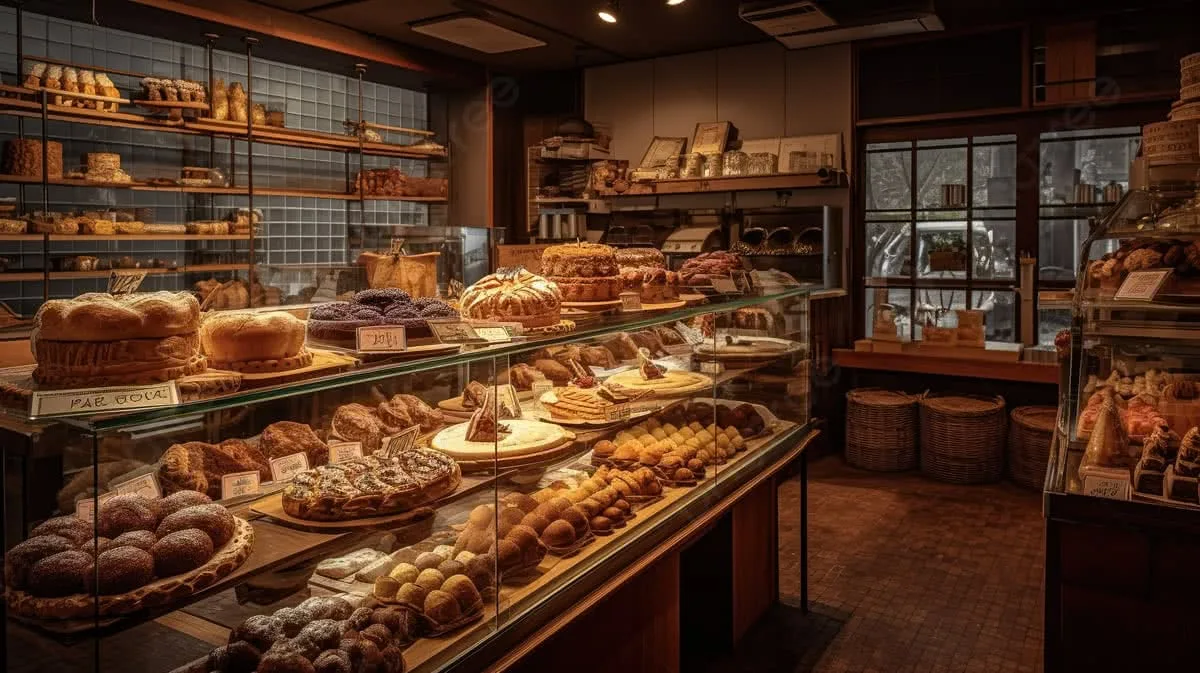
When Your Croissants Start Looking Like Hockey Pucks: A Baker’s Confession on Scaling Without Losing Your Soul
It was 3:17 AM at my friend Marco’s bakery in East Nashville when the realization hit me like a poorly proofed baguette, we’d officially outgrown our equipment. The deck oven that once felt like a trusty steed now wheezed like a chain-smoker after a double shift. Our dough divider, which we affectionately called “The Guillotine,” had started producing portions that varied more than Nashville’s weather in April. And don’t even get me started on the sheeter, its rollers had developed a personality disorder, giving us crusts that ranged from tissue-paper thin to “did we accidentally laminate this?”
Here’s the thing about scaling a bakery: it’s not just about making more. It’s about making more of the same damn thing that made people fall in love with your product in the first place. That first bite of your sourdough that made someone close their eyes and murmur “this tastes like my grandmother’s kitchen”? Yeah, you need to replicate that 500 times a day now. And if you think you can do that with the same equipment that got you to 50 loaves a week, well… let’s just say I’ve seen bakeries go from artisanal darlings to glorified bread factories faster than you can say “but we’ve always done it this way.”
This isn’t one of those articles where I’ll tell you to just “work harder” or “love your craft more.” No, this is about the cold, hard, slightly greasy reality of commercial bakery equipment upgrades. We’re talking about the machines, the systems, and the sometimes painful investments that separate the bakeries that scale with their integrity intact from those that become cautionary tales. By the end of this, you’ll know:
- Which upgrades actually move the needle on consistency (and which are just shiny distractions)
- How to phase in equipment without bankrupting yourself or alienating your team
- The hidden costs of scaling that no one talks about (spoiler: it’s not just the price tag)
- Real-world case studies of bakeries that nailed it, and one that didn’t
- How to future-proof your upgrades so you’re not back here in 18 months
Before we dive in, a quick disclaimer: I’m not here to sell you anything. I don’t have a secret side hustle hawking mixers or ovens. What I do have is a decade of watching bakeries succeed and fail at scaling, plus some battle scars from my own misadventures in the industry. So let’s talk about how to grow without losing what makes your bakery special, or worse, turning it into something you don’t even recognize.
The Brutal Truth About Scaling: It’s Not Just Bigger, It’s Different
When “More of the Same” Becomes a Lie
There’s this romantic notion in baking that scaling is just about doing more of what you’re already doing. Double the flour, double the love, double the profit, right? If only it were that simple. The reality is that the moment you cross that invisible threshold from “small batch” to “production bakery,” the rules change. Physics changes. Chemistry changes. Even your relationship with time changes.
Take proofing, for example. In a home kitchen or small bakery, you can proof dough at room temperature and get away with it. Maybe you even have a fancy proofing box that cost less than a used car. But when you’re suddenly dealing with hundreds of pounds of dough at a time, ambient temperature becomes your enemy. That’s when you start looking at retarder-proofers with humidity control so precise it can mimic a Parisian morning. And suddenly, you’re not just a baker, you’re a climate scientist.
Or consider mixing. That 20-quart mixer that served you faithfully for years? It’s now a bottleneck. You’re spending more time batching dough than actually baking. But upgrading to an 80-quart mixer isn’t just about capacity, it’s about understanding how different doughs behave at scale. Gluten development, hydration levels, even the way ingredients incorporate, it all changes when you’re dealing with larger volumes. That’s where spiral mixers with variable speeds and cooling jackets come into play, giving you the control you never knew you needed.
Is this starting to feel overwhelming? Good. That means you’re paying attention. Because here’s the thing: scaling isn’t just about buying bigger equipment. It’s about understanding that every piece of your process is interconnected, and upgrading one thing often means you need to rethink everything else. That’s why we’re not just talking about individual machines here, we’re talking about building a system.
The Three Pillars of Scalable Baking (Spoiler: One of Them Is Heartbreaking)
When I sat down with Sarah, the owner of one of Nashville’s most beloved sourdough bakeries, she broke scaling down into three pillars. And I’m going to warn you now, the third one stings a little.
- Consistency: This is the holy grail. Your customers should be able to close their eyes, take a bite, and know it’s your product. No surprises, no disappointments, no “this batch tastes different.” This is where equipment upgrades become non-negotiable.
- Efficiency: Time is money, and in baking, time is also quality. The longer your dough sits, the more variables creep in. Upgraded equipment should help you move faster without cutting corners.
- Authenticity: Here’s the heartbreaking part. The more you scale, the harder it is to maintain that handmade, artisanal feel. Some bakeries lean into the industrial aesthetic, but if you’re reading this, I’m guessing you don’t want to become the next Wonder Bread. The right equipment can help you scale without selling your soul.
Let’s be real for a second: pillar three is where most bakeries fail. They get so caught up in consistency and efficiency that they wake up one day and realize they’ve created a product that’s technically perfect but emotionally bankrupt. That’s why every upgrade we discuss needs to pass the “authenticity test.” Will this machine help you make more of what you love, or will it force you to compromise on what makes your bakery unique?
10 Commercial Bakery Equipment Upgrades That Actually Move the Needle
1. The Dough Divider: Your First Line of Defense Against Inconsistency
If there’s one piece of equipment that separates the amateurs from the pros, it’s the dough divider. That old scale you’ve been using to portion dough by hand? It’s a relic. And not in a charming, artisanal way, in a “we’re leaving money on the table” way.
Here’s the thing about dough dividers: they’re not just about speed. They’re about precision. A good divider can portion dough with an accuracy of ±1-2 grams, which might not sound like much until you realize that inconsistency compounds throughout the baking process. A 10-gram difference in dough weight can mean a 15% difference in final product size after baking. And when you’re selling by the unit, not the pound, that adds up fast.
But not all dividers are created equal. You’ve got options:
- Volumetric dividers: These cut dough into equal volumes, which works well for softer doughs like brioche. They’re fast but can be less precise with very stiff or sticky doughs.
- Weight-based dividers: These actually weigh each portion, giving you unparalleled consistency. They’re slower but worth it for products where precision matters (think hamburger buns or croissants).
- Extrusion dividers: These push dough through a die to create uniform shapes. Great for bagels or pretzels, but can be tough on delicate doughs.
I’m torn between recommending a weight-based divider for most bakeries or suggesting you start with a volumetric one if you’re on a budget. Ultimately, it comes down to your product mix. If you’re doing a lot of laminated doughs or products where final size is critical, go with the weight-based. If you’re mostly doing breads where slight variations are acceptable, a volumetric might be enough to start.
One word of caution: dough dividers can be tough on dough. The compression and cutting can tighten gluten, which might require you to adjust your mixing or resting times. It’s one of those upgrades where you’ll need to rethink your entire process, not just plug and play.
2. The Sheeter: Where Art Meets Engineering
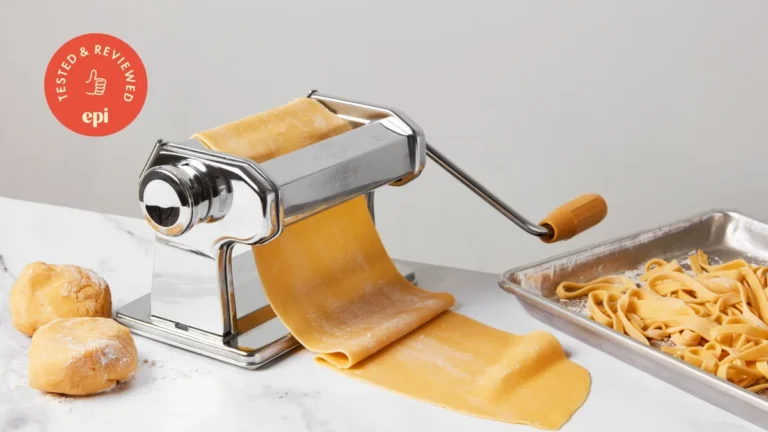
If you’re still rolling out croissant dough by hand, I’ve got two questions for you: 1) How’s your carpal tunnel? and 2) How much are you paying your employees to do a machine’s job?
A good dough sheeter is like having a third arm, one that never gets tired, never complains, and never gives you uneven layers. But here’s where things get tricky: not all sheeters are created equal, and the wrong one can ruin your product faster than you can say “laminated dough.”
When evaluating sheeters, you need to consider:
- Roller speed and pressure: Too much pressure, and you’ll degas your dough. Too little, and you won’t get the layers you need. Look for sheeters with adjustable pressure and variable speed controls.
- Thickness control: You should be able to dial in your desired thickness with precision. Some high-end models even have digital controls that remember your settings for different products.
- Dough handling: The best sheeters have features like automatic dusting (to prevent sticking) and conveyor belts that move the dough smoothly without stretching it.
- Size: Don’t just think about your current needs. If you’re scaling, you’ll want a sheeter that can handle larger batches. But bigger isn’t always better, you need to balance capacity with your space constraints.
I’ve seen bakeries make the mistake of buying a sheeter that’s too small for their needs, only to end up batching dough constantly. On the flip side, I’ve seen others invest in industrial-sized sheeters that take up half their kitchen and sit idle 80% of the time. The sweet spot? A sheeter that can handle about 20-30% more than your current peak production.
One more thing: sheeters aren’t just for laminated doughs. They’re incredible for pie crusts, pizza dough, crackers, and even some types of bread. If you’re doing any kind of rolled or sheeted product, this upgrade should be near the top of your list.
3. The Retarder-Proofer: Because Time Is (Literally) Money
Proofing is where the magic happens. It’s also where most bakeries lose control of their product. Temperature fluctuations, inconsistent humidity, drafts, all of these can turn a perfect batch of dough into a crapshoot. That’s where a retarder-proofer comes in.
These units are essentially climate-controlled cabinets that give you precise control over temperature, humidity, and even air circulation. But they’re not just about consistency, they’re about flexibility. With a good retarder-proofer, you can:
- Slow down fermentation for overnight proofing (hello, fresh croissants at 6 AM!)
- Speed up proofing when you’re in a rush (because let’s be honest, that happens)
- Maintain ideal conditions for delicate doughs that are sensitive to temperature swings
- Reduce waste from over-proofing or under-proofing
When shopping for a retarder-proofer, look for:
- Temperature range: You want something that can go from refrigeration (around 38°F/3°C) to proofing (up to 110°F/43°C).
- Humidity control: Some units have basic humidity settings, while others offer precise digital control. For laminated doughs, you’ll want the latter.
- Capacity: Think about your peak production needs, not just your average. And don’t forget to account for growth, you don’t want to outgrow this thing in six months.
- Airflow: Even heat and humidity distribution is crucial. Look for units with fans or other circulation systems.
- Ease of cleaning: This is one of those pieces of equipment that can become a hygiene nightmare if it’s not easy to clean. Look for removable racks and smooth interior surfaces.
Here’s where I might ruffle some feathers: if you’re serious about scaling, you need to move away from ambient proofing entirely. I know, I know, there’s something romantic about dough proofing on racks in your kitchen. But when you’re dealing with large volumes, ambient proofing is like playing Russian roulette with your product. The right retarder-proofer gives you control, and control is what scaling is all about.
4. The Deck Oven: Where the Rubber Meets the Road
Your oven is where all your hard work either pays off or goes up in smoke (sometimes literally). And if you’re still using that old deck oven that came with the space when you signed your lease, it’s time for an upgrade. But not just any upgrade, a commercial deck oven that gives you the control you need to scale without sacrificing quality.
First, let’s talk about why deck ovens are the gold standard for artisanal bakers:
- Heat retention: Deck ovens have thick stone or ceramic decks that retain heat incredibly well, giving you even baking and that coveted crisp crust.
- Steam injection: Many deck ovens come with steam injection systems, which are crucial for products like baguettes and sourdough.
- Versatility: You can bake bread, pastries, pizzas, and more, all in the same oven.
- Consistency: With proper calibration, deck ovens give you the same results batch after batch.
But not all deck ovens are created equal. When evaluating options, consider:
- Deck material: Stone decks are traditional and great for heat retention, but they can be harder to clean. Ceramic decks offer similar benefits with easier maintenance.
- Number of decks: More decks mean more capacity, but they also take up more space and require more energy. Think about your production needs and space constraints.
- Steam system: Some ovens have manual steam systems, while others are fully automated. For scaling, automated is usually better, it’s one less variable to worry about.
- Temperature control: Look for ovens with precise digital controls. Some high-end models even have different temperature zones on the same deck.
- Energy efficiency: Deck ovens can be energy hogs. Look for models with good insulation and efficient heating elements to keep your utility bills in check.
One thing I’ve learned the hard way: don’t skimp on oven capacity. It’s tempting to buy an oven that just meets your current needs, but if you’re scaling, you’ll outgrow it faster than you think. A good rule of thumb is to get an oven that can handle about 30% more than your current peak production. And if you can afford it, get one with multiple decks, it gives you flexibility to bake different products simultaneously.
I’m torn between recommending gas or electric deck ovens. Gas ovens tend to heat up faster and can be more cost-effective to run, but electric ovens offer more precise temperature control. Ultimately, it comes down to your local utility costs and what’s available in your area. Just don’t make the mistake of assuming that because your current oven is gas, your new one should be too. Do the math on operating costs, you might be surprised.
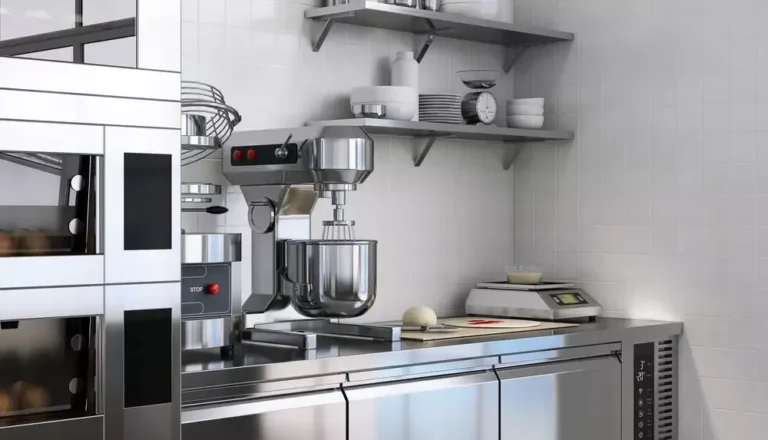
5. The Spiral Mixer: Because Your Arms Aren’t Getting Any Younger
If you’re still mixing dough by hand (or even with a planetary mixer), you’re doing your arms, and your business, a disservice. A spiral mixer is one of the best investments you can make for consistency and efficiency, especially if you’re scaling up.
Here’s why spiral mixers are a game-changer:
- Gentle mixing: The spiral hook rotates in one direction while the bowl rotates in the opposite direction, creating a gentle folding action that develops gluten without overworking the dough.
- Faster mixing: Spiral mixers can handle larger batches and mix them faster than planetary mixers, saving you time and labor.
- Better temperature control: Many spiral mixers come with cooling jackets to keep your dough at the ideal temperature during mixing.
- Versatility: They can handle everything from stiff bagel dough to wet ciabatta dough.
When shopping for a spiral mixer, consider:
- Capacity: Think about your current and future production needs. Spiral mixers come in sizes ranging from 20 quarts to over 300 quarts.
- Speed settings: Look for mixers with variable speed controls. Some doughs benefit from a slow initial mix, while others need a faster speed to develop gluten properly.
- Bowl options: Some mixers come with removable bowls, which can be a game-changer for efficiency. You can have multiple bowls ready to go, reducing downtime between batches.
- Cooling jacket: If you’re doing a lot of mixing or working in a hot kitchen, a cooling jacket can help maintain consistent dough temperatures.
- Ease of cleaning: Look for mixers with smooth surfaces and minimal crevices where dough can get trapped.
One thing to keep in mind: spiral mixers are designed for dough, not batters or icings. If you’re doing a lot of cake or pastry work, you might still need a planetary mixer for those tasks. But for bread and pizza dough, a spiral mixer is hard to beat.
I’ll be honest, spiral mixers aren’t cheap. But when you consider the time and labor they save, not to mention the consistency they provide, they pay for themselves faster than you might think. And if you’re scaling, they’re practically a necessity. The last thing you want is to be stuck mixing dough by hand when you’re trying to produce hundreds of loaves a day.
6. The Dough Rounder: Because No One Wants a Lopsided Baguette
If you’re still shaping dough by hand, I’ve got a question for you: How much are you paying your employees to do a machine’s job? A dough rounder (or baller) can take your portioned dough and shape it into perfect rounds in seconds, freeing up your team to focus on more skilled tasks.
But dough rounders aren’t just about saving time. They’re about consistency. A good rounder will give you:
- Uniform shape and size
- Consistent surface tension (which is crucial for proper oven spring)
- Reduced handling (which means less chance of overworking the dough)
When evaluating dough rounders, consider:
- Capacity: How many pieces of dough can it handle per minute? Think about your peak production needs.
- Adjustability: Can you adjust the size and shape of the rounds? Some rounders can handle everything from small rolls to large boules.
- Dough type: Some rounders work best with soft doughs, while others can handle stiffer doughs. Make sure the one you choose is compatible with your product mix.
- Ease of cleaning: Look for rounders with minimal crevices where dough can get trapped.
One thing to keep in mind: dough rounders work best with dough that’s been properly portioned and rested. If your dough is too sticky or too stiff, you might have issues with the rounder. That’s why it’s important to pair this upgrade with a good dough divider and proper proofing setup.
I’m torn between recommending a standalone dough rounder or a combination divider-rounder. If you’re just starting to scale, a standalone rounder might be more affordable and give you more flexibility. But if you’re really ramping up production, a combination unit can save you space and streamline your workflow.
7. The Convection Oven: The Unsung Hero of High-Volume Baking
While deck ovens get all the love from artisanal bakers, convection ovens are the workhorses of high-volume production. And if you’re scaling, you’re going to need one (or several) in your arsenal.
Here’s why convection ovens are so valuable:
- Even baking: The fan circulates hot air, eliminating hot spots and ensuring even baking.
- Faster baking: Convection ovens can bake products up to 25% faster than conventional ovens, which means higher throughput.
- Versatility: They’re great for everything from cookies and pastries to bread and even some cakes.
- Space efficiency: Many convection ovens are designed to be stacked, saving valuable floor space.
When shopping for a convection oven, look for:
- Size: Think about your production needs and space constraints. Convection ovens come in a range of sizes, from countertop models to large floor units.
- Temperature range: Most convection ovens can reach temperatures up to 500°F (260°C), but some go even higher. Make sure the oven you choose can handle your hottest baking needs.
- Fan speed control: Some ovens allow you to adjust the fan speed, which can be useful for delicate products that might be affected by too much airflow.
- Steam injection: Some convection ovens come with steam injection systems, which can be useful for products like baguettes or sourdough.
- Energy efficiency: Look for ovens with good insulation and efficient heating elements to keep your utility bills in check.
One thing to keep in mind: convection ovens bake differently than deck ovens. The circulating air can cause products to brown faster, so you might need to adjust your baking times and temperatures. It’s a good idea to do some test bakes with your most popular products to dial in your settings.
I’ll be honest, convection ovens don’t have the same romantic appeal as deck ovens. They won’t give you that artisanal crust that deck ovens are famous for. But if you’re scaling, they’re practically a necessity. They’re faster, more efficient, and more versatile than deck ovens, and they can handle the high-volume production that comes with scaling.
8. The Dough Sheeter with Laminator: For When You’re Serious About Layers
If you’re doing any kind of laminated dough, croissants, danishes, puff pastry, you know that the lamination process is equal parts art and science. And if you’re still doing it by hand, you also know that it’s a back-breaking, time-consuming process. That’s where a dough sheeter with laminator comes in.
These machines take the guesswork (and the heavy lifting) out of lamination. They can:
- Roll out dough to precise thicknesses
- Evenly distribute butter or fat between layers
- Create consistent, uniform layers
- Dramatically reduce the time and labor required for lamination
When evaluating dough sheeters with laminators, consider:
- Capacity: How much dough can it handle at once? Think about your peak production needs.
- Thickness control: Look for machines with precise digital controls for dough thickness.
- Lamination method: Some machines use a folding arm to create layers, while others use a series of rollers. The folding arm method tends to be gentler on the dough.
- Butter application: Some machines have built-in butter applicators, while others require you to apply the butter manually.
- Ease of cleaning: Lamination can be messy. Look for machines with smooth surfaces and minimal crevices where dough and butter can get trapped.
One thing to keep in mind: laminated dough is sensitive to temperature. If your kitchen is too warm, the butter can melt and ruin the layers. That’s why it’s important to pair this upgrade with a good retarder-proofer and possibly even a cooling system for your kitchen.
I’m torn between recommending a standalone laminator or a combination sheeter-laminator. If you’re doing a lot of laminated products, a combination unit can save you space and streamline your workflow. But if you’re also doing a lot of non-laminated products, a standalone sheeter might be more versatile.
Here’s the bottom line: if you’re serious about scaling your laminated dough production, this upgrade is a game-changer. It will save you time, labor, and a whole lot of frustration. And it will give you the consistency you need to scale without sacrificing quality.
9. The Automated Scoring Machine: Because Knife Skills Shouldn’t Be a Bottleneck
Scoring dough is one of those tasks that seems simple but can actually be quite challenging, especially when you’re dealing with high volumes. A scoring machine can take this task off your hands, giving you consistent, precise scores every time.
But scoring machines aren’t just about saving time. They’re about consistency. A good scoring machine will give you:
- Uniform depth and angle of cuts
- Consistent patterns (which is important for both aesthetics and proper oven spring)
- Reduced handling (which means less chance of overworking the dough)
When evaluating scoring machines, consider:
- Adjustability: Can you adjust the depth, angle, and pattern of the cuts? Some machines offer a range of scoring options, while others are more limited.
- Speed: How many loaves can it score per minute? Think about your peak production needs.
- Dough type: Some scoring machines work best with certain types of dough. Make sure the one you choose is compatible with your product mix.
- Ease of cleaning: Look for machines with minimal crevices where dough can get trapped.
One thing to keep in mind: scoring machines work best with dough that’s been properly shaped and proofed. If your dough is too sticky or too stiff, you might have issues with the scoring machine. That’s why it’s important to pair this upgrade with a good shaping and proofing setup.
I’ll be honest, scoring machines aren’t for everyone. If you’re doing a lot of artisanal bread with hand-scored designs, this might not be the upgrade for you. But if you’re scaling up production of standard loaves (like baguettes or sandwich bread), a scoring machine can be a real lifesaver.
10. The Bakery Management Software: Because Spreadsheets Are So 2010
When most people think about bakery equipment upgrades, they think about mixers, ovens, and sheeters. But one of the most important upgrades you can make is to your bakery management software. Because let’s face it, if you’re still tracking production, inventory, and orders on spreadsheets, you’re not scaling, you’re just creating more work for yourself.
A good bakery management system can:
- Track production: Monitor your output, identify bottlenecks, and optimize your workflow.
- Manage inventory: Keep track of ingredients, reduce waste, and avoid stockouts.
- Handle orders: Manage customer orders, track deliveries, and streamline your ordering process.
- Analyze data: Get insights into your sales, production costs, and profitability.
- Integrate with equipment: Some systems can even integrate with your equipment, giving you real-time data on everything from oven temperatures to mixer speeds.
When evaluating bakery management software, consider:
- Features: What do you need the software to do? Make a list of your must-have features before you start shopping.
- Ease of use: The best software in the world is useless if your team can’t (or won’t) use it. Look for systems with intuitive interfaces and good customer support.
- Integration: Can the software integrate with your other systems (like your POS or accounting software)?
- Scalability: Will the software grow with your business? Look for systems that can handle increased production and more complex workflows.
- Cost: Bakery management software can range from a few hundred dollars to tens of thousands of dollars. Make sure you understand the pricing structure and what’s included.
One thing to keep in mind: implementing new software can be a challenge. It will take time for your team to learn the system, and you might experience some growing pains along the way. That’s why it’s important to choose a system that offers good training and support.
I’m torn between recommending an all-in-one system or a best-of-breed approach (where you use different software for different tasks). All-in-one systems can be more convenient, but they might not offer the same depth of features as specialized software. On the other hand, using multiple systems can be more complex and might require more integration work.
Here’s the bottom line: if you’re serious about scaling, you need to move beyond spreadsheets. A good bakery management system will save you time, reduce errors, and give you the data you need to make informed decisions. And in the long run, that’s just as important as any piece of physical equipment.
The Hidden Costs of Scaling No One Talks About
When Upgrades Start Feeling Like a Money Pit
Let’s take a break from the equipment list for a second to talk about something no one wants to discuss: the hidden costs of scaling. Because here’s the thing, upgrading your equipment isn’t just about the price tag on the machine. It’s about everything that comes with it.
First, there’s the installation cost. That shiny new deck oven isn’t going to install itself. Depending on the equipment, you might need to:
- Upgrade your electrical service (which can cost thousands of dollars)
- Install new gas lines
- Modify your ventilation system
- Reconfigure your kitchen layout
- Hire a professional installer (and possibly an engineer)
Then there’s the training cost. New equipment means new processes, and new processes mean training. And training isn’t just about showing your team how to use the machine, it’s about helping them understand how it fits into the bigger picture. How does this new mixer change your mixing times? How does that new oven affect your baking temperatures? These are questions that take time (and money) to answer.
Don’t forget about the downtime cost. Installing new equipment often means shutting down part (or all) of your production. And if you’re a small bakery, that can mean lost revenue. It’s not just the cost of the equipment, it’s the cost of not being able to produce while you’re installing it.
And then there’s the opportunity cost. Every dollar you spend on equipment is a dollar you’re not spending on marketing, hiring, or other growth initiatives. It’s easy to get caught up in the excitement of new equipment, but you need to ask yourself: Is this the best use of my capital right now?
Finally, there’s the emotional cost. Scaling can be stressful. It can feel like you’re constantly putting out fires, and it can be hard to remember why you started this journey in the first place. It’s important to take care of yourself (and your team) during this process. Because at the end of the day, no piece of equipment is worth your sanity.
How to Upgrade Without Going Broke (or Crazy)
So how do you navigate these hidden costs? Here are a few strategies that have worked for bakeries I’ve advised:
- Phase your upgrades: You don’t need to buy everything at once. Start with the upgrades that will give you the biggest bang for your buck, and phase in the rest over time.
- Lease instead of buy: Leasing equipment can be a good option if you don’t have the capital to buy outright. It can also make it easier to upgrade to newer models down the line.
- Buy used: There’s a thriving market for used bakery equipment. You can often find high-quality machines at a fraction of the cost of new ones. Just make sure to inspect them thoroughly before buying.
- Plan for downtime: Schedule your upgrades during your slowest periods to minimize the impact on production.
- Invest in training: Don’t skimp on training. The better your team understands the new equipment, the faster you’ll see a return on your investment.
- Track your ROI: Keep track of how each upgrade is affecting your production, efficiency, and profitability. This will help you make informed decisions about future upgrades.
One thing I’ve learned the hard way: it’s easy to get caught up in the excitement of new equipment and lose sight of the bigger picture. Before you make any upgrade, ask yourself:
- How will this improve our consistency?
- How will this improve our efficiency?
- How will this help us maintain our authenticity?
- What’s the ROI?
- How will this affect our team?
If you can’t answer these questions, it might not be the right upgrade for you.
Case Studies: The Good, the Bad, and the Ugly of Bakery Scaling
The Bakery That Nailed It: How La Boulangerie Scaled Without Losing Its Soul
La Boulangerie was a small, artisanal bakery in San Francisco that had built a loyal following for its sourdough and croissants. When they decided to scale, they knew they couldn’t compromise on quality. Here’s how they did it:
- They started with a plan: Before buying any equipment, they mapped out their entire production process and identified their biggest bottlenecks. They realized that their biggest issues were dough dividing and proofing.
- They phased their upgrades: They didn’t try to do everything at once. They started with a dough divider and a retarder-proofer, which gave them immediate improvements in consistency and efficiency. They added a sheeter and a new deck oven in the second phase, and a spiral mixer in the third phase.
- They invested in training: They brought in a consultant to train their team on the new equipment and processes. They also sent their lead baker to France for a week to learn advanced techniques.
- They maintained their authenticity: They made a conscious effort to preserve the handmade feel of their products. For example, they still hand-score their sourdough loaves, even though they could automate the process.
- They tracked their progress: They kept detailed records of their production, efficiency, and customer feedback. This helped them make informed decisions about future upgrades.
The result? La Boulangerie was able to triple their production without sacrificing quality. They expanded to two new locations and even started supplying local restaurants and cafes. And most importantly, they maintained the loyal following that had made them successful in the first place.
The Bakery That Failed: How Sweet Dreams Became a Nightmare
Sweet Dreams was a beloved cupcake bakery in Austin that had built a reputation for its creative flavors and beautiful decorations. When they decided to scale, they made a series of mistakes that ultimately led to their downfall.
- They tried to do too much too fast: They took out a large loan and bought a ton of equipment all at once, new mixers, ovens, a depositor, a wrapping machine, you name it. They didn’t have a phased plan, and they didn’t have the infrastructure to support all the new equipment.
- They neglected training: They assumed their team would just figure out the new equipment. They didn’t invest in proper training, and as a result, their team struggled to use the machines effectively.
- They lost sight of their authenticity: In their rush to scale, they started cutting corners. They switched to cheaper ingredients, automated their decorating process, and started using preservatives to extend shelf life. Their cupcakes lost the handmade, artisanal feel that had made them special.
- They didn’t track their progress: They didn’t keep detailed records of their production, efficiency, or customer feedback. They had no way of knowing what was working and what wasn’t.
- They ignored their team: The rapid scaling created a stressful work environment. Their team was overwhelmed, and morale suffered. Several key employees left, taking their institutional knowledge with them.
The result? Sweet Dreams saw a sharp decline in quality and customer satisfaction. Their sales plummeted, and they were forced to close their new locations. They’re still in business, but they’re a shadow of their former selves.
The Bakery That Found a Middle Ground: How The Rolling Pin Balanced Scale and Soul
The Rolling Pin was a small pie bakery in Portland that had built a loyal following for its handmade crusts and creative fillings. When they decided to scale, they took a more measured approach than Sweet Dreams, but they were more ambitious than La Boulangerie.
Here’s what they did right:
- They started with a hybrid approach: They automated some processes (like dough dividing and rolling) but kept others (like filling and crimping) handmade. This allowed them to scale without losing the artisanal feel of their pies.
- They leased equipment: Instead of buying all their equipment outright, they leased some of it. This gave them the flexibility to upgrade as their needs changed.
- They focused on training: They invested heavily in training their team on the new equipment and processes. They also cross-trained their employees so that everyone understood the entire production process.
- They listened to their customers: They regularly solicited feedback from their customers and used it to inform their scaling decisions. For example, when customers complained that their pies were too sweet, they adjusted their recipes.
- They stayed true to their values: They made a conscious effort to maintain the quality and authenticity of their pies. They continued to use high-quality ingredients, and they resisted the temptation to cut corners.
The result? The Rolling Pin was able to double their production without sacrificing quality. They expanded to a second location and started supplying local grocery stores. And most importantly, they maintained the loyal following that had made them successful in the first place.
Putting It All Together: Your Bakery Scaling Roadmap
So where do you go from here? How do you take all this information and turn it into a plan for your bakery? Here’s a step-by-step roadmap to help you scale without losing your soul:
Step 1: Assess Your Current Situation
Before you can scale, you need to understand where you are. Take a hard look at your current production process and identify your biggest bottlenecks. Ask yourself:
- Where are you spending the most time?
- Where are you seeing the most inconsistency?
- What’s causing the most stress for your team?
- What’s limiting your production capacity?
Don’t just rely on your gut, track your production for a few weeks. Keep detailed records of your output, efficiency, and any issues that arise. This will give you a clear picture of where you need to focus your efforts.
Step 2: Set Clear Goals
What does scaling look like for you? Do you want to:
- Increase your production capacity?
- Expand to new locations?
- Start supplying local restaurants and cafes?
- Launch an online store?
Be specific about your goals. Instead of saying “I want to scale,” say “I want to increase my production capacity by 50% in the next 12 months.” This will help you make informed decisions about which upgrades to prioritize.
Step 3: Prioritize Your Upgrades
Not all upgrades are created equal. Some will give you a bigger bang for your buck than others. Based on your assessment and goals, prioritize your upgrades. Here’s a general framework to help you decide:
- Critical upgrades: These are the upgrades that will have the biggest impact on your consistency, efficiency, and capacity. They’re usually the most expensive, but they’re also the most important.
- Important upgrades: These are upgrades that will improve your process but aren’t as critical as the first category. They’re usually less expensive and can be phased in over time.
- Nice-to-have upgrades: These are upgrades that would be nice to have but aren’t essential. They’re usually the least expensive and can be added later if needed.
For most bakeries, the critical upgrades will be things like a dough divider, a retarder-proofer, and a new oven. Important upgrades might include a sheeter, a spiral mixer, and bakery management software. Nice-to-have upgrades could be things like a dough rounder or a scoring machine.
Step 4: Create a Phased Plan
Once you’ve prioritized your upgrades, create a phased plan for implementing them. Don’t try to do everything at once, it’s a recipe for disaster. Instead, focus on one or two upgrades at a time, and give yourself (and your team) time to adjust to the new equipment and processes.
Here’s an example of what a phased plan might look like:
- Phase 1 (Months 1-3): Dough divider and retarder-proofer
- Phase 2 (Months 4-6): Sheeter and spiral mixer
- Phase 3 (Months 7-9): New oven and bakery management software
- Phase 4 (Months 10-12): Dough rounder and scoring machine
Of course, your plan will depend on your specific needs and goals. The important thing is to take a measured approach and give yourself time to adjust to each upgrade.
Step 5: Secure Financing
Scaling isn’t cheap. You’ll need to secure financing for your upgrades, whether that’s through a loan, a lease, or your own savings. Here are a few options to consider:
- Small business loan: The Small Business Administration (SBA) offers loans specifically for small businesses. These loans can be a good option if you have good credit and a solid business plan.
- Equipment lease: Leasing equipment can be a good option if you don’t have the capital to buy outright. It can also make it easier to upgrade to newer models down the line.
- Equipment financing: Some lenders offer financing specifically for equipment purchases. These loans are usually secured by the equipment itself, which can make them easier to qualify for.
- Investors: If you’re open to taking on investors, this can be a good way to secure the capital you need. Just be aware that you’ll be giving up some control of your business.
- Crowdfunding: If you have a loyal following, you might be able to raise money through crowdfunding. This can be a good option if you’re looking to fund a specific project or expansion.
Before you secure financing, make sure you have a solid business plan. Lenders and investors will want to see that you’ve thought through your scaling strategy and that you have a plan for paying back the loan or providing a return on investment.
Step 6: Implement Your Upgrades
Once you’ve secured financing, it’s time to implement your upgrades. Here are a few tips to help you do it smoothly:
- Plan for downtime: Installing new equipment often means shutting down part (or all) of your production. Schedule your upgrades during your slowest periods to minimize the impact on your business.
- Invest in training: Don’t skimp on training. The better your team understands the new equipment, the faster you’ll see a return on your investment.
- Test and adjust: Don’t assume that everything will work perfectly right out of the box. Test your new equipment and processes, and be prepared to make adjustments as needed.
- Communicate with your team: Keep your team in the loop throughout the process. Let them know what’s happening, why it’s happening, and how it will affect them.
- Communicate with your customers: If your upgrades will affect your production schedule or product availability, let your customers know. They’ll appreciate the transparency.
Step 7: Monitor and Adjust
Once your upgrades are in place, it’s important to monitor their impact and make adjustments as needed. Keep track of your production, efficiency, and customer feedback. Ask yourself:
- Are you seeing the improvements you expected?
- Are there any new bottlenecks or issues?
- Is your team comfortable with the new equipment and processes?
- Are your customers happy with the quality of your products?
Don’t be afraid to make adjustments if something isn’t working. Scaling is an iterative process, and it’s okay to change course if needed.
Step 8: Celebrate Your Success
Scaling is hard work. It takes time, money, and a lot of effort. But when you see the results, higher production, happier customers, a more efficient team, it’s all worth it. So take a moment to celebrate your success. You’ve earned it.
Final Thoughts: The Scaling Paradox
Here’s the thing about scaling a bakery: the more successful you are at it, the more you risk losing what made you successful in the first place. It’s a paradox. You scale because you want to share your product with more people, but the act of scaling can change your product into something unrecognizable.
I’ve seen it happen time and time again. A bakery starts with a simple, beautiful product made with love and care. They scale, they upgrade their equipment, they streamline their processes, and suddenly, their product tastes like it came from a factory. Their customers notice. Their team notices. And eventually, the owner notices too, but by then it’s often too late.
So as you embark on this scaling journey, I want you to remember one thing: your equipment should serve your vision, not the other way around. Every upgrade you make should bring you closer to your ideal product, not farther away. Every machine you buy should help you make more of what you love, not force you to compromise on what makes your bakery special.
Is this the best approach? Let’s consider the alternatives. You could keep doing things the way you’ve always done them, but at some point, you’ll hit a ceiling. You won’t be able to keep up with demand, and you’ll start turning customers away. Or you could scale recklessly, buying equipment without a plan and hoping for the best. But we’ve seen how that story ends, with a product that’s a shadow of its former self.
Maybe I should clarify: the middle path is the hardest. It requires patience, planning, and a willingness to question every assumption. It means accepting that scaling will change your bakery, but being intentional about how it changes. It means being willing to say no to upgrades that don’t align with your vision, even if they seem like the “smart” choice.
So as you move forward, ask yourself: What’s the smallest change I can make that will have the biggest impact? How can I scale without losing what makes my bakery unique? And most importantly, how can I use these upgrades to make my product even better, not just more of the same?
Because at the end of the day, that’s what scaling is really about. It’s not about making more, it’s about making more of what matters.
FAQ
Q: How do I know when it’s time to upgrade my bakery equipment?
A: There are a few key signs that it’s time to upgrade. First, if you’re consistently struggling to meet demand, that’s a clear indication that your equipment is holding you back. Second, if you’re seeing a lot of inconsistency in your products, that’s another sign that your equipment might not be up to the task. Finally, if your equipment is constantly breaking down or requiring repairs, it’s probably time to invest in something more reliable. Ultimately, the decision to upgrade should be based on your goals for your bakery. If you’re happy with your current production levels and don’t have plans to scale, you might not need to upgrade. But if you’re looking to grow, upgrading your equipment is often a necessary step.
Q: What’s the most important piece of equipment to upgrade first?
A: The most important piece of equipment to upgrade first depends on your specific needs and bottlenecks. However, for most bakeries, the dough divider and retarder-proofer are good places to start. A dough divider will give you immediate improvements in consistency and efficiency, while a retarder-proofer will give you better control over your proofing process. Other high-impact upgrades include sheeters, spiral mixers, and new ovens. The key is to identify your biggest bottlenecks and focus on the upgrades that will have the biggest impact on your production.
Q: How much should I expect to spend on bakery equipment upgrades?
A: The cost of bakery equipment upgrades can vary widely depending on the type of equipment, the brand, and whether you buy new or used. Here’s a rough estimate of what you can expect to spend on some common upgrades:
- Dough divider: $5,000 – $20,000
- Retarder-proofer: $10,000 – $30,000
- Sheeter: $10,000 – $50,000
- Spiral mixer: $15,000 – $50,000
- Deck oven: $20,000 – $100,000
- Convection oven: $10,000 – $50,000
- Bakery management software: $1,000 – $10,000 per year
These are just rough estimates, your actual costs may vary. It’s also important to factor in the cost of installation, training, and any necessary modifications to your kitchen. When budgeting for upgrades, it’s a good idea to add a 20-30% contingency for unexpected costs.
Q: How can I finance my bakery equipment upgrades?
A: There are several options for financing bakery equipment upgrades. Here are a few to consider:
- Small business loan: The Small Business Administration (SBA) offers loans specifically for small businesses. These loans can be a good option if you have good credit and a solid business plan.
- Equipment lease: Leasing equipment can be a good option if you don’t have the capital to buy outright. It can also make it easier to upgrade to newer models down the line.
- Equipment financing: Some lenders offer financing specifically for equipment purchases. These loans are usually secured by the equipment itself, which can make them easier to qualify for.
- Investors: If you’re open to taking on investors, this can be a good way to secure the capital you need. Just be aware that you’ll be giving up some control of your business.
- Crowdfunding: If you have a loyal following, you might be able to raise money through crowdfunding. This can be a good option if you’re looking to fund a specific project or expansion.
- Personal savings: If you have the capital, using your own savings can be a good option. It allows you to avoid debt and maintain full control of your business.
Before you secure financing, make sure you have a solid business plan. Lenders and investors will want to see that you’ve thought through your scaling strategy and that you have a plan for paying back the loan or providing a return on investment. It’s also a good idea to shop around and compare offers from different lenders to find the best terms.
@article{why-your-bakerys-future-hinges-on-these-10-commercial-equipment-upgrades-for-consistency-and-scaling,
    title   = {Why Your Bakery’s Future Hinges on These 10 Commercial Equipment Upgrades for Consistency and Scaling},
    author  = {Chef's icon},
    year    = {2026},
    journal = {Chef's Icon},
    url     = {https://chefsicon.com/commercial-bakery-equipment-upgrades-for-consistency-scaling/}
}