The Best Fluffy Pancakes recipe you will fall in love with. Full of tips and tricks to help you make the best pancakes.

Let me tell you something, nothing grinds a dinner service to a halt faster than a deep fryer that won’t hold temp, a convection oven that sounds like a jet engine, or a walk-in fridge that’s decided today’s the day it stops chilling. I’ve seen it happen. More times than I’d like to admit. And every single time, the real kicker isn’t the broken equipment, it’s the fact that no one on the line knew how to stop it from happening in the first place.
I remember this one night at a place I consulted for in East Nashville. We were in the middle of a Saturday rush, tickets flying, tickets getting fired, everything moving like clockwork. Then-*BANG*-the flattop just… died. No heat. No warning. Just a cold, lifeless slab of steel where our burgers and eggs and seared scallops were supposed to be sizzling. The chef de cuisine, a guy I really respected, just stood there, staring at it like it had personally betrayed him. And I get it. When you’re in the weeds, the last thing you want to deal with is a piece of equipment that’s decided to take a nap.
But here’s the thing: that flattop didn’t fail because it was old. It failed because no one had shown the team how to clean the burners properly. No one had explained how to check the gas lines for blockages, or how to recognize the early signs of wear on the thermocouple. It wasn’t a mechanical issue. It was a training issue. And that’s when it hit me-kitchen equipment maintenance isn’t just a task for the maintenance crew or the GM. It’s a skill every single person on the line needs to have.
So, if you’re reading this and thinking, “Okay, but how do I actually train my staff to keep our kitchen running smoothly?”-you’re in the right place. This isn’t just another checklist or a dry manual. This is a real, practical guide to turning your team into a well-oiled machine (pun absolutely intended) that can spot problems before they happen, fix the small stuff on the fly, and keep your kitchen humming like a symphony. By the end of this, you’ll know how to build a culture where maintenance isn’t a chore, it’s just part of the job. And trust me, your future self (and your future dinner services) will thank you.
Why Kitchen Equipment Maintenance Training Matters More Than You Think
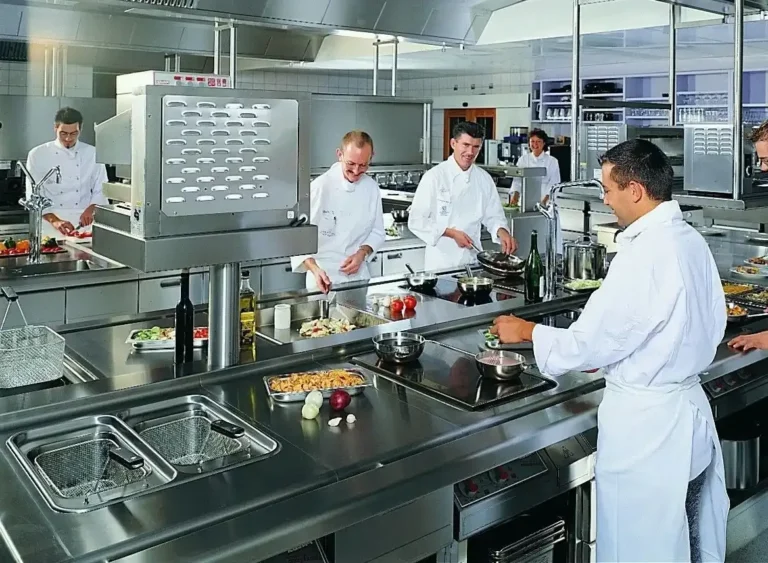
Let’s start with the obvious: kitchen equipment is expensive. Like, really expensive. A new commercial range can run you $10,000. A high-end combi oven? Easily $20,000. And if you’re running a full-service restaurant, you’ve probably got at least $100,000 worth of equipment in your kitchen right now. Maybe more. So, yeah, you want that stuff to last.
But here’s the thing that a lot of people miss: maintenance isn’t just about saving money on repairs or replacements. It’s about saving your sanity. Because when equipment fails, it doesn’t just cost you money, it costs you time, momentum, and morale. I’ve seen kitchens where a single broken piece of equipment derailed an entire shift. Orders back up. Tempers flare. Customers start asking for their checks early. And suddenly, what should’ve been a great night turns into a disaster.
And it’s not just about the big failures, either. It’s the little things, the way a dull knife forces your prep cook to work twice as hard, or how a clogged grease trap makes your fry station smell like a sewer. These things add up. They make your team’s jobs harder. They make your food less consistent. And over time, they wear down the people who are supposed to be your biggest asset: your staff.
So, why don’t more kitchens prioritize maintenance training? Honestly? I think it’s because it feels like one of those “important but not urgent” things. You know, like flossing or backing up your computer. It’s easy to put off until tomorrow. But here’s the truth: tomorrow always comes. And when it does, you’ll wish you’d started today.
The Hidden Costs of Neglecting Maintenance Training
Let’s break this down. When you don’t train your staff on equipment maintenance, here’s what you’re really risking:
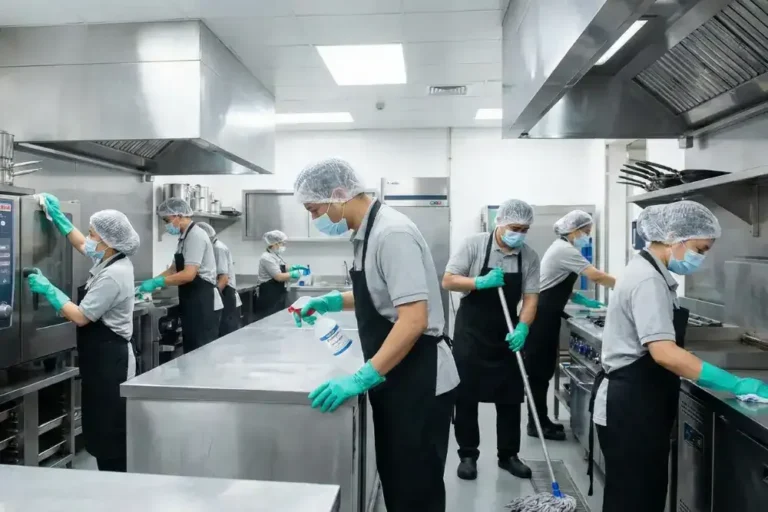
- Downtime during service: Every minute your equipment is down is a minute you’re not cooking, not plating, not serving. And in a restaurant, time is money. Literally.
- Inconsistent food quality: A grill that’s not calibrated right will burn your steaks. A fryer that’s not filtering oil properly will make your fries taste like last week’s oil. Your customers notice this stuff.
- Safety hazards: A poorly maintained kitchen is a dangerous kitchen. Grease buildup? Fire risk. Loose wires? Electrical hazard. A walk-in that’s not defrosted? Slippery floors. None of this is worth the risk.
- Higher turnover: Let’s be real, no one wants to work in a kitchen where the equipment is constantly breaking down. It’s frustrating. It’s demoralizing. And it makes good people quit.
- Reputation damage: In the age of Yelp and Google Reviews, one bad experience can spread like wildfire. And nothing kills a review faster than “the food was great, but our steak was raw in the middle because their grill was broken.”
So, if you’re still on the fence about whether maintenance training is worth the effort, let me ask you this: Can you afford not to do it?
Building a Culture Where Maintenance Is Part of the Job
Here’s the thing about training: it’s not just about teaching people what to do. It’s about teaching them why it matters. And that starts with culture. If your kitchen treats maintenance like an afterthought, your staff will too. But if you make it part of the daily routine, something everyone is responsible for, then it becomes second nature.
I remember working at this one place in San Francisco where the chef had a rule: “If you use it, you clean it. If you clean it, you check it.” It was simple, but it worked. Every cook was responsible for wiping down their station at the end of the night. But they weren’t just wiping, they were checking. Is the gas line secure? Are the burners clogged? Is the thermometer calibrated? It wasn’t a formal inspection. It was just part of the job.
And that’s the key. Maintenance shouldn’t feel like a separate task. It should feel like part of the workflow. Like mise en place. Like sharpening your knives. Like checking your tickets. It’s just something you do.
How to Shift the Mindset
So, how do you get your team to buy into this? Here are a few things that have worked for me:
- Lead by example: If you’re the chef or the manager, you’ve got to walk the walk. Don’t just tell your team to clean the fryer, get in there and do it with them. Show them it’s not beneath you. Show them it’s important.
- Make it visible: Post checklists. Put up signs. Use a whiteboard to track maintenance tasks. The more visible it is, the more it becomes part of the conversation.
- Celebrate the wins: Did someone catch a potential issue before it became a problem? Did the team keep the equipment running smoothly all week? Acknowledge it. A little recognition goes a long way.
- Tie it to performance: If maintenance is part of the job, then it should be part of the evaluation. When you’re reviewing a cook’s performance, ask them about their role in keeping the equipment in shape. It sends a message that this matters.
- Make it collaborative: Assign “equipment captains” for different stations. Give someone ownership over the grill, someone else over the fryers, etc. When people feel responsible for something, they’re more likely to take care of it.
Is this the best approach? I’m not sure. But I do know this: culture eats strategy for breakfast. You can have the best maintenance plan in the world, but if your team doesn’t buy into it, it’s not going to work. So start there. Build the culture first. The rest will follow.
The Step-by-Step Guide to Training Your Staff on Equipment Maintenance
Alright, let’s get into the nitty-gritty. How do you actually train your staff to maintain your kitchen equipment? It’s not as complicated as it might seem, but it does require a plan. Here’s how I’ve done it in the past, and how I’d recommend you do it too.
1. Start with the Basics: Know Your Equipment
Before you can train your staff on maintenance, they need to understand the equipment they’re working with. And I don’t mean just knowing that the flattop is for grilling and the fryer is for frying. I mean really understanding how it works. What makes it tick. What can go wrong.
Here’s what I do:
- Create an equipment manual: This doesn’t have to be fancy. Just a simple document that lists all the major pieces of equipment in your kitchen, what they’re used for, and any quirks they have. For example, “The grill has a tendency to smoke if the grease tray isn’t emptied every two hours.” Or, “The convection oven’s fan will make a grinding noise if it needs lubrication.”
- Walk the line: Gather your team and do a walkthrough of the kitchen. Point out each piece of equipment. Explain how it works. Show them where the manuals are kept (you do have manuals, right?). If you’ve got a piece of equipment that’s particularly finicky, make sure everyone knows about it.
- Quiz them: Yeah, I know. Quizzes aren’t fun. But a quick pop quiz can help reinforce what they’ve learned. Ask things like, “What’s the first thing you should check if the fryer isn’t heating up?” or “Where’s the grease trap on the flattop?” It doesn’t have to be formal. Just a way to make sure they’re paying attention.
I’ll be honest, this part can feel tedious. But it’s the foundation. If your team doesn’t know their equipment, they can’t maintain it. So don’t skip this step.
2. Break Down Maintenance by Equipment Type
Not all equipment is created equal. A deep fryer requires different maintenance than a convection oven. A walk-in fridge is different from a reach-in. So, you’ve got to tailor your training to each type of equipment. Here’s how I break it down:
Grills and Flattops
- Daily: Scrape off food debris, empty grease traps, wipe down surfaces with a degreaser. Check gas lines for leaks (use soapy water, if it bubbles, you’ve got a leak).
- Weekly: Deep clean the burners. Remove and clean the grates. Check the thermostat calibration (use an infrared thermometer to compare the grill’s temp to the actual surface temp).
- Monthly: Inspect the gas lines for wear and tear. Lubricate any moving parts (like the knobs or the grease trap mechanism). Check the pilot light (if applicable) to make sure it’s burning blue, not yellow.
Deep Fryers
- Daily: Filter the oil (this is non-negotiable). Skim out food particles. Wipe down the exterior. Check the oil level and top it off if needed.
- Weekly: Drain and clean the fryer vat. Scrub it with a fryer brush and degreaser. Check the heating elements for buildup. Inspect the fryer basket for rust or damage.
- Monthly: Calibrate the thermostat. Check the fryer’s legs for stability (a wobbly fryer is a safety hazard). Inspect the electrical connections (if electric) or gas lines (if gas).
Convection Ovens
- Daily: Wipe down the interior with a damp cloth. Remove any food debris from the racks. Check the door seal for gaps (if the seal is broken, the oven won’t hold temp).
- Weekly: Clean the fan and the heating elements. Use a vacuum to remove any crumbs or debris from the bottom of the oven. Check the oven’s calibration (bake a potato at 350°F and check the internal temp, it should be 210°F).
- Monthly: Lubricate the door hinges. Inspect the electrical connections. Check the oven’s feet for stability (like the fryer, a wobbly oven is a safety hazard).
Walk-In Fridges and Freezers
- Daily: Check the temperature (it should be 38°F for fridges, 0°F for freezers). Wipe down the shelves. Check for frost buildup (if it’s a freezer).
- Weekly: Clean the condenser coils (this is huge, dirty coils make the fridge work harder, which shortens its lifespan). Check the door seals for gaps. Organize the shelves to ensure proper airflow.
- Monthly: Defrost the freezer (if it’s not a self-defrosting model). Check the evaporator fan for obstructions. Inspect the drain line for clogs.
I could go on (and on) about every piece of equipment in your kitchen, but you get the idea. The key is to break it down into manageable tasks and assign them to the people who use the equipment the most. Which brings me to my next point…
3. Assign Ownership: Who’s Responsible for What?
One of the biggest mistakes I see in kitchens is assuming that “someone” will take care of maintenance. But when everyone thinks someone else is responsible, no one ends up doing it. So, you’ve got to assign ownership. Here’s how:
- Station-specific tasks: The person who works the grill every night should be responsible for the grill’s daily maintenance. The fry cook should handle the fryer. The pastry chef should take care of the convection ovens. This makes sense because they’re the ones using the equipment the most, they’re the most likely to notice when something’s off.
- Shared equipment: For equipment that’s used by multiple people (like the walk-in fridge or the prep sinks), assign a rotating schedule. For example, “This week, Sarah’s in charge of checking the walk-in’s temperature every morning. Next week, it’s Marco’s turn.”
- Deep cleans: Some tasks (like cleaning the condenser coils on the walk-in or deep-cleaning the fryer) require more time and effort. Assign these to a specific person each week, or make them a team effort. For example, “Every Friday, we’re all staying an extra 30 minutes to deep-clean our stations.”
Is this the only way to do it? No. But it’s a system that’s worked for me. The key is to make it clear who’s responsible for what. No ambiguity. No “I thought someone else was doing it.” Just clear, assigned tasks.
4. Create a Maintenance Schedule (And Stick to It)
Now that you’ve got your tasks broken down and assigned, you need a schedule. Because let’s be real, if it’s not on the schedule, it’s not going to happen. Here’s how to build one:
- Daily tasks: These should be part of the opening and closing checklists. For example, “Before service: Check grill temp. After service: Filter fryer oil.”
- Weekly tasks: Assign these to specific days. For example, “Every Monday: Clean condenser coils on the walk-in. Every Wednesday: Deep-clean the flattop.”
- Monthly tasks: These can be assigned to specific weeks. For example, “First week of the month: Calibrate all thermostats. Third week of the month: Inspect gas lines.”
- Quarterly/Annual tasks: Some tasks (like servicing the HVAC system or inspecting the hood vents) only need to be done a few times a year. Schedule these in advance so they don’t slip through the cracks.
I like to use a whiteboard or a shared digital calendar (like Google Calendar or Trello) to track these tasks. That way, everyone can see what’s due and when. And if someone’s out sick, it’s easy to reassign their tasks.
But here’s the thing: a schedule is only as good as your commitment to it. If you let things slide, your team will too. So, hold yourself accountable. And hold your team accountable. If someone consistently skips their maintenance tasks, have a conversation. Find out why. Maybe they don’t understand how to do it. Maybe they’re overwhelmed. Maybe they just don’t see the value. Whatever the reason, address it.
5. Teach the “Why” Behind the “What”
Here’s a mistake I see a lot: managers tell their staff what to do, but they don’t explain why it matters. And that’s a problem. Because when people don’t understand the “why,” they’re less likely to care. They’re less likely to do it well. And they’re definitely less likely to do it when no one’s watching.
So, when you’re training your staff on maintenance, don’t just tell them what to do. Tell them why it matters. For example:
- Why filter the fryer oil daily? Because old oil breaks down and develops free radicals, which can make your food taste rancid. Plus, dirty oil smokes more, which makes your kitchen smell like a fast-food joint and can set off your fire suppression system.
- Why clean the condenser coils on the walk-in? Because dirty coils make the fridge work harder, which increases your energy bill and shortens the lifespan of the unit. A fridge that’s working too hard is also more likely to break down when you need it most.
- Why check the door seals on the convection oven? Because if the seal is broken, the oven won’t hold temp, which means your food won’t cook evenly. And uneven cooking = unhappy customers.
See what I’m getting at? When people understand the consequences of not maintaining their equipment, they’re more likely to take it seriously. So, don’t skip this part. It’s just as important as teaching them the “what.”
6. Hands-On Training: Show, Don’t Just Tell
You can talk about maintenance all day, but if your team doesn’t actually do it, they’re not going to learn. So, you’ve got to get hands-on. Here’s how:
- Demo the tasks: Don’t just tell your team how to clean the fryer, show them. Walk them through each step. Let them ask questions. Then, have them do it while you watch. Correct any mistakes. Praise what they do well.
- Use the buddy system: Pair up newer staff with more experienced ones. Have the experienced cook walk the newbie through their maintenance tasks. This not only teaches the new cook, but it also reinforces the habits of the experienced one.
- Role-play: This might sound silly, but it works. Pretend there’s an issue with a piece of equipment. Have your team diagnose the problem and fix it. For example, “The grill isn’t heating up. What do you check first?” This helps them think critically and prepares them for real-life situations.
- Shadow the pros: If you’ve got a maintenance crew or a repair person coming in, have your team shadow them. Let them see what happens when equipment isn’t maintained properly. It’s a great way to drive home the importance of what they’re learning.
I’ll be honest, this part takes time. And in a busy kitchen, time is the one thing you don’t have a lot of. But trust me, it’s worth it. The more hands-on experience your team gets, the more confident they’ll be. And the more confident they are, the less likely they are to panic when something goes wrong.
7. Troubleshooting 101: What to Do When Things Go Wrong
No matter how well you maintain your equipment, things are going to go wrong. It’s inevitable. The question is, what do you do when it happens? Do you panic? Do you call the repair person right away? Or do you try to fix it yourself?
Here’s the thing: ot every problem requires a professional. A lot of issues can be fixed in-house if your team knows what to look for. So, part of your training should include basic troubleshooting. Here’s what to cover:
Common Issues and How to Fix Them
- Grill/Flattop won’t heat up:
- Check the gas supply (is the valve open?).
- Check the pilot light (if applicable, is it lit?).
- Check the burners for clogs (use a wire brush to clean them).
- Check the thermocouple (this is a safety device that shuts off the gas if the pilot light goes out, if it’s faulty, the grill won’t heat up).
- Fryer won’t hold temp:
- Check the oil level (if it’s too low, the fryer won’t heat up).
- Check the heating elements for buildup (clean them with a fryer brush).
- Check the thermostat calibration (use an infrared thermometer to compare the fryer’s temp to the actual oil temp).
- Check the fryer basket for damage (a damaged basket can cause the fryer to overheat).
- Convection oven not heating evenly:
- Check the door seal (if it’s broken, the oven won’t hold temp).
- Check the fan (if it’s not working, the oven won’t circulate air properly).
- Check the heating elements (if one is burned out, the oven won’t heat evenly).
- Check the oven’s calibration (bake a potato at 350°F and check the internal temp, it should be 210°F).
- Walk-in fridge not staying cold:
- Check the temperature (it should be 38°F, if it’s higher, there’s a problem).
- Check the condenser coils (if they’re dirty, the fridge won’t cool properly).
- Check the door seals (if they’re broken, cold air is escaping).
- Check the evaporator fan (if it’s not working, the fridge won’t circulate air properly).
Now, I’m not saying your team should be fixing major issues. If the grill’s gas line is leaking, or the walk-in’s compressor is shot, you need a professional. But for the small stuff? Your team should be able to handle it. And the more they practice troubleshooting, the better they’ll get at it.
8. Document Everything: The Power of Checklists and Logs
Here’s something I’ve learned the hard way: people forget. Even the best-intentioned, most detail-oriented cook is going to forget to check the fryer’s oil level or clean the grill’s burners every once in a while. That’s just human nature. So, you’ve got to make it foolproof. And the best way to do that? Checklists and logs.
I know, I know. Checklists sound boring. But they work. Here’s why:
- They remove the guesswork: Instead of relying on memory, your team has a clear list of what needs to be done. No more “I thought I did that.”
- They create accountability: When tasks are logged, it’s easy to see who’s doing what. If someone’s consistently skipping their tasks, you’ll know.
- They help track issues: If a piece of equipment keeps having the same problem, a log can help you spot the pattern. Maybe it’s not being maintained properly. Maybe it’s time for a replacement. Either way, the log gives you the data you need to make a decision.
So, what should you document? Here are a few ideas:
- Daily checklists: These should include all the daily maintenance tasks for each piece of equipment. For example, “Grill: Scraped, grease trap emptied, burners checked.”
- Weekly logs: These should track things like temperatures (for fridges and freezers), oil quality (for fryers), and any issues that came up during the week. For example, “Fryer #1: Oil filtered, heating elements cleaned, temp checked (350°F).”
- Repair logs: Every time a piece of equipment is repaired, log it. Include the date, the issue, what was done to fix it, and who did the work. This helps you track recurring problems and plan for replacements.
- Preventative maintenance schedule: This is a master list of all the maintenance tasks that need to be done, along with who’s responsible and when it’s due. Think of it as your maintenance calendar.
I like to keep these logs in a binder or on a shared digital platform (like Google Sheets or a kitchen management app). That way, everyone can access them, and no one has an excuse for not knowing what needs to be done.
And here’s a pro tip: make the logs visible. Post them in the kitchen. Put them on a whiteboard. The more visible they are, the more likely your team is to use them.
9. Make It Fun: Gamify Maintenance Training
Let’s be real, maintenance isn’t the most exciting part of working in a kitchen. It’s not as glamorous as cooking a perfect steak or plating a beautiful dish. So, if you want your team to buy into it, you’ve got to make it engaging. And one way to do that? Gamify it.
Here are a few ideas I’ve tried (with varying degrees of success):
- Maintenance bingo: Create bingo cards with different maintenance tasks. For example, “Cleaned the fryer,” “Checked the walk-in’s temp,” “Inspected the grill’s burners.” The first person to get a bingo wins a prize (like a gift card or an extra day off).
- The maintenance challenge: Every month, challenge your team to complete a certain number of maintenance tasks. For example, “This month, we’re aiming for 100% compliance on daily fryer maintenance.” Track their progress on a whiteboard. If they hit the goal, throw a pizza party or give everyone a bonus.
- Spot the problem: Hide “problems” around the kitchen (like a loose gas line on the grill or a dirty condenser coil on the walk-in). Whoever spots the most problems by the end of the week wins.
- Maintenance trivia: Host a trivia night where the questions are all about equipment maintenance. For example, “What’s the first thing you should check if the fryer isn’t heating up?” The winner gets bragging rights (and maybe a prize).
I’ll admit, some of these ideas might feel a little cheesy. But here’s the thing: they work. They make maintenance feel less like a chore and more like a game. And when people are having fun, they’re more likely to engage.
So, don’t be afraid to get creative. The goal is to make maintenance something your team wants to do, not something they have to do.
10. Keep the Training Going: Refresher Courses and Continuous Learning
Here’s the thing about training: it’s not a one-and-done thing. You can’t just teach your team how to maintain the equipment once and expect them to remember it forever. People forget. New staff come in. Equipment gets updated. So, you’ve got to keep the training going.
Here’s how I do it:
- Monthly refresher courses: Once a month, gather your team for a quick refresher on a specific piece of equipment. For example, “This month, we’re focusing on the walk-in. Let’s review how to clean the condenser coils and check the door seals.” Keep it short (15-20 minutes) and hands-on.
- New hire training: Every time you hire someone new, make sure they go through the same maintenance training as everyone else. Don’t assume they know how to do it. Walk them through it. Have them shadow someone. Make sure they’re comfortable with their tasks before they start working on their own.
- Equipment updates: If you get a new piece of equipment, don’t just plug it in and start using it. Train your team on how to use it and how to maintain it. Show them the manual. Walk them through the maintenance tasks. Make sure they know what to do if something goes wrong.
- Continuous feedback: Maintenance training isn’t just about teaching, it’s about learning. Ask your team for feedback. What’s working? What’s not? What do they wish they knew more about? Use their input to improve your training program.
I’ll be honest, this part can feel like a lot of work. But it’s worth it. Because the more you invest in training, the more your team will invest in your kitchen. And that’s a win for everyone.
Putting It All Together: Your Maintenance Training Plan
Alright, let’s recap. Here’s your step-by-step plan for training your staff on kitchen equipment maintenance:
- Build the culture: Make maintenance part of the daily routine. Lead by example. Celebrate the wins.
- Know your equipment: Teach your team how each piece of equipment works and what can go wrong.
- Break it down: Tailor maintenance tasks to each type of equipment.
- Assign ownership: Make it clear who’s responsible for what.
- Create a schedule: Use a whiteboard or digital calendar to track tasks.
- Teach the “why”: Explain why maintenance matters and what happens when it’s neglected.
- Get hands-on: Show, don’t just tell. Let your team practice.
- Troubleshoot: Teach your team how to fix common issues.
- Document everything: Use checklists and logs to track tasks and issues.
- Make it fun: Gamify maintenance to keep your team engaged.
- Keep training: Host refresher courses and continuous learning sessions.
Is this the only way to do it? No. But it’s a system that’s worked for me, and I think it can work for you too. The key is to start small. Don’t try to overhaul your entire kitchen overnight. Pick one piece of equipment. Train your team on how to maintain it. See how it goes. Then, build from there.
And remember: maintenance isn’t just about keeping your equipment running. It’s about keeping your kitchen running. It’s about keeping your team happy. It’s about keeping your customers coming back. It’s about protecting your investment. And it’s about making sure that when Saturday night rolls around, you’re not staring at a cold flattop, wondering what went wrong.
Final Thoughts: The Long Game of Kitchen Equipment Maintenance
I’ll leave you with this: maintenance is a long game. It’s not about quick fixes or one-time efforts. It’s about building habits. It’s about creating a culture where taking care of your equipment is just as important as cooking the food. And it’s about investing in your team so they can invest in your kitchen.
So, where do you start? Right now. Today. Pick one thing from this guide, just one, and implement it. Maybe it’s creating a maintenance schedule. Maybe it’s assigning ownership for the walk-in fridge. Maybe it’s hosting a quick training session on how to clean the fryer. Whatever it is, start small. Build momentum. And before you know it, maintenance won’t feel like a chore, it’ll feel like part of the job.
And who knows? Maybe one day, you’ll be in the middle of a Saturday rush, tickets flying, everything moving like clockwork. And when someone asks, “How’s everything running so smoothly?” you’ll be able to smile and say, “Because we take care of our equipment.”
Now, go forth and maintain. Your kitchen (and your future self) will thank you.
FAQ: Your Kitchen Equipment Maintenance Questions Answered
Q: How often should we train staff on equipment maintenance?
A: It depends on your kitchen, but I recommend a few different approaches. First, include maintenance training as part of your onboarding process for new hires. Second, host monthly refresher courses on specific pieces of equipment. And third, make maintenance a recurring topic in your pre-service meetings. The goal is to keep it top of mind without overwhelming your team. Consistency is key, it’s better to have short, frequent training sessions than one long, infrequent one.
Q: What’s the biggest mistake kitchens make when training staff on maintenance?
A: The biggest mistake? Assuming that “someone else” will handle it. Maintenance isn’t just the responsibility of the maintenance crew or the GM, it’s everyone’s job. Another big mistake is not explaining the “why” behind the tasks. If your team doesn’t understand why maintenance matters, they’re less likely to do it well (or at all). Finally, a lot of kitchens skip the hands-on training. They tell their staff what to do but don’t show them how. And that’s a recipe for mistakes.
Q: How do I get my team to take maintenance seriously?
A: The key is to make it part of the culture. Start by leading by example, if you’re the chef or manager, show your team that maintenance isn’t beneath you. Make it visible: post checklists, use whiteboards, and track progress. Celebrate the wins: acknowledge when someone does a great job maintaining their equipment. And tie it to performance: if maintenance is part of the job, it should be part of the evaluation. Finally, make it collaborative. Assign “equipment captains” for different stations. When people feel ownership over something, they’re more likely to take care of it.
Q: What should I do if a staff member consistently skips their maintenance tasks?
A: First, have a conversation. Find out why they’re skipping the tasks. Maybe they don’t understand how to do it. Maybe they’re overwhelmed. Maybe they just don’t see the value. Whatever the reason, address it. If it’s a knowledge issue, provide more training. If it’s a time issue, adjust their schedule. If it’s an attitude issue, make it clear that maintenance is part of the job, and if they can’t handle it, they might not be the right fit for your team. But don’t jump to conclusions. Sometimes, a little extra training or a small adjustment is all it takes to turn things around.
@article{how-to-train-staff-on-kitchen-equipment-maintenance-a-chefs-guide-to-keeping-the-heart-of-your-kitchen-beating-strong,
    title   = {How to Train Staff on Kitchen Equipment Maintenance: A Chef’s Guide to Keeping the Heart of Your Kitchen Beating Strong},
    author  = {Chef's icon},
    year    = {2026},
    journal = {Chef's Icon},
    url     = {https://chefsicon.com/how-to-train-staff-on-kitchen-equipment-maintenance/}
}