The Best Fluffy Pancakes recipe you will fall in love with. Full of tips and tricks to help you make the best pancakes.
In the bustling world of commercial kitchens, one element that often goes overlooked but is absolutely crucial is ventilation. Whether you’re running a small café or a massive industrial kitchen, proper ventilation isn’t just a matter of comfort, it’s a matter of safety and efficiency. I remember when I first moved to Nashville and started exploring the local food scene. The sheer variety of kitchen setups I saw was mind-boggling. But one thing that stood out in the best kitchens was their ventilation systems. It’s not just about keeping the air fresh; it’s about maintaining a safe and efficient workspace. So, let’s dive into the world of commercial kitchen ventilation solutions and see what makes them tick.
When it comes to commercial kitchens, ventilation isn’t just about installing a few exhaust fans and calling it a day. It’s a complex system that involves range hoods, make-up air systems, ducting, and even grease traps. Each component plays a crucial role in keeping the kitchen environment healthy and safe. But where do you start? Is it as simple as picking the biggest exhaust fan you can find? Let’s consider the essentials.
Why Ventilation Matters in Commercial Kitchens
First things first, why is ventilation so important in a commercial kitchen? Well, it’s not just about keeping the air fresh (though that’s a big part of it). Proper ventilation helps remove heat, smoke, and grease from the cooking area. This not only makes the workspace more comfortable for your staff but also reduces the risk of fires and other hazards. Plus, it helps maintain indoor air quality, which is crucial for the health and safety of everyone in the kitchen.
But here’s where it gets interesting. Ventilation isn’t just about safety, it’s also about efficiency. A well-ventilated kitchen can improve productivity by keeping the workspace cool and comfortable. It can also reduce energy costs by ensuring that your heating and cooling systems don’t have to work overtime to compensate for poor air circulation.
Key Components of a Commercial Kitchen Ventilation System
Range Hoods
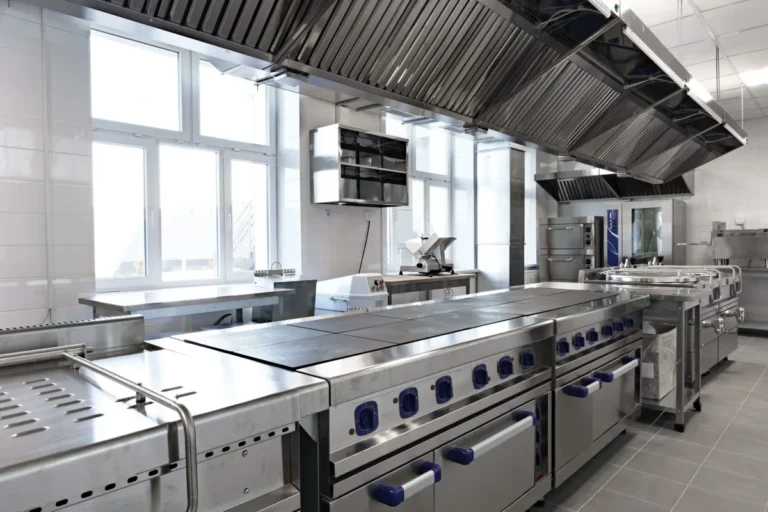
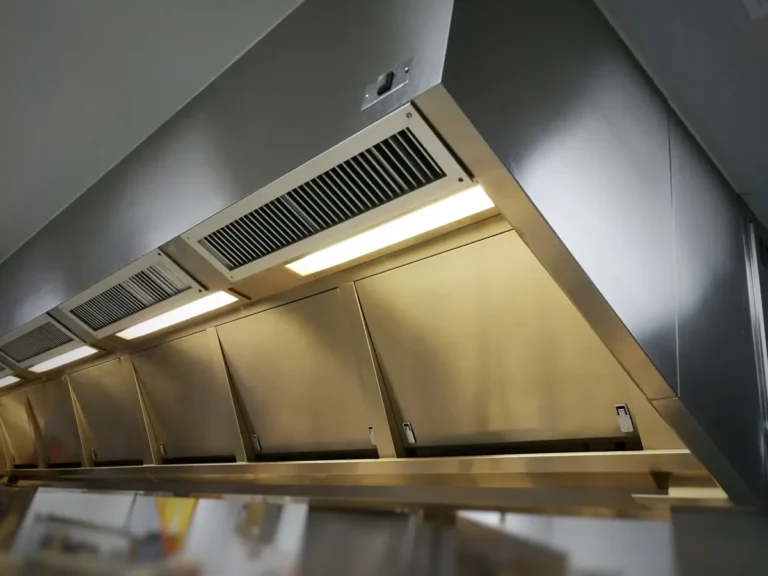
Let’s start with the most visible part of the ventilation system: the range hood. Range hoods are designed to capture and remove heat, smoke, and grease generated during cooking. They come in various sizes and styles, from wall-mounted hoods to island hoods that hang from the ceiling. The key is to choose a hood that’s appropriately sized for your cooking equipment and positioned correctly to maximize efficiency.
But here’s where it gets a bit tricky. Not all range hoods are created equal. You’ve got standard hoods, low-proximity hoods, and even high-efficiency hoods that use less energy. So, how do you choose? Well, it depends on your specific needs. If you’re running a high-volume kitchen, you might need a high-efficiency hood to keep up with the demand. On the other hand, a smaller kitchen might do just fine with a standard hood. It’s all about finding the right balance between efficiency and cost.
Make-Up Air Systems
Next up, we’ve got make-up air systems. These are crucial because they replace the air that’s been removed by the exhaust fans. Without a make-up air system, your kitchen could end up with negative air pressure, which can make it harder to open doors and even cause backdrafting (where exhaust gases are pulled back into the kitchen). Not good.
Make-up air systems come in various forms, from simple wall vents to advanced systems that heat or cool the incoming air. The key is to ensure that the system is properly sized to match the capacity of your exhaust fans. Too much make-up air can waste energy, while too little can create negative pressure. It’s a delicate balance, but one that’s crucial for maintaining a safe and efficient kitchen environment.
Ducting
Now, let’s talk about ducting. Ducts are the unsung heroes of the ventilation system, responsible for carrying exhaust air from the range hood to the outside. They come in various materials, from galvanized steel to stainless steel, and each has its own advantages. Galvanized steel is cost-effective but can rust over time, while stainless steel is more durable but also more expensive.
But here’s where it gets interesting. The design and installation of the ducting system can have a huge impact on its efficiency. Shorter ducts with fewer bends are generally more efficient, as they reduce air resistance and minimize the risk of grease buildup. It’s all about finding the right balance between cost and efficiency.
Grease Traps and Filters
No discussion of commercial kitchen ventilation would be complete without mentioning grease traps and filters. These components are crucial for removing grease from the exhaust air before it reaches the ducting system. Grease buildup can be a major fire hazard, so it’s essential to have an effective grease management system in place.
Grease traps come in various types, from simple baffle filters to advanced centrifugal systems. The key is to choose a system that’s appropriately sized for your cooking equipment and easy to clean and maintain. After all, a grease trap is only as good as its maintenance routine.
Exhaust Fans
Last but not least, we’ve got exhaust fans. These are the workhorses of the ventilation system, responsible for pulling air through the range hood and ducting system. Exhaust fans come in various types, from simple belt-driven fans to advanced direct-drive systems. The key is to choose a fan that’s appropriately sized for your kitchen and energy-efficient.
But here’s where it gets a bit tricky. Exhaust fans can be noisy, so it’s important to consider noise levels when choosing a fan. You don’t want a fan that’s so loud it disrupts the kitchen environment. Plus, you’ll want to ensure that the fan is properly maintained to prevent grease buildup and ensure optimal performance.
Choosing the Right Ventilation System for Your Kitchen
So, how do you choose the right ventilation system for your kitchen? Well, it’s not a one-size-fits-all solution. You’ll need to consider a variety of factors, including the size and layout of your kitchen, the type of cooking equipment you’re using, and your budget.
But here’s where it gets interesting. You don’t have to go it alone. There are plenty of professional services out there that can help you design and install a ventilation system tailored to your specific needs. And when it comes to sourcing your equipment, you can’t go wrong with Chef’s Deal. They offer a wide range of high-quality commercial kitchen equipment at competitive prices. Plus, their customer service is top-notch.
Maintaining Your Ventilation System
Once you’ve got your ventilation system in place, the work doesn’t stop there. Regular maintenance is crucial for ensuring optimal performance and preventing issues down the line. This includes cleaning grease traps and filters, inspecting ducting for grease buildup, and ensuring that exhaust fans are working properly.
But here’s where it gets a bit tricky. Maintenance can be a time-consuming and costly process. So, how do you strike the right balance? Well, it’s all about preventive maintenance. By scheduling regular inspections and cleanings, you can catch issues early and prevent them from becoming major problems.
Common Mistakes to Avoid
Even with the best intentions, it’s easy to make mistakes when it comes to commercial kitchen ventilation. Here are a few common pitfalls to avoid:
- Undersizing the system: A ventilation system that’s too small won’t be able to keep up with the demands of your kitchen, leading to poor air quality and potential safety hazards.
- Neglecting maintenance: Regular maintenance is crucial for keeping your ventilation system in top shape. Neglecting this can lead to grease buildup, reduced efficiency, and even fires.
- Ignoring local regulations: Different regions have different regulations when it comes to commercial kitchen ventilation. Make sure you’re up to date on your local codes and compliant with all regulations.
Innovations in Commercial Kitchen Ventilation
The world of commercial kitchen ventilation is always evolving, with new technologies and innovations emerging all the time. Here are a few exciting developments to keep an eye on:
- Demand control ventilation: This technology uses sensors to adjust fan speeds based on the actual cooking load, helping to reduce energy consumption and improve efficiency.
- UV grease control: UV systems use ultraviolet light to break down grease in the exhaust air, helping to reduce grease buildup and improve air quality.
- Energy recovery ventilation: This technology captures heat from the exhaust air and uses it to preheat incoming air, helping to reduce energy costs and improve efficiency.
Case Studies: Real-World Examples
To give you a better idea of how these ventilation solutions work in practice, let’s look at a few real-world examples.
Small Café in Downtown Nashville
A small café in downtown Nashville was struggling with poor air quality and high energy bills. They installed a demand control ventilation system that adjusted fan speeds based on the actual cooking load. The result? A 20% reduction in energy consumption and improved air quality.
Large Industrial Kitchen
A large industrial kitchen was dealing with grease buildup in their ducting system. They installed a UV grease control system that used ultraviolet light to break down grease in the exhaust air. The result? A significant reduction in grease buildup and improved air quality.
The Future of Commercial Kitchen Ventilation
So, what does the future hold for commercial kitchen ventilation? Well, it’s hard to say for sure. But one thing is certain: the focus on energy efficiency and sustainability is only going to grow. We can expect to see more innovative technologies that help reduce energy consumption and improve air quality.
But here’s where it gets interesting. As these technologies become more advanced, they also become more complex. This means that professional expertise will be more important than ever. Whether you’re designing a new ventilation system or upgrading an existing one, it pays to work with experts who can help you navigate the complexities and find the right solutions for your kitchen.
FAQ
Q: How often should I clean my grease traps and filters?
A: It depends on the volume of cooking in your kitchen, but as a general rule, grease traps and filters should be cleaned at least once a month. High-volume kitchens may need to clean them more frequently.
Q: What are the signs that my ventilation system needs maintenance?
A: Some common signs include reduced airflow, strange noises coming from the exhaust fan, and visible grease buildup in the ducting system. If you notice any of these signs, it’s time to schedule a maintenance check.
Q: Can I install a commercial kitchen ventilation system myself?
A: While it’s possible to install some components yourself, it’s generally best to work with a professional. Commercial kitchen ventilation systems are complex and require expert knowledge to ensure they’re installed correctly and safely.
Q: How can I reduce energy consumption in my commercial kitchen?
A: There are several strategies you can use, including installing energy-efficient equipment, using demand control ventilation, and implementing energy recovery ventilation. Working with a professional can help you identify the best strategies for your specific kitchen.
You Might Also Like
- Optimizing Commercial Kitchen Layouts for Efficiency
- Energy Saving Tips for Commercial Kitchens
- The Importance of Regular Maintenance for Commercial Kitchen Equipment
@article{ventilation-solutions-for-commercial-kitchens-key-systems-and-best-practices,
    title   = {Ventilation Solutions for Commercial Kitchens: Key Systems and Best Practices},
    author  = {Chef's icon},
    year    = {2025},
    journal = {Chef's Icon},
    url     = {https://chefsicon.com/ventilation-solutions-for-commercial-kitchens/}
}