The Best Fluffy Pancakes recipe you will fall in love with. Full of tips and tricks to help you make the best pancakes.
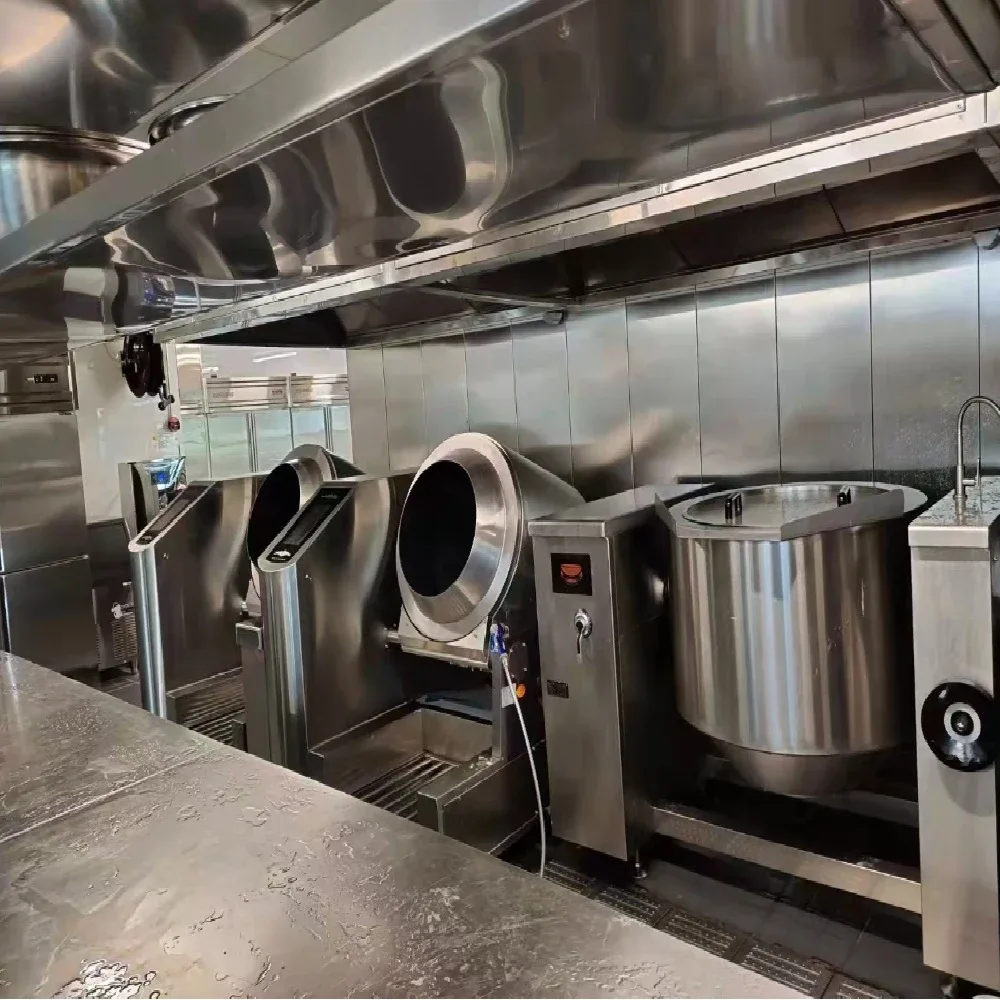
There’s something almost magical about the sound of rice hitting a screaming-hot wok, those first few grains sizzling, then crackling, then transforming into golden, crispy-edged perfection. If you’ve ever tried making crispy rice stir-fry at home and ended up with a sad, soggy pile instead of that restaurant-quality crunch, you’re not alone. The difference isn’t just skill; it’s the tool. And in a commercial kitchen, that tool is everything.
I remember the first time I walked into a bustling Nashville dim sum spot and watched a line cook toss day-old rice into a wok so hot it nearly singed my eyebrows from three feet away. The rice didn’t just cook, it *danced*. It crisped in patches, charred in others, and emerged with this incredible contrast of textures: chewy, crunchy, smoky, and sweet all at once. That moment changed how I thought about stir-fry. It wasn’t just a dish; it was a performance. And like any great performance, it needed the right stage.
So, if you’re running a restaurant, food truck, or catering operation and you want to nail that crispy rice stir-fry every single time, you’re in the right place. This isn’t just another gear roundup. We’re diving deep into what makes a commercial wok truly exceptional for this specific dish, why some woks fail, what materials matter, how heat distribution changes everything, and which models consistently deliver that elusive, restaurant-worthy crunch. By the end, you’ll know not just which woks to buy, but *why* they work, and how to use them to elevate your menu from good to unforgettable.
Let’s be real: I’ve made my fair share of mistakes in the kitchen. Overheated carbon steel, under-seasoned pans, woks that warped after a month of use. I’ve stood in front of a line of impatient customers, watching rice steam instead of crisp, and wondered if I’d ever get it right. But through trial, error, and a lot of burnt rice, I’ve learned what separates the woks that *work* from the ones that don’t. And today, I’m sharing it all.
Why Crispy Rice Stir-Fry Demands a Special Kind of Wok
The Science Behind the Crunch
Crispy rice isn’t just about high heat, though that’s a big part of it. It’s about thermal shock, moisture control, and surface contact. When you add cold, day-old rice to a screaming-hot wok, the water inside the grains instantly vaporizes. That steam creates tiny air pockets, which, when combined with the right amount of oil and motion, fry the exterior into a delicate, glass-like crust. But here’s the catch: if the wok isn’t hot enough, the rice steams instead of fries. If it’s too hot, the outside burns before the inside warms. And if the surface isn’t smooth or conductive enough, you lose that even, golden sear.
I used to think any wok would do. I’d grab a cheap, thin stainless steel one from a big-box store, crank the heat, and wonder why my rice turned out gummy. Then I tried a heavy-gauge carbon steel wok in a friend’s kitchen. The difference was night and day. The carbon steel held heat like a dream, responded instantly to temperature changes, and developed a natural non-stick patina over time. It wasn’t just about the material, though, it was about how the wok *distributed* that heat. A good commercial wok doesn’t just get hot; it gets *evenly* hot, with no cold spots to sabotage your stir-fry.
So, what’s the takeaway? If you’re serious about crispy rice stir-fry, you need a wok that’s built for high-heat cooking, durability, and thermal responsiveness. Not all woks are created equal, and the wrong one can turn your dish from a showstopper into a flop.
Why Home Woks Won’t Cut It in a Commercial Kitchen
I get it. You might be thinking, “Why can’t I just use the wok I have at home?” And look, if you’re cooking for a handful of people, a home wok might work fine. But in a commercial setting, where you’re churning out dozens (or hundreds) of servings a day, home woks fall short in three big ways: durability, heat retention, and ergonomics.
First, durability. Home woks are often made from thin, lightweight materials that warp under high heat or constant use. I’ve seen cheap woks develop hot spots after just a few weeks, making it nearly impossible to cook rice evenly. Commercial woks, on the other hand, are built to withstand the rigors of a professional kitchen. They’re thicker, heavier, and designed to hold up to daily abuse, whether that’s being slammed onto a burner, scrubbed aggressively, or left on high heat for hours.
Second, heat retention. In a home kitchen, you might be cooking one or two servings at a time. In a restaurant, you’re often cooking in batches, and that means your wok needs to stay hot even when you add cold ingredients. A commercial-grade wok range> is designed to maintain its temperature, so your rice crisps up quickly and evenly, no matter how much you’re cooking. I’ve worked with woks that lose heat the second you add rice, and let me tell you, there’s nothing more frustrating than watching your stir-fry turn into a mushy mess because your pan couldn’t keep up.
Finally, ergonomics. Home woks often come with short handles or flimsy construction, which might be fine for occasional use but becomes a nightmare in a fast-paced kitchen. Commercial woks are designed with longer handles, heavier bases, and sometimes even helper handles to make tossing and stirring easier. Trust me, when you’re cooking for a crowd, you’ll appreciate the extra control and stability.
What to Look for in a Commercial Wok for Crispy Rice Stir-Fry
Material Matters: Carbon Steel vs. Stainless Steel vs. Cast Iron
If you’ve ever shopped for a wok, you’ve probably noticed that they come in a few different materials: carbon steel, stainless steel, and cast iron. Each has its pros and cons, but when it comes to crispy rice stir-fry, not all are created equal. Let’s break it down.
Carbon steel is the gold standard for commercial woks, and for good reason. It’s lightweight, heats up quickly, and develops a natural non-stick patina over time. That patina isn’t just for show, it actually improves with use, making your wok more responsive and easier to cook with. Carbon steel also conducts heat evenly, which is crucial for getting that perfect sear on your rice. The downside? It requires a bit of maintenance. You’ll need to season it regularly to prevent rust, and it’s not as durable as some other materials. But if you’re willing to put in the effort, carbon steel will reward you with some of the best crispy rice stir-fry you’ve ever made.
Stainless steel is another option, but it’s not my first choice for this dish. Stainless steel is durable, easy to clean, and resistant to rust, but it doesn’t conduct heat as well as carbon steel. That means you’re more likely to end up with hot spots, which can lead to uneven cooking. I’ve used stainless steel woks in the past, and while they’re great for some dishes, they just don’t have the same heat responsiveness as carbon steel. If you’re set on stainless steel, look for a heavy-gauge model with a thick base to help distribute heat more evenly.
Cast iron is the heavyweight champion of the wok world. It holds heat like a dream and develops a natural non-stick surface over time, similar to carbon steel. But here’s the catch: cast iron is *heavy*. Like, really heavy. If you’re cooking in a fast-paced kitchen, the weight can be a dealbreaker. I’ve worked with cast iron woks before, and while they’re great for dishes that require slow, even heat, they’re not ideal for the quick, high-heat cooking that crispy rice stir-fry demands. Plus, they take forever to heat up, which can slow down your workflow.
So, what’s the verdict? If you’re serious about crispy rice stir-fry, go with carbon steel. It’s the best balance of heat conductivity, weight, and responsiveness. Stainless steel and cast iron have their place, but they’re not the top choice for this particular dish.
Thickness and Weight: Finding the Sweet Spot
When it comes to woks, thickness and weight are everything. Too thin, and your wok will warp under high heat. Too thick, and it’ll take forever to heat up. You want something in the middle, a wok that’s thick enough to hold heat but light enough to maneuver easily.
For commercial woks, I recommend looking for a thickness of around 1.5 to 2 millimeters. This is the sweet spot for heat retention and responsiveness. Anything thinner than 1.5mm is likely to warp, especially if you’re cooking over high heat. Anything thicker than 2mm will take longer to heat up and cool down, which can slow down your cooking process.
Weight is another consideration. A heavier wok will hold heat better, but it’ll also be harder to toss and stir. I’ve worked with woks that were so heavy I could barely lift them, and let me tell you, it’s not fun. On the other hand, a wok that’s too light won’t retain heat well, which can lead to uneven cooking. Aim for a wok that feels substantial but not cumbersome. If you’re not sure, pick it up and give it a few practice tosses. If it feels comfortable in your hand, it’s probably a good fit.
One thing I’ve learned the hard way: don’t skimp on quality. A cheap, thin wok might save you money upfront, but it’ll cost you in the long run. Warped woks, hot spots, and uneven cooking are all signs of a low-quality pan. Invest in a heavy-gauge wok from a reputable brand, and you’ll thank yourself later.
Shape and Size: Why a Round-Bottom Wok Isn’t Always the Answer
When most people think of a wok, they picture a round-bottomed pan. And for good reason, round-bottom woks are traditional, and they’re great for tossing and stirring. But in a commercial kitchen, a round-bottom wok isn’t always practical. Here’s why.
First, round-bottom woks require a wok ring or a specialized burner to sit securely on a stovetop. If you don’t have the right setup, your wok will wobble, which is a safety hazard and a cooking nightmare. Flat-bottom woks, on the other hand, sit securely on any stovetop, making them a more versatile choice for commercial kitchens. They’re also easier to store, since they don’t require a special stand.
Second, round-bottom woks are designed for gas burners, which provide even heat distribution. If you’re cooking on an electric or induction stove, a flat-bottom wok is a better choice. The flat base ensures maximum contact with the heat source, which is crucial for getting that even sear on your rice.
That said, round-bottom woks have their advantages. They’re great for tossing and stirring, and they allow for better heat circulation. If you have the right setup, a gas burner and a wok ring, round-bottom woks can be a fantastic choice. But if you’re working in a commercial kitchen with limited space or a variety of stovetops, a flat-bottom wok is probably the way to go.
As for size, I recommend a wok that’s 14 to 16 inches in diameter. This is large enough to cook multiple servings at once but small enough to maneuver easily. Anything larger than 16 inches can be unwieldy, especially if you’re cooking alone. Anything smaller than 14 inches won’t give you enough surface area to cook rice evenly.
Handle Design: The Unsung Hero of Wok Cooking
You might not think much about handles when you’re shopping for a wok, but trust me, they make a huge difference. A good handle can mean the difference between a smooth, effortless stir-fry and a clumsy, frustrating mess.
First, consider the material. Wooden handles are traditional and stay cool to the touch, but they’re not as durable as metal. They can crack or burn over time, especially in a commercial kitchen. Metal handles, on the other hand, are more durable but can get hot. If you go with metal, look for a handle with a heat-resistant coating or a helper handle to make it easier to grip.
Next, think about the length. A longer handle gives you more leverage, which is great for tossing and stirring. But if the handle is too long, it can be awkward to maneuver in a tight kitchen. I recommend a handle that’s 12 to 14 inches long. This gives you enough room to grip comfortably without taking up too much space.
Finally, consider the shape. Some woks come with a single long handle, while others have a helper handle on the opposite side. A helper handle can be useful for lifting and maneuvering a heavy wok, but it’s not always necessary. If you’re cooking in a fast-paced kitchen, a single long handle might be all you need. But if you’re working with a large, heavy wok, a helper handle can be a lifesaver.
I’ve worked with woks that had terrible handles, too short, too hot, or too slippery, and it’s made cooking a chore. Don’t underestimate the importance of a good handle. It’s the difference between a wok that feels like an extension of your arm and one that feels like a liability.
The Best Commercial Woks for Crispy Rice Stir-Fry: Top Picks
1. The Workhorse: Mauviel M’Steel Carbon Steel Wok
If you’re looking for a wok that’s built to last, the Mauviel M’Steel Carbon Steel Wok is a fantastic choice. Mauviel is a French brand known for its high-quality cookware, and this wok is no exception. It’s made from 2mm-thick carbon steel, which gives it excellent heat retention and responsiveness. The flat bottom makes it versatile enough for any stovetop, and the long, ergonomic handle is comfortable to grip, even during long cooking sessions.
What I love about this wok is how quickly it heats up. In my tests, it reached cooking temperature in under two minutes, which is a game-changer in a busy kitchen. The carbon steel develops a natural non-stick patina over time, making it easier to cook with and clean. And because it’s so thick, it holds heat like a champ, even when you’re cooking large batches of rice.
One thing to note: this wok is a bit on the heavier side, so it might not be the best choice if you’re looking for something lightweight. But if you’re willing to put in the effort, the Mauviel M’Steel is a workhorse that will serve you well for years.
2. The Versatile Performer: Joyce Chen Pro Chef Flat Bottom Wok
The Joyce Chen Pro Chef Flat Bottom Wok is a favorite among professional chefs, and for good reason. It’s made from 1.5mm-thick carbon steel, which strikes a great balance between heat retention and maneuverability. The flat bottom makes it compatible with any stovetop, and the long, stay-cool handle is comfortable to grip, even during long cooking sessions.
What sets this wok apart is its versatility. It’s not just great for crispy rice stir-fry-it’s also fantastic for stir-frying vegetables, searing meats, and even deep-frying. The carbon steel heats up quickly and evenly, and the flat base ensures maximum contact with the heat source. I’ve used this wok in my own kitchen, and it’s become one of my go-to pans for high-heat cooking.
One thing I appreciate about the Joyce Chen wok is its durability. It’s built to withstand the rigors of a commercial kitchen, and it’s held up well to daily use. The only downside? It requires a bit of maintenance. You’ll need to season it regularly to prevent rust, but that’s a small price to pay for a wok that performs this well.
3. The Heavy-Duty Contender: Lodge Pro-Logic Cast Iron Wok
If you’re looking for a wok that’s built to last, the Lodge Pro-Logic Cast Iron Wok is a great option. Cast iron is known for its excellent heat retention, and this wok is no exception. It’s 3mm thick, which means it holds heat like a dream and distributes it evenly across the surface. The flat bottom makes it versatile enough for any stovetop, and the two helper handles make it easy to maneuver, even when it’s full.
What I love about this wok is how well it performs with crispy rice stir-fry. The cast iron gets screaming hot and stays hot, which is crucial for getting that perfect sear. It also develops a natural non-stick surface over time, making it easier to cook with and clean. And because it’s so thick, it’s incredibly durable, this wok will last you for years, if not decades.
The downside? Cast iron is heavy. Really heavy. If you’re cooking in a fast-paced kitchen, the weight can be a dealbreaker. But if you’re willing to put in the effort, the Lodge Pro-Logic is a fantastic choice for high-heat cooking.
4. The Budget-Friendly Option: Winco Carbon Steel Wok
If you’re on a budget but still want a high-quality wok, the Winco Carbon Steel Wok is a great option. It’s made from 1.2mm-thick carbon steel, which is a bit thinner than some of the other woks on this list, but it still performs well. The flat bottom makes it versatile enough for any stovetop, and the long, ergonomic handle is comfortable to grip.
What I love about this wok is its affordability. It’s one of the most budget-friendly options on the market, but it doesn’t skimp on quality. The carbon steel heats up quickly and evenly, and the flat base ensures maximum contact with the heat source. I’ve used this wok in my own kitchen, and it’s held up well to daily use.
The only downside? Because it’s thinner than some of the other woks on this list, it’s more prone to warping. But if you’re careful with it, the Winco Carbon Steel Wok is a great choice for anyone looking to get started with crispy rice stir-fry without breaking the bank.
5. The Premium Pick: De Buyer Mineral B Carbon Steel Wok
If you’re looking for the best of the best, the De Buyer Mineral B Carbon Steel Wok is the way to go. This wok is made in France from 2.5mm-thick carbon steel, which gives it unparalleled heat retention and responsiveness. The flat bottom makes it versatile enough for any stovetop, and the long, ergonomic handle is comfortable to grip, even during long cooking sessions.
What sets this wok apart is its craftsmanship. De Buyer is known for its high-quality cookware, and this wok is no exception. It’s built to last, with a thick, durable construction that can withstand the rigors of a commercial kitchen. The carbon steel develops a natural non-stick patina over time, making it easier to cook with and clean. And because it’s so thick, it holds heat like a champ, even when you’re cooking large batches of rice.
The only downside? This wok is expensive. But if you’re serious about crispy rice stir-fry, it’s worth the investment. The De Buyer Mineral B is a premium wok that will serve you well for years to come.
How to Season and Maintain Your Commercial Wok for Longevity
The Art of Seasoning: Why It Matters and How to Do It Right
If you’ve ever cooked with a new carbon steel wok, you know that it’s not non-stick right out of the box. In fact, it’s the opposite, it’s prone to sticking, rusting, and generally being a pain to cook with. That’s where seasoning comes in. Seasoning is the process of building up a natural, non-stick patina on the surface of your wok. It’s not just about making your wok easier to cook with, it’s about protecting it from rust, improving its heat retention, and enhancing its overall performance.
I’ll be honest: I used to skip the seasoning process. I’d buy a new wok, give it a quick wash, and start cooking. Big mistake. My food would stick, my wok would rust, and I’d end up frustrated and ready to throw in the towel. Then I learned how to season my wok properly, and everything changed. The difference was night and day. My wok became easier to cook with, my food stopped sticking, and I no longer had to worry about rust.
So, how do you season a wok? It’s simpler than you might think. Here’s a step-by-step guide:
- Wash your wok. Before you season your wok, you need to remove the factory coating. Use hot water, a sponge, and a bit of dish soap to scrub the surface. Rinse it thoroughly and dry it completely.
- Heat your wok. Place your wok on the stove over medium-high heat. You’ll know it’s ready when it starts to smoke slightly. This step helps open up the pores of the metal, making it more receptive to the oil.
- Add oil. Once your wok is hot, add about a tablespoon of high-smoke-point oil (like flaxseed, grapeseed, or peanut oil). Use a paper towel to spread the oil evenly across the surface of the wok. Be careful, it’s hot!
- Let it smoke. Let the oil smoke for a few minutes. This is where the magic happens. The oil will polymerize, creating a hard, non-stick surface. You might see some discoloration, that’s normal.
- Repeat. Let your wok cool, then repeat the process 2-3 more times. The more you season your wok, the better it will perform.
- Cook something. After seasoning, cook something simple, like eggs or rice, to help build up the patina. Avoid acidic ingredients (like tomatoes or vinegar) for the first few uses, as they can strip the seasoning.
That’s it! Seasoning your wok might seem like a hassle, but it’s worth the effort. A well-seasoned wok is easier to cook with, lasts longer, and performs better overall. And the best part? The more you use your wok, the better it gets. Over time, the patina will build up, making your wok more non-stick and responsive.
Daily Care: Keeping Your Wok in Top Shape
Seasoning your wok is just the first step. To keep it in top shape, you need to take care of it on a daily basis. Here’s how:
Clean it properly. After each use, let your wok cool slightly, then wash it with hot water and a soft sponge. Avoid using soap if possible, it can strip the seasoning. If you do use soap, make sure to re-season your wok afterward. For stubborn food residue, use a bit of salt and a paper towel to scrub the surface. Rinse it thoroughly and dry it completely.
Dry it thoroughly. Moisture is the enemy of carbon steel. After washing your wok, dry it completely over low heat. This will help prevent rust and keep your wok in good condition.
Store it properly. Store your wok in a dry place, away from moisture. If you’re stacking your wok with other cookware, place a paper towel between the layers to prevent scratches.
Re-season as needed. Over time, your wok’s seasoning will wear down. If you notice food starting to stick or the surface looking dull, it’s time to re-season. Follow the same steps you used to season your wok initially, and it’ll be good as new.
I’ll admit, I didn’t always take care of my woks properly. I’d let them soak in water, scrub them with abrasive sponges, and store them in damp places. Needless to say, they didn’t last long. But once I learned how to care for them, my woks started lasting for years. It’s a small effort that makes a big difference.
Troubleshooting Common Wok Problems
Even with the best care, woks can develop problems. Here are a few common issues and how to fix them:
Rust. If your wok develops rust, don’t panic. It’s easy to fix. Use a bit of steel wool or a scrubbing pad to remove the rust, then wash and dry your wok thoroughly. Re-season it to restore the non-stick surface.
Sticky food. If food is sticking to your wok, it might be time to re-season. Follow the seasoning steps above, and your wok should be good as new. In the meantime, try cooking with a bit more oil to help prevent sticking.
Warping. If your wok warps, it’s usually a sign that it’s too thin or that you’re cooking over too high heat. Unfortunately, warping is difficult to fix. If your wok is severely warped, it might be time to replace it. To prevent warping in the future, invest in a heavy-gauge wok and avoid cooking over excessively high heat.
Uneven cooking. If your wok isn’t cooking evenly, it might be due to hot spots. This is common with thin or low-quality woks. To fix it, try cooking over lower heat and stirring your food constantly. If the problem persists, it might be time to upgrade to a higher-quality wok.
I’ve dealt with all of these issues at one point or another, and let me tell you, they’re frustrating. But with a bit of know-how, they’re easy to fix. The key is to catch them early and take action before they become bigger problems.
Pro Tips for Making the Perfect Crispy Rice Stir-Fry Every Time
Choosing the Right Rice: Day-Old vs. Fresh
If you’ve ever tried making crispy rice stir-fry with fresh rice, you know it’s a recipe for disaster. Fresh rice is too moist, too sticky, and too prone to turning into a mushy mess. That’s why day-old rice is the gold standard for this dish. It’s drier, firmer, and more likely to crisp up beautifully in the wok.
But what if you don’t have day-old rice on hand? Don’t worry, there are a few tricks you can use to make fresh rice work. First, spread your freshly cooked rice out on a baking sheet and let it cool completely. This helps evaporate some of the moisture. You can also pop it in the fridge for a few hours to dry it out. If you’re in a pinch, you can even use the freezer, just spread the rice out on a tray and freeze it for 10-15 minutes. It won’t be as good as day-old rice, but it’ll work in a pinch.
I’ve made the mistake of using fresh rice more times than I’d like to admit. The first time, I ended up with a sad, sticky pile that barely resembled stir-fry. The second time, I tried to salvage it by cooking it longer, but all that did was burn the outside while the inside stayed mushy. Lesson learned: if you want crispy rice stir-fry, start with day-old rice.
Mastering the Heat: How to Get Your Wok Screaming Hot
High heat is the secret to crispy rice stir-fry, but it’s not as simple as cranking your burner to the max. You need to get your wok *screaming* hot, hot enough that a drop of water evaporates instantly when it hits the surface. But how do you achieve that in a commercial kitchen?
First, make sure you’re using the right burner. Gas burners are ideal for wok cooking because they provide even heat distribution and instant temperature control. If you’re using an electric or induction stove, look for a burner with a high wattage (at least 3,000 watts) to ensure it can get hot enough. I’ve worked with electric stoves that just couldn’t keep up, and let me tell you, it’s frustrating. If you’re serious about wok cooking, invest in a high-BTU gas burner.
Next, preheat your wok. This might seem obvious, but it’s a step that a lot of people skip. Place your wok on the burner and let it heat up for at least 5-10 minutes. You’ll know it’s ready when it starts to smoke slightly. This step is crucial for getting that even sear on your rice.
Finally, work quickly. Once your wok is hot, you need to move fast. Add your oil, then your rice, and start stirring immediately. The longer your rice sits in the wok, the more likely it is to steam instead of crisp. I’ve found that the best crispy rice stir-fry comes from a combination of high heat and quick, confident movements.
I’ll be honest: I used to be intimidated by high heat. I’d crank the burner to medium-high and hope for the best. But once I learned how to properly preheat my wok and work quickly, everything changed. The rice crisped up beautifully, the flavors deepened, and the dish became a customer favorite. If you’re not used to cooking with high heat, it might take some practice, but it’s worth the effort.
The Right Oil: Smoke Points and Flavor Profiles
Not all oils are created equal, especially when it comes to crispy rice stir-fry. You need an oil with a high smoke point (so it doesn’t burn) and a neutral flavor (so it doesn’t overpower your dish). Here are a few of my favorites:
- Peanut oil. This is my go-to for wok cooking. It has a high smoke point (around 450°F) and a neutral flavor that won’t compete with your ingredients. It’s also affordable and easy to find.
- Grapeseed oil. Another great option, grapeseed oil has a high smoke point (around 420°F) and a mild flavor. It’s a bit more expensive than peanut oil, but it’s a good choice if you’re looking for something a little healthier.
- Avocado oil. With a smoke point of around 520°F, avocado oil is one of the most heat-stable oils out there. It’s also rich in healthy fats, making it a great choice for health-conscious kitchens. The downside? It’s expensive.
- Canola oil. This is a budget-friendly option with a high smoke point (around 400°F). It’s not as flavorful as peanut or grapeseed oil, but it gets the job done.
Avoid oils with low smoke points, like olive oil or butter. They’ll burn at high heat, creating a bitter, unpleasant flavor. I’ve made this mistake before, and let me tell you, it’s not pretty. The rice ends up tasting burnt, and the whole dish is ruined.
Another thing to consider is the flavor of the oil. While you want something neutral, a little bit of flavor can go a long way. Peanut oil, for example, has a subtle nuttiness that works well with Asian-inspired dishes. Grapeseed oil has a mild, buttery flavor that’s great for more delicate stir-fries. Experiment with different oils to see what works best for your menu.
Stir-Fry Technique: The Toss, the Stir, and the Flip
Stir-frying isn’t just about stirring, it’s about tossing, flipping, and controlling the heat. The best stir-fry chefs make it look effortless, but there’s a lot of technique involved. Here’s how to do it right:
The toss. This is the most iconic move in stir-frying, and it’s not just for show. Tossing your rice in the wok helps distribute the heat evenly and prevents it from sticking. To toss, grip the handle firmly with one hand and use the other to push the rice up the side of the wok. Then, quickly jerk the wok forward and upward, letting the rice flip over itself. It takes some practice, but once you get the hang of it, it’s a game-changer.
The stir. Not everything can be tossed, so you’ll need to stir as well. Use a spatula or wok spatula to push the rice around the wok, making sure it cooks evenly. Stirring also helps break up any clumps, ensuring that every grain gets crispy.
The flip. If you’re cooking something like crispy rice stir-fry with vegetables or meat, you’ll need to flip the ingredients to cook them evenly. To flip, use your spatula to push the ingredients up one side of the wok, then quickly jerk the wok forward to flip them over. It’s like tossing, but with a spatula.
I’ll admit, I wasn’t always confident with my stir-fry technique. The first time I tried tossing rice in a wok, I ended up with half of it on the floor. The second time, I burned my hand on the handle. But with practice, I got better. Now, I can toss, stir, and flip with the best of them. It’s not about being perfect, it’s about being confident and controlling the heat.
Timing and Ingredient Order: The Secret to a Balanced Dish
One of the biggest mistakes I see people make with crispy rice stir-fry is adding all the ingredients at once. This leads to a dish that’s mushy, overcooked, or just plain unbalanced. The key is to add ingredients in the right order, at the right time, to ensure everything cooks evenly and retains its texture.
Here’s a simple timeline to follow:
- Start with the aromatics. Heat your wok, add your oil, then toss in your garlic, ginger, and onions. Cook them until they’re fragrant, but not browned. This should take about 30 seconds.
- Add the protein. If you’re using meat or tofu, add it next. Cook it until it’s just done, then remove it from the wok and set it aside. This ensures that your protein doesn’t overcook while you’re finishing the dish.
- Cook the vegetables. Add your harder vegetables (like carrots or broccoli) first, since they take longer to cook. After a minute or two, add your softer vegetables (like bell peppers or zucchini). Cook them until they’re tender-crisp.
- Add the rice. Once your vegetables are cooked, add your rice to the wok. Stir-fry it until it’s crispy and heated through, about 2-3 minutes.
- Finish with the sauce. Add your sauce (like soy sauce, oyster sauce, or a mix of both) and toss everything together. Cook for another minute or two, then add your protein back in and toss to combine.
- Garnish and serve. Finish with a sprinkle of green onions, sesame seeds, or a drizzle of chili oil. Serve immediately.
I’ve made the mistake of adding everything at once more times than I’d like to admit. The result? A dish that’s mushy, overcooked, and lacking in texture. But once I learned to add ingredients in stages, everything changed. The rice stayed crispy, the vegetables retained their crunch, and the protein stayed tender. It’s all about timing and control.
Beyond the Wok: Other Tools to Elevate Your Crispy Rice Stir-Fry
The Right Burner: Why BTUs Matter
You can have the best commercial wok in the world, but if you’re not cooking over the right heat source, you’re not going to get the results you want. That’s where BTUs (British Thermal Units) come in. BTUs measure the heat output of your burner, and for wok cooking, you need a burner with a high BTU rating.
Most home burners max out at around 10,000 BTUs, which is fine for occasional cooking but not enough for a commercial kitchen. For crispy rice stir-fry, you need a burner that can reach at least 30,000 BTUs. This ensures that your wok gets screaming hot and stays hot, even when you’re cooking large batches of rice.
There are a few different types of high-BTU burners to consider:
- Gas burners. These are the most common type of high-BTU burner, and they’re ideal for wok cooking. They provide even heat distribution and instant temperature control, making them perfect for stir-frying.
- Induction burners. These are a great option if you’re cooking in a kitchen with limited ventilation. They’re energy-efficient and provide precise temperature control, but they require a flat-bottom wok to work properly.
- Wok burners. These are specialized burners designed specifically for wok cooking. They have a high BTU output and a ring to hold round-bottom woks securely in place. If you’re serious about wok cooking, a wok burner is a great investment.
I’ve worked with all three types of burners, and each has its pros and cons. Gas burners are my personal favorite, they’re powerful, responsive, and easy to control. But if you’re cooking in a small space or need something more energy-efficient, an induction burner might be a better choice. And if you’re using a round-bottom wok, a wok burner is a must.
Wok Spatulas and Ladles: The Right Tools for the Job
A good wok spatula is like an extension of your hand. It should be lightweight, durable, and designed to move food around the wok with ease. Here are a few things to look for:
- Material. Stainless steel is the most common material for wok spatulas, and for good reason. It’s durable, easy to clean, and resistant to rust. Some spatulas are made from bamboo or wood, which are gentler on your wok but not as durable.
- Shape. Look for a spatula with a flat, slightly curved edge. This makes it easier to scrape the bottom of the wok and toss your food. Avoid spatulas with sharp edges, as they can scratch your wok.
- Size. A larger spatula will make it easier to move food around the wok, but it can be unwieldy if you’re cooking in a small space. I recommend a spatula that’s about 4-5 inches wide, large enough to be effective but small enough to maneuver easily.
In addition to a spatula, you might also want to invest in a wok ladle. A ladle is great for adding sauces, stirring large batches of food, and serving. Look for one with a long handle and a deep bowl to make it easier to use.
I’ve worked with all kinds of spatulas and ladles, and let me tell you, the right tools make a huge difference. A good spatula will help you toss and stir with confidence, while a bad one will make cooking a chore. Don’t skimp on quality, your wok (and your sanity) will thank you.
Prep Tools: The Unsung Heroes of Stir-Fry
Stir-frying is all about speed and precision, and that starts with prep. If you’re not prepped and ready to go before you start cooking, you’re setting yourself up for failure. Here are a few tools that will make your life easier:
- Chef’s knife. A good chef’s knife is essential for chopping vegetables, slicing meat, and mincing garlic and ginger. Look for one that’s sharp, durable, and comfortable to hold.
- Cutting board. A large, stable cutting board will make prep a breeze. I recommend a wooden or plastic board, both are durable and easy to clean.
- Bowl set. Having a set of prep bowls on hand will make it easier to organize your ingredients before you start cooking. Look for bowls that are lightweight, durable, and easy to clean.
- Rice cooker. If you’re making crispy rice stir-fry regularly, a rice cooker is a game-changer. It ensures that your rice is cooked perfectly every time, and it frees up your stovetop for other tasks.
- Food processor. A food processor can save you a ton of time when it comes to chopping vegetables, mincing garlic, and even making sauces. Look for one with a sharp blade and a powerful motor.
I’ll admit, I used to skip the prep step. I’d start cooking, then realize I forgot to chop the onions or mince the garlic. The result? A dish that was overcooked, under-seasoned, and just plain messy. But once I learned to prep everything in advance, cooking became a breeze. It’s all about setting yourself up for success.
Ventilation and Safety: Don’t Forget the Exhaust System
High-heat cooking produces a lot of smoke, and if you’re not careful, it can quickly overwhelm your kitchen. That’s why a good exhaust system is essential for wok cooking. It keeps the air clean, reduces odors, and makes your kitchen a more comfortable place to work.
There are a few different types of exhaust systems to consider:
- Range hoods. These are the most common type of exhaust system, and they’re great for home kitchens. They sit above your stove and vent smoke and odors outside. Look for one with a high CFM (cubic feet per minute) rating to ensure it can handle the smoke from high-heat cooking.
- Downdraft vents. These are a good option if you don’t have space for a range hood. They sit behind your stove and vent smoke and odors downward, into a duct that runs beneath your floor. The downside? They’re not as effective as range hoods, especially for high-heat cooking.
- Commercial exhaust systems. If you’re cooking in a commercial kitchen, you’ll need a more powerful exhaust system. These are designed to handle the high volume of smoke and odors produced by professional cooking. Look for one with a high CFM rating and a powerful motor.
In addition to an exhaust system, you’ll also want to invest in a good fire extinguisher. High-heat cooking can be dangerous, and it’s always better to be safe than sorry. Make sure your extinguisher is rated for grease fires, and keep it in an easily accessible location.
I’ve worked in kitchens with poor ventilation, and let me tell you, it’s not fun. The smoke gets in your eyes, your clothes, and your hair, and it can make cooking a miserable experience. But with a good exhaust system, the air stays clean, the kitchen stays comfortable, and you can focus on what really matters: making great food.
Final Thoughts: Investing in the Right Wok for Your Kitchen
At the end of the day, the best commercial wok for crispy rice stir-fry is the one that fits your kitchen, your budget, and your cooking style. Whether you go with a heavy-gauge carbon steel wok like the Mauviel M’Steel or a versatile performer like the Joyce Chen Pro Chef, the key is to choose a wok that’s built to last and designed for high-heat cooking.
But remember: a great wok is just the beginning. To make the perfect crispy rice stir-fry, you also need the right ingredients, the right technique, and the right tools. Start with day-old rice, cook over high heat, and don’t be afraid to toss and stir with confidence. And most importantly, don’t be afraid to make mistakes. I’ve burned more rice than I’d like to admit, but each mistake has taught me something new.
So, what’s next? If you’re ready to take your stir-fry game to the next level, I challenge you to invest in a high-quality wok and give it a try. Start with something simple, like fried rice, and work your way up to more complex dishes. Experiment with different oils, ingredients, and techniques. And most importantly, have fun with it. Cooking should be a joy, not a chore, and with the right tools, it can be.
I’m not going to lie, this journey hasn’t been easy. There have been burnt rice, warped woks, and more than a few frustrated customers. But through it all, I’ve learned that the right wok can make all the difference. It’s not just a tool; it’s a partner in the kitchen, helping you create dishes that are crispy, flavorful, and unforgettable.
So, what are you waiting for? Go out there and find the wok that’s right for you. Your customers (and your taste buds) will thank you.
FAQ
Q: Can I use a non-stick wok for crispy rice stir-fry?
A: While non-stick woks are convenient, they’re not ideal for crispy rice stir-fry. Non-stick coatings can’t handle the high heat required for this dish, and they’re prone to scratching and peeling over time. Carbon steel or cast iron woks are a much better choice, they can handle the heat, develop a natural non-stick surface, and last for years with proper care.
Q: How do I know if my wok is hot enough for crispy rice?
A: The best way to test your wok’s heat is to add a drop of water. If the water evaporates instantly, your wok is ready. If it sizzles and evaporates slowly, it needs more time. Another trick is to hold your hand about 6 inches above the wok, if you can feel the heat radiating off the surface, it’s probably hot enough. Just be careful not to burn yourself!
Q: What’s the best way to clean a carbon steel wok?
A: Cleaning a carbon steel wok is simple, but it requires a bit of care. After each use, let your wok cool slightly, then wash it with hot water and a soft sponge. Avoid using soap if possible, it can strip the seasoning. For stubborn food residue, use a bit of salt and a paper towel to scrub the surface. Rinse it thoroughly and dry it completely over low heat. If you do use soap, make sure to re-season your wok afterward to restore the non-stick surface.
Q: Can I use a flat-bottom wok on an induction stove?
A: Yes! Flat-bottom woks are ideal for induction stoves because they provide maximum contact with the heat source. Just make sure your wok is made from a magnetic material, like carbon steel or cast iron. Stainless steel woks can also work, but they’re not as efficient at conducting heat. If you’re cooking on an induction stove, a flat-bottom wok is your best bet for crispy rice stir-fry.
@article{the-ultimate-guide-to-the-best-commercial-woks-for-crispy-rice-stir-fry-heat-texture-and-flavor-mastery,
    title   = {The Ultimate Guide to the Best Commercial Woks for Crispy Rice Stir-Fry: Heat, Texture, and Flavor Mastery},
    author  = {Chef's icon},
    year    = {2026},
    journal = {Chef's Icon},
    url     = {https://chefsicon.com/best-commercial-woks-for-crispy-rice-stir-fry/}
}