The Best Fluffy Pancakes recipe you will fall in love with. Full of tips and tricks to help you make the best pancakes.
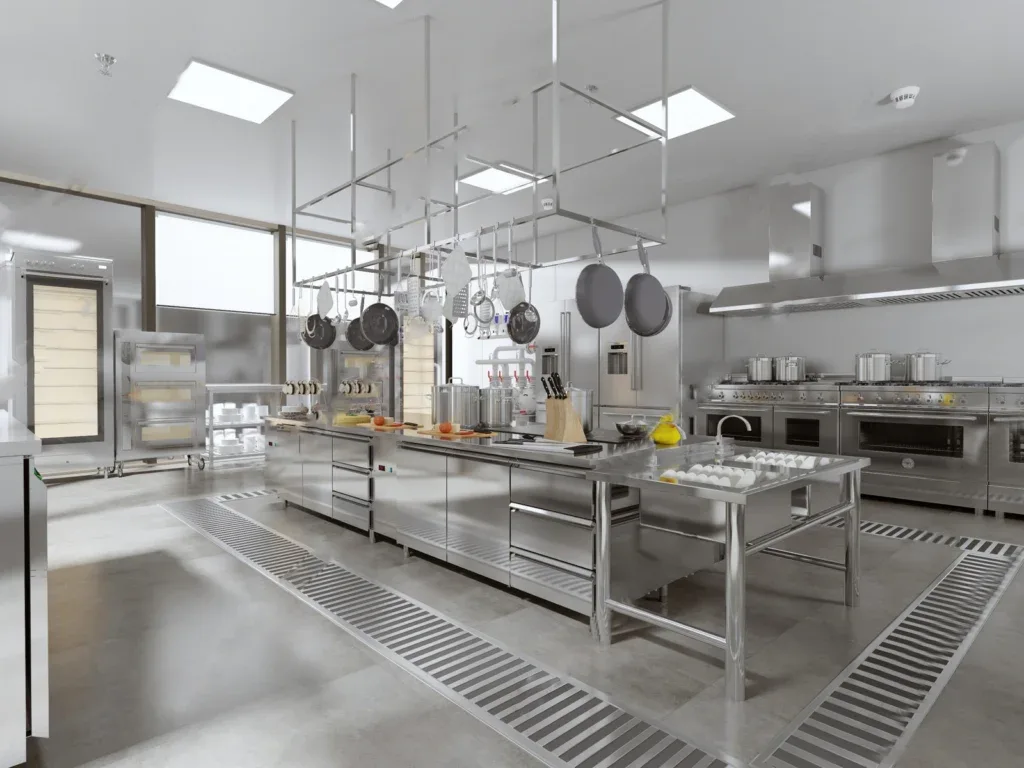
The Essential Elements of Restaurant Kitchen Layouts: Where Form Meets Fire (and Function)
Let me tell you about the time I walked into a brand-new restaurant kitchen in East Nashville, all sleek stainless steel and promise, only to watch the line cook nearly take out a sous chef with a misplaced prep station. The owner had saved money on design fees, opting for what he called “a simple, open layout.” What he got was a culinary obstacle course where tickets backed up like rush-hour traffic on I-40. That day, I learned something critical: a restaurant kitchen isn’t just a room with appliances, it’s a living organism, and its layout can make or break your entire operation.
Now, I’ve spent years studying kitchen designs, from the Michelin-starred temples of San Francisco to the food trucks parked outside Nashville’s honky-tonks. I’ve seen what works, what doesn’t, and what makes chefs want to throw their tongs across the room. The truth? There’s no one-size-fits-all solution, but there are essential elements of restaurant kitchen layouts that every successful operation shares. These aren’t just about aesthetics or following trends; they’re about creating a space where food flows as smoothly as a well-rehearsed symphony, where safety isn’t an afterthought, and where your team can actually do their jobs without playing human Tetris.
In this deep dive, we’re going to explore the anatomy of a high-functioning kitchen. We’ll break down the core components that every layout needs, dissect the most popular design models, and even tackle some of the psychological factors that most designers overlook. By the end, you’ll have a blueprint for creating a kitchen that doesn’t just look good on paper but actually works in the heat of service. And who knows? Maybe you’ll avoid the kind of layout disaster that makes chefs start updating their resumes.
The Foundation: Why Kitchen Layouts Matter More Than You Think
Before we dive into the nuts and bolts, let’s talk about why this matters. I remember sitting in a diner booth with a chef friend who was on the verge of quitting after just three months at a new place. “Sammy,” he said, “I spend more time walking than cooking. The fridge is a mile from the line, the trash is in the walk-in, and the expo station is basically in the dining room.” His frustration wasn’t just about inconvenience, it was about wasted time, wasted energy, and wasted money. Studies show that in poorly designed kitchens, staff can spend up to 30% of their time just moving around. That’s 30% less time cooking, plating, and turning tables.
But it’s not just about efficiency. A well-designed kitchen layout impacts:
- Safety: Fewer collisions, better fire prevention, and easier access to emergency exits.
- Food quality: Proper workflows reduce cross-contamination and keep ingredients at the right temps.
- Staff morale: A logical layout reduces stress and turnover, no one wants to work in a space that feels like a maze.
- Customer experience: Faster ticket times mean happier diners and higher table turnover.
- Profitability: Less waste, fewer accidents, and more covers per night add up to real dollars.
So, where do you start? Is it about copying what the big chains do? Following some ancient culinary feng shui? Or just throwing everything against the wall and seeing what sticks? Let’s be honest, there’s a lot of conflicting advice out there. Some designers swear by the “kitchen triangle” (more on that later), while others argue it’s outdated. Some say open kitchens are the future, while others warn they’re a recipe for chaos. The reality? It depends. Your layout needs to reflect your menu, your volume, your space constraints, and even your restaurant’s personality. But no matter what, there are on-negotiable elements that every kitchen needs to function. Let’s break them down.
The 10 Essential Elements of Restaurant Kitchen Layouts
1. The Heart of the Operation: The Cooking Line
If the kitchen is the body, the cooking line is the heart. This is where the magic happens, or where everything falls apart. I’ve seen lines that hum like a well-oiled machine and lines that resemble a three-ring circus where everyone’s juggling flaming torches. The difference? Intentional design.
A well-designed cooking line should:
- Follow the natural flow of food prep, from raw ingredients to finished plates.
- Place equipment in the order it’s used (e.g., grill before sauté station before pass).
- Allow for easy communication between stations (no shouting across the room).
- Have enough space for multiple cooks to work without bumping elbows.
But here’s where it gets tricky. How do you decide what stations you need? That depends entirely on your menu. A pizzeria’s line will look nothing like a sushi bar’s, which will look nothing like a steakhouse’s. For example, a typical American-style line might include:
- Grill station: For burgers, steaks, and grilled veggies.
- Sauté station: For pastas, sauces, and quick-cooked dishes.
- Fry station: For fries, chicken, and other fried items.
- Salad/prep station: For cold dishes and garnishes.
- Expo station: Where plates are finalized and tickets are managed.
But what if you’re running a taco truck? Your line might be as simple as a griddle for tortillas, a prep area for fillings, and a condiment station. The key is to design your line around your most popular dishes. I once consulted for a ramen shop where the owner insisted on a massive grill station, until we realized 90% of their orders were broth-based. We reconfigured the line to prioritize the oodle cooker and broth pots, and their ticket times dropped by 20%.
Is this the best approach for every kitchen? Maybe not. Some chefs prefer a more flexible, modular line that can adapt to different menus. But one thing’s for sure: your cooking line should never be an afterthought. It’s the engine of your kitchen, and if it’s not running smoothly, nothing else will.
2. The Unsung Hero: The Prep Area
I’ll admit it, I used to underestimate the prep area. In my early days, I thought of it as just a place to chop veggies and portion proteins. Boy, was I wrong. A well-designed prep area is like the backstage of a Broadway show: invisible to the audience but absolutely essential to the performance. Without it, the cooking line grinds to a halt.
So, what makes a great prep area? First, location is everything. It should be close to the cooking line but not in the way of traffic. I’ve seen kitchens where the prep station was tucked in a corner, forcing cooks to walk across the entire kitchen just to grab a handful of chopped onions. That’s a recipe for inefficiency, and grumpy staff.
Second, organization is key. A prep area should include:
- Work surfaces: Stainless steel tables are the gold standard, they’re durable, easy to clean, and resistant to bacteria.
- Cutting boards: Color-coded to prevent cross-contamination (e.g., red for raw meat, green for veggies).
- Storage: Shelving or racks for ingredients, tools, and containers. Everything should have a designated spot.
- Waste management: Trash and compost bins placed strategically to avoid clutter.
But here’s where things get interesting. The size and setup of your prep area depend on your menu’s complexity. A fast-casual spot with a limited menu might get away with a single prep table, while a fine-dining restaurant with a rotating menu might need multiple stations. I remember touring a high-end sushi restaurant where the prep area was nearly as large as the cooking line. Why? Because sushi requires precision cutting, temperature control, and a lot of space for ingredients like fish, rice, and seaweed. Their prep area had dedicated stations for:
- Fish butchering and portioning
- Rice cooking and seasoning
- Vegetable prep (for garnishes and fillings)
- Sauce and condiment preparation
On the flip side, a burger joint I worked with had a prep area that was basically just a counter with a slicer and a few bins of prepped ingredients. Their menu was simple, so their prep needs were too. The lesson? Your prep area should match your menu’s demands. Overbuild it, and you’re wasting space and money. Underbuild it, and you’re setting your team up for failure.
3. The Backbone: Storage Solutions
Let’s talk about storage, the unsung backbone of any kitchen. I’ve seen too many restaurants treat storage as an afterthought, cramming walk-ins and shelves wherever there’s leftover space. But here’s the thing: poor storage leads to food waste, inefficiency, and even safety hazards. A well-designed storage system, on the other hand, keeps ingredients fresh, reduces clutter, and makes it easy for staff to find what they need.
First, let’s break down the two main types of storage in a restaurant kitchen:
- Cold storage: Walk-in coolers, reach-in refrigerators, and freezers.
- Dry storage: Shelving, racks, and pantries for non-perishable items.
For cold storage, location is critical. Your walk-in should be close to the prep area and cooking line to minimize the distance staff have to travel. I’ve worked in kitchens where the walk-in was on the opposite side of the building, and let me tell you, no one wants to trek across a hot kitchen just to grab a bag of lettuce. Also, consider the flow of ingredients. Raw meats should be stored separately from ready-to-eat foods to prevent cross-contamination. Most health codes require this, but even if they didn’t, it’s just good practice.
Dry storage might seem straightforward, but there’s more to it than just throwing shelves in a closet. Here’s what to consider:
- Accessibility: Frequently used items should be easy to reach. No one should need a step stool to grab a can of tomatoes.
- Organization: Use clear labels and a logical system (e.g., grouping similar items together).
- Space efficiency: Adjustable shelving lets you customize the space for different-sized items.
- Ventilation: Dry storage areas should be well-ventilated to prevent moisture buildup and pests.
But here’s where it gets tricky: storage needs vary wildly depending on your menu and volume. A farm-to-table restaurant that sources locally might need more walk-in space for fresh produce, while a pizza place might prioritize dry storage for flour and canned tomatoes. I once consulted for a bakery that was struggling with storage. Their walk-in was packed with ingredients, but their dry storage was nearly empty. Turns out, they were storing flour, sugar, and other dry goods in the walk-in to “keep them fresh.” Not only was this a waste of cold storage space, but it also made their dry ingredients more prone to moisture and pests. We moved those items to a climate-controlled dry storage area, and suddenly, their walk-in had room to breathe.
Is this the best approach for every kitchen? Maybe not. Some kitchens, like those in high-volume catering operations, might need more walk-in space for prepared foods. The key is to tailor your storage to your specific needs. And don’t forget about inventory management. A well-designed storage system should make it easy to track what you have and what you need to order. No more digging through shelves to find that last can of beans.
4. The Lifeline: Plumbing and Utilities
Plumbing and utilities might not be the sexiest part of kitchen design, but they’re absolutely essential. I’ve seen too many restaurants cut corners here, only to pay for it later with leaks, clogs, and even health code violations. Think of your plumbing and utilities as the circulatory system of your kitchen-if they’re not working properly, the whole operation suffers.
First, let’s talk about water supply and drainage. Every kitchen needs:
- Hot and cold water: For cooking, cleaning, and handwashing. Health codes typically require separate handwashing sinks, so don’t skimp on these.
- Grease traps: Essential for preventing clogs in your drainage system. These need to be cleaned regularly to avoid backups.
- Floor drains: To handle spills and cleaning water. These should be placed strategically to avoid puddles and slips.
But it’s not just about having the right systems, it’s about placing them where they make sense. For example, handwashing sinks should be easily accessible from every station. I’ve worked in kitchens where the handwashing sink was tucked in a corner, and let me tell you, no one wants to walk across the room just to wash their hands. Similarly, prep sinks should be close to the prep area, and utility sinks should be near the dishwashing station.
Now, let’s talk about gas and electrical utilities. These are the lifelines of your cooking equipment, so they need to be planned carefully. Here’s what to consider:
- Gas lines: If you’re using gas-powered equipment (like ranges, grills, or fryers), you’ll need properly sized gas lines. These should be installed by a professional to avoid leaks and ensure safety.
- Electrical outlets: You’ll need plenty of outlets for everything from blenders to POS systems. Make sure they’re placed where they’re needed and that they’re on dedicated circuits to avoid overloading.
- Ventilation: More on this later, but your ventilation system needs to be designed to handle the heat and smoke from your cooking equipment.
But here’s where things get complicated. Utility needs vary depending on your equipment and menu. A pizzeria with a wood-fired oven will have different requirements than a sushi bar with mostly cold prep. I once worked with a restaurant that installed a massive charbroiler without upgrading their gas lines. The result? The broiler couldn’t reach the right temperature, and their ticket times suffered. We had to bring in a plumber to upgrade the gas line, which cost way more than it would have if they’d planned ahead.
Is this the best approach for every kitchen? Probably not. Some kitchens might need more electrical outlets, while others might prioritize gas lines. The key is to plan your utilities based on your specific equipment and menu. And don’t forget about energy efficiency. Upgrading to energy-efficient equipment and lighting can save you money in the long run.
5. The Invisible Shield: Ventilation and Air Quality
Ventilation is one of those things you don’t notice, until it’s not working. A good ventilation system is like an invisible shield, protecting your staff from heat, smoke, and grease while keeping the air clean and comfortable. A bad one? Well, let’s just say I’ve walked into kitchens where the air was so thick with smoke, I could barely see the other side of the room. Not exactly the kind of environment you want to work in, or eat in.
So, what makes a good ventilation system? First, it needs to remove heat, smoke, and grease from the air. This is typically done with a hood system that sits above your cooking equipment. The hood captures the airborne particles and sends them outside through a duct system. But not all hoods are created equal. Here’s what to look for:
- Type I hoods: Designed for equipment that produces grease and smoke (like grills, fryers, and ranges). These are required by most health codes for these types of equipment.
- Type II hoods: Designed for equipment that produces steam or heat but not grease (like dishwashers or pasta cookers).
- Makeup air: This is the air that replaces the air removed by the hood. Without proper makeup air, your kitchen can become negatively pressurized, leading to drafts, poor air quality, and even backdrafting of gas appliances.
But here’s where it gets tricky. Ventilation needs depend on your equipment and menu. A kitchen with a lot of grilling or frying will need a more robust system than one that’s mostly cold prep. I once consulted for a barbecue joint that was struggling with ventilation. Their hood system was undersized for their smoker, and the result was a kitchen that was constantly filled with smoke. We upgraded their hood and added a makeup air system, and suddenly, the air was clear, and the staff could actually breathe. It was like night and day.
But ventilation isn’t just about the hood. You also need to consider:
- Airflow: The air in your kitchen should flow from clean areas (like the prep station) to dirty areas (like the dishwashing station). This helps prevent cross-contamination.
- Temperature control: Kitchens get hot, especially during peak service. A good ventilation system should help regulate the temperature to keep staff comfortable.
- Fire suppression: Most hood systems are required to have fire suppression systems, which automatically release chemicals to extinguish fires. These need to be inspected regularly.
Is this the best approach for every kitchen? Maybe not. Some kitchens, like those in food trucks or small cafes, might not need as robust a system. But one thing’s for sure: ventilation is not an area to cut corners. A poorly designed system can lead to health code violations, uncomfortable working conditions, and even fires. And don’t forget about maintenance. Hoods and ducts need to be cleaned regularly to prevent grease buildup, which is a major fire hazard.
6. The Nerve Center: The Pass and Expo Station
If the cooking line is the heart of the kitchen, the pass and expo station is the brain. This is where tickets are managed, plates are finalized, and orders are sent out to the dining room. A well-designed pass and expo station can make the difference between a smooth service and a chaotic free-for-all. I’ve seen kitchens where the pass was so disorganized, tickets got lost, plates got cold, and servers ended up in the weeds. Not exactly the kind of experience you want for your diners.
So, what makes a great pass and expo station? First, location is key. It should be at the end of the cooking line, where plates can be easily transferred from the line to the pass. It should also be close to the dining room so servers can grab orders quickly. But it shouldn’t be in the way of traffic, no one wants to dodge servers while they’re trying to cook.
Second, organization is everything. A pass and expo station should include:
- A ticket rail: To hold order tickets in the order they were received. This helps the expo keep track of what’s coming up next.
- A heat lamp or pass-through window: To keep plates warm while they’re being finalized.
- Garnish station: For adding final touches like herbs, sauces, or edible flowers.
- POS system: For entering orders and tracking tickets. Some kitchens use digital screens, while others stick with paper tickets.
- Expo tools: Things like tongs, spoons, and brushes for adding final touches to plates.
But here’s where it gets interesting. The design of your pass and expo station depends on your service style. A fast-casual spot with a limited menu might have a simple pass with a heat lamp and a ticket rail. A fine-dining restaurant, on the other hand, might have a more elaborate setup with:
- Multiple expo stations: For different courses (e.g., appetizers, entrees, desserts).
- Digital screens: To display tickets and track timing.
- Garnish fridges: For keeping delicate ingredients like microgreens at the right temperature.
I once worked with a high-end restaurant that was struggling with their pass. Their expo station was too small, and tickets were constantly getting backed up. We reconfigured the space to include a larger pass with multiple expo stations, and suddenly, their ticket times improved, and their servers were happier. It was a small change with a big impact.
But is this the best approach for every kitchen? Maybe not. Some kitchens, like those in food trucks or small cafes, might not need a dedicated expo station. The key is to design your pass and expo station based on your service style and volume. And don’t forget about communication. The pass is where the front of house and back of house meet, so it’s important to have a system in place for keeping everyone on the same page.
7. The Safety Net: Emergency Exits and Fire Prevention
Let’s talk about something no one wants to think about but everyone needs to plan for: emergencies. I’ve seen too many restaurants treat safety as an afterthought, only to regret it when something goes wrong. A well-designed kitchen should have clear emergency exits, fire prevention measures, and easy access to safety equipment. Because when disaster strikes, you don’t want to be scrambling to find the fire extinguisher.
First, let’s talk about emergency exits. Every kitchen should have at least two exits, and they should be clearly marked and unobstructed. I’ve worked in kitchens where the emergency exit was blocked by a stack of boxes or a piece of equipment. Not only is this a safety hazard, but it’s also a health code violation. Here’s what to consider:
- Location: Exits should be placed on opposite sides of the kitchen to provide multiple escape routes.
- Accessibility: Exits should be easy to open and should lead to a safe area outside.
- Lighting: Emergency exits should be well-lit and clearly marked with illuminated signs.
Next, let’s talk about fire prevention. Kitchens are inherently risky places, hot equipment, open flames, and grease can all lead to fires. That’s why it’s so important to have the right safety measures in place. Here’s what you need:
- Fire extinguishers: Every kitchen should have at least one fire extinguisher, and they should be placed in easily accessible locations. Different types of fires require different types of extinguishers (e.g., Class K for grease fires, Class ABC for general fires).
- Fire suppression systems: Most hood systems are required to have fire suppression systems, which automatically release chemicals to extinguish fires. These need to be inspected regularly.
- Fire blankets: These can be used to smother small fires or wrap around someone whose clothes are on fire.
- Smoke detectors and alarms: These should be placed throughout the kitchen and connected to the building’s alarm system.
But here’s where it gets tricky. Fire safety needs vary depending on your equipment and menu. A kitchen with a lot of grilling or frying will need more robust fire prevention measures than one that’s mostly cold prep. I once consulted for a restaurant that had a fire in their fryer. Luckily, their fire suppression system kicked in and put out the fire before it spread. But if they hadn’t had that system, the outcome could have been much worse. It was a wake-up call for the owner, who realized that fire safety isn’t something to take lightly.
But fire prevention isn’t just about equipment. It’s also about training. Your staff should know how to use fire extinguishers, how to evacuate in case of an emergency, and how to prevent fires in the first place. This includes things like:
- Never leaving cooking equipment unattended.
- Keeping flammable materials away from heat sources.
- Regularly cleaning grease traps and hoods to prevent buildup.
Is this the best approach for every kitchen? Probably. Fire safety is non-negotiable, no matter the size or type of your kitchen. But one thing’s for sure: you can’t afford to cut corners when it comes to safety. A well-designed kitchen should make it easy for staff to work safely and respond quickly in case of an emergency. And don’t forget about regular inspections. Fire safety equipment needs to be checked regularly to ensure it’s in working order.
8. The Flow: Traffic Patterns and Work Zones
Let’s talk about flow. No, not the kind you get from a great playlist, though that’s important too, but the kind that keeps your kitchen running smoothly. A well-designed kitchen should have clear traffic patterns and work zones that minimize collisions, reduce wasted movement, and keep everything moving like a well-choreographed dance. A bad flow? It’s like trying to navigate a crowded subway at rush hour, except with hot pans and sharp knives.
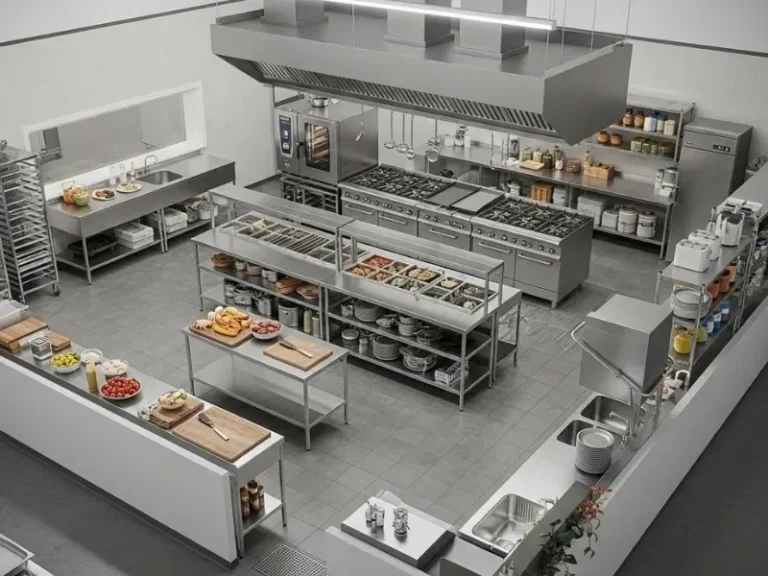
First, let’s break down the three main work zones in a kitchen:
- Prep zone: Where ingredients are prepped and portioned.
- Cooking zone: Where food is cooked and plated.
- Cleaning zone: Where dishes are washed and sanitized.
These zones should be arranged in a logical order to minimize movement. For example, the prep zone should be close to the cooking zone, and the cleaning zone should be near the dining room to make it easy for servers to drop off dirty dishes. I’ve seen kitchens where the cleaning zone was on the opposite side of the building from the dining room, and let me tell you, no one wants to walk across the entire restaurant just to drop off a plate.
But it’s not just about the zones, it’s also about the paths between them. Here’s what to consider:
- Width of aisles: Aisles should be wide enough for staff to move comfortably, especially if they’re carrying hot pans or large trays. Most health codes require a minimum of 36 inches, but I recommend at least 48 inches for high-volume kitchens.
- One-way traffic: If possible, design your kitchen so that traffic flows in one direction. This reduces collisions and keeps things moving smoothly.
- Clear paths: Make sure aisles are free of obstacles like equipment, boxes, or clutter.
But here’s where things get interesting. The flow of your kitchen depends on your menu, volume, and service style. A fast-casual spot with a limited menu might have a simple, linear flow, while a fine-dining restaurant with a complex menu might need a more intricate layout. I once worked with a restaurant that was struggling with flow. Their prep zone was on one side of the kitchen, their cooking zone was in the middle, and their cleaning zone was on the other side. The result? Staff were constantly crossing paths, and tickets were getting backed up. We reconfigured the space to create a more linear flow, and suddenly, everything moved more smoothly. It was like magic.
But is this the best approach for every kitchen? Maybe not. Some kitchens, like those in food trucks or small cafes, might not have the space for a linear flow. The key is to design your kitchen based on your specific needs. And don’t forget about flexibility. A good kitchen layout should be able to adapt to changes in menu, volume, or staffing.
9. The Little Things: Small Details That Make a Big Difference
We’ve covered the big elements of kitchen design, but let’s not forget about the small details that can make or break your operation. These are the things that most people overlook but that your staff will notice every single day. I’m talking about things like:
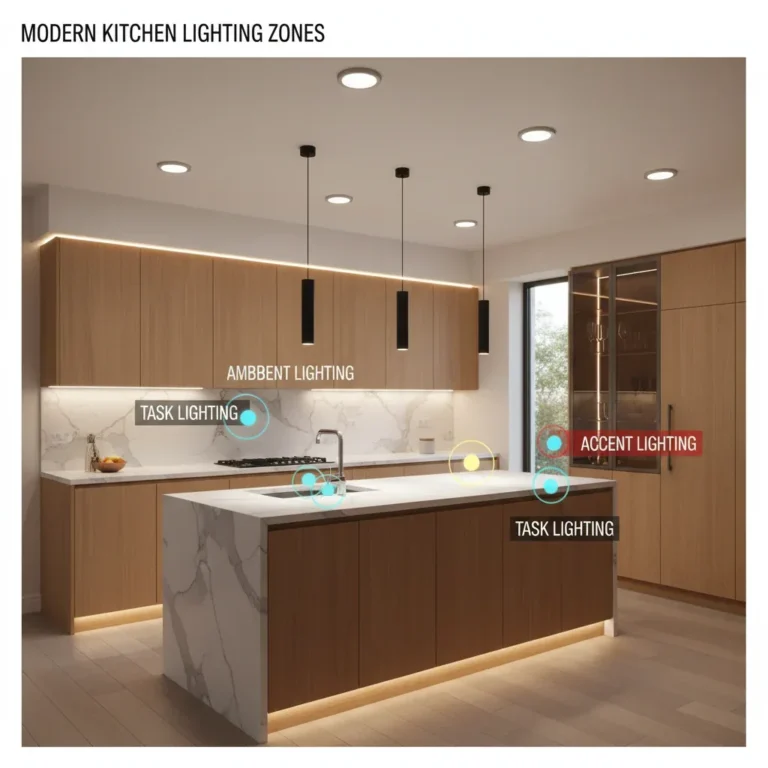
- Lighting: A well-lit kitchen is safer and more efficient. Task lighting over workstations, ambient lighting for general visibility, and even decorative lighting to boost morale.
- Flooring: Slip-resistant, durable, and easy to clean. No one wants to work on a floor that’s slick with grease or cracked from wear and tear.
- Storage for small items: Things like utensils, towels, and cleaning supplies should have designated homes. No more digging through drawers to find a pair of tongs.
- Handwashing stations: These should be easily accessible from every station. I’ve worked in kitchens where the handwashing sink was on the other side of the room, and let me tell you, no one wants to walk across a hot kitchen just to wash their hands.
- Ergonomics: Workstations should be designed to reduce strain on staff. This includes things like adjustable-height tables, easy-to-reach shelves, and anti-fatigue mats.
But here’s where it gets tricky. The little things depend on your specific needs and budget. A high-end restaurant might invest in custom lighting and ergonomic workstations, while a small cafe might focus on the basics. I once consulted for a restaurant that was struggling with staff morale. Their kitchen was poorly lit, the floors were slippery, and the workstations were uncomfortable. We made a few small changes, upgraded the lighting, added anti-fatigue mats, and reorganized the storage, and suddenly, the staff were happier and more productive. It was a small investment with a big return.
But is this the best approach for every kitchen? Maybe not. Some kitchens might not have the budget for fancy lighting or custom workstations. The key is to prioritize the little things that will have the biggest impact on your staff. And don’t forget about maintenance. Even the best-designed kitchen will fall apart if it’s not properly maintained. Regular cleaning, repairs, and updates will keep your kitchen running smoothly for years to come.
10. The Future: Technology and Smart Kitchens
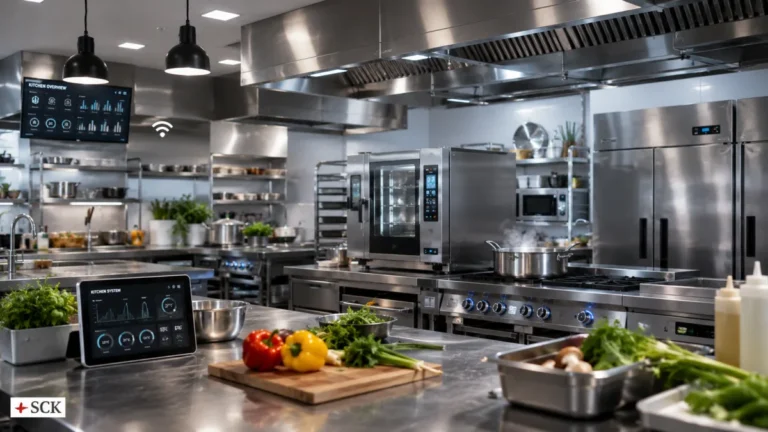
Let’s talk about the future. No, not flying cars or robot chefs, though those might be coming sooner than you think, but technology and smart kitchens. The restaurant industry is evolving, and so are kitchen designs. From digital POS systems to smart appliances, technology is changing the way kitchens operate. And if you’re not keeping up, you might get left behind.
First, let’s talk about digital POS systems. These are the backbone of any modern kitchen, allowing you to track orders, manage tickets, and even analyze sales data. But they’re not just for the front of house. A good POS system can integrate with your kitchen display system (KDS), showing tickets in real-time and helping your staff stay on top of orders. I’ve seen kitchens where the POS system was so outdated, tickets got lost, orders got mixed up, and servers ended up in the weeds. A modern POS system can help prevent all of that.
But it’s not just about POS systems. There are also smart appliances that can help streamline your operation. For example:
- Smart ovens: These can be programmed to cook food to the perfect temperature and time, reducing waste and improving consistency.
- Smart fryers: These can monitor oil temperature and quality, alerting staff when it’s time to change the oil.
- Smart refrigerators: These can track inventory, monitor temperatures, and even alert staff when ingredients are running low.
But here’s where it gets interesting. Technology needs vary depending on your menu, volume, and budget. A high-volume fast-casual spot might benefit from a fully integrated smart kitchen, while a small cafe might stick with the basics. I once worked with a restaurant that invested in a state-of-the-art KDS, only to realize their staff weren’t trained to use it. The result? Tickets got lost, orders got mixed up, and the system ended up causing more problems than it solved. It was a reminder that technology is only as good as the people using it.
But technology isn’t just about appliances. It’s also about data and analytics. A good POS system can track everything from sales trends to staff performance, helping you make informed decisions about your menu, staffing, and operations. I’ve seen restaurants use data to identify their most popular dishes, optimize their staffing levels, and even reduce food waste. It’s like having a crystal ball for your business.
Is this the best approach for every kitchen? Maybe not. Some kitchens might not have the budget for fancy technology, while others might prefer to keep things simple. The key is to find the right balance between technology and tradition. And don’t forget about training. Even the best technology won’t help if your staff don’t know how to use it.
Putting It All Together: Designing Your Dream Kitchen
So, we’ve covered the essential elements of restaurant kitchen layouts. But how do you put it all together? How do you design a kitchen that’s efficient, safe, and tailored to your specific needs? It’s not as simple as copying what someone else did or following a one-size-fits-all template. Every kitchen is unique, and your layout should reflect that.
First, start with your menu. Your menu is the blueprint for your kitchen. It determines what equipment you need, what stations you require, and how much space you’ll need for prep and storage. I’ve seen too many restaurants design their kitchens first and then try to fit their menu into the space. That’s like building a house and then trying to figure out where the bedrooms go. It doesn’t work.
Next, consider your volume. A high-volume restaurant will need more space, more equipment, and more staff than a small cafe. But it’s not just about size, it’s also about flow. A high-volume kitchen needs clear traffic patterns, wide aisles, and efficient work zones to keep everything moving smoothly. I once consulted for a restaurant that was struggling with volume. Their kitchen was too small for their menu, and the result was chaos. We reconfigured the space to create a more efficient flow, and suddenly, they were able to handle twice as many covers per night.
But it’s not just about the big picture. It’s also about the little details. Things like lighting, flooring, and storage for small items can make a big difference in your staff’s day-to-day experience. I’ve seen kitchens where the little things were overlooked, and the result was a space that was uncomfortable, inefficient, and even unsafe. Don’t make that mistake.
Finally, don’t forget about the future. Your kitchen should be able to adapt to changes in your menu, volume, or staffing. And with technology evolving so quickly, it’s important to stay up-to-date with the latest tools and trends. I’ve seen restaurants fall behind because they didn’t invest in technology, and the result was lost sales, wasted food, and frustrated staff.
So, where do you start? Here’s a step-by-step guide to designing your dream kitchen:
- Analyze your menu: What equipment and stations do you need? How much space will you need for prep and storage?
- Consider your volume: How many covers do you expect to serve per night? How will that impact your kitchen’s size and flow?
- Plan your layout: Sketch out a rough layout, keeping in mind the essential elements we’ve discussed. Don’t forget about traffic patterns, work zones, and safety.
- Consult the experts: Work with a kitchen designer or consultant to refine your layout. They can help you avoid common mistakes and make the most of your space.
- Invest in quality equipment: Don’t cut corners when it comes to equipment. High-quality appliances will last longer, perform better, and save you money in the long run.
- Think about the little things: Lighting, flooring, storage for small items, these details can make a big difference in your staff’s day-to-day experience.
- Plan for the future: Your kitchen should be able to adapt to changes in your menu, volume, or staffing. And don’t forget about technology, it’s evolving quickly, and you don’t want to get left behind.
Is this the best approach for every kitchen? Maybe not. Every restaurant is unique, and your layout should reflect that. But one thing’s for sure: a well-designed kitchen is the foundation of a successful restaurant. It’s where the magic happens, where your staff spend their days, and where your food comes to life. So, take the time to get it right. Your staff, your customers, and your bottom line will thank you.
FAQ: Essential Elements of Restaurant Kitchen Layouts
Q: What’s the most important element of a restaurant kitchen layout?
A: While all elements are crucial, the cooking line is often considered the heart of the kitchen. It’s where the actual cooking happens, and its design directly impacts efficiency, ticket times, and staff morale. A well-designed cooking line should follow the natural flow of food prep, place equipment in the order it’s used, and allow for easy communication between stations. However, the “most important” element can vary depending on your menu and service style. For example, a sushi bar might prioritize the prep area, while a pizzeria might focus on the oven station.
Q: How much space should I allocate for each kitchen zone?
A: Space allocation depends on your menu, volume, and equipment needs. However, here are some general guidelines:
- Cooking line: 30-40% of total kitchen space. This includes stations like grill, sauté, fry, and expo.
- Prep area: 20-30% of total kitchen space. This should be close to the cooking line and include work surfaces, cutting boards, and storage.
- Storage: 15-25% of total kitchen space. This includes walk-ins, reach-ins, and dry storage.
- Cleaning zone: 10-15% of total kitchen space. This includes the dishwashing station and trash/recycling areas.
- Traffic and aisles: 10-15% of total kitchen space. Aisles should be at least 36 inches wide, but 48 inches is ideal for high-volume kitchens.
These are just guidelines, and your specific needs may vary. For example, a high-volume restaurant might need more space for the cooking line, while a bakery might prioritize the prep area. It’s also important to consider local health codes, which may have specific requirements for space allocation.
Q: What are the most common mistakes in restaurant kitchen layouts?
A: Some of the most common mistakes I’ve seen include:
- Ignoring the menu: Designing the kitchen before finalizing the menu can lead to inefficiencies and wasted space. Your menu should dictate your layout, not the other way around.
- Underestimating storage needs: Running out of storage space can lead to clutter, inefficiency, and even health code violations. Plan for more storage than you think you’ll need.
- Poor traffic flow: Narrow aisles, obstructed paths, and poorly placed equipment can lead to collisions, wasted movement, and inefficiency. Design your kitchen with clear traffic patterns in mind.
- Cutting corners on safety: Emergency exits, fire suppression systems, and proper ventilation are non-negotiable. Don’t skimp on safety measures.
- Overlooking the little things: Lighting, flooring, and storage for small items can make a big difference in your staff’s day-to-day experience. Don’t overlook these details.
- Not planning for the future: Your kitchen should be able to adapt to changes in your menu, volume, or staffing. Don’t design yourself into a corner.
Avoiding these mistakes can save you time, money, and headaches down the road. If you’re unsure about your layout, consider consulting a kitchen designer or experienced chef. They can help you avoid common pitfalls and create a space that works for your specific needs.
Q: How can I improve an existing kitchen layout without a full renovation?
A: Improving an existing kitchen layout doesn’t always require a full renovation. Here are some cost-effective ways to make your kitchen more efficient:
- Reorganize work zones: Sometimes, simply rearranging equipment or stations can improve flow. For example, moving the prep area closer to the cooking line can save time and reduce movement.
- Optimize storage: Use vertical space with shelving or racks, and organize storage areas to make ingredients and tools easier to find. Clear labels and designated spots can make a big difference.
- Upgrade lighting: Better lighting can improve visibility, safety, and morale. Consider adding task lighting over workstations or upgrading to energy-efficient bulbs.
- Improve traffic flow: Clear aisles of clutter, move equipment to create wider paths, and mark one-way traffic patterns to reduce collisions.
- Add ergonomic features: Anti-fatigue mats, adjustable-height tables, and easy-to-reach shelves can reduce strain on staff and improve efficiency.
- Invest in technology: Upgrading your POS system, adding a kitchen display system (KDS), or investing in smart appliances can streamline your operation without requiring a full renovation.
- Train your staff: Sometimes, the issue isn’t the layout but how staff are using the space. Training can help improve efficiency and reduce wasted movement.
These changes can make a big difference in your kitchen’s efficiency and staff morale. Start with the low-hanging fruit, like reorganizing storage or improving lighting, and work your way up to bigger changes. And don’t forget to involve your staff in the process, they’re the ones using the space every day, so their input is invaluable.
@article{the-essential-elements-of-restaurant-kitchen-layouts-designing-for-efficiency-safety-and-success,
    title   = {The Essential Elements of Restaurant Kitchen Layouts: Designing for Efficiency, Safety, and Success},
    author  = {Chef's icon},
    year    = {2026},
    journal = {Chef's Icon},
    url     = {https://chefsicon.com/essential-elements-of-restaurant-kitchen-layouts/}
}