The Best Fluffy Pancakes recipe you will fall in love with. Full of tips and tricks to help you make the best pancakes.
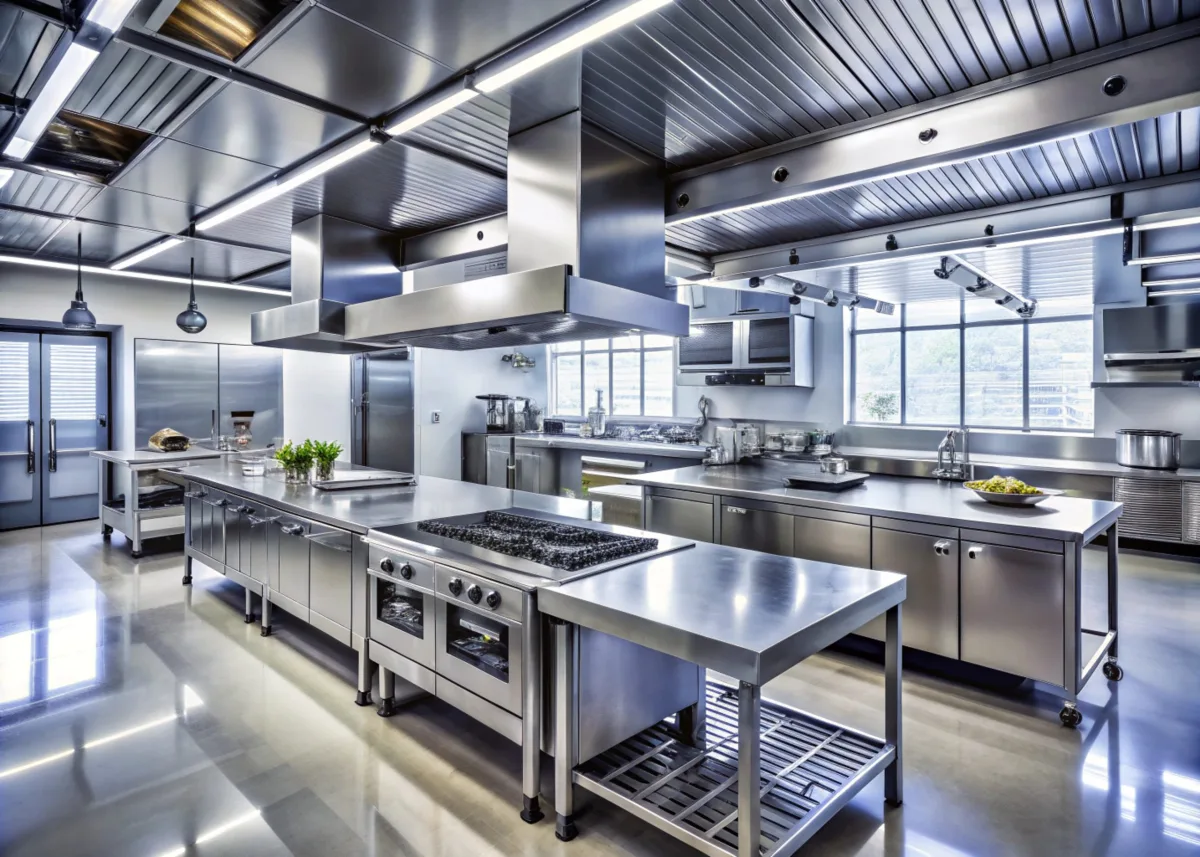
Why Your Kitchen’s Backstage Might Be Your Restaurant’s Secret Weapon
I’ll admit it, I used to think the kitchen was just where the magic happened. You know, the place where chefs yell, flames leap, and plates somehow materialize like culinary rabbits from a hat. But after years of writing about restaurants, interviewing chefs, and, let’s be honest, eating my way through more than a few cities, I’ve realized something: the kitchen isn’t just the engine of a restaurant. It’s the soul. And in 2026, customers aren’t just tasting the food. They’re tasting the *thought* behind it. The design. The flow. The vibe. They want to feel like they’re part of something, even if they’re just sitting at a counter scrolling through their phone.
So when we talk about commercial kitchen design trends for customer appeal, we’re not just talking about stainless steel and exhaust hoods. We’re talking about storytelling. About psychology. About creating spaces that make people *feel* something before they even take a bite. And here’s the kicker: most restaurants get this wrong. They focus on the dining room, the obvious stage, while the kitchen, the real heart of the operation, gets treated like an afterthought. A necessary evil. A place to hide the chaos.
But what if I told you that the best restaurants in the world right now are flipping that script? That they’re designing kitchens not just for efficiency, but for experience? That they’re using layout, lighting, and even the way equipment is arranged to shape how customers perceive their brand? That’s what this article is about. Not just trends, but *why* they work. Not just what’s popular, but what’s *effective*. And maybe, just maybe, how you can steal a few of these ideas for your own space, whether you’re running a food truck, a fine-dining spot, or a ghost kitchen that’s about to take over the world.
Let’s start with a question: When was the last time you walked into a restaurant and thought, *Damn, their kitchen looks cool*? Probably never. But that’s the point. The best kitchen designs don’t scream for attention. They whisper. They make you feel like you’re in on a secret. And in 2026, that’s the kind of appeal that turns first-time visitors into regulars.
The Psychology Behind Kitchen Design: Why Customers Care More Than You Think
What Your Kitchen Says Before You Even Open Your Mouth
I remember walking into a tiny ramen shop in Nashville a few years back. The dining area was nothing special, just a handful of stools at a counter, a few tables, and a menu written in chalk. But the kitchen? It was *alive*. Open flames, steam rising from giant pots, chefs moving in what looked like a perfectly choreographed dance. I didn’t just order ramen. I ordered the *experience* of watching it being made. And here’s the thing: I went back three times in a month. Not because the ramen was the best I’d ever had (though it was damn good), but because I felt like I was part of something.
That’s the power of kitchen design. It’s not just about making food. It’s about making memories. And in an era where every restaurant is fighting for attention, where Instagram Reels and TikTok trends can make or break a business, your kitchen isn’t just a workspace. It’s a marketing tool. A silent salesperson. A reason for customers to choose you over the place down the street.
But here’s where things get tricky. Most restaurant owners think about kitchen design in terms of functionality. How many burners can we fit? Where’s the best place for the walk-in? How do we keep the health inspector happy? And don’t get me wrong, those things matter. A kitchen that doesn’t work is a kitchen that fails. But functionality is just the baseline. The real question is: What does your kitchen say about you?
Let’s break it down. If your kitchen is a maze of stainless steel with no clear flow, what does that tell customers? That you’re disorganized. That you’re cutting corners. That the food might be as chaotic as the space where it’s made. On the other hand, if your kitchen is open, airy, and designed with intention, what does that say? That you care. That you’re professional. That you’re worth the wait (and the price tag).
I’m not saying you need to turn your kitchen into a theme park. But I *am* saying that every decision you make, from the layout to the lighting to the materials you choose, sends a message. And in 2026, customers are listening.
The Open Kitchen Dilemma: To Expose or Not to Expose?
Open kitchens are nothing new. But in the last few years, they’ve gone from a trend to a standard. Walk into any fast-casual spot or modern bistro, and chances are you’ll see the kitchen. Maybe it’s a counter where you can watch your burger being flipped. Maybe it’s a glass wall separating the dining room from the chefs. Maybe it’s a full-on exhibition kitchen where the entire cooking process is on display.
But here’s the thing about open kitchens: they’re not for everyone. And if you get them wrong, they can backfire hard.
I’ve seen restaurants where the open kitchen felt more like a zoo exhibit than a dining experience. Chefs looking stressed. Dishes piling up. The sound of clanging pots and shouted orders drowning out conversation. That’s not appealing. That’s *stressful*. And if your customers feel stressed, they’re not coming back.
So how do you do an open kitchen right? It’s all about control. You’re not just showing off your kitchen, you’re curating it. That means:
- Designing for visibility, not chaos. If customers can see every messy corner, every pile of dirty dishes, every stressed-out line cook, you’ve lost. Use strategic sightlines, partial walls, or even plants to block the less photogenic parts of the kitchen.
- Training your staff to perform. An open kitchen isn’t just a workspace, it’s a stage. Your chefs should move with purpose. They should look confident. And yes, they should probably smile once in a while. (I know, I know. Easier said than done.)
- Controlling the noise. Open kitchens are loud. But they don’t have to be *unpleasant*. Acoustic panels, sound-absorbing materials, and even white noise machines can help soften the clatter.
- Making it interactive. The best open kitchens don’t just let customers watch, they let them participate. Think sushi bars where the chef chats with diners. Or pizza ovens where customers can see their pie being made. Or even build-your-own stations where people can customize their meals.
But what if an open kitchen just isn’t your vibe? That’s okay. There are other ways to create that sense of connection. Maybe it’s a pass-through window where customers can see their food being plated. Maybe it’s a chef’s counter where a few lucky diners get a front-row seat. Or maybe it’s just a well-placed mirror that gives a glimpse into the action without exposing the whole operation.
The key is to ask yourself: What do I want customers to feel when they see my kitchen? Awe? Trust? Excitement? Once you know that, you can design around it.
2026’s Hottest Commercial Kitchen Design Trends (And Why They’re Worth Stealing)
1. The Rise of the “Instagrammable Kitchen” (Yes, Really)
I can already hear the eye rolls. *Instagrammable*? Really? But hear me out. In 2026, social media isn’t just a marketing tool, it’s a customer expectation. People don’t just want to eat at your restaurant. They want to *experience* it. They want to take photos. They want to share. And if your kitchen is part of that experience, you’re not just feeding them, you’re giving them content.
But here’s the catch: an Instagrammable kitchen isn’t about gimmicks. It’s not about slapping a neon sign on the wall or painting everything millennial pink. It’s about designing for authenticity. It’s about creating moments that feel *real*, not staged.
So what does that look like in practice? A few ideas:
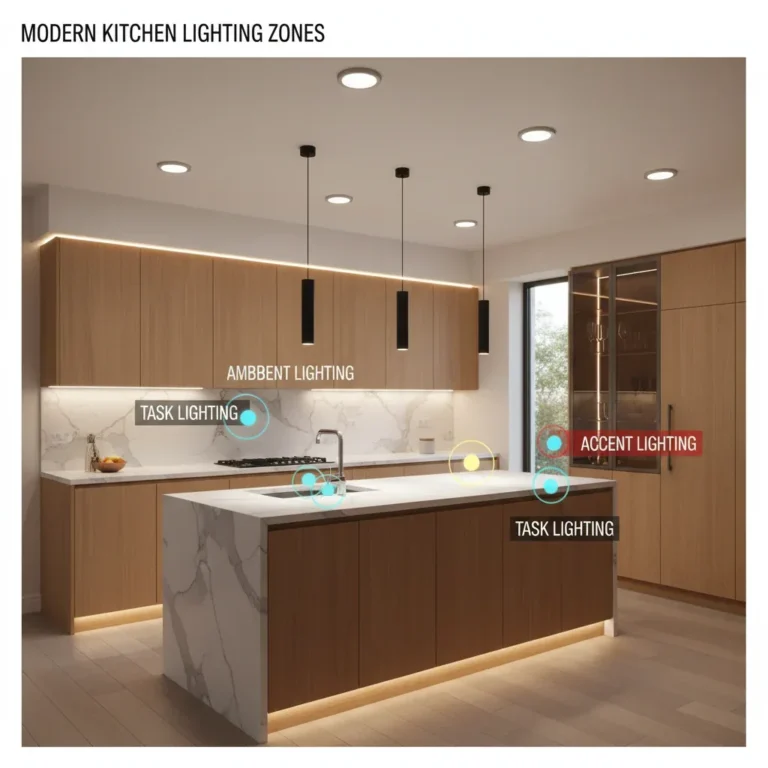
- Statement lighting. Think hanging pendant lights over a chef’s counter. Or a row of Edison bulbs along a pass-through window. Lighting doesn’t just illuminate, it sets the mood. And in a kitchen, that mood should be warm, inviting, and just a little bit dramatic.
- Textured materials. Stainless steel is functional, but it’s also *boring*. Mixing in wood, concrete, or even hand-painted tiles can add warmth and personality. (Just make sure whatever you choose is easy to clean. Because no one wants to see a wood countertop covered in last night’s marinara.)
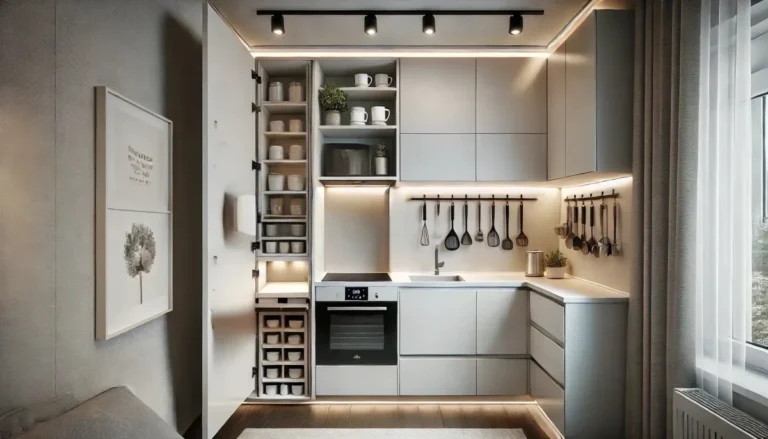
- Open shelving. Not for storage, though that’s a bonus, but for display. Think rows of spices, stacks of plates, or even fresh herbs growing in small pots. It’s practical, but it’s also *visually interesting*. And in a world where people are used to seeing perfectly styled food photos, a little imperfection goes a long way.
- Interactive elements. I mentioned this earlier, but it’s worth repeating. People love to feel like they’re part of the process. Whether it’s a pizza oven they can watch, a cocktail station they can order from, or even a chef’s table where they can chat with the cook, interactivity = shareability.
But here’s the thing about Instagrammable kitchens: they only work if they feel organic. If your kitchen looks like it was designed by a committee of marketing execs, customers will see right through it. The best Instagrammable moments are the ones that happen naturally, like a chef tossing dough in the air or a line cook garnishing a plate with fresh herbs. Your job isn’t to manufacture those moments. It’s to design a space where they can happen.
2. The Death of the “One-Size-Fits-All” Kitchen
For decades, commercial kitchens followed a pretty standard formula: a line of stations, a few prep tables, a walk-in fridge, and a whole lot of stainless steel. And while that setup works for some restaurants, it’s not exactly inspiring. In 2026, the best kitchens are breaking the mold. They’re designing spaces that reflect their brand, not just their menu.
Take, for example, a farm-to-table restaurant. A traditional kitchen layout might work, but it doesn’t *reinforce* the brand. What if, instead, the kitchen had a live herb garden growing along one wall? Or a glass-walled walk-in fridge where customers could see the fresh produce being stored? Suddenly, the kitchen isn’t just a place to cook, it’s a storytelling tool.
Or consider a fast-casual spot that specializes in global street food. A standard kitchen might get the job done, but what if the space was designed to look like a marketplace? Different stations for different cuisines. Open flames. The sound of sizzling woks. The smell of spices in the air. That’s not just a kitchen, it’s an experience.
So how do you design a kitchen that’s uniquely *yours*? Start by asking a few questions:
- What’s your restaurant’s personality? Are you sleek and modern? Rustic and cozy? Playful and quirky? Your kitchen should reflect that.
- What’s your menu’s story? If you’re serving wood-fired pizza, your kitchen should probably have a visible pizza oven. If you’re a sushi spot, a chef’s counter makes sense. Your kitchen should *enhance* your menu, not just accommodate it.
- Who’s your customer? A fine-dining restaurant might want a more subdued kitchen design, where the focus is on the food, not the space. A family-friendly spot, on the other hand, might benefit from a more interactive layout.
The point is, there’s no one “right” way to design a kitchen anymore. The best kitchens are the ones that feel intentional. The ones that make customers think, *This place gets it*. And in a world where every restaurant is fighting for attention, that kind of connection is priceless.
3. The Hidden Trend: Kitchens Designed for *Employee* Appeal
Here’s something no one talks about: the best kitchen designs aren’t just for customers. They’re for staff. And if your kitchen is a nightmare to work in, it’ll show in the food. In the service. In the vibe of your restaurant.
I’ve worked with chefs who’ve told me horror stories about kitchens designed by people who’ve never set foot in one. Islands that are too big. Stations that are too far apart. Equipment that’s impossible to clean. And while those kitchens might look great on paper, they’re disasters in practice.
So what makes a kitchen employee-friendly? A few things:
- Ergonomics matter. If your chefs are constantly reaching, bending, or stretching, they’re going to get tired. And tired chefs make mistakes. Design your kitchen so that everything is within easy reach. The less your staff has to move, the more efficient (and happy) they’ll be.
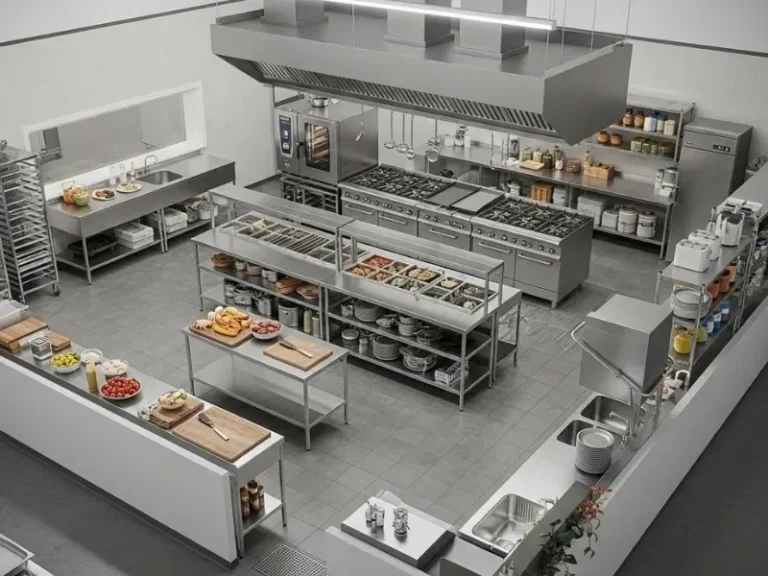
- Flow is everything. A well-designed kitchen has a logical flow. Prep stations near the walk-in. Cooking stations near the pass. Dishwashing near the dining room. The less your staff has to backtrack, the smoother service will run.
- Lighting affects mood. Harsh fluorescent lights might be functional, but they’re also depressing. Natural light, warm bulbs, and even adjustable lighting can make a huge difference in how your staff feels (and performs).
- Comfort is key. Standing on concrete floors for 12 hours a day is brutal. Anti-fatigue mats, proper ventilation, and even small break areas can make your kitchen a place people want to work.
But here’s the thing: a kitchen that’s designed for employees is also a kitchen that’s designed for customers. Happy staff = better food = happier customers. It’s a cycle. And in 2026, when labor shortages are still a reality, designing a kitchen that people *want* to work in isn’t just a nice-to-have. It’s a competitive advantage.
4. The Tech Revolution: Smart Kitchens That Actually Work
Let’s talk about tech. Because in 2026, commercial kitchens aren’t just about pots and pans. They’re about data. About automation. About systems that make life easier for everyone, from the chef to the customer.
But here’s the problem with kitchen tech: a lot of it is overhyped. I’ve seen restaurants invest in fancy gadgets that end up collecting dust because no one knows how to use them. Or systems that promise to revolutionize service but just end up causing more headaches.
So what tech actually *works*? A few trends worth paying attention to:
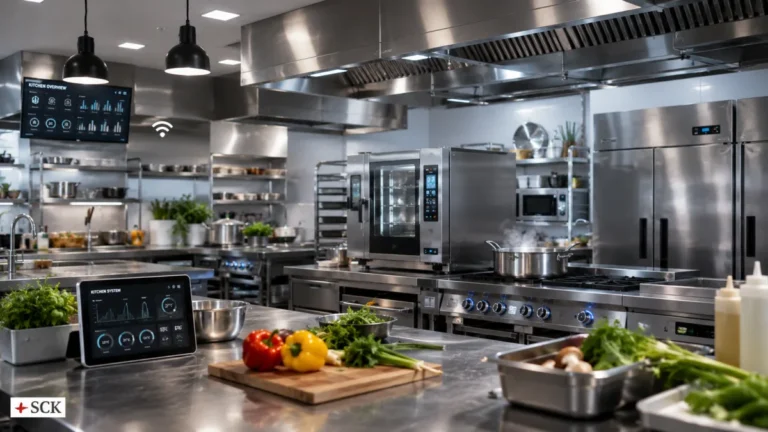
- Smart ovens and cooktops. These aren’t just for home cooks anymore. Commercial-grade smart ovens can automate cooking times, adjust temperatures on the fly, and even send alerts when food is ready. For busy kitchens, that’s a game-changer.
- Inventory management systems. No more guessing how much chicken you have left. Smart systems can track inventory in real time, predict usage, and even auto-order supplies when you’re running low. That means less waste, fewer last-minute runs to the store, and more time to focus on the food.
- Digital order management. Remember the days of handwritten tickets and shouted orders? Yeah, those are (mostly) gone. Modern kitchens use digital displays to track orders, prioritize tickets, and even communicate with front-of-house staff. It’s faster, more accurate, and way less stressful.
- Energy-efficient equipment. This isn’t just about saving the planet (though that’s a nice bonus). Energy-efficient appliances can cut utility costs by 20-30%. And in a business where margins are tight, that’s a big deal.
But here’s the catch: tech is only as good as the people using it. If your staff doesn’t know how to use a smart oven, it’s just an expensive paperweight. If your inventory system isn’t updated regularly, it’s useless. So before you invest in the latest gadget, ask yourself: Is this something my team will actually use? If the answer is no, keep it simple.
5. The Sustainability Factor: Why Green Kitchens Are Good for Business
Sustainability isn’t a trend. It’s a movement. And in 2026, customers don’t just want food that tastes good, they want food that’s good for the planet. That means everything from where your ingredients come from to how your kitchen operates.
But here’s the thing about sustainable kitchens: they’re not just good for the environment. They’re good for business. Customers are willing to pay more for restaurants that align with their values. And in a world where every dollar counts, that’s a huge advantage.
So what does a sustainable kitchen look like? A few ideas:
- Energy-efficient appliances. We talked about this earlier, but it’s worth repeating. Energy-efficient equipment doesn’t just save money, it reduces your carbon footprint. And in 2026, that’s something customers care about.
- Water-saving fixtures. Low-flow faucets, waterless urinals, and even recirculating dishwashers can cut water usage by up to 50%. That’s good for the planet *and* your utility bill.
- Waste reduction systems. Composting. Recycling. Donation programs for leftover food. The less waste your kitchen produces, the better. And the more you can tell that story to customers, the more they’ll appreciate it.
- Local sourcing. This isn’t just about ingredients, it’s about design. Using reclaimed wood for counters. Sourcing materials locally. Even choosing paint with low VOCs. Every little bit helps.
But here’s the thing about sustainability: it’s not just about what you do. It’s about how you talk about it. Customers don’t just want to know that you’re composting, they want to *see* it. They want to know that their meal isn’t just delicious, but responsible. So if you’re making sustainable choices, don’t be shy about it. Put it on your menu. Talk about it on social media. Make it part of your brand.
6. The Flexibility Factor: Kitchens That Can Adapt
Here’s a hard truth: the restaurant industry changes fast. One day you’re serving burgers. The next, you’re pivoting to plant-based bowls. One year you’re a dine-in spot. The next, you’re a ghost kitchen. And if your kitchen isn’t designed to adapt, you’re going to struggle.
That’s why the best kitchens in 2026 aren’t just designed for today, they’re designed for tomorrow. They’re flexible. Modular. Built to evolve.
So what does that look like in practice? A few things:
- Modular equipment. Think movable prep tables, adjustable shelving, and even mobile cooking stations that can be rearranged as needed. The less fixed your kitchen is, the easier it is to adapt.
- Multi-functional spaces. A prep area that can double as a cooking station. A walk-in that can also store dry goods. The more uses you can get out of a single space, the better.
- Scalable tech. Systems that can grow with you. Whether it’s an inventory program that can handle more ingredients or a POS system that can manage multiple locations, scalability is key.
- Future-proofing. This is the big one. When you’re designing a kitchen, think about what’s next. Will you need more delivery space? More storage for online orders? A separate area for meal prep? The more you can anticipate, the easier it’ll be to adapt.
But here’s the catch: flexibility isn’t just about the physical space. It’s about mindset. It’s about designing a kitchen that can handle change, not just today, but five years from now. And in an industry where the only constant is change, that’s a huge advantage.
7. The Aesthetic of Efficiency: Why Clean Lines Win
Let’s talk about aesthetics. Because in 2026, the best kitchens aren’t just functional, they’re beautiful. And I’m not talking about fancy finishes or expensive materials. I’m talking about clean lines. About spaces that feel intentional. About kitchens that make customers think, *This place has it together*.
Why does this matter? Because in a world where people are bombarded with choices, simplicity stands out. A kitchen with clean lines, uncluttered surfaces, and a logical flow doesn’t just look good, it feels good. It makes customers trust you. It makes them think, *These people know what they’re doing*. And that’s a feeling that’s hard to put a price on.
So what does an “aesthetic of efficiency” look like? A few things:
- Minimalist storage. Open shelving, closed cabinets, and hidden storage can make a kitchen feel more organized. The less clutter, the better.
- Consistent materials. Mixing too many materials can make a kitchen feel chaotic. Stick to a cohesive palette-whether it’s all stainless steel, all wood, or a mix of both.
- Thoughtful lighting. Lighting isn’t just about visibility, it’s about mood. Warm, diffused lighting can make a kitchen feel more inviting. Bright, focused lighting can highlight key areas.
- Logical flow. A well-designed kitchen has a clear path. Prep here. Cook there. Plate over there. The less your staff has to zigzag, the more efficient (and aesthetically pleasing) your kitchen will be.
But here’s the thing about aesthetics: they’re not just for customers. They’re for staff, too. A well-designed kitchen makes work easier. It reduces stress. It makes people proud to be there. And when your staff is proud of their space, it shows in the food. In the service. In the vibe of your restaurant.
8. The Sound of Success: How Acoustics Shape the Dining Experience
We talk a lot about how kitchens look. But what about how they sound? Because in 2026, acoustics aren’t just a side note, they’re a key part of the dining experience.
Think about it. A kitchen that’s too loud is stressful. A kitchen that’s too quiet feels sterile. But a kitchen with the right acoustics? That’s a kitchen that enhances the experience. That makes customers feel like they’re part of something special.
So how do you get the acoustics right? A few ideas:
- Sound-absorbing materials. Acoustic panels, soft surfaces, and even fabric-covered walls can help dampen noise. The less echo, the better.
- Strategic layout. The way your kitchen is arranged can affect how sound travels. Open kitchens, for example, can be loud, but if you angle the stations just right, you can direct the noise away from customers.
- White noise machines. These aren’t just for offices. A well-placed white noise machine can help mask the clatter of pots and pans, making the dining experience more pleasant.
- Music. This one’s controversial, but I’ve seen it work. A little background music in the kitchen can help drown out the noise of service. Just make sure it’s not too loud, or too distracting.
But here’s the thing about acoustics: they’re not just about noise. They’re about vibe. The sound of a sizzling steak. The clink of a cocktail shaker. The hum of conversation between chefs. Those sounds aren’t just background noise, they’re part of the experience. And in 2026, the best restaurants are using them to create a sense of theater.
9. The Power of Scent: How Your Kitchen Smells Can Win (or Lose) Customers
We’ve talked about how kitchens look. How they sound. But what about how they smell? Because in 2026, scent isn’t just a side effect of cooking, it’s a marketing tool.
Think about it. The smell of fresh-baked bread. The aroma of sizzling garlic. The hint of wood smoke from a pizza oven. Those scents don’t just make people hungry, they create memories. And memories are what keep customers coming back.
So how do you use scent to your advantage? A few ideas:
- Ventilation matters. A well-ventilated kitchen doesn’t just keep the air clean, it directs the scent. If you want customers to smell your wood-fired oven, make sure the smoke is channeled toward the dining room.
- Strategic cooking. If you’re serving breakfast, bake your pastries early so the scent fills the restaurant. If you’re a steakhouse, let the smell of searing meat waft through the dining room.
- Scent machines. This is a newer trend, but some restaurants are using diffusers to create a signature scent. Think citrus for a seafood spot. Vanilla for a bakery. Even pine for a rustic, woodsy vibe.
- Fresh herbs and spices. A bowl of fresh basil on the counter. A rack of spices by the pass. Even a few sprigs of rosemary in a vase. These little touches don’t just look good, they smell amazing.
But here’s the catch: scent is powerful. And if you get it wrong, it can backfire. A kitchen that smells like grease or old oil isn’t just unappealing, it’s a turnoff. So if you’re going to use scent to your advantage, make sure it’s intentional. Make sure it’s fresh. And make sure it’s on brand.
10. The Final Touch: Kitchens That Tell a Story
Here’s the thing about the best kitchens in 2026: they don’t just function. They don’t just look good. They tell a story.
And that story isn’t just about the food. It’s about the people behind it. The history of the restaurant. The values that drive it. In a world where every restaurant is fighting for attention, a kitchen that tells a story is a kitchen that stands out.
So how do you create a kitchen that tells a story? A few ideas:
- Showcase your history. If you’re a family-owned restaurant, display old photos or menus. If you’re a new spot, tell the story of how you got started. People love a good origin story.
- Highlight your ingredients. If you’re a farm-to-table spot, display fresh produce in a glass case. If you’re a seafood restaurant, show off your daily catch. The more customers know about what you’re cooking, the more they’ll appreciate it.
- Let your staff shine. A kitchen isn’t just a space, it’s a team. Let customers see the people behind the food. Whether it’s a chef’s counter, a staff photo wall, or even just a name tag on the line, personalization matters.
- Create a signature moment. This is the big one. A signature moment is something that defines your restaurant. Maybe it’s a wood-fired oven that customers can see. Maybe it’s a cocktail station where drinks are made to order. Maybe it’s a chef who comes out to explain the specials. Whatever it is, make it memorable.
But here’s the thing about storytelling: it’s not just about what you say. It’s about how you say it. It’s about the little details. The way the light hits the counter. The sound of the grill sizzling. The smell of fresh herbs in the air. Those are the things that make a kitchen feel like more than just a workspace. They make it feel like home.
Putting It All Together: How to Design a Kitchen That Wins Customers
So where does all this leave us? If you’re designing a commercial kitchen in 2026, what should you focus on?
First, remember that your kitchen isn’t just a workspace. It’s a marketing tool. It’s a storytelling device. It’s a reason for customers to choose you over the place down the street.
Second, think about experience. Not just for customers, but for staff. A kitchen that’s designed for efficiency, comfort, and flexibility is a kitchen that works. And a kitchen that works is a kitchen that wins.
Third, don’t be afraid to break the mold. The best kitchens in 2026 aren’t following a formula, they’re reinventing it. They’re designing spaces that reflect their brand, their values, and their vision. And if that means ditching the stainless steel for something a little more unexpected? So be it.
Finally, remember that details matter. The way your kitchen looks. The way it sounds. The way it smells. Those are the things that create memories. And memories are what keep customers coming back.
So if you’re designing a kitchen in 2026, ask yourself: What story do I want to tell? Because in the end, that’s what customers will remember.
FAQ: Your Burning Questions About Commercial Kitchen Design
Q: How much should I budget for a commercial kitchen redesign?
A: It depends on the size of your space and the scope of the project, but most commercial kitchen redesigns cost between $50,000 and $250,000. That includes equipment, labor, and permits. If you’re working with a tight budget, focus on high-impact, low-cost changes first, like lighting, layout adjustments, and minor aesthetic upgrades. You can always phase in bigger changes over time.
Q: What’s the biggest mistake restaurants make when designing their kitchens?
A: The biggest mistake is prioritizing looks over function. A kitchen that looks great but doesn’t work is a recipe for disaster. Before you worry about aesthetics, make sure your kitchen is efficient, safe, and comfortable for your staff. Everything else is just icing on the cake.
Q: How do I know if an open kitchen is right for my restaurant?
A: Open kitchens work best for restaurants that want to create a sense of theater. If your food is visually appealing (think sushi, pizza, or wood-fired dishes), an open kitchen can enhance the experience. But if your kitchen is chaotic, loud, or not particularly photogenic, it might be better to keep it hidden. Ask yourself: Would customers enjoy watching this process? If the answer is yes, go for it. If not, consider a hybrid approach, like a pass-through window or a chef’s counter.
Q: What’s the most underrated aspect of kitchen design?
A: Employee comfort. A kitchen that’s designed for staff, with ergonomic stations, good lighting, and proper ventilation, will always outperform a kitchen that’s designed solely for customers. Happy staff = better food = happier customers. It’s that simple.
@article{commercial-kitchen-design-trends-that-actually-win-customers-and-why-they-work,
    title   = {Commercial Kitchen Design Trends That Actually Win Customers (And Why They Work)},
    author  = {Chef's icon},
    year    = {2026},
    journal = {Chef's Icon},
    url     = {https://chefsicon.com/commercial-kitchen-design-trends-for-customer-appeal/}
}