The Best Fluffy Pancakes recipe you will fall in love with. Full of tips and tricks to help you make the best pancakes.

You know that moment when you pull a bag of frozen shrimp or a block of salmon from the freezer, and you pause, squinting at it like it’s holding some dark secret? Yeah, me too. I’ve been there, standing in my kitchen at 6 a.m., coffee in hand, wondering if that “fresh-frozen” label is telling the whole truth or if I’m about to serve my guests something that tastes like it was caught in 2019. It’s a weird kind of culinary paranoia, but here’s the thing: frozen seafood doesn’t have to be a gamble. There’s an art to inspecting it before it even hits the thawing tray, and once you know what to look for, you’ll never second-guess your freezer stash again.
I’ll admit, I didn’t always trust frozen seafood. Back when I lived in the Bay Area, I was spoiled by the daily fish markets where you could practically hear the ocean in every bite. But after moving to Nashville, where the closest thing to fresh seafood is the catfish pond at the local farm, I had to rethink my approach. That’s when I realized frozen seafood isn’t the enemy; poor handling and storage are. And let’s be real, even the fanciest restaurants rely on frozen seafood for consistency, especially when they’re juggling a menu that changes with the seasons. So why shouldn’t home cooks and small kitchen operators get in on the action?
In this guide, I’m going to walk you through the exact steps to inspect frozen seafood like a pro. We’ll cover everything from the packaging red flags to the subtle signs of freezer burn that most people miss. And because I know you’re probably wondering, yes, I’ll even touch on how suppliers like Chef’s Deal-who offer everything from commercial freezers to kitchen design consultations, can help you set up a system where frozen seafood stays fresher, longer. Because at the end of the day, it’s not just about what you buy; it’s about how you store it, too.
By the time you’re done reading, you’ll be able to look at a frozen fillet and know whether it’s worth your time (and money) or if it’s destined for the “mystery soup” bin. Let’s dive in.
The Frozen Seafood Paradox: Why We Love It and Fear It
Frozen seafood is one of those things that’s simultaneously a lifesaver and a source of deep culinary anxiety. On one hand, it’s incredibly convenient. You can keep it on hand for weeks (or months), pull it out whenever inspiration strikes, and avoid the last-minute scramble to the grocery store. On the other hand, there’s that nagging voice in the back of your head: Is this really fresh? Did it sit in a warehouse for a year before I bought it? Will it taste like the ocean or a freezer?
Here’s the thing: frozen seafood can be just as good as fresh-sometimes even better. The key is understanding how it’s processed and stored. When seafood is frozen at its peak freshness (ideally within hours of being caught), it locks in flavor, texture, and nutrients. But if it’s frozen too late, stored improperly, or thawed and refrozen, well… let’s just say you’ll know it when you taste it. The problem is, most of us don’t know what to look for until it’s too late. That’s where this guide comes in.
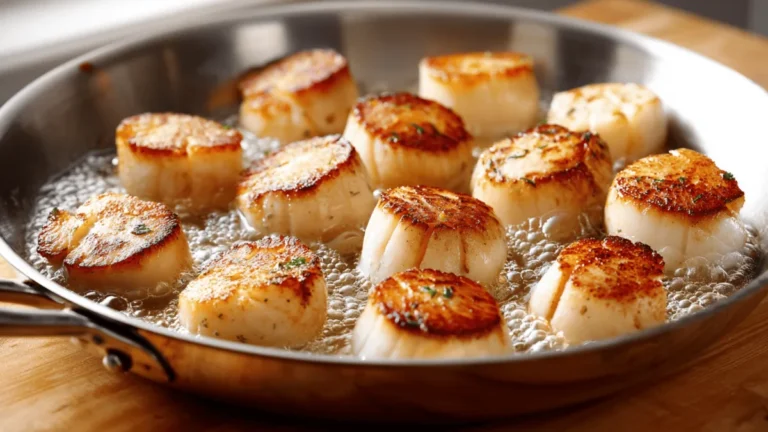
I remember the first time I really messed this up. I was hosting a dinner party for a few friends, and I decided to impress them with a seared scallop dish. I’d bought a bag of frozen scallops from a big-box store, and they looked fine, no obvious ice crystals, no weird smells. But the second I thawed them, I knew I was in trouble. The texture was mushy, almost like they’d been sitting in water for days. And the smell? Let’s just say it was more “fish market at low tide” than “ocean breeze.” Needless to say, the dish was a disaster, and I spent the rest of the night pretending I’d planned to serve a “deconstructed seafood stew” all along. (Spoiler: They weren’t fooled.)
That experience taught me two things: 1) Not all frozen seafood is created equal, and 2) There are signs of trouble you can spot before you even open the package. So let’s talk about what those signs are and how to avoid my scallop-shaped mistake.
Why Freezing Seafood Isn’t the Problem, It’s the Process
Before we get into the nitty-gritty of inspection, it’s worth understanding why frozen seafood gets a bad rap in the first place. The issue isn’t the freezing itself; it’s the conditions under which it’s frozen and stored. When seafood is frozen quickly at very low temperatures (a process called flash freezing), it preserves the cell structure, which means it retains its texture and flavor. But if it’s frozen slowly or stored at inconsistent temperatures, the water inside the cells expands, rupturing the cell walls. That’s what leads to that mushy, waterlogged texture you’ve probably encountered at some point.
Here’s where things get tricky. Most of us don’t have control over how our seafood is frozen before it reaches us. But we do have control over how we store it once it’s in our kitchens. And that starts with knowing what to look for when you’re buying it in the first place. So let’s break it down.
Step 1: The Packaging Tells a Story (If You Know How to Read It)
I’ll be honest: I used to ignore the packaging. I’d grab a bag of frozen shrimp, glance at the label to make sure it wasn’t expired, and call it a day. But over time, I’ve learned that the packaging is like a roadmap to the seafood’s history. It can tell you how it was handled, how long it’s been frozen, and even whether it’s been thawed and refrozen. Here’s what to look for:
- Sealed and Intact: The first thing you should check is whether the packaging is fully sealed. If there are tears, punctures, or gaps, air has gotten in, which means freezer burn is likely. And freezer burn isn’t just an aesthetic issue, it affects flavor and texture, too.
- No Excess Ice: A little ice is normal, but if you see a thick layer of ice crystals inside the package, that’s a red flag. It could mean the seafood was thawed and refrozen, or that it was stored at inconsistent temperatures. Either way, it’s not a good sign.
- Vacuum-Sealed vs. Regular Packaging: Vacuum-sealed seafood is generally a better bet because it’s less likely to develop freezer burn. But even vacuum-sealed packages can be problematic if they’re not stored properly. If the seal looks loose or the package is puffed up, it might have been compromised.
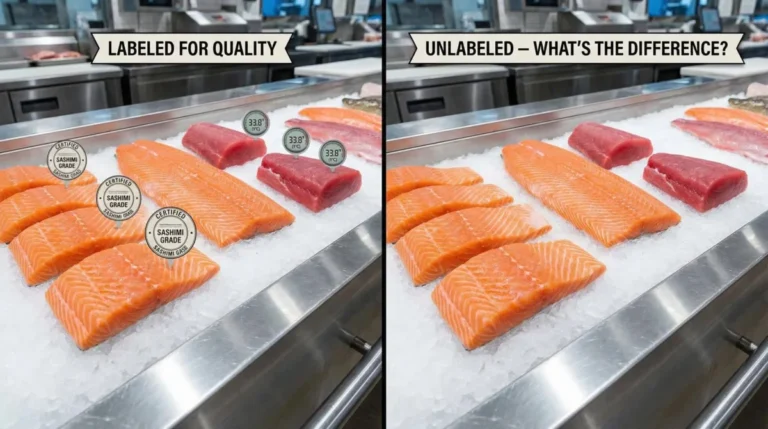
- Label Details: Look for labels that include the date of freezing and the origin of the seafood. The more transparent the supplier is about these details, the more confident you can be in the quality. If the label is vague or missing key information, proceed with caution.
I’ll never forget the time I bought a vacuum-sealed bag of frozen salmon from a discount store. The price was great, and the packaging looked fine at first glance. But when I got it home and opened it, I noticed the seal wasn’t as tight as it should’ve been. There was also a thin layer of ice on the salmon itself, which I initially dismissed as normal. Fast-forward to dinner: the salmon was dry, flavorless, and had the texture of wet cardboard. Lesson learned: ever ignore the packaging.
Now, I know what you’re thinking: “But Sammy, what if the packaging looks fine but the seafood is still bad?” Great question. That’s why we’re not stopping at the packaging. Next up: the seafood itself.
Step 2: The Visual Inspection, What to Look for Before Thawing
Alright, so the packaging passed the test. Now it’s time to actually look at the seafood. This is where things get a little more nuanced, because ot all frozen seafood looks the same. Shrimp, for example, will have different visual cues than salmon or scallops. But there are some universal signs of freshness (or lack thereof) that apply across the board. Here’s what to keep an eye out for:
1. Color: The First Clue
The color of frozen seafood can tell you a lot about its quality. For most types of seafood, you’re looking for vibrant, natural colors. Here’s a quick cheat sheet:
- Salmon: Should be a rich pink or orange, depending on the variety. If it looks dull or grayish, it’s likely been frozen for too long or stored improperly.
- Shrimp: Should be a translucent gray or pinkish-white. If it’s white and opaque, it might have been thawed and refrozen. If it’s yellowish or has black spots, that’s a sign of freezer burn or poor handling.
- Scallops: Should be a creamy white or light beige. If they’re yellow or brown, they’re past their prime.
- White Fish (cod, haddock, etc.): Should be a bright white. If it’s yellow or gray, it’s not fresh.
I once made the mistake of buying a bag of frozen cod that looked perfectly white in the package. But when I thawed it, the fillets had a yellowish tint, and the smell was… well, let’s just say it was strong enough to clear the room. Turns out, the fish had been frozen for way too long, and the color was the first clue I should’ve paid attention to.
2. Ice Crystals: The Good, the Bad, and the Ugly
Not all ice crystals are created equal. A light frost on the surface of the seafood is normal and usually harmless. But if you see large, jagged ice crystals or a thick layer of ice, that’s a sign of freezer burn or temperature fluctuations. Here’s what to look for:
- Small, Even Crystals: This is normal and usually means the seafood was frozen quickly and stored properly.
- Large, Clumpy Crystals: This is a red flag. It means the seafood was either frozen too slowly or thawed and refrozen.
- Ice on the Surface Only: If the ice is only on the outside of the seafood (not inside the flesh), it’s usually fine. But if the seafood itself is encased in ice, that’s a sign of poor handling.
I’ve seen this firsthand with frozen shrimp. A bag with small, even crystals will thaw into plump, juicy shrimp. But a bag with large, clumpy crystals? Those shrimp will be dry and rubbery, no matter how you cook them. It’s like the difference between a fresh snowfall and a slushy puddle, one is beautiful, the other is just sad.
3. Texture: The Silent Giveaway
This one’s a little harder to spot when the seafood is still frozen, but if you’re buying from a supplier you trust (or a store with a good turnover rate), you can sometimes get a sense of the texture just by looking. Here’s what to watch for:
- Firm and Intact: The seafood should look firm and intact, not mushy or falling apart. If it looks like it’s starting to break down, it’s been frozen too long or handled poorly.
- No Excess Moisture: If the seafood looks like it’s sitting in a pool of water (even if it’s frozen), that’s a sign it was thawed and refrozen. Excess moisture leads to a mushy texture once it’s cooked.
- No Freezer Burn Spots: Freezer burn shows up as white or grayish patches on the surface of the seafood. It’s not dangerous, but it will affect the flavor and texture.
I learned this the hard way with a bag of frozen scallops. They looked fine in the package, but when I thawed them, they were so mushy I could’ve used them as a stress ball. Turns out, the scallops had been thawed and refrozen at some point, and the texture was the first casualty. Now, I always give frozen seafood a gentle squeeze (if the packaging allows) to check for firmness before buying.
Step 3: The Smell Test, Yes, Even When It’s Frozen
Okay, I know what you’re thinking: “How am I supposed to smell something that’s frozen solid?” Fair point. But here’s the thing: even frozen seafood has a smell, and it’s usually a dead giveaway of its quality. You just have to know what to sniff for.
When you open a package of frozen seafood, take a deep breath. What do you smell? Here’s what to look for:
- No Smell at All: This is ideal. Fresh-frozen seafood shouldn’t have a strong odor. If it smells like nothing, that’s a good sign.
- A Mild Ocean Scent: A very faint smell of the ocean is normal and usually means the seafood is fresh. But if it’s overpowering, that’s a red flag.
- A Fishy or Ammonia-Like Smell: This is a sign the seafood is past its prime. If it smells like a fishing boat at low tide, put it back.
- A Sour or Rancid Smell: This is a definite no-go. It means the seafood has started to spoil, and no amount of cooking will fix it.
I’ll never forget the time I bought a bag of frozen tilapia from a local market. The packaging looked fine, and the fish itself didn’t have any obvious ice crystals. But when I opened the bag, the smell hit me like a wave. It was like someone had left a bucket of fish guts in the sun for a week. Needless to say, that bag went straight into the trash, and I’ve been much more careful about the smell test ever since.
Now, I know this might sound obvious, but don’t skip the smell test. It’s one of the most reliable ways to tell if frozen seafood is still good, and it only takes a second. If something smells off, trust your nose, it’s usually right.
Step 4: The Thaw Test, What to Look for Once It’s Unfrozen
Alright, so you’ve inspected the packaging, checked the color and texture, and given it a sniff. The seafood passed all those tests, and you’re feeling pretty good about your purchase. But before you start cooking, there’s one more step: the thaw test. This is where you’ll get the final verdict on whether your seafood is worth cooking or destined for the compost bin.
Here’s how to do it:
1. Thaw It Properly
First things first: don’t thaw seafood at room temperature. This is a recipe for bacteria growth and mushy texture. Instead, thaw it in the fridge overnight or under cold running water. If you’re in a hurry, you can use the microwave’s defrost setting, but be careful, it’s easy to start cooking the seafood accidentally.
I’ve made this mistake more times than I’d like to admit. There’s nothing worse than pulling out a beautiful fillet of salmon, only to realize it’s half-cooked because I zapped it in the microwave for too long. Now, I always opt for the fridge method, even if it takes a little longer. Patience is key.
2. Check the Texture
Once the seafood is thawed, give it a gentle press with your finger. Here’s what to look for:
- Firm and Springy: Fresh seafood should feel firm and bounce back when you press it. If it leaves an indentation, it’s not fresh.
- No Excess Water: If the seafood is sitting in a pool of water, that’s a sign it was thawed and refrozen. Excess water = mushy texture.
- No Slimy Film: A slimy film on the surface of the seafood is a sign of spoilage. If it feels slippery or sticky, toss it.
I remember thawing a bag of frozen cod once, and the second I touched it, I knew something was off. It felt slimy, almost like it was coated in a thin layer of soap. I gave it a sniff, and sure enough, it had that telltale sour smell. Lesson learned: if it feels wrong, it probably is.
3. Give It Another Sniff
Yes, I’m asking you to smell it again. Why? Because sometimes the smell isn’t obvious until the seafood is thawed. Take another deep breath. Does it smell fresh and clean, or does it have that fishy, ammonia-like odor? If it’s the latter, it’s time to say goodbye.
I’ve had this happen with frozen shrimp before. They looked fine in the package, and they even passed the initial smell test. But once they were thawed, the smell was unmistakable. It’s like the seafood was holding its breath until it was unfrozen, and then it let out all its secrets at once.
4. Look for Discoloration
Finally, take a close look at the seafood. Does it still have that vibrant color, or has it turned dull or grayish? Discoloration is a sign that the seafood is past its prime. For example:
- Salmon: Should still be a rich pink or orange. If it’s turned gray or brown, it’s not fresh.
- Shrimp: Should still be translucent. If it’s turned white or opaque, it’s been frozen too long.
- White Fish: Should still be bright white. If it’s turned yellow or gray, it’s not good.
I once thawed a fillet of salmon that looked perfect in the package. But once it was unfrozen, it had a grayish tint, and the smell was off. I tried to cook it anyway (because, let’s be honest, I hate wasting food), but it was a disaster. The texture was mushy, and the flavor was nonexistent. Now, I know better than to ignore discoloration.
Step 5: The Cook Test, Because Sometimes You Just Have to Take the Plunge
Alright, so you’ve inspected the packaging, checked the color and texture, given it a sniff, and thawed it properly. The seafood passed all the tests, and you’re ready to cook. But before you go all-in on that seafood feast, there’s one final step: the cook test. This is where you’ll get the ultimate verdict on whether your seafood is as good as it seems.
Here’s how to do it:
1. Cook a Small Piece First
Before you commit to cooking the whole batch, cook a small piece of the seafood. This way, you can test the flavor and texture without risking the whole meal. Here’s what to look for:
- Flavor: Does it taste fresh and clean, or does it have a fishy or off-putting flavor? Fresh seafood should taste mild and slightly sweet, not overpowering or sour.
- Texture: Does it hold together well, or does it fall apart? Fresh seafood should be firm and flaky, not mushy or rubbery.
- Smell: Does it smell fresh and clean, or does it have a strong, fishy odor? The smell should be subtle, not overpowering.
I’ve saved myself from more than a few culinary disasters this way. Like the time I bought a bag of frozen scallops that passed all the visual and smell tests. But when I cooked a small piece, the texture was so rubbery I could’ve used it as a bouncy ball. Needless to say, the rest of the bag went straight into the trash, and I was grateful I’d only cooked a small piece first.
2. Pay Attention to How It Cooks
How the seafood cooks can also tell you a lot about its quality. Here’s what to watch for:
- Even Cooking: Fresh seafood should cook evenly. If it’s cooking unevenly or falling apart, it’s not fresh.
- No Excess Water: If the seafood releases a lot of water while cooking, it’s a sign it was thawed and refrozen. This will lead to a mushy texture.
- Firmness: Fresh seafood should hold its shape while cooking. If it turns to mush, it’s not good.
I remember cooking a batch of frozen shrimp once, and the second they hit the pan, they started releasing water like a sponge. The texture was awful, and the flavor was nonexistent. Turns out, the shrimp had been thawed and refrozen at some point, and the cook test was the final nail in the coffin.
3. Trust Your Instincts
At the end of the day, trust your instincts. If something feels off, whether it’s the smell, the texture, or the flavor, don’t ignore it. It’s better to waste a little seafood than to serve something that’s past its prime. And remember, even the best inspections can’t always predict how seafood will taste once it’s cooked. That’s why the cook test is so important.
I’ve had this happen with frozen salmon before. It passed all the visual and smell tests, and it even thawed beautifully. But when I cooked it, the flavor was just… off. It wasn’t bad, but it wasn’t great either. I ended up using it in a fish taco recipe where the spices could mask the mediocre flavor, but I knew I wouldn’t buy that brand again.
Step 6: Storing Frozen Seafood Like a Pro
Alright, so you’ve bought the perfect batch of frozen seafood. Now what? How do you store it so it stays fresh until you’re ready to use it? Because let’s be real: even the best seafood can go bad if it’s not stored properly. Here’s how to keep your frozen seafood in tip-top shape:
1. Keep It Cold, Really Cold
The key to storing frozen seafood is consistent, cold temperatures. Your freezer should be set to 0°F (-18°C) or below. Anything warmer, and you risk the seafood thawing and refreezing, which leads to that mushy texture we all hate. If you’re not sure how cold your freezer is, invest in a freezer thermometer. They’re cheap, and they’ll give you peace of mind.
I learned this the hard way when my freezer’s thermostat stopped working. I didn’t realize it until I pulled out a bag of frozen shrimp and noticed it was starting to thaw. The shrimp were still cold, but they weren’t frozen solid, and I knew I had to cook them immediately. Lesson learned: always monitor your freezer’s temperature.
2. Use Airtight Containers
If you’re not storing your seafood in its original packaging (or if the packaging is damaged), transfer it to an airtight container or vacuum-sealed bag. This will prevent freezer burn and keep the seafood fresh for longer. If you don’t have a vacuum sealer, you can use a zip-top bag and squeeze out as much air as possible before sealing it.
I’ve found that vacuum-sealed bags are the best for long-term storage. They’re not cheap, but they’re worth it if you’re serious about keeping your seafood fresh. And if you’re running a commercial kitchen, suppliers like Chef’s Deal can hook you up with high-quality storage solutions that fit your needs.
3. Label Everything
This might seem like overkill, but labeling your frozen seafood is a game-changer. Write down the type of seafood, the date you froze it, and even where you bought it. This way, you’ll always know what you’re working with, and you can use the oldest seafood first (a method called FIFO, First In, First Out).
I’ll admit, I used to skip this step. I’d toss a bag of frozen shrimp into the freezer and forget about it until I needed it. But then I’d pull it out months later and wonder, “How long has this been in here?” Now, I label everything, and it’s made a huge difference in how I manage my freezer inventory.
4. Store It Properly
Where you store your seafood in the freezer matters, too. Here’s what to keep in mind:
- Avoid the Door: The door is the warmest part of the freezer, so store your seafood toward the back where it’s coldest.
- Keep It Flat: If you’re storing seafood in bags, lay them flat so they freeze evenly. This also makes it easier to stack them and save space.
- Don’t Overcrowd: Give your seafood some breathing room. If the freezer is too packed, the air can’t circulate properly, and the temperature won’t stay consistent.
I’ve made the mistake of overcrowding my freezer before, and it’s not pretty. The seafood didn’t freeze evenly, and some of it ended up with freezer burn. Now, I make sure there’s plenty of space for air to circulate, and my seafood stays fresher for longer.
5. Know How Long It Lasts
Even with the best storage practices, frozen seafood doesn’t last forever. Here’s a general guideline for how long different types of seafood stay fresh in the freezer:
- Shrimp: 3-6 months
- Salmon: 2-3 months
- White Fish (cod, haddock, etc.): 4-6 months
- Scallops: 3-4 months
- Squid: 2-3 months
These are just guidelines, though. The actual shelf life depends on how the seafood was handled before you bought it and how well you store it. If you’re not sure, use the inspection steps we talked about earlier to check for freshness.
Step 7: Where to Buy Frozen Seafood (And Where to Avoid)
Not all frozen seafood is created equal, and where you buy it can make a big difference in quality. Here’s what to look for in a supplier and where to shop (or avoid) for the best results:
1. Trusted Suppliers
If you’re running a commercial kitchen or just want the best quality, buy from trusted suppliers. Look for companies that specialize in seafood and have a reputation for quality. Some suppliers even offer flash-frozen seafood, which is frozen at its peak freshness and retains its flavor and texture better than seafood that’s frozen later.
For commercial kitchens, suppliers like Chef’s Deal can be a great resource. They don’t just sell seafood, they offer kitchen design consultations to help you set up a storage system that keeps your seafood (and other ingredients) fresh. And if you’re not sure what equipment you need, their team can walk you through the options, from blast freezers to vacuum sealers.
2. Grocery Stores: The Good, the Bad, and the Ugly
Not all grocery stores are created equal when it comes to frozen seafood. Here’s what to look for:
- High Turnover: Stores with a high turnover of frozen seafood are more likely to have fresh stock. If the seafood section looks like it hasn’t been restocked in weeks, move on.
- Well-Maintained Freezers: The freezers should be clean, well-organized, and set to the right temperature. If the freezer is overcrowded or the seafood looks like it’s been sitting there for months, it’s not a good sign.
- Reputable Brands: Stick to brands you trust. If you’re not sure, do a little research online to see what other customers are saying.
I’ve had great luck with some grocery stores and terrible luck with others. For example, I’ve found that Whole Foods and Trader Joe’s usually have high-quality frozen seafood, while some of the big-box stores can be hit or miss. It’s all about knowing what to look for and trusting your instincts.
3. Online Retailers: Convenience vs. Quality
Buying frozen seafood online is super convenient, but it’s not without its risks. Here’s what to keep in mind:
- Shipping Conditions: Make sure the retailer ships the seafood with dry ice or gel packs to keep it frozen during transit. If it arrives thawed, it’s not safe to refreeze.
- Reviews: Check the reviews to see what other customers are saying about the quality of the seafood and the shipping process.
- Return Policy: Look for retailers with a good return policy in case the seafood arrives in bad condition.
I’ve ordered frozen seafood from a few online retailers, and the experience has been mixed. Some companies do a great job of shipping the seafood frozen and in good condition, while others… not so much. If you’re going to buy online, do your research and stick to retailers with a good reputation.
4. Local Fish Markets: The Hidden Gem
If you’re lucky enough to live near a local fish market, it’s worth checking to see if they sell frozen seafood. Many markets freeze their own seafood at peak freshness, so you’re getting a product that’s as close to fresh as possible. Plus, you can ask the staff about how the seafood was handled and stored.
I’ve found some amazing frozen seafood at local markets, especially in coastal areas. The key is to ask questions. For example, “When was this frozen?” or “How was it stored?” The more you know, the better equipped you’ll be to make a good purchase.
Step 8: Common Mistakes to Avoid When Inspecting Frozen Seafood
Even with the best intentions, it’s easy to make mistakes when inspecting frozen seafood. Here are some of the most common pitfalls and how to avoid them:
1. Ignoring the Packaging
I’ve already talked about this, but it’s worth repeating: don’t ignore the packaging. It’s the first line of defense against bad seafood. If the packaging is damaged, torn, or not fully sealed, the seafood inside is at risk. Always check the packaging before you buy, and if something looks off, put it back.
2. Skipping the Smell Test
I get it, smelling frozen seafood can feel a little weird. But it’s one of the most reliable ways to tell if it’s still good. If you skip the smell test, you’re missing out on a key piece of information. Always give it a sniff, even if it’s frozen solid.
3. Thawing It Improperly
Thawing seafood at room temperature is a recipe for disaster. It promotes bacteria growth and can lead to a mushy texture. Always thaw seafood in the fridge, under cold running water, or in the microwave’s defrost setting. And if you’re in a hurry, don’t rush it, patience is key.
4. Overlooking Freezer Burn
Freezer burn isn’t dangerous, but it can affect the flavor and texture of your seafood. If you see white or grayish patches on the surface, that’s freezer burn. It’s not a dealbreaker, but it’s something to keep in mind when you’re cooking. If the freezer burn is extensive, it might be better to toss it.
5. Not Trusting Your Instincts
At the end of the day, trust your instincts. If something feels off, whether it’s the smell, the texture, or the flavor, don’t ignore it. It’s better to waste a little seafood than to serve something that’s past its prime. And remember, even the best inspections can’t always predict how seafood will taste once it’s cooked. That’s why the cook test is so important.
Step 9: What to Do If Your Frozen Seafood Fails the Inspection
So, you’ve gone through all the steps, and your frozen seafood didn’t pass the inspection. Now what? Do you toss it, or is there a way to salvage it? Here’s what to do:
1. If It’s Just Freezer Burn
If the seafood has freezer burn but is otherwise fine, you can still use it. Just trim off the affected areas before cooking. The flavor and texture won’t be as good as fresh seafood, but it’s still safe to eat. I’ve used freezer-burned seafood in soups, stews, and sauces where the texture isn’t as important.
2. If It Smells Off
If the seafood smells fishy, sour, or rancid, it’s best to toss it. There’s no way to salvage seafood that’s gone bad, it’s not worth the risk. I’ve made this mistake before, and it’s not pretty. Trust me, it’s better to be safe than sorry.
3. If It’s Mushy or Slimy
If the seafood is mushy or slimy after thawing, it’s a sign it was thawed and refrozen or stored improperly. This kind of seafood is best tossed. I’ve tried to cook mushy seafood before, and it’s always a disaster. The texture is just too far gone to salvage.
4. If You’re Not Sure
If you’re not sure whether the seafood is still good, err on the side of caution and toss it. It’s not worth the risk of food poisoning or a bad meal. And remember, even if the seafood looks and smells fine, if something feels off, trust your instincts.
Step 10: The Final Verdict, Is Frozen Seafood Worth It?
After all this, you might be wondering: “Is frozen seafood really worth it?” The answer is a resounding yes-but with a few caveats. Frozen seafood can be just as good as fresh, if not better, as long as it’s handled and stored properly. The key is knowing what to look for and how to inspect it before you buy.
Here’s the thing: frozen seafood is a game-changer for home cooks and commercial kitchens alike. It’s convenient, it’s often more affordable than fresh, and it allows you to keep a variety of seafood on hand at all times. But it’s not a magic bullet. You still have to put in the work to inspect it, store it properly, and cook it well. If you do that, you’ll be rewarded with seafood that’s just as delicious as fresh.
I’ve come a long way since my scallop disaster. These days, I’m much more confident in my ability to inspect frozen seafood, and I’ve even started experimenting with different types of seafood that I wouldn’t have tried before. And if I ever need help setting up a storage system or choosing the right equipment, I know I can turn to suppliers like Chef’s Deal for expert advice. They’ve got everything from commercial freezers to kitchen design consultations, and their team is always happy to help.
So, is frozen seafood worth it? Absolutely. But like anything in the kitchen, it’s all about knowledge, preparation, and a little bit of intuition. Once you master the art of inspecting frozen seafood, you’ll never look at your freezer the same way again.
Final Thoughts: Your Frozen Seafood Checklist
Alright, let’s recap. Here’s your frozen seafood inspection checklist-print it out, stick it on your fridge, or save it to your phone. Whatever works for you. Just don’t skip these steps:
- Check the Packaging: Is it sealed and intact? Are there any tears or gaps?
- Look for Excess Ice: Are there large, clumpy ice crystals? Is the seafood encased in ice?
- Inspect the Color: Does the seafood have vibrant, natural colors?
- Give It a Sniff: Does it smell fresh and clean, or does it have a strong, fishy odor?
- Thaw It Properly: Thaw it in the fridge, under cold running water, or in the microwave’s defrost setting.
- Check the Texture: Is it firm and springy, or mushy and slimy?
- Cook a Small Piece: Does it taste fresh and clean, or does it have an off-putting flavor?
- Store It Properly: Keep it in an airtight container or vacuum-sealed bag, and store it at 0°F (-18°C) or below.
If your seafood passes all these tests, you’re good to go. If it fails any of them, it’s time to say goodbye. And remember, even the best inspections can’t always predict how seafood will taste once it’s cooked. That’s why it’s always a good idea to cook a small piece first, just to be sure.
At the end of the day, frozen seafood is a tool, just like any other ingredient in your kitchen. It’s not inherently good or bad; it’s all about how you use it. And now that you know how to inspect it like a pro, you can use it with confidence. So go ahead, stock up on that frozen shrimp, salmon, or scallops. Your freezer is about to become your new best friend.
FAQ
Q: Can you refreeze seafood that’s been thawed?
A: It’s generally not recommended to refreeze seafood that’s been thawed, especially if it was thawed at room temperature. When seafood thaws, bacteria can start to grow, and refreezing it won’t kill those bacteria. It can also affect the texture, making the seafood mushy. If you must refreeze seafood, make sure it was thawed in the fridge and is still cold to the touch. But even then, the quality won’t be as good as it was originally.
Q: How can you tell if frozen seafood is bad after it’s been thawed?
A: There are a few signs to look for after thawing. First, check the smell, if it’s fishy, sour, or rancid, it’s bad. Next, look at the texture. If it’s mushy, slimy, or falling apart, it’s not fresh. Finally, check the color. If it’s turned dull or grayish, it’s past its prime. If any of these signs are present, it’s best to toss the seafood.
Q: What’s the best way to thaw frozen seafood?
A: The best way to thaw frozen seafood is in the fridge overnight. This keeps the seafood at a safe temperature and prevents bacteria growth. If you’re in a hurry, you can thaw it under cold running water or in the microwave’s defrost setting. Just be careful not to start cooking it accidentally. Never thaw seafood at room temperature, as this promotes bacteria growth.
Q: How long does frozen seafood last in the freezer?
A: The shelf life of frozen seafood depends on the type. Here’s a general guideline:
- Shrimp: 3-6 months
- Salmon: 2-3 months
- White Fish (cod, haddock, etc.): 4-6 months
- Scallops: 3-4 months
- Squid: 2-3 months
These are just guidelines, though. The actual shelf life depends on how the seafood was handled before you bought it and how well you store it. Always inspect frozen seafood for freshness before cooking, even if it’s within the recommended timeframe.
@article{how-to-inspect-frozen-seafood-for-freshness-signs-a-chefs-guide-to-spotting-quality-before-it-thaws,
    title   = {How to Inspect Frozen Seafood for Freshness Signs: A Chef’s Guide to Spotting Quality Before It Thaws},
    author  = {Chef's icon},
    year    = {2026},
    journal = {Chef's Icon},
    url     = {https://chefsicon.com/how-to-inspect-frozen-seafood-for-freshness-signs/}
}