The Best Fluffy Pancakes recipe you will fall in love with. Full of tips and tricks to help you make the best pancakes.
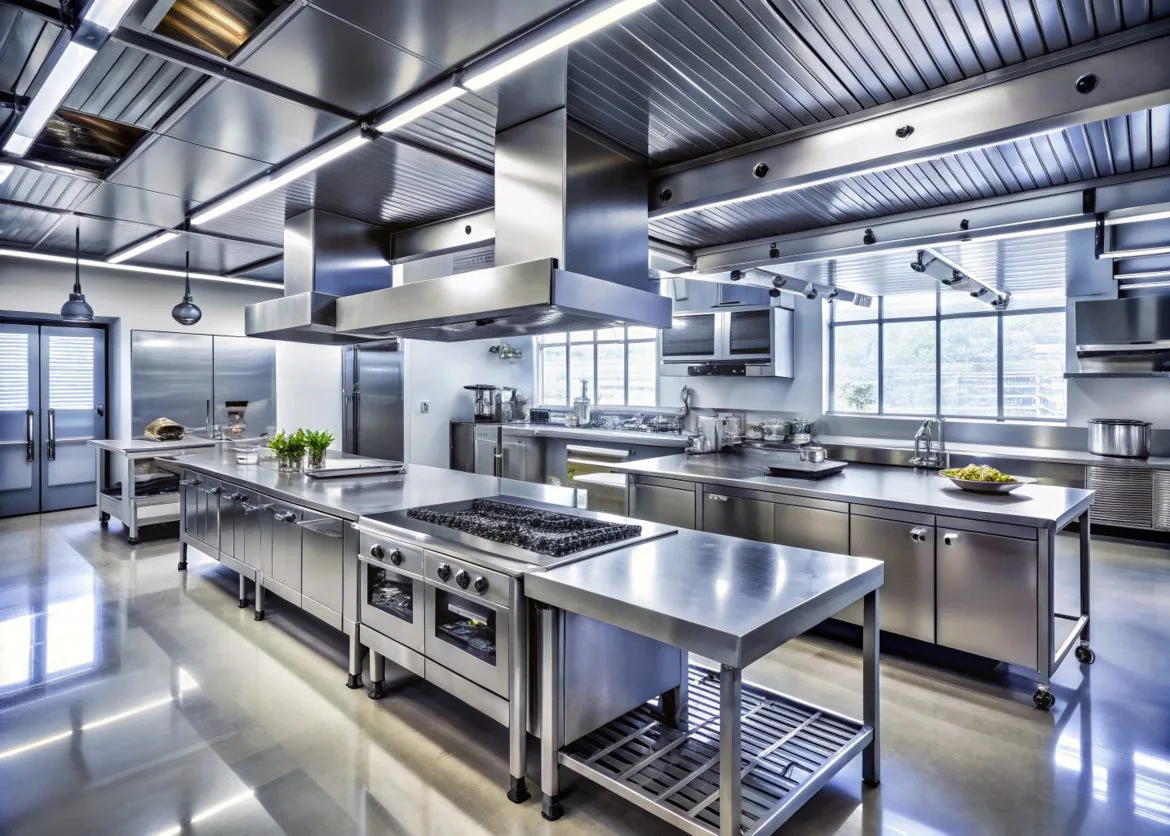
How to Integrate Smart Technology into Modern Commercial Kitchens
Let me tell you, the first time I walked into a commercial kitchen that had fully embraced smart technology, I felt like I’d stepped into the future. There were no frantic chefs shouting orders, no manual temperature checks, and no wasted ingredients piling up in the corner. Instead, there was this eerie, almost meditative efficiency, like watching a well-oiled machine hum along without a single hiccup. I remember thinking, Is this what kitchens are supposed to feel like? But here’s the thing: it wasn’t just about the gadgets. It was about how those gadgets worked together to create something greater than the sum of their parts. And that’s what I want to talk about today.
Integrating smart technology into a modern commercial kitchen isn’t just about slapping a few high-tech appliances onto your line and calling it a day. It’s about rethinking how your kitchen operates from the ground up. It’s about asking yourself: What problems are we trying to solve? Is it food waste? Labor shortages? Inconsistent quality? Or maybe it’s just the sheer chaos of a dinner rush that leaves your staff exhausted and your customers waiting too long. Smart technology can help with all of that, but only if you approach it with intention. So, let’s dive in. I’m going to walk you through how to do this the right way, from the big-picture strategy down to the nitty-gritty details. And don’t worry, I’ll be honest about where things can go wrong, too. Because trust me, they can.
By the end of this guide, you’ll have a clear roadmap for integrating smart technology into your commercial kitchen. You’ll know what to look for, what to avoid, and how to make sure your investment actually pays off. And maybe, just maybe, you’ll walk away feeling as excited as I did that first time I saw a smart kitchen in action. Let’s get started.
The Big Picture: Why Smart Technology Belongs in Your Kitchen
Before we get into the how, let’s talk about the why. Because if you’re going to make a significant investment in smart technology, you need to be crystal clear about what you’re trying to achieve. I’ve seen too many kitchens throw money at the latest gadgets just because they’re shiny and new, only to end up with a bunch of expensive equipment that doesn’t actually solve any of their problems. Don’t be that kitchen.
So, why should you integrate smart technology into your commercial kitchen? Let’s break it down:
- Efficiency: Smart technology can streamline workflows, reduce bottlenecks, and eliminate unnecessary steps. Imagine a kitchen where your ovens preheat automatically based on the day’s menu, your inventory system reorders supplies before you run out, and your staff gets real-time alerts when a dish is running behind. That’s the kind of efficiency we’re talking about.
- Consistency: One of the biggest challenges in any kitchen is maintaining consistent quality. Smart technology can help by ensuring that every dish is cooked to the exact same temperature and time, every single time. No more overcooked steaks or under-seasoned soups. Just reliable, repeatable results.
- Cost Savings: Yes, smart technology can be expensive upfront, but it can also save you money in the long run. Think about reduced food waste (thanks to better inventory management), lower energy bills (thanks to energy-efficient appliances), and fewer labor costs (thanks to automation). Over time, those savings can add up to a lot of money.
- Safety and Compliance: Smart technology can help you stay on top of food safety regulations by monitoring temperatures, tracking expiration dates, and even alerting you to potential hazards. This isn’t just about avoiding fines, it’s about protecting your customers and your reputation.
- Data-Driven Decisions: One of the most underrated benefits of smart technology is the data it provides. With the right systems in place, you can track everything from which dishes are selling the most to how much energy your kitchen is using. That data can help you make smarter decisions about everything from menu planning to staffing.
Now, I’m not saying smart technology is a magic bullet. It’s not going to fix a broken kitchen culture or turn a bad chef into a great one. But if you’re willing to put in the work to integrate it thoughtfully, it can be a game-changer. The key is to start with your goals and work backward. What do you want to achieve? Once you know that, you can start looking for the right tools to get you there.
And let me be clear: this isn’t just for big, fancy restaurants with unlimited budgets. Even small kitchens can benefit from smart technology. You don’t need to overhaul everything at once. Start small, see what works, and scale from there. The important thing is to get started.
Step 1: Assess Your Kitchen’s Needs (Because One Size Doesn’t Fit All)
Okay, so you’re sold on the idea of smart technology. Great! But before you start buying anything, you need to take a hard look at your kitchen and figure out what it actually needs. This is where a lot of people go wrong. They see a cool new gadget and think, We need that! without stopping to ask whether it’s actually going to solve a problem for them. Don’t be that person.
Start by asking yourself a few questions:
- What are our biggest pain points? Is it food waste? Long ticket times? High energy bills? Staff turnover? Make a list of the top three to five challenges your kitchen is facing. These are the problems you’ll want to focus on first.
- Where are we wasting the most time or money? This could be anything from inefficient workflows to outdated equipment that breaks down constantly. Look for areas where you’re consistently losing time or money, those are the low-hanging fruit for smart technology.
- What do our staff complain about the most? Your employees are on the front lines, so they probably have a good sense of what’s not working. Ask them for their input. You might be surprised by what they say.
- What’s our budget? Be realistic about how much you can spend. Smart technology can be expensive, but there are also affordable options out there. Don’t stretch yourself too thin, start with what you can afford and build from there.
Once you’ve answered these questions, you’ll have a much clearer idea of where smart technology can make the biggest impact. For example, if food waste is a major issue for you, you might want to focus on smart inventory management systems. If long ticket times are the problem, you could look into kitchen display systems (KDS) that streamline order flow. The point is, you don’t need to solve everything at once. Start with the areas that are causing you the most pain, and go from there.
I’ll be honest, this step can feel a little overwhelming. There’s so much out there, and it’s easy to get paralyzed by all the options. But don’t let that stop you. The goal here isn’t to find the perfect solution, it’s to find a solution that works for you. And remember, you don’t have to do this alone. Talk to other kitchen managers, read reviews, and maybe even bring in a consultant if you’re feeling stuck. The more information you have, the better decisions you’ll make.
Oh, and one more thing: don’t forget to think about the future. You’re not just solving problems for today, you’re setting your kitchen up for success down the road. So, as you’re assessing your needs, ask yourself: What’s going to matter in five years? Maybe it’s sustainability, maybe it’s automation, or maybe it’s something else entirely. Keep that long-term vision in mind as you move forward.
Step 2: Start with the Basics, Smart Appliances
Alright, so you’ve assessed your needs and you’ve got a good sense of where smart technology can make the biggest impact. Now it’s time to start thinking about the actual tools you’ll need. And let’s be real, this is where things can get a little overwhelming. There are so many options out there, from smart ovens to connected refrigerators to AI-powered inventory systems. Where do you even start?
I’m going to suggest something that might sound counterintuitive: start with the basics. Don’t try to overhaul your entire kitchen at once. Instead, focus on upgrading the appliances and tools you already use every day. Why? Because these are the things your staff is already familiar with, and they’re the things that have the biggest impact on your day-to-day operations. Plus, starting small makes the whole process a lot less intimidating.
So, what are the basics? Here are a few smart appliances and tools that can make a big difference in most commercial kitchens:
- Smart Ovens: These aren’t your grandma’s ovens. Smart ovens can be programmed to cook dishes to perfection every time, with precise temperature and timing controls. Some even come with built-in cameras so you can monitor your food without opening the door. And the best part? Many of them can be controlled remotely, so you can preheat them or adjust settings from your phone or tablet.
- Connected Refrigerators: Smart refrigerators can do a lot more than just keep your food cold. They can monitor temperatures in real-time, alert you if the door is left open, and even track inventory levels. Some models can even integrate with your inventory management system to automatically reorder supplies when you’re running low.
- Automated Cooking Stations: These are a game-changer for high-volume kitchens. Automated cooking stations can handle everything from frying to grilling to sous vide, all with minimal human intervention. They’re not cheap, but if you’re dealing with a lot of repetitive tasks, they can save you a ton of time and labor.
- Smart Ventilation Systems: Ventilation is a big deal in commercial kitchens, and smart systems can make it a lot easier to manage. These systems can adjust fan speeds based on cooking activity, monitor air quality, and even alert you if there’s a problem. Plus, they can help you save on energy costs by running only when they’re needed.
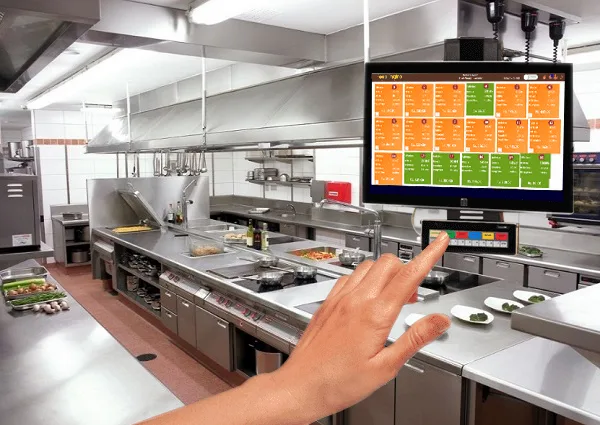
- Kitchen Display Systems (KDS): If you’re still using paper tickets, a KDS can be a game-changer. These systems display orders in real-time, prioritize tasks, and even alert staff when a dish is running behind. They can also integrate with your POS system to streamline the entire order process.
Now, I know what you’re thinking: This all sounds great, but how do I know which appliances are right for my kitchen? And that’s a fair question. The truth is, there’s no one-size-fits-all answer. It all depends on your specific needs, your budget, and your kitchen’s layout. But here’s a tip: start with the appliances that are causing you the most headaches. If your ovens are constantly breaking down, upgrade to smart ovens. If your refrigerators are a mess, invest in connected refrigerators. The key is to focus on the areas where you’ll see the biggest return on investment.
And let me be clear: you don’t need to buy everything at once. In fact, I’d recommend against it. Start with one or two appliances, see how they work for you, and then expand from there. This way, you can test the waters without making a huge upfront investment. Plus, it gives your staff time to get used to the new technology, which can make the transition a lot smoother.
Oh, and one more thing: don’t forget about compatibility. If you’re going to invest in smart appliances, make sure they can talk to each other. The last thing you want is a bunch of high-tech gadgets that don’t play well together. Look for appliances that are part of the same ecosystem, or at least ones that can integrate with your existing systems. Trust me, it’ll save you a lot of headaches down the road.
Step 3: Think About Workflow, How Will Everything Fit Together?
Okay, so you’ve got your smart appliances picked out. Great! But here’s the thing: appliances alone aren’t going to magically make your kitchen more efficient. You need to think about how everything fits together, how your staff will interact with the technology, how orders will flow through the kitchen, and how all the pieces will work as a cohesive whole. This is where workflow comes in.
Workflow is one of those things that’s easy to overlook, but it’s crucial to the success of your smart kitchen. If your workflow is clunky or inefficient, no amount of high-tech gadgets is going to fix that. In fact, it might even make things worse. So, before you start installing anything, take a step back and think about how your kitchen currently operates. Where are the bottlenecks? Where are the inefficiencies? And how can smart technology help smooth things out?
Let me give you an example. Let’s say you’re running a busy restaurant with a high volume of orders. Right now, your workflow might look something like this: orders come in through the POS system, get printed out on paper tickets, and then get handed off to the kitchen staff. From there, the chefs have to manually prioritize the orders, cook the food, and then call out when it’s ready. Sound familiar?
Now, imagine how that workflow could change with smart technology. Instead of paper tickets, orders could be sent directly to a kitchen display system (KDS), which would automatically prioritize them based on cook time and order type. The KDS could also alert the chefs when a dish is running behind, and even suggest adjustments to keep things on track. Meanwhile, your smart ovens and cooking stations could be preheating automatically based on the day’s menu, and your connected refrigerators could be tracking inventory levels in real-time. See how everything starts to fit together?
But here’s the thing: workflow isn’t just about technology. It’s also about people. You need to think about how your staff will interact with the new systems. Will they need training? How will you handle resistance to change? And how will you make sure everyone is on the same page?
I’ll be honest, this is where things can get tricky. Change is hard, and not everyone is going to be excited about learning new technology. But there are ways to make the transition smoother. For example, you could start by involving your staff in the decision-making process. Ask them for their input on what tools would make their jobs easier. You could also provide training and support to help them get up to speed. And don’t forget to communicate the benefits, make sure they understand how the new technology is going to make their lives better.
Oh, and one more thing: don’t forget about flexibility. Your workflow isn’t set in stone. As your kitchen evolves, your workflow will need to evolve with it. So, make sure your smart technology is adaptable. Look for systems that can be customized to fit your needs, and don’t be afraid to make adjustments as you go. The goal is to create a workflow that works for you, not one that forces you to adapt to the technology.
Step 4: Don’t Forget About the Backend, Software and Integration
Alright, so you’ve got your smart appliances, and you’ve thought about how they’ll fit into your workflow. Now it’s time to talk about the backend, the software and systems that will tie everything together. This is where a lot of kitchens drop the ball. They invest in all this fancy hardware, but they don’t think about how it’s all going to communicate. And let me tell you, that’s a recipe for disaster.
Think of your smart kitchen like a symphony. The appliances are the instruments, and the software is the conductor. Without a conductor, you’ve just got a bunch of noise. But with the right software, everything comes together in harmony. So, what kind of software do you need? Let’s break it down:
- Inventory Management Software: This is a big one. Smart inventory management software can track your stock levels in real-time, alert you when you’re running low, and even automatically reorder supplies. Some systems can even integrate with your POS to track which dishes are selling the most, so you can adjust your inventory accordingly. This is a game-changer for reducing food waste and saving money.
- Kitchen Display Systems (KDS): We talked about these earlier, but they’re worth mentioning again. A good KDS can streamline your order flow, prioritize tasks, and even alert staff when a dish is running behind. It’s like having a second set of eyes in the kitchen, keeping everything on track.
- Energy Management Software: Smart energy management software can help you monitor and reduce your energy usage. It can track everything from oven temperatures to refrigerator settings, and even suggest ways to optimize your energy consumption. This is a great way to save money and reduce your environmental footprint.
- POS Integration: Your point-of-sale (POS) system is the heart of your restaurant, so it’s crucial that it integrates seamlessly with your smart kitchen. Look for a POS system that can communicate with your KDS, inventory management software, and other smart tools. This will ensure that orders flow smoothly from the front of the house to the back.
- Data Analytics Software: One of the biggest benefits of smart technology is the data it provides. But that data is only useful if you can make sense of it. That’s where data analytics software comes in. These tools can help you track everything from sales trends to energy usage, so you can make smarter decisions about your business.
Now, I know what you’re thinking: This all sounds great, but how do I know which software is right for me? And that’s a fair question. The truth is, there’s no one-size-fits-all answer. It all depends on your specific needs, your budget, and your existing systems. But here are a few things to keep in mind as you’re evaluating your options:
- Compatibility: Make sure the software you choose is compatible with your existing systems. The last thing you want is to invest in a bunch of tools that don’t play well together. Look for software that integrates with your POS, your appliances, and any other systems you’re using.
- Scalability: Your kitchen isn’t static, it’s going to evolve over time. So, make sure the software you choose can grow with you. Look for systems that are flexible and adaptable, so you can add new features or integrations as your needs change.
- Ease of Use: This is a big one. If your software is too complicated, your staff isn’t going to use it. Look for tools that are intuitive and user-friendly, with clear interfaces and easy-to-understand features. And don’t forget about training, make sure your staff knows how to use the software before you roll it out.
- Support: No matter how great your software is, you’re going to run into issues from time to time. That’s why it’s important to choose a provider that offers good customer support. Look for companies that provide 24/7 support, online resources, and training materials.
Oh, and one more thing: don’t forget about security. Smart technology is great, but it also comes with risks. Make sure your software is secure, with strong encryption and regular updates. And don’t forget to train your staff on best practices for cybersecurity. The last thing you want is a data breach or a hacked system.
I’ll be honest, this is where things can get a little overwhelming. There’s a lot to think about, and it’s easy to feel like you’re drowning in options. But don’t let that stop you. Start with the basics, focus on the software that’s going to have the biggest impact on your kitchen. And remember, you don’t have to do everything at once. Start small, see what works, and build from there.
Step 5: Training Your Staff, Because Technology Is Only as Good as the People Using It
Alright, so you’ve got your smart appliances, you’ve thought about workflow, and you’ve got your backend software all set up. Now it’s time to talk about the most important piece of the puzzle: your staff. Because let’s be real, no matter how fancy your technology is, it’s not going to do you any good if your staff doesn’t know how to use it. And that’s where training comes in.
I’m not going to sugarcoat it: training can be a challenge. People are resistant to change, and learning new technology can be intimidating. But it’s also one of the most important steps in integrating smart technology into your kitchen. If you skip this step, you’re setting yourself up for failure. So, how do you do it right?
First, let’s talk about why training is so important. Smart technology is only as good as the people using it. If your staff doesn’t understand how to use the new tools, they’re not going to be effective. Worse, they might even resist the change, which can lead to frustration, mistakes, and even turnover. But if you take the time to train your staff properly, they’ll be more likely to embrace the new technology and use it to its full potential.
So, where do you start? Here are a few tips for effective training:
- Start Early: Don’t wait until the last minute to start training. The sooner you can get your staff up to speed, the better. Ideally, you should start training before you even install the new technology. This way, your staff will be ready to hit the ground running when the new tools arrive.
- Make It Hands-On: People learn best by doing, so make sure your training is hands-on. Set up a demo kitchen where your staff can practice using the new tools, or provide them with simulators or virtual training modules. The more they can interact with the technology, the more comfortable they’ll be with it.
- Break It Down: Don’t try to teach everything at once. Break the training down into manageable chunks, and focus on one tool or feature at a time. This will make the training less overwhelming and more effective.
- Provide Resources: Make sure your staff has access to resources they can refer to after the training is over. This could be anything from user manuals to video tutorials to online forums. The more resources they have, the more confident they’ll feel using the new technology.
- Encourage Questions: Training is a two-way street. Encourage your staff to ask questions, and make sure they feel comfortable doing so. If they’re confused about something, it’s better to address it upfront than to let it fester.
- Offer Ongoing Support: Training doesn’t end when the new technology is installed. Make sure you’re providing ongoing support to your staff, whether that’s through refresher courses, one-on-one coaching, or a dedicated help desk. The more support they have, the more successful they’ll be.
Now, I know what you’re thinking: This all sounds great, but how do I get my staff on board? And that’s a fair question. Change can be hard, and not everyone is going to be excited about learning new technology. But there are ways to make the transition smoother. Here are a few tips:
- Communicate the Benefits: Make sure your staff understands how the new technology is going to make their lives better. Will it save them time? Reduce stress? Make their jobs easier? The more they understand the benefits, the more likely they are to embrace the change.
- Involve Them in the Process: People are more likely to support change if they feel like they’re part of the process. Involve your staff in the decision-making process, and ask for their input on what tools would make their jobs easier. The more ownership they feel, the more invested they’ll be in the outcome.
- Lead by Example: If you’re excited about the new technology, your staff is more likely to be excited too. Show them how the new tools work, and demonstrate how they can make their jobs easier. The more enthusiasm you show, the more enthusiasm they’ll have.
- Address Concerns: Change can be scary, and your staff is bound to have concerns. Maybe they’re worried about job security, or maybe they’re just overwhelmed by the new technology. Whatever the case, make sure you’re addressing their concerns openly and honestly. The more they feel heard, the more likely they are to support the change.
I’ll be honest, training isn’t always easy. It takes time, effort, and patience. But it’s also one of the most important steps in integrating smart technology into your kitchen. If you skip this step, you’re setting yourself up for failure. But if you take the time to train your staff properly, you’ll be well on your way to creating a smarter, more efficient kitchen.
Step 6: Data, Data, Data, How to Use It to Your Advantage
Alright, so you’ve got your smart appliances installed, your workflow is running smoothly, and your staff is trained and ready to go. Now it’s time to talk about one of the most powerful (and underrated) benefits of smart technology: data. Because let’s be real, smart technology isn’t just about making your kitchen more efficient. It’s also about giving you the insights you need to make smarter decisions about your business.
Think about it: every time your smart oven cooks a dish, every time your inventory system tracks a sale, every time your energy management software monitors your usage, you’re generating data. And that data is gold. It can tell you everything from which dishes are selling the most to how much energy you’re using to where your biggest inefficiencies are. But here’s the thing: data is only useful if you know how to use it. And that’s where a lot of kitchens drop the ball.
So, how do you turn all that data into actionable insights? Let’s break it down:
- Track Your Sales: One of the most basic (and useful) things you can do with your data is track your sales. Which dishes are selling the most? Which ones are lagging? Are there certain times of day when sales spike or drop? This information can help you make smarter decisions about everything from menu planning to staffing.
- Monitor Your Inventory: Smart inventory management systems can track your stock levels in real-time, alert you when you’re running low, and even automatically reorder supplies. But they can also provide valuable insights into your inventory usage. Are you ordering too much of certain ingredients? Are there items that are consistently going to waste? This information can help you reduce food waste and save money.
- Analyze Your Energy Usage: Smart energy management software can track everything from oven temperatures to refrigerator settings. But it can also help you identify areas where you’re wasting energy. Are your ovens running longer than they need to? Are your refrigerators set to the right temperature? This information can help you reduce your energy bills and your environmental footprint.
- Optimize Your Workflow: Your data can also help you identify bottlenecks and inefficiencies in your workflow. Are certain dishes taking longer to cook than others? Are there steps in your process that are slowing things down? This information can help you streamline your operations and improve your efficiency.
- Predict Trends: One of the most powerful things you can do with your data is predict trends. Are there certain dishes that are becoming more popular? Are there times of year when sales tend to spike or drop? This information can help you plan ahead and make smarter decisions about everything from menu changes to marketing campaigns.
Now, I know what you’re thinking: This all sounds great, but how do I actually make sense of all this data? And that’s a fair question. The truth is, data can be overwhelming. There’s so much of it, and it’s not always clear what it all means. But there are tools out there that can help. Data analytics software can help you visualize your data, identify trends, and make smarter decisions. And if you’re not sure where to start, you can always bring in a consultant to help you make sense of it all.
But here’s the thing: data isn’t just about numbers. It’s also about people. Your data can tell you a lot about your customers, what they like, what they don’t like, and how they behave. And that information can help you create a better experience for them. For example, if your data shows that a certain dish is consistently selling out, you might want to consider adding it to your regular menu. Or if your data shows that customers tend to order more appetizers on certain nights, you might want to adjust your staffing or marketing accordingly.
I’ll be honest, data can be a little overwhelming at first. There’s so much of it, and it’s not always clear what it all means. But once you start digging in, you’ll be amazed at the insights you can uncover. And the best part? The more you use your data, the smarter your decisions will become. So, don’t be afraid to dive in. Start small, see what works, and build from there.
Oh, and one more thing: don’t forget about privacy. Data is powerful, but it’s also sensitive. Make sure you’re protecting your customers’ information, and that you’re complying with all relevant privacy laws. The last thing you want is a data breach or a legal issue.
Step 7: Maintenance and Upkeep, Because Smart Technology Isn’t Set-It-and-Forget-It
Alright, so you’ve got your smart kitchen up and running. Everything is humming along smoothly, your staff is trained, and you’re starting to see the benefits of your investment. Now what? Well, now it’s time to talk about maintenance and upkeep. Because let’s be real, smart technology isn’t set-it-and-forget-it. It requires ongoing care and attention to keep it running smoothly. And if you neglect it, you’re going to run into problems.
Think about it: your smart appliances are like any other piece of equipment in your kitchen. They need regular maintenance to keep them in good working order. And your software? It needs updates and patches to keep it secure and running smoothly. If you ignore these things, you’re going to run into issues. Maybe your ovens will start acting up, or your inventory system will stop syncing with your POS. Whatever the case, it’s going to cost you time and money.
So, how do you keep your smart kitchen running smoothly? Here are a few tips:
- Regular Maintenance: Just like your traditional appliances, your smart appliances need regular maintenance. This could be anything from cleaning and calibrating your ovens to checking the seals on your refrigerators. Make sure you’re following the manufacturer’s recommendations for maintenance, and don’t skip any steps.
- Software Updates: Your software is the backbone of your smart kitchen, so it’s important to keep it up to date. Make sure you’re installing all the latest updates and patches, and that you’re keeping your systems secure. This will help prevent bugs, security vulnerabilities, and other issues.
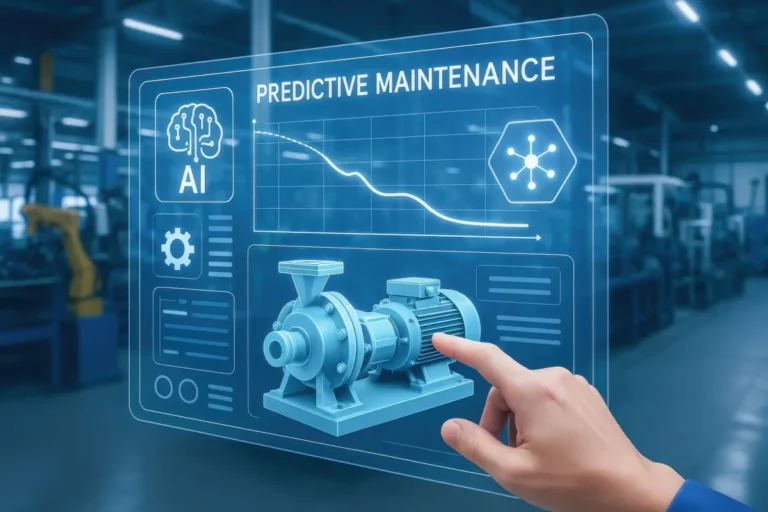
- Monitor Performance: Keep an eye on how your smart technology is performing. Are your appliances running smoothly? Is your software working as expected? If you notice any issues, address them right away. The sooner you catch a problem, the easier it is to fix.
- Train New Staff: As your staff changes, make sure you’re training new employees on how to use your smart technology. Don’t assume they’ll figure it out on their own. Provide them with the resources and support they need to get up to speed.
- Plan for Downtime: No matter how well you maintain your smart technology, there’s always a chance something will go wrong. That’s why it’s important to have a plan in place for downtime. Make sure you have backup systems in place, and that your staff knows what to do if something goes wrong.
Now, I know what you’re thinking: This all sounds like a lot of work. And you’re right, it is. But it’s also necessary. Smart technology is a powerful tool, but it’s not a magic bullet. It requires ongoing care and attention to keep it running smoothly. And if you neglect it, you’re going to run into problems.
But here’s the good news: maintenance doesn’t have to be a chore. In fact, it can be a great opportunity to engage with your staff and make sure everyone is on the same page. For example, you could make maintenance a team effort, with everyone taking responsibility for a different aspect of the process. Or you could use it as an opportunity to train your staff on new features or tools. The key is to make it a priority, and to stay on top of it.
Oh, and one more thing: don’t forget about warranties and support. Most smart appliances and software come with warranties or support plans. Make sure you’re taking advantage of these resources, and that you’re keeping your systems covered. The last thing you want is to be left high and dry if something goes wrong.
Step 8: The Human Element, Balancing Technology and Tradition
Alright, so we’ve talked a lot about the technical side of integrating smart technology into your commercial kitchen. But now it’s time to talk about something just as important: the human element. Because let’s be real, no matter how advanced your technology is, it’s not going to replace the creativity, intuition, and passion of your staff. And that’s a good thing. The best kitchens are the ones that strike a balance between technology and tradition.
I’ll be honest, this is something I struggle with. I love technology, and I’m always excited to see how it can make our lives easier. But I also love the art of cooking, the creativity, the intuition, the human touch. And I worry that as we embrace more and more technology, we’re losing some of that magic. So, how do you strike the right balance?
First, let’s talk about why the human element is so important. Cooking isn’t just about following a recipe or hitting the right temperature. It’s about creativity, intuition, and passion. It’s about understanding the nuances of flavor, texture, and presentation. And it’s about connecting with your customers and creating an experience they’ll remember. Technology can help with a lot of things, but it can’t replace that human touch.
So, how do you strike the right balance? Here are a few tips:
- Use Technology to Enhance, Not Replace: The goal of smart technology isn’t to replace your staff, it’s to make their jobs easier. Use technology to handle the repetitive, time-consuming tasks, so your staff can focus on the things that matter most: creativity, customer service, and quality.
- Encourage Creativity: Just because you’re using smart technology doesn’t mean you have to sacrifice creativity. In fact, technology can be a great tool for experimentation. Use it to test new recipes, try out new techniques, and push the boundaries of what’s possible.
- Foster a Culture of Learning: The best kitchens are the ones that embrace a culture of learning. Encourage your staff to experiment with new tools and techniques, and make sure they have the resources and support they need to grow. The more they learn, the more they’ll be able to bring to the table.
- Don’t Forget the Basics: No matter how advanced your technology is, don’t forget the basics. Cooking is still an art, and it’s important to master the fundamentals. Make sure your staff is trained in the basics of cooking, and that they understand the principles behind the technology they’re using.
- Connect with Your Customers: Technology can help you streamline your operations, but it can’t replace the connection you have with your customers. Make sure you’re using technology to enhance that connection, not replace it. Use it to gather feedback, personalize the experience, and create a memorable dining experience.
I’ll be honest, this is something I’m still figuring out. It’s easy to get caught up in the excitement of new technology, and to forget about the human element. But the best kitchens are the ones that strike the right balance. They use technology to enhance their operations, but they never lose sight of what makes cooking special: the creativity, the passion, and the human touch.
So, as you’re integrating smart technology into your kitchen, don’t forget to think about the human element. How can you use technology to enhance your staff’s creativity? How can you foster a culture of learning and experimentation? And how can you use technology to create a better experience for your customers? These are the questions that will help you strike the right balance.
Step 9: The Future of Smart Kitchens, What’s Next?
Alright, so we’ve covered a lot of ground. We’ve talked about everything from assessing your needs to training your staff to striking the right balance between technology and tradition. But now it’s time to look ahead. What’s next for smart kitchens? What new technologies are on the horizon, and how can you prepare for them?
I’ll be honest, the future of smart kitchens is both exciting and a little overwhelming. There’s so much innovation happening in this space, and it’s hard to keep up. But if you want to stay ahead of the curve, it’s important to keep an eye on the trends and think about how they might impact your kitchen. So, let’s take a look at what’s coming down the pipeline:
- Artificial Intelligence (AI): AI is already making its way into commercial kitchens, and it’s only going to become more prevalent. AI can help with everything from menu planning to inventory management to customer service. For example, AI-powered chatbots can handle customer inquiries, while AI-driven analytics can help you make smarter decisions about your business. And in the kitchen, AI can help with everything from recipe development to quality control.
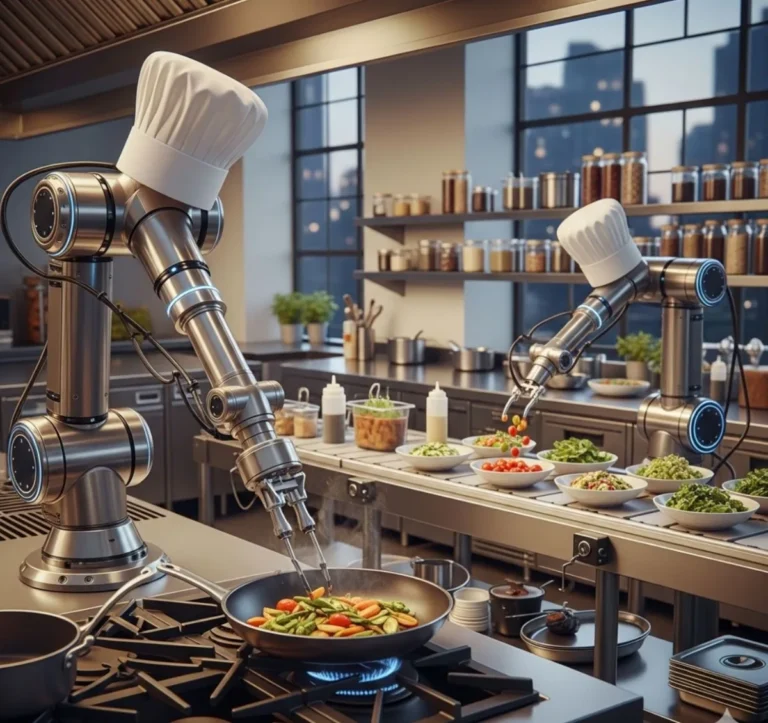
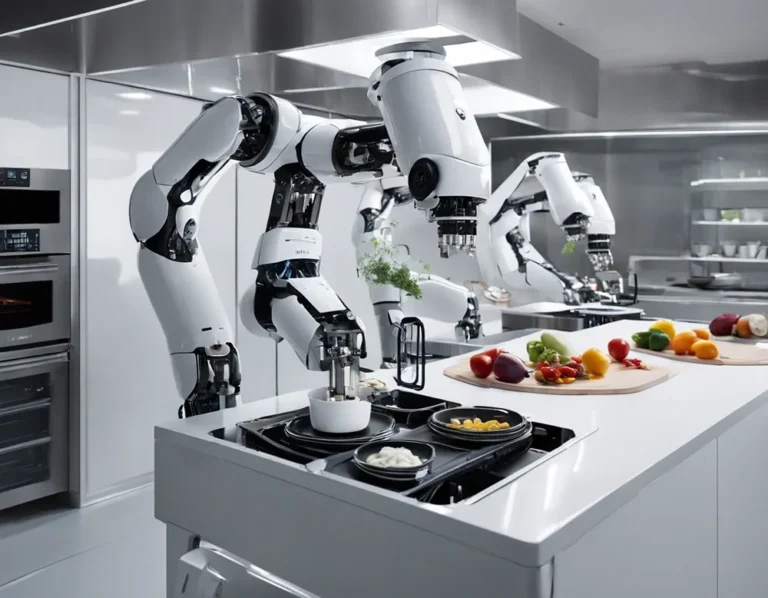
- Robotics: Robotics is another area that’s seeing a lot of innovation. From automated cooking stations to robotic arms that can handle repetitive tasks, robotics has the potential to revolutionize the way we cook. And while it’s still early days, we’re already seeing some exciting developments in this space. For example, there are robots that can flip burgers, assemble pizzas, and even make sushi. And as the technology improves, we’re likely to see even more applications in the kitchen.
- Internet of Things (IoT): The Internet of Things (IoT) is all about connecting devices and systems to the internet, so they can communicate with each other. In the kitchen, this could mean everything from smart appliances that can be controlled remotely to inventory systems that automatically reorder supplies. And as more and more devices become connected, the possibilities are endless.
- Augmented Reality (AR): Augmented reality (AR) is another technology that’s starting to make its way into commercial kitchens. AR can help with everything from training to recipe development to quality control. For example, AR glasses can provide real-time instructions to chefs, while AR apps can help customers visualize their meals before they order. And as the technology improves, we’re likely to see even more applications in the kitchen.
- Sustainability: Sustainability is a big trend in the food industry, and it’s only going to become more important. Smart technology can help with everything from reducing food waste to optimizing energy usage to sourcing ingredients more sustainably. And as consumers become more conscious of their environmental impact, sustainability is likely to become a key differentiator for restaurants.
Now, I know what you’re thinking: This all sounds great, but how do I prepare for it? And that’s a fair question. The truth is, the future of smart kitchens is still unfolding, and it’s hard to predict exactly what’s going to happen. But there are a few things you can do to stay ahead of the curve:
- Stay Informed: Keep up with the latest trends and developments in smart kitchen technology. Read industry publications, attend trade shows, and talk to other kitchen managers. The more you know, the better prepared you’ll be.
- Be Flexible: The future of smart kitchens is all about adaptability. The more flexible your kitchen is, the easier it will be to integrate new technologies as they emerge. So, think about how you can design your kitchen to be more adaptable. Can you easily swap out appliances? Can you reconfigure your workflow? The more flexible you are, the better prepared you’ll be for the future.
- Invest in Training: As new technologies emerge, it’s important to invest in training for your staff. Make sure they’re up to speed on the latest tools and techniques, and that they’re comfortable using them. The more skilled your staff is, the better prepared you’ll be for the future.
- Think Long-Term: Don’t just think about the here and now. Think about where your kitchen is headed, and how you can position yourself for success in the future. What technologies are likely to have the biggest impact on your business? What trends are you seeing in your industry? The more you think about the future, the better prepared you’ll be.
I’ll be honest, the future of smart kitchens is a little overwhelming. There’s so much innovation happening, and it’s hard to keep up. But it’s also incredibly exciting. The possibilities are endless, and the potential for growth is huge. So, don’t be afraid to embrace the future. Stay informed, be flexible, and invest in your staff. The more prepared you are, the better positioned you’ll be to take advantage of the opportunities that lie ahead.
And who knows? Maybe one day, we’ll look back on today’s smart kitchens and laugh at how primitive they seem. But for now, let’s focus on what we can do today to make our kitchens smarter, more efficient, and more sustainable. The future is coming, and it’s up to us to be ready for it.
Step 10: Putting It All Together, Your Smart Kitchen Roadmap
Alright, so we’ve covered a lot of ground. We’ve talked about everything from assessing your needs to training your staff to preparing for the future. But now it’s time to put it all together. How do you actually go about integrating smart technology into your commercial kitchen? What’s the step-by-step process? And how do you make sure you’re doing it right?
Let me start by saying this: there’s no one-size-fits-all answer. Every kitchen is different, and what works for one might not work for another. But there are some general steps you can follow to make the process as smooth and successful as possible. So, let’s break it down:
- Assess Your Needs: Start by taking a hard look at your kitchen and figuring out what it actually needs. What are your biggest pain points? Where are you wasting the most time or money? What do your staff complain about the most? Make a list of your top priorities, and focus on those first.
- Set Your Goals: Once you’ve assessed your needs, set some clear goals for what you want to achieve. Do you want to reduce food waste? Improve efficiency? Save money on energy costs? The more specific your goals are, the easier it will be to measure your success.
- Research Your Options: Now it’s time to start researching your options. What smart appliances and tools are out there? Which ones are the best fit for your kitchen? What are the pros and cons of each? Don’t be afraid to reach out to other kitchen managers, read reviews, and even bring in a consultant if you’re feeling stuck.
- Start Small: Don’t try to overhaul your entire kitchen at once. Start with one or two appliances or tools, see how they work for you, and then expand from there. This will make the process less overwhelming and more manageable.
- Think About Workflow: As you’re integrating new technology, think about how it’s going to fit into your existing workflow. Will it streamline your operations, or will it create new bottlenecks? Make sure you’re thinking about the big picture, and not just the individual tools.
- Train Your Staff: Don’t forget about the human element. Make sure your staff is trained and ready to use the new technology. Provide them with the resources and support they need to get up to speed, and encourage them to ask questions.
- Monitor and Adjust: Once your new technology is up and running, keep an eye on how it’s performing. Are you seeing the results you expected? Are there any issues or bottlenecks? Don’t be afraid to make adjustments as you go.
- Maintain and Upkeep: Smart technology isn’t set-it-and-forget-it. Make sure you’re providing ongoing maintenance and support to keep your systems running smoothly. This could be anything from regular software updates to staff training to equipment maintenance.
- Analyze Your Data: One of the biggest benefits of smart technology is the data it provides. Make sure you’re using that data to make smarter decisions about your business. Track your sales, monitor your inventory, and analyze your energy usage. The more you know, the better decisions you’ll make.
- Plan for the Future: Finally, don’t forget to think about the future. What new technologies are on the horizon? How can you prepare for them? Stay informed, be flexible, and invest in your staff. The more prepared you are, the better positioned you’ll be for success.
I’ll be honest, integrating smart technology into your commercial kitchen isn’t always easy. It takes time, effort, and patience. But if you approach it with intention and a clear plan, it can be a game-changer. So, don’t be afraid to dive in. Start small, see what works, and build from there. The future of your kitchen is in your hands.
And remember, you don’t have to do this alone. Talk to other kitchen managers, read reviews, and maybe even bring in a consultant if you’re feeling stuck. The more information you have, the better decisions you’ll make. And who knows? Maybe one day, you’ll walk into your kitchen and feel the same sense of awe that I did that first time I saw a smart kitchen in action. The future is here, and it’s up to us to embrace it.
Conclusion: The Smart Kitchen Revolution Is Here, Are You Ready?
So, there you have it. A step-by-step guide to integrating smart technology into your modern commercial kitchen. It’s a lot to take in, I know. But here’s the thing: the smart kitchen revolution isn’t coming, it’s already here. And if you want to stay competitive, you need to be ready for it.
I’ll be honest, I’m torn. On one hand, I’m excited about the possibilities. Smart technology has the potential to make our kitchens more efficient, more sustainable, and more profitable. It can help us reduce food waste, save money on energy costs, and create a better experience for our customers. And let’s be real, who doesn’t want that?
But on the other hand, I’m a little nervous. I worry that as we embrace more and more technology, we’re losing some of the magic that makes cooking special. The creativity, the intuition, the human touch. And I worry that we’re becoming too reliant on machines, and not enough on our own skills and instincts.
But here’s the thing: it doesn’t have to be an either/or. The best kitchens are the ones that strike a balance between technology and tradition. They use smart technology to enhance their operations, but they never lose sight of what makes cooking special. And that’s the key.
So, as you’re integrating smart technology into your kitchen, don’t forget about the human element. Use technology to handle the repetitive, time-consuming tasks, so your staff can focus on the things that matter most: creativity, customer service, and quality. And don’t be afraid to experiment. Try new tools, test new techniques, and push the boundaries of what’s possible. The more you embrace the future, the better prepared you’ll be for it.
And who knows? Maybe one day, we’ll look back on today’s kitchens and laugh at how primitive they seem. But for now, let’s focus on what we can do today to make our kitchens smarter, more efficient, and more sustainable. The future is here, and it’s up to us to embrace it.
So, are you ready? The smart kitchen revolution is here, and it’s time to get on board. Start small, see what works, and build from there. The future of your kitchen is in your hands.
FAQ
Q: What’s the first step in integrating smart technology into a commercial kitchen?
A: The first step is to assess your kitchen’s needs. Take a hard look at your operations and identify your biggest pain points, whether it’s food waste, inefficiency, high energy costs, or something else. Once you know what problems you’re trying to solve, you can start looking for the right smart technology to address them. Don’t just jump on the latest gadgets; focus on what will actually make a difference in your kitchen.
Q: How much does it cost to integrate smart technology into a commercial kitchen?
A: The cost can vary widely depending on the size of your kitchen and the technologies you choose. Smart appliances and systems can be expensive upfront, but they often pay for themselves over time through savings on energy, labor, and food waste. Start small with a few key upgrades, like a smart oven or inventory management system, and scale from there. Many suppliers also offer financing options or leasing programs to make the investment more manageable.
Q: Will smart technology replace kitchen staff?
A: No, smart technology isn’t about replacing staff, it’s about making their jobs easier and more efficient. Automation can handle repetitive tasks like temperature monitoring or inventory tracking, freeing up your team to focus on creativity, customer service, and quality. The best kitchens use technology to enhance their operations, not replace the human touch that makes cooking special. Training your staff to use these tools effectively is key to getting the most out of your investment.
Q: How do I ensure my smart kitchen systems are secure?
A: Security is a critical consideration when integrating smart technology. Start by choosing reputable suppliers with strong security protocols, such as encryption and regular software updates. Make sure your Wi-Fi network is secure, and use strong, unique passwords for all your devices. Train your staff on best practices for cybersecurity, like recognizing phishing attempts and avoiding unauthorized access. Regularly monitor your systems for any unusual activity, and have a plan in place for responding to potential breaches.
@article{how-to-integrate-smart-technology-into-modern-commercial-kitchens-a-practical-guide-for-the-digital-age,
    title   = {How to Integrate Smart Technology into Modern Commercial Kitchens: A Practical Guide for the Digital Age},
    author  = {Chef's icon},
    year    = {2026},
    journal = {Chef's Icon},
    url     = {https://chefsicon.com/how-to-integrate-smart-technology-modern-commercial-kitchens/}
}