The Best Fluffy Pancakes recipe you will fall in love with. Full of tips and tricks to help you make the best pancakes.
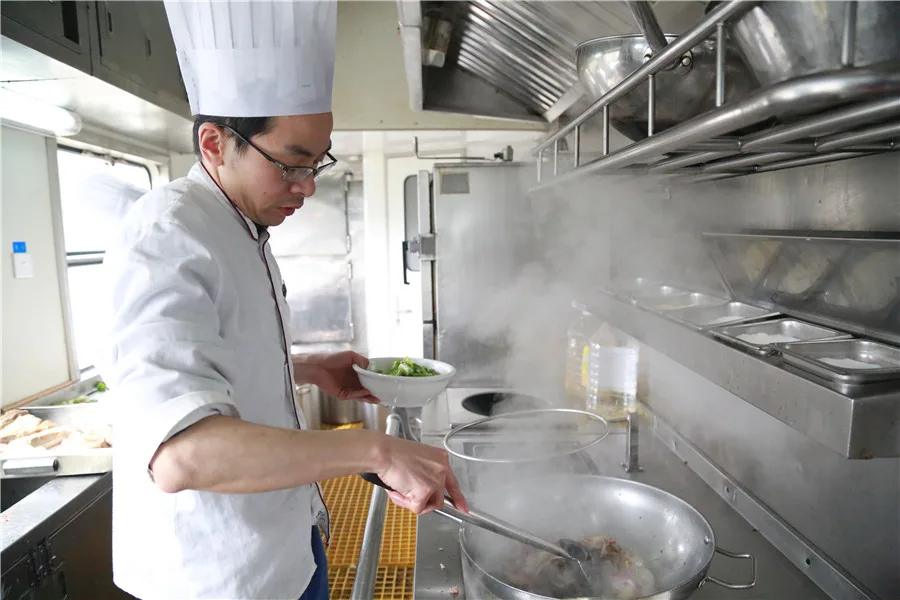
How to Train Staff on Kitchen Hood Safety Protocols Without Losing Your Mind (or Your Restaurant)
Let me tell you about the time I almost set my first commercial kitchen on fire. It was 2018, and I was helping a friend open a small BBQ joint in East Nashville. We were doing a test run with the smoker, the grill, and every burner on the line cranked to eleven. About an hour in, I noticed the hood system wasn’t pulling smoke like it should. My first thought? “Eh, it’s probably fine.” My second thought came about 20 minutes later when the fire suppression system triggered, dousing our entire line in wet chemical extinguisher foam. The health inspector happened to walk in during the cleanup. That was the day I learned two things: 1) never ignore hood safety, and 2) training staff on this stuff isn’t optional, it’s survival.
If you’re reading this, you probably already know that kitchen hood safety protocols aren’t just another box to check for compliance. They’re the difference between a smooth service and a disaster that could shut your doors for good. But here’s the thing, most training programs treat this topic like a dry manual you hand to new hires and never discuss again. That’s not how people learn. We retain information when it’s engaging, relevant, and, let’s be honest, a little bit dramatic. So how do you train your staff on hood safety in a way that actually sticks? That’s what we’re diving into today. By the end of this, you’ll have a clear roadmap to turn your team into hood safety pros, whether you’re running a food truck, a full-service restaurant, or a high-volume catering operation.
We’ll cover everything from the basics of how hood systems work to hands-on drills, common mistakes (and how to avoid them), and even how to make this training feel less like a chore and more like a team-building exercise. Because let’s face it, if your staff tunes out during training, they’re not just risking a failed inspection. They’re risking their safety, your equipment, and your business. So grab a coffee (or something stronger), and let’s get into it.
Why Kitchen Hood Safety Training Feels Like Pulling Teeth (And How to Fix It)
Before we jump into the “how,” let’s talk about the “why”-specifically, why this training often feels like a slog. I’ve sat through my fair share of safety meetings where the instructor reads from a PowerPoint like they’re narrating a bedtime story. Eyes glaze over. Phones come out. Someone in the back starts doodling on their notepad. It’s not that your staff doesn’t care; it’s that most training programs are designed to check a box, not to actually teach.
Here’s the problem: kitchen hood safety protocols aren’t intuitive. Unlike, say, learning how to properly season a cast-iron skillet, hood systems involve hidden components, ductwork, grease traps, fire suppression systems, that most staff never see or interact with directly. And when something’s out of sight, it’s also out of mind. That’s why your training needs to do two things:
- Make the invisible visible. Your staff needs to understand how the system works at a basic level, not just memorize a list of dos and don’ts.
- Connect the dots between their actions and the consequences. If they skip cleaning the grease filters, what actually happens? Spoiler: it’s not just a fine from the health department.
I’m torn between starting with the technical stuff (how hood systems work) or jumping straight into hands-on training. On one hand, understanding the mechanics makes the rules make sense. On the other, people learn by doing. Maybe I should clarify: we’ll do both, but we’ll start with the “why” before the “how.” Because if your staff doesn’t buy into the importance of this, no amount of training will stick.
So let’s start with the basics. What even is a kitchen hood system, and why should anyone care?
1. The Anatomy of a Kitchen Hood System: More Than Just a Fancy Fan
If you asked your average line cook to describe a kitchen hood system, they’d probably say something like, “It’s that big metal thing over the grill that sucks up smoke.” And they wouldn’t be wrong, but they’d also be missing about 90% of the story. A commercial kitchen hood system is a complex network of components designed to do three things:
- Capture smoke, grease, and heat at the source (the hood itself).
- Contain and transport those contaminants through ductwork.
- Clean the air before releasing it outside (via filters, grease traps, and sometimes UV or electrostatic precipitators).
Here’s where things get tricky. Most staff only interact with the hood itself, the part they can see. But the real action (and the real danger) happens in the parts they can’t see. Let’s break it down:
- The Hood: This is the visible part, usually made of stainless steel, that sits over your cooking equipment. It’s designed to capture rising heat, smoke, and grease-laden vapors. Some hoods are “Type I,” which means they’re designed for grease-producing equipment (like grills, fryers, and ranges), while “Type II” hoods are for non-grease equipment (like ovens or steamers). If you’re running a full-service kitchen, you’re probably dealing with Type I hoods.
- Grease Filters: These are usually removable metal filters that sit inside the hood. Their job is to trap grease particles before they can enter the ductwork. Over time, these filters get clogged, and when they do, they become a fire hazard. More on that later.
- Ductwork: This is the hidden network of pipes that carries air from the hood to the outside. In most commercial kitchens, the ductwork is made of stainless steel and is designed to be airtight. But if grease builds up inside (which it will, no matter how good your filters are), it becomes a flammable highway for fires to spread.
- Exhaust Fan: This is the workhorse of the system. It creates negative pressure to pull air through the hood, filters, and ductwork. If the fan fails, the whole system fails, and that’s when you start seeing smoke billowing into your dining room.
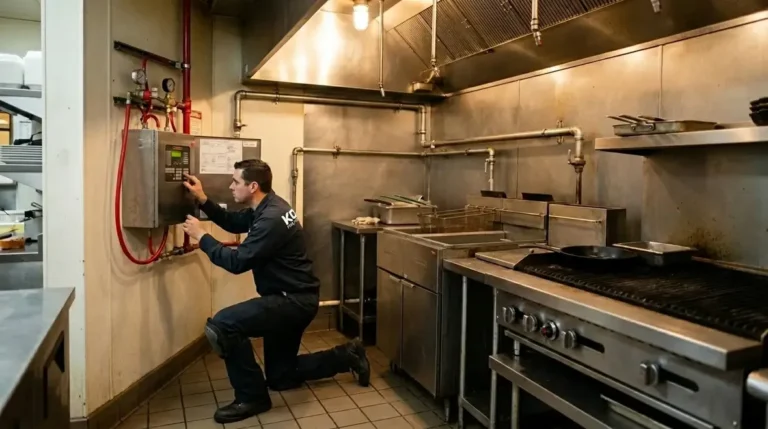
- Fire Suppression System: This is your last line of defense. Most commercial kitchens have an automatic fire suppression system (like Ansul or Amerex) that’s triggered by heat or flames. These systems usually release wet chemicals to smother the fire, but they also shut off the gas or electricity to the cooking equipment. If your staff doesn’t know how this works, they won’t know how to respond when it goes off.
- Makeup Air System: This is the unsung hero of the operation. As your exhaust fan pulls air out of the kitchen, the makeup air system brings in fresh air to replace it. Without this, your kitchen can become a vacuum, making it harder to open doors and even causing backdrafts where flames shoot out of equipment.
Now, I know what you’re thinking: “Do my staff really need to know all this?” The short answer is yes. The long answer is that if they don’t understand how the system works, they won’t understand why the rules matter. And if they don’t understand why the rules matter, they’ll cut corners. And cutting corners with hood safety is like playing Russian roulette with your restaurant.
Is this the best approach? Let’s consider: maybe I should start with a real-world scenario instead of a technical breakdown. Like the time I saw a line cook at a busy diner try to “fix” a clogged grease filter by hitting it with a spatula. (Spoiler: it did not work. The filter flew off, grease splattered everywhere, and the cook ended up with second-degree burns.) But no, I think the technical stuff sets the foundation. We’ll get to the stories later, they’re way more fun.
2. The Biggest Hood Safety Mistakes (And How to Avoid Them)
Alright, let’s talk about the things your staff is probably doing wrong right now. I’ve worked in, consulted for, or eaten in enough restaurants to see these mistakes over and over again. Some of them are harmless until they’re not. Others are ticking time bombs. Here are the most common ones:
- Skipping Filter Cleaning: This is the big one. Grease filters are supposed to be cleaned daily (or at least weekly, depending on your volume). But let’s be real, when the dinner rush is in full swing and the tickets are piling up, the last thing anyone wants to do is stop and scrub filters. So they don’t. And then the grease builds up. And then the filters get clogged. And then the hood can’t do its job, so smoke starts filling the kitchen. And then someone turns up the fan speed to compensate, which just pulls more grease into the ductwork. It’s a vicious cycle, and it’s how fires start.
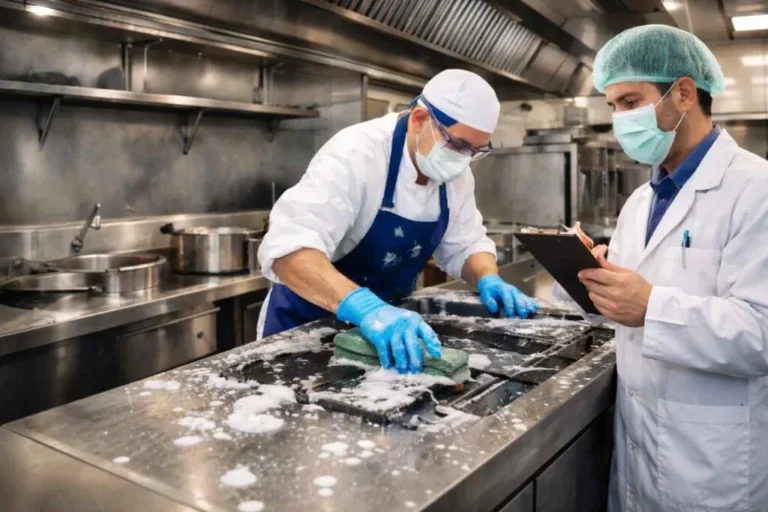
- Using the Wrong Cleaning Methods: Not all cleaning methods are created equal. I’ve seen staff try to clean grease filters with steel wool (bad idea, it can damage the mesh), dish soap (not strong enough), or even a pressure washer (which just pushes grease deeper into the filter). The right way? Soak the filters in a degreaser (like Simple Green or a commercial kitchen degreaser) for at least 30 minutes, then scrub with a non-abrasive brush. Some kitchens even have a dedicated filter washing station with a sink and degreaser on hand.
- Ignoring the Ductwork: Out of sight, out of mind. Most staff never think about the ductwork until there’s a problem. But grease buildup in the ducts is one of the leading causes of kitchen fires. In fact, according to the National Fire Protection Association (NFPA), nearly one in five restaurant fires starts in the ductwork. The solution? Regular professional cleanings. Most jurisdictions require ductwork to be cleaned every 3-6 months, depending on your volume. But even if your local code doesn’t require it, you should. It’s not just about safety, it’s about efficiency. A clean duct system means better airflow, which means your hood works better and your kitchen stays cooler.
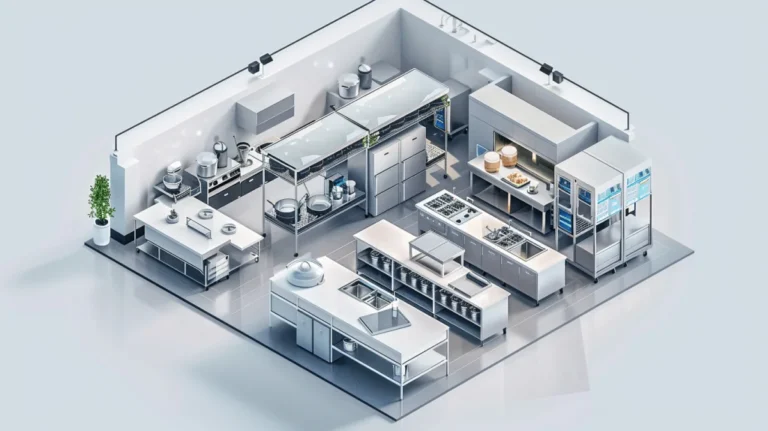
- Blocking the Hood: This one drives me crazy. I’ve seen cooks stack boxes, cutting boards, or even pots and pans on top of the hood because they’re running out of space. But blocking the hood reduces its efficiency and can even cause grease to drip back onto the cooking equipment. It’s a fire hazard and a health code violation. The rule is simple: keep the area around the hood clear. If your staff is constantly running out of space, it might be time to rethink your kitchen layout. (More on that later.)
- Turning Off the Exhaust Fan: This usually happens for one of two reasons: either the fan is too loud, or someone thinks it’s wasting energy. But turning off the fan is like turning off your car’s brakes because you’re worried about brake pads wearing out. The fan is what keeps the air moving and the grease contained. If it’s off, you’re basically inviting a grease fire to the party.
- Not Testing the Fire Suppression System: Most fire suppression systems have a manual pull station that your staff should know how to use. But if they’ve never tested it, they won’t know what to do in an emergency. Worse, if the system isn’t maintained, it might not work when you need it. Regular inspections are a must, but your staff should also know how to manually trigger the system and what happens when they do.
- Using the Wrong Equipment Under the Hood: Not all cooking equipment is created equal. Some hoods are designed for specific types of equipment, like fryers or grills. If you put the wrong equipment under a hood, it might not capture the grease and smoke effectively. For example, a hood designed for a range might not work well for a wok station, which produces a lot more smoke and grease. If you’re adding new equipment to your kitchen, it’s worth consulting with a supplier like Chef’s Deal to make sure your hood system can handle it. They offer free kitchen design services and can help you figure out if your current setup is up to the task.
So how do you get your staff to stop making these mistakes? It starts with training, but it doesn’t end there. You also need to create a culture where safety isn’t just a priority, it’s a habit. That means making hood safety part of your daily routine, not just something you talk about once a year during a safety meeting. We’ll get into how to do that later. But first, let’s talk about how to structure your training program.
3. Structuring Your Training Program: From Zero to Hero in 5 Steps
Alright, let’s get into the nitty-gritty of how to actually train your staff. I’ve seen a lot of training programs over the years, and the ones that work aren’t the ones with the fanciest PowerPoints or the most expensive videos. They’re the ones that are hands-on, repetitive, and, most importantly, relevant to your staff’s daily work. Here’s how to structure yours:
Step 1: Start with the “Why”
Before you dive into the “how,” you need to sell your staff on the “why.” And I don’t mean just saying, “Because it’s the law.” You need to make it personal. Talk about what happens when things go wrong. Show them pictures of kitchen fires (there are plenty online). Tell them stories about restaurants that had to close because of a grease fire. Make it real. Here’s a script you can use:
“Imagine you’re in the middle of a busy Saturday night. The tickets are piling up, the grill is cranking, and the fryers are going nonstop. Suddenly, you notice smoke starting to fill the kitchen. You look up, and the hood isn’t pulling it in like it should. You turn up the fan, but it’s too late, the grease in the ductwork has caught fire. The fire suppression system triggers, dousing the line in wet chemicals. The gas shuts off, the electricity cuts out, and now you’ve got a kitchen full of smoke, a dining room full of panicked customers, and a line that’s going to be down for hours. And that’s if you’re lucky. If the fire spreads, you could lose the whole restaurant. This isn’t a hypothetical, it happens every day. And most of the time, it’s preventable. That’s why we’re doing this training.”
See the difference? It’s not about rules, it’s about consequences. And consequences are way more motivating than rules.
Step 2: Break It Down into Bite-Sized Chunks
You can’t dump all this information on your staff at once. They’ll tune out. Instead, break it down into smaller sessions. Here’s a sample schedule:
- Day 1: The Basics – How the hood system works, why it’s important, and the biggest mistakes to avoid.
- Day 2: Daily Maintenance – How to clean grease filters, check the exhaust fan, and inspect the hood for blockages.
- Day 3: Fire Safety – How the fire suppression system works, how to manually trigger it, and what to do in case of a fire.
- Day 4: Hands-On Drills – Simulated emergencies, filter cleaning practice, and fire suppression system testing.
- Day 5: Quiz and Review – A short quiz to reinforce what they’ve learned, followed by a Q&A session.
Each session should be no longer than 30-45 minutes. Any longer, and you’ll lose their attention. And mix up the format, some slides, some videos, some hands-on practice. Keep it engaging.
Step 3: Make It Hands-On
People learn by doing. So don’t just tell your staff how to clean grease filters, show them, then have them do it themselves. Same with testing the fire suppression system. Here’s how to structure a hands-on session:
- Demonstrate: Show them how to remove the grease filters, soak them in degreaser, scrub them, and reinstall them. Point out the key things to look for, like tears in the mesh or excessive grease buildup.
- Supervise: Have them do it themselves while you watch. Offer feedback and correct any mistakes.
- Test: Once they’ve done it a few times, have them do it without supervision. Time them to see how long it takes, and check their work for thoroughness.
- Repeat: Make this a regular part of their routine. The more they do it, the more natural it will feel.
Same goes for the fire suppression system. Show them where the manual pull station is, explain how it works, and then have them practice pulling it (with the system disabled, of course). Walk them through what happens when the system triggers, the gas shuts off, the chemicals release, the alarms go off. Make sure they know what to do next: evacuate the kitchen, call 911, and don’t try to be a hero.
Step 4: Reinforce with Repetition
Training isn’t a one-and-done thing. It’s a habit. And habits take time to form. Here’s how to reinforce what your staff has learned:
- Daily Checks: Make hood safety part of your opening and closing checklists. Before service starts, have someone check the grease filters, the exhaust fan, and the area around the hood for blockages. At the end of the night, have them clean the filters and wipe down the hood.
- Weekly Drills: Once a week, run a quick fire drill. Have someone pull the manual pull station (again, with the system disabled) and walk through the steps of what to do next. Time it to see how long it takes for everyone to evacuate.
- Monthly Reviews: Once a month, gather the team for a quick refresher. Go over the basics, answer any questions, and address any issues that have come up. This is also a good time to update your training materials if you’ve made any changes to your equipment or procedures.
- Quarterly Professional Cleanings: Schedule a professional duct cleaning every 3-6 months (depending on your volume). Have your staff observe the process so they can see what’s happening inside the ductwork. It’s a great way to drive home the importance of regular maintenance.
Step 5: Make It Part of Your Culture
This is the hardest part, but it’s also the most important. You can have the best training program in the world, but if your staff doesn’t buy into the culture of safety, they’ll cut corners. Here’s how to make hood safety a habit, not just a rule:
- Lead by Example: If your managers and chefs don’t take hood safety seriously, neither will your staff. Make sure your leadership team is following the same protocols and reinforcing the importance of safety.
- Recognize Good Behavior: When you see someone doing something right, like cleaning the grease filters without being asked, call it out. A little recognition goes a long way.
- Address Mistakes Immediately: If you see someone skipping a step or cutting corners, don’t wait to address it. Pull them aside and remind them why it’s important. And if it happens repeatedly, consider additional training or even disciplinary action.
- Make It Fun: Yes, really. Hood safety doesn’t have to be boring. Turn it into a competition, who can clean the grease filters the fastest? Who can spot the most potential hazards in the kitchen? Offer small rewards, like a gift card or a free shift drink.
- Keep It Visible: Post reminders around the kitchen, near the hood, in the break room, by the time clock. Use simple, clear language and eye-catching graphics. The more they see it, the more it will stick.
I’m torn between making this sound too corporate or too casual. Maybe I should clarify: the goal isn’t to turn your kitchen into a safety-obsessed bureaucracy. It’s to make hood safety feel like second nature, the way washing your hands after using the bathroom feels like second nature. You don’t think about it, you just do it. That’s the level of habit you want to create.
4. The Tools of the Trade: What You’ll Need for Effective Training
You can’t train your staff without the right tools. Here’s what you’ll need to make your hood safety training effective:
- Training Manual: This doesn’t have to be fancy. A simple PDF or printed booklet with the key points, step-by-step instructions, and some photos or diagrams will do. You can find templates online, or you can create your own. Just make sure it’s easy to read and understand. And update it regularly, if you change your equipment or procedures, your manual should reflect that.
- Videos: Sometimes, seeing is better than reading. There are plenty of free videos online that demonstrate how to clean grease filters, test fire suppression systems, and inspect hoods for blockages. You can also create your own, just grab your phone, record a quick demo, and share it with your staff. (Pro tip: YouTube is a goldmine for this stuff. Search for “kitchen hood safety training” and you’ll find plenty of options.)
- Checklists: Checklists are your best friend. They take the guesswork out of daily maintenance and make it easy for your staff to know what to do and when. Create checklists for opening and closing procedures, weekly inspections, and monthly reviews. Post them in the kitchen where everyone can see them, and make sure your staff knows where to find them.
- Cleaning Supplies: You can’t clean grease filters without the right supplies. Stock up on degreaser (like Simple Green or a commercial kitchen degreaser), non-abrasive brushes, and gloves. Some kitchens even have a dedicated filter washing station with a sink and degreaser on hand. If you’re not sure what to use, ask your hood system supplier or a company like Chef’s Deal. They offer expert consultation and support and can help you figure out the best products for your setup.
- Fire Extinguishers: Every kitchen should have fire extinguishers on hand, and your staff should know how to use them. Make sure they’re the right type for kitchen fires (Class K extinguishers are designed for grease fires). And don’t just hang them on the wall, train your staff on how to use them. A fire extinguisher is useless if no one knows how to operate it.
- First Aid Kit: Accidents happen. Make sure you have a well-stocked first aid kit on hand, and that your staff knows where to find it. Include burn gel, bandages, and any other supplies you might need in case of a minor injury.
- Safety Signs: Post safety signs around the kitchen to remind your staff of the key protocols. Use simple, clear language and eye-catching graphics. Some ideas:
- “Clean grease filters daily.”
- “Keep the area around the hood clear.”
- “Test the fire suppression system monthly.”
- “In case of fire, pull the manual pull station and evacuate.”
- Professional Cleaning Services: You can’t do it all yourself. Schedule regular professional cleanings for your ductwork and hood system. Most jurisdictions require this every 3-6 months, but even if yours doesn’t, it’s a good idea. A clean duct system is a safe duct system. And when the professionals come in, have your staff observe the process. It’s a great way to drive home the importance of regular maintenance.
Now, I know what you’re thinking: “This sounds expensive.” And yeah, some of it is. But compare that to the cost of a fire, a failed inspection, or, worst of all, a life. It’s not even close. Think of it as an investment in your business, your staff, and your peace of mind.
5. Hands-On Training: How to Run Effective Drills and Simulations
Alright, let’s get into the fun part, hands-on training. This is where the rubber meets the road. You can talk about hood safety all day, but if your staff doesn’t know what to do in an emergency, it’s all for nothing. Here’s how to run effective drills and simulations:
Fire Drills
Fire drills aren’t just for schools and office buildings. They’re a critical part of kitchen safety training. Here’s how to run one:
- Plan Ahead: Let your staff know you’ll be running a drill, but don’t tell them when. The element of surprise will make it more realistic.
- Set the Scene: Have someone pull the manual pull station (with the system disabled) to trigger the fire suppression system. This will shut off the gas and electricity to the cooking equipment and release the wet chemicals. (Make sure you’ve disabled the system first, you don’t want to actually douse your kitchen in chemicals.)
- Evacuate: Have your staff practice evacuating the kitchen. Time it to see how long it takes. The goal is to get everyone out in under 30 seconds.
- Debrief: After the drill, gather everyone and talk about what went well and what could be improved. Did everyone know where to go? Did anyone panic? What would they do differently next time?
- Repeat: Run these drills regularly, at least once a month. The more you practice, the more natural it will feel.
Grease Filter Cleaning Drills
Cleaning grease filters is one of the most important (and most overlooked) parts of hood safety. Here’s how to make it a habit:
- Demonstrate: Show your staff how to remove the filters, soak them in degreaser, scrub them, and reinstall them. Point out the key things to look for, like tears in the mesh or excessive grease buildup.
- Supervise: Have them do it themselves while you watch. Offer feedback and correct any mistakes.
- Time Them: Once they’ve done it a few times, time them to see how long it takes. The goal is to get it done in under 10 minutes.
- Inspect Their Work: After they’ve cleaned the filters, inspect them to make sure they’re really clean. If they’re not, have them do it again.
- Make It a Competition: Turn it into a game, who can clean the filters the fastest? Who can spot the most potential hazards? Offer small rewards, like a gift card or a free shift drink.
Hood Inspection Drills
Regular hood inspections are key to catching problems before they become disasters. Here’s how to train your staff to do them:
- Create a Checklist: Make a list of everything they should check during an inspection, like:
- Are the grease filters clean and properly installed?
- Is the exhaust fan working?
- Is the area around the hood clear?
- Are there any signs of grease buildup on the hood or ductwork?
- Is the fire suppression system in working order?
I’m not sure if this is too much detail or not enough. Maybe I should clarify: the key is to make these drills feel real. If your staff thinks it’s just a game, they won’t take it seriously. But if they know it’s practice for a real emergency, they’ll pay attention. And the more you practice, the more confident they’ll feel.
6. Common Training Pitfalls (And How to Avoid Them)
Even the best training programs can fall flat if you’re not careful. Here are some common pitfalls and how to avoid them:
- Information Overload: Don’t try to cram everything into one session. Break it down into smaller chunks and spread it out over a few days. And mix up the format, some slides, some videos, some hands-on practice. Keep it engaging.
- Lack of Engagement: If your staff isn’t engaged, they won’t retain the information. Ask questions, encourage discussion, and make it interactive. The more they participate, the more they’ll learn.
- No Hands-On Practice: People learn by doing. Don’t just tell your staff how to clean grease filters, show them, then have them do it themselves. Same with testing the fire suppression system. The more they practice, the more natural it will feel.
- No Reinforcement: Training isn’t a one-and-done thing. You need to reinforce what your staff has learned with regular drills, checklists, and reminders. Make hood safety part of your daily routine, not just something you talk about once a year.
- No Accountability: If your staff knows there are no consequences for skipping steps or cutting corners, they’ll do it. Hold them accountable. If you see someone not following the protocols, address it immediately. And if it happens repeatedly, consider additional training or even disciplinary action.
- No Leadership Buy-In: If your managers and chefs don’t take hood safety seriously, neither will your staff. Make sure your leadership team is following the same protocols and reinforcing the importance of safety.
- No Fun: Let’s be real, hood safety isn’t the most exciting topic. But that doesn’t mean your training has to be boring. Turn it into a game, offer small rewards, and make it interactive. The more fun it is, the more your staff will engage.
Is this the best approach? Let’s consider: maybe I should focus more on the “why” behind these pitfalls. Like, why does information overload happen? Because we’re trying to cover too much at once. Why does lack of engagement happen? Because we’re not making it relevant to our staff’s daily work. The more we understand the “why,” the better we can avoid these mistakes.
7. How to Handle Resistance from Staff
Let’s be real, some of your staff won’t want to participate in this training. They’ll see it as a waste of time, or they’ll think they already know everything. Here’s how to handle it:
- Address Their Concerns: Ask them why they’re resistant. Is it because they think it’s a waste of time? Do they not see the importance? Once you understand their concerns, you can address them directly.
- Make It Relevant: Connect the training to their daily work. Show them how hood safety affects their job, their safety, and the success of the restaurant. The more relevant it is, the more they’ll engage.
- Lead by Example: If your managers and chefs are participating and taking it seriously, your staff will be more likely to follow suit. Make sure your leadership team is setting the right example.
- Offer Incentives: Sometimes, a little motivation goes a long way. Offer small rewards for participation, like a gift card or a free shift drink. Or turn it into a competition, who can clean the grease filters the fastest? Who can spot the most potential hazards?
- Make It Mandatory: At the end of the day, this isn’t optional. Hood safety is a critical part of running a restaurant, and your staff needs to take it seriously. If someone refuses to participate, they’re putting themselves, your customers, and your business at risk. Make it clear that this is non-negotiable.
I’m torn between being too harsh or too lenient. Maybe I should clarify: the goal isn’t to punish your staff, it’s to keep them safe. But if someone is putting themselves or others at risk, you need to address it. And sometimes, that means making tough decisions.
8. Keeping Up with Changes: How to Stay Compliant and Up-to-Date
Hood safety protocols aren’t static. They change over time as new technologies emerge, new regulations are passed, and new best practices are developed. Here’s how to stay up-to-date:
- Stay Informed: Follow industry publications, attend trade shows, and join professional organizations. The more you know, the better prepared you’ll be.
- Consult with Experts: Companies like Chef’s Deal offer expert consultation and support and can help you stay on top of the latest developments. They can also help you figure out if your current setup is up to code and recommend upgrades if needed.
- Review Your Training Materials Regularly: Your training manual, videos, and checklists should be living documents. Update them regularly to reflect any changes in your equipment, procedures, or regulations.
- Attend Training Sessions: Many industry organizations offer training sessions on hood safety and other kitchen safety topics. Encourage your staff to attend, and consider sending a few key team members to get certified.
- Schedule Regular Inspections: Most jurisdictions require regular inspections of your hood system. But even if yours doesn’t, it’s a good idea to schedule them anyway. A professional inspector can catch problems before they become disasters.
- Network with Other Restaurant Owners: Talk to other restaurant owners in your area. What are they doing to stay compliant? What challenges are they facing? The more you share information, the better prepared you’ll be.
Now, I know what you’re thinking: “This sounds like a lot of work.” And yeah, it is. But compare that to the cost of a failed inspection, a fire, or, worst of all, a life. It’s not even close. Think of it as an investment in your business, your staff, and your peace of mind.
9. The Role of Technology in Hood Safety Training
Technology is changing the way we train our staff. From virtual reality simulations to mobile apps, there are more tools than ever to make hood safety training engaging and effective. Here’s how to leverage technology in your training program:
- Virtual Reality (VR) Simulations: VR is becoming more accessible, and it’s a game-changer for safety training. Imagine being able to simulate a kitchen fire in a virtual environment, where your staff can practice evacuating, using a fire extinguisher, and triggering the fire suppression system, all without any real-world risk. Companies like Chef’s Deal are starting to offer smart kitchen systems that integrate with VR training modules, making it easier than ever to bring this technology into your kitchen.
- Mobile Apps: There are plenty of mobile apps designed to help with kitchen safety training. Some offer interactive quizzes, others provide step-by-step guides for cleaning grease filters or inspecting hoods. The best part? Your staff can access them anytime, anywhere. This is especially useful for new hires who need to get up to speed quickly.
- Online Courses: Many industry organizations offer online courses on hood safety and other kitchen safety topics. These courses are usually self-paced, so your staff can complete them on their own time. And they often come with certificates of completion, which can be a great way to track who’s completed the training.
- Digital Checklists: Paper checklists are great, but they can be lost or damaged. Digital checklists, on the other hand, are always accessible and can be updated in real-time. Some even come with reminders and notifications, so your staff never forgets to do their daily inspections.
- Remote Monitoring: Some modern hood systems come with remote monitoring capabilities. This means you can track things like grease buildup, fan speed, and filter cleanliness from your phone or computer. It’s a great way to catch problems before they become disasters. And it’s also a useful training tool, you can show your staff real-time data on how their actions (or inactions) affect the system.
- Augmented Reality (AR): AR is still in its early days, but it has a lot of potential for kitchen safety training. Imagine being able to point your phone at a hood and see a virtual overlay showing you how to clean the grease filters or inspect the ductwork. It’s like having a virtual instructor right there with you.
I’m not sure if this is too futuristic or not. Maybe I should clarify: you don’t need to go all-in on technology to make your training effective. Even something as simple as a mobile app or a digital checklist can make a big difference. The key is to find the tools that work for your staff and your budget.
10. Making Hood Safety Training Stick: Long-Term Strategies
Training isn’t a one-and-done thing. It’s a habit. And habits take time to form. Here’s how to make hood safety training stick in the long run:
- Integrate It into Your Onboarding: Hood safety should be part of your onboarding process for new hires. Don’t wait until they’ve been on the job for a few weeks, start training them on day one. The sooner they learn the protocols, the sooner they’ll become habits.
- Make It Part of Your Daily Routine: Hood safety shouldn’t be something you only talk about during training sessions. It should be part of your daily routine. Include it in your opening and closing checklists, and make it a topic of conversation during pre-shift meetings.
- Lead by Example: If your managers and chefs don’t take hood safety seriously, neither will your staff. Make sure your leadership team is following the same protocols and reinforcing the importance of safety.
- Recognize Good Behavior: When you see someone doing something right, like cleaning the grease filters without being asked, call it out. A little recognition goes a long way.
- Address Mistakes Immediately: If you see someone skipping a step or cutting corners, don’t wait to address it. Pull them aside and remind them why it’s important. And if it happens repeatedly, consider additional training or even disciplinary action.
- Keep It Visible: Post reminders around the kitchen, near the hood, in the break room, by the time clock. Use simple, clear language and eye-catching graphics. The more they see it, the more it will stick.
- Make It Fun: Yes, really. Hood safety doesn’t have to be boring. Turn it into a competition, who can clean the grease filters the fastest? Who can spot the most potential hazards in the kitchen? Offer small rewards, like a gift card or a free shift drink.
- Schedule Regular Refreshers: Even the best training programs can get stale over time. Schedule regular refresher sessions to keep your staff up-to-date on the latest protocols and best practices. And mix up the format, some slides, some videos, some hands-on practice. Keep it engaging.
- Encourage Feedback: Your staff is on the front lines, and they’re the ones who will notice if something isn’t working. Encourage them to speak up if they see a problem or have a suggestion for improvement. The more they feel like they’re part of the process, the more they’ll buy into the culture of safety.
- Celebrate Successes: When your staff does something right, like passing an inspection or preventing a potential hazard, celebrate it. Share the news with the team, and recognize the people who made it happen. The more you celebrate successes, the more your staff will want to be part of them.
I’m not sure if this is too repetitive or not. Maybe I should clarify: the key is to make hood safety feel like second nature. You don’t want your staff to have to think about it, you want it to be as automatic as washing their hands after using the bathroom. That’s the level of habit you want to create.
Putting It All Together: Your Hood Safety Training Action Plan
Alright, let’s wrap this up with a clear, actionable plan. Here’s how to implement everything we’ve talked about:
- Assess Your Current Setup: Take a good look at your hood system. Is it up to code? Are there any potential hazards? If you’re not sure, consider hiring a professional to do an inspection. Companies like Chef’s Deal offer comprehensive kitchen design and equipment solutions and can help you figure out if your current setup is up to the task.
- Develop Your Training Materials: Create a training manual, checklists, and any other materials you’ll need. Keep it simple, clear, and easy to understand. And don’t forget to include plenty of photos and diagrams.
- Schedule Your Training Sessions: Break it down into smaller sessions, and schedule them over the course of a week. Mix up the format, some slides, some videos, some hands-on practice. Keep it engaging.
- Run Hands-On Drills: Practice makes perfect. Run fire drills, grease filter cleaning drills, and hood inspection drills. The more your staff practices, the more confident they’ll feel.
- Reinforce with Repetition: Make hood safety part of your daily routine. Include it in your opening and closing checklists, and schedule regular refresher sessions. The more you reinforce it, the more it will stick.
- Stay Up-to-Date: Hood safety protocols aren’t static. Stay informed about the latest developments, and update your training materials regularly. And don’t forget to schedule regular professional cleanings and inspections.
- Lead by Example: Make sure your leadership team is following the same protocols and reinforcing the importance of safety. The more they lead by example, the more your staff will buy into the culture of safety.
- Celebrate Successes: When your staff does something right, celebrate it. Share the news with the team, and recognize the people who made it happen. The more you celebrate successes, the more your staff will want to be part of them.
So there you have it, a step-by-step guide to training your staff on kitchen hood safety protocols. It’s not rocket science, but it does take time, effort, and a little bit of creativity. But trust me, it’s worth it. Because at the end of the day, hood safety isn’t just about compliance, it’s about keeping your staff safe, your customers happy, and your business running smoothly.
And if you ever find yourself doubting whether it’s all worth it, just remember my little BBQ joint disaster. I learned the hard way that hood safety isn’t optional, it’s survival. Don’t make the same mistake I did. Train your staff, reinforce the protocols, and make safety a habit. Your restaurant (and your sanity) will thank you.
FAQ: Your Kitchen Hood Safety Questions, Answered
Q: How often should we clean our grease filters?
A: Grease filters should be cleaned daily in high-volume kitchens, or at least weekly in lower-volume operations. The more you cook, the more often you should clean them. And don’t just rinse them, soak them in a degreaser, scrub them, and let them dry completely before reinstalling them. Skipping this step is one of the most common causes of kitchen fires.
Q: What’s the difference between a Type I and Type II hood?
A: Type I hoods are designed for grease-producing equipment, like grills, fryers, and ranges. They have grease filters and are usually connected to a fire suppression system. Type II hoods, on the other hand, are designed for non-grease equipment, like ovens or steamers. They don’t have grease filters and aren’t typically connected to a fire suppression system. If you’re running a full-service kitchen, you’re probably dealing with Type I hoods.
Q: How do we know if our hood system is working properly?
A: There are a few signs to look for. First, check the airflow. If smoke isn’t being pulled into the hood like it should, there might be a problem with the exhaust fan or the ductwork. Second, check the grease filters. If they’re clogged or damaged, they won’t be able to do their job. Third, check the area around the hood. If there’s grease buildup on the hood or the walls, it’s a sign that the system isn’t working as well as it should. And finally, schedule regular professional inspections. A professional can catch problems before they become disasters.
Q: What should we do if the fire suppression system goes off?
A: First, don’t panic. The system is designed to shut off the gas and electricity to the cooking equipment and release wet chemicals to smother the fire. Once it’s triggered, evacuate the kitchen immediately and call 911. Do not try to be a hero, let the professionals handle it. After the fire is out, you’ll need to clean up the chemicals and inspect the equipment for damage. And don’t forget to reset the system before you start cooking again.
@article{how-to-train-staff-on-kitchen-hood-safety-protocols-a-step-by-step-guide-for-restaurant-owners,
    title   = {How to Train Staff on Kitchen Hood Safety Protocols: A Step-by-Step Guide for Restaurant Owners},
    author  = {Chef's icon},
    year    = {2026},
    journal = {Chef's Icon},
    url     = {https://chefsicon.com/how-to-train-staff-on-kitchen-hood-safety-protocols/}
}