The Best Fluffy Pancakes recipe you will fall in love with. Full of tips and tricks to help you make the best pancakes.

HVAC Integration for Commercial Kitchens: Why It’s the Secret Sauce You’re Probably Ignoring
Let me tell you about the time I walked into a brand-new, high-end restaurant in Nashville, one of those places with reclaimed wood tables, Edison bulbs, and a menu that made my food-nerd heart flutter. The chef was a friend of a friend, and he’d invited me to check out the space before opening. “It’s gonna be amazing,” he said, gesturing toward the gleaming stainless steel line. “We’ve got the best equipment, the best layout, this place is gonna run like a dream.”
Cut to three months later. I’m back, this time for the soft opening, and the place is a sauna. Not the relaxing kind, the kind where your shirt sticks to your back after two minutes and the hostess looks like she’s considering a career change. The chef, now noticeably less enthusiastic, pulls me aside. “Dude,” he says, voice strained, “we’re melting in here. The AC can’t keep up with the ovens, the hoods are pulling in more air than they should, and half my staff are threatening to quit because it’s 90 degrees in the prep area. What the hell did we do wrong?”
Here’s the thing: HVAC integration for commercial kitchens isn’t just about keeping things cool. It’s about airflow, energy efficiency, staff comfort, and, let’s be real, keeping your kitchen from turning into a health code violation waiting to happen. If you’re designing a commercial kitchen and you’re not thinking about how your HVAC system plays with your equipment, your ventilation, and even your building’s layout, you’re setting yourself up for a world of sweat, frustration, and unexpected costs. And trust me, no one wants to explain to their investors why their “state-of-the-art” kitchen feels like a sauna in July.
In this deep dive, we’re going to break down everything you need to know about HVAC integration for commercial kitchens-from the basics of how these systems work (or don’t work) together, to the nitty-gritty of design considerations, energy efficiency, and even some of the weird, unexpected challenges that pop up when you’re trying to balance air quality, temperature, and the chaos of a busy service. Whether you’re a restaurant owner, a kitchen designer, or just a curious food nerd like me, by the end of this, you’ll have a solid grasp of why this stuff matters, and how to avoid the kind of HVAC nightmare that turns your dream kitchen into a nightmare.
The Basics: What Even Is HVAC Integration in a Commercial Kitchen?
Okay, let’s start with the obvious question: What the heck does “HVAC integration” actually mean in the context of a commercial kitchen? At its core, it’s about making sure your heating, ventilation, and air conditioning (HVAC) system plays nice with the rest of your kitchen’s infrastructure, especially your exhaust hoods, make-up air units, and cooking equipment. But it’s not as simple as slapping an AC unit on the wall and calling it a day. Commercial kitchens are unique beasts, and their HVAC needs are about as straightforward as a Michelin-starred recipe.
First, let’s talk about the three big players in this game:
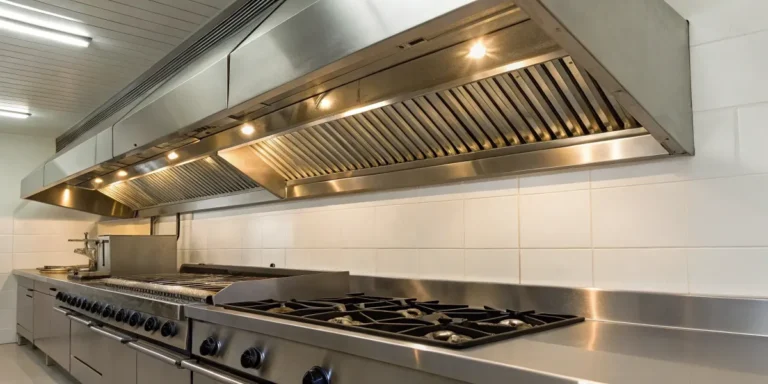
- Exhaust Hoods: These are the workhorses of your kitchen’s ventilation system. They pull out smoke, grease, heat, and all the other delightful byproducts of cooking. But here’s the catch: if your hoods are pulling out too much air without a proper make-up air system to replace it, you’re creating negative pressure in your kitchen. That means doors might slam shut on their own, your burners might struggle to stay lit, and your staff will feel like they’re working in a vacuum, literally.
- Make-Up Air Units: These are the unsung heroes that bring fresh air back into the kitchen to replace what the exhaust hoods are sucking out. If your make-up air isn’t properly balanced with your exhaust, you’re looking at a whole host of problems, from poor air quality to inefficient heating and cooling. And let’s not forget the dreaded backdrafting, where exhaust gases (like carbon monoxide) get pulled back into the kitchen instead of being vented out. Not exactly the kind of ambiance you want for your diners.
- HVAC System: This is your traditional heating and cooling setup, but in a commercial kitchen, it’s not just about keeping the space at a comfortable temperature. It’s about working in tandem with your exhaust and make-up air systems to maintain airflow balance, humidity control, and energy efficiency. If your HVAC is fighting against your exhaust hoods, you’re basically burning money, literally.
So, what does “integration” look like in practice? It’s about designing these systems to work together seamlessly. That means:
- Calculating the right exhaust airflow rates based on your cooking equipment and kitchen layout.
- Ensuring your make-up air system delivers enough fresh air to replace what’s being exhausted, without creating drafts or cold spots.
- Coordinating your HVAC system to handle the sensible and latent heat loads (fancy terms for the heat and moisture your kitchen generates).
- Using controls and automation to adjust airflow and temperature based on real-time conditions, like whether your griddle is cranking at full capacity or just simmering.
Is this starting to sound complicated? Good. Because it is. But here’s the thing: if you don’t get this right, you’re not just dealing with an uncomfortable kitchen. You’re looking at higher energy bills, potential health code violations, and a staff that’s one heatwave away from mutiny. And let’s be real, no one wants to be the chef who has to explain to the health inspector why their kitchen’s carbon monoxide levels are through the roof.
Maybe I should clarify something here. When we talk about HVAC integration, we’re not just talking about the equipment itself. We’re talking about the design process-how these systems are planned, installed, and maintained to work together. It’s like a symphony: if the violins are playing one tune and the brass section is off doing their own thing, you’re not getting music. You’re getting noise. And in a commercial kitchen, noise translates to inefficiency, discomfort, and wasted money.
Why Most Commercial Kitchens Get HVAC Wrong (And How to Avoid Their Mistakes)
Alright, let’s get real for a second. Most commercial kitchens, even the fancy ones, get their HVAC integration wrong. And it’s not because the designers or owners are incompetent. It’s because HVAC is often an afterthought. People get so caught up in the shiny equipment, the layout, the aesthetics, that they forget the invisible stuff, the air, the temperature, the humidity, until it’s too late. By then, you’re dealing with a kitchen that’s either a sauna, a wind tunnel, or a breeding ground for mold. None of which are great for business.
So, what are the most common mistakes? Let’s break them down:
1. Treating HVAC as a Separate System
This is the big one. Too many people think of HVAC as something that’s tacked on at the end of the design process. “Oh, we’ll just put in some AC units and call it a day.” But here’s the problem: your HVAC system doesn’t exist in a vacuum. It’s interacting with your exhaust hoods, your make-up air units, your cooking equipment, and even the layout of your kitchen. If you’re not designing these systems to work together from the get-go, you’re setting yourself up for failure.
For example, let’s say you’ve got a high-volume exhaust hood over your charbroiler. That hood is pulling out a ton of air, air that needs to be replaced. If your make-up air system isn’t up to the task, you’re going to have negative pressure in your kitchen. That means your HVAC system is going to have to work overtime to maintain a comfortable temperature, and you’re going to see your energy bills skyrocket. Worse, that negative pressure can pull in air from wherever it can, like through cracks in the walls, or even from the dining area. Suddenly, your diners are getting a whiff of last night’s fish special. Not exactly the kind of ambiance you’re going for.
I’m torn between frustration and sympathy here. On one hand, it’s easy to see how this happens. HVAC isn’t sexy. It’s not the kind of thing that gets featured in design magazines or Instagram posts. But on the other hand, ignoring it is like building a house without a foundation. It might look great for a while, but eventually, it’s going to come crashing down.
2. Underestimating the Heat Load
Commercial kitchens generate a *lot* of heat. We’re talking BTUs in the hundreds of thousands for even a mid-sized restaurant. And that heat doesn’t just disappear. It has to go somewhere. If your HVAC system isn’t designed to handle that load, you’re going to have a kitchen that’s hotter than the surface of the sun, at least, that’s what it’ll feel like to your staff.
Here’s where things get tricky. There are two types of heat loads you need to consider:
- Sensible Heat: This is the heat you can feel, the kind that raises the temperature of the air. Think of it as the heat coming off your griddle or your ovens.
- Latent Heat: This is the heat that’s tied up in moisture. Every time you boil water, steam something, or even just have a lot of people working in a space, you’re adding latent heat to the air. And here’s the kicker: latent heat doesn’t just make the air feel hotter. It makes it feel *muggier*, which is even worse for comfort (and for your equipment).
Most HVAC systems are designed to handle sensible heat pretty well. But latent heat? That’s where things get messy. If your system isn’t properly sized or configured to handle the moisture load, you’re going to end up with a kitchen that’s not just hot, but also humid. And humid air feels even hotter than dry air at the same temperature. It’s like the difference between a dry sauna and a steam room, one you can tolerate for a while, the other makes you want to run for the hills.
So, how do you avoid this? First, you need to calculate your heat load accurately. That means accounting for all your cooking equipment, the number of staff, the layout of your kitchen, and even things like how often you open the walk-in cooler. Second, you need to make sure your HVAC system is designed to handle both sensible and latent heat. That might mean adding dehumidification to your system, or using a variable refrigerant flow (VRF) system that can adjust its capacity based on the load.
Is this the best approach? Let’s consider: if you’re just throwing a standard HVAC system into a commercial kitchen without accounting for the unique heat and moisture loads, you’re basically setting yourself up for failure. It’s like trying to cool a sauna with a window unit. It’s not going to work, and you’re going to waste a lot of money trying.
3. Ignoring Airflow Balance
Airflow balance is one of those things that sounds boring but is absolutely critical in a commercial kitchen. If your airflow is out of whack, you’re going to have problems, from poor air quality to inefficient heating and cooling, to doors that won’t stay open (or closed).
Here’s the deal: your exhaust hoods are pulling air out of the kitchen. That air has to be replaced, or you’re going to create negative pressure. Negative pressure means your HVAC system has to work harder to maintain a comfortable temperature, and it can also pull in air from wherever it can, like from the dining area, or even from outside through cracks in the walls. That’s not just inefficient; it’s a health code violation waiting to happen.
On the flip side, if you’re bringing in too much make-up air, you’re creating positive pressure. That might sound like a good thing, but it can actually push grease-laden air into areas where it shouldn’t be, like your dining room or your walk-in cooler. It can also make it harder for your exhaust hoods to do their job, because the air is being pushed *into* the hood instead of being pulled *out* of it.
So, how do you achieve airflow balance? It starts with proper system design. That means:
- Calculating the right exhaust airflow rates based on your cooking equipment and kitchen layout.
- Ensuring your make-up air system delivers enough fresh air to replace what’s being exhausted, without creating drafts or cold spots.
- Using dampers and controls to adjust airflow based on real-time conditions, like whether your griddle is cranking at full capacity or just simmering.
It’s not rocket science, but it does require some careful planning. And if you skip this step, you’re going to end up with a kitchen that’s either a wind tunnel or a pressure cooker, neither of which are great for business.
4. Skimping on Controls and Automation
Let’s be honest: most commercial kitchens are chaotic. One minute, you’re searing steaks on the griddle; the next, you’re simmering sauces on the range. The heat load in your kitchen isn’t static, it’s constantly changing. And if your HVAC system isn’t designed to adapt to those changes, you’re going to have problems.
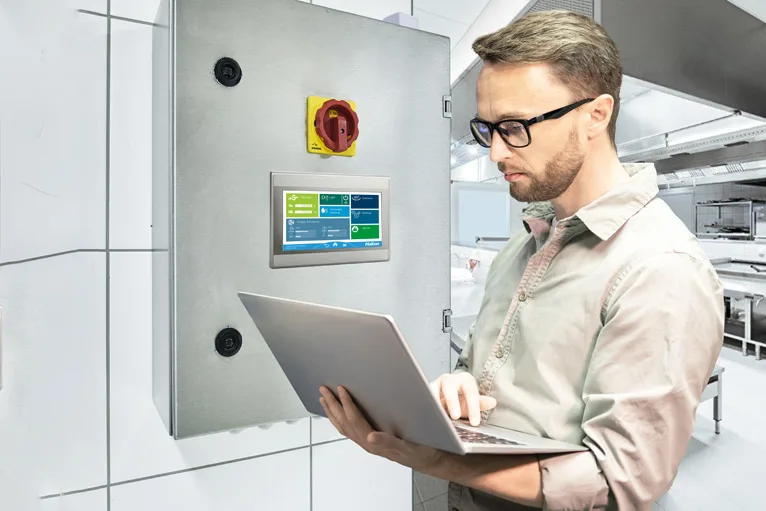
This is where controls and automation come in. A well-designed HVAC system for a commercial kitchen should be able to adjust its performance based on real-time conditions. That might mean:
- Using variable speed drives (VSDs) on your exhaust fans to adjust airflow based on the cooking load.
- Installing demand-controlled ventilation (DCV) systems that adjust make-up air based on the amount of exhaust being pulled out.
- Integrating your HVAC system with your kitchen automation system so that it can anticipate changes in heat load, like when your ovens are preheating or when your griddle is at full capacity.
I know what you’re thinking: “That sounds expensive.” And yeah, it can be. But here’s the thing: if you’re not using controls and automation, you’re basically running your HVAC system at full capacity all the time. That means you’re wasting energy when the kitchen is quiet, and you’re still not keeping up when the kitchen is busy. It’s like driving a car with the gas pedal floored all the time, you’re either going to burn out the engine or run out of gas before you get where you’re going.
Maybe I should clarify something here. When we talk about controls and automation, we’re not just talking about fancy gadgets. We’re talking about systems that can save you money, improve comfort, and even extend the life of your equipment. It’s an investment, not an expense.
5. Forgetting About Maintenance
Here’s a hard truth: even the best-designed HVAC system is going to fail if you don’t maintain it. And in a commercial kitchen, maintenance isn’t just about changing filters and cleaning coils. It’s about making sure your exhaust hoods are grease-free, your make-up air units are delivering the right amount of air, and your controls are actually doing what they’re supposed to do.
Let’s start with the exhaust hoods. These things are pulling out grease, smoke, and all kinds of nasty stuff. If you don’t clean them regularly, that grease is going to build up, and your hoods aren’t going to work as efficiently. Worse, that grease can become a fire hazard. And let’s not forget that a dirty hood can also lead to poor air quality, which is bad for your staff and your customers.
Then there’s the make-up air system. If your make-up air filters are clogged, your system isn’t going to deliver enough fresh air. That means your HVAC system is going to have to work harder to maintain a comfortable temperature, and you’re going to see your energy bills go up. It also means your kitchen is going to be stuffy and uncomfortable, which is bad for morale and productivity.
And let’s not forget the HVAC system itself. Commercial kitchen HVAC systems are working harder than most residential systems, and they need more frequent maintenance. That means:
- Changing filters regularly, at least every 3 months, but maybe more often if your kitchen is particularly greasy or dusty.
- Cleaning coils and fans to ensure efficient operation.
- Checking refrigerant levels and making sure there are no leaks.
- Inspecting ductwork for leaks or damage.
I get it, maintenance isn’t glamorous. It’s not the kind of thing that gets you excited about opening a new restaurant. But if you ignore it, you’re going to end up with a system that’s inefficient, uncomfortable, and potentially unsafe. And trust me, no one wants to be the chef who has to explain to the health inspector why their kitchen’s air quality is worse than a New York subway station.
The Nitty-Gritty: Designing an HVAC System for a Commercial Kitchen
Alright, now that we’ve covered the common mistakes, let’s talk about how to actually design an HVAC system for a commercial kitchen. This isn’t going to be a step-by-step guide, there are entire textbooks written on this stuff, but I’ll give you a high-level overview of what you need to consider. And trust me, this is the kind of stuff that can make or break your kitchen.
1. Start with the Right Team
First things first: you need the right people on your team. And I’m not just talking about your architect or your general contractor. You need an HVAC engineer who specializes in commercial kitchens. This isn’t the kind of thing you want to leave to a generalist. Commercial kitchens have unique challenges, like high heat loads, grease-laden air, and the need for precise airflow balance, and you need someone who knows how to handle them.
You also need to make sure your kitchen designer and your HVAC engineer are working together from the beginning. Too often, these two teams work in silos, and that’s a recipe for disaster. Your kitchen designer might come up with a beautiful layout, but if it doesn’t account for the HVAC system’s needs, you’re going to have problems. For example, if your exhaust hoods are too far from your cooking equipment, they’re not going to work efficiently. And if your make-up air units are blowing directly onto your prep tables, you’re going to have cold spots and drafts.
I’ve seen this happen more times than I can count. A client hires a kitchen designer, they come up with a gorgeous layout, and then they bring in the HVAC engineer at the last minute. By then, it’s too late to make major changes, and you’re left with a system that’s inefficient, uncomfortable, and potentially unsafe. Don’t let this be you.
2. Calculate Your Heat Load
This is where the rubber meets the road. If you don’t calculate your heat load accurately, your HVAC system isn’t going to work. It’s that simple.
So, what goes into a heat load calculation? A lot of things, actually. You need to account for:
- The type and number of cooking appliances you have, griddles, ovens, fryers, ranges, etc.
- The BTU output of each appliance. A high-volume charbroiler is going to generate a lot more heat than a low-volume steamer.
- The layout of your kitchen. Are your cooking appliances clustered together, or spread out? Are they near walls or in the middle of the room?
- The number of staff working in the kitchen. People generate heat too, and in a busy kitchen, that can add up.
- The building envelope. Is your kitchen well-insulated, or are you losing heat through the walls and ceiling?
- The climate where your kitchen is located. A kitchen in Phoenix is going to have different HVAC needs than a kitchen in Minneapolis.
Once you’ve gathered all this information, you can use it to calculate your sensible and latent heat loads. Sensible heat is the heat that raises the temperature of the air, while latent heat is the heat that’s tied up in moisture. Both are important, and both need to be accounted for in your HVAC system design.
I know what you’re thinking: “This sounds complicated.” And yeah, it is. But here’s the thing: if you don’t get this right, your HVAC system isn’t going to work. It’s like trying to build a house without knowing how much weight the foundation needs to support. You might get lucky, but chances are, you’re going to have problems.
3. Choose the Right Equipment
Once you’ve calculated your heat load, it’s time to choose the right equipment. And let me tell you, there are a *lot* of options out there. It can be overwhelming, especially if you’re not familiar with the terminology. So, let’s break it down.
Exhaust Hoods
First up: exhaust hoods. These are the workhorses of your kitchen’s ventilation system, and they come in a few different flavors:
- Type I Hoods: These are designed for appliances that produce grease-laden vapors, think griddles, fryers, and charbroilers. They’re required by code in most commercial kitchens, and they need to be UL-listed and installed by a professional.
- Type II Hoods: These are designed for appliances that produce steam, heat, or odors, but not grease, think dishwashers, steamers, and pasta cookers. They’re not as critical as Type I hoods, but they’re still important for air quality and comfort.
When choosing an exhaust hood, you need to consider:
- The type of cooking equipment you’re using. A high-volume charbroiler is going to need a more powerful hood than a low-volume steamer.
- The size of your kitchen. A larger kitchen is going to need more hoods, or larger hoods, to handle the heat and smoke.
- The layout of your kitchen. If your cooking equipment is spread out, you might need multiple hoods. If it’s clustered together, you might be able to get away with one large hood.
You also need to think about hood placement. Ideally, your hoods should be as close to your cooking equipment as possible, without obstructing workflow. If your hoods are too far away, they’re not going to work efficiently, and you’re going to end up with smoke and heat escaping into the kitchen.
Make-Up Air Units
Next up: make-up air units. These are the unsung heroes of your kitchen’s ventilation system, and they’re just as important as your exhaust hoods. If you don’t have enough make-up air, you’re going to create negative pressure in your kitchen, which can lead to all kinds of problems, from poor air quality to inefficient heating and cooling.
When choosing a make-up air unit, you need to consider:
- The amount of exhaust air you’re pulling out of the kitchen. Your make-up air unit needs to deliver enough fresh air to replace what’s being exhausted.
- The temperature of the make-up air. If you’re bringing in cold air in the winter, you’re going to need to heat it up before it enters the kitchen. If you’re bringing in hot air in the summer, you’re going to need to cool it down.
- The placement of the make-up air unit. Ideally, it should be located near the exhaust hoods, so that the fresh air is delivered where it’s needed most.
You also need to think about how the make-up air is delivered. There are a few different options:
- Direct make-up air: This is where the make-up air is delivered directly into the kitchen, usually through a duct or a diffuser. It’s the simplest option, but it can create drafts if it’s not done right.
- Indirect make-up air: This is where the make-up air is delivered into the HVAC system, so that it’s mixed with the return air before it enters the kitchen. This can help reduce drafts, but it’s more complex and expensive.
- Transfer air: This is where the make-up air is pulled from another part of the building, like the dining area. It’s a good option if you’re trying to save energy, but it can create pressure imbalances if it’s not done right.
HVAC System
Finally, there’s the HVAC system itself. This is where things can get really complicated, because there are a lot of options to choose from. Here are a few of the most common:
- Packaged Rooftop Units (RTUs): These are self-contained units that are installed on the roof. They’re a popular choice for commercial kitchens because they’re easy to install and maintain, and they don’t take up valuable floor space. But they can be noisy, and they’re not always the most energy-efficient option.
- Split Systems: These are systems where the evaporator coil and fan are located inside the building, and the condenser and compressor are located outside. They’re quieter than RTUs, and they can be more energy-efficient, but they’re also more complex and expensive to install.
- Variable Refrigerant Flow (VRF) Systems: These are systems that use refrigerant to transfer heat between indoor and outdoor units. They’re highly efficient, and they can provide precise temperature control, but they’re also more expensive and complex than other options.
- Chilled Water Systems: These are systems that use chilled water to cool the air. They’re highly efficient, and they can provide precise temperature control, but they’re also more complex and expensive to install and maintain.
When choosing an HVAC system, you need to consider:
- The size of your kitchen. A larger kitchen is going to need a more powerful system.
- The heat load. If your kitchen generates a lot of heat, you’re going to need a system that can handle it.
- The climate. If you’re in a hot climate, you’re going to need a system that can handle the heat. If you’re in a cold climate, you’re going to need a system that can handle the cold.
- The budget. HVAC systems can be expensive, so you need to choose one that fits your budget.
- The energy efficiency. A more energy-efficient system is going to save you money in the long run, but it might cost more upfront.
I know this is a lot to take in. And honestly, it’s easy to feel overwhelmed. But here’s the thing: if you don’t choose the right equipment, your HVAC system isn’t going to work. It’s like trying to build a house with the wrong tools. You might get it done, but it’s not going to be pretty.
4. Design for Airflow Balance
We’ve talked about airflow balance before, but it’s so important that it’s worth revisiting. If your airflow is out of whack, your HVAC system isn’t going to work efficiently, and you’re going to have problems, from poor air quality to inefficient heating and cooling, to doors that won’t stay open (or closed).
So, how do you design for airflow balance? It starts with proper system design. That means:
- Calculating the right exhaust airflow rates based on your cooking equipment and kitchen layout.
- Ensuring your make-up air system delivers enough fresh air to replace what’s being exhausted, without creating drafts or cold spots.
- Using dampers and controls to adjust airflow based on real-time conditions, like whether your griddle is cranking at full capacity or just simmering.
You also need to think about hood placement. Ideally, your hoods should be as close to your cooking equipment as possible, without obstructing workflow. If your hoods are too far away, they’re not going to work efficiently, and you’re going to end up with smoke and heat escaping into the kitchen.
And don’t forget about make-up air placement. If your make-up air is blowing directly onto your prep tables, you’re going to have cold spots and drafts. Ideally, it should be delivered near the exhaust hoods, so that the fresh air is delivered where it’s needed most.
Finally, you need to think about controls and automation. A well-designed HVAC system for a commercial kitchen should be able to adjust its performance based on real-time conditions. That might mean:
- Using variable speed drives (VSDs) on your exhaust fans to adjust airflow based on the cooking load.
- Installing demand-controlled ventilation (DCV) systems that adjust make-up air based on the amount of exhaust being pulled out.
- Integrating your HVAC system with your kitchen automation system so that it can anticipate changes in heat load, like when your ovens are preheating or when your griddle is at full capacity.
I know this sounds like a lot, but trust me, it’s worth it. If you don’t design for airflow balance, you’re going to end up with a kitchen that’s either a wind tunnel or a pressure cooker. And neither of those are great for business.
5. Don’t Forget About the Dining Area
Here’s something that a lot of people forget: your HVAC system doesn’t just affect the kitchen. It also affects the dining area. And if your airflow is out of balance, you’re going to have problems, like smoke and odors escaping into the dining room, or cold drafts blowing onto your diners.
So, how do you make sure your HVAC system works for both the kitchen and the dining area? It starts with proper zoning. That means dividing your space into different zones, each with its own thermostat and controls. That way, you can maintain a comfortable temperature in the dining area, even if the kitchen is hot and humid.
You also need to think about airflow between the kitchen and the dining area. Ideally, you want to maintain a slight positive pressure in the dining area, so that air flows from the dining area into the kitchen, not the other way around. That way, you’re not pulling smoke and odors into the dining room.
And don’t forget about make-up air. If your kitchen is pulling in air from the dining area, you’re going to create negative pressure in the dining area, which can lead to drafts and discomfort. To avoid this, you need to make sure your make-up air system is delivering enough fresh air to replace what’s being exhausted from the kitchen.
I know this is a lot to think about, but trust me, it’s worth it. If you don’t consider the dining area in your HVAC design, you’re going to end up with a space that’s uncomfortable for your diners, and that’s bad for business.
Energy Efficiency: How to Save Money Without Sacrificing Performance
Let’s talk about money. Because at the end of the day, that’s what this is all about. HVAC systems are expensive to install, and they’re even more expensive to operate. In fact, heating and cooling can account for up to 30% of a restaurant’s energy costs. That’s a lot of money, money that could be going toward better ingredients, higher wages, or even just a bigger profit margin.
So, how do you make your HVAC system more energy-efficient? It starts with proper design. If your system is designed to handle the unique challenges of a commercial kitchen, like high heat loads, grease-laden air, and the need for precise airflow balance, it’s going to be more efficient from the get-go.
But there are also a few specific things you can do to improve efficiency:
1. Use Energy-Efficient Equipment
This one might seem obvious, but it’s worth repeating: energy-efficient equipment saves money. That means choosing exhaust hoods with variable speed drives (VSDs), make-up air units with energy recovery ventilators (ERVs), and HVAC systems with high SEER (Seasonal Energy Efficiency Ratio) ratings.
For example, a VSD on your exhaust fan can adjust the fan speed based on the cooking load, so you’re not wasting energy when the kitchen is quiet. And an ERV on your make-up air unit can transfer heat (or coolness) from the exhaust air to the incoming air, so you’re not wasting energy heating or cooling the make-up air.
I know what you’re thinking: “Energy-efficient equipment is more expensive.” And yeah, it is. But here’s the thing: it pays for itself over time. A more efficient system is going to use less energy, which means lower utility bills. And in some cases, you might even qualify for rebates or tax incentives for installing energy-efficient equipment.
2. Optimize Your Controls
We’ve talked about controls before, but they’re so important for energy efficiency that they’re worth revisiting. A well-designed control system can adjust your HVAC system’s performance based on real-time conditions, so you’re not wasting energy when the kitchen is quiet.
For example, a demand-controlled ventilation (DCV) system can adjust the amount of make-up air based on the amount of exhaust being pulled out. That way, you’re not bringing in more air than you need, which saves energy. And a kitchen automation system can anticipate changes in heat load, like when your ovens are preheating or when your griddle is at full capacity, so your HVAC system can adjust accordingly.
I know this sounds complicated, but trust me, it’s worth it. A good control system can save you 20-30% on your energy bills, which adds up to a lot of money over time.
3. Seal and Insulate Your Ductwork
Here’s something that a lot of people forget: leaky ductwork wastes energy. If your ducts are leaking, you’re losing conditioned air before it even reaches the kitchen. And that means your HVAC system has to work harder to maintain a comfortable temperature, which wastes energy and money.
So, how do you fix this? It starts with proper duct design. Your ducts should be as short and straight as possible, with as few bends and turns as you can manage. And they should be properly sealed and insulated, so you’re not losing air (or heat) along the way.
You also need to inspect your ductwork regularly for leaks or damage. If you find a leak, seal it with mastic sealant or metal tape (not duct tape, it doesn’t last). And if your ducts are damaged, repair or replace them as needed.
I know this isn’t the most exciting part of HVAC integration, but trust me, it’s important. Leaky ducts can waste 20-30% of your conditioned air, which adds up to a lot of money over time.
4. Use Energy Recovery Ventilators (ERVs)
We’ve talked about ERVs before, but they’re so important for energy efficiency that they’re worth revisiting. An ERV is a device that transfers heat (or coolness) from the exhaust air to the incoming air. That way, you’re not wasting energy heating or cooling the make-up air.
For example, let’s say it’s winter, and your kitchen is generating a lot of heat. An ERV can transfer some of that heat to the incoming make-up air, so you’re not wasting energy heating it up. And in the summer, it can transfer coolness from the exhaust air to the incoming air, so you’re not wasting energy cooling it down.
I know what you’re thinking: “ERVs are expensive.” And yeah, they are. But here’s the thing: they pay for themselves over time. An ERV can save you 30-50% on your heating and cooling costs, which adds up to a lot of money over time.
5. Maintain Your System
Finally, don’t forget about maintenance. A well-maintained HVAC system is going to be more energy-efficient than a neglected one. That means:
- Changing filters regularly, at least every 3 months, but maybe more often if your kitchen is particularly greasy or dusty.
- Cleaning coils and fans to ensure efficient operation.
- Checking refrigerant levels and making sure there are no leaks.
- Inspecting ductwork for leaks or damage.
I know maintenance isn’t glamorous, but trust me, it’s important. A neglected HVAC system can waste 10-20% of your energy, which adds up to a lot of money over time.
The Unexpected Challenges of HVAC Integration (And How to Handle Them)
Alright, let’s get real for a second. Even if you do everything right, you hire the right team, you calculate your heat load accurately, you choose the right equipment, you’re still going to run into unexpected challenges. Commercial kitchens are complex environments, and HVAC integration is as much an art as it is a science. So, let’s talk about some of the weird, unexpected problems that can pop up, and how to handle them.
1. The Kitchen That’s Always Too Cold (Or Too Hot)
You’d think this would be a simple problem to solve, but it’s not. If your kitchen is always too cold, it might be because your make-up air is too cold, or because your HVAC system is oversized. If it’s always too hot, it might be because your exhaust hoods aren’t working efficiently, or because your HVAC system is undersized. But here’s the thing: it’s not always that straightforward.
For example, let’s say your kitchen is always too cold in the winter. You might think the solution is to turn up the heat, but that could make the problem worse. If your make-up air is too cold, turning up the heat is just going to create more drafts. The real solution might be to preheat the make-up air before it enters the kitchen, or to adjust the airflow balance so that the make-up air isn’t blowing directly onto your staff.
On the flip side, let’s say your kitchen is always too hot in the summer. You might think the solution is to crank up the AC, but that could also make the problem worse. If your exhaust hoods aren’t working efficiently, cranking up the AC is just going to waste energy. The real solution might be to clean or replace your exhaust hoods, or to adjust the airflow balance so that the hot air is being pulled out more efficiently.
I’ve seen this happen more times than I can count. A client calls me in a panic because their kitchen is too hot (or too cold), and they’re at their wit’s end. They’ve tried everything, turning up the heat, cranking up the AC, adjusting the thermostat, but nothing works. And then I come in and realize that the problem isn’t the HVAC system at all. It’s the airflow balance, or the make-up air, or the exhaust hoods. It’s always something unexpected.
2. The Hood That Doesn’t Work
Exhaust hoods are supposed to pull out smoke, grease, and heat. But sometimes, they don’t. And when that happens, it’s usually because of one of two things: poor design or poor maintenance.
Let’s start with poor design. If your hood is too small, or too far from your cooking equipment, it’s not going to work efficiently. And if your make-up air is blowing directly into the hood, it’s going to disrupt the airflow and make the hood less effective. The solution? Proper hood sizing and placement, and careful make-up air design.
Now, let’s talk about poor maintenance. If your hood is clogged with grease, it’s not going to work efficiently. And if your filters are dirty, the same thing happens. The solution? Regular cleaning and maintenance. That means cleaning the hood and filters at least once a month, and inspecting the ductwork for grease buildup at least once a year.
I know this sounds like a no-brainer, but you’d be surprised how many kitchens neglect their hoods. And when that happens, you’re not just dealing with poor air quality. You’re also dealing with inefficient heating and cooling, because your HVAC system has to work harder to compensate for the heat and smoke that’s not being pulled out.
3. The Kitchen That Smells Like a Dumpster
This is one of the most common complaints I hear from restaurant owners: “My kitchen smells like a dumpster, and I don’t know why.” And the answer is usually the same: poor airflow balance.
Here’s what’s happening: your exhaust hoods are pulling out air, but your make-up air system isn’t delivering enough fresh air to replace it. That creates negative pressure in your kitchen, which pulls in air from wherever it can, like from the dumpster outside, or from the grease trap in the back alley. And suddenly, your kitchen smells like a landfill.
The solution? Proper airflow balance. That means making sure your make-up air system is delivering enough fresh air to replace what’s being exhausted, and that the air is being delivered where it’s needed most. It also means sealing any gaps or cracks in your kitchen’s walls or windows, so that air isn’t being pulled in from outside.
I know this sounds simple, but it’s not. Airflow balance is a delicate thing, and it’s easy to get wrong. But if you don’t get it right, you’re going to end up with a kitchen that smells like a dumpster, and that’s bad for business.
4. The Staff That’s Always Complaining
Let’s be honest: working in a commercial kitchen is hard. It’s hot, it’s loud, it’s stressful. And if your HVAC system isn’t working properly, it’s only going to make things worse. I’ve seen kitchens where the staff is constantly complaining about the heat, the cold, the drafts, the humidity, you name it. And when that happens, morale suffers, productivity suffers, and turnover goes up.
So, how do you fix this? It starts with listening to your staff. If they’re complaining about the heat, it might be because your exhaust hoods aren’t working efficiently. If they’re complaining about the cold, it might be because your make-up air is too cold. And if they’re complaining about drafts, it might be because your airflow balance is out of whack.
But it’s not just about fixing the problems. It’s also about designing your HVAC system with your staff in mind. That means:
- Placing make-up air diffusers where they won’t create drafts.
- Using radiant heating in cold spots, so your staff isn’t freezing.
- Installing spot cooling in hot spots, so your staff isn’t sweating.
- Using controls and automation to maintain a comfortable temperature, even when the kitchen is busy.
I know this sounds like a lot, but trust me, it’s worth it. A happy staff is a productive staff, and a productive staff is good for business.
5. The Health Inspector Who’s Not Happy
Finally, let’s talk about the health inspector. Because if your HVAC system isn’t up to code, you’re going to have problems. And trust me, you don’t want to be the chef who has to explain to the health inspector why your kitchen’s carbon monoxide levels are through the roof.
So, what do you need to know about HVAC and health codes? First, your exhaust hoods need to be UL-listed and installed by a professional. Second, your make-up air system needs to deliver enough fresh air to replace what’s being exhausted. And third, your HVAC system needs to maintain a comfortable temperature and humidity level, so that your staff isn’t working in a sauna (or a freezer).
But it’s not just about the codes. It’s also about air quality. If your kitchen is full of smoke, grease, and other pollutants, it’s not just uncomfortable, it’s unhealthy. And that’s bad for your staff, your customers, and your business.
The solution? Proper ventilation and filtration. That means using high-efficiency filters in your HVAC system, and making sure your exhaust hoods are working efficiently. It also means regular cleaning and maintenance, so that your system isn’t clogged with grease and dust.
I know this sounds like a lot, but trust me, it’s worth it. A healthy kitchen is a happy kitchen, and a happy kitchen is good for business.
Putting It All Together: A Step-by-Step Guide to HVAC Integration
Alright, let’s bring this all together. If you’re designing a commercial kitchen and you want to get your HVAC integration right, here’s a step-by-step guide to follow. It’s not exhaustive, there are entire textbooks written on this stuff, but it’ll give you a solid foundation to work from.
Step 1: Assemble Your Team
First things first: you need the right people on your team. That means:
- An HVAC engineer who specializes in commercial kitchens.
- A kitchen designer who understands HVAC integration.
- A general contractor who can coordinate the installation.
- A health and safety consultant who can ensure your system meets code.
Make sure everyone is on the same page from the beginning. If your kitchen designer and your HVAC engineer aren’t working together, you’re going to have problems.
Step 2: Calculate Your Heat Load
Next, you need to calculate your heat load. That means accounting for:
- The type and number of cooking appliances you have.
- The BTU output of each appliance.
- The layout of your kitchen.
- The number of staff working in the kitchen.
- The building envelope.
- The climate where your kitchen is located.
Use this information to calculate your sensible and latent heat loads. This will determine the size and capacity of your HVAC system.
Step 3: Design Your Ventilation System
Now, it’s time to design your ventilation system. That means:
- Choosing the right exhaust hoods for your cooking equipment.
- Calculating the right exhaust airflow rates.
- Designing your make-up air system to deliver enough fresh air to replace what’s being exhausted.
- Ensuring airflow balance so that you’re not creating negative or positive pressure.
Don’t forget about hood placement and make-up air placement. If your hoods are too far from your cooking equipment, they’re not going to work efficiently. And if your make-up air is blowing directly onto your prep tables, you’re going to have cold spots and drafts.
Step 4: Choose Your HVAC System
Next, it’s time to choose your HVAC system. That means considering:
- The size of your kitchen.
- The heat load.
- The climate.
- The budget.
- The energy efficiency.
You also need to think about controls and automation. A well-designed HVAC system for a commercial kitchen should be able to adjust its performance based on real-time conditions.
Step 5: Design for Airflow Balance
Now, it’s time to design for airflow balance. That means:
- Calculating the right exhaust airflow rates.
- Ensuring your make-up air system delivers enough fresh air to replace what’s being exhausted.
- Using dampers and controls to adjust airflow based on real-time conditions.
Don’t forget about hood placement and make-up air placement. If your hoods are too far from your cooking equipment, they’re not going to work efficiently. And if your make-up air is blowing directly onto your prep tables, you’re going to have cold spots and drafts.
Step 6: Consider the Dining Area
Don’t forget about the dining area. That means:
- Designing proper zoning so that the dining area and the kitchen have separate temperature controls.
- Maintaining a slight positive pressure in the dining area, so that air flows from the dining area into the kitchen.
- Ensuring your make-up air system delivers enough fresh air to replace what’s being exhausted from the kitchen.
If you don’t consider the dining area in your HVAC design, you’re going to end up with a space that’s uncomfortable for your diners.
Step 7: Plan for Energy Efficiency
Now, it’s time to plan for energy efficiency. That means:
- Choosing energy-efficient equipment.
- Optimizing your controls and automation.
- Sealing and insulating your ductwork.
- Using energy recovery ventilators (ERVs).
- Planning for regular maintenance.
A more energy-efficient system is going to save you money in the long run, and it’s better for the environment.
Step 8: Install and Commission Your System
Once your system is designed, it’s time to install it. That means:
- Hiring a qualified contractor to install your equipment.
- Ensuring your exhaust hoods are UL-listed and installed by a professional.
- Testing your airflow balance to make sure it’s working properly.
- Commissioning your HVAC system to ensure it’s operating efficiently.
Don’t skip the commissioning step. It’s critical to ensuring your system is working as intended.
Step 9: Train Your Staff
Finally, it’s time to train your staff. That means:
- Teaching them how to operate the HVAC system.
- Showing them how to adjust the controls based on real-time conditions.
- Explaining the importance of regular maintenance.
A well-trained staff is going to be more comfortable, more productive, and less likely to complain.
Step 10: Maintain Your System
Last but not least, it’s time to maintain your system. That means:
- Changing filters regularly.
- Cleaning coils and fans to ensure efficient operation.
- Checking refrigerant levels and making sure there are no leaks.
- Inspecting ductwork for leaks or damage.
- Cleaning and inspecting your exhaust hoods regularly.
A well-maintained HVAC system is going to be more efficient, more comfortable, and less likely to break down.
The Future of HVAC Integration: What’s Next?
Alright, let’s wrap this up with a look at the future. Because HVAC integration for commercial kitchens isn’t standing still. New technologies, new regulations, and new challenges are always emerging. So, what’s next?
1. Smart HVAC Systems
First up: smart HVAC systems. These are systems that use sensors, controls, and automation to adjust their performance based on real-time conditions. For example, a smart HVAC system might use occupancy sensors to adjust the temperature based on how many people are in the kitchen. Or it might use air quality sensors to adjust the ventilation based on the level of smoke and grease in the air.
I know what you’re thinking: “This sounds like science fiction.” And yeah, it kind of is. But it’s also the future. Smart HVAC systems are already being used in some commercial kitchens, and they’re only going to become more common in the years to come.
2. Energy Recovery and Heat Reuse
Next up: energy recovery and heat reuse. This is where you capture the heat (or coolness) from your exhaust air and use it to preheat (or precool) your make-up air. It’s a great way to save energy, and it’s already being used in some commercial kitchens.
But here’s the thing: it’s not just about saving energy. It’s also about reducing your carbon footprint. As restaurants become more conscious of their environmental impact, energy recovery and heat reuse are going to become more important.
3. Indoor Air Quality (IAQ) Monitoring
Finally, let’s talk about indoor air quality (IAQ) monitoring. This is where you use sensors to monitor the air quality in your kitchen, and adjust your ventilation system accordingly. For example, if the sensors detect high levels of carbon monoxide, they might increase the ventilation to pull the gas out of the kitchen.
This isn’t just about comfort. It’s also about health and safety. Poor air quality can lead to headaches, fatigue, and even long-term health problems. And as regulations become stricter, IAQ monitoring is going to become more important.
I’m torn between excitement and skepticism here. On one hand, these technologies are amazing. They can save energy, improve comfort, and even make your kitchen safer. But on the other hand, they’re also expensive and complex. And not every restaurant is going to be able to afford them.
But here’s the thing: the future isn’t just about the latest and greatest technologies. It’s also about better design, better maintenance, and better training. If you can get those things right, you’re going to have a kitchen that’s efficient, comfortable, and safe, no matter what the future holds.
Final Thoughts: Why HVAC Integration Matters
Alright, let’s bring this home. Because at the end of the day, HVAC integration for commercial kitchens isn’t just about keeping things cool. It’s about airflow, energy efficiency, staff comfort, and, let’s be real, keeping your kitchen from turning into a health code violation waiting to happen.
If you’re designing a commercial kitchen and you’re not thinking about how your HVAC system plays with your equipment, your ventilation, and even your building’s layout, you’re setting yourself up for a world of sweat, frustration, and unexpected costs. And trust me, no one wants to be the chef who has to explain to their investors why their “state-of-the-art” kitchen feels like a sauna in July.
So, what’s the takeaway? Here are a few key points to remember:
- HVAC integration is about more than just temperature control. It’s about airflow balance, energy efficiency, and air quality.
- Don’t treat HVAC as an afterthought. It needs to be part of the design process from the beginning.
- Calculate your heat load accurately. If you don’t, your HVAC system isn’t going to work.
- Design for airflow balance. If your airflow is out of whack, you’re going to have problems.
- Use controls and automation. A well-designed control system can save you money and improve comfort.
- Maintain your system. A neglected HVAC system is going to be inefficient, uncomfortable, and potentially unsafe.
And finally, remember this: a well-designed HVAC system is an investment, not an expense. It’s going to save you money in the long run, and it’s going to make your kitchen a better place to work. And at the end of the day, that’s what it’s all about.
So, the next time you’re designing a commercial kitchen, don’t forget about the invisible stuff, the air, the temperature, the humidity. Because if you get that right, everything else will fall into place. And if you don’t? Well, let’s just say you don’t want to be the chef who has to explain to the health inspector why their kitchen smells like a dumpster.
FAQ: Your Burning Questions About HVAC Integration for Commercial Kitchens
Q: How do I know if my commercial kitchen’s HVAC system is properly integrated?
A: Great question. There are a few telltale signs that your HVAC system is (or isn’t) properly integrated. First, airflow balance: if your doors are slamming shut on their own or your burners are struggling to stay lit, you might have negative pressure. Second, temperature control: if your kitchen is consistently too hot or too cold, your HVAC system might be undersized or fighting against your exhaust hoods. Third, air quality: if your kitchen smells like smoke or grease, your exhaust hoods might not be working efficiently. If you’re noticing any of these issues, it’s worth calling in an HVAC engineer to take a look.
Q: What’s the biggest mistake restaurants make when integrating HVAC systems?
A: Hands down, the biggest mistake is treating HVAC as an afterthought. Too many restaurants focus on the shiny equipment and the aesthetics, and they forget about the invisible stuff, the air, the temperature, the humidity, until it’s too late. By then, you’re dealing with a kitchen that’s either a sauna, a wind tunnel, or a breeding ground for mold. The solution? Bring in an HVAC engineer early in the design process, and make sure they’re working closely with your kitchen designer.
Q: How much does it cost to properly integrate an HVAC system in a commercial kitchen?
A: Ah, the million-dollar question, literally. The cost of HVAC integration can vary *wildly* depending on the size of your kitchen, the type of equipment you’re using, and the complexity of your system. For a small to mid-sized restaurant, you’re looking at anywhere from $20,000 to $100,000 for a properly integrated system. That includes the exhaust hoods, make-up air units, HVAC system, controls, and installation. It’s not cheap, but here’s the thing: if you skimp on this stuff, you’re going to pay for it later, in higher energy bills, staff turnover, and potential health code violations. Think of it as an investment, not an expense.
Q: Can I retrofit an existing kitchen with a better HVAC system, or is it better to start from scratch?
A: Retrofitting is definitely possible, but it’s not always easy. The biggest challenge is space constraints. If your kitchen is already built, you might not have room for new ductwork or equipment. That said, there are still things you can do to improve your HVAC integration, like upgrading your exhaust hoods, adding make-up air units, or installing controls and automation. The key is to work with an HVAC engineer who specializes in commercial kitchens. They can assess your space and recommend the best approach. And if you’re starting from scratch? Even better. You’ll have more flexibility to design a system that works perfectly for your kitchen.
@article{hvac-integration-for-commercial-kitchens-the-unsung-hero-of-restaurant-efficiency,
    title   = {HVAC Integration for Commercial Kitchens: The Unsung Hero of Restaurant Efficiency},
    author  = {Chef's icon},
    year    = {2026},
    journal = {Chef's Icon},
    url     = {https://chefsicon.com/hvac-integration-for-commercial-kitchens/}
}