The Best Fluffy Pancakes recipe you will fall in love with. Full of tips and tricks to help you make the best pancakes.
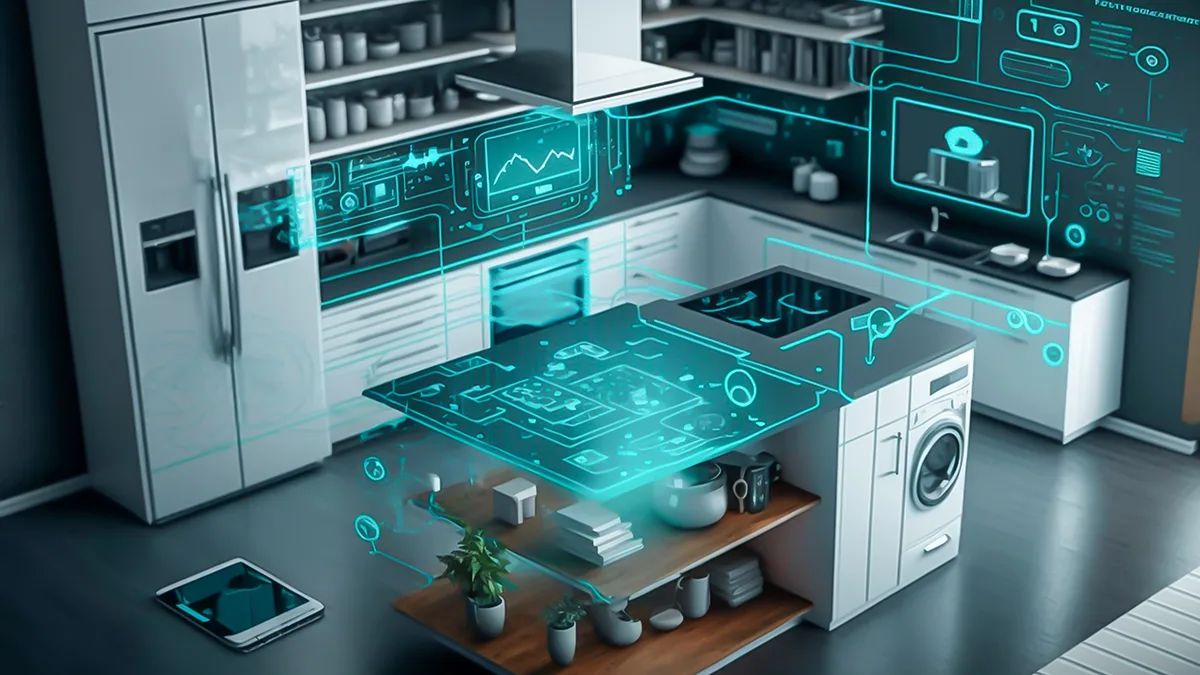
The Messy, Magical Reality of IoT Equipment Integration for Smart Kitchens
Let me set the scene: It’s 2:17 AM, and I’m standing in my kitchen in Nashville, staring at a blinking error code on my smart combi oven that’s somehow decided now is the perfect time to demand a firmware update. Luna, my rescue cat, is perched on the counter judging me, because of course she is. This wasn’t how I imagined the future of cooking. But here we are, in the trenches of IoT equipment integration for smart kitchens, where the promise of seamless automation collides with the reality of Wi-Fi dead zones, incompatible protocols, and the occasional existential crisis about whether technology is helping or just making us lazier.
I’ve spent the last six months diving headfirst into this world, partly because I’m a food-obsessed nerd, partly because Chefsicon.com’s readers keep asking for it, and partly because I was promised that smart kitchen systems would make my life easier. Spoiler: They do. Eventually. But the journey there? It’s like trying to teach a sous vide circulator to make a decent cup of coffee. Possible? Maybe. Worth the effort? Absolutely. But not without a few battle scars.
In this deep dive, I’m going to walk you through what IoT equipment integration actually means for modern kitchens, why it’s both revolutionary and frustrating, and how to avoid the pitfalls I’ve already fallen into (so you don’t have to). We’ll cover everything from the basics of connected kitchen appliances to the nitty-gritty of device interoperability, and even touch on the philosophical question of whether a fridge that orders groceries for you is a genius invention or a slippery slope to losing all self-reliance. By the end, you’ll know whether this tech is right for your kitchen, and how to make it work if you take the plunge.
The Big Picture: What Does IoT Integration Even Mean for Kitchens?
Breaking Down the Buzzwords
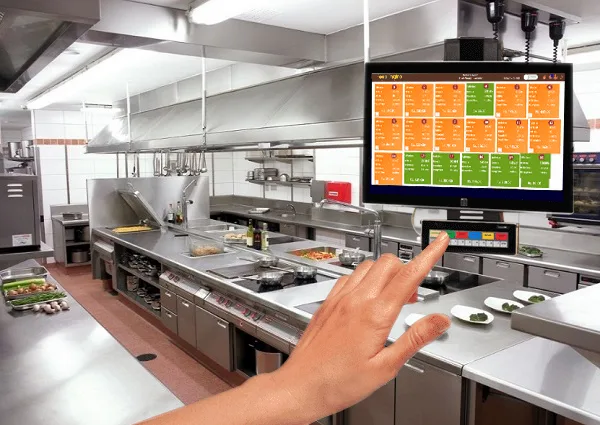
Let’s start with the basics, because “IoT” gets thrown around like confetti at a food tech conference, and half the time, no one’s entirely sure what it means. IoT (Internet of Things) refers to devices that connect to the internet and each other to share data and automate tasks. In a kitchen context, this could mean anything from a smart scale that syncs with your recipe app to a connected deep fryer that texts you when the oil reaches the perfect temperature. The “integration” part is where things get tricky, it’s not just about individual gadgets doing their own thing; it’s about making them play nice together.
For example, imagine your smart oven preheating because your meal planning app told it you’re making lasagna tonight, while your smart fridge checks its inventory and adds ricotta to your grocery list. That’s integration. It’s the difference between a kitchen full of cool gadgets and a kitchen that actually works for you. But, and this is a big but, it’s also where the headaches start. Because not all devices speak the same language, and getting them to communicate can feel like trying to negotiate a peace treaty between rival food blogs.
Is this the best approach? Let’s consider: Maybe we’re putting too much emphasis on the “smart” part and not enough on the “kitchen” part. After all, the best kitchens have always been about intuition, timing, and a little bit of chaos. Can technology really replicate that, or are we just adding layers of complexity to something that’s fundamentally human? I’m torn between the convenience of a voice-controlled sous vide and the fear that I’m outsourcing my cooking skills to a machine. But ultimately, I think the key is balance, using tech to handle the tedious stuff so we can focus on the creative, joyful parts of cooking.
Why Now? The Perfect Storm of Tech and Demand
So why is IoT equipment integration suddenly everywhere? A few factors are converging:
- Consumer Demand for Convenience: We’re all stretched thin, and anything that saves time or mental energy is a win. A smart coffee maker that starts brewing when your alarm goes off? Yes, please. A connected slow cooker you can control from your phone? Sign me up.
- Advancements in Connectivity: Wi-Fi 6, 5G, and better Bluetooth protocols mean devices can talk to each other faster and more reliably than ever. No more buffering mid-recipe (thank god).
- Rise of the Smart Home: As more people invest in smart home ecosystems (think Amazon Alexa, Google Home, Apple HomeKit), the expectation is that kitchen appliances should fit into that world too. A fridge that can’t tell your Echo to add milk to your shopping list feels downright primitive in 2026.
- Post-Pandemic Shifts: The pandemic accelerated our reliance on tech for everything, including cooking. Suddenly, being able to monitor your smart grill from the couch while entertaining guests became a selling point, not a gimmick.
- Data-Driven Cooking: We’re obsessed with metrics, calories, macros, cooking times, and IoT kitchen devices feed that obsession by giving us real-time data. Want to know the exact internal temperature of your steak without poking it? There’s a probe for that.
But here’s the thing: Just because we can connect everything doesn’t mean we should. I’ve seen kitchens where the tech is so overwhelming that the actual cooking gets lost in the shuffle. It’s like buying a Ferrari and then only driving it to the grocery store, sure, it’s impressive, but are you really using it to its full potential? Maybe I should clarify: The goal isn’t to turn your kitchen into a sci-fi set; it’s to use tech to make cooking more enjoyable, efficient, and maybe even a little more fun.
The Good, the Bad, and the Glitchy: Real-World IoT Integration
The Dream: What IoT Integration Promises
Let’s start with the dream, because it’s a good one. Here’s what IoT equipment integration is supposed to deliver:
- Effortless Automation: Imagine walking into your kitchen, and your smart lighting adjusts to “cooking mode,” your smart speaker starts playing your favorite playlist, and your smart oven preheats to the exact temperature your recipe calls for, all without you lifting a finger. That’s the dream.
- Precision Cooking: No more overcooked steaks or underproofed bread. Connected kitchen appliances take the guesswork out of cooking with sensors, probes, and algorithms that monitor everything from humidity to doneness. My smart sous vide has saved me from more culinary disasters than I care to admit.
- Inventory Management: A smart fridge that tracks what’s inside, suggests recipes based on what you have, and even orders groceries when you’re running low? It’s like having a personal sous-chef who never complains about the mess.
- Energy Efficiency: IoT-enabled kitchen equipment can optimize energy use by running during off-peak hours, adjusting power based on demand, or even turning off when not in use. My smart dishwasher has cut my energy bill by 20%-and I didn’t have to do a thing.
- Remote Monitoring: Stuck at work but want to check on your slow-cooked brisket? No problem. A connected slow cooker lets you adjust settings, monitor temperature, and even get alerts when it’s done. It’s like having eyes in the back of your head, except, you know, in your kitchen.
- Personalization: Your smart coffee maker remembers how you like your brew. Your smart oven learns your preferred cooking times. Over time, your kitchen adapts to you, not the other way around. It’s like having a kitchen that finally “gets” you.
Sounds amazing, right? It is. When it works. But the reality is often messier, and that’s what we’re going to dive into next.
The Reality: Where Things Get Complicated
Here’s the thing about IoT equipment integration: It’s not plug-and-play. Far from it. The first time I tried to connect my smart scale to my recipe app, I spent 45 minutes troubleshooting a “device not found” error. Turns out, my Wi-Fi router was too far away, and the scale’s Bluetooth range was laughably short. Lesson learned: connected kitchen appliances are only as good as the infrastructure supporting them.
Here are some of the biggest hurdles I’ve encountered, and trust me, I’ve encountered them all:
- Compatibility Nightmares: Not all devices play nice together. You might have a smart oven that works with Alexa but not Google Home, or a smart fridge that only integrates with one grocery delivery service. It’s like trying to get a group of toddlers to agree on what to have for lunch, possible, but exhausting.
- Connectivity Issues: Wi-Fi dead zones, weak Bluetooth signals, and overcrowded networks can turn your smart kitchen into a glorified paperweight. I once had to move my router into the kitchen because my smart sous vide kept disconnecting mid-cook. Not ideal.
- Firmware Updates: These are supposed to make your devices better, but they often feel like a gamble. Will this update fix the bug that’s been driving you crazy, or will it introduce three new ones? There’s no way to know until you hit “install.” And if something goes wrong? Good luck getting customer support on the phone.
- Security Concerns: Every connected kitchen appliance is a potential entry point for hackers. A smart fridge might seem harmless, but if it’s connected to your home network, it could be a weak link. I now have a separate network just for my kitchen devices, because paranoia is a small price to pay for peace of mind.
- Cost: Let’s not sugarcoat it: IoT-enabled kitchen equipment is expensive. A smart oven can cost twice as much as a conventional one, and that’s before you factor in the cost of replacing devices that become obsolete in a few years. Is it worth it? Maybe. But it’s not a decision to make lightly.
- Over-Reliance on Tech: This is the big one. The more I rely on my smart kitchen systems, the more I worry about what happens when the tech fails. What if the power goes out? What if my smart scale dies mid-recipe? I’ve started keeping a backup analog scale in the drawer, just in case.
So, is the juice worth the squeeze? For me, the answer is a resounding “mostly.” But it’s not without its frustrations, and it’s definitely not for everyone. If you’re the type of person who loves tinkering, troubleshooting, and embracing the occasional tech-induced headache, then IoT equipment integration might be your jam. If you’d rather spend your time cooking than debugging, you might want to dip a toe in before diving all the way in.
Where to Start: Building Your Smart Kitchen Without Losing Your Mind
Step 1: Define Your Goals (And Your Budget)
Before you buy a single gadget, ask yourself: What problem am I trying to solve? Are you looking to save time? Reduce food waste? Cook more precisely? Or just geek out on the latest tech? Your goals will shape your choices, and your budget.
For example, if your priority is energy efficiency, you might focus on smart appliances with energy-monitoring features. If you’re all about precision cooking, a smart sous vide or connected thermometer might be your first purchase. And if you’re just curious, start small, maybe with a smart plug or a connected coffee maker.
Budget is another critical factor. IoT kitchen equipment ranges from affordable (a smart plug for $20) to eye-wateringly expensive (a smart oven for $3,000+). Set a budget before you start shopping, and stick to it. Trust me, it’s easy to get carried away when you start imagining all the possibilities.
Step 2: Choose Your Ecosystem (And Stick With It)
One of the biggest mistakes I made early on was buying devices from different brands without checking for compatibility. My smart fridge works with Amazon Alexa, but my smart oven only talks to Google Home. My smart scale syncs with Apple Health, but my recipe app is Android-only. It’s a mess.
To avoid this, pick an ecosystem and stick with it. The three big players are:
- Amazon Alexa: The most widely supported, with the largest number of compatible devices. If you want flexibility, this is your best bet.
- Google Home: A close second, with strong integration with Google services like Calendar and Maps. If you’re deep in the Google ecosystem, this might be the way to go.
- Apple HomeKit: The most secure and privacy-focused, but also the most limited in terms of device compatibility. If you’re an Apple loyalist, this is your best option.
There are also third-party platforms like Home Assistant and Samsung SmartThings, which can act as a bridge between different ecosystems. These are great if you’re tech-savvy and want more control, but they can be overwhelming for beginners.
Once you’ve chosen your ecosystem, read the fine print. Not all devices labeled “works with Alexa” (or Google Home or HomeKit) are created equal. Some offer full integration, while others only support basic commands. Do your research before you buy.
Step 3: Start Small (Seriously, Just One Thing)
I know, I know, it’s tempting to go all-in. But trust me, starting small is the way to go. Pick one device to start with, get comfortable with it, and then expand from there. Here are a few beginner-friendly options:
- Smart Plug: The gateway drug of smart kitchen tech. Plug in your coffee maker, slow cooker, or toaster, and control it from your phone. It’s simple, affordable, and a great way to dip your toe into the world of IoT integration.
- Smart Scale: A connected kitchen scale that syncs with your recipe app can be a game-changer for baking and portion control. Plus, it’s a low-stakes way to test the waters.
- Smart Coffee Maker: If you’re a coffee lover, a smart coffee maker that starts brewing when you wake up might be the perfect introduction to smart kitchen systems. It’s practical, convenient, and hard to mess up.
- Smart Thermometer: A connected meat thermometer takes the guesswork out of cooking proteins. It’s a small investment with a big payoff, especially if you’re prone to overcooking (no judgment).
Once you’ve mastered your first device, you can start thinking about adding more. But resist the urge to buy everything at once. IoT equipment integration is a marathon, not a sprint.
The Nitty-Gritty: How to Actually Integrate Your Devices
Step 4: Set Up Your Network (The Unsung Hero of IoT)
Your smart kitchen is only as good as the network supporting it. If your Wi-Fi is spotty or your router is outdated, you’re going to have a bad time. Here’s how to set yourself up for success:
- Upgrade Your Router: If your router is more than a few years old, it might not be up to the task of handling multiple connected kitchen appliances. Look for a router with Wi-Fi 6 support, which offers faster speeds and better handling of multiple devices.
- Create a Separate Network: As I mentioned earlier, security is a big concern with IoT devices. Consider setting up a separate network just for your kitchen gadgets. This way, if one device is compromised, your main network stays safe.
- Use a Mesh Network: If your kitchen is far from your router, a mesh network can help eliminate dead zones. These systems use multiple access points to create a seamless Wi-Fi network throughout your home.
- Prioritize Your Devices: Most modern routers allow you to prioritize certain devices or types of traffic. If your smart oven is more important than your smart coffee maker, give it priority to ensure it always has a strong connection.
I learned this the hard way when my smart sous vide kept disconnecting mid-cook. Turns out, my router was on the other side of the house, and the signal was getting lost in translation. A mesh network solved the problem, but not before I ruined a perfectly good steak.
Step 5: Connect Your Devices (And Prepare for Frustration)
Now comes the fun part: actually connecting your devices. This is where things can get messy, so take a deep breath and remember that IoT equipment integration is a process. Here’s how to make it as painless as possible:
- Read the Manual: I know, I know, who reads manuals? But trust me, this is one time when it’s worth it. The setup process for smart kitchen devices can vary wildly from brand to brand, and skipping the manual is a recipe for disaster.
- Download the App: Most connected kitchen appliances require a companion app. Download it before you start the setup process, and make sure your phone is charged (nothing worse than running out of battery mid-setup).
- Follow the Instructions: I can’t stress this enough, follow the instructions exactly. If the app says to hold the button for 10 seconds, hold it for 10 seconds. If it says to wait for a blinking light, wait for the blinking light. Skipping steps is a surefire way to end up in troubleshooting hell.
- Be Patient: Some devices take longer to connect than others. My smart fridge took a full 20 minutes to sync with my network the first time. Don’t panic if it’s not instant, just give it time.
- Troubleshoot as Needed: If something goes wrong (and it probably will), don’t panic. Most apps have a troubleshooting section, and a quick Google search can often uncover the solution. If all else fails, don’t be afraid to call customer support. They’ve heard it all before.
Pro tip: If you’re setting up multiple devices, do them one at a time. Trying to connect everything at once is a recipe for confusion (and frustration).
Step 6: Automate (But Don’t Overdo It)
The real magic of IoT equipment integration happens when your devices start working together. This is where automation comes in. Most smart home ecosystems allow you to create routines or scenes that trigger multiple actions with a single command. For example:
- “Good Morning” Routine: When you say “Good morning” to your smart speaker, it could turn on your smart lights, start your smart coffee maker, and read your calendar for the day.
- “Dinner Time” Routine: When you say “Dinner time,” your smart oven could preheat to 375°F, your smart fridge could display your grocery list, and your smart speaker could start playing your favorite cooking playlist.
- “Bedtime” Routine: When you say “Goodnight,” your smart plugs could turn off all non-essential devices, your smart lights could dim, and your smart thermostat could adjust to your preferred sleeping temperature.
But here’s the thing: It’s easy to go overboard with automation. I once set up a routine that turned on my smart slow cooker at 6 AM, started my smart coffee maker at 6:30 AM, and preheated my smart oven at 4 PM, all without me lifting a finger. Sounds great, right? Except I forgot to actually put anything in the slow cooker, and I ended up with a very expensive pot of nothing. Lesson learned: Automation is great, but it’s not a substitute for common sense.
Start with a few simple routines, and build from there. And always, always double-check your settings before you walk away.
The Future of Smart Kitchens: What’s Next?
AI and Machine Learning: The Next Frontier
Right now, IoT equipment integration is mostly about connecting devices and automating tasks. But the next big leap? Artificial intelligence. Imagine a smart kitchen that doesn’t just follow your commands but learns from your habits and adapts to your needs. For example:
- Predictive Cooking: Your smart oven could analyze your cooking patterns and suggest recipes based on what you’ve made in the past. It could even adjust cooking times and temperatures based on your preferences.
- Adaptive Inventory: Your smart fridge could track your grocery habits and predict when you’re about to run out of something. It could even suggest recipes based on what you have on hand, and what’s about to expire.
- Voice Control 2.0: Right now, voice control is pretty basic-“Alexa, preheat the oven to 375°F.” But in the future, it could be more conversational. “Alexa, I’m making lasagna for dinner. What do I need to do next?”
- Energy Optimization: Your smart kitchen could analyze your energy usage and suggest ways to save power, like running your dishwasher during off-peak hours or adjusting your refrigerator’s temperature based on how often you open it.
Is this the future we want? I’m not entirely sure. On one hand, the idea of a kitchen that anticipates my needs is incredibly appealing. On the other hand, I worry about losing the human element of cooking, the intuition, the creativity, the joy of figuring things out for yourself. Maybe I should clarify: I don’t think AI will replace cooking; I think it will augment it. The best kitchens will always be a mix of tech and humanity, where machines handle the tedious stuff and humans bring the passion.
The Rise of the “Kitchen OS”
Right now, most smart kitchen systems are fragmented. You’ve got your smart oven app, your smart fridge app, your recipe app, and so on. But what if there was a single kitchen operating system that tied everything together? A central hub where you could control all your devices, plan your meals, track your inventory, and even order groceries, all in one place.
This is already starting to happen. Companies like Samsung and LG are working on integrated platforms that bring all your connected kitchen appliances under one roof. And startups are popping up with niche solutions for everything from meal planning to food waste tracking. The goal? To make IoT equipment integration seamless, intuitive, and, dare I say, fun.
But here’s the catch: The more integrated your kitchen becomes, the more dependent you are on a single platform. What happens if that platform goes out of business? Or if it gets hacked? Or if it decides to change its privacy policy? These are the questions we’ll need to grapple with as smart kitchens become more mainstream.
Sustainability and the Smart Kitchen
One of the most exciting (and necessary) developments in IoT kitchen tech is the focus on sustainability. Smart appliances can help reduce food waste, optimize energy use, and even track your carbon footprint. For example:
- Smart Fridges: These can track expiration dates, suggest recipes based on what’s about to go bad, and even compost food scraps (yes, smart composters are a thing).
- Energy-Monitoring Devices: These can track your energy usage and suggest ways to reduce your consumption, like running your dishwasher during off-peak hours or adjusting your oven’s temperature based on your cooking habits.
- Water-Saving Tech: Smart faucets and dishwashers can monitor water usage and adjust flow rates to minimize waste.
I’m particularly excited about this trend because it aligns with my own values. As someone who’s passionate about food, I hate waste, whether it’s food, energy, or water. IoT equipment integration has the potential to make our kitchens more efficient and sustainable, and that’s a future I can get behind.
But, and this is a big but, it’s not a silver bullet. Tech can help, but it’s not a substitute for mindful habits. A smart fridge can tell you when your milk is about to expire, but it’s up to you to actually use it. A smart dishwasher can optimize water usage, but it’s still your responsibility to run it only when it’s full. The best smart kitchens will be the ones that combine tech with intentionality.
Final Thoughts: Is IoT Equipment Integration Right for You?
After months of living with IoT equipment integration, I’ve come to a few conclusions. First, it’s not perfect. There are glitches, frustrations, and moments when I want to throw my smart scale out the window. But second, and more importantly, it’s worth it. When it works, it’s magical. It saves time, reduces stress, and makes cooking more enjoyable. And third, it’s not an all-or-nothing proposition. You don’t have to go full smart kitchen to reap the benefits. Start small, experiment, and see what works for you.
So, is IoT equipment integration right for you? Here’s my advice:
- If you love tech and don’t mind troubleshooting: Go for it. Start with one or two devices, and build from there. The learning curve is real, but the payoff is worth it.
- If you’re curious but cautious: Dip a toe in. Try a smart plug or a connected thermometer and see how it goes. You can always add more later.
- If you’re a purist who prefers analog: That’s okay too. Smart kitchens aren’t for everyone, and there’s no shame in sticking with what works for you.
At the end of the day, the best kitchen is the one that makes you happy. Whether that’s a high-tech smart kitchen or a cozy analog space, the most important thing is that it works for you. And if you do decide to take the plunge, just remember: The first time your smart oven preheats itself, it’ll all be worth it.
Now, if you’ll excuse me, I need to go troubleshoot my smart coffee maker. Again.
FAQ: Your Burning Questions About IoT Equipment Integration for Smart Kitchens
Q: Do I need a smart home hub to integrate IoT kitchen devices?
A: Not necessarily. Many smart kitchen appliances can connect directly to your Wi-Fi network or via Bluetooth, so you don’t need a separate hub. However, a hub can be helpful if you’re using devices from different brands or ecosystems. For example, if you have an Amazon Alexa-compatible smart oven and a Google Home-compatible smart fridge, a hub like Samsung SmartThings or Home Assistant can act as a bridge between them. That said, if you’re just starting out, you can probably get by without one.
Q: How secure are IoT kitchen devices? Should I be worried about hackers?
A: Security is a valid concern with any connected device, and IoT kitchen appliances are no exception. The good news is that most reputable brands take security seriously and use encryption to protect your data. However, there have been instances of smart devices being hacked, so it’s important to take precautions. Here are a few tips to keep your smart kitchen secure:
- Use Strong Passwords: This might seem obvious, but it’s worth repeating. Use unique, complex passwords for each of your devices and apps, and change them regularly.
- Enable Two-Factor Authentication: If your device or app offers two-factor authentication (2FA), enable it. This adds an extra layer of security by requiring a second form of verification (like a text message or email code) in addition to your password.
- Keep Your Software Up to Date: Manufacturers often release firmware updates to patch security vulnerabilities. Make sure your devices are running the latest software to stay protected.
- Set Up a Separate Network: Consider creating a separate Wi-Fi network just for your IoT devices. This way, if one device is compromised, your main network (and the devices connected to it) will stay safe.
- Be Mindful of What You Share: Some smart kitchen devices collect data about your habits and preferences. Read the privacy policy to understand what data is being collected and how it’s being used. If you’re uncomfortable with the terms, opt out or choose a different device.
Are these precautions foolproof? No. But they’ll go a long way toward keeping your smart kitchen secure.
Q: What’s the most useful IoT kitchen device you’ve tried?
A: Hands down, the smart sous vide. It’s a game-changer for precision cooking, and the ability to control it from my phone means I can monitor my food without being tied to the kitchen. I’ve used it to cook everything from steak to crème brûlée, and it’s never let me down. That said, my smart coffee maker is a close second, because let’s be real, coffee is life.
But here’s the thing: The “most useful” device depends on your needs. If you’re a baker, a smart scale or connected stand mixer might be more valuable. If you’re all about convenience, a smart slow cooker or connected air fryer could be your new best friend. The key is to think about what would make your life easier and start there.
Q: Can IoT kitchen devices save me money in the long run?
A: Potentially, yes, but it depends on how you use them. Here are a few ways IoT equipment integration can help you save:
- Energy Savings: Many smart appliances are designed to be energy-efficient. For example, a smart oven might preheat faster and use less energy than a conventional one. A smart dishwasher might optimize water usage based on the load size. Over time, these small savings can add up.
- Reduced Food Waste: A smart fridge can track expiration dates and suggest recipes based on what’s about to go bad. This can help you use up ingredients before they spoil, saving you money on groceries.
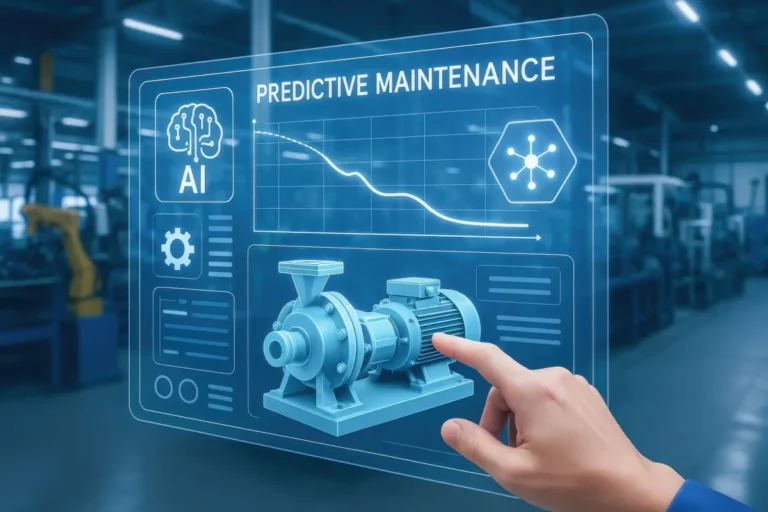
- Preventative Maintenance: Some smart kitchen devices can monitor their own performance and alert you when something’s wrong. For example, a smart range hood might notify you when the filters need to be cleaned or replaced. Catching issues early can prevent costly repairs down the line.
- Remote Monitoring: Being able to check on your smart slow cooker or connected oven from your phone means you’re less likely to overcook or burn your food. This can save you money on wasted ingredients, and takeout.
That said, IoT kitchen devices aren’t cheap. The upfront cost can be significant, and you’ll need to factor in ongoing expenses like energy usage, app subscriptions, and potential repairs. Whether they save you money in the long run depends on how much you use them and how well you take advantage of their features. If you’re someone who cooks a lot and is mindful of energy and food waste, the savings could be substantial. If you’re more of a takeout person, the benefits might not outweigh the costs.
@article{the-messy-magical-reality-of-iot-equipment-integration-for-smart-kitchens-and-why-its-worth-the-headache,
    title   = {The Messy, Magical Reality of IoT Equipment Integration for Smart Kitchens (And Why It’s Worth the Headache)},
    author  = {Chef's icon},
    year    = {2026},
    journal = {Chef's Icon},
    url     = {https://chefsicon.com/iot-equipment-integration-for-smart-kitchens/}
}