The Best Fluffy Pancakes recipe you will fall in love with. Full of tips and tricks to help you make the best pancakes.
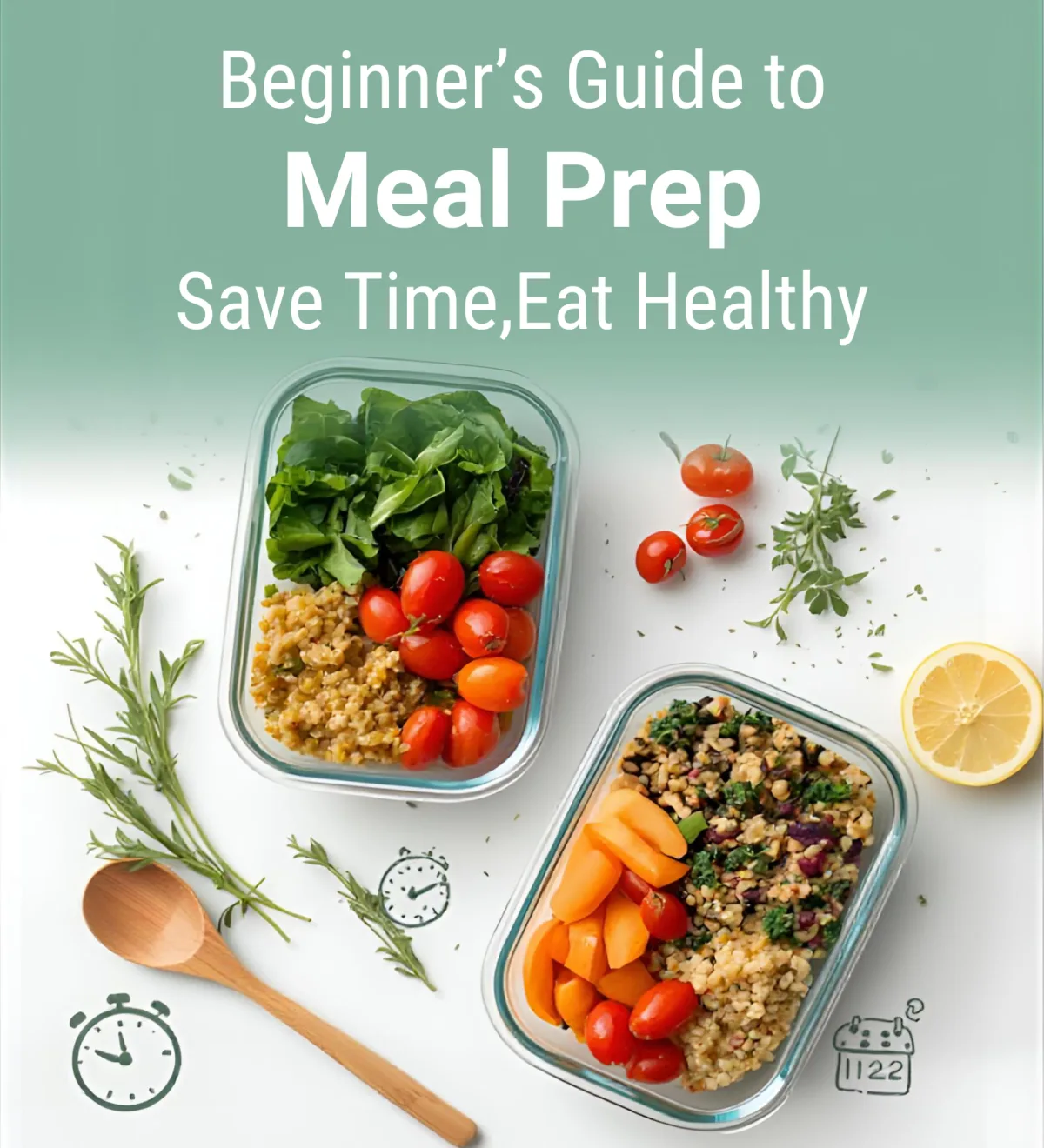
Let me set the scene: It’s 6:47 PM on a Tuesday, and I’m standing in my kitchen, staring blankly at a half-empty fridge. Luna, my rescue cat, is weaving between my legs, judging me silently. I’ve just finished a long day of writing about culinary trends and commercial kitchen efficiency (ironic, right?), and the last thing I want to do is cook. Sound familiar?
I used to think meal prep was something only fitness influencers or Type-A personalities did, people with color-coded containers and spreadsheets tracking macros. But here’s the truth: meal prep isn’t about perfection. It’s about giving your future self a break. It’s about trading 30 minutes of effort today for hours of freedom later. And honestly? It’s saved me from more sad desk lunches and questionable takeout decisions than I care to admit.
In this guide, I’m going to walk you through the meal prep basics that have worked for me, someone who burns toast more often than I’d like to admit. We’ll cover everything from the mental shift required to make meal prep stick, to the practical tools and strategies that make it manageable (even enjoyable). By the end, you’ll have a clear roadmap to save time, eat well, and maybe even look forward to your weekly prep session.
Is this the be-all, end-all of meal prep guides? Probably not. But it’s real, it’s tested, and it’s flexible enough to work whether you’re feeding just yourself or a small army. Let’s dive in.
The Mental Game: Why Meal Prep Feels Hard (And How to Make It Easier)
1. The Overwhelm Problem
When I first tried meal prepping, I made every mistake in the book. I Googled “meal prep ideas,” scrolled through pages of Pinterest-perfect bento boxes, and immediately felt defeated. How was I supposed to recreate that? Where would I even start? The sheer volume of options paralyzed me, and I ended up ordering Thai food instead.
Here’s what I wish I’d known: meal prep isn’t about creating a week’s worth of gourmet meals in one sitting. It’s about strategic repetition. You don’t need 10 different recipes. You need 2-3 that you can rotate, tweak, and make your own. Think of it like a capsule wardrobe for your meals, versatile, mix-and-match, and stress-free.
Start small. Like, *really* small. Maybe you just prep lunches for the week. Or maybe you focus on chopping veggies so dinner comes together faster. The key is to build confidence before you build complexity. I started by prepping just my breakfasts, overnight oats with different toppings. It was manageable, and it gave me a win to build on.
And let’s talk about the elephant in the room: meal prep fatigue. Even the most enthusiastic preppers hit a wall. Maybe you’re tired of eating the same thing, or maybe you just don’t feel like cooking on your designated prep day. That’s normal. The trick is to design your prep around your energy levels. If Sundays are your “I just want to nap” days, don’t force yourself to prep then. Try Wednesday evenings instead. Or split it into two shorter sessions. There’s no rule that says meal prep has to happen all at once.
2. The “I Don’t Have Time” Myth
“I don’t have time” is the most common excuse I hear, and the one I used to make the most. But here’s the thing: meal prep doesn’t take as much time as you think. In fact, it *saves* time. Let’s do some quick math.
Say you spend 30 minutes cooking dinner every night. That’s 3.5 hours a week. If you meal prep instead, you might spend 1.5 hours on Sunday and 30 minutes midweek to refresh. That’s 2 hours total, a savings of 1.5 hours. And that doesn’t even account for the time you save *not* standing in front of the fridge at 7 PM, wondering what to make.
But time isn’t just about the minutes on the clock. It’s about mental energy. How much brainpower do you waste deciding what to eat, gathering ingredients, and cleaning up after each meal? Meal prep frees up that mental space. It’s like outsourcing the decision-making to your past self, who was (hopefully) more organized and less hangry.
Still skeptical? Try this experiment: Track how much time you spend on food-related tasks for a week. Not just cooking, but grocery shopping, deciding what to eat, and cleaning up. You might be surprised by the total. Then, try meal prepping for one week and compare. The difference might convince you.
3. The Perfection Trap
Social media has warped our expectations of what meal prep should look like. We see these immaculate grids of containers, each with perfectly portioned proteins, carbs, and veggies, and we think, *I could never do that*. But here’s a secret: most of those photos are staged. Even the people who post them probably don’t eat like that every day.
Meal prep isn’t about aesthetics. It’s about function. Your containers don’t need to be color-coordinated. Your portions don’t need to be exact. And your meals don’t need to look like they belong in a magazine. What matters is that they’re nutritious, tasty, and convenient.
I’ve had weeks where my meal prep looked like a science experiment gone wrong. One time, I tried to prep a week’s worth of grain bowls, only to realize halfway through that I’d forgotten to cook the grains. Another time, I accidentally made enough chili to feed a small army (which, in hindsight, wasn’t the worst problem to have). The point is, mistakes happen. And that’s okay. The goal isn’t perfection, it’s progress.
So how do you avoid the perfection trap? Lower your standards. Embrace the mess. And remember: done is better than perfect.
The Practical Stuff: Tools, Strategies, and Systems That Work
4. The Essential Tools (And What You Can Skip)
Walk into any kitchen supply store, and you’ll see a dizzying array of meal prep gadgets, from compartmentalized containers to avocado slicers (yes, that’s a real thing). But here’s the truth: you don’t need most of them.
Let’s start with the absolute essentials:
- Containers: You need something to store your food in. That’s it. Glass containers are great because they’re durable, microwave-safe, and don’t absorb odors. But if you’re on a budget, BPA-free plastic works too. Aim for a mix of sizes, some for main meals, some for snacks, and some for sauces or dressings.
- A good knife: A sharp chef’s knife will make chopping veggies, proteins, and herbs infinitely easier. If you’re serious about meal prep, invest in one. It’s a game-changer. (And if you’re nervous about sharpening it yourself, many kitchen supply stores offer sharpening services.)
- Cutting boards: Get at least two, one for produce and one for proteins. Wood or plastic both work, but plastic is easier to sanitize in the dishwasher.
- Sheet pans: These are the unsung heroes of meal prep. Roast veggies, bake proteins, or even make sheet-pan meals. They’re versatile, easy to clean, and stackable for storage.
- Mixing bowls: A set of nesting bowls in different sizes will save you from washing the same bowl 10 times during prep.
Now, let’s talk about the nice-to-haves (but not essentials):
- Slow cooker or Instant Pot: These are great for hands-off cooking. Throw in ingredients, set it, and forget it. But if you don’t have one, don’t stress, your oven and stovetop work just fine.
- Food scale: Helpful for portion control, but not necessary unless you’re tracking macros. Eyeballing works for most people.
- Blender or food processor: Useful for sauces, dips, and chopping large quantities of veggies. But again, a knife works too.
And finally, the things you can skip:
- Avocado slicers (just use a knife).
- Single-use gadgets like egg separators or banana slicers.
- Fancy compartmentalized containers (unless you really like them).
- Expensive meal prep delivery services (you can do this yourself!).
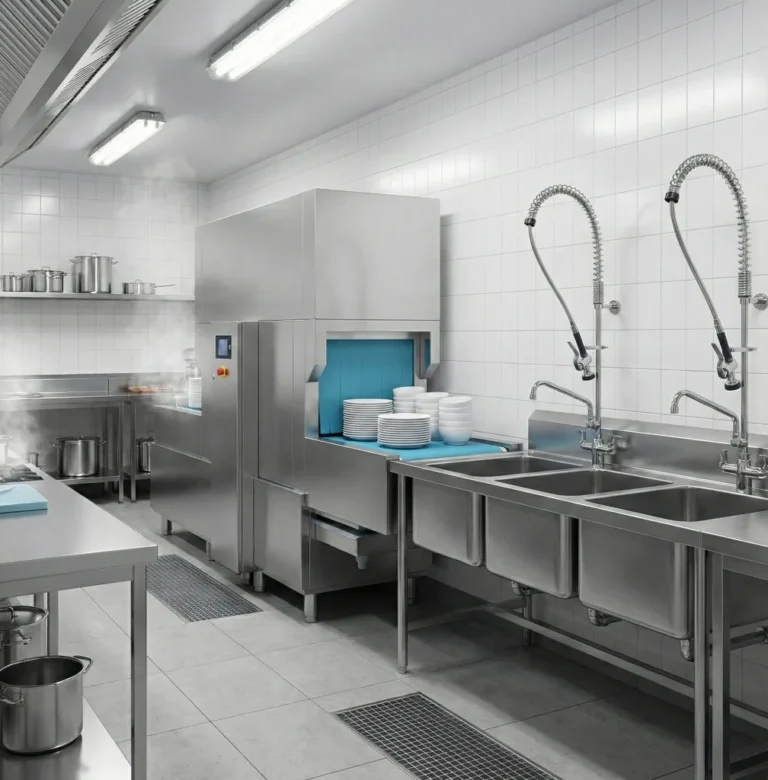
If you’re setting up a commercial kitchen or feeding a large group, suppliers like Chef’s Deal offer comprehensive solutions, including free kitchen design services to help you optimize your space. But for home meal prep? Keep it simple. The fewer tools you have, the less there is to clean, and the more likely you are to stick with it.
5. The Grocery List: How to Shop Like a Pro
Grocery shopping for meal prep can feel overwhelming, especially if you’re not sure what to buy. But with a little planning, it doesn’t have to be. Here’s how I approach it:
Step 1: Plan your meals. Before you step foot in the store, decide what you’re going to make. I like to pick 2-3 proteins, 3-4 veggies, 2-3 carbs, and a couple of sauces or dressings. For example:
- Proteins: Chicken breast, ground turkey, tofu
- Veggies: Broccoli, bell peppers, spinach, carrots
- Carbs: Quinoa, sweet potatoes, whole wheat pasta
- Sauces: Pesto, tahini dressing, salsa
Step 2: Check your pantry. Before you add anything to your list, take inventory of what you already have. There’s nothing worse than buying a jar of olive oil only to realize you already have three at home.
Step 3: Make a list, and stick to it. I can’t stress this enough. A list keeps you focused and prevents impulse buys. I like to organize mine by section (produce, dairy, meat, etc.) to make shopping faster. And if you really want to save time, consider grocery delivery or pickup. It’s a game-changer for busy weeks.
Step 4: Buy in bulk (when it makes sense). Staples like rice, quinoa, oats, and nuts are cheaper in bulk and last a long time. Just make sure you have space to store them. For fresh ingredients, though, stick to what you’ll actually use. There’s no point in buying a giant bag of spinach if half of it will go bad before you can eat it.
Step 5: Don’t forget the snacks. One of the biggest benefits of meal prep is having healthy snacks on hand. Think: hard-boiled eggs, cut-up veggies and hummus, nuts, or Greek yogurt. These keep you from reaching for less healthy options when hunger strikes.
Here’s a sample grocery list to get you started:
- Proteins: Chicken breast, ground turkey, eggs, canned tuna, tofu
- Veggies: Broccoli, bell peppers, spinach, carrots, zucchini, cherry tomatoes
- Fruits: Apples, bananas, berries (fresh or frozen)
- Carbs: Quinoa, brown rice, whole wheat pasta, sweet potatoes, oats
- Dairy: Greek yogurt, cheese (block or shredded), milk (or a plant-based alternative)
- Pantry staples: Olive oil, salt, pepper, garlic, onions, spices (cumin, paprika, chili powder, etc.), nuts, seeds
- Sauces/dressings: Pesto, tahini, salsa, soy sauce, hot sauce
Pro tip: If you’re new to meal prep, start with ingredients that are versatile and forgiving. For example, chicken breast can be grilled, baked, or shredded for tacos. Sweet potatoes can be roasted, mashed, or turned into fries. And spinach can be used in salads, omelets, or smoothies. The more flexible the ingredient, the easier it is to use up.
6. The Prep Session: How to Actually Get It Done
Alright, you’ve got your groceries. Now what? It’s time to prep. But how do you actually do it without feeling like you’re chained to the kitchen for hours? Here’s my step-by-step approach:
Step 1: Set the stage. Clear your counters, put on some music or a podcast, and gather your tools. I like to set out all my ingredients and containers before I start. It makes the process feel less overwhelming.
Step 2: Start with the longest cook time. If you’re roasting veggies or baking proteins, get those in the oven first. While they cook, you can work on other tasks. For example:
- Preheat the oven and get your sheet pans ready.
- Chop veggies and toss them with oil, salt, and pepper.
- Season your proteins and place them on a separate sheet pan.
- Pop everything in the oven and set a timer.
Step 3: Multitask (but don’t overcomplicate it). While your food is cooking, tackle other prep tasks. Here’s how I like to break it down:
- Wash and chop veggies: Even if you’re not using them all right away, having them prepped makes cooking during the week so much easier.
- Cook grains: Quinoa, rice, or pasta can be cooked in bulk and stored in the fridge for up to 5 days.
- Hard-boil eggs: These make a great snack or salad topping.
- Make sauces or dressings: A simple vinaigrette or tahini sauce can elevate a meal from boring to delicious.
- Portion snacks: Divide nuts, fruit, or veggies into grab-and-go containers.
Step 4: Assemble your meals. Once everything is cooked, it’s time to put it all together. Here’s where you get to be creative. Mix and match proteins, veggies, and carbs to create balanced meals. For example:
- Grain bowl: Quinoa + roasted veggies + grilled chicken + tahini dressing
- Wrap: Whole wheat tortilla + hummus + spinach + shredded chicken
- Salad: Mixed greens + cherry tomatoes + cucumber + tuna + olive oil and lemon
- Stir-fry: Brown rice + stir-fried veggies + tofu + soy sauce
Step 5: Store it properly. How you store your food can make or break your meal prep. Here are some tips:
- Use airtight containers: This keeps food fresh longer and prevents spills.
- Let food cool before storing: Putting hot food in the fridge can raise the temperature and spoil other items.
- Store sauces separately: This prevents soggy salads or mushy grains.
- Label everything: Use masking tape and a marker to label containers with the date. Most prepped food lasts 3-5 days in the fridge.
Step 6: Clean as you go. This is the part no one likes to talk about, but it’s crucial. The last thing you want is to finish prepping and be left with a mountain of dishes. Here’s how to make it manageable:
- Fill one side of the sink with soapy water and wash tools as you use them.
- Use a dish rack to air-dry items while you work.
- Wipe down counters as you go to prevent cross-contamination.
- Take out the trash or recycling if it gets full.
I’ll be honest: the first few times you meal prep, it might feel like a marathon. But the more you do it, the faster and more efficient you’ll become. And the payoff, having meals ready to go for the week, is worth it.
7. The Recipes: Simple, Flexible, and Actually Delicious
One of the biggest mistakes people make with meal prep is overcomplicating the recipes. You don’t need to make five-course meals. You just need simple, flexible recipes that taste good and keep well. Here are a few of my go-tos:
Grain Bowls
Grain bowls are the ultimate meal prep food. They’re endlessly customizable, easy to make in bulk, and hold up well in the fridge. Here’s a basic formula:
- Base: 1/2 cup cooked grain (quinoa, brown rice, farro, etc.)
- Protein: 3-4 oz cooked protein (chicken, tofu, beans, etc.)
- Veggies: 1 cup roasted or raw veggies (broccoli, bell peppers, spinach, etc.)
- Toppings: 1-2 tbsp nuts, seeds, or cheese
- Sauce: 1-2 tbsp dressing or sauce (tahini, pesto, salsa, etc.)
Here’s how to prep a week’s worth of grain bowls:
- Cook 2 cups of grains (this will yield about 4 servings).
- Roast 4 cups of veggies (toss with oil, salt, and pepper, then roast at 400°F for 20-25 minutes).
- Cook 1 lb of protein (grill chicken, bake tofu, or use canned beans).
- Make a batch of sauce (e.g., tahini dressing: blend 1/4 cup tahini, 2 tbsp lemon juice, 1 tbsp olive oil, 1 tbsp water, and a pinch of salt).
- Assemble in containers, keeping sauces separate until ready to eat.
Sheet-Pan Meals
Sheet-pan meals are a lifesaver. They’re easy to make, require minimal cleanup, and can be customized to your tastes. Here’s a simple formula:
- Protein: 1-2 lbs (chicken, fish, tofu, etc.)
- Veggies: 4-5 cups (potatoes, broccoli, bell peppers, etc.)
- Seasoning: 1-2 tbsp oil, salt, pepper, and spices of choice
Here’s how to make a sheet-pan meal:
- Preheat the oven to 400°F.
- Chop your protein and veggies into even-sized pieces.
- Toss everything with oil, salt, pepper, and spices.
- Spread evenly on a sheet pan (don’t overcrowd!).
- Bake for 20-25 minutes, or until the protein is cooked through and the veggies are tender.
- Divide into containers and store in the fridge.
Here are a few flavor combos to try:
- Mediterranean: Chicken + potatoes + bell peppers + olives + lemon + oregano
- Asian-inspired: Tofu + broccoli + carrots + soy sauce + ginger + garlic
- Southwest: Chicken + sweet potatoes + black beans + corn + chili powder + cumin
Overnight Oats
Overnight oats are my go-to breakfast. They’re quick, customizable, and require zero cooking. Here’s the basic recipe:
- 1/2 cup rolled oats
- 1/2 cup milk (or plant-based alternative)
- 1/2 cup Greek yogurt
- 1 tbsp chia seeds (optional, but adds fiber and thickness)
- 1 tbsp sweetener (honey, maple syrup, or sugar)
- Toppings of choice (fruit, nuts, seeds, etc.)
Here’s how to make it:
- Combine oats, milk, yogurt, chia seeds, and sweetener in a jar or container.
- Stir well, cover, and refrigerate overnight (or at least 4 hours).
- In the morning, add toppings and enjoy.
Here are a few flavor combos to try:
- Apple Cinnamon: Add diced apple, cinnamon, and a drizzle of maple syrup.
- Peanut Butter Banana: Add sliced banana, peanut butter, and a sprinkle of chocolate chips.
- Berry Almond: Add mixed berries, almond butter, and sliced almonds.
Mason Jar Salads
Mason jar salads are a game-changer. They keep ingredients fresh, prevent sogginess, and are easy to grab and go. Here’s how to layer them:
- Dressing: 1-2 tbsp at the bottom of the jar.
- Hard veggies: Carrots, cucumbers, bell peppers, etc.
- Grains or beans: Quinoa, chickpeas, etc.
- Protein: Chicken, tofu, hard-boiled eggs, etc.
- Cheese: Feta, cheddar, etc.
- Greens: Spinach, kale, or mixed greens at the top.
When you’re ready to eat, just shake the jar to mix everything together. Here’s a sample recipe:
- 2 tbsp balsamic vinaigrette
- 1/4 cup diced cucumbers
- 1/4 cup chickpeas
- 1/4 cup diced chicken
- 1/4 cup feta cheese
- 2 cups mixed greens
8. The Midweek Refresh: How to Keep Things Interesting
Even the best meal prep can get boring by Wednesday. Here’s how to keep things fresh:
1. Swap out sauces or dressings. A different sauce can completely change a meal. For example, a grain bowl with tahini dressing tastes totally different from the same bowl with pesto or salsa.
2. Add fresh elements. Top your meals with fresh herbs, avocado, or a squeeze of lemon or lime. These small additions can make a big difference in flavor and texture.
3. Repurpose leftovers. Turn last night’s roasted veggies into today’s soup or wrap. Or use leftover protein in a salad or stir-fry. Get creative!
4. Freeze extras. If you make too much, freeze portions for future weeks. Soups, stews, and cooked grains freeze well. Just thaw and reheat when you’re ready to eat.
5. Take a break. It’s okay to skip a meal or two if you’re not feeling it. Order takeout or make something simple. Meal prep is supposed to make your life easier, not more rigid.
I like to set aside 30 minutes midweek to refresh my prep. Maybe I’ll roast a new batch of veggies, cook a fresh protein, or make a new sauce. It’s a small time investment that keeps things interesting.
9. The Freezer: Your Secret Weapon
The freezer is one of the most underutilized tools in meal prep. It can extend the life of your food, save you from last-minute takeout, and even help you reduce waste. Here’s how to use it effectively:
What freezes well:
- Cooked grains (rice, quinoa, pasta)
- Cooked proteins (chicken, ground turkey, tofu)
- Soups and stews
- Sauces and broths
- Bread and tortillas
- Fruit (for smoothies)
- Veggies (for cooking, not raw salads)
What doesn’t freeze well:
- Raw veggies with high water content (lettuce, cucumbers, tomatoes)
- Dairy-based sauces (they can separate)
- Fried foods (they get soggy)
- Eggs in shells (they can explode!)
How to freeze food properly:
- Cool food completely before freezing to prevent ice crystals.
- Use airtight containers or freezer bags to prevent freezer burn.
- Label everything with the date and contents.
- Portion food into single servings for easy reheating.
- Leave some headspace in containers to allow for expansion.
How to thaw and reheat:
- Thaw in the fridge overnight for best results.
- Reheat in the microwave or on the stovetop until hot.
- Avoid refreezing thawed food to prevent bacterial growth.
Here’s a pro tip: freeze meals in the containers you’ll eat them in. That way, you can just pop them in the microwave and go. No extra dishes required.
If you’re running a commercial kitchen or feeding a large group, suppliers like Chef’s Deal offer refrigeration systems designed for efficiency and food safety. But for home use? A standard freezer and some airtight containers will do the trick.
10. The Mindset Shift: How to Make Meal Prep a Habit
Meal prep isn’t just about the food. It’s about creating a system that works for you. And like any system, it takes time to refine. Here’s how to make it stick:
1. Start with why. Why do you want to meal prep? To save time? Eat healthier? Save money? Keep your “why” front and center. Write it down and put it on your fridge if you have to. When motivation wanes (and it will), your “why” will remind you why it’s worth it.
2. Make it enjoyable. Meal prep doesn’t have to be a chore. Put on your favorite playlist, listen to a podcast, or invite a friend to join you. The more you enjoy the process, the more likely you are to stick with it.
3. Keep it simple. Don’t overcomplicate things. Start with a few simple recipes and build from there. The goal is to make your life easier, not more complicated.
4. Be flexible. Life happens. Some weeks, you’ll have time to prep a week’s worth of meals. Other weeks, you’ll barely have time to boil water. That’s okay. Do what you can, when you can. Even prepping one meal is better than nothing.
5. Celebrate small wins. Did you prep lunches for the week? That’s a win. Did you resist the urge to order takeout? That’s a win. Did you try a new recipe and it turned out edible? That’s a *huge* win. Celebrate the small stuff. It adds up.
6. Reflect and adjust. At the end of each week, take a few minutes to reflect. What worked? What didn’t? What could you do differently next time? Meal prep is a learning process. The more you do it, the better you’ll get.
I’ll be honest: I didn’t love meal prep at first. It felt like a chore, and I resisted it. But over time, I realized that meal prep isn’t about control, it’s about freedom. It’s about giving myself the space to enjoy my evenings without stressing about what to eat. It’s about having more time for the things I love, like writing, exploring Nashville’s food scene, or just hanging out with Luna.
And that’s the real payoff. Not the perfectly portioned containers or the Instagram-worthy meals. But the time, energy, and peace of mind that comes from knowing your future self is taken care of.
The Bottom Line: Meal Prep Is What You Make It
So, where do you go from here? Maybe you’re feeling inspired to dive in headfirst. Maybe you’re still skeptical. Or maybe you’re somewhere in between. That’s okay. Meal prep isn’t one-size-fits-all. It’s a tool, and like any tool, it’s only as good as how you use it.
Here’s my challenge to you: Try meal prepping for one week. Not a month. Not a year. Just one week. Pick a few simple recipes, set aside some time, and see how it goes. You don’t have to do it perfectly. You don’t have to love it. You just have to give it a shot.
And if you do? You might just find that meal prep isn’t the chore you thought it was. You might find that it’s a way to save time, eat better, and reclaim your evenings. You might even find that it’s something you look forward to, a small act of self-care that makes the rest of your week a little easier.
Or maybe you won’t. Maybe you’ll decide it’s not for you. And that’s okay too. The goal isn’t to force yourself into a system that doesn’t work. The goal is to find what works for you-whether that’s meal prep, takeout, or something in between.
But if you do give it a try? Let me know how it goes. I’d love to hear what works, what doesn’t, and what surprises you. And if you need recipe ideas or a pep talk, I’m here for it. After all, we’re all just figuring this out as we go.
FAQ
Q: How long does meal-prepped food last in the fridge?
A: Most meal-prepped food lasts 3-5 days in the fridge. Proteins and cooked grains typically last 4-5 days, while raw veggies and leafy greens may only last 3-4 days. To extend shelf life, store food in airtight containers, keep sauces separate, and make sure your fridge is set to 40°F or below. If you’re unsure, use the sniff test, if it smells off, toss it.
Q: Can I meal prep if I don’t like leftovers?
A: Absolutely! Meal prep doesn’t have to mean eating the same thing every day. Instead of prepping full meals, try prepping components that you can mix and match. For example, cook a batch of protein, roast some veggies, and make a grain. Then, assemble different meals throughout the week. You can also prep ingredients for fresh meals, like chopping veggies for stir-fries or salads. The key is to keep things flexible so you don’t get bored.
Q: What’s the best way to reheat meal-prepped food?
A: The best method depends on the food. Here are some general guidelines:
- Microwave: Quick and convenient, but can make some foods soggy. Use a microwave-safe container and cover with a damp paper towel to retain moisture.
- Oven: Great for roasted veggies, proteins, and casseroles. Preheat to 350°F and reheat until warm (about 10-15 minutes).
- Stovetop: Ideal for stir-fries, soups, and sauces. Heat in a pan over medium heat, stirring occasionally, until warm.
- Toaster oven: Works well for small portions or foods that need to stay crispy, like roasted veggies or pizza.
Always make sure food is heated to an internal temperature of 165°F to ensure safety.
Q: How do I meal prep on a budget?
A: Meal prepping can actually save you money, but it requires some strategy. Here are a few tips:
- Buy in bulk: Staples like rice, beans, and oats are cheaper in bulk and last a long time.
- Choose affordable proteins: Chicken thighs, ground turkey, eggs, canned tuna, and beans are budget-friendly options.
- Use frozen veggies: They’re just as nutritious as fresh and often cheaper. Plus, they last longer.
- Plan around sales: Check store flyers and plan your meals based on what’s on sale.
- Repurpose leftovers: Turn last night’s dinner into today’s lunch. For example, roasted chicken can be used in salads, wraps, or soups.
- Cook from scratch: Pre-made sauces, dressings, and snacks are convenient but expensive. Making them yourself saves money.
- Reduce waste: Use every part of the ingredient. For example, save veggie scraps for broth or use overripe fruit in smoothies.
If you’re running a commercial kitchen, suppliers like Chef’s Deal offer competitive pricing and financing options to help you stay within budget while outfitting your space with high-quality equipment.
@article{meal-prep-basics-how-to-save-time-eat-well-and-actually-enjoy-the-process,
    title   = {Meal Prep Basics: How to Save Time, Eat Well, and Actually Enjoy the Process},
    author  = {Chef's icon},
    year    = {2026},
    journal = {Chef's Icon},
    url     = {https://chefsicon.com/meal-prep-basics-save-time-eat-well/}
}