The Best Fluffy Pancakes recipe you will fall in love with. Full of tips and tricks to help you make the best pancakes.
Workflow Optimization Tips for Home Cooks: Because Dinner Shouldn’t Feel Like a Marathon
Let’s be real, cooking at home is supposed to be rewarding, not exhausting. But too often, it feels like a chaotic sprint from chopping onions to scrubbing pots, with barely enough time to taste what you’re making. I remember one particularly brutal weeknight last year when I decided to make homemade pasta from scratch, roast a whole chicken, and whip up a side salad. What should’ve been a cozy dinner turned into a three-hour ordeal, leaving me with a sink full of dishes, a slightly overcooked bird, and the distinct feeling that I’d just run a culinary marathon. That’s when I realized: if I wanted to enjoy cooking (and actually eat before 9 PM), I needed to optimize my workflow. Not just for efficiency, but for sanity.
Workflow optimization for home cooks isn’t about turning your kitchen into a Michelin-starred restaurant line. It’s about working smarter, not harder, so you can spend less time stressing and more time savoring. Whether you’re a busy parent, a meal-prep enthusiast, or just someone who wants to enjoy the process of cooking, these tips will help you streamline your kitchen routine without sacrificing flavor or creativity. Think of it as giving your kitchen a productivity upgrade, one that actually makes cooking *fun* again.
In this guide, we’ll dive into everything from mise en place (yes, it’s not just for chefs) to strategic multitasking, tool organization, and even how to mentally prep for a cooking session. We’ll also tackle the often-overlooked emotional side of cooking, because let’s face it, if you’re frustrated or overwhelmed, no amount of efficiency hacks will save you. By the end, you’ll have a toolkit of strategies to make cooking feel less like a chore and more like the creative, nourishing act it’s meant to be. Ready? Let’s get started.
The Psychology of Cooking: Why Your Brain Hates Chaos (And How to Fix It)
Before we talk knives and timers, let’s talk about your brain. Cooking is as much a mental game as it is a physical one. When your kitchen feels like a disaster zone, your brain goes into cognitive overload-that state where you’re juggling too many tasks at once, and suddenly, even boiling water feels like brain surgery. This is why so many people dread cooking: it’s not the cooking itself, but the *mental clutter* that comes with it.
I learned this the hard way during a particularly ambitious attempt at making paella. I had all the ingredients laid out, the recipe memorized, and even a glass of wine for moral support. But within 10 minutes, I was frantically searching for the saffron (which I’d *definitely* bought), burning the garlic, and realizing I’d forgotten to soak the rice. My brain was in full panic mode, and the paella suffered for it. What went wrong? I hadn’t accounted for the mental bandwidth cooking requires. Even simple tasks demand focus, and when that focus is scattered, mistakes happen.
So, how do you fix this? Start by reducing decision fatigue. The more choices you have to make mid-cook, the more likely you are to mess up. This is where pre-cooking rituals come in. Before you even turn on the stove, take five minutes to: clear your counters, gather all your ingredients, and visualize the steps. It sounds simple, but this small act of preparation tells your brain, “Okay, we’ve got this.” It’s like giving yourself a mental head start. And if you’re someone who gets easily distracted (guilty), try setting a timer for each task. Not only does this keep you on track, but it also creates a sense of urgency that can actually make cooking feel more engaging.
Another psychological trick? Embrace the “two-minute rule.” If a task takes less than two minutes, like washing a cutting board or wiping a spill, do it immediately. This prevents small tasks from piling up and turning into a mountain of stress later. And here’s a controversial take: sometimes, it’s okay to *not* multitask. I know, I know, multitasking is supposed to be the holy grail of productivity. But in cooking, it often leads to burnt garlic and overcooked pasta. Instead, try single-tasking for certain steps. Focus entirely on chopping the onions, then move to the next task. You’ll be surprised how much faster (and more enjoyable) cooking becomes when you’re not constantly switching gears.
Mise en Place: The Chef’s Secret You Can Steal (Without Going to Culinary School)
If there’s one concept that’s revolutionized how I cook at home, it’s mise en place. French for “everything in its place,” this is the practice of prepping and organizing all your ingredients before you start cooking. Sounds basic, right? But you’d be surprised how many home cooks skip this step, only to realize halfway through a recipe that they’re missing a key ingredient or haven’t chopped the garlic yet. Mise en place isn’t just for professional chefs; it’s a game-changer for anyone who’s ever frantically searched for the cumin while their onions burn.
Here’s how to do it like a pro: read the recipe *twice* before you start. The first read is for familiarity, the second is for logistics. As you read, pull out every ingredient and tool you’ll need and place them on the counter. Then, prep everything, chop the veggies, measure the spices, grate the cheese, before you turn on the heat. I like to use small bowls or ramekins to hold prepped ingredients, but even just grouping them together on a cutting board works. The key is to have everything within arm’s reach so you’re not scrambling mid-cook.
Now, I know what you’re thinking: “But Sammy, that sounds like *more* work, not less.” And yeah, it does take a little extra time upfront. But here’s the thing: mise en place actually *saves* time in the long run. How? By eliminating the need to stop and prep mid-cook, which is when mistakes happen. Think about it: if you’re in the middle of sautéing onions and realize you forgot to chop the bell peppers, you’re either going to burn the onions while you chop or rush the chopping and end up with uneven pieces. Neither is ideal. With mise en place, you’re essentially front-loading the work so the actual cooking becomes a smooth, uninterrupted flow.
But mise en place isn’t just about efficiency, it’s also about mindset. When you take the time to prep everything first, you’re giving yourself permission to focus on the cooking process itself. It’s like setting the stage for a performance. And let’s be honest, there’s something deeply satisfying about seeing all your ingredients neatly prepped and ready to go. It’s like a visual promise that dinner is actually going to happen (and taste good).
If you’re new to mise en place, start small. Try it with a simple recipe, like stir-fry or pasta, where the prep is minimal but the payoff is huge. Once you see how much smoother the cooking process is, you’ll never go back. And if you’re feeling really fancy, invest in a set of small prep bowls, trust me, they’re a game-changer.
Tool Talk: The Kitchen Gadgets That Actually Save Time (And the Ones That Don’t)
Let’s talk about kitchen tools. Specifically, the ones that are worth your counter space and the ones that are just taking up room. Because let’s face it: most of us have at least one gadget we bought with good intentions, only to use it once and then let it collect dust. (Looking at you, avocado slicer.) The truth is, not all kitchen tools are created equal when it comes to workflow optimization. Some are force multipliers-they make tasks faster, easier, and more enjoyable, while others are just clutter magnets. So, how do you tell the difference?
First, let’s talk about the essentials. These are the tools that, if you don’t already own them, you should consider investing in. They’re the workhorses of the kitchen, the ones that save you time and effort every single time you use them. Top of the list? A good chef’s knife. I can’t stress this enough: a sharp, well-balanced chef’s knife will change your cooking life. It makes chopping faster, safer, and more precise. Pair it with a cutting board with a non-slip base, and you’ve got a setup that’ll make prep work a breeze. Other essentials include a microplane (for zesting, grating garlic, and more), a bench scraper (for transferring chopped veggies and cleaning your board), and a digital instant-read thermometer (because no one should have to guess if their chicken is done).
Now, let’s talk about the nice-to-haves. These are tools that aren’t strictly necessary but can make certain tasks significantly easier. A mandoline slicer, for example, is great for quickly and uniformly slicing veggies, but it’s not something you’ll use every day. A food processor is another one, it’s fantastic for making pie dough, chopping nuts, or shredding cheese, but if you don’t cook often, it might not be worth the space. And then there’s the immersion blender, which is perfect for soups and sauces but can be replaced with a regular blender in a pinch. The key here is to ask yourself: *Will I use this at least once a month?* If the answer is no, it’s probably not worth the real estate.
And then there are the time-wasters. These are the gadgets that seem like a good idea but end up complicating things more than they help. Take the egg slicer, for example. Sure, it slices eggs, but is it really faster than just using a knife? Probably not. Or the banana slicer-I mean, come on. The same goes for single-use tools like strawberry hullers or pineapple corers. Unless you’re making strawberry shortcake or piña coladas every week, these tools are just taking up space. My rule of thumb? If a tool can’t perform at least three different tasks, it’s probably not worth it.
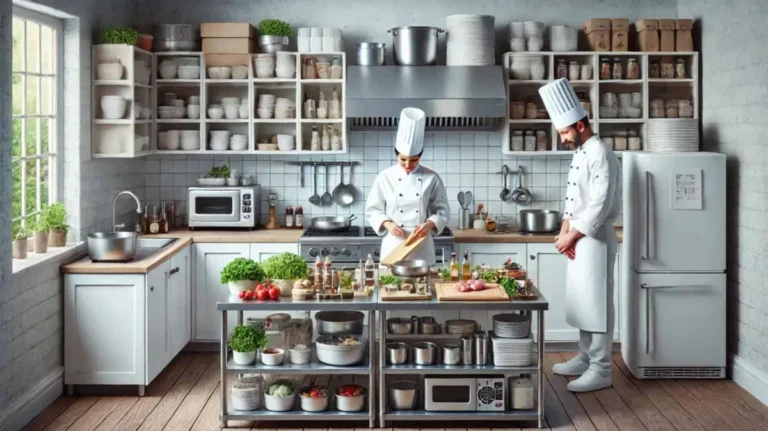
Finally, let’s talk about organization. Even the best tools won’t save you time if you can’t find them when you need them. This is where tool organization comes in. Keep your most-used tools within easy reach, hang your knives on a magnetic strip, store your cutting board vertically, and use drawer dividers to corral smaller items. And if you’re really serious about efficiency, consider a pegboard system for your kitchen. It’s a great way to keep everything visible and accessible, so you’re not digging through drawers mid-cook. The goal is to create a kitchen where everything has a place, and everything is in its place. Because the less time you spend searching for tools, the more time you have to actually cook.
The Art of Strategic Multitasking: How to Juggle Multiple Tasks Without Burning the House Down
Multitasking in the kitchen is a bit like juggling flaming torches, it’s impressive when it works, but one wrong move and things can go up in smoke (literally). The key to multitasking successfully is strategic timing. You don’t want to be stirring the risotto while also trying to sear the steak and toss the salad. Instead, you want to overlap tasks in a way that makes sense, so you’re always moving forward without dropping the ball (or the pan).
Let’s start with an example. Say you’re making a simple weeknight dinner: grilled chicken, roasted vegetables, and a side salad. The chicken takes 15 minutes to cook, the veggies take 25, and the salad takes 5. If you do these tasks sequentially, you’re looking at 45 minutes of active cooking time. But if you strategically multitask, you can cut that time in half. Here’s how: start by preheating the oven and getting the veggies on a sheet pan. While the oven heats up, prep the salad and set it aside. Then, get the chicken on the grill. By the time the chicken is done, the veggies will be close to finishing, and the salad will be ready to serve. Boom, dinner in 25 minutes, with minimal stress.
But multitasking isn’t just about timing, it’s also about task pairing. Some tasks naturally go together, while others should never be attempted at the same time. For example, you can chop veggies while something simmers on the stove, but you shouldn’t deep-fry and sauté at the same time (unless you’re a professional and have three hands). A good rule of thumb is to pair active tasks (like stirring or flipping) with passive tasks (like roasting or simmering). That way, you’re always doing something, but you’re not overwhelmed.
Another pro tip? Use your oven’s full potential. Most home cooks underutilize their ovens, sticking to one rack at a time. But if you’re roasting veggies and baking a casserole, there’s no reason you can’t use both racks, just rotate the pans halfway through. And if you’re really feeling ambitious, you can even use the oven’s broiler function to finish dishes while you’re working on something else. Just keep an eye on things to avoid burning.
Of course, multitasking isn’t for everyone. If you’re the type of person who gets easily flustered, it might be better to stick to single-tasking. But if you’re up for the challenge, start small. Try overlapping two tasks at a time, like boiling pasta while sautéing garlic. Once you get the hang of it, you can gradually add more tasks to the mix. And remember: the goal isn’t to do everything at once, it’s to work smarter, not harder.
Batch Cooking and Meal Prep: How to Cook Once, Eat All Week (Without Getting Bored)
If there’s one workflow optimization tip that’s changed my life, it’s batch cooking. The idea is simple: cook once, eat multiple times. But the execution? That’s where things get tricky. Done right, batch cooking can save you hours in the kitchen each week. Done wrong, and you’ll end up with a fridge full of sad, soggy leftovers that no one wants to eat. The key is to plan strategically and store smartly so your meals stay fresh and delicious.
First, let’s talk about what to batch cook. Not all foods are created equal when it comes to meal prep. Some hold up well in the fridge or freezer, while others turn into a mushy mess. Here’s a quick cheat sheet:
- Great for batch cooking: soups, stews, chili, roasted veggies, grains (rice, quinoa, farro), proteins (chicken, beef, tofu), and sauces (marinara, pesto, curry).
- Not great for batch cooking: fried foods (they get soggy), delicate greens (they wilt), creamy pastas (they dry out), and anything with a crispy texture (it’ll lose its crunch).
Once you’ve chosen your recipes, it’s time to plan your prep day. I like to set aside a few hours on Sunday to batch cook for the week. It’s a bit of a time investment upfront, but it pays off in spades when you’re not scrambling to make dinner on a Tuesday night. Start by making a list of everything you need to cook, then break it down into steps. For example, if you’re making chili, roasted veggies, and rice, you might start by chopping all the veggies, then cooking the rice, then browning the meat, and finally assembling the chili. The goal is to maximize efficiency by overlapping tasks where possible.
Now, let’s talk about storage. The way you store your batch-cooked meals can make or break their quality. Here are a few tips:
- Use airtight containers: This is non-negotiable. Airtight containers keep food fresh longer and prevent odors from spreading in your fridge.
- Portion out meals: Store meals in single-serving portions so you can grab and go. This also helps with portion control.
- Label everything: Use masking tape and a marker to label containers with the contents and date. This way, you won’t end up with mystery meals in your fridge.
- Freeze what you won’t eat in 3-4 days: Most batch-cooked meals will last 3-4 days in the fridge, but you can extend their shelf life by freezing them. Just make sure to thaw them properly before reheating.
But here’s the thing about batch cooking: it can get boring if you’re eating the same thing all week. To keep things interesting, try mixing and matching components. For example, if you’ve batch-cooked roasted veggies, grilled chicken, and quinoa, you can combine them in different ways: chicken and veggie bowls, quinoa salads, or even stuffed peppers. The key is to keep a few versatile ingredients on hand so you can create different meals without extra prep.
And if you’re really feeling ambitious, try freezer meals. These are meals you prep ahead of time and freeze, so all you have to do is thaw and reheat. Soups, stews, and casseroles are all great candidates for freezer meals. Just make sure to cool them completely before freezing, and use freezer-safe containers to prevent freezer burn. With a little planning, you can have a freezer full of homemade meals ready to go whenever you need them.
Cleaning as You Go: The One Habit That Will Change Your Cooking Life
If there’s one habit that’s transformed how I feel about cooking, it’s cleaning as I go. I know, I know, it sounds tedious. But trust me, it’s a game-changer. When you clean as you cook, you’re not just keeping your kitchen tidy; you’re also reducing mental clutter and making the entire cooking process more enjoyable. Think about it: how many times have you finished cooking, only to be faced with a mountain of dishes and a counter covered in food scraps? It’s enough to make anyone dread cooking. But when you clean as you go, you’re left with a clean kitchen and a sense of accomplishment, no post-dinner scrubbing required.
So, how do you actually clean as you go? It’s all about incorporating cleaning into your cooking routine. Here’s how I do it:
- Fill the sink with hot, soapy water before you start cooking. This way, you can toss tools and bowls into the water as you use them, soaking off food residue before it dries.
- Wipe down counters between tasks. Keep a damp cloth or sponge nearby and give your counters a quick wipe after chopping veggies or prepping proteins. This prevents cross-contamination and keeps your workspace clean.
- Rinse tools as you use them. If you’re using a whisk or a spatula, give it a quick rinse under hot water before setting it down. This prevents food from drying on and makes cleanup easier later.
- Toss scraps into a compost bin or trash bowl. Keep a small bowl on the counter for food scraps, so you’re not constantly walking to the trash can. This also makes it easier to compost if that’s your thing.
- Put ingredients away as you finish with them. If you’re done with the olive oil, put it back in the pantry. If you’re finished with the garlic, put it back in the fridge. This keeps your counters clear and prevents clutter from building up.
But cleaning as you go isn’t just about the physical act of cleaning, it’s also about mindset. When you make cleaning a part of your cooking routine, you’re training yourself to see it as an integral part of the process, not an afterthought. And here’s the thing: the more you do it, the more natural it becomes. Eventually, it’ll feel weird *not* to clean as you go.
Now, I know what you’re thinking: “But Sammy, I don’t have time to clean while I’m cooking!” And I get it, when you’re in the zone, the last thing you want to do is stop and wash a bowl. But here’s the secret: cleaning as you go actually saves time in the long run. How? By preventing the dreaded post-dinner cleanup. If you’ve ever spent 30 minutes scrubbing pots and pans after a meal, you know how soul-crushing it can be. But when you clean as you go, you’re spreading that work out over the entire cooking process, so it feels less overwhelming. Plus, you’re not left with a sink full of dishes when all you want to do is relax.
And if you’re really struggling to keep up, try setting a timer. Every 10 minutes or so, pause what you’re doing and spend 2-3 minutes cleaning. It’s a small investment of time that pays off big time later. Trust me, your future self will thank you.
Time-Saving Shortcuts: When to Cheat (And When to Do It the Long Way)
Let’s talk about shortcuts. Not the kind that involve microwaving a frozen dinner (though, no judgment if that’s your thing), but the kind that actually save time without sacrificing quality. Because here’s the truth: not every cooking task needs to be done from scratch. Sometimes, the best way to optimize your workflow is to embrace the shortcut. The key is knowing when to cheat and when to put in the effort.
First, let’s talk about pre-cut and pre-washed ingredients. I know, I know, purists will tell you that chopping your own veggies is the only way to go. But let’s be real: if buying pre-chopped onions or pre-washed greens saves you 10 minutes and makes you more likely to cook at home, then it’s a win. The same goes for pre-minced garlic, pre-grated cheese, and even pre-cooked proteins like rotisserie chicken. These shortcuts aren’t about cutting corners, they’re about making cooking more accessible. And if that means you’re more likely to make a homemade meal instead of ordering takeout, then I’m all for it.
But not all shortcuts are created equal. Some are worth the convenience, while others just don’t deliver. Here’s a quick guide:
- Worth it:
- Pre-cut veggies (onions, bell peppers, butternut squash)
- Pre-washed greens (spinach, kale, salad mixes)
- Pre-minced garlic and ginger
- Pre-grated cheese (though fresh-grated tastes better, the convenience is real)
- Rotisserie chicken (for quick proteins in salads, tacos, or soups)
- Frozen veggies (just as nutritious as fresh, and they don’t go bad)
- Not worth it:
- Pre-cooked pasta (it’s usually mushy and overcooked)
- Pre-made pie crust (homemade is so much better, and not that hard)
- Pre-marinated meats (they’re often loaded with preservatives and don’t taste as good)
- Pre-made dough (unless you’re in a *real* pinch, homemade is worth the effort)
Another great shortcut? One-pot and sheet-pan meals. These recipes minimize cleanup and maximize flavor, all while keeping the cooking process simple. Think sheet-pan fajitas, one-pot pasta, or a hearty stew. The beauty of these meals is that they’re hands-off-once everything’s in the pot or on the pan, you can walk away and let the oven or stove do the work. Plus, they’re perfect for batch cooking, so you can make a big batch and eat leftovers all week.
But here’s the thing about shortcuts: they’re not an all-or-nothing deal. You don’t have to choose between cooking everything from scratch and relying on processed foods. The best approach is a hybrid one. Use shortcuts where they make sense, and put in the effort where it counts. For example, you might use pre-cut veggies for a stir-fry but make your own sauce from scratch. Or you might buy a rotisserie chicken for tacos but make your own tortillas. The goal is to find a balance that works for you, one that saves time without sacrificing the joy of cooking.
And let’s not forget about leftovers as shortcuts. If you’ve batch-cooked a big pot of chili or a tray of roasted veggies, don’t be afraid to repurpose them into new meals. Chili can become taco filling, roasted veggies can be tossed into a frittata, and leftover rice can be turned into fried rice. The key is to think creatively about how to use what you already have. Not only does this save time, but it also reduces food waste, win-win.
Digital Tools and Apps: How Technology Can Streamline Your Cooking Workflow
I’ll admit it: I was a late adopter when it came to using apps and digital tools in the kitchen. For years, I clung to my trusty paper recipe binder, convinced that nothing could replace the tactile experience of flipping through handwritten notes. But then I had a kitchen disaster (involving a misplaced recipe card and a very burnt casserole) that made me reconsider. Now? I’m a full-blown convert. Digital tools aren’t just for tech-savvy millennials, they’re for anyone who wants to cook more efficiently. And the best part? They’re not as complicated as you might think.
First, let’s talk about recipe apps. These are a game-changer for meal planning, grocery shopping, and even cooking itself. Apps like Paprika, Mealime, and Yummly allow you to save recipes, create grocery lists, and even scale ingredients based on the number of servings you need. No more scribbling notes in the margins of a cookbook or trying to remember if you doubled the garlic. And if you’re someone who likes to meal prep, these apps can help you plan your week in advance, so you’re not staring into the fridge at 6 PM wondering what to make.
But recipe apps aren’t the only digital tools that can help. Here are a few others worth checking out:
- Grocery delivery apps: Apps like Instacart and Amazon Fresh can save you hours each week by delivering groceries right to your door. No more fighting crowds at the store or realizing you forgot the cilantro halfway through cooking.
- Voice assistants: If you have a smart speaker like Amazon Echo or Google Home, you can use it to set timers, convert measurements, or even read recipes aloud. It’s like having a sous chef in your kitchen, minus the attitude.
- Meal planning apps: Apps like Plan to Eat and Eat This Much take the guesswork out of meal planning by generating recipes based on your dietary preferences and schedule. They can even create grocery lists for you.
- Kitchen timers: Sure, your phone has a timer, but apps like Kitchen Timer+ allow you to set multiple timers at once, so you’re not constantly resetting the same one. This is a lifesaver when you’re juggling multiple dishes.
But digital tools aren’t just about apps, they’re also about smart kitchen gadgets. If you’re ready to take your kitchen into the 21st century, here are a few gadgets worth considering:
- Instant Pot: This multi-cooker is a meal-prep powerhouse. It can pressure cook, slow cook, sauté, and even make yogurt. If you’re short on time, it’s a game-changer.
- Sous vide circulator: If you’re into precision cooking, a sous vide circulator allows you to cook food to the exact temperature you want, with minimal effort. It’s great for proteins like steak and chicken.
- Smart scales: Scales like the Drop Scale connect to your phone and guide you through recipes step by step. They’re perfect for baking, where precision is key.
- Smart ovens: Ovens like the June Oven use AI to recognize food and cook it perfectly. They’re pricey, but if you’re serious about cooking, they’re worth the investment.
Now, I know what you’re thinking: “But Sammy, I don’t want to rely on technology to cook!” And I get it, there’s something deeply satisfying about cooking without screens or gadgets. But here’s the thing: digital tools aren’t about replacing the joy of cooking, they’re about removing the friction. They take care of the tedious parts (like grocery shopping or converting measurements) so you can focus on the fun parts (like experimenting with flavors or perfecting a technique).
And if you’re worried about screen time in the kitchen, there are ways to minimize it. For example, you can print out recipes before you start cooking, so you’re not constantly checking your phone. Or you can use a tablet stand to keep your device at eye level, so you’re not hunched over a tiny screen. The goal is to use technology as a tool, not a crutch.
The Emotional Side of Cooking: How to Enjoy the Process (Even When You’re Stressed)
Let’s get real for a second: cooking isn’t always fun. Some days, it feels like a chore, just another thing to check off your to-do list. And on those days, no amount of workflow optimization is going to make you enjoy it. But here’s the thing: cooking doesn’t have to be perfect to be enjoyable. In fact, some of my best meals have come from moments of chaos, when I’ve embraced the mess and just gone with the flow. The key is to shift your mindset and find joy in the process, not just the outcome.
I learned this lesson the hard way during a particularly stressful week last year. I was juggling a big work project, Luna (my rescue cat) was being extra needy, and I just didn’t have the mental energy to cook. But I’d already bought groceries, so I forced myself to make dinner. And you know what? It was a disaster. I burned the garlic, overcooked the pasta, and somehow managed to spill olive oil all over the floor. But here’s the thing: even though the meal wasn’t great, I felt a sense of accomplishment just for trying. And that’s when I realized: cooking isn’t just about the food, it’s about the experience.
So, how do you enjoy cooking when you’re stressed? Start by lowering your expectations. You don’t have to make a gourmet meal every night. Some days, dinner can be as simple as scrambled eggs and toast. Other days, it can be a big, elaborate feast. The important thing is to give yourself permission to keep it simple. And if you’re really not feeling it, don’t be afraid to order takeout. There’s no shame in taking a break.
Another way to enjoy cooking is to make it social. Invite a friend over to cook with you, or put on some music and dance around the kitchen. Cooking doesn’t have to be a solitary activity, it can be a way to connect with others. And if you’re cooking alone, try treating it like a meditative practice. Focus on the sounds, smells, and textures of the food. Pay attention to the way the knife feels in your hand or the sizzle of the pan. When you approach cooking with mindfulness, it becomes less of a chore and more of a creative outlet.
And here’s a controversial take: it’s okay to hate cooking sometimes. Not every meal has to be a masterpiece, and not every cooking session has to be enjoyable. Some days, you’re just going to be tired, hungry, and over it. And that’s fine. The goal isn’t to love cooking every single time, it’s to find a way to make it work for you. Whether that means meal prepping on Sundays, using shortcuts, or just keeping it simple, the important thing is to do what feels sustainable.
Finally, don’t forget to celebrate the small wins. Did you chop the onions without crying? Win. Did you remember to set a timer and not burn the garlic? Win. Did you make a meal that actually tasted good? Big win. Cooking is a skill, and like any skill, it takes time to develop. So be kind to yourself, and remember: the more you cook, the more you’ll enjoy it.
Putting It All Together: Your Step-by-Step Workflow Optimization Plan
Okay, let’s recap. We’ve covered a lot of ground, from the psychology of cooking to mise en place, multitasking, batch cooking, and even the emotional side of the process. But how do you actually put all of this into practice? How do you take these tips and turn them into a cohesive workflow that works for you? That’s what this section is all about. I’m going to walk you through a step-by-step plan for optimizing your cooking workflow, so you can start cooking smarter, not harder, right away.
First, let’s talk about pre-cooking prep. This is the foundation of your workflow, and it starts before you even turn on the stove. Here’s what to do:
- Choose your recipe(s): Pick a recipe that fits your skill level and the time you have available. If you’re new to cooking, start with something simple, like pasta or stir-fry. If you’re more experienced, challenge yourself with something a little more complex.
- Read the recipe twice: The first read is for familiarity, the second is for logistics. Make sure you understand all the steps and have all the ingredients and tools you’ll need.
- Gather your ingredients: Pull out everything you’ll need and place it on the counter. This is your mise en place, everything in its place.
- Prep your ingredients: Chop the veggies, measure the spices, grate the cheese, whatever the recipe calls for. The goal is to have everything prepped and ready to go before you start cooking.
- Set up your workspace: Clear your counters, fill the sink with hot, soapy water, and gather your tools. The goal is to create a clean, organized space where you can focus on cooking.
Once your prep is done, it’s time to start cooking. Here’s how to do it efficiently:
- Start with the longest task: If you’re making a dish that requires roasting, simmering, or baking, start with that first. This way, you can work on other tasks while it cooks.
- Multitask strategically: Pair active tasks (like stirring or flipping) with passive tasks (like roasting or simmering). For example, you can chop veggies while something simmers on the stove.
- Clean as you go: Wipe down counters, rinse tools, and toss scraps into a compost bin or trash bowl. The goal is to keep your workspace clean and clutter-free.
- Use timers: Set timers for each task, so you’re not constantly checking the clock. This is especially important for tasks like baking or roasting, where timing is critical.
- Taste as you go: Don’t wait until the end to taste your food. Taste as you cook, and adjust seasoning as needed. This ensures your dish turns out delicious every time.
Finally, let’s talk about post-cooking cleanup. This is where a lot of people drop the ball, but it’s just as important as the cooking itself. Here’s how to do it efficiently:
- Finish cleaning as you go: If you haven’t already, wipe down counters, rinse tools, and put away ingredients. The goal is to leave your kitchen as clean as you found it (or cleaner!).
- Store leftovers properly: Use airtight containers to store leftovers, and label them with the contents and date. This ensures they stay fresh and don’t get lost in the fridge.
- Plan for the next meal: If you’ve batch-cooked, portion out meals for the week and store them in the fridge or freezer. If you’re not batch-cooking, take a few minutes to plan your next meal, so you’re not starting from scratch tomorrow.
- Take a moment to enjoy your work: Sit down, take a deep breath, and enjoy the meal you’ve just made. Cooking is hard work, and you deserve to savor the fruits of your labor.
And that’s it! That’s your step-by-step workflow optimization plan. It might seem like a lot at first, but once you get the hang of it, it’ll become second nature. The key is to start small and build from there. Maybe you start by implementing mise en place, then add in cleaning as you go, and eventually work your way up to batch cooking and multitasking. The goal isn’t to overhaul your entire cooking routine overnight, it’s to make small, sustainable changes that add up over time.
Final Thoughts: Why Workflow Optimization Isn’t Just About Efficiency
When I first started thinking about workflow optimization in the kitchen, I’ll admit, I was all about the efficiency. I wanted to cook faster, cleaner, and with less stress. And while those things are important, I’ve come to realize that workflow optimization isn’t just about getting dinner on the table faster. It’s about reclaiming the joy of cooking. It’s about turning a chore into a creative outlet, a way to nourish yourself and the people you love. And that’s something worth optimizing for.
Think about it: when your kitchen is organized, your ingredients are prepped, and your workflow is smooth, cooking becomes less of a struggle and more of a pleasure. You’re not constantly fighting against the clock or your own frustration. Instead, you’re in the zone, fully present in the moment. And that’s when the magic happens, when you’re not just cooking to eat, but cooking to create, experiment, and enjoy.
So, as you start implementing these tips, don’t forget to enjoy the process. Yes, efficiency is important, but it’s not the only thing that matters. Cooking is as much about the journey as it is about the destination. And if you can find a way to make that journey smoother, more enjoyable, and less stressful, then you’re not just optimizing your workflow, you’re optimizing your life.
Now, I’d love to hear from you: what’s one workflow optimization tip you’re going to try this week? Maybe it’s mise en place, or cleaning as you go, or finally investing in that chef’s knife you’ve been eyeing. Whatever it is, I hope it makes your time in the kitchen a little bit easier, and a lot more enjoyable. Happy cooking!
FAQ
Q: What’s the most important workflow optimization tip for beginners?
A: For beginners, the most important tip is mise en place-prepping and organizing all your ingredients before you start cooking. This eliminates the need to stop and prep mid-cook, which is when mistakes and stress tend to happen. It also helps you feel more in control of the process, which is especially important when you’re still building confidence in the kitchen. Start with simple recipes and focus on getting your ingredients ready before you turn on the heat. You’ll be amazed at how much smoother the cooking process becomes.
Q: How do I optimize my workflow when cooking for a large group?
A: Cooking for a large group can feel overwhelming, but the key is to break the meal into manageable components and delegate tasks. Start by choosing recipes that can be prepped ahead of time, like casseroles, soups, or roasted veggies. Then, create a timeline for the day, listing out when each component needs to be prepped, cooked, and served. If you have helpers, assign tasks based on their skill level, someone can chop veggies, while someone else sets the table. And don’t forget to use your oven’s full potential by cooking multiple dishes at once (just rotate the pans halfway through). Finally, keep a running list of what’s done and what’s left to do, so you’re not constantly trying to remember where you are in the process.
Q: What are some common workflow mistakes home cooks make?
A: One of the biggest mistakes home cooks make is ot reading the recipe all the way through before starting. This leads to last-minute scrambling when you realize you’re missing an ingredient or haven’t prepped something. Another common mistake is overcrowding the pan, which steams food instead of browning it and slows down the cooking process. Other mistakes include ot preheating the oven (which can lead to uneven cooking), skipping the resting step for proteins (which can make them dry), and ot cleaning as you go (which leads to a mountain of dishes at the end). The good news? All of these mistakes are easy to fix with a little practice and mindfulness.
Q: How can I optimize my workflow if I have a small kitchen?
A: Small kitchens can be a challenge, but they’re also an opportunity to get creative with organization. Start by maximizing vertical space-install shelves, hooks, or a pegboard to store tools and ingredients. Use stackable containers to save space in your pantry and fridge, and multi-functional tools (like a chef’s knife or an Instant Pot) to minimize clutter. Another tip? Keep your counters clear by storing appliances you don’t use daily in cabinets or closets. And if you’re really tight on space, consider meal prepping in batches to minimize the number of times you need to cook each week. The key is to make the most of what you have and keep your kitchen organized so you’re not constantly searching for tools or ingredients.
@article{workflow-optimization-tips-for-home-cooks-how-to-cook-smarter-not-harder-in-your-kitchen,
    title   = {Workflow Optimization Tips for Home Cooks: How to Cook Smarter, Not Harder in Your Kitchen},
    author  = {Chef's icon},
    year    = {2026},
    journal = {Chef's Icon},
    url     = {https://chefsicon.com/workflow-optimization-tips-for-home-cooks/}
}