The Best Fluffy Pancakes recipe you will fall in love with. Full of tips and tricks to help you make the best pancakes.
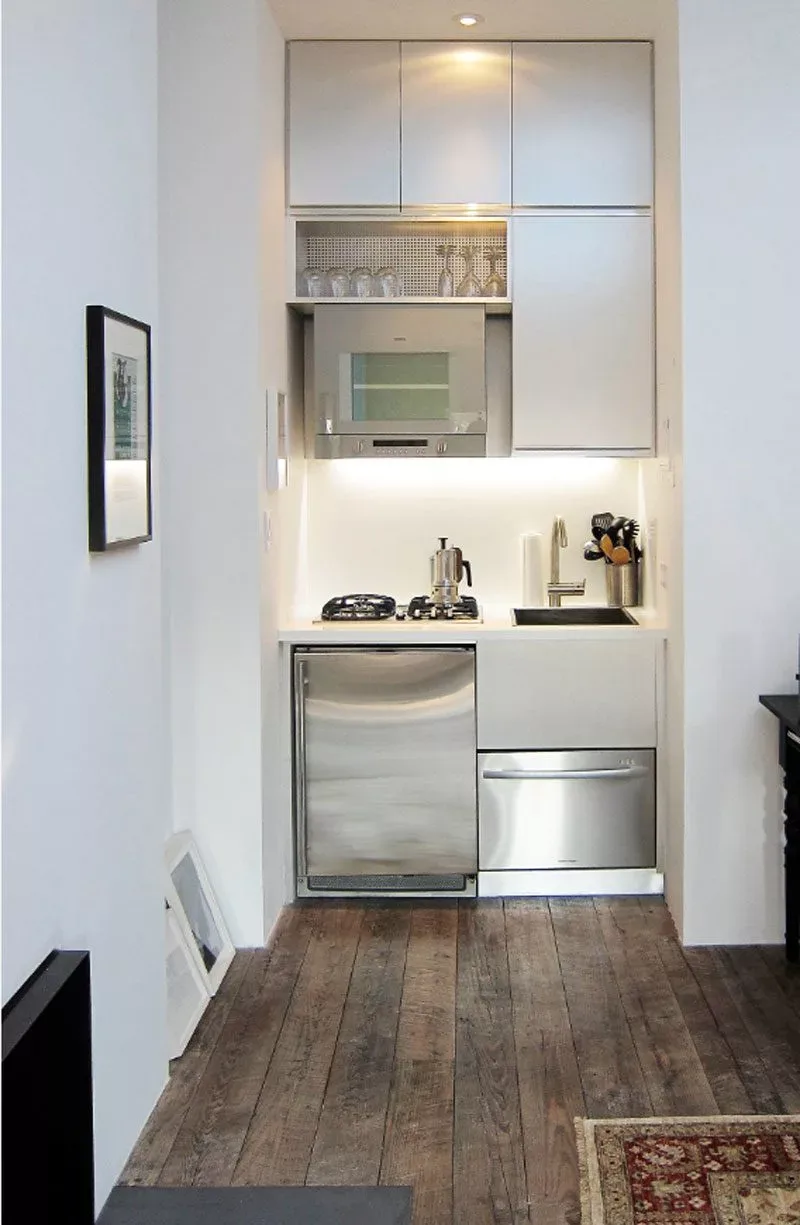
Maximizing Small Kitchen Spaces: Why Your Tiny Kitchen Might Be Your Best Kitchen Yet
Let me tell you about the first time I realized my kitchen was too small. It was 2021, I’d just moved into a Nashville apartment with Luna, my rescue cat, and I was attempting to make my famous (okay, *only* famous to my mom) garlic butter shrimp scampi. The problem? My kitchen was essentially a glorified hallway with a sink. I had about three square feet of counter space, a fridge that could barely hold a six-pack, and a stove that looked like it belonged in a dollhouse. I ended up burning the garlic because I had to juggle the shrimp, the pan, and a cutting board balanced on the edge of the sink. Luna watched the whole disaster with that judgmental look only cats can perfect.
But here’s the thing: small kitchens aren’t a death sentence for your culinary dreams. In fact, they might just be the best thing that ever happened to your cooking. When you’re forced to work with less, you get creative. You learn to prioritize. You figure out what *actually* matters in a kitchen, and what’s just taking up space. Over the past few years, I’ve turned my tiny kitchen into a lean, mean, cooking machine, and I’ve picked up a ton of tricks (and made a ton of mistakes) along the way. Whether you’re dealing with a studio apartment, a cozy rental, or just a kitchen that’s seen better days, this guide is for you. We’re going to talk about maximizing small kitchen spaces without sacrificing functionality, style, or your sanity. And yes, we’ll cover how to avoid setting your garlic on fire.
By the end of this, you’ll know how to:
- Assess your kitchen’s pain points and hidden potential
- Choose multi-functional equipment that doesn’t take up half your counter
- Organize like a pro (spoiler: it’s not just about buying more storage bins)
- Design a workflow that actually makes sense for *your* cooking style
- Incorporate space-saving hacks that don’t look like you’re living in a dorm room
So, let’s dive in. And if you’re currently staring at a kitchen that looks like it was designed by someone who’s never cooked a meal, take a deep breath. We’ve all been there. The good news? You’re about to turn that tiny space into the most efficient kitchen you’ve ever had.
The Psychology of Small Kitchens: Why We Love to Hate Them (And How to Change That)
Why Small Kitchens Feel Like a Punishment (Spoiler: They’re Not)
There’s something about a small kitchen that just *feels* like a personal attack. You walk in, survey the cramped countertops, the cabinets that barely close, and the sink that’s somehow both too small and too deep, and you think, *How am I supposed to make anything in here?* It’s not just about the physical space, it’s about the mental block. We’ve been conditioned to think that bigger is better, especially when it comes to kitchens. Open-concept layouts, walk-in pantries, double ovens, these are the things dreams (and Pinterest boards) are made of. But here’s the truth: small kitchens force you to be a better cook.
Think about it. In a large kitchen, you can afford to be messy. You can leave appliances out, stack dishes in the sink, and let your pantry devolve into a black hole of expired snacks. But in a small kitchen? Every square inch matters. You *have* to clean as you go. You *have* to put things away immediately. You *have* to be intentional about what you keep and what you toss. And that’s not a bad thing. In fact, it’s liberating. When you stop seeing your small kitchen as a limitation and start seeing it as a challenge to optimize, everything changes. Suddenly, you’re not just cooking, you’re solving a puzzle. And who doesn’t love a good puzzle?
I’ll admit, it took me a while to get here. At first, I resented my tiny kitchen. I’d stare longingly at the kitchens in cooking shows, with their sprawling islands and professional-grade appliances, and wonder why my life couldn’t be that easy. But then I started noticing something: those big kitchens often looked *empty*. The chefs would walk miles between the fridge and the stove, and half the counter space went unused. Meanwhile, in my kitchen, I could reach everything with a single step. I could prep, cook, and clean without ever leaving my little triangle of space. And that’s when it hit me: small kitchens aren’t about lack, they’re about efficiency.
So, before we dive into the practical stuff, let’s reframe our mindset. Your small kitchen isn’t a problem to solve, it’s an opportunity to rethink how you cook. And trust me, once you start seeing it that way, everything else falls into place.
The Emotional Toll of a Cluttered Kitchen (And How to Fix It)
Here’s something no one tells you about small kitchens: they can mess with your head. Not in a *you-need-therapy* kind of way (though, if your kitchen is stressing you out that much, maybe consider it), but in a *this-is-affecting-my-mood-more-than-I-thought* kind of way. Studies have shown that clutter, especially in spaces where we create, like kitchens, can increase stress levels, make us less productive, and even affect our eating habits. When your kitchen feels chaotic, you’re less likely to cook, and more likely to order takeout. And while takeout is delicious, it’s not exactly the path to culinary enlightenment (or a balanced budget).
But here’s the good news: a small kitchen doesn’t have to be a cluttered kitchen. In fact, it *shouldn’t* be. The key is to treat your kitchen like a high-performance workspace, not a storage unit. That means being ruthless about what you keep, where you keep it, and how you use it. It means designing a space that works *for* you, not against you. And it means accepting that some things, like that fondue set you’ve used once in five years, just don’t belong in your kitchen.
I learned this the hard way. When I first moved into my apartment, I tried to cram everything into my kitchen. Every pot, pan, gadget, and half-used spice jar I owned found a home in my cabinets or on my counters. The result? A kitchen that felt like a Tetris game I could never win. I’d open a cabinet, and a avalanche of Tupperware would come tumbling out. I’d reach for a pan, and knock over a stack of plates. It was exhausting. And then one day, I had enough. I pulled everything out, sorted it into piles (keep, donate, trash), and started over. And let me tell you, it was a game-changer. My kitchen didn’t magically get bigger, but it *felt* bigger. Because suddenly, I could actually *use* it.
So, if your kitchen is currently stressing you out, ask yourself: *What’s really bothering me here?* Is it the lack of counter space? The disorganized cabinets? The fact that you can’t find anything when you need it? Once you identify the pain points, you can start fixing them. And that’s what we’re going to do next.
The First Step to Maximizing Small Kitchen Spaces: The Brutal Audit
Why You Need to Empty Your Kitchen (Yes, the Whole Thing)
I know what you’re thinking: *There’s no way I’m emptying my entire kitchen. That sounds like a nightmare.* And yeah, it’s not exactly a fun Saturday afternoon activity. But trust me, it’s the most important step in maximizing small kitchen spaces. Why? Because you can’t organize what you don’t understand. If you just shuffle things around without knowing what you’re working with, you’ll end up with the same mess, just in different places. The audit forces you to confront what you actually own, what you actually use, and what’s just taking up valuable real estate.
Here’s how to do it: set aside a few hours (yes, it’ll take that long), put on some music, and pull everything out of your cabinets, drawers, and pantry. Everything. The expired cans of beans, the single-use gadgets, the mismatched Tupperware lids, it all comes out. Lay it all out on your counters, table, or even the floor if you have to. And then, sort it into four piles:
- Keep: Things you use regularly (at least once a month) or that serve a critical purpose (like your only baking sheet).
- Donate/Sell: Things that are in good condition but you don’t use (that bread maker you got for Christmas, the set of ramekins you’ve never touched).
- Trash/Recycle: Broken items, expired food, or anything that’s beyond saving.
- Maybe: Things you’re not sure about. Give yourself a week to think about these. If you don’t reach for them in that time, they go in the donate or trash pile.
Now, I’ll be honest, this part is tough. You’ll find yourself justifying keeping things you don’t need. *But what if I want to make fondue someday?* *I might need this someday!* *It was a gift!* Here’s my rule of thumb: if you haven’t used it in the past year, and it’s not something you *genuinely* plan to use in the next month, let it go. The goal is to reduce the volume of stuff in your kitchen so you can actually *use* what’s left.
When I did this, I was shocked by how much I was holding onto. I had three different types of graters, a salad spinner I’d used twice, and a set of ramekins that had been gathering dust since 2018. I also found a half-empty bag of flour that had expired in 2019 (oops). Once I got rid of the clutter, I was left with only the things I *actually* used. And suddenly, my kitchen felt like it had doubled in size.
How to Decide What Stays and What Goes
So, how do you decide what to keep? It’s not just about frequency of use, it’s about functionality, versatility, and emotional value. Here’s a quick checklist to help you decide:
- Does it serve multiple purposes? A good chef’s knife, for example, can chop, slice, and dice, so it’s worth keeping. A single-use garlic press? Maybe not.
- Do I have a backup? If you have three wooden spoons but only ever use one, keep the one you like best and donate the rest.
- Is it in good condition? If it’s broken, rusty, or missing parts, it’s time to let it go.
- Does it bring me joy? (Yes, I’m channeling Marie Kondo here.) If you love your vintage Pyrex bowls and use them regularly, keep them. If they’re just taking up space, pass them on.
- Is it a duplicate? Do you really need two can openers? Probably not.
Here’s a hard truth: most of us only use about 20% of what’s in our kitchens. The rest is just clutter. And clutter is the enemy of maximizing small kitchen spaces. So be ruthless. If you’re on the fence about something, ask yourself: *Would I buy this again today?* If the answer is no, it’s time to say goodbye.
Once you’ve pared down your belongings, it’s time to think about where to put them. And that’s where the real fun begins.
The Golden Rules of Small Kitchen Organization
Rule #1: Everything Should Have a Home (And It Should Make Sense)
Here’s the thing about small kitchens: if something doesn’t have a designated spot, it will end up on the counter. And counter space is precious. So, the first rule of small kitchen organization is that everything needs a home. But not just any home, it needs a *logical* home. That means putting things where you use them, not where they “fit.”
For example, if you keep your coffee maker on a high shelf but your coffee beans in a drawer across the kitchen, you’re wasting time and energy every morning. Instead, store the coffee maker, beans, and mugs in the same area. The same goes for spices (keep them near the stove), baking supplies (near the mixing bowls), and utensils (near the prep area). This is called zone organization, and it’s a game-changer for small kitchens. By grouping related items together, you reduce the amount of time you spend searching for things, and you make your kitchen feel more intuitive.
Here’s how to set up your zones:
- Prep Zone: This is where you chop, slice, and dice. Keep your cutting boards, knives, mixing bowls, and measuring cups here.
- Cooking Zone: This is your stove and oven area. Store pots, pans, cooking utensils, and spices here.
- Cleaning Zone: This is your sink and dishwasher area. Keep dish soap, sponges, and drying racks here.
- Storage Zone: This is where you keep food, Tupperware, and other non-perishables. If you have a pantry, great. If not, use cabinets or shelves.
- Coffee/Tea Zone: If you’re a coffee or tea drinker, create a dedicated spot for your machine, beans, mugs, and sweeteners.
Now, I know what you’re thinking: *But my kitchen is so small, I don’t have room for zones!* And yeah, in a tiny kitchen, zones might overlap. But the principle still applies. Even if your prep zone is just a corner of your counter, keep your knives and cutting board there. The goal is to minimize movement so you’re not running around your kitchen like a headless chicken every time you cook.
Rule #2: Vertical Space Is Your Best Friend
When you’re maximizing small kitchen spaces, you can’t afford to ignore vertical space. Walls, cabinets, and even the insides of doors are prime real estate in a tiny kitchen. The key is to think up, not out. Here are some ways to make the most of your vertical space:
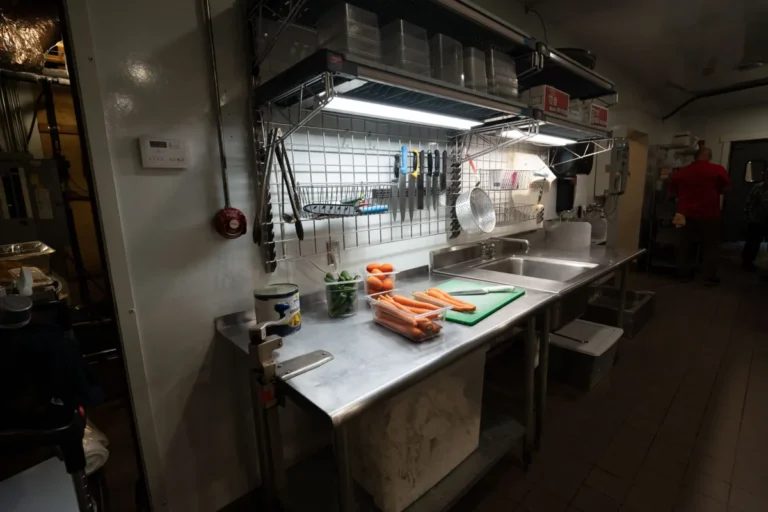
- Wall-Mounted Shelves: These are a small kitchen’s best friend. Install shelves above your countertops to store spices, cookbooks, or frequently used ingredients. Just make sure they’re sturdy enough to hold what you put on them.
- Magnetic Strips: A magnetic knife strip frees up drawer space and keeps your knives within easy reach. You can also use magnetic strips to store spice jars, metal utensils, or even small metal containers.
- Pegboards: Pegboards are like the Swiss Army knife of kitchen organization. You can hang pots, pans, utensils, and even cutting boards on them. Plus, they look pretty cool.
- Over-the-Door Organizers: These are great for storing spices, cleaning supplies, or even snacks. Just make sure they don’t block your cabinets or drawers.
- Stackable Containers: If you’re storing dry goods like pasta, rice, or cereal, use stackable containers to maximize cabinet space. Bonus points if they’re clear so you can see what’s inside.
I’ll be honest, I was skeptical about vertical storage at first. I thought it would make my kitchen feel cluttered. But then I installed a pegboard above my counter, and it was a revelation. Suddenly, I had a place to hang my pots, pans, and utensils, and my countertops were clear. It didn’t make my kitchen bigger, but it made it *feel* bigger. And that’s the goal, right?
Rule #3: If You Can’t See It, You Won’t Use It
Here’s another hard truth: if you can’t see it, you’ll forget you have it. That’s why deep cabinets and high shelves are the enemy of small kitchens. If you have to dig through a pile of pots to find the one you want, or climb on a step stool to reach a rarely used appliance, you’re not going to use it. And if you’re not using it, why is it taking up space?
The solution? Open storage. Now, I know what you’re thinking: *Open storage? In a small kitchen? That sounds like a recipe for disaster.* And yeah, if you do it wrong, it can look messy. But if you do it right, it can make your kitchen feel more spacious and accessible. The key is to curate what you display. Don’t just throw everything on open shelves, choose items that are both functional and aesthetically pleasing. Here are some ideas:
- Display Your Dishes: If you have nice plates, bowls, or mugs, put them on open shelves. It adds personality to your kitchen and makes them easy to grab when you need them.
- Store Spices in Clear Containers: Transfer your spices to clear, uniform containers and store them on a wall-mounted rack or shelf. This way, you can see what you have at a glance.
- Hang Your Pots and Pans: A pot rack or pegboard is a great way to store your cookware while keeping it within easy reach.
- Use Baskets or Bins: If you have open shelves, use baskets or bins to corral smaller items like snacks, packets, or utensils. This keeps things tidy and makes it easy to grab what you need.
I’ll admit, I was hesitant to try open storage. I thought it would make my kitchen look cluttered. But then I realized that my cabinets were already cluttered, I just couldn’t see it. By moving some of my most-used items to open shelves, I was able to reduce the visual noise in my kitchen. Plus, it forced me to be more intentional about what I kept. If I didn’t want it on display, I had to ask myself: *Do I really need this?*
Choosing the Right Equipment for Small Kitchens
Why Bigger Isn’t Always Better (And How to Pick Multi-Functional Tools)
When you’re maximizing small kitchen spaces, every piece of equipment needs to earn its keep. That means no single-use gadgets, no oversized appliances, and no “just in case” items. The goal is to choose tools that do more with less. Here’s how to pick the right equipment for your tiny kitchen:
- Prioritize Multi-Functional Tools: A good chef’s knife can do the job of a paring knife, a bread knife, and a cleaver. A cast-iron skillet can sear, fry, bake, and even braise. A food processor can chop, slice, shred, and puree. The more functions a tool has, the fewer tools you need.
- Avoid Single-Use Gadgets: Garlic presses, avocado slicers, egg separators, these are all tools that do one thing and one thing only. And in a small kitchen, that’s a luxury you can’t afford. If you can do the same job with a knife or a fork, skip the gadget.
- Opt for Compact Appliances: If you’re in the market for a new appliance, look for compact or multi-functional versions. For example, a toaster oven can do the job of a toaster, an oven, and even an air fryer. A hand blender can blend, chop, and whisk. And a compact coffee maker can brew espresso, drip coffee, and even froth milk.
- Consider Foldable or Collapsible Items: Foldable cutting boards, collapsible colanders, and stackable mixing bowls are all great space-savers. They take up less room when not in use, and they’re easy to store.
- Think About Storage: Before you buy anything, ask yourself: *Where will I put this?* If you don’t have a good answer, don’t buy it. The last thing you want is a new tool that ends up cluttering your countertops.
I’ll be honest, this was a tough lesson for me to learn. I love kitchen gadgets. I love the idea of having the *perfect* tool for every job. But in a small kitchen, that’s just not practical. So, I had to get ruthless. I donated my garlic press, my egg slicer, and my avocado tool (yes, that’s a real thing). And you know what? I don’t miss them. I can mince garlic with a knife, slice eggs with a fork, and pit an avocado with a spoon. And my kitchen is better for it.
If you’re not sure where to start, here’s a list of essential multi-functional tools for small kitchens:
- Chef’s Knife: The backbone of any kitchen. Invest in a good one, and it will do the job of multiple knives.
- Cast-Iron Skillet: Versatile, durable, and great for searing, frying, baking, and more.
- Food Processor: Can chop, slice, shred, puree, and even knead dough.
- Instant Pot: A pressure cooker, slow cooker, rice cooker, steamer, and yogurt maker all in one.
- Toaster Oven: Can toast, bake, broil, and even air fry. Plus, it’s more energy-efficient than a full-sized oven.
- Hand Blender: Can blend, chop, whisk, and even froth milk.
- Mixing Bowls with Lids: Can mix, store, and even serve food. Plus, the lids make them stackable.
- Microplane: Can zest, grate, and even mince garlic or ginger.
Now, I know what you’re thinking: *But what about my waffle maker? Or my panini press? Or my ice cream machine?* And I get it, those tools are fun. But if you’re serious about maximizing small kitchen spaces, you have to ask yourself: *How often do I really use this?* If the answer is “not often,” it might be time to let it go.
How to Store Appliances So They Don’t Take Over Your Kitchen
Even the most multi-functional appliances can take up a lot of space if you don’t store them properly. And in a small kitchen, every inch counts. Here’s how to store your appliances so they’re easy to access but out of the way:
- Keep Frequently Used Appliances on the Counter: If you use your coffee maker every day, it deserves a spot on your counter. The same goes for your toaster, blender, or air fryer. Just make sure they’re not taking up valuable prep space.
- Store Less-Used Appliances in Cabinets or Shelves: If you only use your food processor once a week, store it in a cabinet. The same goes for your stand mixer, slow cooker, or waffle maker. Just make sure they’re easy to grab when you need them.
- Use Appliance Garages: An appliance garage is a cabinet with a roll-up or flip-up door that hides your appliances when not in use. It’s a great way to keep your counters clear while still having easy access to your tools.
- Consider Wall-Mounted Storage: If you have a pegboard or wall-mounted shelves, you can hang appliances like your hand blender, immersion circulator, or even your toaster oven. Just make sure they’re secure.
- Use Stackable or Nesting Appliances: Some appliances, like toaster ovens and air fryers, come in stackable designs. Others, like hand blenders and immersion circulators, can be nested inside mixing bowls or pots.
I’ll admit, I struggled with this at first. I wanted all my appliances to be within easy reach, but I also wanted my counters to be clear. So, I compromised. I kept my coffee maker and toaster on the counter, but I stored my food processor and stand mixer in a cabinet. And I installed an appliance garage for my blender and hand mixer. It’s not perfect, but it works for me.
Here’s the thing: there’s no one-size-fits-all solution for appliance storage. You have to experiment and find what works for your kitchen and your cooking style. But the key is to be intentional. Don’t just shove your appliances into a cabinet and forget about them. Think about how you use them, how often you use them, and where they make the most sense.
Designing a Workflow That Actually Works (Spoiler: The Kitchen Triangle Is Overrated)
Why the Kitchen Triangle Doesn’t Always Apply to Small Kitchens
If you’ve ever read anything about kitchen design, you’ve probably heard of the kitchen triangle. The idea is that your sink, stove, and refrigerator should form a triangle, with each side between 4 and 9 feet long. The goal is to minimize movement and make cooking more efficient. And in a large kitchen, it works great. But in a small kitchen? Not so much.
Here’s the problem: in a tiny kitchen, your sink, stove, and fridge are probably already close together. Like, *really* close. Maybe even too close. And if you try to force the kitchen triangle into a space that’s not designed for it, you might end up with a layout that’s awkward and inefficient. For example, if your sink is directly across from your stove, you might find yourself constantly bumping into things or getting in your own way. Or if your fridge is too far from your prep area, you might waste time walking back and forth.
So, what’s the alternative? Forget the triangle and focus on workflow. Instead of worrying about the distance between your sink, stove, and fridge, think about how you *actually* move in your kitchen. Where do you prep? Where do you cook? Where do you clean? The goal is to minimize steps and maximize efficiency. And in a small kitchen, that might mean breaking the rules.
For example, in my kitchen, my sink, stove, and fridge are all in a straight line. It’s not a triangle, but it works for me. I can prep at the sink, cook at the stove, and grab ingredients from the fridge without moving more than a few steps. And because everything is so close together, I can clean as I go without feeling like I’m running a marathon.
Here’s how to design a workflow that works for your small kitchen:
- Map Your Movements: Spend a few days paying attention to how you move in your kitchen. Where do you stand when you prep? Where do you cook? Where do you clean? What’s the most common path you take? Once you understand your movements, you can design a layout that supports them.
- Identify Your Pain Points: What’s the most frustrating part of your current layout? Is it the distance between your sink and stove? The lack of counter space? The fact that your fridge is too far from your prep area? Once you identify the pain points, you can start fixing them.
- Prioritize Your Most-Used Areas: In a small kitchen, you can’t have it all. So, focus on the areas you use the most. If you’re a baker, prioritize your prep area. If you’re a cook, prioritize your stove. And if you’re a clean-as-you-go person, prioritize your sink.
- Minimize Cross-Traffic: In a small kitchen, it’s easy to get in your own way. So, try to design a layout that minimizes cross-traffic. For example, if you’re right-handed, put your prep area to the right of your stove so you’re not reaching across the burners.
- Test Your Layout: Once you’ve designed your new layout, test it out. Cook a few meals and see how it feels. If something doesn’t work, don’t be afraid to tweak it. The goal is to find a layout that feels natural and efficient.
I’ll be honest, it took me a while to figure out my workflow. At first, I tried to force the kitchen triangle into my space, but it just didn’t work. So, I experimented. I moved my cutting board to the left of the sink. I stored my spices above the stove. I even tried putting my trash can in a different spot. And eventually, I found a layout that worked for me. It’s not perfect, but it’s *mine*. And that’s the key-your kitchen should work for you, not the other way around.
How to Create Zones in a Tiny Kitchen (Even If It Feels Impossible)
Earlier, we talked about zone organization-the idea of grouping related items together to minimize movement and maximize efficiency. But in a tiny kitchen, creating zones can feel like a pipe dream. How are you supposed to have a prep zone, a cooking zone, and a cleaning zone when your entire kitchen is the size of a closet?
The answer? You get creative. Even in the smallest kitchens, you can create distinct zones. You just have to think outside the box. Here’s how:
- Use Your Countertops Wisely: In a small kitchen, your countertops are prime real estate. So, use them to create zones. For example, dedicate one corner to prep, another to cooking, and another to cleaning. Even if the zones overlap, the key is to keep related items together.
- Think Vertically: If you don’t have enough horizontal space, use your walls. Install shelves, pegboards, or magnetic strips to create vertical zones. For example, you could have a spice zone above your stove, a utensil zone next to your prep area, and a cleaning zone near your sink.
- Use Trays or Cutting Boards: If you don’t have enough counter space for dedicated zones, use trays or cutting boards to create mini-zones. For example, you could have a prep tray with your knife, cutting board, and mixing bowl, and a cooking tray with your spices, oils, and utensils.
- Store Items Where You Use Them: The key to zone organization is to store items where you use them. So, if you prep at the sink, keep your knives and cutting board there. If you cook at the stove, keep your pots, pans, and spices there. And if you clean at the sink, keep your dish soap and sponges there.
- Be Flexible: In a small kitchen, zones might overlap or change depending on what you’re cooking. And that’s okay. The goal is to minimize movement, not to create rigid, unchanging zones.
I’ll admit, I was skeptical about zones at first. I thought they were only for large kitchens with tons of space. But then I realized that zones aren’t about size, they’re about intention. Even in my tiny kitchen, I was able to create a prep zone, a cooking zone, and a cleaning zone. And it made a huge difference. Suddenly, I wasn’t running around my kitchen like a chicken with its head cut off. I could prep, cook, and clean without feeling like I was in the way.
Here’s the thing: zones don’t have to be big. They just have to be functional. Even if your prep zone is just a corner of your counter, as long as it has everything you need, it’s a zone. And that’s what matters.
Space-Saving Hacks That Don’t Look Like You’re Living in a Dorm Room
How to Use Your Walls (Without Making Your Kitchen Look Like a Hardware Store)
When you’re maximizing small kitchen spaces, your walls are your best friend. But there’s a fine line between functional and overwhelming. You don’t want your kitchen to look like a hardware store exploded in it. So, how do you use your walls effectively without going overboard? Here are some ideas:
- Pegboards: Pegboards are a small kitchen’s secret weapon. They’re versatile, customizable, and they look pretty cool. You can hang pots, pans, utensils, and even cutting boards on them. Plus, they’re easy to install and even easier to rearrange. Just make sure you choose a pegboard that fits your kitchen’s aesthetic. A sleek, white pegboard looks modern and clean, while a wooden pegboard adds warmth and texture.
- Magnetic Strips: Magnetic strips are great for storing knives, spice jars, or even metal utensils. They’re sleek, functional, and they keep your tools within easy reach. Just make sure you install them securely, you don’t want your knives falling off the wall mid-chop.
- Floating Shelves: Floating shelves are a great way to add storage without taking up floor space. You can use them to store spices, cookbooks, or even dishes. Just make sure they’re sturdy enough to hold what you put on them. And if you’re worried about them looking cluttered, stick to a minimalist aesthetic. Keep the shelves sparse, and choose items that are both functional and aesthetically pleasing.
- Wall-Mounted Racks: Racks are great for storing pots, pans, or even wine bottles. You can find them in a variety of styles, from industrial metal to rustic wood. Just make sure they’re installed securely, you don’t want your pots crashing to the floor mid-cook.
- Over-the-Sink Cutting Boards: If you’re short on counter space, an over-the-sink cutting board is a game-changer. It gives you extra prep space without taking up any room. Plus, it makes cleanup a breeze, just slide the scraps into the sink and you’re done.
I’ll be honest, I was hesitant to use my walls at first. I thought it would make my kitchen look cluttered. But then I installed a pegboard, and it was a revelation. Suddenly, I had a place to hang my pots, pans, and utensils, and my countertops were clear. It didn’t make my kitchen bigger, but it made it *feel* bigger. And that’s the goal, right?
Here’s the key to using your walls effectively: be intentional. Don’t just hang things up willy-nilly. Think about what you use most often, and where it makes the most sense. And if something isn’t working, don’t be afraid to move it. The goal is to create a functional, efficient space, not a wall of clutter.
Under-Cabinet Storage: The Hidden Goldmine You’re Probably Ignoring
When you’re maximizing small kitchen spaces, you can’t afford to ignore under-cabinet storage. It’s like a hidden goldmine, full of potential, but often overlooked. The space under your cabinets is prime real estate, and it’s perfect for storing things you use every day. Here’s how to make the most of it:
- Under-Cabinet Shelves: These are great for storing spices, oils, or even small appliances. They’re easy to install, and they keep your counters clear. Plus, they’re within easy reach, so you don’t have to dig through cabinets to find what you need.
- Under-Cabinet Hooks: Hooks are perfect for hanging mugs, utensils, or even small pots and pans. They’re a great way to free up cabinet space, and they keep your tools within easy reach.
- Under-Cabinet Lighting: If your kitchen is dark, under-cabinet lighting is a game-changer. It brightens up your workspace, and it makes your kitchen feel more spacious. Plus, it’s easy to install, just stick it under your cabinets and plug it in.
- Under-Cabinet Paper Towel Holders: If you’re short on counter space, an under-cabinet paper towel holder is a great way to keep your paper towels within easy reach without taking up valuable real estate.
- Under-Cabinet Wine Glass Holders: If you’re a wine drinker, an under-cabinet wine glass holder is a great way to store your glasses without taking up cabinet space. Plus, it keeps them within easy reach.
I’ll admit, I didn’t think about under-cabinet storage at first. I was so focused on my walls and cabinets that I forgot about the space underneath. But then I installed some under-cabinet shelves, and it was a game-changer. Suddenly, I had a place to store my spices, oils, and even my coffee maker. And because they were within easy reach, I didn’t have to dig through cabinets to find what I needed.
Here’s the thing: under-cabinet storage is all about convenience. The goal is to keep things within easy reach, so you don’t have to waste time searching for them. And in a small kitchen, that’s a big deal. So, if you’re not using the space under your cabinets, you’re missing out.
The Magic of Foldable and Collapsible Everything
If you’re serious about maximizing small kitchen spaces, you need to embrace the magic of foldable and collapsible everything. These space-saving wonders are a small kitchen’s best friend. They take up less room when not in use, and they’re easy to store. Plus, they’re often just as functional as their full-sized counterparts. Here are some of my favorites:
- Foldable Cutting Boards: These are great for small kitchens because they take up less room when not in use. Plus, they’re easy to store, just fold them up and tuck them away in a drawer.
- Collapsible Colanders: A collapsible colander is a game-changer for small kitchens. It takes up less room when not in use, and it’s just as functional as a full-sized colander. Plus, it’s easy to store, just collapse it and tuck it away in a cabinet.
- Stackable Mixing Bowls: If you’re short on cabinet space, stackable mixing bowls are a lifesaver. They take up less room when not in use, and they’re easy to store. Plus, they’re often just as functional as full-sized mixing bowls.
- Foldable Drying Racks: A foldable drying rack is a great way to save space in a small kitchen. It takes up less room when not in use, and it’s easy to store. Plus, it’s just as functional as a full-sized drying rack.
- Collapsible Measuring Cups: If you’re short on drawer space, collapsible measuring cups are a great way to save room. They take up less space when not in use, and they’re easy to store. Plus, they’re often just as accurate as full-sized measuring cups.
I’ll be honest, I was skeptical about foldable and collapsible items at first. I thought they would be flimsy or difficult to use. But then I tried a foldable cutting board, and it was a revelation. It was just as sturdy as a full-sized cutting board, and it took up half the space. Plus, it was easy to store, I just folded it up and tucked it away in a drawer. And that’s when I realized: foldable and collapsible items aren’t a compromise, they’re an upgrade.
Here’s the thing: foldable and collapsible items are all about efficiency. They take up less room when not in use, and they’re easy to store. Plus, they’re often just as functional as their full-sized counterparts. So, if you’re serious about maximizing small kitchen spaces, you need to embrace the magic of foldable and collapsible everything.
Lighting and Color: How to Make Your Small Kitchen Feel Bigger (Without Knocking Down Walls)
Why Lighting Is the Secret Weapon of Small Kitchens
When you’re maximizing small kitchen spaces, lighting is often an afterthought. But it shouldn’t be. Lighting is the secret weapon of small kitchens, it can make your space feel bigger, brighter, and more inviting. And the best part? You don’t have to knock down walls or spend a fortune to get it right. Here’s how to use lighting to your advantage:
- Layer Your Lighting: In a small kitchen, you need multiple layers of light. Start with ambient lighting (like a ceiling fixture or recessed lights) to brighten up the space. Then, add task lighting (like under-cabinet lights or a pendant light over your sink) to illuminate your workspace. Finally, add accent lighting (like a small lamp or string lights) to create a cozy atmosphere.
- Use Under-Cabinet Lighting: If your kitchen is dark, under-cabinet lighting is a game-changer. It brightens up your workspace, and it makes your kitchen feel more spacious. Plus, it’s easy to install, just stick it under your cabinets and plug it in.
- Opt for LED Bulbs: LED bulbs are energy-efficient, long-lasting, and they come in a variety of colors and brightness levels. Plus, they don’t generate as much heat as incandescent bulbs, which is great for small kitchens.
- Choose the Right Color Temperature: The color temperature of your bulbs can make a big difference in how your kitchen feels. Warm white (2700K-3000K) creates a cozy atmosphere, while cool white (3500K-4100K) makes your kitchen feel brighter and more spacious. For small kitchens, I recommend cool white, it makes the space feel larger and more open.
- Add a Mirror or Two: Mirrors reflect light, which makes your kitchen feel brighter and more spacious. You can hang a mirror on the wall, or you can use mirrored backsplash tiles. Either way, it’s a great way to maximize the light in your kitchen.
I’ll admit, I didn’t think about lighting at first. I was so focused on storage and organization that I forgot about the power of light. But then I installed some under-cabinet lighting, and it was a game-changer. Suddenly, my kitchen felt brighter, bigger, and more inviting. And because the light was focused on my workspace, I could see what I was doing without straining my eyes. It was a small change, but it made a big difference.
Here’s the thing: lighting is all about perception. It doesn’t make your kitchen bigger, but it makes it *feel* bigger. And in a small kitchen, that’s just as important. So, if you’re serious about maximizing small kitchen spaces, don’t overlook the power of light.
How to Use Color to Trick the Eye (And Make Your Kitchen Feel Bigger)
Color is another powerful tool for maximizing small kitchen spaces. The right colors can make your kitchen feel bigger, brighter, and more open. The wrong colors can make it feel smaller, darker, and more cramped. So, how do you choose the right colors for your small kitchen? Here are some tips:
- Stick to Light Colors: Light colors reflect light, which makes your kitchen feel brighter and more spacious. White, cream, light gray, and pale blue are all great choices for small kitchens. Just make sure you choose a color with warm undertones, cool undertones can make your kitchen feel sterile and uninviting.
- Avoid Dark Colors: Dark colors absorb light, which makes your kitchen feel smaller and more cramped. If you love dark colors, use them as accents, like a dark backsplash or a dark countertop, not as the main color.
- Use a Monochromatic Color Scheme: A monochromatic color scheme (using different shades of the same color) creates a cohesive, streamlined look. It’s a great way to make your kitchen feel bigger and more open. Plus, it’s easy to pull off, just choose a light color and use different shades of it throughout your kitchen.
- Add a Pop of Color: While light colors are best for small kitchens, that doesn’t mean you have to stick to a neutral palette. A pop of color, like a bright backsplash or a colorful rug, can add personality to your kitchen without making it feel smaller. Just make sure the color is balanced, too much can be overwhelming.
- Use Glossy Finishes: Glossy finishes reflect light, which makes your kitchen feel brighter and more spacious. You can use glossy paint, glossy tiles, or even glossy countertops. Just make sure they’re not too shiny, you don’t want your kitchen to look like a disco ball.
I’ll be honest, I made some mistakes with color when I first moved into my apartment. I thought a dark backsplash would look cool, but it just made my kitchen feel smaller and more cramped. So, I painted the walls a light, warm white, and it made a huge difference. Suddenly, my kitchen felt brighter, bigger, and more open. And because the white reflected the light, I didn’t need as much artificial lighting. It was a small change, but it made a big difference.
Here’s the thing: color is all about perception. It doesn’t make your kitchen bigger, but it makes it *feel* bigger. And in a small kitchen, that’s just as important. So, if you’re serious about maximizing small kitchen spaces, don’t overlook the power of color.
When to Call in the Pros: How to Know If You Need a Kitchen Designer (And How to Find the Right One)
How to Decide If You Need a Professional (Spoiler: It’s Not Just for Big Kitchens)
When you’re maximizing small kitchen spaces, it’s easy to assume that you can handle everything yourself. After all, how hard can it be to organize a tiny kitchen? But here’s the thing: sometimes, you need a professional. And that’s okay. A good kitchen designer can help you make the most of your space, avoid costly mistakes, and create a kitchen that’s both functional and beautiful. But how do you know if you need one? Here are some signs:
- You’re Overwhelmed: If you’re feeling overwhelmed by the prospect of redesigning your kitchen, a professional can help. They can take the stress out of the process and guide you through every step.
- You’re Not Sure What You Want: If you’re not sure what you want your kitchen to look like, a designer can help you explore your options. They can show you different layouts, materials, and styles, and help you find the one that’s right for you.
- You’re Dealing with Structural Issues: If your kitchen has structural issues, like awkward corners, low ceilings, or poor lighting, a designer can help you work around them. They can suggest creative solutions that you might not have thought of.
- You Want to Maximize Every Inch: If you’re serious about maximizing small kitchen spaces, a designer can help you make the most of every inch. They can suggest space-saving solutions, like pull-out shelves, corner cabinets, and under-cabinet storage.
- You’re Planning a Major Renovation: If you’re planning a major renovation, like knocking down walls or moving plumbing, a designer is a must. They can help you navigate the process, avoid costly mistakes, and ensure that your kitchen is up to code.
I’ll be honest, I was hesitant to hire a designer at first. I thought it was a luxury I couldn’t afford. But then I realized that a good designer can actually save you money. They can help you avoid costly mistakes, like buying the wrong appliances or choosing the wrong materials. And they can help you make the most of your space, so you don’t have to waste money on things you don’t need.
If you’re not sure whether you need a designer, ask yourself: *Can I do this myself?* If the answer is no, it’s time to call in the pros. And if you’re still on the fence, consider this: a good designer is an investment, not an expense. They can help you create a kitchen that’s both functional and beautiful, and that’s something you’ll enjoy for years to come.
How to Find the Right Kitchen Designer (And What to Ask Before You Hire Them)
So, you’ve decided to hire a kitchen designer. Great! But how do you find the right one? And what should you ask before you hire them? Here’s what you need to know:
- Look for Experience: When it comes to kitchen design, experience matters. Look for a designer who has worked on small kitchens before, and who understands the unique challenges of maximizing small kitchen spaces.
- Check Their Portfolio: A good designer should have a portfolio of their work. Look for kitchens that are similar to yours in size and style. If you like what you see, it’s a good sign that they’re the right fit for you.
- Read Reviews: Reviews can tell you a lot about a designer. Look for reviews from past clients, and pay attention to what they say about the designer’s communication, creativity, and professionalism.
- Ask About Their Process: Every designer has their own process. Some work closely with clients every step of the way, while others take a more hands-off approach. Make sure you understand how the designer works, and that it aligns with your expectations.
- Get a Quote: Before you hire a designer, get a quote. Make sure you understand what’s included in the price, and what’s not. And don’t be afraid to negotiate, some designers are willing to work within your budget.
Here are some questions to ask before you hire a designer:
- How do you approach small kitchen design?
- What’s your experience with maximizing small kitchen spaces?
- Can you show me examples of small kitchens you’ve designed?
- What’s your process for working with clients?
- How do you handle unexpected challenges or changes?
- What’s your fee structure?
- Do you work with contractors, or will I need to find my own?
- What’s your timeline for completing a project?
If you’re looking for a designer who specializes in small kitchens, consider reaching out to suppliers like Chef’s Deal. They offer free kitchen design services as part of their comprehensive kitchen equipment solutions. Their team of experts can help you create a layout that maximizes your space, and they can recommend the right equipment for your needs. Plus, they offer professional installation services, so you don’t have to worry about a thing. It’s a great option if you’re looking for a one-stop shop for all your kitchen design needs.
I’ll admit, I was nervous about hiring a designer at first. I wasn’t sure if I could trust them, or if they would understand my vision. But then I found a designer who specialized in small kitchens, and it was a game-changer. She helped me create a layout that maximized my space, and she suggested solutions I never would have thought of. Plus, she helped me avoid costly mistakes, like buying the wrong appliances or choosing the wrong materials. In the end, it was worth every penny.
Maximizing Small Kitchen Spaces: The Final Verdict (And Why You’re Probably Doing Better Than You Think)
Let’s be real: maximizing small kitchen spaces is not a one-and-done project. It’s an ongoing process of tweaking, adjusting, and learning what works for you. Some days, your kitchen will feel like a well-oiled machine. Other days, it’ll feel like a chaotic mess. And that’s okay. The goal isn’t perfection, it’s progress.
When I look back at my tiny kitchen now, I don’t see a cramped, awkward space. I see a kitchen that’s efficient, functional, and uniquely mine. It’s not perfect, but it’s *perfect for me*. And that’s the thing about small kitchens, they force you to get creative, to prioritize, and to make the most of what you have. And in the end, that’s what cooking is all about.
So, if you’re currently staring at your small kitchen and feeling overwhelmed, take a deep breath. You’ve got this. Start with the audit. Pare down your belongings. Organize what’s left. And then, one by one, tackle the pain points. Before you know it, you’ll have a kitchen that works *for* you, not against you. And who knows? You might just find that your tiny kitchen is your best kitchen yet.
Now, I want to hear from you. What’s the one thing you’re going to change in your kitchen this week? Is it finally getting rid of that garlic press? Installing some under-cabinet lighting? Or maybe it’s just giving your kitchen a good deep clean. Whatever it is, I challenge you to take that first step. Because the best kitchen isn’t the biggest one, it’s the one that works for *you*.
FAQ: Your Burning Questions About Maximizing Small Kitchen Spaces, Answered
Q: I rent my apartment, so I can’t make any permanent changes. What can I do to maximize my small kitchen space?
A: Renting doesn’t mean you’re stuck with a dysfunctional kitchen! Focus on non-permanent solutions like removable adhesive hooks, over-the-door organizers, and stackable storage bins. You can also use freestanding furniture, like a rolling cart or a small island, to add extra storage and prep space. And don’t forget about vertical space, wall-mounted shelves and pegboards are great for renters because they don’t damage the walls (just make sure to use removable hooks or brackets). The key is to think temporary but functional.
Q: I love cooking, but my tiny kitchen makes it feel like a chore. How can I make it more enjoyable?
A: I get it, cooking in a small kitchen can feel like a battle. But the good news is, there are ways to make it more enjoyable. First, declutter your space. A clean, organized kitchen is always more inviting. Second, invest in tools that make cooking easier. For example, a good chef’s knife, a cast-iron skillet, and an Instant Pot can make a world of difference. Third, **make your kitchen feel like *your* space. Add some plants, hang up some art, or play your favorite music while you cook. And finally, embrace the challenge. Cooking in a small kitchen forces you to be creative, and that can be a lot of fun. Plus, the cleanup is usually faster!
Q: What’s the one thing I should splurge on for my small kitchen?
A: If you’re going to splurge on one thing, make it a high-quality chef’s knife. A good knife makes every task, chopping, slicing, dicing, easier and more enjoyable. Plus, it’s a tool you’ll use every single day, so it’s worth the investment. Look for a knife that feels comfortable in your hand, has a sharp blade, and is made from high-quality steel. And don’t forget to take care of it, sharpen it regularly and store it properly (a magnetic strip or a knife block is ideal). A good knife can last a lifetime, so it’s a splurge that pays off in the long run.
Q: I’ve tried everything, but my kitchen still feels too small. What’s the next step?
A: If you’ve tried all the organization hacks and your kitchen still feels cramped, it might be time to rethink your layout. Sometimes, small changes, like moving your trash can or swapping out a bulky appliance for a compact one, can make a big difference. If that doesn’t work, consider calling in a professional. A kitchen designer can help you see your space in a new way and suggest solutions you might not have thought of. For example, suppliers like Chef’s Deal offer free kitchen design services** as part of their comprehensive kitchen equipment solutions. Their team can help you create a layout that maximizes your space and recommend the right equipment for your needs. It’s a great option if you’re feeling stuck and need a fresh perspective.
@article{maximizing-small-kitchen-spaces-a-no-nonsense-guide-to-cooking-big-in-tiny-quarters,
    title   = {Maximizing Small Kitchen Spaces: A No-Nonsense Guide to Cooking Big in Tiny Quarters},
    author  = {Chef's icon},
    year    = {2026},
    journal = {Chef's Icon},
    url     = {https://chefsicon.com/maximizing-small-kitchen-spaces/}
}