The Best Fluffy Pancakes recipe you will fall in love with. Full of tips and tricks to help you make the best pancakes.
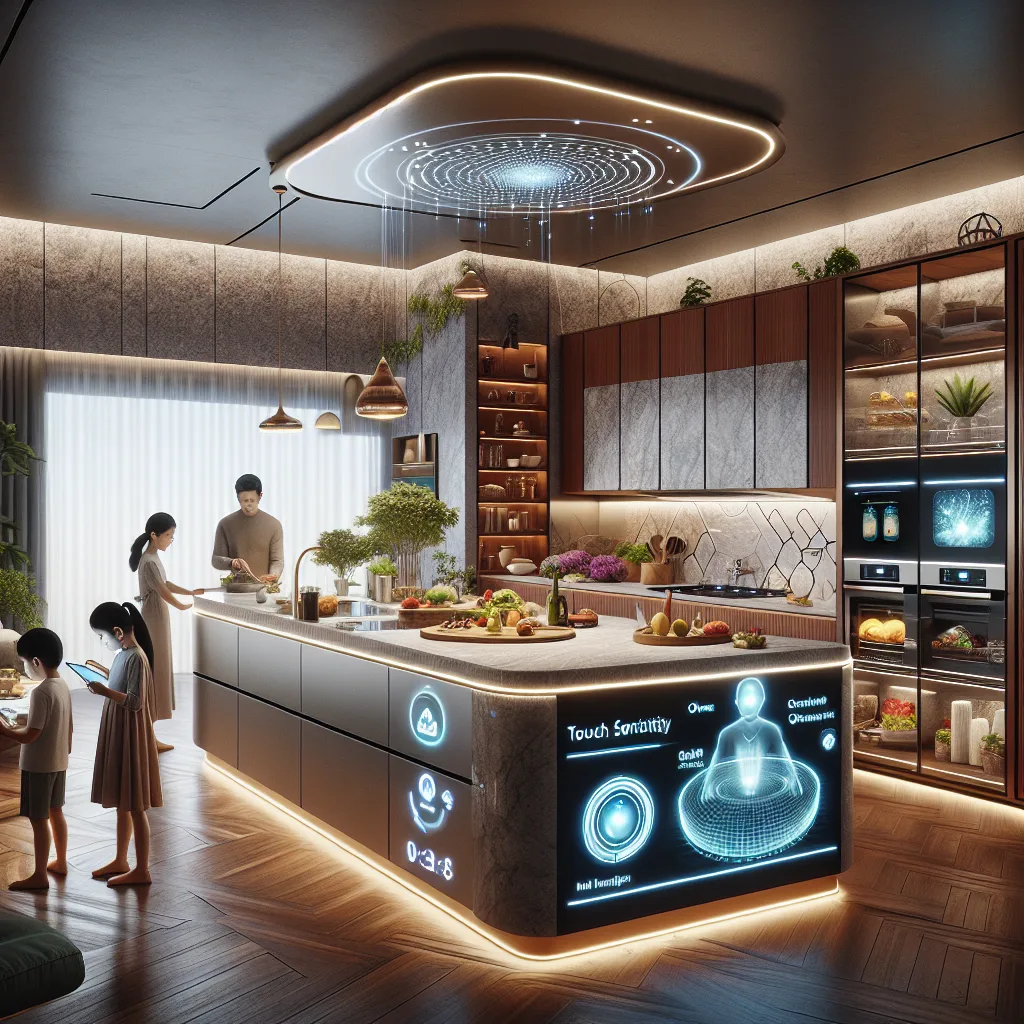
I’ll admit it, I was skeptical the first time I saw a robot flipping burgers at a fast-casual spot in Nashville. Not because I’m a Luddite (okay, maybe a little), but because I’ve spent enough time in kitchens, both professional and my own, to know that cooking isn’t just about following steps. It’s about intuition, timing, and that unquantifiable *something* that turns ingredients into a meal. So when I heard whispers about kitchen automation taking over, my first thought was: *Are we really ready to hand the reins to machines?*
But here’s the thing: The future of kitchen automation isn’t about replacing chefs or home cooks. It’s about augmenting what we do, making the process faster, safer, and more consistent without stripping away the creativity that makes cooking so damn rewarding. And after diving deep into the latest tech, talking to engineers, chefs, and even a few early adopters, I’ve realized something surprising: The kitchen of tomorrow might not look like a sci-fi set piece. It might just look like *your* kitchen, but with a few clever upgrades that actually make sense.
In this article, we’re going to explore what’s really on the horizon for kitchen automation. We’ll cover the tech that’s already here, the stuff that’s just around the corner, and the big questions we should all be asking. Is this the end of home cooking as we know it? Or is it the start of something even better? Let’s find out.
The Current State of Kitchen Automation: What’s Already Here?
Before we get into the crystal-ball stuff, let’s talk about what’s already in kitchens today. Because the truth is, kitchen automation isn’t some distant fantasy, it’s already here, hiding in plain sight. And if you’ve used any of the following, congratulations: You’re already part of the future.
Smart Appliances: The Gateway Drug to Automation
Take a look around your kitchen. That smart oven that preheats itself when you’re stuck in traffic? The Wi-Fi-enabled slow cooker that lets you adjust the temperature from your phone? The voice-controlled coffee maker that brews your morning cup before you’ve even brushed your teeth? These aren’t just gimmicks, they’re the first wave of kitchen automation making its way into our homes. And honestly, they’re kind of brilliant.
I’ve got a smart fridge that tells me when I’m running low on milk (and, okay, occasionally judges my life choices when it sees how many takeout containers are in there). It’s not *fully* automated, but it’s a step toward a kitchen that anticipates my needs instead of just reacting to them. And that’s the key difference between the automation of today and the automation of tomorrow: Today’s tech is about convenience. Tomorrow’s? It’s about collaboration.
But let’s be real, these gadgets aren’t perfect. My coffee maker once decided to brew at 3 AM because I accidentally told Alexa to “start the coffee” instead of “set a timer for coffee.” And don’t even get me started on the time my smart scale told me my pancakes were “overweight.” (Rude.) Still, these little hiccups are part of the process. The more we use this tech, the smarter it gets. And the smarter it gets, the more it can do.
Commercial Kitchens: Where Automation Is Already a Reality
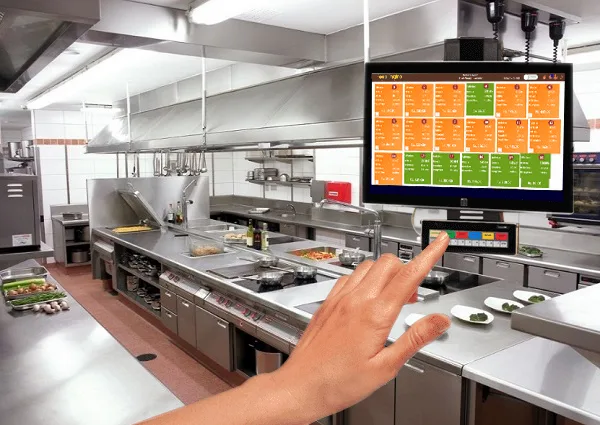
If you want to see kitchen automation in action, look no further than commercial kitchens. These places are the proving grounds for the tech that will eventually trickle down to our homes. And let me tell you, some of it is *wild*.
Take Flippy, the robotic arm that flips burgers and fries at fast-food chains. Or Moley Robotics, a fully automated kitchen that can cook over 5,000 recipes with zero human intervention. Then there’s Spyce, a restaurant in Boston where robots handle everything from chopping to plating. These aren’t just novelties, they’re efficiency powerhouses, reducing waste, improving consistency, and freeing up human chefs to focus on the creative stuff.
But here’s the thing: Even in these high-tech kitchens, humans aren’t obsolete. They’re just doing different jobs. Instead of flipping burgers, they’re overseeing the robots, tweaking recipes, and making sure everything runs smoothly. And that’s a good thing. Because at the end of the day, kitchen automation isn’t about replacing people, it’s about giving them better tools.
The Rise of the Sous-Chef Bots
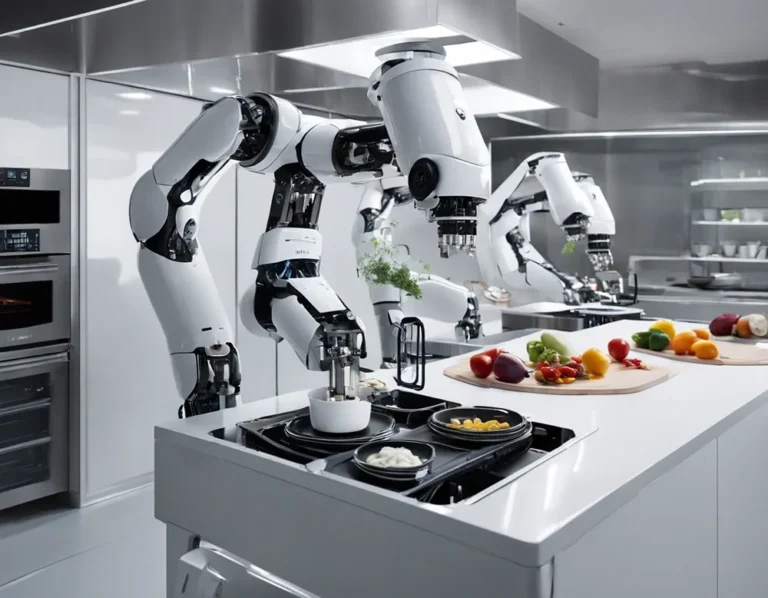
One of the most exciting developments in kitchen automation is the rise of sous-chef robots. These aren’t the clunky, one-trick machines of the past. They’re adaptive, learning systems that can chop, stir, and even taste-test as they go.
Take Thermomix, for example. It’s a countertop appliance that can chop, blend, cook, and even weigh ingredients, all while following a recipe to the letter. Or Bear Robotics, which makes a robot that can deliver food to your table (and, yes, it looks like a cute little tray on wheels). These aren’t just gadgets; they’re culinary assistants that can handle the tedious parts of cooking so you can focus on the fun stuff.
And let’s not forget about AI-powered recipe generators. Apps like PlantJammer and Chefling can create custom recipes based on what you have in your fridge, your dietary preferences, and even your mood. It’s like having a personal chef in your pocket, one that never judges you for eating cereal for dinner.
What’s Next? The Kitchen Automation Tech We’ll See in the Next 5 Years
Okay, so we’ve covered what’s already here. Now let’s talk about what’s coming. And spoiler alert: It’s going to be a wild ride.
AI That Actually Understands Cooking (Not Just Recipes)
Right now, most AI-powered kitchen tools are basically fancy recipe followers. They can tell you how long to bake a chicken or when to flip a pancake, but they don’t *understand* cooking. They don’t know why you’re supposed to let meat rest or why overmixing batter is a bad idea. They just follow the rules.
But that’s changing. Companies like NotCo and Perfect Day are using AI to reverse-engineer food, breaking down ingredients to their molecular level and then rebuilding them in new, innovative ways. Imagine an AI that can look at a recipe and say, “You know what? Instead of butter, let’s use this plant-based alternative that behaves *exactly* the same way in the oven.” Or an AI that can taste a dish and say, “This needs more acidity, add a splash of vinegar.”
This isn’t just about convenience. It’s about culinary creativity on steroids. And it’s coming sooner than you think.
The Internet of Things (IoT) Kitchen: Where Everything Talks to Everything Else
You’ve probably heard of the Internet of Things (IoT), but have you thought about what it means for your kitchen? In the near future, your fridge, oven, pantry, and even your trash can will all be connected. And they won’t just talk to you, they’ll talk to *each other*.
Here’s how it might work: Your smart fridgeotices you’re running low on eggs. It sends a message to your smart grocery list, which adds eggs to your next delivery. Meanwhile, your smart oven preheats itself because it knows you’re making an omelet for breakfast. And your smart trash can? It tracks what you’re throwing away and suggests recipes to use up the ingredients you’re wasting.
It sounds like a lot, but the goal isn’t to overwhelm you. It’s to streamline the cooking process so you can spend less time planning and more time enjoying your food. And honestly? I’m kind of excited about the idea of a kitchen that works with me, not against me.
Robot Chefs: From Fast Food to Fine Dining
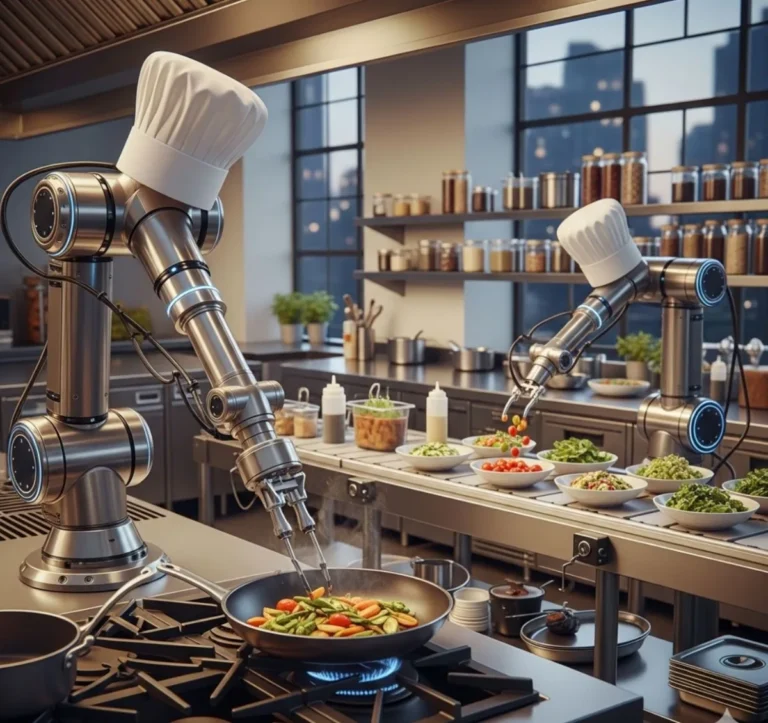
We’ve already seen robots in fast-food kitchens, but what about fine dining? Believe it or not, it’s happening. In 2025, a Michelin-starred restaurant in Singapore introduced a robot chef that can prepare complex dishes with the precision of a human, minus the human error. And it’s not just about consistency. These robots can adapt on the fly, adjusting seasoning, cooking times, and even presentation based on real-time feedback.
But here’s the thing: These robots aren’t replacing chefs. They’re collaborating with them. Imagine a world where a human chef designs a dish, and a robot handles the repetitive tasks, like chopping, stirring, and plating, while the chef focuses on the creative touches. It’s the best of both worlds: the precision of a machine and the soul of a human.
And let’s not forget about home robot chefs. Companies like Moley Robotics are already working on robots that can cook entire meals in your kitchen. They’re not cheap (yet), but as the tech improves, they’ll become more accessible. And who knows? In a few years, your kitchen might come with a built-in robot sous-chef.
3D Food Printing: The Next Frontier in Customization
You’ve heard of 3D printing, but have you heard of 3D food printing? It’s exactly what it sounds like: a printer that can create edible, customizable food from scratch. And it’s not just for novelty items like chocolate sculptures (though those are cool too). We’re talking about utritionally balanced meals tailored to your exact dietary needs.
Imagine this: You’re on a low-carb diet, but you’re craving pasta. Instead of settling for zucchini noodles (no shade, zoodles), you print yourself a plate of low-carb pasta made from almond flour and egg whites. Or maybe you’re hosting a dinner party, and you want to impress your guests with custom-shaped ravioli that would take hours to make by hand. With a 3D food printer, it’s as easy as hitting “print.”
And it’s not just for home cooks. 3D food printing is already being used in hospitals to create soft, easy-to-eat meals for patients with swallowing difficulties. It’s being used in space to provide astronauts with utrient-dense, shelf-stable food. And it’s being used in restaurants to create one-of-a-kind dishes that would be impossible to make by hand.
Is this the future of cooking? Maybe. But even if it’s not, it’s a fascinating glimpse into how kitchen automation can push the boundaries of what’s possible.
The Big Questions: What Does Kitchen Automation Mean for Us?
Okay, so we’ve covered the tech. Now let’s talk about the big picture. Because as exciting as all this is, it’s also kind of terrifying. What does kitchen automation mean for the future of cooking? For our jobs? For our relationship with food? Let’s break it down.
Will Robots Replace Chefs?
This is the question I get asked the most, and honestly? It’s complicated. The short answer is o, robots won’t replace chefs, at least not entirely. But they *will* change the way chefs work.
Think about it this way: When calculators were invented, people worried that math skills would become obsolete. But instead, calculators freed us up to focus on more complex problems. The same thing is happening in kitchens. Robots can handle the repetitive, time-consuming tasks, like chopping, stirring, and plating, while chefs focus on the creative, intuitive parts of cooking.
And let’s not forget that cooking is about more than just following a recipe. It’s about taste, texture, and emotion. It’s about the way a dish makes you feel. And that’s something no robot can replicate. At least, not yet.
So will robots replace chefs? Probably not. But they *will* change the job. And for the better, I think.
What About Home Cooks? Are We Becoming Obsolete?
This is the question that keeps me up at night. Because let’s be honest: If a robot can cook a perfect meal with the push of a button, why would anyone bother learning how to cook?
But here’s the thing: Cooking isn’t just about the end result. It’s about the process. It’s about the joy of chopping vegetables, the satisfaction of nailing a recipe, the pride of feeding someone you love. And no robot can take that away from us.
That said, kitchen automation will change the way we cook at home. It’ll make it easier, faster, and more accessible. And that’s a good thing. Because the more people who can cook, the better. Even if they’re using a robot to help.
So are home cooks becoming obsolete? Not even close. But we *are* entering a new era, one where cooking is more about creativity than technique.
Is Kitchen Automation Sustainable?
This is the big one. Because as cool as all this tech is, it’s not worth much if it’s not sustainable. And right now, there are some serious questions about the environmental impact of kitchen automation.
For starters, all these smart appliances and robots require energy. A lot of it. And if we’re not careful, the carbon footprint of our automated kitchens could outweigh the benefits. Then there’s the issue of e-waste. What happens to all these gadgets when they break or become obsolete? Are we just creating more trash?
But it’s not all doom and gloom. Kitchen automation can also be a force for good. Smart appliances can reduce food waste by tracking expiration dates and suggesting recipes to use up leftovers. Robots can optimize cooking processes to use less energy. And 3D food printing can create sustainable, plant-based alternatives to meat and dairy.
The key is to approach this tech with intention. To ask ourselves: How can we use kitchen automation to make our lives better *without* making the planet worse? It’s a tough question, but it’s one we need to answer.
What About the Human Touch?
This is the question that really gets me. Because at the end of the day, cooking is about more than just food. It’s about connection. It’s about the way a home-cooked meal can make you feel loved. The way a shared dish can bring people together. The way a recipe passed down through generations can make you feel like you’re part of something bigger.
And that’s something no robot can replicate.
But here’s the thing: Kitchen automation doesn’t have to replace the human touch. It can enhance it. Imagine a world where robots handle the tedious parts of cooking, freeing you up to spend more time with your family. Where smart appliances help you cook healthier meals, so you have more energy to enjoy life. Where 3D food printers let you create custom dishes for your loved ones, tailored to their exact tastes.
That’s the future I want to see. One where kitchen automation doesn’t replace the human touch, but amplifies it.
The Dark Side of Kitchen Automation: What We Need to Watch Out For
Look, I’m excited about the future of kitchen automation. But I’d be lying if I said I didn’t have some concerns. Because as with any new tech, there are risks. And we need to talk about them.
The Loss of Cooking Skills
Let’s say you grow up in a world where robots do all the cooking. You never learn how to chop an onion, how to tell when meat is done, or how to balance flavors. What happens when the power goes out? Or when you want to cook something that isn’t in the robot’s repertoire?
I’m not saying we should all become survivalists, but there’s something to be said for basic cooking skills. They’re not just practical, they’re empowering. And I’d hate to see them become a lost art.
The solution? Teach cooking alongside automation. Make sure kids (and adults) know the basics, even if they’re using a robot to help. Because at the end of the day, cooking is a life skill. And we shouldn’t let it die.
The Homogenization of Food
One of the best things about food is its diversity. Every culture, every region, every family has its own unique dishes and techniques. But what happens when robots start doing all the cooking? Will we end up with a world where everything tastes the same?
It’s a valid concern. After all, robots are great at consistency, but not so great at creativity. If we’re not careful, we could end up with a culinary landscape that’s bland and predictable.
The solution? Use automation to enhance diversity, not erase it. Encourage chefs to experiment with new flavors and techniques, even if they’re using robots to help. And make sure that cultural traditions are preserved, not replaced.
Privacy Concerns
This is the big one. Because when you invite smart appliances into your home, you’re also inviting data collection. And that data can be used in ways you might not expect.
For example, your smart fridge knows what you eat, when you eat it, and how much you eat. Your smart oven knows what recipes you use and how often you cook. And your smart grocery list knows what you buy and when you run out.
That’s a lot of data. And if it falls into the wrong hands, it could be used to manipulate you. Imagine getting targeted ads for junk food because your fridge knows you’re stressed. Or having your insurance rates go up because your smart scale knows you’re not eating healthy.
The solution? Be mindful of your data. Read the privacy policies of your smart appliances. Opt out of data sharing when you can. And remember: If something is free, you’re probably the product.
The Cost of Entry
Let’s be real: Kitchen automation isn’t cheap. And that means it’s not accessible to everyone. Which raises some serious questions about equity.
Will the future of cooking be a luxury reserved for the wealthy? Or will we find a way to make this tech accessible to everyone? And what happens to the people who can’t afford it? Do they get left behind?
These are tough questions. But they’re ones we need to answer. Because the future of kitchen automation shouldn’t be a privilege. It should be a right.
How to Prepare for the Future of Kitchen Automation
Okay, so we’ve covered the good, the bad, and the ugly. Now let’s talk about what you can do to prepare for the future of kitchen automation. Because whether you’re excited or terrified, this tech is coming. And it’s better to be ready than caught off guard.
Start Small
You don’t need to overhaul your entire kitchen to get started with kitchen automation. Start small. Get a smart speaker to control your appliances with your voice. Try a meal delivery service that uses AI to customize your meals. Or invest in a smart slow cooker that lets you adjust the temperature from your phone.
The key is to dip your toes in before diving in headfirst. That way, you can see what works for you and what doesn’t.
Learn the Basics
Even if you’re using kitchen automation to help, it’s important to know the basics. Learn how to chop an onion, how to tell when meat is done, and how to balance flavors. Because at the end of the day, cooking is a skill. And skills are empowering.
Plus, you never know when the power might go out. And when it does, you’ll be glad you know how to cook without a robot.
Stay Informed
The world of kitchen automation is changing fast. New tech is being developed every day, and it’s hard to keep up. But if you want to stay ahead of the curve, you need to stay informed.
Follow tech blogs, read industry reports, and keep an eye on what’s happening in commercial kitchens. Because the more you know, the better prepared you’ll be.
Embrace the Hybrid Approach
You don’t have to choose between human cooking and kitchen automation. The best approach is a hybrid one, where you use tech to enhance your cooking, not replace it.
For example, use a robot sous-chef to handle the chopping and stirring, but do the seasoning and tasting yourself. Or use a smart oven to cook your food perfectly, but plate it by hand. That way, you get the best of both worlds: the precision of a machine and the soul of a human.
Advocate for Ethical Automation
Finally, don’t be afraid to speak up. If you have concerns about the ethics of kitchen automation, share them. Write to your representatives, talk to your friends, and support companies that are doing things the right way.
Because at the end of the day, this tech is only as good as the people who use it. And if we want a future where kitchen automation benefits everyone, we need to demand it.
Final Thoughts: The Future of Kitchen Automation Is What We Make It
So, where does that leave us? Is kitchen automation the future of cooking? Or is it just another passing fad?
Honestly, I think it’s a little of both. The tech is here to stay, but how we use it is up to us. We can let it replace the human touch, or we can use it to enhance it. We can let it homogenize our food, or we can use it to celebrate diversity. We can let it control us, or we can use it to empower ourselves.
The choice is ours. And I, for one, am excited to see what we do with it.
So, what about you? Are you ready to embrace the future of kitchen automation? Or are you holding out for a world where robots stay in the factories and humans do the cooking? Either way, I’d love to hear your thoughts. Drop a comment below and let’s keep the conversation going.
FAQ
Q: Will kitchen automation replace human chefs entirely?
A: Not likely. While robots and AI can handle repetitive tasks with precision, they lack the creativity, intuition, and emotional connection that human chefs bring to cooking. Instead of replacing chefs, automation is more likely to augment their work, freeing them up to focus on the creative and interpersonal aspects of cooking. Think of it as a collaboration between humans and machines, rather than a replacement.
Q: Is kitchen automation affordable for the average home cook?
A: Right now, many smart kitchen appliances and automation tools come with a high price tag, making them more accessible to early adopters and tech enthusiasts. However, as the technology becomes more widespread, prices are expected to drop. In the meantime, you can start small with affordable gadgets like smart speakers, Wi-Fi-enabled slow cookers, or AI-powered recipe apps to get a taste of what’s possible without breaking the bank.
Q: How does kitchen automation impact food waste?
A: Kitchen automation has the potential to significantly reduce food waste by tracking expiration dates, suggesting recipes based on ingredients you already have, and optimizing portion sizes. For example, smart fridges can alert you when food is about to spoil, and AI-powered meal planners can help you use up leftovers before they go bad. However, it’s important to use these tools mindfully to ensure they’re actually helping, rather than contributing to more waste through overconsumption or unnecessary purchases.
Q: What are the biggest challenges facing the future of kitchen automation?
A: There are several challenges that kitchen automation will need to overcome to reach its full potential. These include:
- Cost and accessibility: Making the tech affordable and accessible to everyone, not just the wealthy.
- Privacy concerns: Ensuring that data collected by smart appliances is used ethically and securely.
- Sustainability: Reducing the environmental impact of manufacturing, energy consumption, and e-waste associated with automated kitchen tech.
- Cultural preservation: Ensuring that automation enhances, rather than erases, the diversity of culinary traditions around the world.
- Human skills: Encouraging people to learn basic cooking skills even as automation becomes more prevalent.
Addressing these challenges will require collaboration between tech developers, policymakers, chefs, and consumers. But if we can navigate these hurdles, the future of kitchen automation could be incredibly bright.
@article{the-future-of-kitchen-automation-how-smart-tech-is-redefining-the-way-we-cook-and-why-its-not-as-scary-as-it-sounds,
    title   = {The Future of Kitchen Automation: How Smart Tech Is Redefining the Way We Cook (And Why It’s Not as Scary as It Sounds)},
    author  = {Chef's icon},
    year    = {2026},
    journal = {Chef's Icon},
    url     = {https://chefsicon.com/the-future-of-kitchen-automation/}
}